Top 8 Gorges in Macedonia
Best canyons in Macedonia offer diverse natural beauty and outdoor activities. North Macedonia features impressive canyons, primarily formed by rivers carving through rugged terrain and limestone walls. These geological formations are significant for their ecosystems, historical sites, and recreational opportunities. The country's landscape provides a range of canyon experiences, from accessible day trips to more remote explorations.
Best canyons in Macedonia
- The most popular canyons is Matka Canyon, a canyon that features towering cliffs and the emerald waters of Matka Lake. It is home to at least ten caves, including Vrelo Cave, known for its stalactites and stalagmites.
- Another must-see spot is View of Demir Kapija, a viewpoint overlooking a gorge. This canyon is known for its dramatic limestone walls where the Vardar River flows, creating a natural strategic point.
- Visitors also love View of the Treska River, a viewpoint offering views of the river as it flows through the gorge. The Matka Monastery is located here, and the area provides scenic views of the surrounding landscape.
- Macedonia is known for river-carved canyons, limestone gorges, and areas with significant biodiversity. These natural features offer a variety of landscapes to explore, from dramatic cliffs to serene river valleys.
- The canyons in Macedonia are appreciated by the komoot community, with more than 70 upvotes and over 90 photos shared.
Last updated: October 12, 2026
Matka Canyon
Highlight • Canyon
When I was there on a Monday, it was relatively quiet, so it was possible to cycle into the gorge. During peak season or on weekends, this would probably be impossible.
There are ten caves in the Matka Canyon, the shortest of which is 20 meters long and the longest 176 meters. Visitors and tourists can explore the Vrelo Cave during a 20-minute boat ride in the Matka Canyon.
Translated by Google •
Tip by

Boat Trip and Hike at Matka Canyon
Highlight • Canyon
Translated by Google •
Tip by

Sign up now to discover places like this
Get recommendations on the best single tracks, peaks, & plenty of other exciting outdoor places.
Vrelo Cave, Matka Canyon
Highlight • Cave
It is also possible to go by boat and then, by arrangement, be ferried to the other bank and walk back along the magnificent cliff path. This is very impressive. Towards the end, in the direction of the dam, there are some benches or picnic spots. However, there is no one-way ticket. You always pay the full price of approx. 5 Euros including cave entrance.
Showing Translation
Tip by

Duf Waterfall
Highlight • Waterfall
Translated by Google •
Tip by

View of the Treska River
Highlight • Viewpoint
Translated by Google •
Tip by

Lower Radika Gorge
Highlight • Gorge
After the gorge, the Radika receives its largest tributary, the Valovica river from the right, and flows along the northern slopes of the Stogovo mountain. After the villages of Dolno Kosovrasti, Dolno Melničani, Gorenci and Rajčica, the Radika flows into the Black Drin, just south of Debar. The Black Drin is one of the tributaries of the Drin river, while the next is the White Drin, which originates from Kosova. In fact, the lowest section of the river is flooded by the artificial lake Debar on the Black Drin, forming one of the lake's bays.
From the pictures you can see how powerfully the Radika digs through the rocks, it's a must-see 👍
Translated by Google •
Tip by

Dlaboka Reka Gorge and Waterfall, Mavrovo National Park
Highlight (Segment) • Gorge
The national park is used by tourists for hiking, cycling and skiing; there are hotels, holiday homes and ski lifts. Hiking trails are only sporadically marked. Worth seeing are the Duf waterfall near Bituše, the village of Galičnik and the Sveti Jovan Bigorski monastery.
Large parts of the national park consist of grassland, as large areas of forest were cleared up until the early 1950s to facilitate the intensive sheep farming of the time. Norway spruce and beech grow in particular at higher altitudes, while various types of oak can be found at lower altitudes. Animal species found in the national park include the western rock vole, the Martino snow vole, the western blind vole, the Balkan mole, several species of shrews and bats, as well as otters, wild cats, lynxes, wolves and brown bears, as well as numerous rare amphibians, reptiles and insects. There were plans for two hydroelectric power plants in the national park that would have threatened the survival of the Balkan lynx. The park is home to the most significant population of the critically endangered lynx species. A campaign by the environmental organization Eko-svest led by Ana Čolović Lešoska resulted in the project's building permit being revoked in 2016.[2][3]
A part of the national park, namely the valley of the river Dlaboka Reka ("Deep River") flowing through the national park, was included in the transnational World Heritage Site "Ancient Beech Forests and Primeval Beech Forests of the Carpathians and Other Regions of Europe" in 2021.[4]
Translated by Google •
Tip by
View of Demir Kapija
Highlight • Viewpoint
According to the 2002 census, 4,545 people live here, 87.9% of whom are Macedonians and 7.6% Turks. The village used to be known as Stenas (gorge) and Prosek.
Demir Kapija is located on the main traffic axis of the Balkans. The E75 motorway from Budapest via Belgrade and Skopje in the direction of Thessaloniki and the same railway line lead here through the “Iron Gate” on Vardar. 3 trains per day run to Skopje, one of them to Belgrade. There are also bus connections to Skopje.
Source: according to Wikipedia
Translated by Google •
Tip by

Start today with a free account
Your next adventure awaits.
Popular around Macedonia
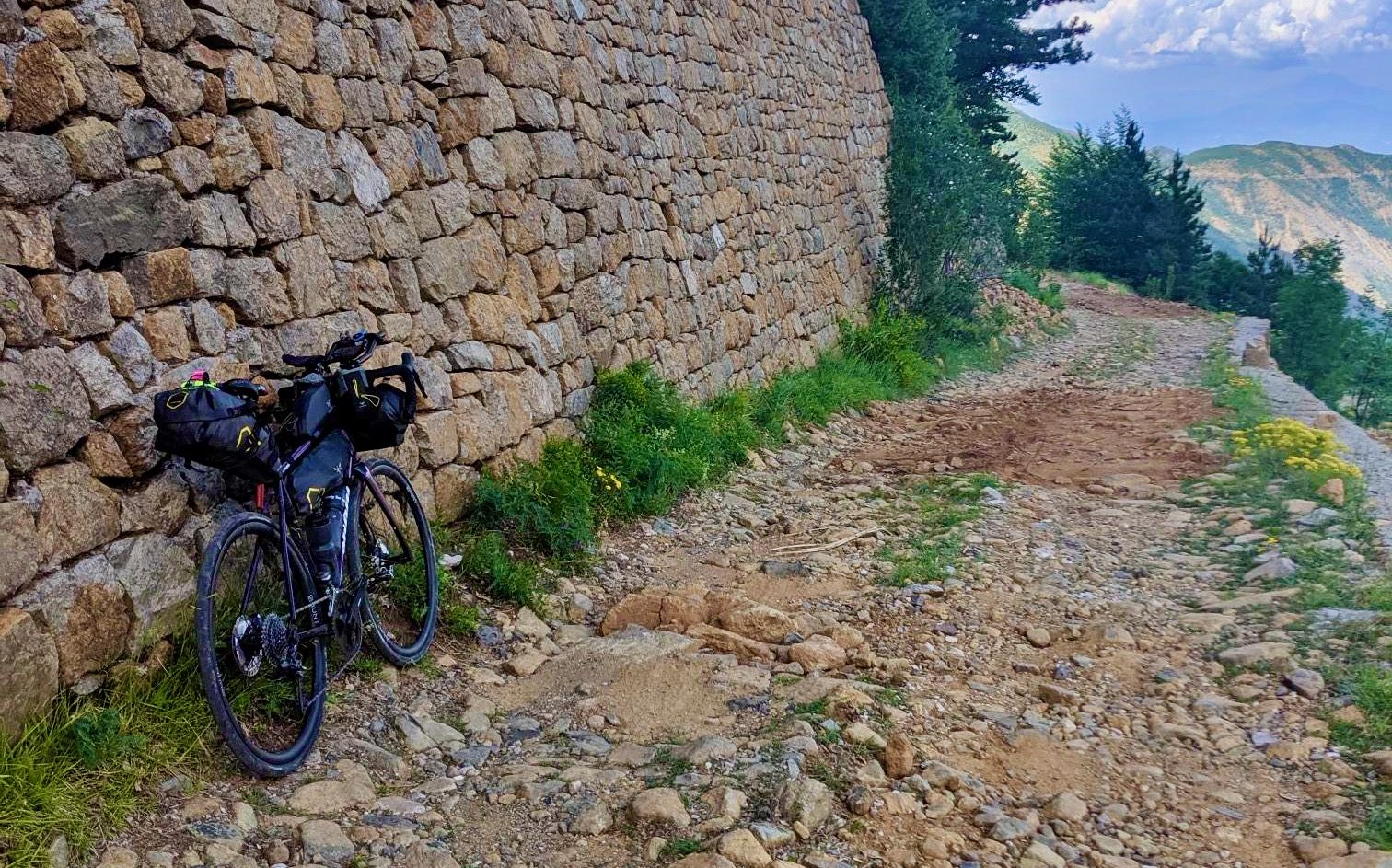
Traversing the Dinaric Alps — bikepacking from the mountains to the sea
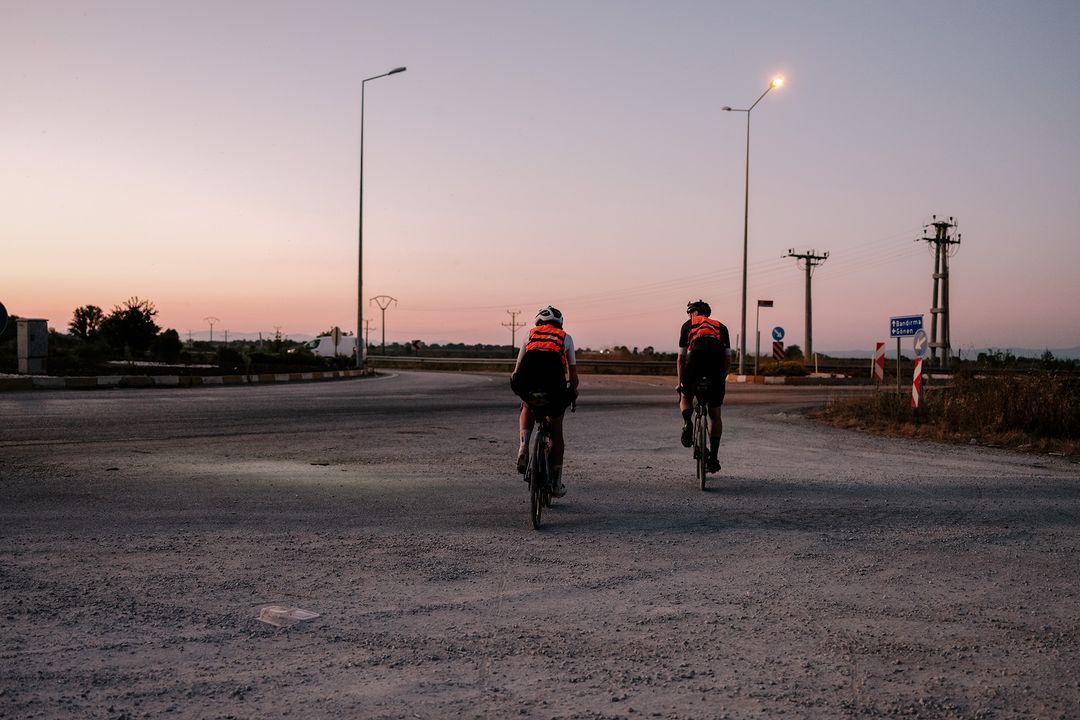
Transcontinental Race No10: crossing Europe from France to Turkey
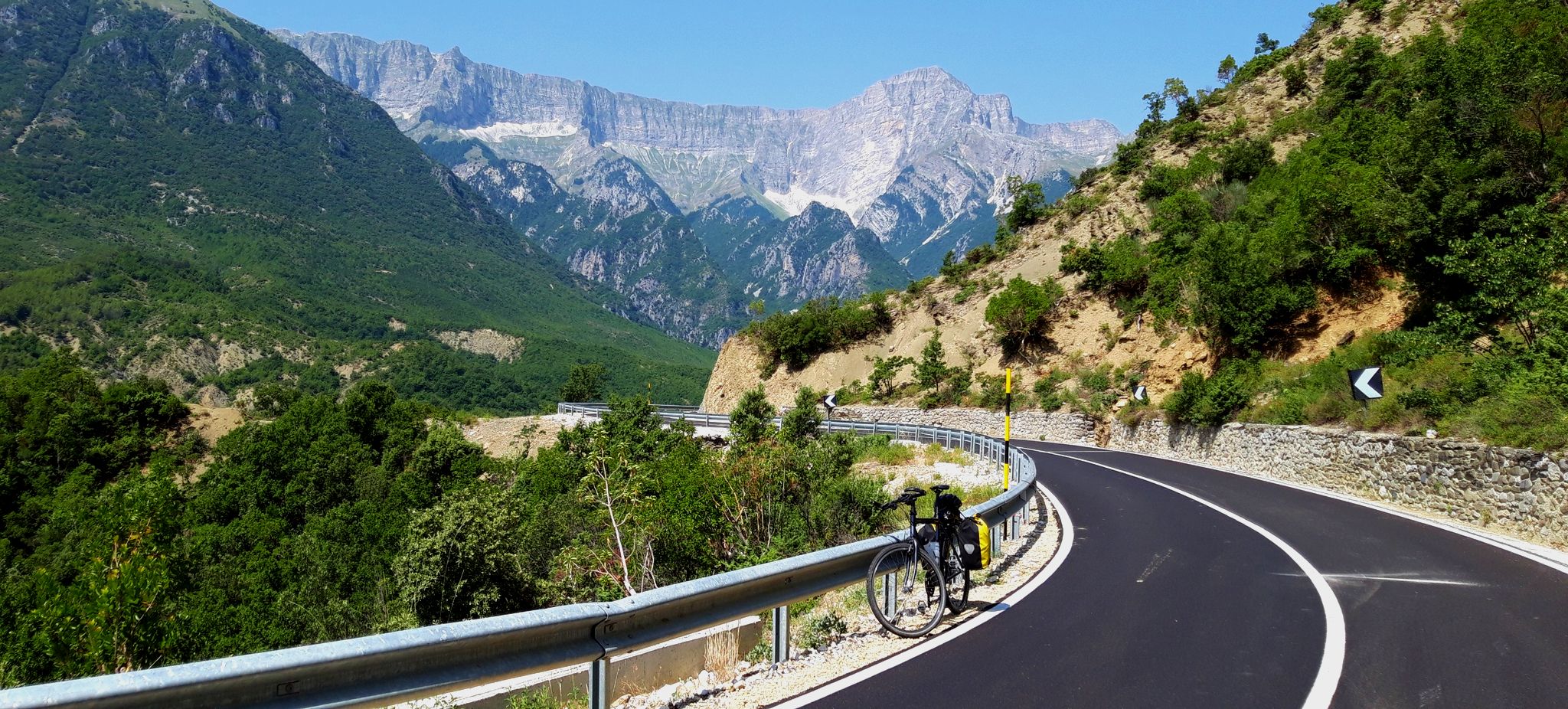
Balkan cycling adventure – Dubrovnik to Corfu
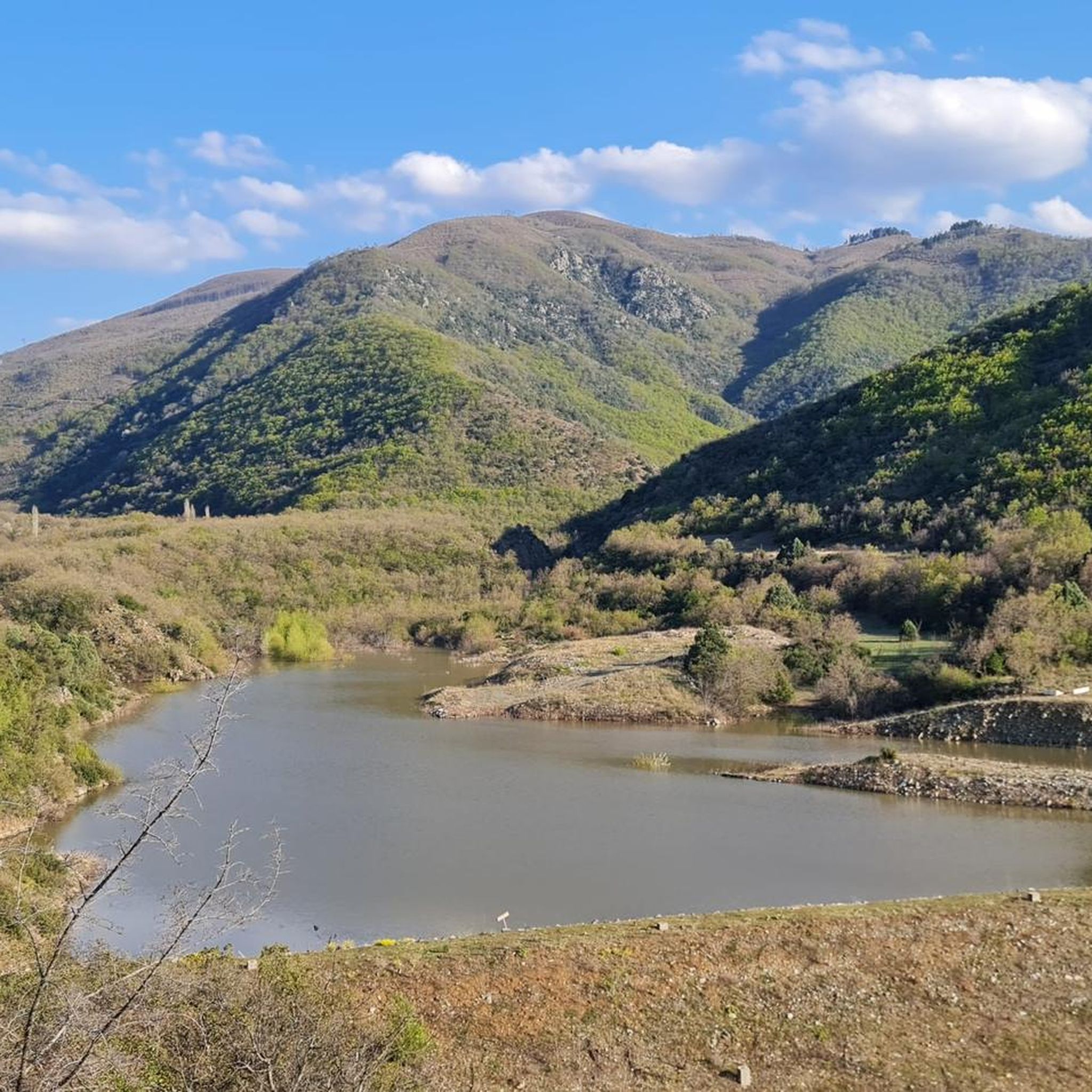
Hiking in Macedonia
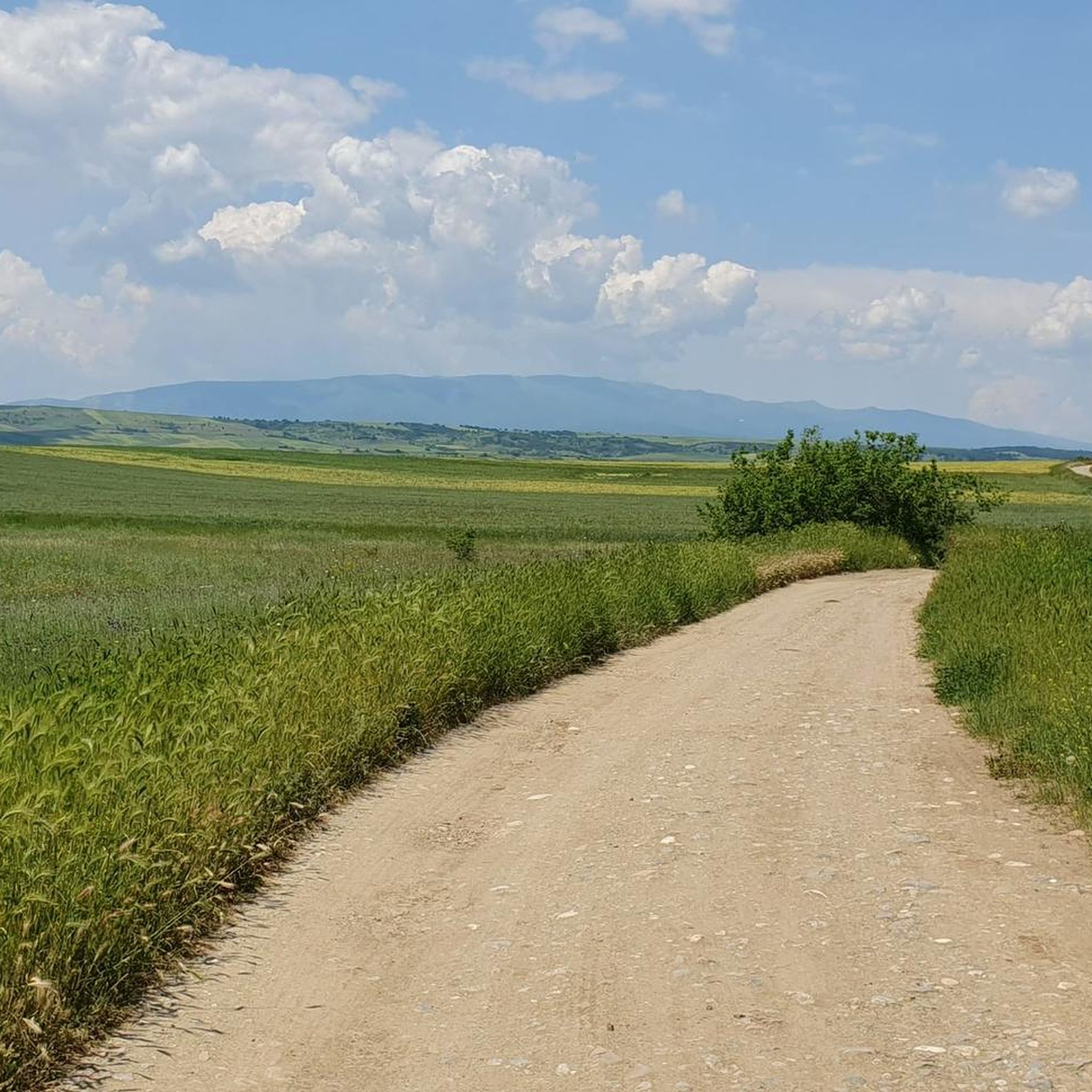
Cycling in Macedonia
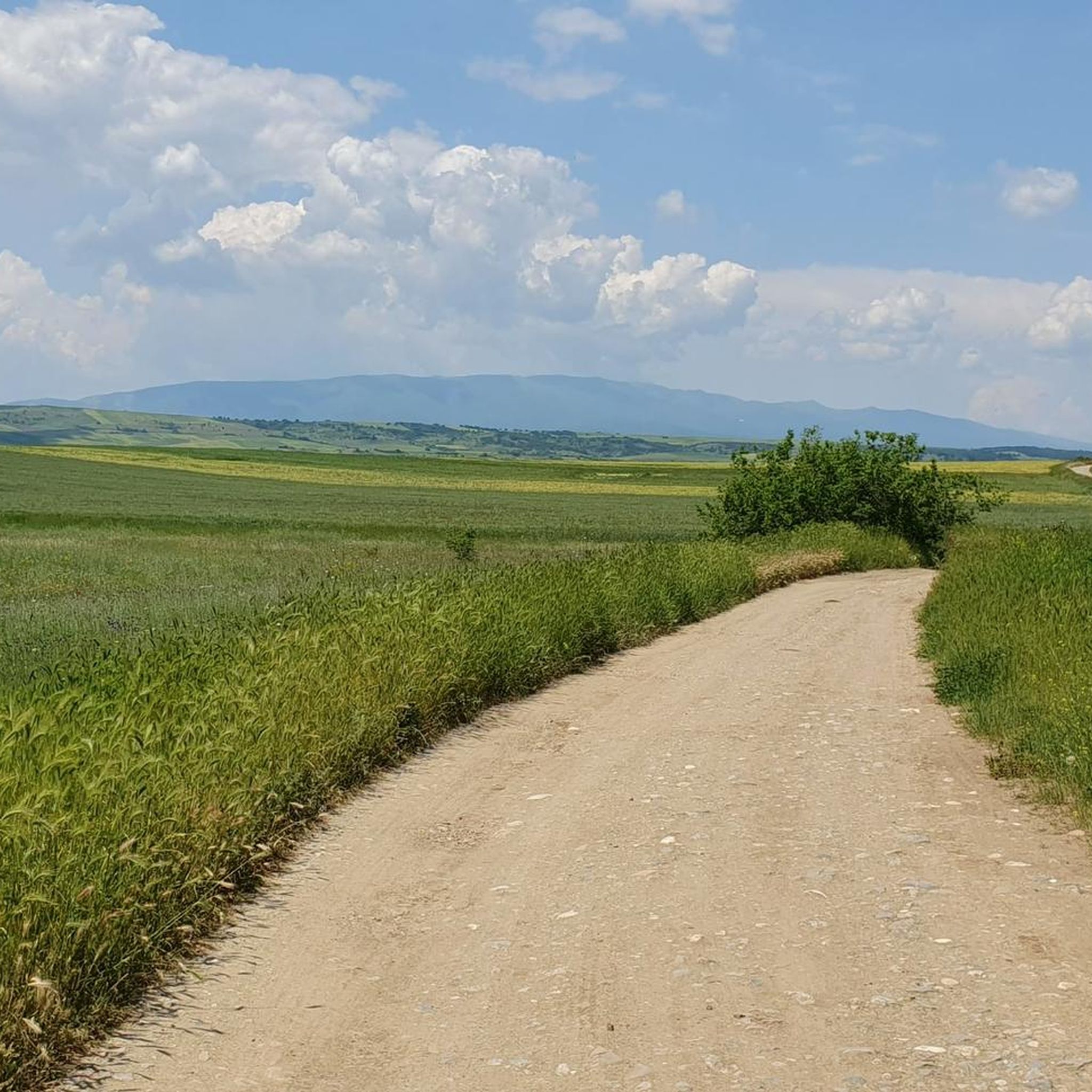
Running Trails in Macedonia
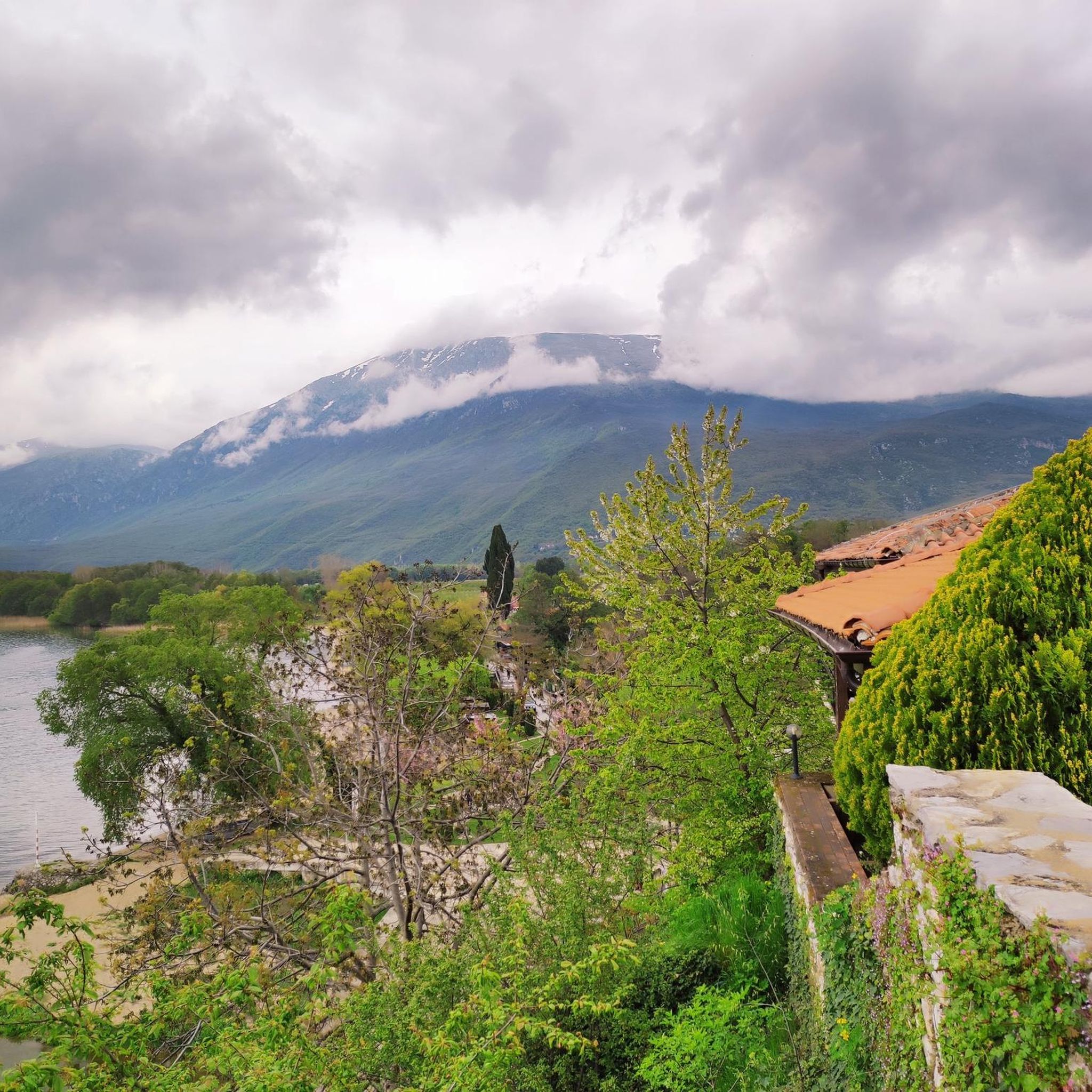
Road Cycling Routes in Macedonia
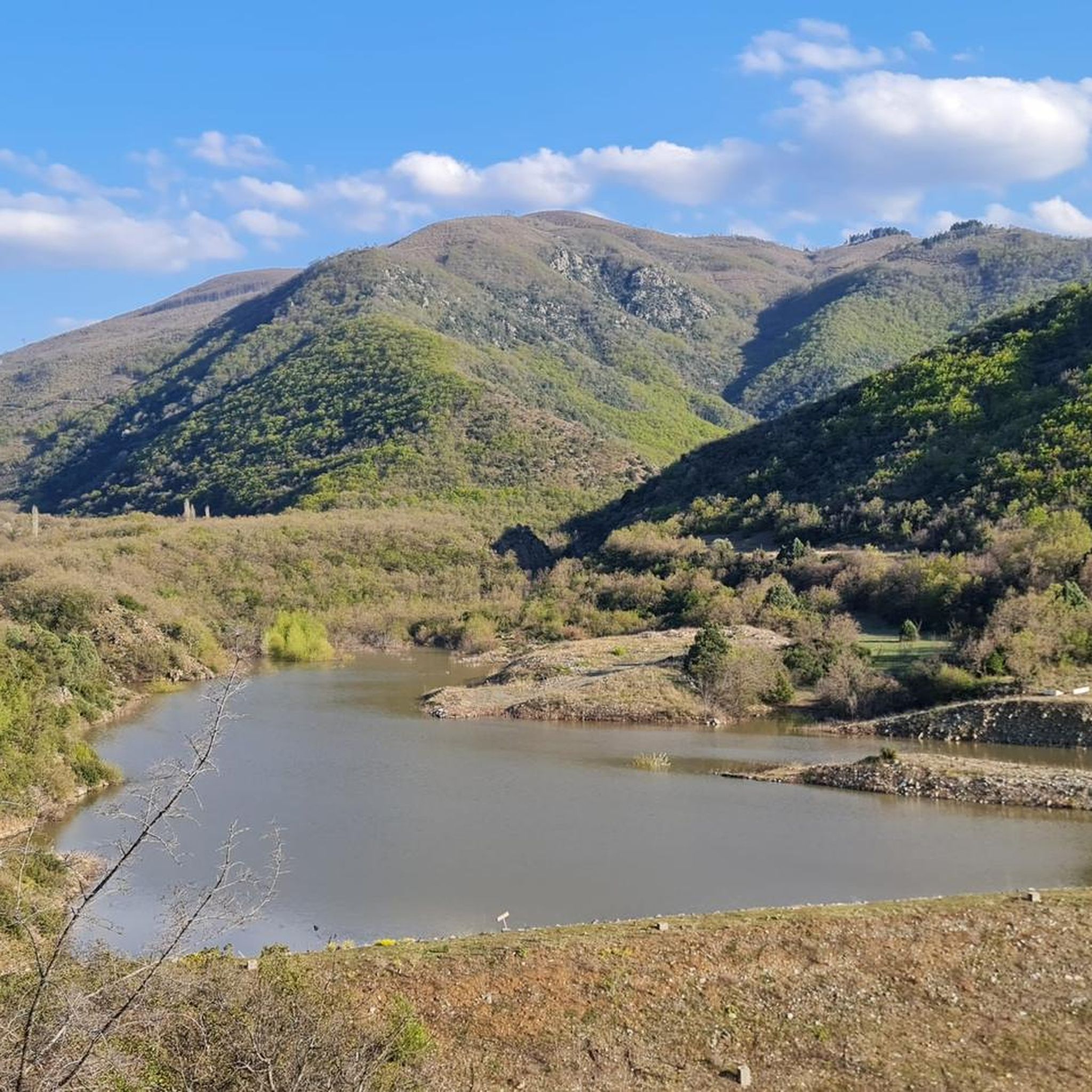
MTB Trails in Macedonia
Other adventures in Macedonia


Tips from the Community

The Vrelo Cave is a small cave. To visit it, you need to arrive by boat. The hiking trail runs on the opposite side. By motorboat it takes approx. 20 min. By rented canoe it takes longer. Staying in the cave is good for a maximum of 15 minutes.
0
0

The Vrelo Cave is on the OTHER SIDE of the river bank and can only be reached by boat. It is also possible to go by boat and then, by arrangement, be ferried to the other bank and walk back along the magnificent cliff path. This is very impressive. Towards the end, in the direction of the dam, there are some benches or picnic spots. However, there is no one-way ticket. You always pay the full price of approx. 5 Euros including cave entrance.
1
0

At the beginning of the Matka Canyon, there are various stalls, then a narrow path leads along the cliffs past the dam to the oldest artificial lake in the country. There, you can continue by boat or enjoy a meal and a drink at the restaurant. When I was there on a Monday, it was relatively quiet, so it was possible to cycle into the gorge. During peak season or on weekends, this would probably be impossible. There are ten caves in the Matka Canyon, the shortest of which is 20 meters long and the longest 176 meters. Visitors and tourists can explore the Vrelo Cave during a 20-minute boat ride in the Matka Canyon.
3
0

It can get very crowded on weekends in spring and summer, with cars and tour buses backing up the small access road. But the views and scenery are incredibly beautiful. The water of the Treska River, which flows through the gorge, is ice-cold even in summer. A refreshing dip is still worthwhile. Worthwhile: There's a 20-km hiking trail from Vodno to the Matka Gorge and vice versa, offering breathtaking views of the gorge and the surrounding area. For example, you can hike from Skopje to the gorge and then take a taxi back.
0
0
It can get very crowded on weekends in spring and summer, with cars and tour buses backing up the small access road. But the views and scenery are incredibly beautiful. The water of the Treska River, which flows through the gorge, is ice-cold even in summer. A refreshing dip is still worthwhile. Worthwhile: There's a 20-km hiking trail from Vodno to the Matka Gorge and vice versa, offering breathtaking views of the gorge and the surrounding area. For example, you can hike from Skopje to the gorge and then take a taxi back.
0
0

Wonderful landscape. The Matka Monastery is worth seeing here.
2
0

The border from Kosovo to Macedonia is only open for locals (people from Kosovo and Macedonia). If you're foreign, even as an EU citizen there is no way border police will let you pass. So consider this route CLOSED if you come from Kosovo.
1
0

In the lower, 44 km long section of its course, the Radika continues to flow south, having carved a long and 1 km deep gorge between the Korab and Dešat mountains to the west and Bistra (to the east). There are many interesting places along the Radika valley, including the villages of Velebrdo, Rostuša, Janče, Prisojnica and Skudrinje, the Monastery of St. Jovan Bigorski, the Kosovratska Banja spa (with sulphurous water up to 49 °C) and the unique Alčija cave, formed from alabaster. Alabaster is abundant in the area and is mined and processed in the town of Debar for industrial and commercial purposes. After the gorge, the Radika receives its largest tributary, the Valovica river from the right, and flows along the northern slopes of the Stogovo mountain. After the villages of Dolno Kosovrasti, Dolno Melničani, Gorenci and Rajčica, the Radika flows into the Black Drin, just south of Debar. The Black Drin is one of the tributaries of the Drin river, while the next is the White Drin, which originates from Kosova. In fact, the lowest section of the river is flooded by the artificial lake Debar on the Black Drin, forming one of the lake's bays. From the pictures you can see how powerfully the Radika digs through the rocks, it's a must-see 👍
1
0
Frequently Asked Questions
What are the most popular canyons for visitors in North Macedonia?
The most popular and frequently visited canyons in North Macedonia are Matka Canyon near Skopje and Demir Kapija Canyon in the south. Matka is known for its emerald waters, caves, and monasteries, while Demir Kapija offers dramatic limestone walls and is a hub for adventure sports.
What unique natural features can I expect to see in North Macedonia's canyons?
North Macedonia's canyons boast diverse natural features. In Matka Canyon, you'll find towering cliffs, the artificial Matka Lake, and at least ten caves, including the famous Vrelo Cave with its impressive stalactites and stalagmites. Demir Kapija Canyon is characterized by dramatic limestone walls and the 'Iron Gate' formation where the Vardar River flows, along with 13 caves in the surrounding area.
Are there historical or cultural sites within or near the canyons?
Yes, several canyons are rich in history and culture. Matka Canyon is dotted with medieval monasteries and churches, such as St. Andrew's Monastery and Matka Monastery. Near Demir Kapija Canyon, you can find ancient settlements like Prosek (Stenae), highlighting its strategic importance throughout history.
What outdoor activities can I do near these canyons?
The canyons offer a wide range of outdoor activities. At Matka Canyon, you can enjoy boat trips, kayaking, hiking, and rock climbing. Demir Kapija Canyon is North Macedonia's largest rock-climbing site, also popular for kayaking, rafting on the Vardar River, hiking, mountain biking, and caving. For more general outdoor activities, you can explore nearby hiking, cycling, and running trails across Macedonia.
What is the best time of year to visit the canyons in North Macedonia?
The best time to visit the canyons is generally from Easter to November, when the weather is favorable for outdoor activities like hiking, boating, and rock climbing. The region around Demir Kapija Canyon benefits from a convergence of continental and Mediterranean climates, leading to warm average temperatures.
Are there family-friendly options for visiting the canyons?
Yes, Matka Canyon is very accessible and offers boat trips on Matka Lake, which are suitable for families. There are also easy walking paths at the beginning of the canyon. While Demir Kapija Canyon is known for adventure sports, some viewpoints and shorter walks can also be enjoyed by families.
Can I go hiking in the canyons, and what are the difficulty levels?
Hiking is a popular activity in the canyons. Matka Canyon offers various hiking opportunities, from easy paths along the lake to more strenuous routes leading to monasteries or viewpoints. For example, a hike up to St. Nikola Monastery from the lake requires good shoes and water. The Treska River gorge also features a 20-km hiking trail from Vodno to Matka Gorge with breathtaking views. Difficulty levels range from intermediate to difficult, depending on the chosen trail.
Are there any hidden gems or less-known canyons worth exploring?
Beyond the main attractions, the Lower Radika Gorge and the Dlaboka Reka Gorge and Waterfall in Mavrovo National Park offer stunning natural beauty and a more secluded experience. The Treska River itself carves through several spectacular gorges, with Matka being the most famous, but the wider valley provides scenic routes for exploration.
Is it possible to swim in the canyon waters?
Swimming is possible in some canyon areas, particularly in Matka Lake within Matka Canyon, though the water can be quite cold even in summer. The Treska River, which flows through the gorge, is also known for its ice-cold waters, offering a refreshing dip for those brave enough.
What amenities are available near Matka Canyon?
At the beginning of Matka Canyon, you'll find various stalls, restaurants, and cafes. There are also options for boat tours and rentals for kayaking and water biking. Parking is available, and its proximity to Skopje makes it an easy day trip destination.
What makes Demir Kapija Canyon unique compared to other canyons?
Demir Kapija Canyon, meaning 'Iron Gate,' is unique for its dramatic 'Iron Gate' rock formation where the Vardar River passes through towering limestone walls. It stands out as North Macedonia's largest rock-climbing site, offering almost 400 routes. The area also boasts a unique climate, numerous caves, and is an important ornithological reservoir, making it a haven for bird watchers and adventure enthusiasts.
Are there viewpoints in the canyons offering panoramic views?
Yes, many canyons feature stunning viewpoints. In Matka Canyon, trails lead to elevated spots offering panoramic views of the lake and surrounding cliffs. The View of the Treska River highlight provides incredible vistas of the gorge. Similarly, Demir Kapija offers viewpoints overlooking the dramatic river passage and limestone walls.
Most popular attractions in Macedonia

Get inspired with the komoot mobile app


Didn’t find what you were looking for?
Want to see even more gorges? See the best ones in Macedonia region by region:
Explore more
Already discovered everything in this region? See additional gorges in Macedonia for your next adventure:
