Top 20 Caves in Iceland
Best caves in Iceland are found in a landscape shaped by volcanic activity and glaciers. This island nation features a diverse range of subterranean formations, from ancient lava tubes to dynamic ice caves. These geological wonders offer insights into Earth's powerful natural processes. Visitors can explore a variety of cave environments, showcasing unique rock formations, mineral deposits, and ice structures.
Best caves in Iceland
- The most popular caves is Þvottahellir (Washing Cave), a cave that is encountered during the walk to the Glymur waterfall. To reach the river, visitors climb through this small cave, adding an adventurous element to the tour.
- Another must-see spot is Gljúfrabúi Waterfall, a waterfall hidden in a crevice. This 40-meter high waterfall offers a unique experience as it is partially concealed within a cave-like enclosure.
- Visitors also love Rauðfeldsgjá Gorge, a creek cave where visitors can climb approximately 50 meters inside. The gorge provides a unique exploration opportunity, requiring waterproof footwear for entry.
- Iceland is known for its lava caves and ice caves, formed by volcanic eruptions and glacial meltwater. These subterranean environments offer a variety of experiences, from exploring ancient lava tubes with colorful mineral deposits to witnessing stunning blue ice formations.
- The caves in Iceland are appreciated by the komoot community, with more than 170 upvotes and 180 photos shared by users.
Last updated: October 12, 2026
Gljúfrabúi Waterfall
Highlight • Waterfall
Translated by Google •
Tip by

Kirkja Lava Cave, Dimmuborgir
Highlight • Cave
Translated by Google •
Tip by

Sign up now to discover places like this
Get recommendations on the best single tracks, peaks, & plenty of other exciting outdoor places.
Grjótagjá Cave
Highlight • Cave
In the past it was even possible to swim in a cave, today it is forbidden.
Incidentally, this cave is also a location of the Season 3 series Game of Thrones: (ATTENTION SPOILER) when Jon Snow loses his innocence;)
----------------
In the past you could bathe in the cave, today it is forbidden.
This cave is the shooting season of the season: (ATTENTION SPOILER) as Jon Snow loses his innocence;)
Translated by Google •
Tip by

Þvottahellir (Washing Cave)
Highlight • Cave
Translated by Google •
Tip by

Rauðfeldsgjá Gorge
Highlight • Gorge
Translated by Google •
Tip by

Hálsanefshellir Cave
Highlight • Cave
There are actually two sea caves at the beach looking quite similar. Even some websites mix them up. Hálsanefshellir has the pillars on the right, the other cave on the left side of the entrance.
The beach is named after the mountain above, the Reynisdrangar (Three Trolls). It is formed by three huge basalt flows which look like an irregular stack. According to legend, there were three trolls who tried to pull a ship to shore, but took so long they were caught by the sunrise and turned into the three spiky rocks you see today. The mountain has various spots consisting of basalt pillars.
The beach is not only famous, it is also infamous, because it is one of the two beaches on Iceland with dangerous undercurrent.
Source: Showcaves.com
Tip by

Stóragjá Gorge
Highlight • Gorge
Translated by Google •
Tip by

Yule Lads Cave (Dimmuborgir Troll Cave)
Highlight (Segment) • Cave
The area is surrounded by legends and myths. According to Icelandic folklore, Dimmuborgir is home to a murderous troll Gryla, her third husband and their sons The Yule Lads. The sons return in the snow to give the children presents or rotten potatoes, depending on whether they had behaved well or not.
Translated by Google •
Tip by
Fiskhellar (Fish Caves) and Monument to the 1627 Algerian Raid
Highlight • Cave
Source: visitwestmanislands.com
Tip by
Skutafoss Waterfall
Highlight • Waterfall
Walking to the waterfall and back takes about 15-20 minutes. You can view it both from above and from within the cave below.
Especially if you are into photography, this is a very versatile waterfall that offers several different compositions, from several different viewpoints.
Tip by

Sign up for free to discover even more caves in Iceland.
Already have an account?
Start today with a free account
Your next adventure awaits.
Popular around Iceland
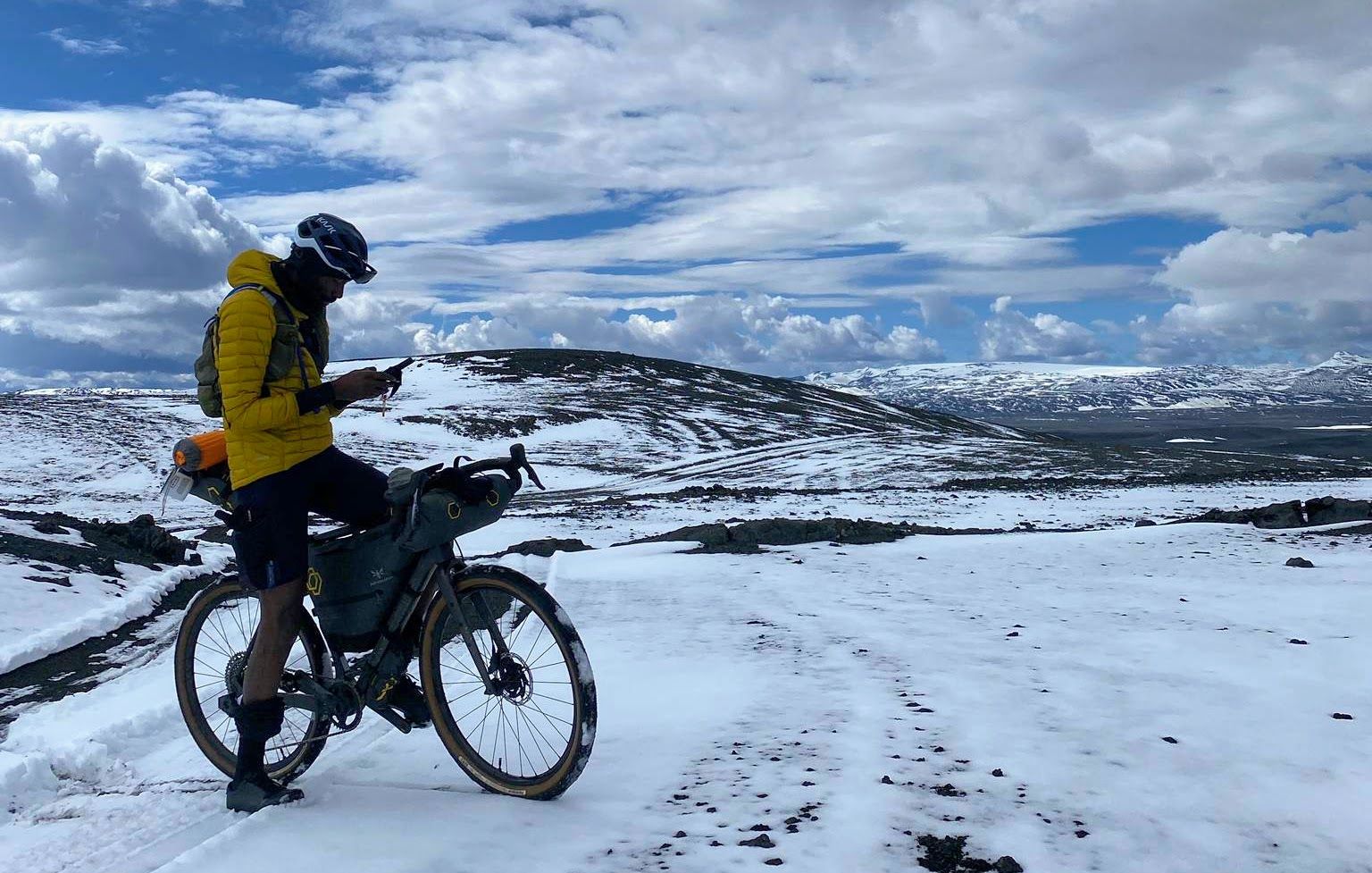
Iceland Divide – Lava fields, icy glaciers and river crossings
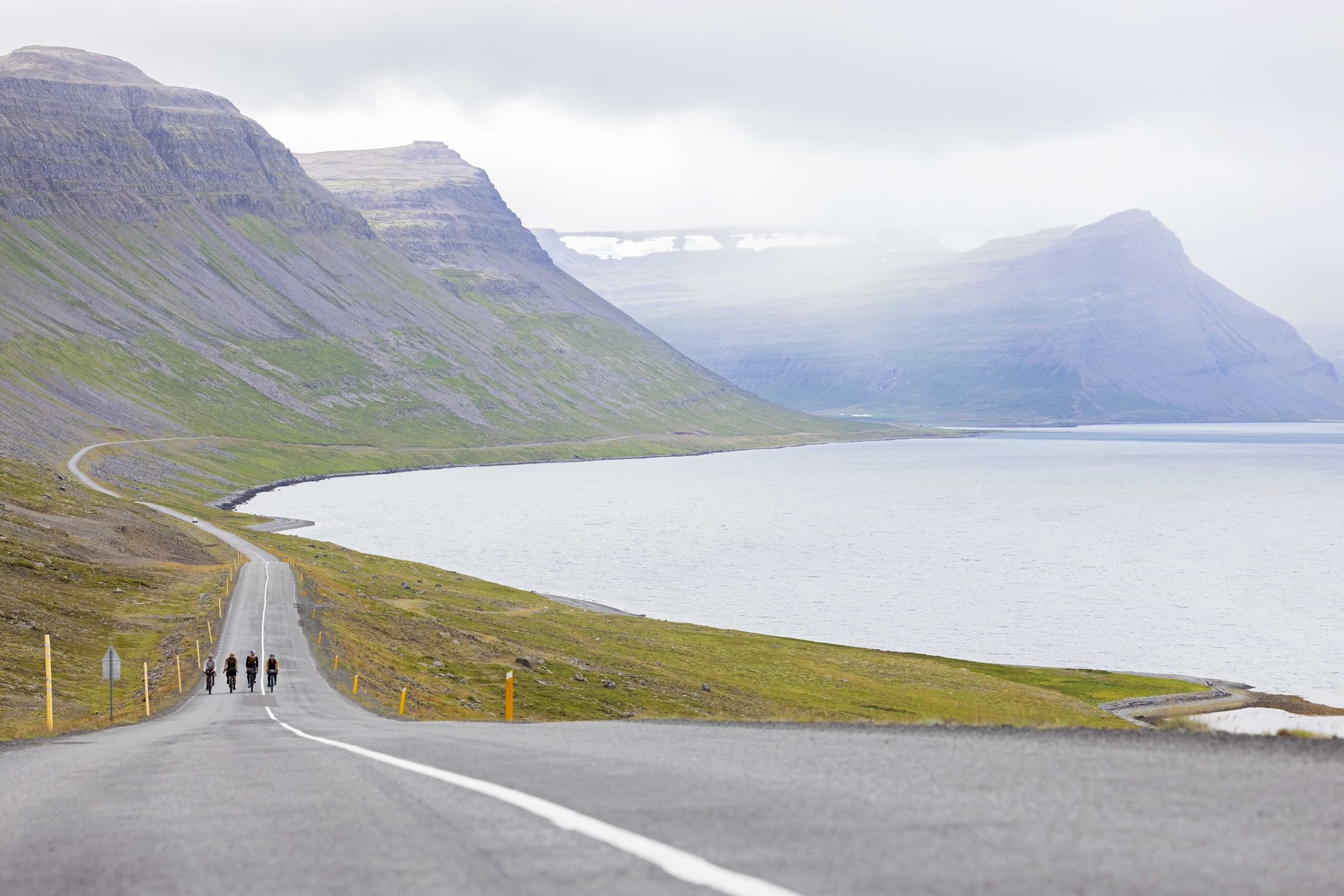
The Westfjords Way — Bikepacking Iceland's most remote coastline
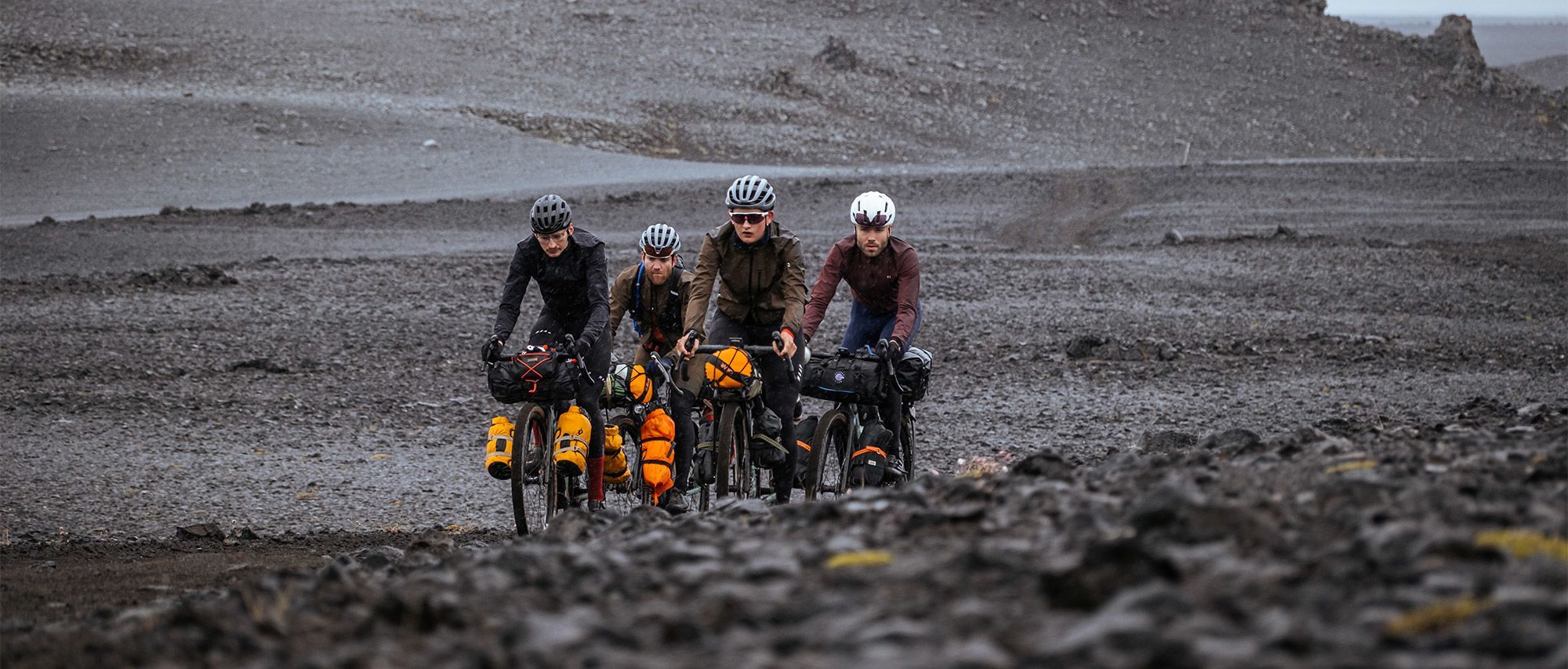
Iceland Divide — Ride Beyond Crew: between fire and ice
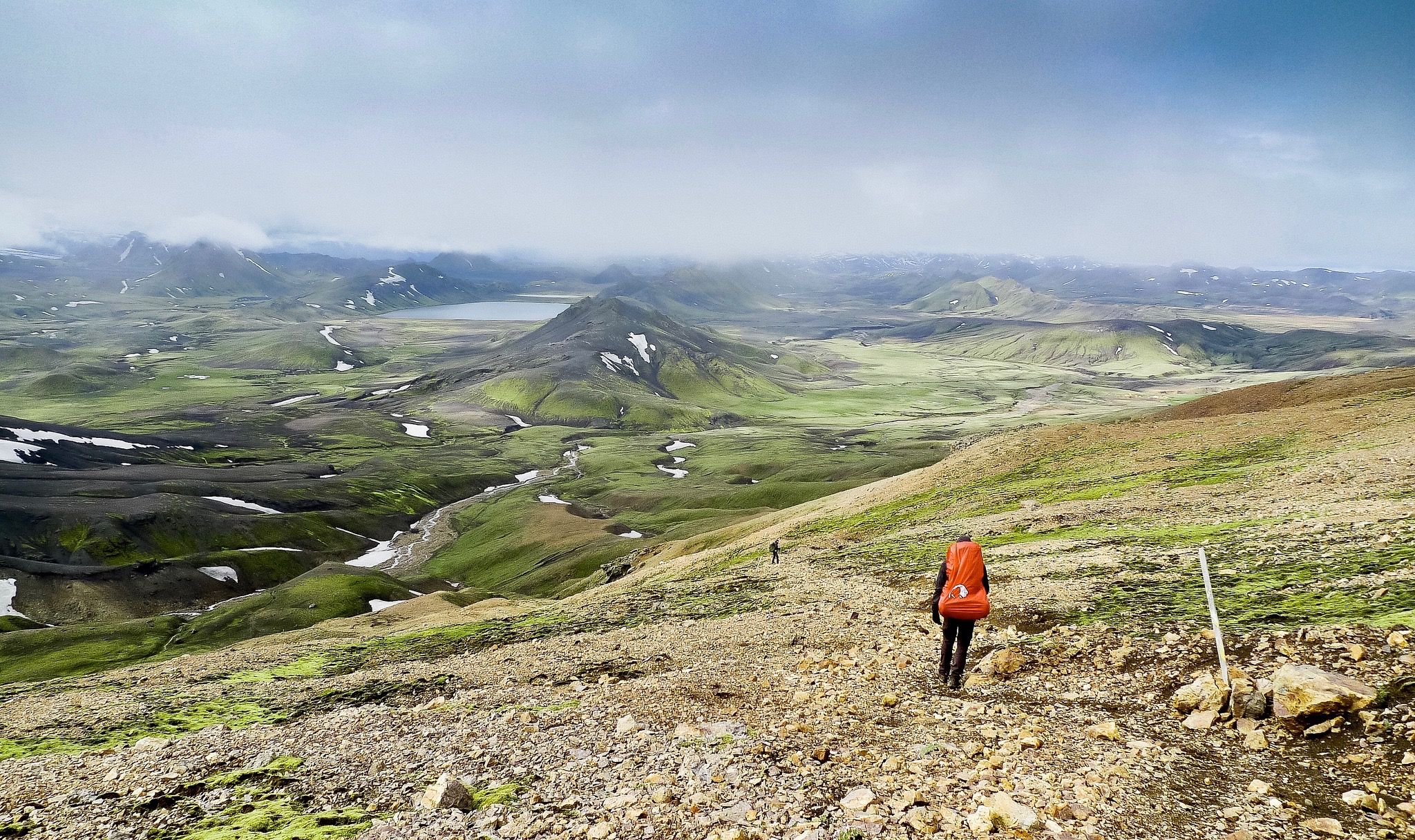
Laugavegur — 6 days trekking through Iceland
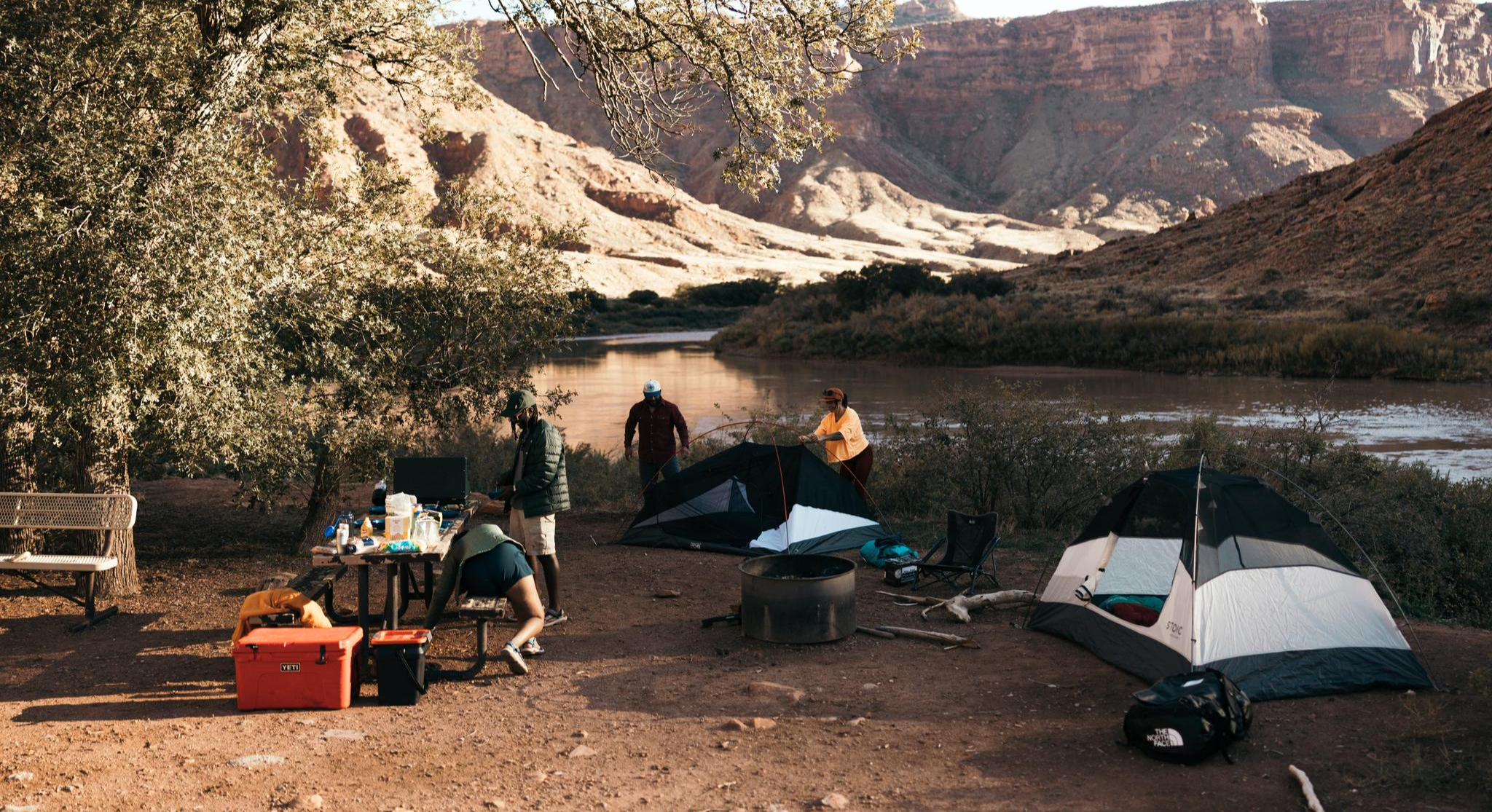
Glamping Adventures on Foot
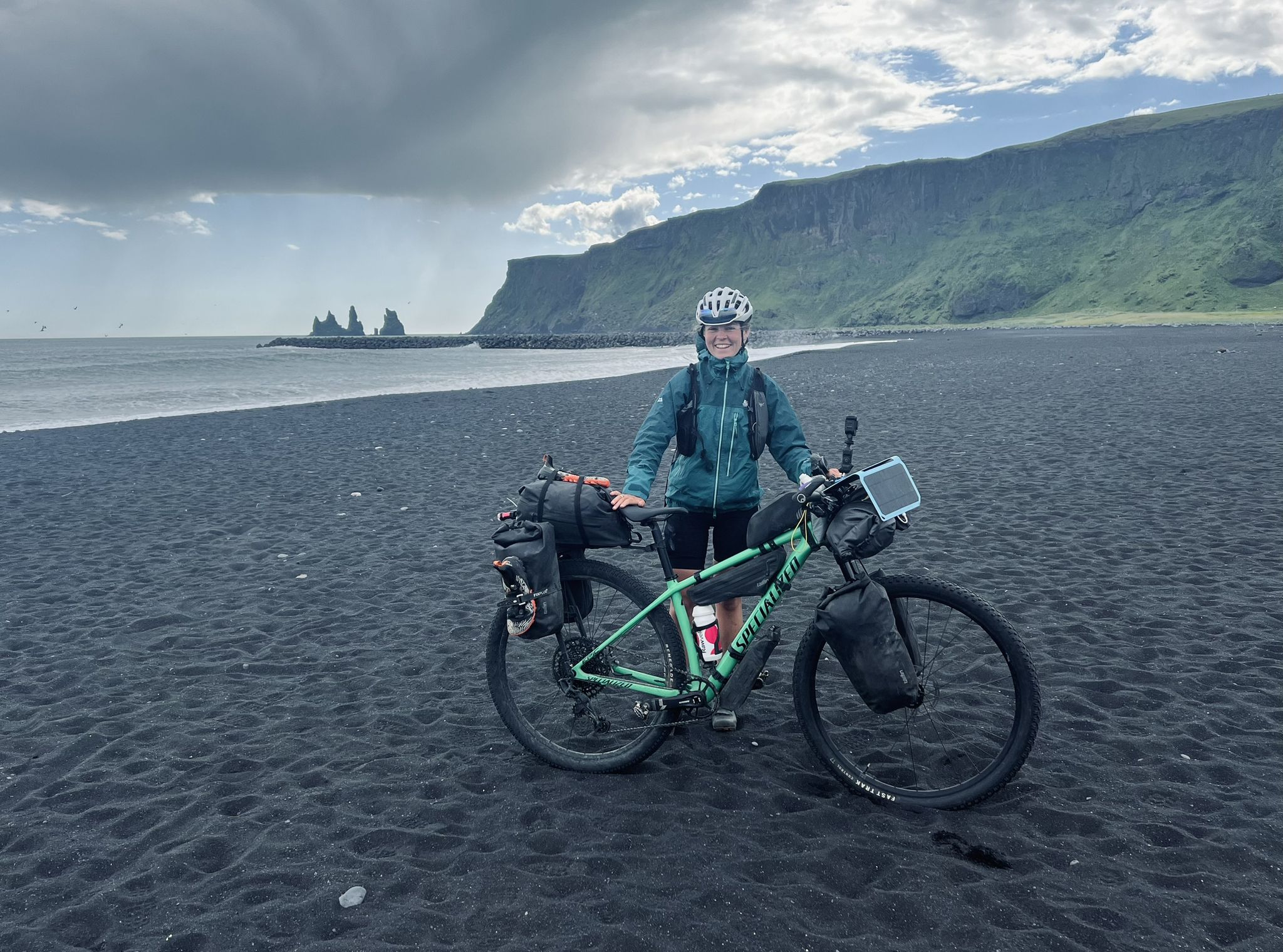
Solitude in the saddle – Iceland Divide
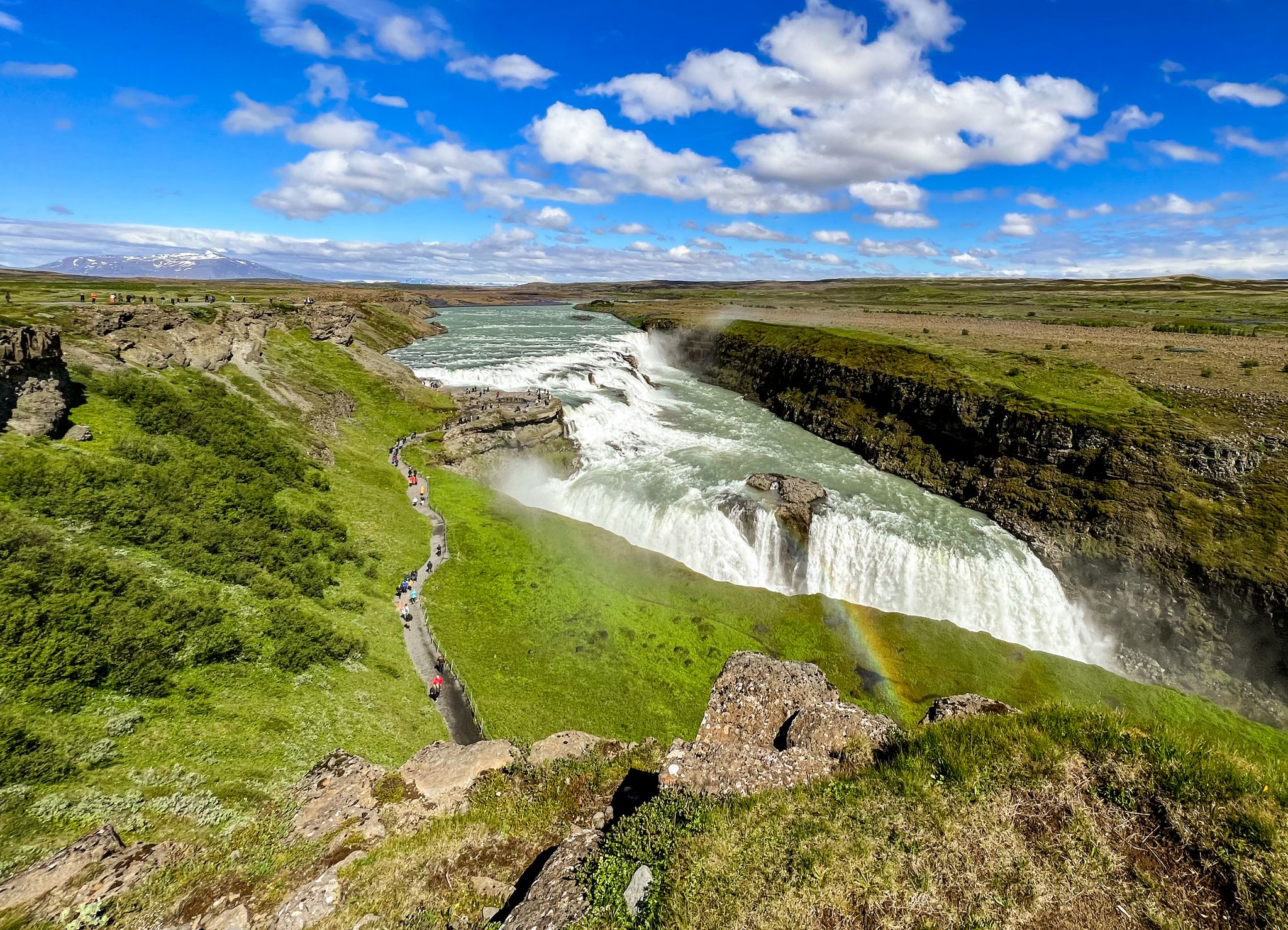
Icelandic Highlands – Kjölur and the northwest fjords
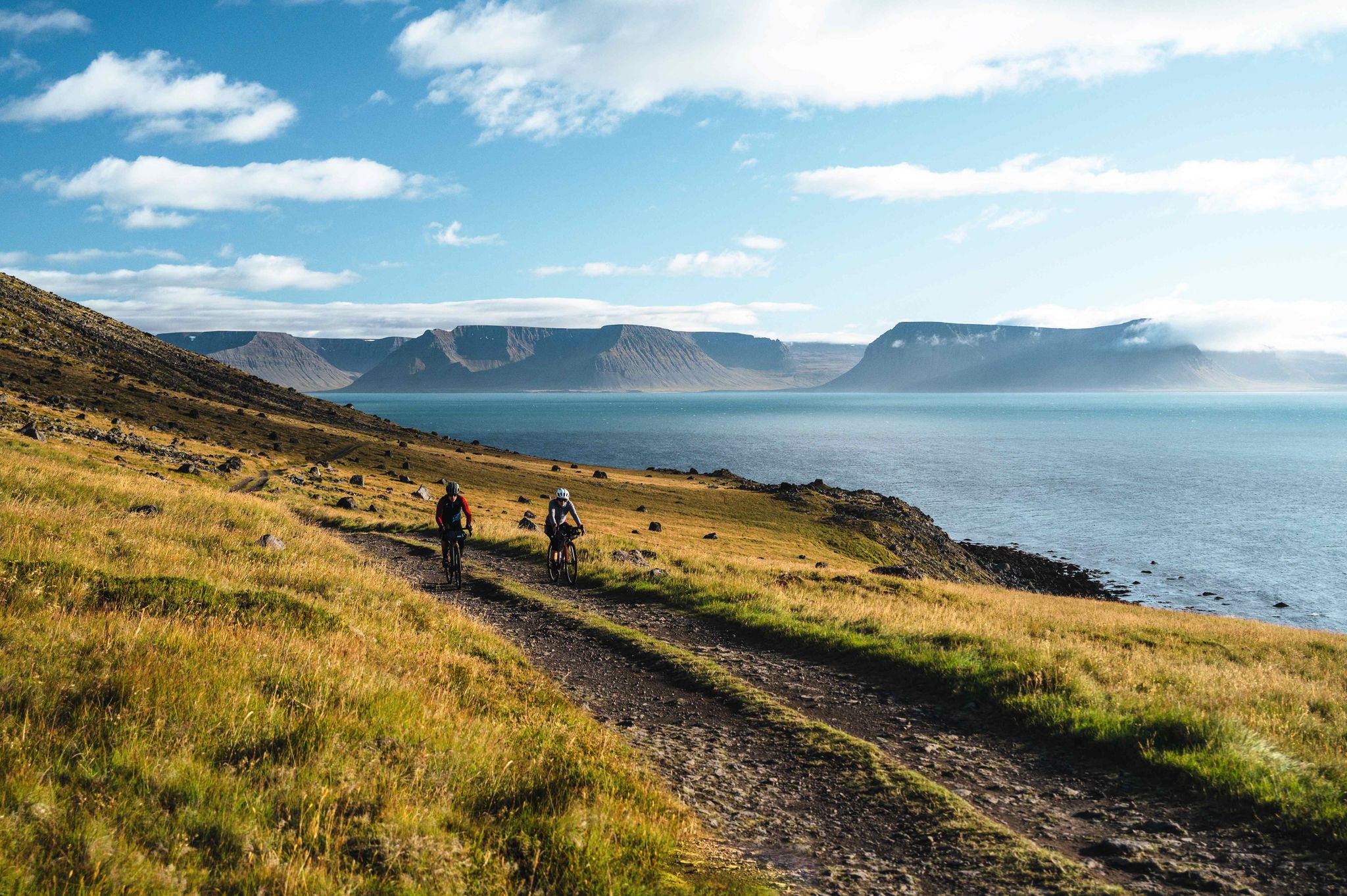
Gravel: Islands Westfjorde
Holy mountains and their stories
Hiking in Iceland
Other adventures in Iceland


Tips from the Community

Definitely worth a visit. Waterproof shoes are a must, though. You'll have to walk over slippery rocks inside.
0
0

Volcanic cave next to Lake Mývatn, famous for its blue hot springs nestled among lava rocks. Formed by geothermal eruptions and seeps, it offers a magical landscape for epic photos. Slippery rocks:
0
0

Judging by the pictures, there are still quite a few trolls roaming around here in Dimmuborgir. Less charming are the trolls who only leave their caves at night. They can be dangerous to humans.
0
0
Dimmuborgir, means "dark cities" or "dark castles" in Icelandic. This formation of volcanic origin near Lake Mývatn contains, among other things, the bizarre lava cave "Kirkja" (church), which is shaped like a Gothic cathedral and also served as the namesake of an Icelandic black metal band.
0
0

Here, you stand almost directly beneath the waterfall in the open-topped grotto. The light from the falling water is truly stunning, and if you stand a little closer to the wall, the shower is kept to a minimum.
3
0
A little balance is helpful when balancing over the stones into the grotto, but the path is easily manageable with dry feet. The walk is definitely worth it.
4
0

Don't forget your rain jacket. Showers included😁😄
3
1

A beautiful place... and such clear water.
0
1
Frequently Asked Questions
What types of caves can I explore in Iceland?
Iceland offers two primary types of caves: lava caves and ice caves. Lava caves, formed by volcanic activity, showcase ancient lava tubes with unique rock formations and mineral deposits. Ice caves, found within glaciers, feature stunning blue ice formations created by meltwater or geothermal activity.
What are some popular lava caves to visit in Iceland?
Some popular lava caves include Grjótagjá Cave, known for its hot spring and Game of Thrones fame, and Víðgelmir, one of Iceland's longest and most voluminous lava caves, boasting diverse formations and archaeological finds. Raufarhólshellir (The Lava Tunnel) near Reykjavík is also well-known for its vibrant mineral-rich walls.
Are there any ice caves accessible year-round in Iceland?
While most natural ice caves, like the Crystal Cave in Vatnajökull, are seasonal (typically October to April), the Katla Ice Cave beneath Mýrdalsjökull is unique for being accessible year-round. Its stability comes from thick layers of volcanic ash, creating a dramatic blend of blue ice and black ash streaks.
What unique geological features can I expect to see in Iceland's caves?
In lava caves, you can see lava stalactites, stalagmites, 'lava hands,' and polished walls displaying vibrant colors from mineral deposits like iron (red), sulfur (yellow), and copper (green). Ice caves, on the other hand, feature breathtaking blue ice formations, intricate ice patterns, and sometimes black ash-covered ice ceilings.
Are there family-friendly cave exploration options in Iceland?
Yes, some caves are suitable for families. The Langjökull Glacier Ice Tunnel is a man-made ice cave carved into the glacier, offering a stable and year-round accessible option for experiencing a glacier's interior, making it very family-friendly. Additionally, Skutafoss Waterfall is listed as family-friendly and features a cave.
What is the best time of year to visit caves in Iceland?
The best time depends on the type of cave. Lava caves are generally accessible year-round. Ice caves, especially natural ones like the Crystal Cave, are best visited during winter (typically October to April) when they are stable. However, the Katla Ice Cave and the Langjökull Glacier Ice Tunnel are accessible year-round.
What should I wear when exploring caves in Iceland?
For most cave explorations, especially ice caves, it's essential to dress in warm layers. Waterproof footwear is highly recommended, particularly for caves like Rauðfeldsgjá Gorge where you might encounter water. Some tours, like Leiðarendi, may require crawling and scrambling, so comfortable, durable clothing is advisable.
Are there any caves in Iceland with historical or mythological significance?
Yes, several caves hold historical and mythological importance. Surtshellir, Iceland's longest lava tube, is named after the fire giant Surtr from Norse mythology and was depicted in folklore as an entrance to the underworld, also used as a Viking Age ritual site. Yule Lads Cave (Dimmuborgir Troll Cave) is also steeped in Icelandic folklore.
What are some challenging cave experiences in Iceland?
For those seeking a more challenging adventure, Leiðarendi Cave offers a raw caving experience that requires some crawling and scrambling, typically explored with a professional guide. Lofthellir Cave, known for its large natural ice sculptures, also offers a demanding but rewarding guided tour. Rauðfeldsgjá Gorge and Stóragjá Gorge are also categorized as challenging.
Can I find hiking trails near the caves in Iceland?
Yes, many caves are located near excellent hiking opportunities. For instance, Þvottahellir (Washing Cave) is encountered during the walk to Glymur waterfall. You can find various hiking trails in the region, including easy hikes and more challenging mountain hikes. Explore options like the 'Þvottahellir (Washing Cave) – View of Glymur Waterfall loop' on Mountain Hikes in Iceland or routes in Easy hikes in Iceland.
Are there any accessible caves for visitors with mobility challenges?
Víðgelmir, one of Iceland's largest lava caves, is known for being easily accessible and often offers guided tours, making it a good option for visitors seeking easier access.
What do visitors enjoy most about exploring caves in Iceland?
Visitors appreciate the unique geological insights, the stunning natural beauty, and the adventurous elements of cave exploration. Many enjoy the contrast of fire and ice, the vibrant mineral colors in lava tubes, and the breathtaking blue formations in ice caves. The hidden nature of some caves, like Gljúfrabúi Waterfall, also adds to the appeal.
Most popular routes in Iceland
Most popular attractions in Iceland

Get inspired with the komoot mobile app


Didn’t find what you were looking for?
Discover more caves in Iceland region by region:
Explore more
Extend your search for the best caves by checking out these guides of the top ones in Iceland:
