The best volcano hikes and walks in Iceland
4.5
(14726)
119,260
hikers
12
hikes
Volcano hiking trails in Iceland offer a diverse and dramatic landscape shaped by extensive volcanic and glacial activity. The country features vast lava fields, volcanic craters, and geothermal areas, providing unique terrain for exploration. Hikers can encounter colorful rhyolite mountains, black sand beaches, and rugged coastal cliffs, all testament to Iceland's dynamic geology. This environment presents varied challenges and scenic rewards across its many trails.
Best volcano hiking trails in Iceland
- The most popular volcano hiking route is Hekla Ascent – Hekla Summit loop from Rauðaskál, an 8.8 miles (14.2 km) trail that takes about 5 hours 38 minutes to complete. This challenging route ascends the slopes of the Hekla volcano, offering expansive views.
- Another top favourite among local hikers is Hekla Summit – Hekla Ascent loop from Hekla High Parking, a moderate 4.0 miles (6.5 km) path. This trail provides a direct ascent to the Hekla summit area, traversing volcanic rock and ash.
- Local hikers also love the Eldborg Crater loop from Eldborg, a 0.7 miles (1.2 km) trail leading through a distinct volcanic crater, often completed in about 20 minutes.
- Hiking in Iceland is defined by volcanic peaks, expansive lava fields, and geothermal areas, with options ranging from short, easy walks to challenging multi-day treks. The network offers routes suitable for various ability levels.
- The routes in Iceland are highly rated by the komoot community with an average score of 4.6 stars from over 12,000 reviews. More than 102,000 hikers have used komoot to explore Iceland's varied terrain.
Last updated: October 13, 2026
4.0
(1)
23
hikers
Hard hike. Great for any fitness level. Sure-footedness, sturdy shoes and alpine experience required.
17
hikers
14.2km
05:38
950m
950m
Hard hike. Very good fitness required. Mostly accessible paths. Sure-footedness required.

14
hikers
6.52km
02:42
460m
460m
Moderate hike. Good fitness required. Mostly accessible paths. Sure-footedness required.
5.0
(2)
12
hikers
1.16km
00:20
30m
30m
Easy hike. Great for any fitness level. Easily-accessible paths. Suitable for all skill levels.
5.0
(1)
1
hikers
Hard hike. Good fitness required. Sure-footedness, sturdy shoes and alpine experience required.
Get access to more routes and recommendations from other explorers.
Already have an account?
Our route recommendations are based on thousands of hikes, rides, and runs completed by other people on komoot.
Start today with a free account
Your next adventure awaits.
Popular around Iceland
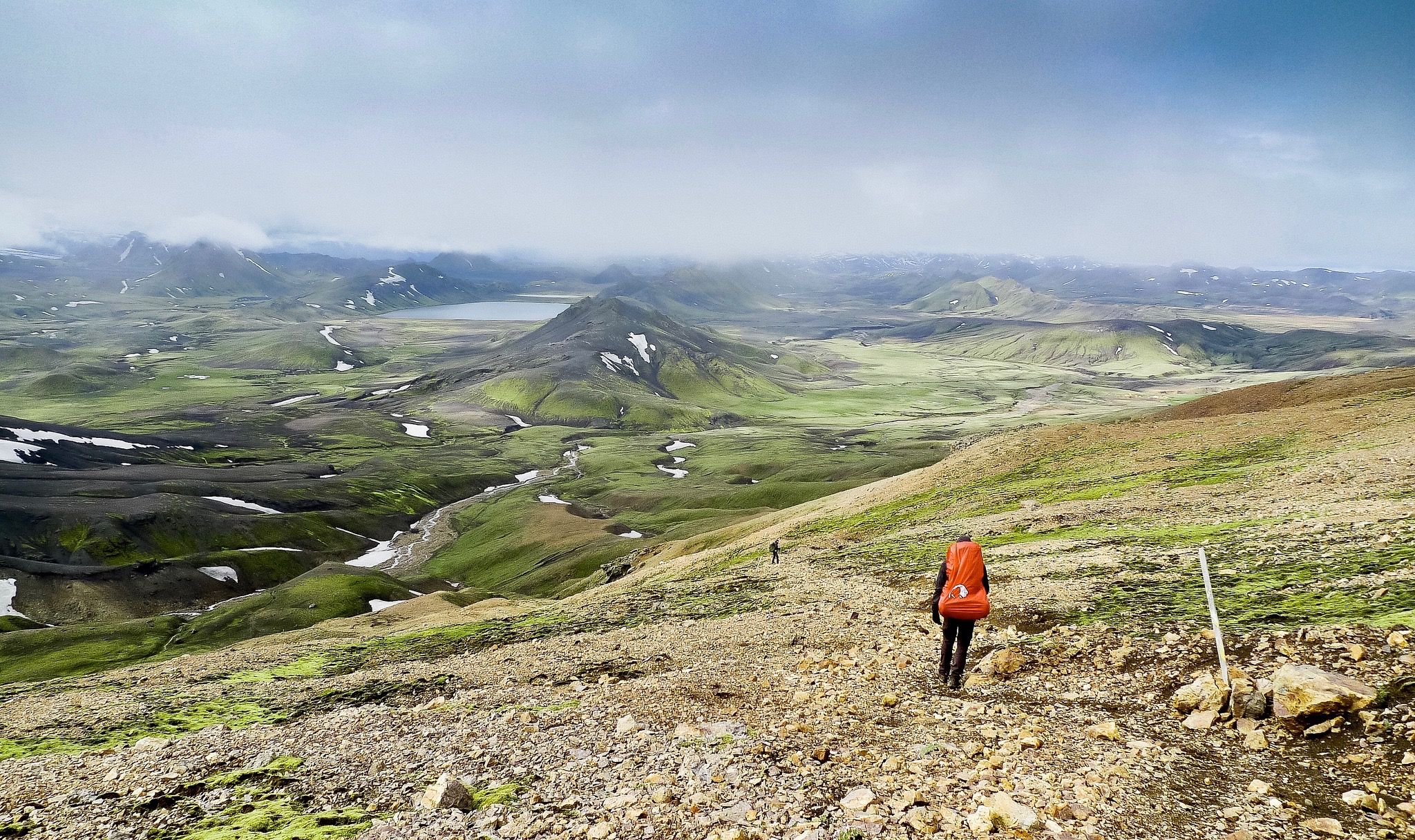
Laugavegur — 6 days trekking through Iceland
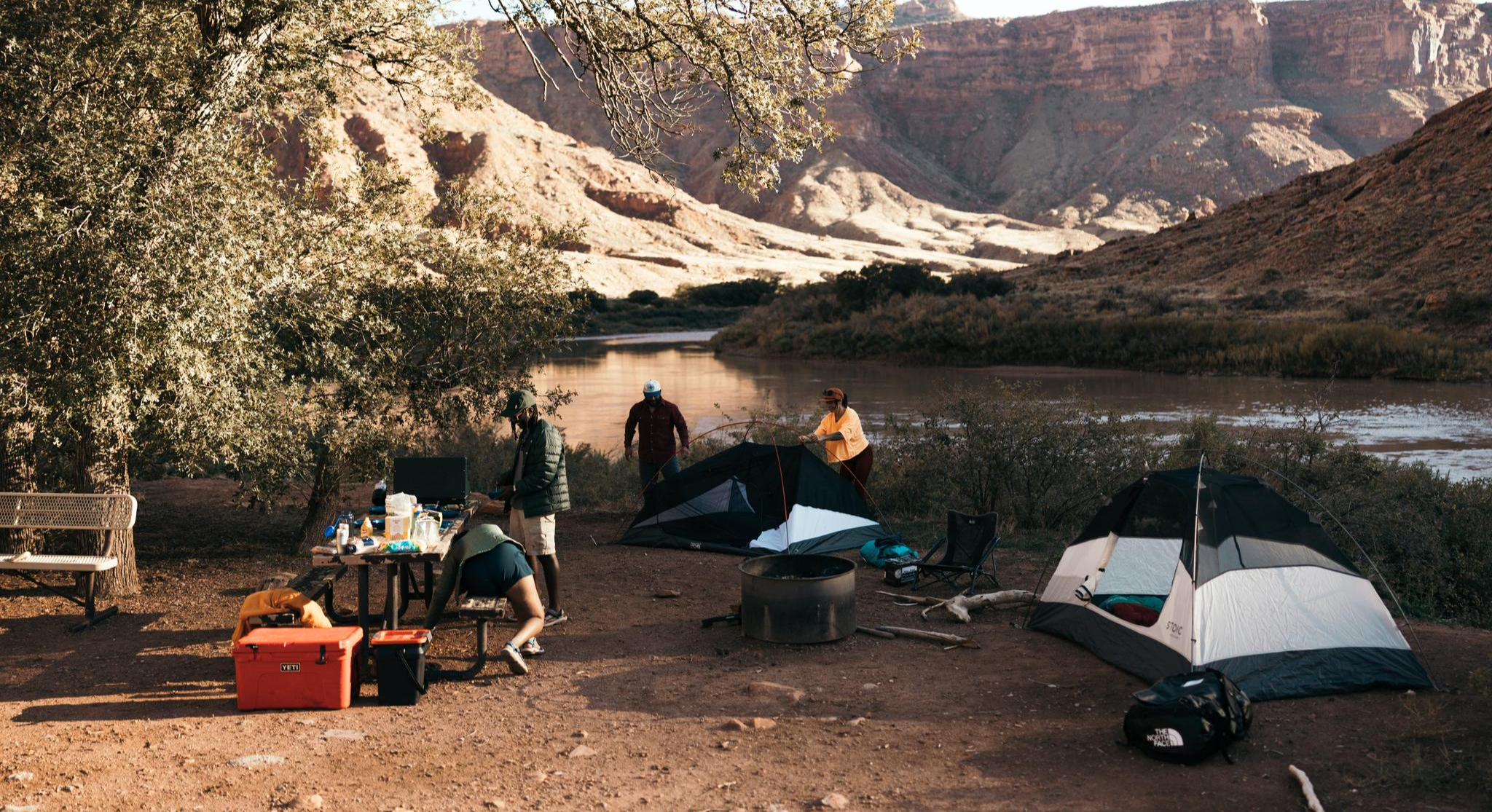
Glamping Adventures on Foot
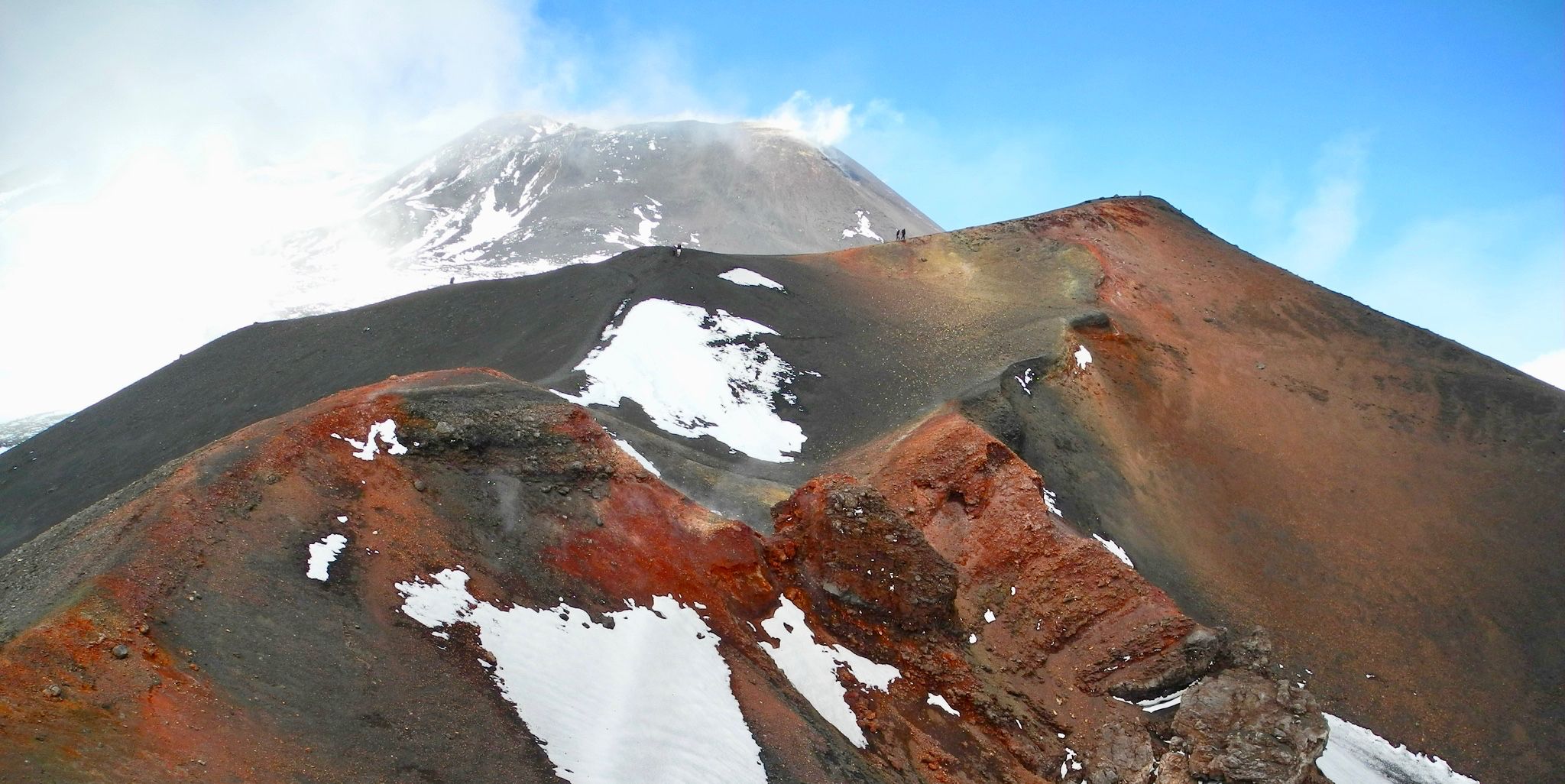
Holy mountains and their stories
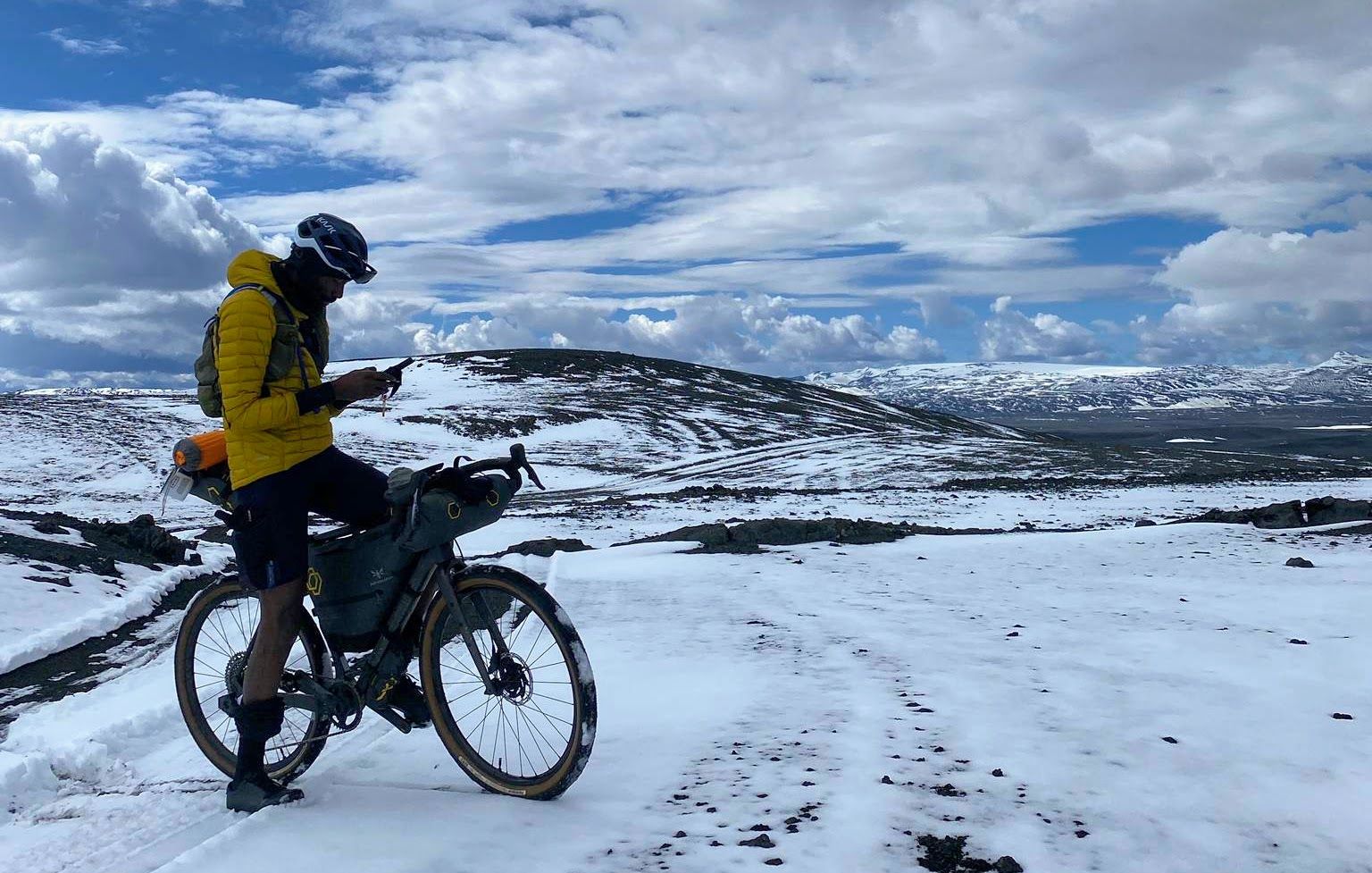
Iceland Divide – Lava fields, icy glaciers and river crossings
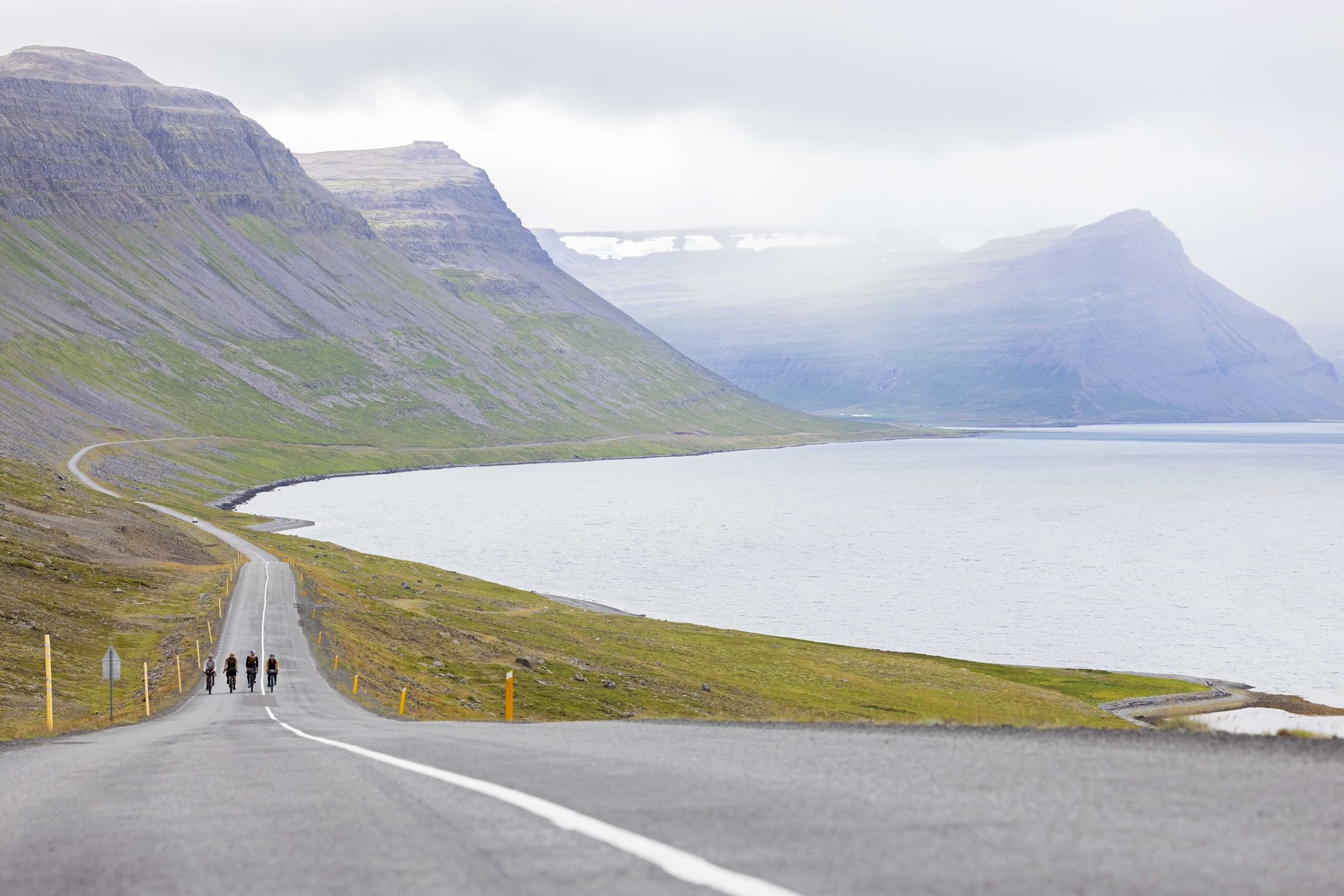
The Westfjords Way — Bikepacking Iceland's most remote coastline
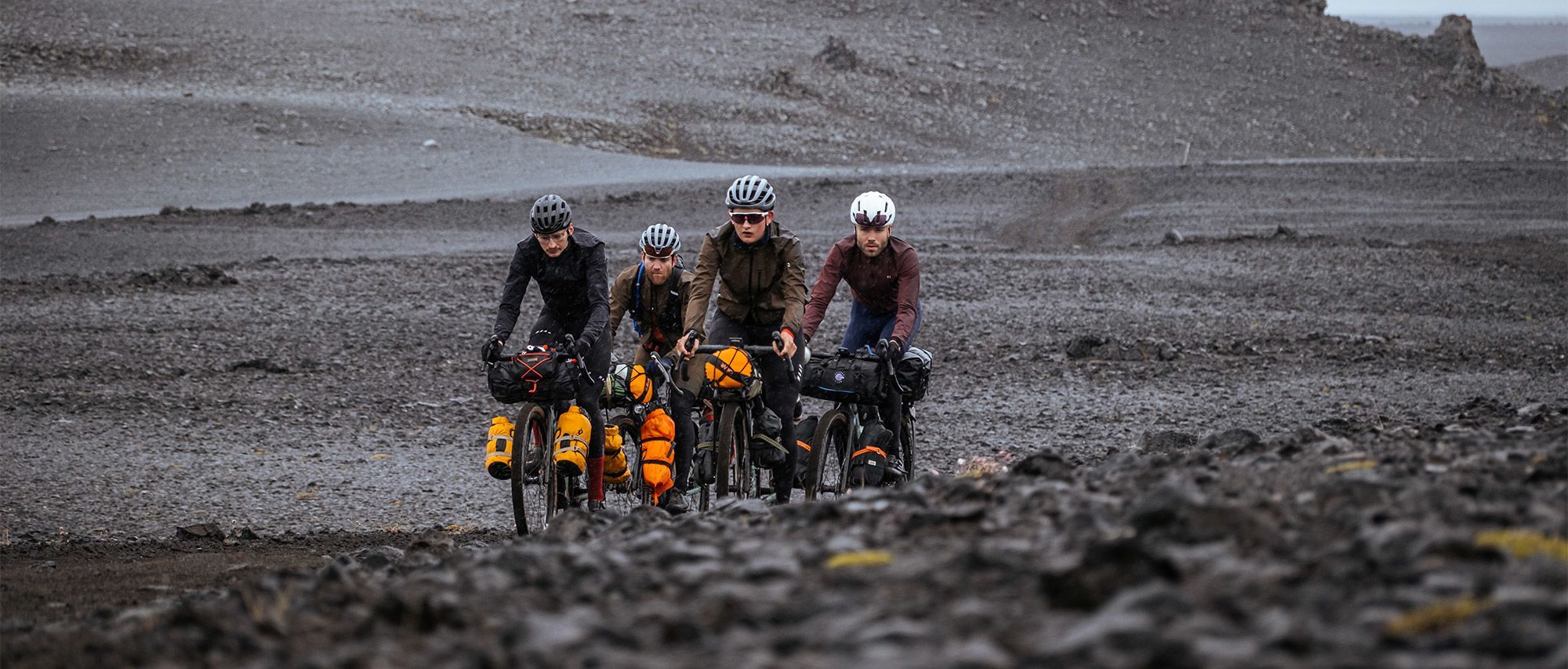
Iceland Divide — Ride Beyond Crew: between fire and ice
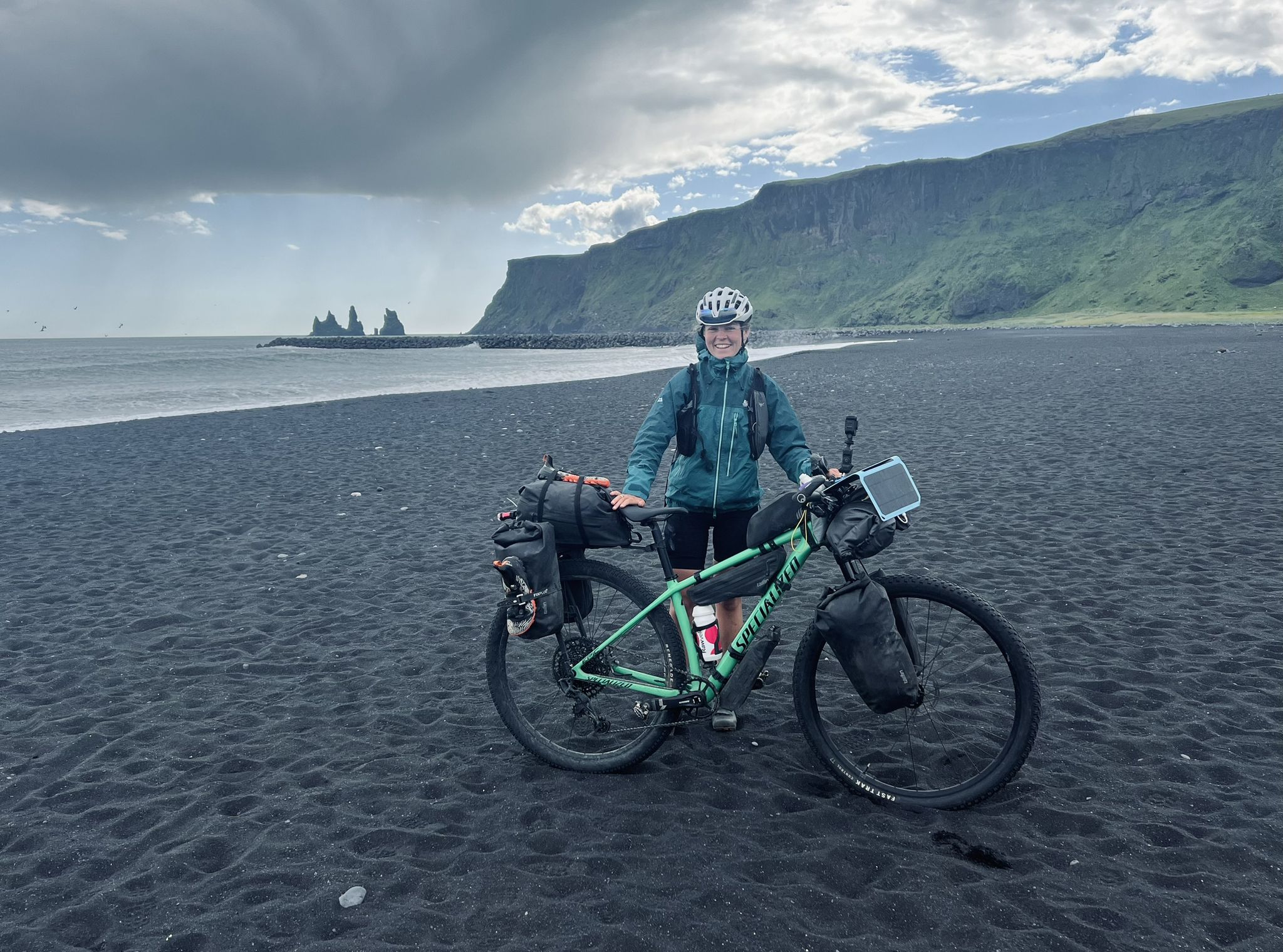
Solitude in the saddle – Iceland Divide
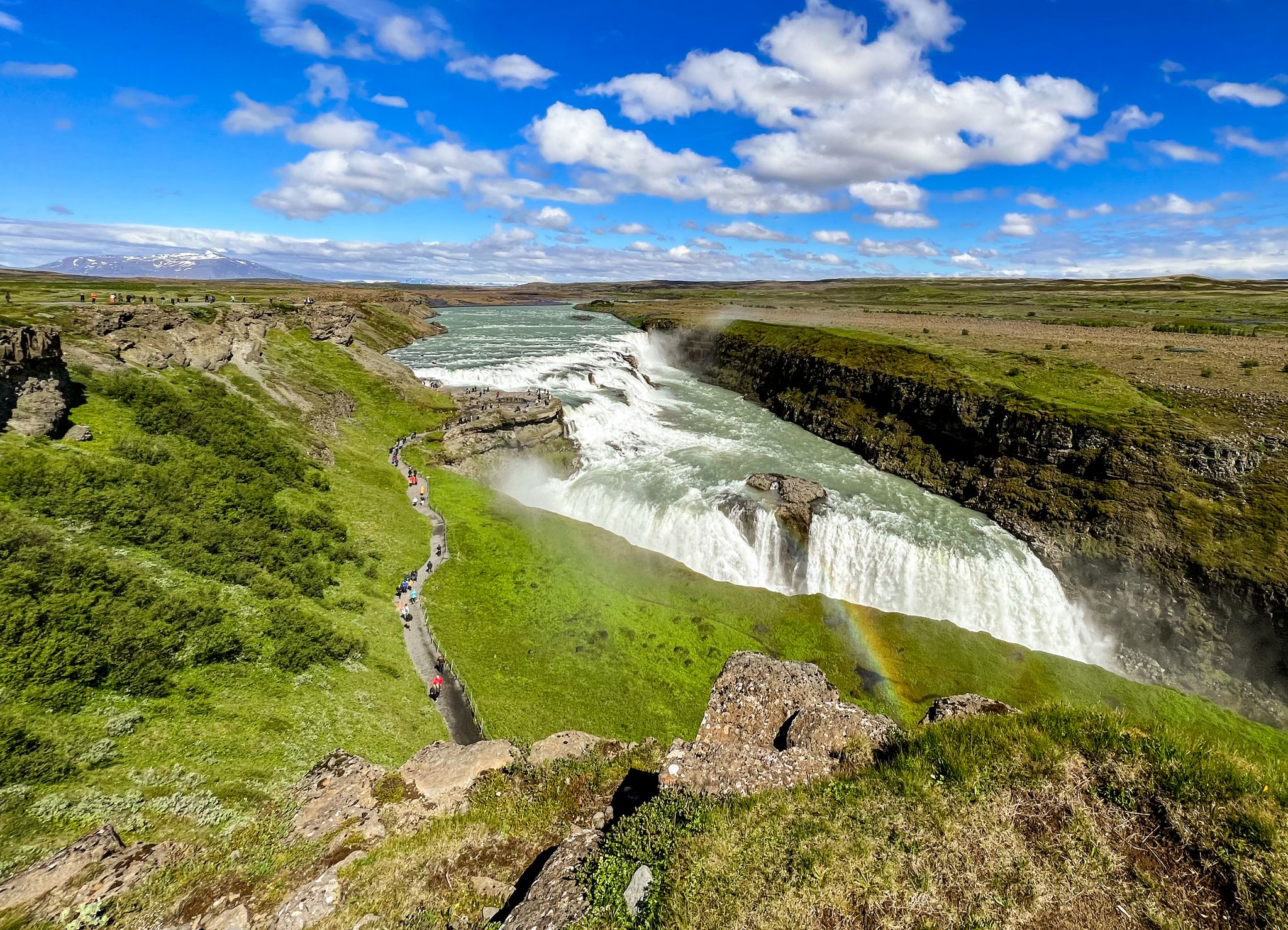
Icelandic Highlands – Kjölur and the northwest fjords
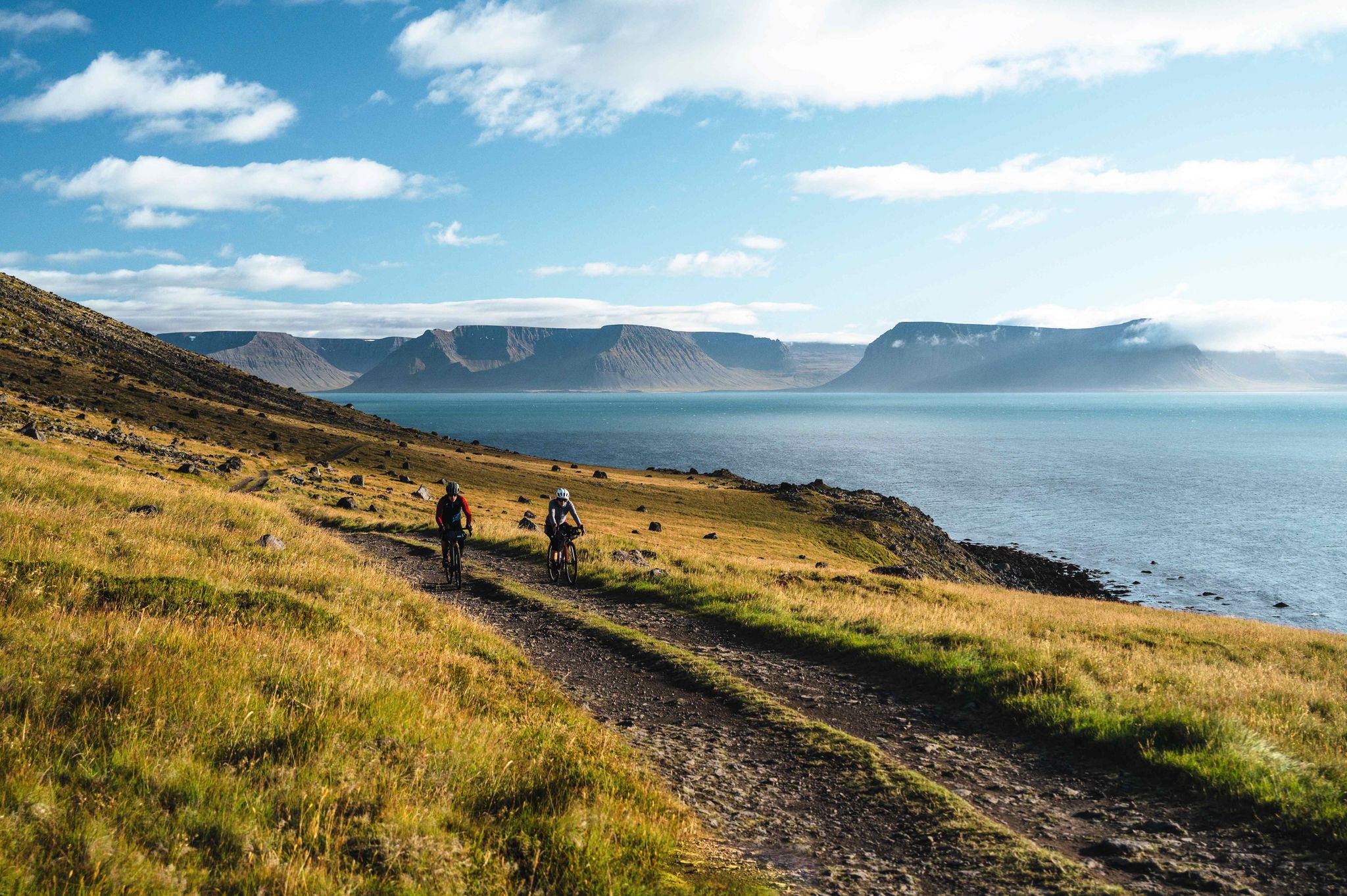
Gravel: Islands Westfjorde
Other adventures in Iceland


Tips from the Community

A steep climb but what a beautiful view!
0
0


Climb the Eldfell volcano and you can see how it has spread its unbridled power over the place. Standing on the edge of a crater is certainly a unique experience.
0
0

A 200m high active volcano that you can climb. But don't worry, it's been a long time since the last eruption. From the top you have a great view.
2
0

There is a moderate way up and a steep shortcut; however, it is quite slippery. The climb is definitely worth it!
2
0

Helgafell "holy mountain" is an inactive 227-metre-high volcanic cone located on the island of Heimaey in the Vestmannaeyjar archipelago in Iceland.
1
0
Swimming was first taught in the sea at Eidi at the end of 19th century. The first swimming instructor was the photographer Friðrik Gíslason (1870-1906). In the summer of 1912 the youth society received a grant to build dressing rooms at Prælaeidi. They built a ten room wooden house with a corrugated iron shell. West of the house was a small wooden wharf for entering the sea. The facility publicly opened on 22. June 1913 and was used for 23 years until the swimming pool at Miðhús was opened. The local's interest in swimming grew steadily until 1925 when the member for parlamenti Jóhann Þ. Jósefsson proposed a bill to incorporate swimming into the national school curriculum. The Westman Islanders were the first to implement the proposal on 9. August 1926. The advent of the "sea supply" in 1931 which offered fresh seawater from a tank in Skansinn, finally made it possible to build a swimming pool. In 1933 the Rescue Society started building a swimming pool, designed by the civil engineer Finnbogi E. Þorvaldsson. The pool was 38 meters from the tank and had a capacity of 330 metric tons of seawater, which was heated to 22-28°C. From 1945 the heated sea water came from Vestmannaeyjar Electric Services utilizing the cooling water of the local generator. The swimming pool at Midhús was officially opened for business on 14. November 1934 by offering seamen a course in swimming. The pool was 20 x 12 m built with concrete, 1 m deep at the shallow end and 2 meters at the deeper end. Five dressing rooms accompanied the pool. The pool was considered one of the country's best. The project was a great success and long lines formed before opening hours. Swimming lessons soon produced excellent swimmers. The first swimming instructors were Friðrik Jesson, Friðþjófur G. Johnsen and Þuríður Þorkelsdóttir. Soon discussions started about the length of the pool was too short as it was 5 m short of the official competition length. The dressing rooms were too few and consideration was given to building a roof over the pool. After many declarations, meetings and proposals it was finally decided on 19. January 1972 to add another service building housing spacious dressing rooms, baths and a special jogging corner. The day when the foundations were to be laid, 23 January, the Heimaey eruption started. The Miðhús swimming pool was engulfed by lava in this eruption of 1973 and is now 10,5 m below the surface of the lava. Source: Local signage
0
0

The beginning of the hike on the Hekla is very steep in itself, and the problem is not the incline, but the loose ground. Concentration is required here.
1
0
Frequently Asked Questions
How many volcano hiking trails are available in Iceland?
Komoot features 12 volcano hiking trails in Iceland, ranging from easy strolls to challenging ascents. This includes 1 easy, 1 moderate, and 10 difficult routes, offering options for various skill levels.
What kind of terrain can I expect on Iceland's volcano hikes?
Iceland's volcanic landscapes offer incredibly diverse terrain. You can expect to hike across black lava fields, vibrant rhyolite mountains, and areas with geothermal activity like hot springs and steam vents. Some trails may also feature ash, scoria, and rocky paths, requiring sturdy footwear.
Are there any easy volcano hikes suitable for beginners or families?
Yes, there are options for easier volcano hikes. For instance, the Eldborg Crater loop from Eldborg is an easy 1.2 km trail with minimal elevation gain, perfect for a gentle introduction to volcanic landscapes. While many volcano trails are challenging, some shorter, well-maintained paths exist.
What are some notable landmarks or natural features to see on these trails?
Iceland's volcanic trails are rich with natural wonders. You can explore craters like Hverfjall Crater, witness geothermal activity at Hverir Geothermal Area and Námafjall Mountain, or traverse the unique formations of the Leirhnjúkur Volcanic Area. Many trails also offer views of dramatic lava fields and unique rock formations.
What do other hikers enjoy most about volcano hiking in Iceland?
The komoot community highly rates volcano hiking in Iceland, with an average score of 4.55 stars from over 12,000 ratings. Reviewers often praise the otherworldly landscapes, the unique geological features, and the sense of adventure that comes with exploring active and dormant volcanic regions. The dramatic views and the raw power of nature are frequently highlighted.
Are there any challenging volcano ascents for experienced hikers?
Absolutely. Many of Iceland's volcano hikes are rated as difficult, offering significant challenges for experienced hikers. For example, the Hekla Ascent – Hekla Summit loop from Rauðaskál is a demanding 14.2 km trail with over 950 meters of elevation gain, leading to the summit of one of Iceland's most active volcanoes.
Can I find any waterfalls near the volcano hiking areas?
While the focus is on volcanoes, Iceland is famous for its waterfalls, and some are indeed close to volcanic regions. You might encounter stunning cascades like Kirkjufellsfoss Waterfall or the hidden Gljúfrabúi Waterfall, which are often part of or near hiking routes that showcase Iceland's diverse geology.
Are there any volcano hikes that offer views of craters or caldera lakes?
Yes, several trails provide incredible views of volcanic craters. The View from Eldfell Crater – View from Eldfell Crater Edge loop from Vestmannaeyjar offers a unique perspective of the Eldfell crater, which erupted in 1973. Other regions like Askja also feature impressive caldera lakes, though specific komoot routes to these might vary.
What is the best time of year to hike volcanoes in Iceland?
The best time for volcano hiking in Iceland is generally during the summer months, from June to August. During this period, the weather is milder, daylight hours are long, and trails are more accessible as snow and ice have melted. However, weather in Iceland can be unpredictable, so always be prepared for sudden changes.
Are there any moderate volcano hikes for those looking for a balanced challenge?
Yes, there are moderate options that offer a good balance of challenge and accessibility. The Hekla Summit – Hekla Ascent loop from Hekla High Parking is a moderate 6.5 km route with over 460 meters of elevation gain, providing a rewarding experience without the extreme demands of the most difficult trails.
What should I consider regarding safety when hiking volcanoes in Iceland?
Safety is paramount when hiking volcanic areas. Always check weather forecasts and trail conditions before you go. Be aware of potential geothermal hazards like hot springs and steam vents, and stick to marked paths. Some areas may have unstable ground or recent lava flows. It's advisable to inform someone of your plans and carry appropriate gear, including sturdy hiking boots and layers of clothing.
Most popular routes in Iceland
Most popular attractions in Iceland

Get inspired with the komoot mobile app


