Top 16 Caves around Hameln
Best caves around Hameln are situated within the Weser Mountains region, presenting a range of geological formations and natural habitats. This area features significant sites, from Germany's northernmost stalactite cave to unique natural phenomena. The landscape provides opportunities to explore Earth's history and observe local biodiversity. Visitors can find both accessible show caves and ecologically important natural cave systems.
Best caves around Hameln
- The most popular caves is Cliffs and Bat Caves in the Kleiner Deister, a cave formation that serves as a habitat for bats and other animals. These cliffs are noted for their ecological importance in supporting local biodiversity.
- Another must-see spot is Dunsthöhle Bad Pyrmont, a historical site known for its unique carbon dioxide emissions. This cave is notable in Germany for this particular natural occurrence, which was investigated as early as the 18th century.
- Visitors also love Schillat Cave, Germany's northernmost stalactite cave. This cave offers guided tours through areas with rock paintings, sparkling crystals, and glowing stones, providing educational insights into Earth's history.
- Hameln is known for its stalactite caves, unique CO2-emitting caves, and natural bat habitats. The region offers a variety of cave experiences, from guided tours in show caves to ecologically significant natural formations.
- The caves around Hameln are appreciated by the komoot community, with more than 700 upvotes and over 700 photos shared by visitors.
Last updated: June 26, 2026
Pyrmont Castle
Highlight • Castle
Translated by Google •
Tip by

Cliffs and Bat Caves in the Kleiner Deister
Highlight • Cave
Translated by Google •
Tip by

Sign up now to discover places like this
Get recommendations on the best single tracks, peaks, & plenty of other exciting outdoor places.
Sign up for free
Schillat Cave
Highlight • Cave
The cave can only be visited as part of a guided tour.
Opening hours: Open on Saturdays, Sundays and public holidays from 10 a.m. to 6 p.m. Additionally open in the high season (Easter to October) on Wednesdays from 2 p.m. to 6 p.m.
Entrance fees: Adults pay 8 euros and children 4 euros.
You can find more information at schillathoehle.de.
Translated by Google •
Tip by

Dunsthöhle Bad Pyrmont
Highlight • Cave
In the pit one found again and again dead birds and other animals. As the Pyrmont Fountain Doctor Johann Philipp Seip came to Pyrmont in 1712, he followed these apparitions. He came to the conclusion that it was sulfuric art, since carbon dioxide was not known at that time.
With the permission of Prince Friedrich Anton Ulrich to Waldeck and Pyrmont he had 1720 "build a stone vault over the steaming pit and build a small vaulted wall over there to set up a dry pool of sweat.
The strange behavior of the CO2 gas has impressed visitors since Seip until today.
It is one and a half times heavier than air, so it stays in the pit and responds mainly to air temperature and pressure. In the CO2 gas you get a feeling of warmth. At the same time, the temperature of the gas in the vapor chamber is considerably cooler in the summer at high air temperatures. In winter it is the other way around.
The explanation of this phenomenon is the circulation-promoting effect of the gas.
The building above the haze and the guardhouse were renovated in 2000 and the park was redesigned.
Source (regi-on.de/kultur-freizeit/freizeit-erholung/sehenswuerdigkeiten/62.htm)
Translated by Google •
Tip by

Dunsthöhle (Vapor Cave) Bad Pyrmont
Highlight • Cave
Translated by Google •
Tip by

Sign up for free to discover even more caves around Hameln.
Sign up for free
Already have an account?
Start today with a free account
Your next adventure awaits.
Login or Signup
Popular around Hameln
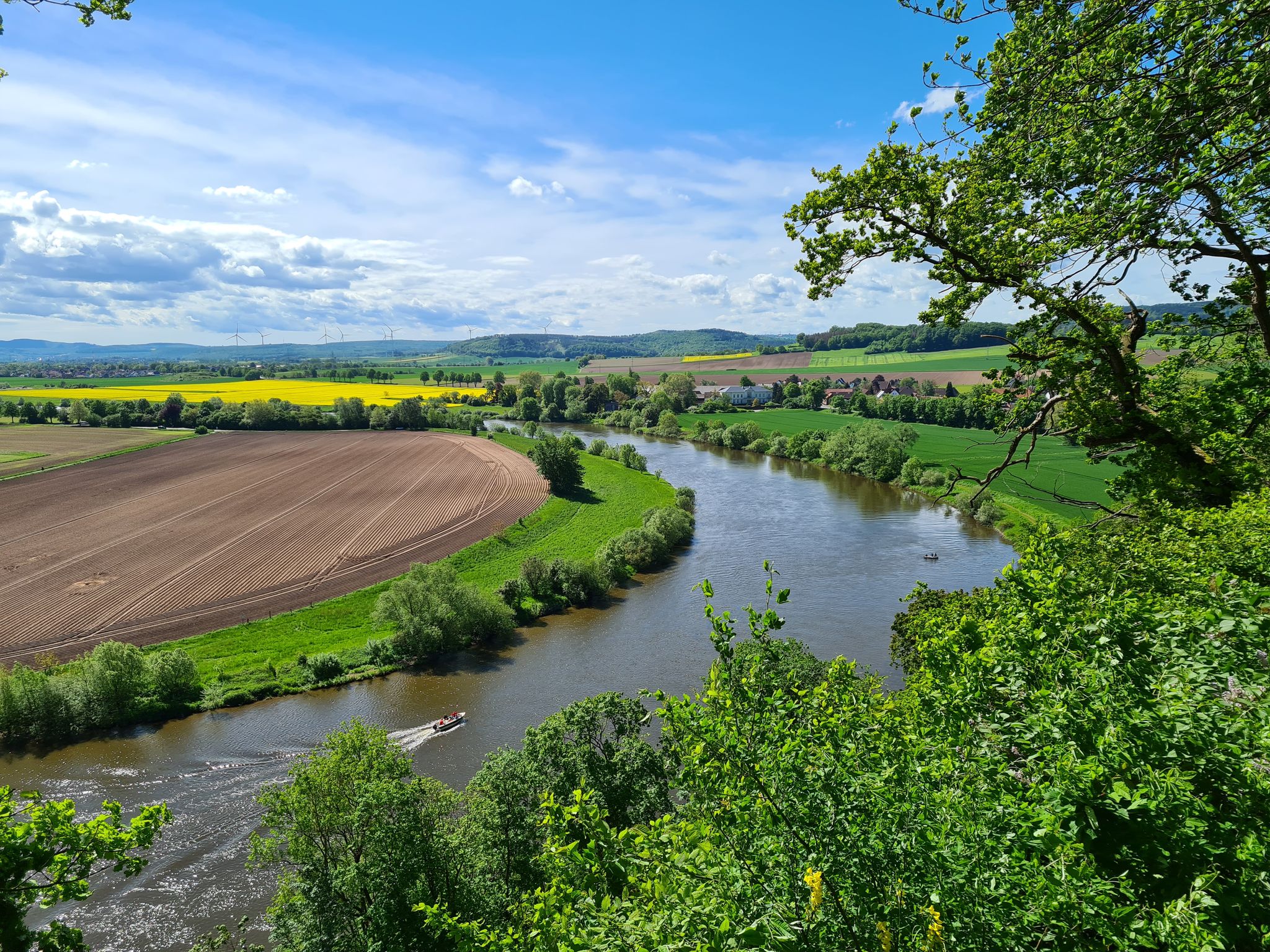
Loccum-Volkenroda pilgrim's way – From monastery to monastery
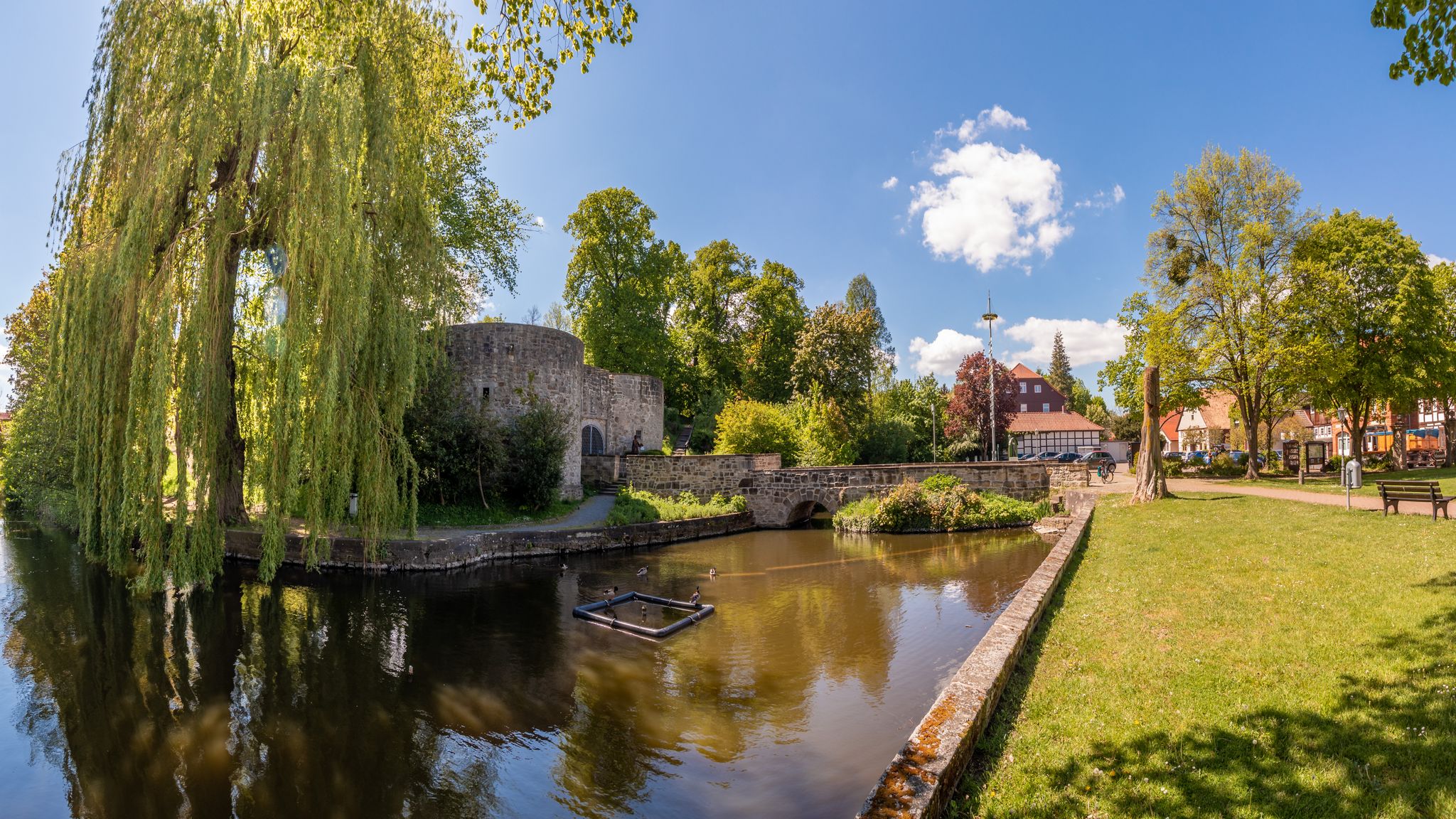
Berlin-Hameln Cycle Route – From West to East
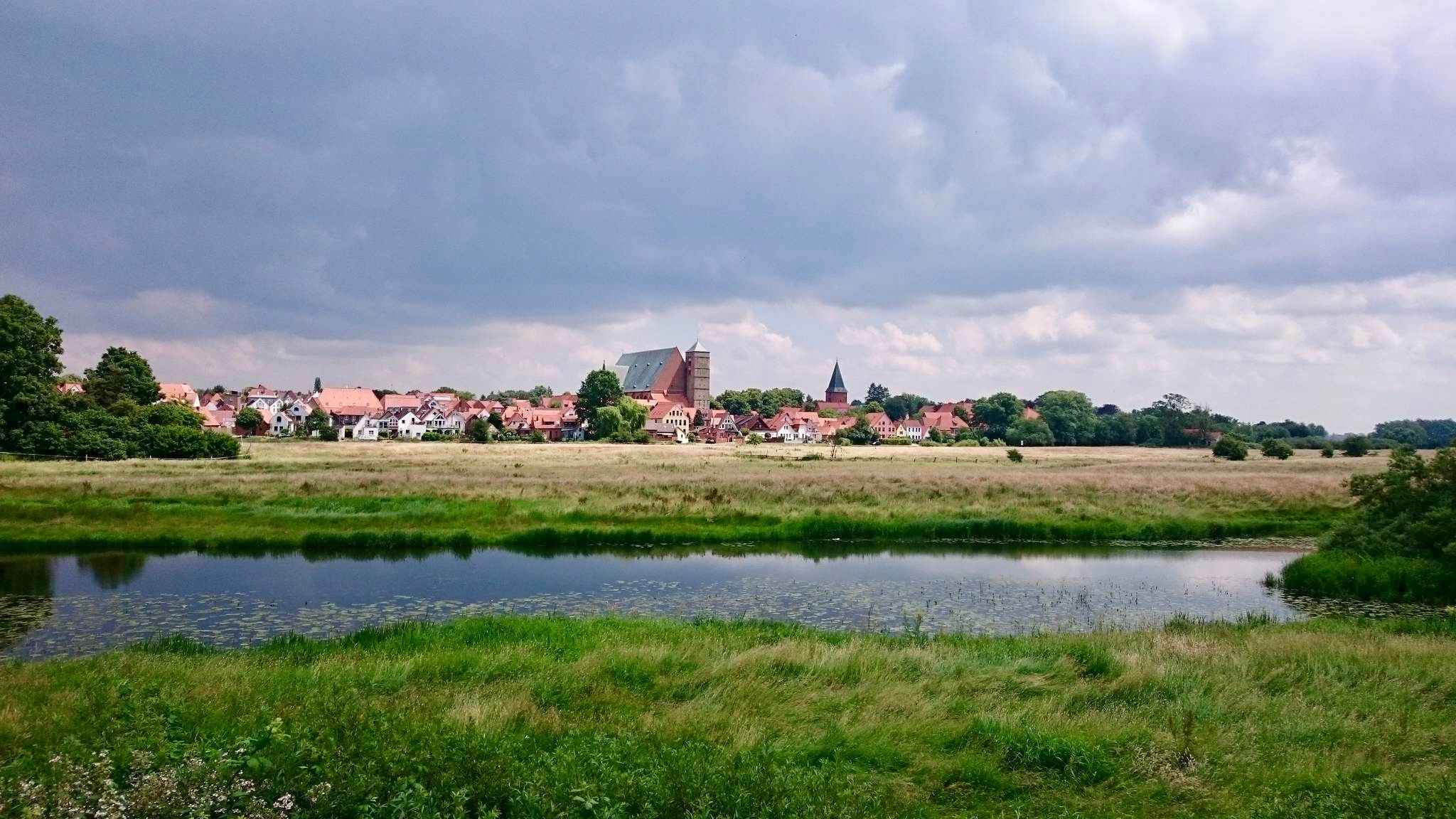
The Weser Cycle Path
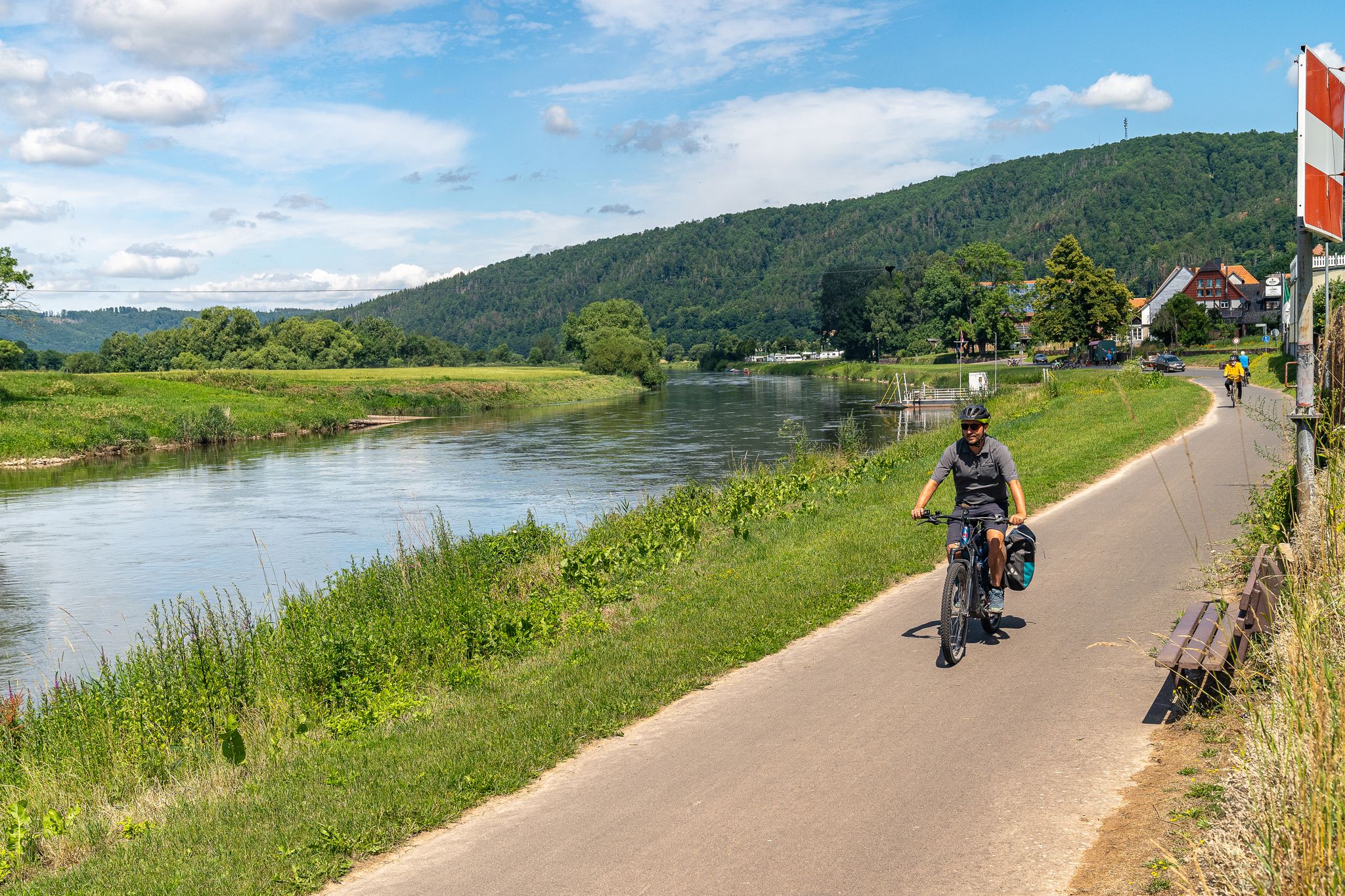
Freedom and pure cycling pleasure – Bike & Camp in the Weser Uplands

Nature, culture & cycling fun – top 10 Tours in the Weser Uplands
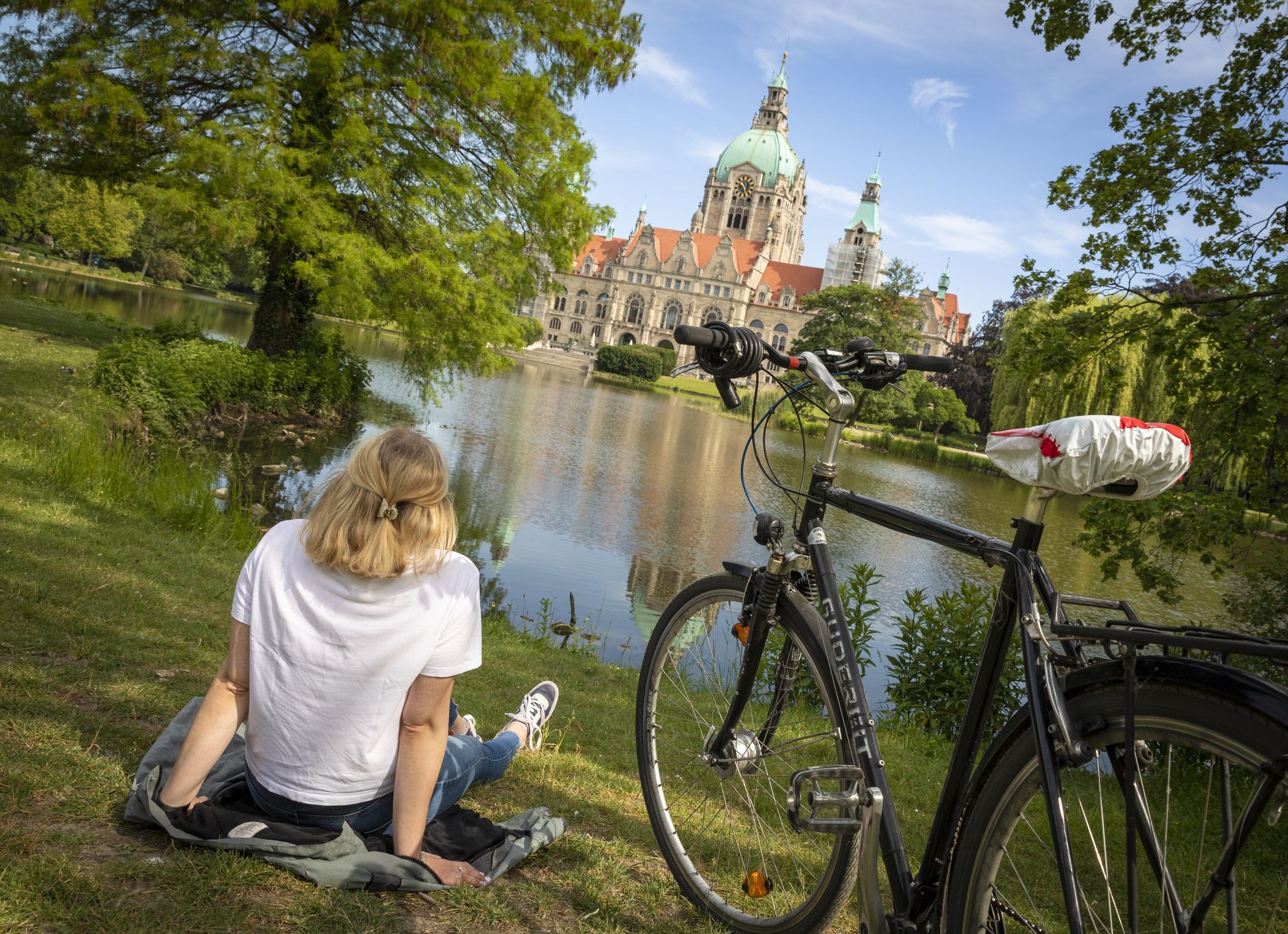
Cultural route in Niedersachsen – By Bike through Hannover and the surrounding countryside
On two wheels - 9 cities + 2 in Lower Saxony
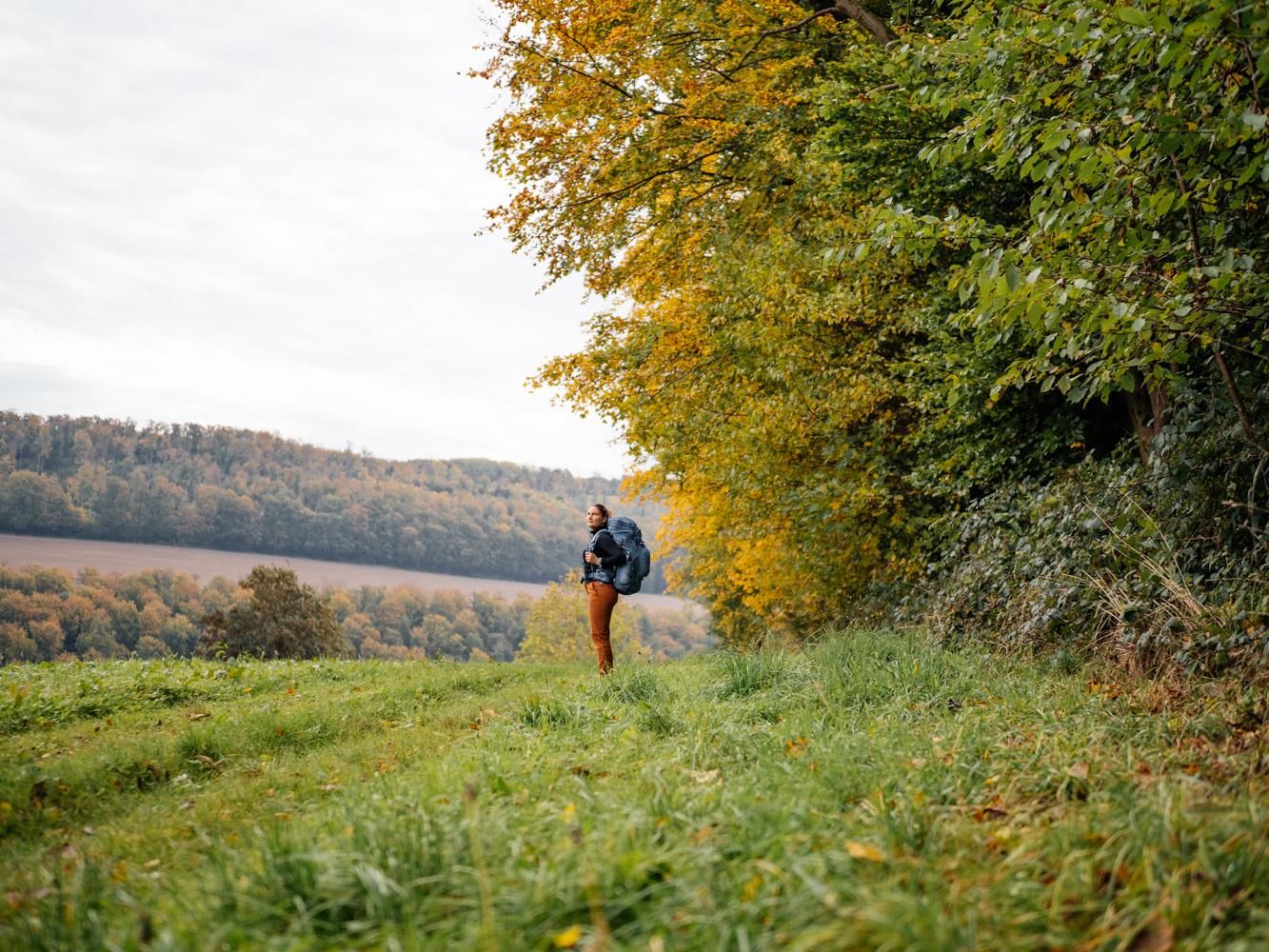
Weser Uplands Trail in autumn – out and about with Fräulein Draußen
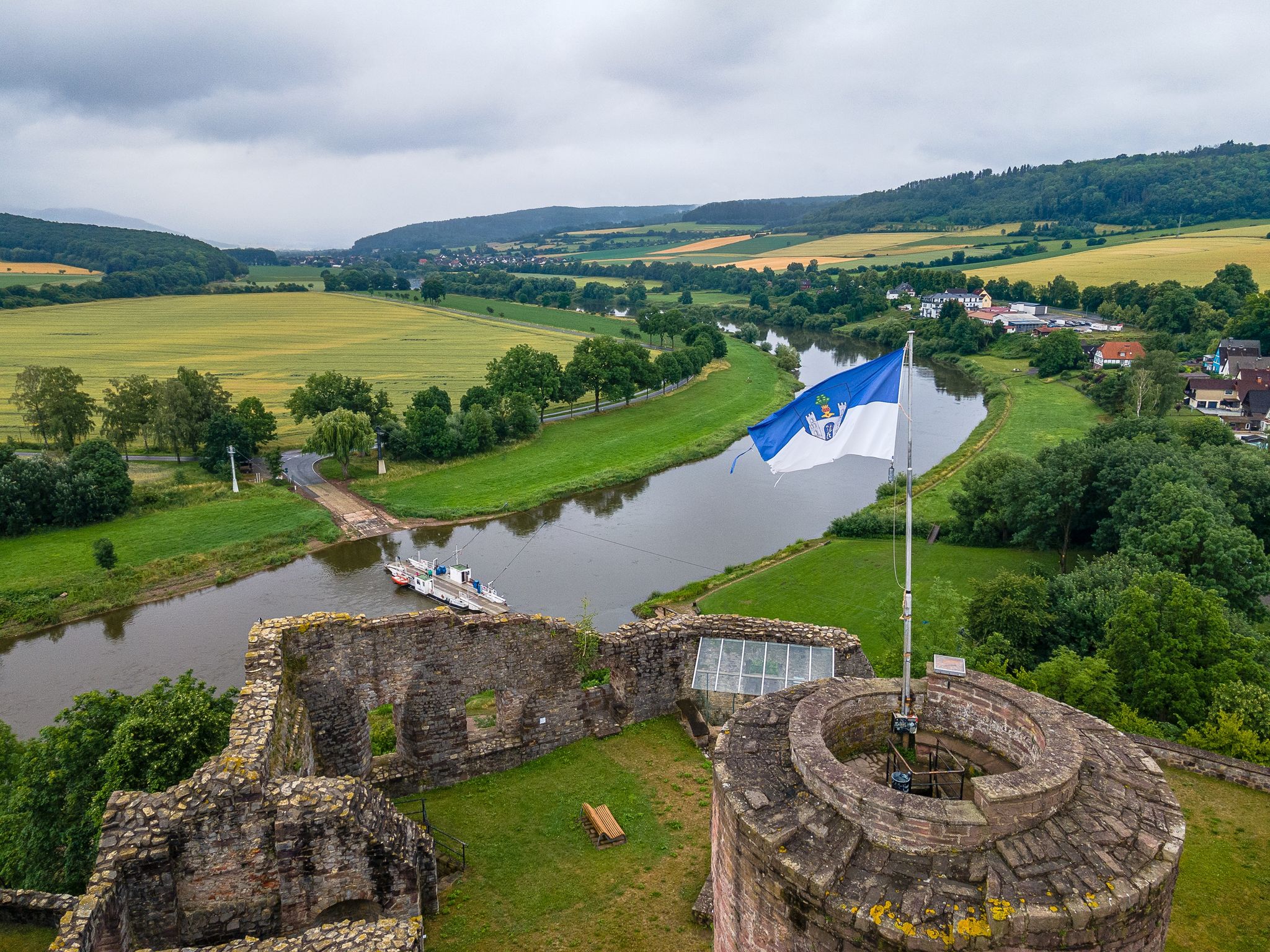
Along the Weser to the sea – Weser Cycle Route alternative route
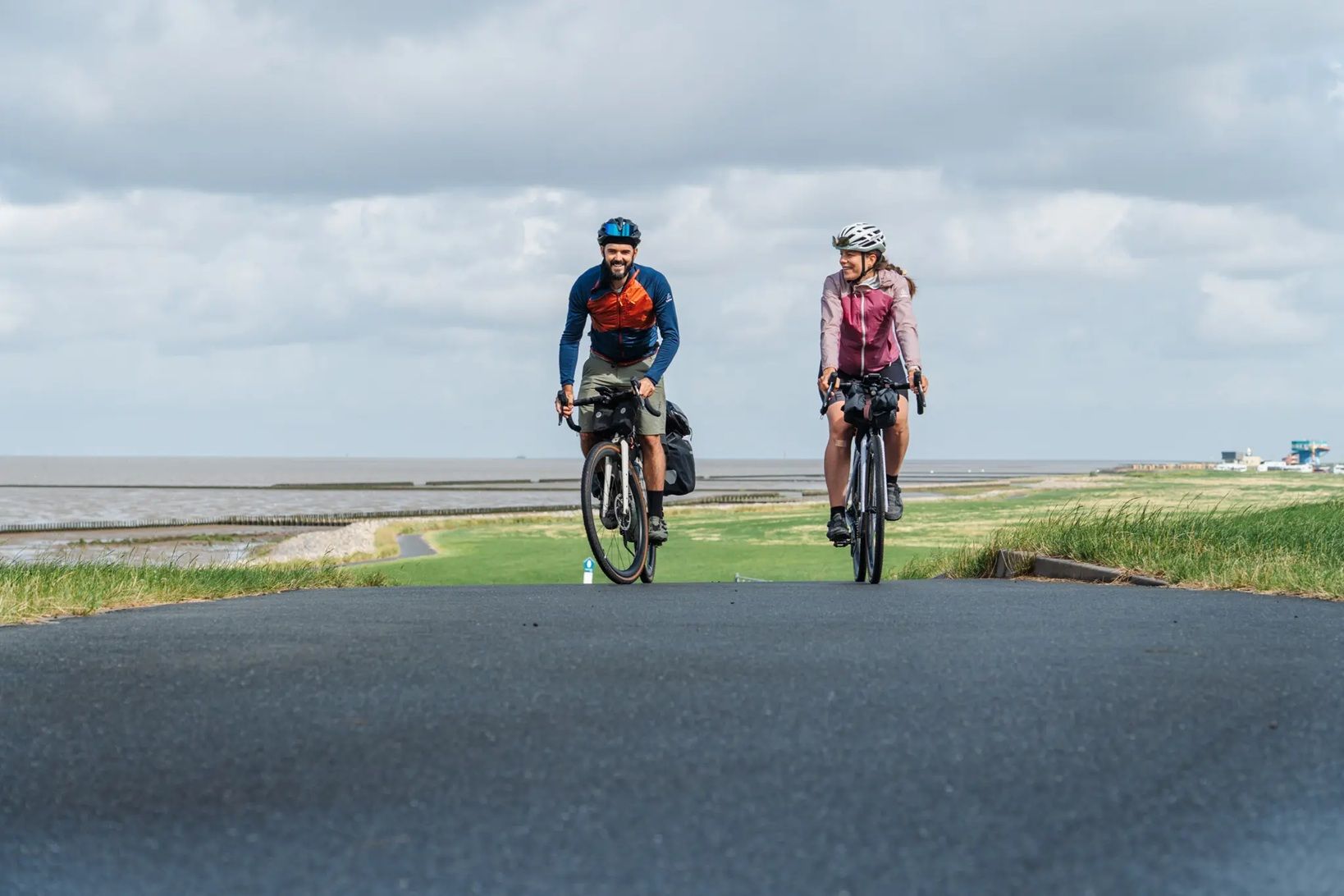
On the Weser Cycle Route – from the Weser Uplands to the North Sea
Other adventures around Hameln


Tips from the Community

Beautiful facility to linger
0
0

The Haze Cave is unique in Germany. It is located on the site of a former quarry where red sandstone was extracted in the 17th century. Quarry workers noticed a "haze" at a certain depth that caused people to faint. Dead birds were repeatedly found in the pit. Well doctor Dr. Johann Philipp Seip came to Pyrmont in 1712 and investigated the phenomenon. He suspected it was sulfur vapor. Carbon dioxide (CO2) was only discovered a few years later as atmospheric acid. The metal half-shells symbolize the numerous springs in Bad Pyrmont.
1
0

History Count Friedrich VI of Spiegelberg, who had been sovereign of the County of Pyrmont since 1525, built a fortress with a residential building on top in the valley of Pyrmont between 1526 and 1536. As early as 1512, he had the ancestral seat of the Counts of Spiegelberg in Coppenbrügge converted into a contemporary fortress based on the Italian model. He used the experience he gained to build a fortress in Pyrmont as well. The almost square complex covered four and a half hectares and was surrounded by a 30 to 40 meter wide moat, a moat. The earth that accrued when digging the moat was piled up to build the castle wall with casemates incorporated into it. In the north, where the fortress was most vulnerable to attack, a small stone corner bastion was built. The entrance to the fortress was only accessible via a wooden drawbridge and the entrance tunnel was.
7
0

Directly adjacent to the spa park is the Bad Pyrmont moated castle (or vice versa?!) The castle, which still exists today, dates back to the 18th century and was the summer residence of the Counts of Waldeck-Pyrmont.
4
0

The café in the castle courtyard is not as busy during the week, so you can better enjoy the view of the park.
6
1

Tip: small café in the castle courtyard with a view of the spa gardens. Relax and enjoy.
7
1

Pyrmont Castle was the residence or summer residence of the Counts of Spiegelberg and the Counts of Waldeck-Pyrmont in what is now Bad Pyrmont. The existing building dates from the 18th century. Today it houses a museum. The castle is part of the 16th century Pyrmont Fortress.
6
1

You should visit. A nice experience.
2
0
Frequently Asked Questions
What makes the caves around Hameln unique?
The caves around Hameln offer a diverse range of experiences. You can explore Germany's northernmost stalactite cave, the Schillat Cave, with its geological formations. The Dunsthöhle in Bad Pyrmont is unique in Germany for its natural carbon dioxide emissions, a phenomenon investigated since the 18th century. Additionally, the Cliffs and Bat Caves in the Kleiner Deister are significant for their ecological role as a habitat for bats and other animals.
Are there family-friendly caves to visit near Hameln?
Yes, both the Schillat Cave and the Dunsthöhle in Bad Pyrmont are considered family-friendly. The Schillat Cave offers educational insights into Earth's history and features like rock paintings and glowing stones, which can be engaging for children. The Dunsthöhle provides a unique scientific curiosity that can be interesting for all ages.
Can I visit the Schillat Cave? What should I expect?
The Schillat Cave can only be visited as part of a guided tour. During the tour, you'll see detailed reproductions of early rock paintings, sparkling crystals, and glowing stones, especially in the 'Fairytale Forest' section. The experience includes educational insights into Earth's history, the Ice Age, and ancient seas. A 3D slide show featuring images from the nearby Riesenberg cave is also a highlight.
What is special about the Dunsthöhle in Bad Pyrmont?
The Dunsthöhle in Bad Pyrmont, also known as the Haze Cave, is unique in Germany for its natural carbon dioxide (CO2) emissions. Historically, quarry workers would faint due to the 'haze,' and dead birds were often found. This phenomenon was investigated as early as 1712, initially mistaken for sulfur vapor. Today, it offers a fascinating insight into natural gas occurrences and their historical study.
Are there any caves important for wildlife near Hameln?
Yes, the Cliffs and Bat Caves in the Kleiner Deister are an important destination for wildlife. These cliff formations contain caves that serve as a habitat for bats and other animals, highlighting their ecological significance in supporting local biodiversity.
Are there guided tours available for the caves?
Yes, guided tours are available for both the Schillat Cave and the Dunsthöhle in Bad Pyrmont. The Schillat Cave requires a guided tour for entry, and the Dunsthöhle is also best experienced with a guided explanation of its unique phenomenon.
What are the opening hours and entrance fees for the Schillat Cave?
The Schillat Cave is open on Saturdays, Sundays, and public holidays from 10 a.m. to 6 p.m. During the high season (Easter to October), it is also open on Wednesdays from 2 p.m. to 6 p.m. Entrance fees are 8 euros for adults and 4 euros for children. You can find more information at www.schillathoehle.de.
How can I reach the Dunsthöhle in Bad Pyrmont?
The Dunsthöhle in Bad Pyrmont is located on the site of a former quarry. While specific public transport routes are not detailed, Bad Pyrmont is a well-known spa town, and local transport options are generally available. It's advisable to check local public transport schedules for the best way to reach the site.
Are there hiking opportunities near the caves?
Yes, the region around Hameln offers various hiking opportunities. For example, the Cliffs and Bat Caves in the Kleiner Deister are part of an interesting cliff formation that can be explored via trails. You can find numerous hiking routes in the area by checking the Mountain Hikes around Hameln guide on komoot.
Is the Schillat Cave accessible for visitors with mobility challenges?
Yes, the Schillat Cave is noted as being wheelchair accessible, making it suitable for visitors with mobility challenges to experience Germany's northernmost stalactite cave.
What kind of amenities are available at the Schillat Cave?
At the Schillat Cave, visitors can find a café and beer garden at the 'Huthaus' where regional products are offered. This provides a place to relax and enjoy refreshments after a guided tour of the cave.
What other outdoor activities can I do near the caves?
Beyond exploring the caves, the Hameln region provides various outdoor activities. You can find numerous cycling routes, such as those listed in the Cycling around Hameln guide, or explore running trails detailed in the Running Trails around Hameln guide. The area is well-suited for enjoying the natural landscape of the Weser Mountains.
Most popular routes around Hameln
Most popular attractions around Hameln

Get inspired with the komoot mobile app


Explore more
Extend your search for the best caves by checking out these guides of the top ones around Hameln:
