Top 7 Caves around Neusiedler See
Best caves around Neusiedler See offer a glimpse into the region's geological history, distinct from the shallow steppe lake. The area features various natural and artificially altered cave formations, providing unique insights into the landscape. These sites are often found within the Leithagebirge, a low mountain range that borders the lake to the west. The caves provide an adventurous and educational experience, showcasing the diverse natural features of the Neusiedler See region.
Best caves around Neusiedler See
- The most popular caves is Kürschnergrube Cave and Quarry, a cave that is an abandoned quarry with an adjoining rock grotto. This site is located on the crest of the Leithagebirge and is notable for its geological features and historical significance.
- Another must-see spot is Grafenlucke (Gypsy Cave), a natural monument consisting of artificially altered half-caves. Visitors can expect natural stone caves on the western slope of the Zeil mountain, often mentioned in conjunction with the Bear Cave.
- Visitors also love Bear Cave (Winden am See), a natural monument and historical site. This cave, located north of Winden am See, is a bed joint cavity with two entrances and holds federal monument protection.
- Neusiedler Lake is known for natural stone caves, historical sites, and abandoned quarries with grottoes. The region offers a variety of caves to see and explore, from ancient habitats to sites with archaeological and historical importance.
- The caves around Neusiedler See are appreciated by the komoot community, with 154 upvotes and 192 photos shared by users.
Last updated: July 9, 2026
Kürschnergrube Cave and Quarry
Highlight • Cave
Translated by Google •
Tip by

Grafenlucke (Gypsy Cave)
Highlight • Cave
Source: bergfex.at/sommer/winden-am-see/highlights/8692-zigeunerhoehle--grafenlucke
Translated by Google •
Tip by

Sign up now to discover places like this
Get recommendations on the best single tracks, peaks, & plenty of other exciting outdoor places.
Sign up for free
Bear Cave (Winden am See)
Highlight • Cave
Translated by Google •
Tip by
Teufelsloch
Highlight • Cave
Translated by Google •
Tip by
Mithras Grotto
Highlight • Cave
Showing Translation
Tip by

Sign up for free to discover even more caves around Neusiedler See.
Sign up for free
Already have an account?
Start today with a free account
Your next adventure awaits.
Login or Signup
Popular around Neusiedler Lake
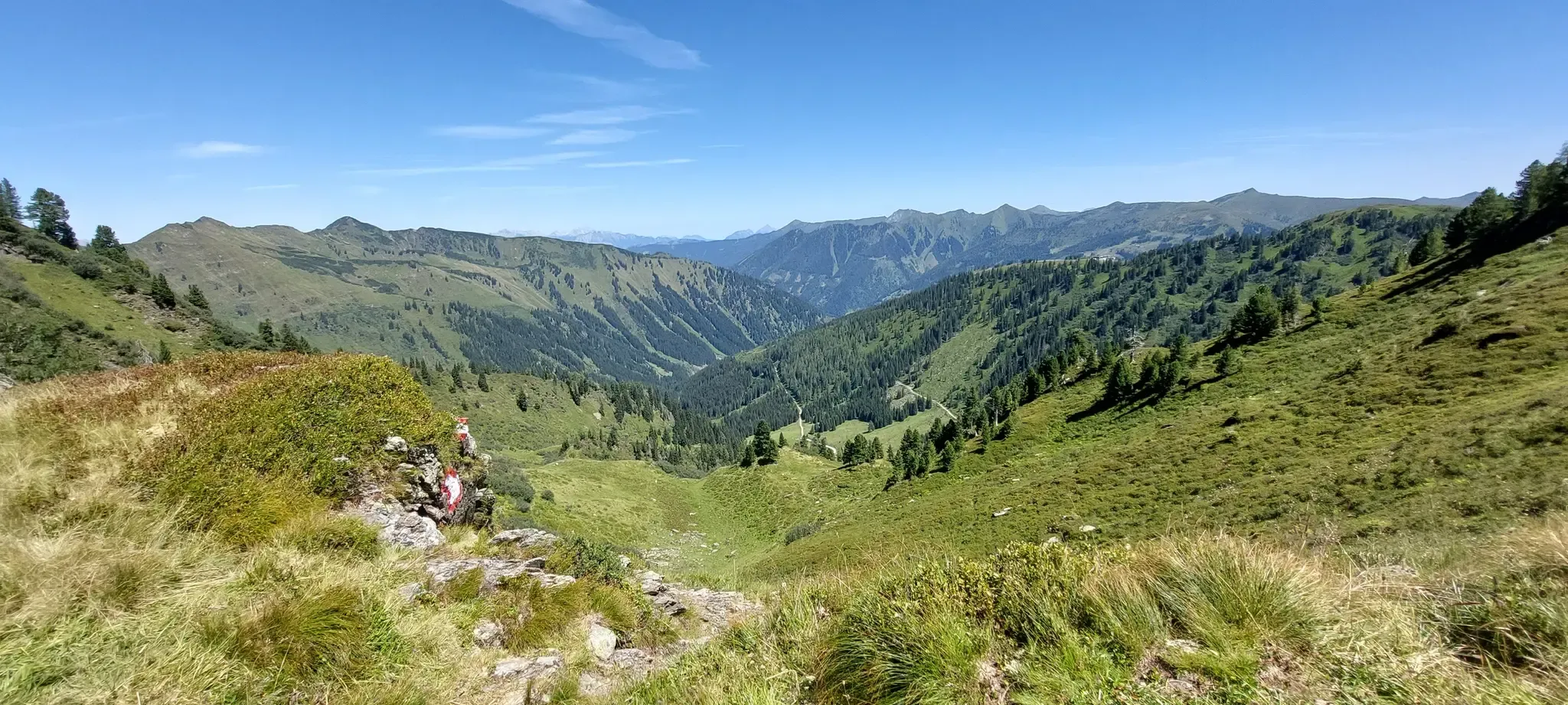
Central Alps Trail Eastern Section – Discover Austria
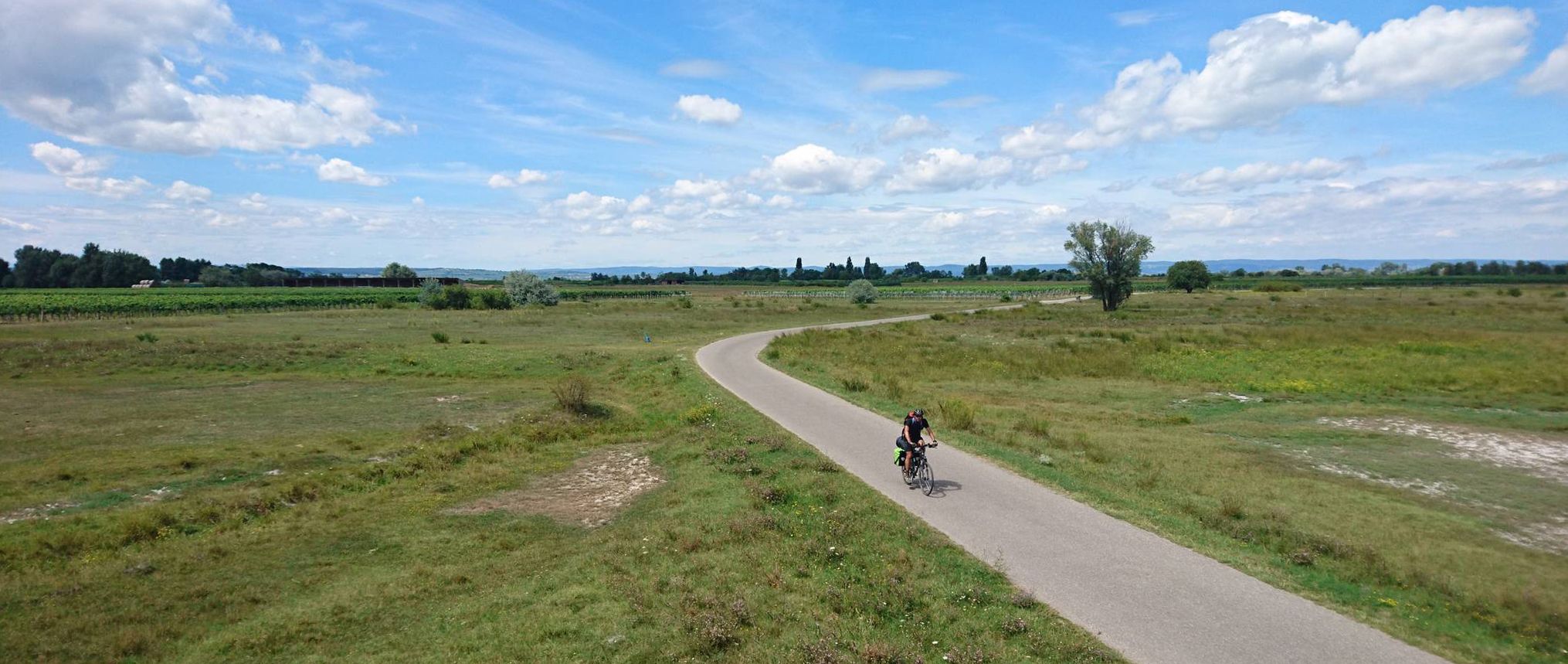
Lake Neusiedl cycle path — three days, two countries, one lake
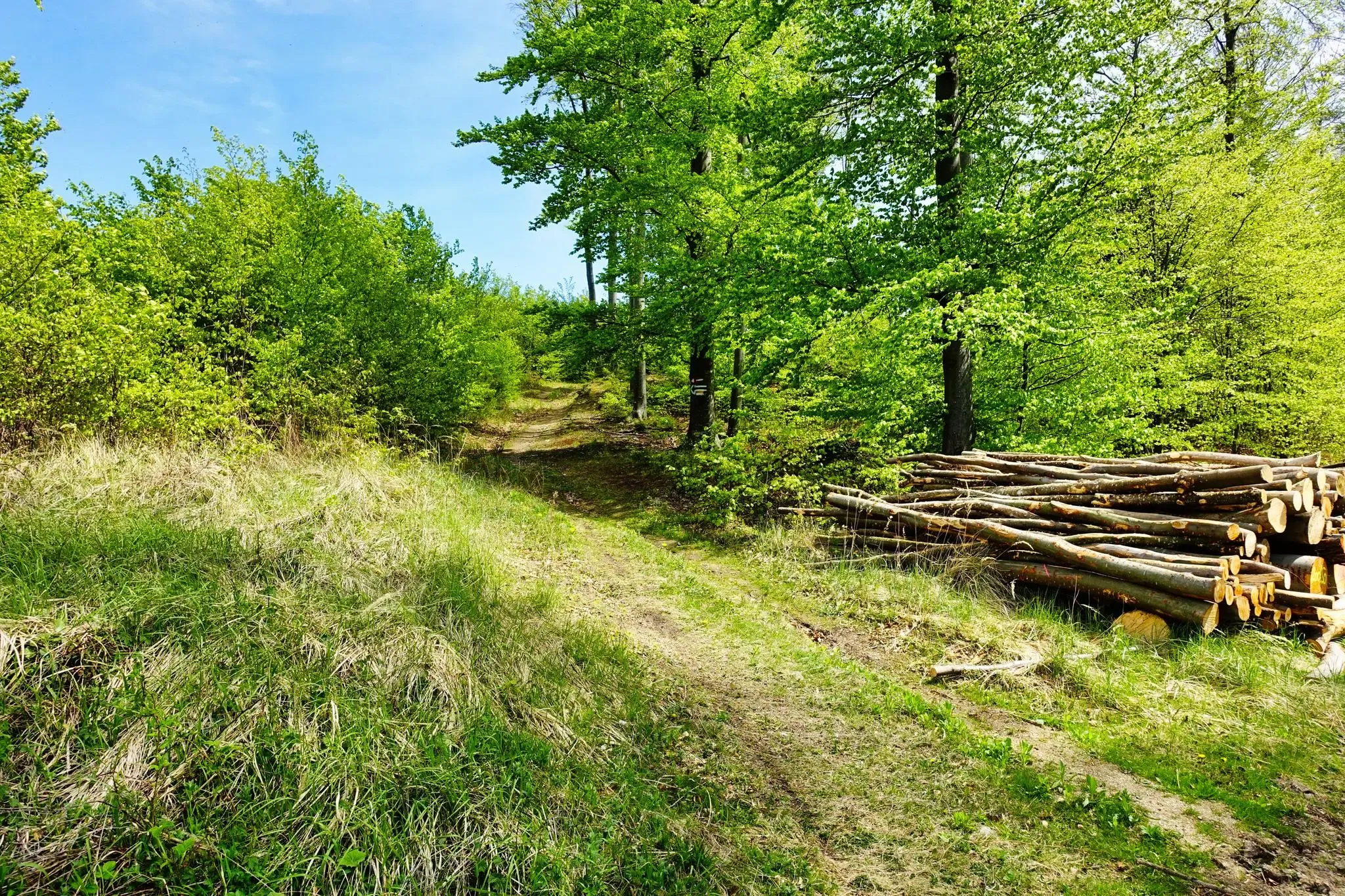
Rosalia Trail Challenge – Running on wonderful Forest paths
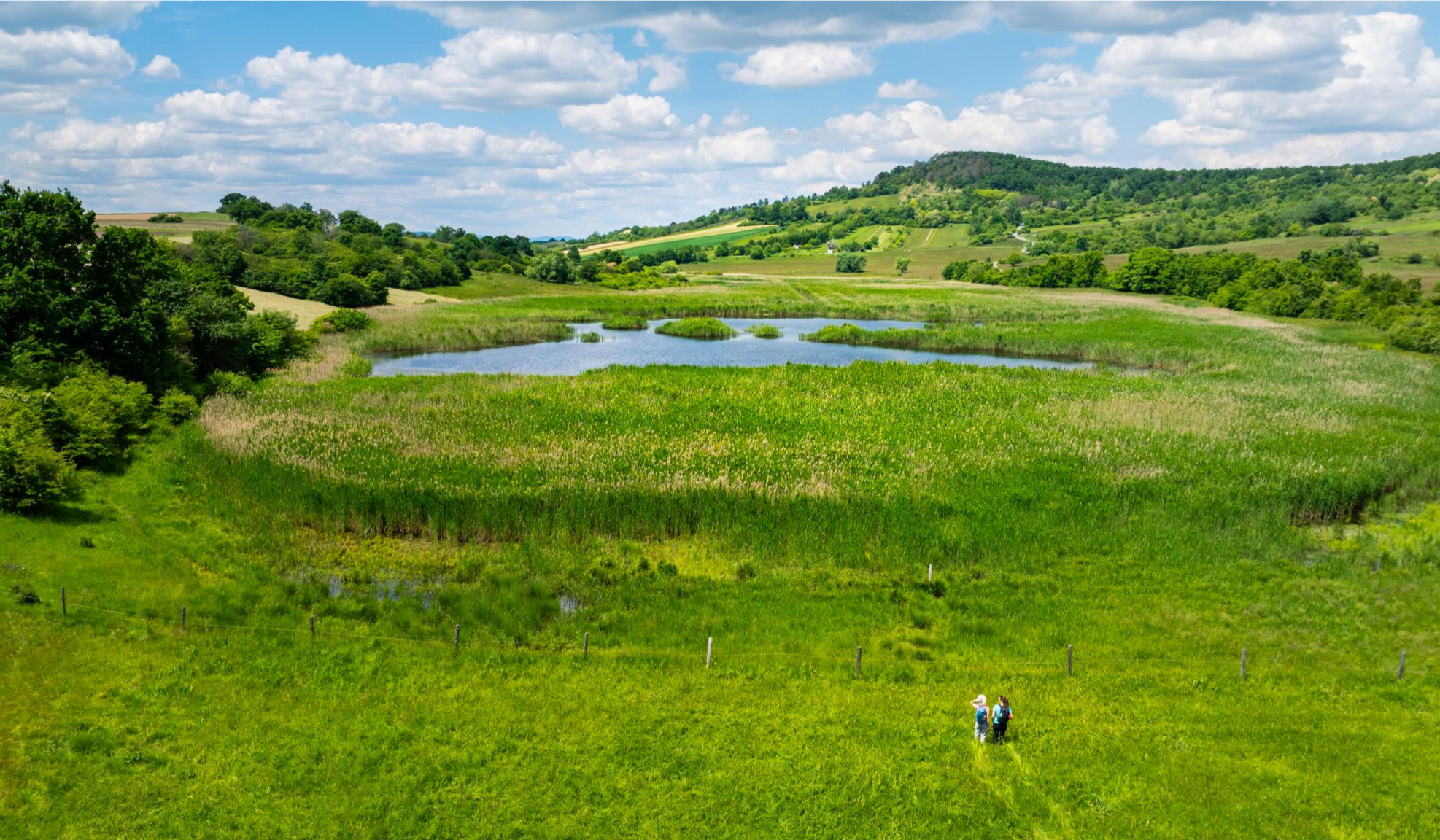
Pure enjoyment – hiking in the Mittelburgenland-Rosalia region
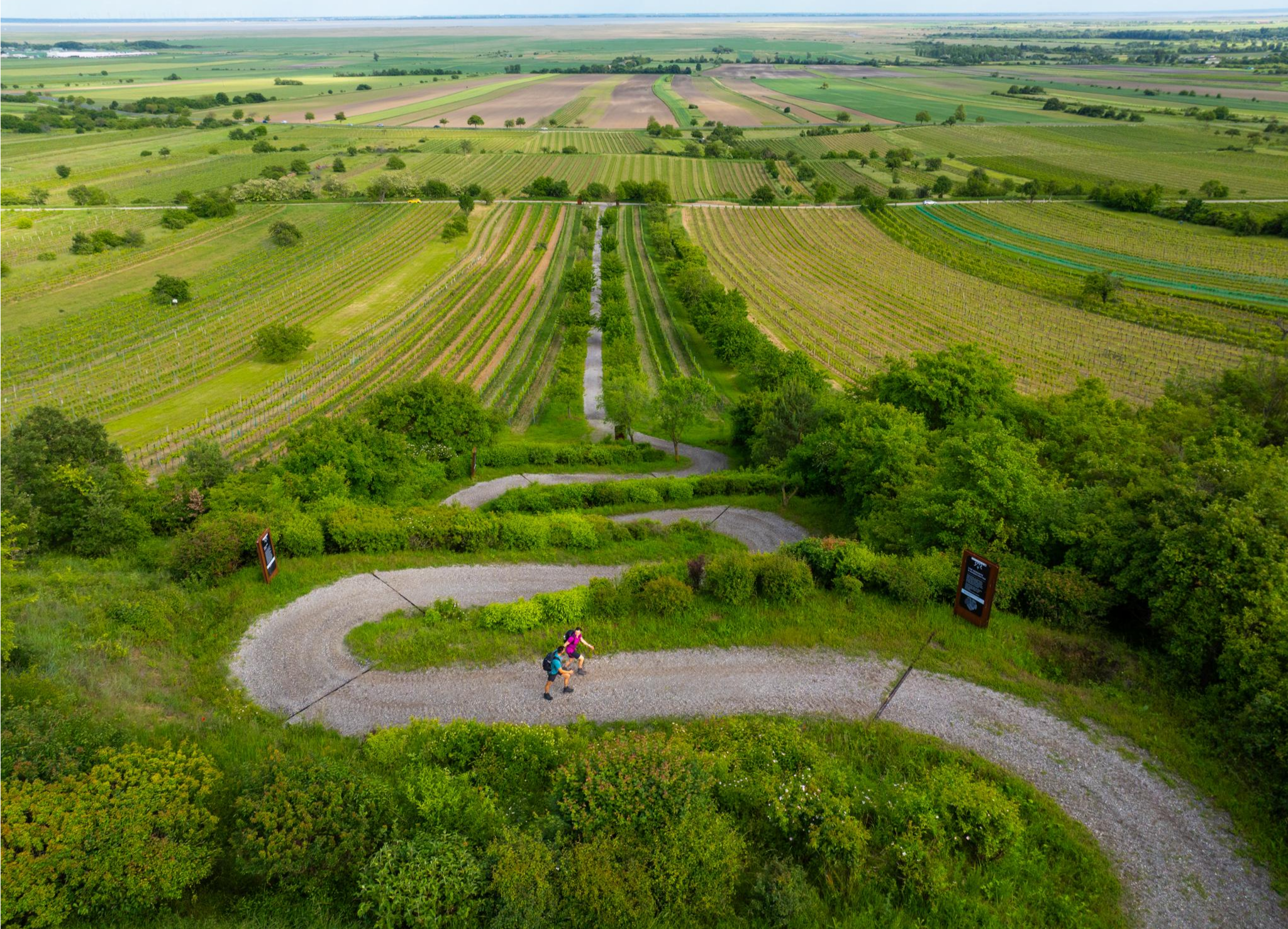
Wine and wide vistas – hiking in Nordburgenland
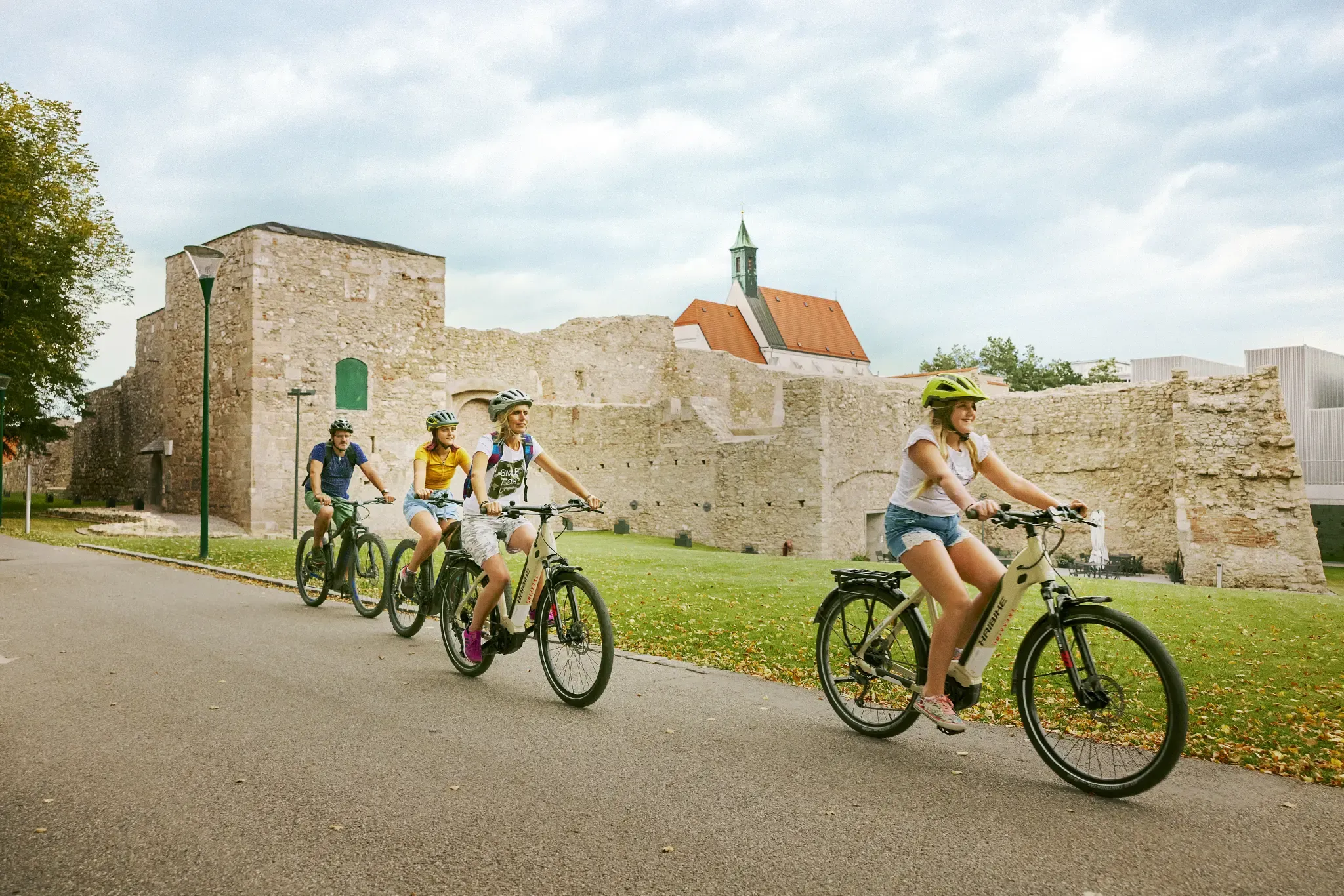
In all directions – bike rides out from Wiener Neustadt
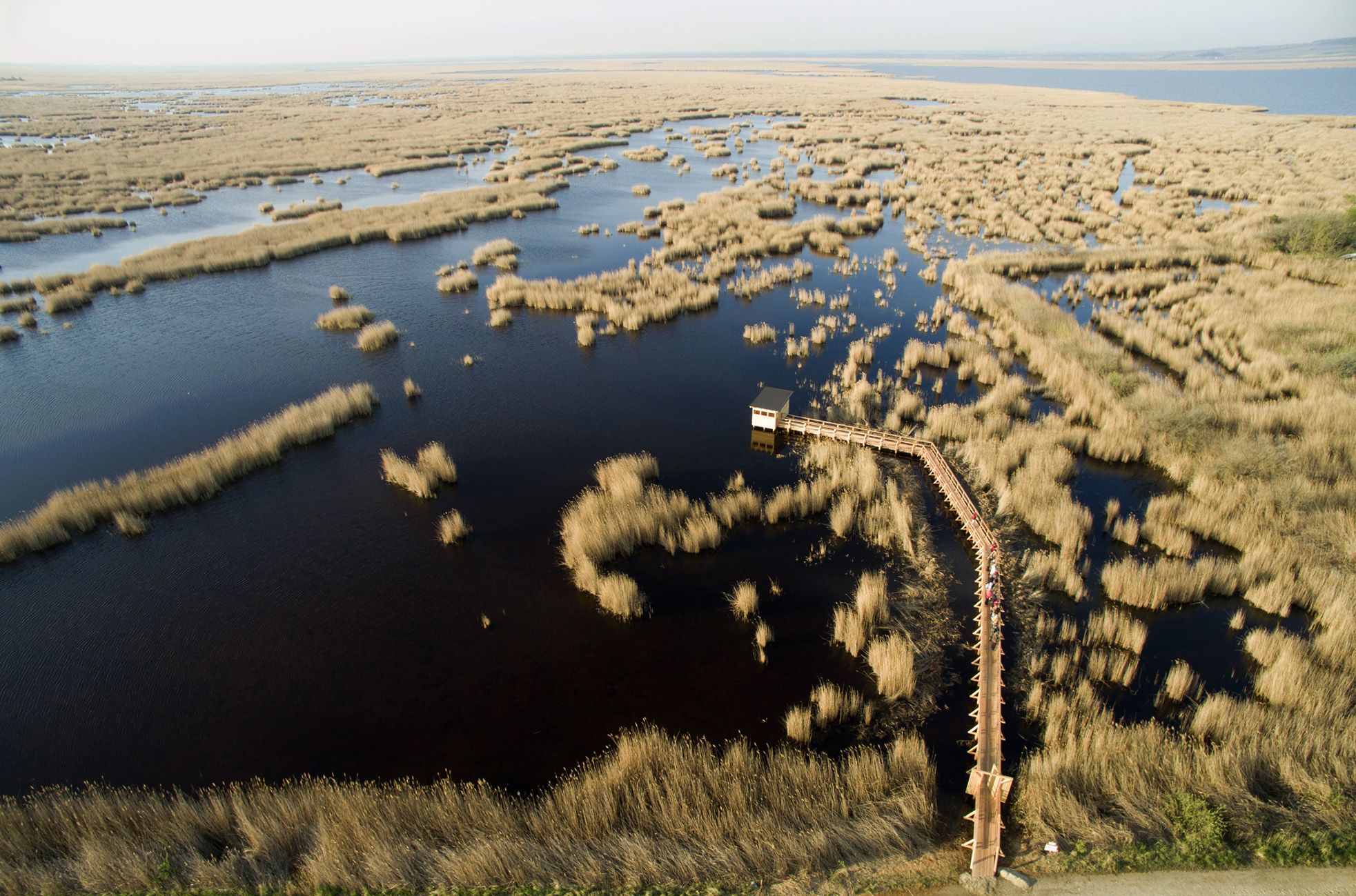
Discover the Neusiedler See-Seewinkel National Park – between Austria and Hungary
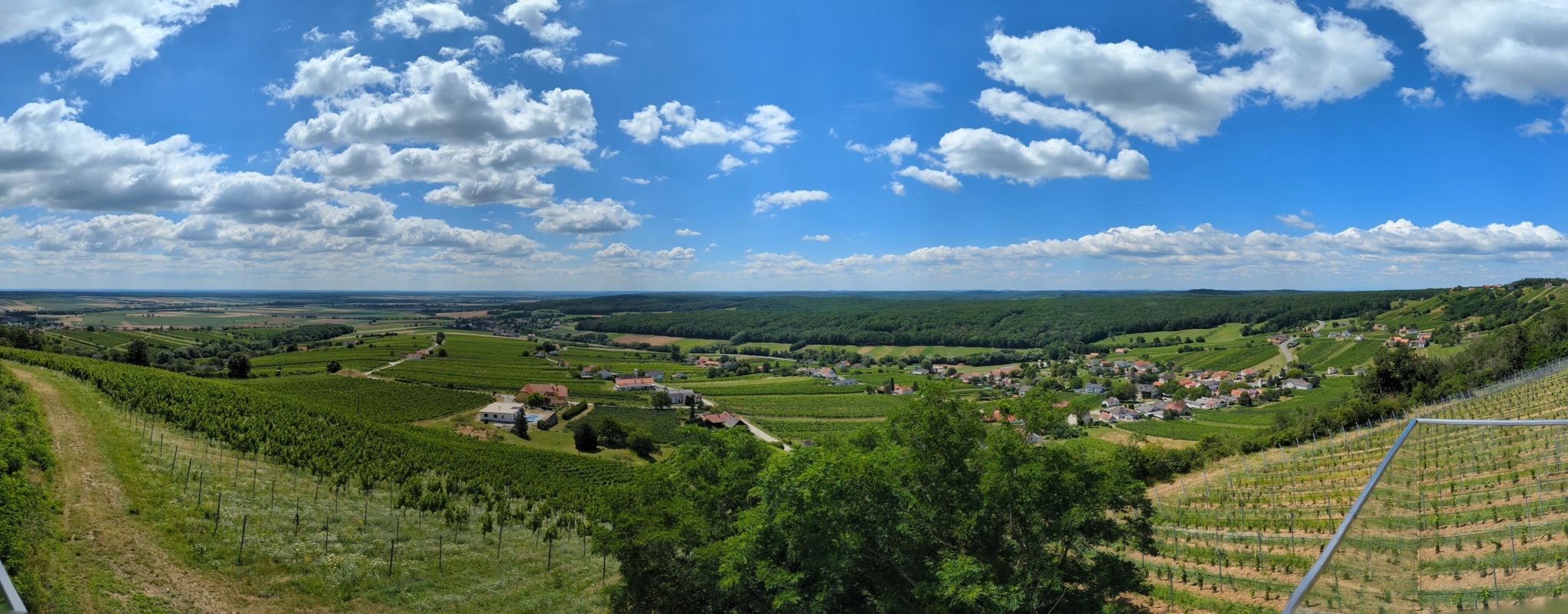
Jubiläumsradweg cycle path through Burgenland
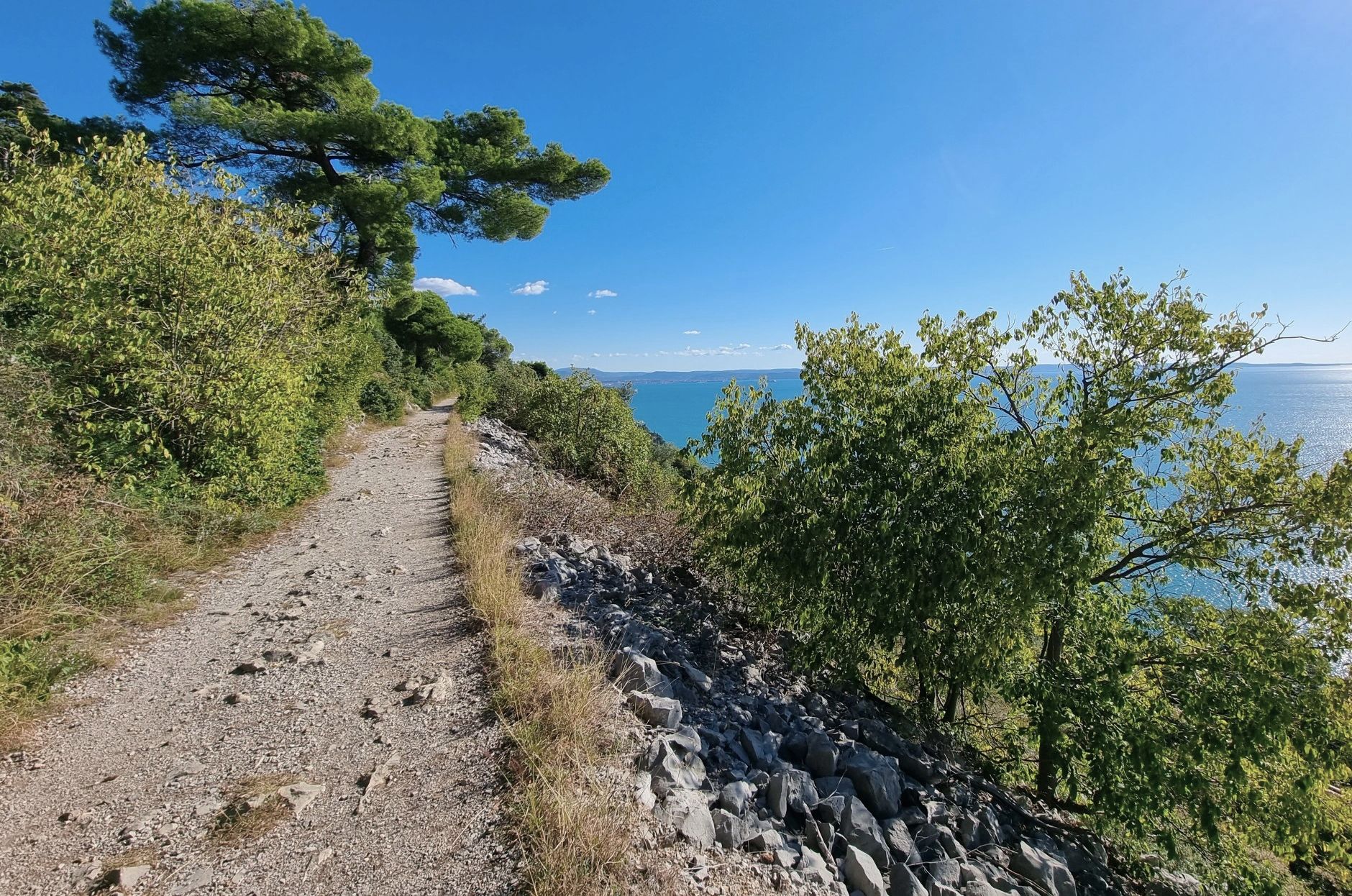
Ride to the sea – gravel bikepacking from Austria’s Vienna to Italy’s Grado
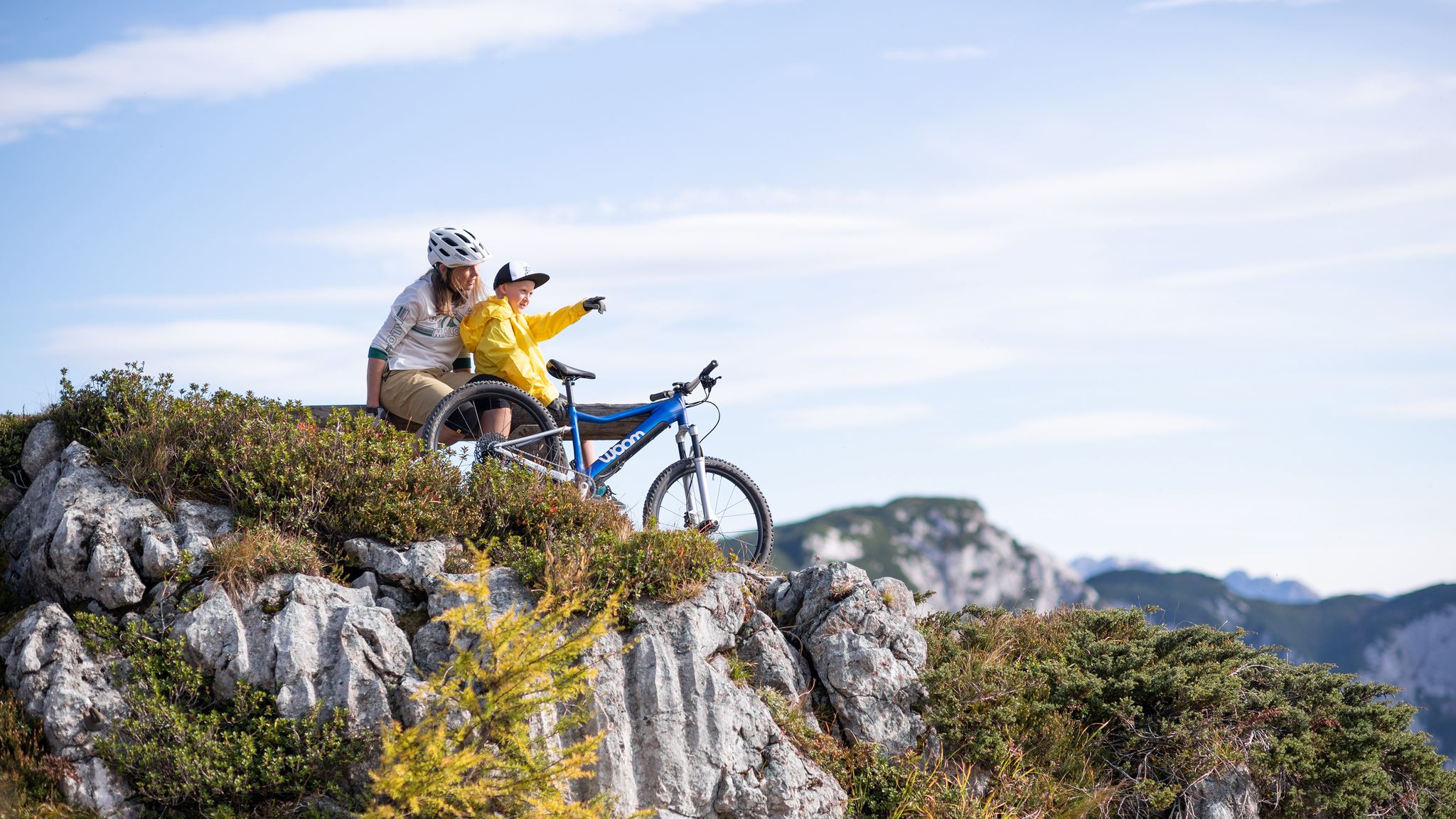
Discover Austria’s most beautiful family cycle paths with woom
Other adventures around Neusiedler See


Tips from the Community

Beautiful landscape around the lake
3
0

The cave in the Kürschnergrube (120m x 40m x 6m) is about 23 m long and 11 m deep.
2
0

The Kürschnergrube is a long-abandoned quarry with an adjoining cave. Experience prehistory and enjoy the peace and quiet Special feature Abandoned quarry with rock grotto. Cave, fossils, Leitha limestone
5
1
Up a few steps and then you can take a look at the 2 locked gates!
3
0
You can still admire these up close.
3
0

An abandoned quarry in the middle of the Leitha Mountains, which has become a wonderful place to take a break.
5
1

After a few steps you will reach the Bear Cave, a natural monument.
0
0

The Roman border guards who served here brought the Eastern mystery beliefs with them and built a rock chapel for the Persian sun god almost two thousand years ago, in which they built an altar to Mithras, who was born from the rock.
2
0
Frequently Asked Questions
What are some of the most notable caves to visit around Neusiedler See?
Among the most notable caves are Kürschnergrube Cave and Quarry, an abandoned quarry with an adjoining rock grotto, and Grafenlucke (Gypsy Cave), known for its natural stone caves on the western slope of the Zeil mountain. Another significant site is the Bear Cave (Winden am See), a natural monument and historical site with federal monument protection.
What kind of geological formations can I expect to see in the caves near Neusiedler See?
The caves in this region often feature brecciated quartzites and porous Leitha limestone. For instance, the Kürschnergrube Cave and Quarry is notable for its geological features and fossils within the Leithakalk. Many are natural stone caves, some artificially altered, providing insights into the area's geological history.
Are there any caves with historical significance in the Neusiedler See region?
Yes, several caves hold historical importance. The Bear Cave (Winden am See) was historically a habitat for bears and is a protected federal monument. The Teufelsloch, or Devil's Hole, served as a hiding place for locals during World War II. Additionally, the Mithras Grotto in Mörbisch dates back to the 3rd century and features a relief of the Persian sun god Mithras.
What should I bring when visiting the caves around Neusiedler See?
It is advisable to wear comfortable shoes, as paths can be uneven and slippery. A light jacket is also recommended due to cooler temperatures inside the caves, even during warmer months.
Are the caves around Neusiedler See generally accessible for families?
While specific 'family-friendly' designations are not always present, many caves like the Bear Cave (Winden am See) and Grafenlucke (Gypsy Cave) are part of scenic walks or hiking loops, making them suitable for families who enjoy walking. Always check specific access details for each cave, as some may involve uneven terrain.
What is the best time of year to visit the caves near Neusiedler See?
The caves can be visited year-round. However, spring and autumn are particularly interesting for wildlife enthusiasts, as bats of various species are often found in narrow crevices during these seasons. The cooler temperatures inside the caves can also offer a pleasant escape during warmer summer days.
Can I find hiking trails near these caves?
Yes, many of the caves are integrated into hiking routes. For example, a scenic walk from Winden am See leads to the Bear Cave, and the Grafenlucke (Gypsy Cave) is often part of hiking loops. The Leithagebirge area, where many caves are located, offers various trails.
Are there other outdoor activities I can do near the caves around Neusiedler See?
The Neusiedler See region is excellent for various outdoor activities. You can explore numerous cycling routes, including those for touring bikes and road bikes, or hit the MTB trails. For cycling inspiration, check out the Cycling around Neusiedler See guide, Road Cycling Routes around Neusiedler See, or MTB Trails around Neusiedler See.
Is there parking available near the caves?
While specific parking details vary by cave, many are accessible via roads or are part of well-known hiking areas where parking facilities are typically available in nearby towns or designated trailheads. For instance, the Bear Cave (Winden am See) is located near Winden am See, which offers amenities for visitors.
What is the difficulty level for exploring these caves?
Most caves in the region are considered to have an intermediate difficulty level. This often implies uneven terrain, potentially slippery surfaces, and sometimes short climbs or steps. They are generally accessible for those with a reasonable level of fitness.
Are there any caves on the Hungarian side of Lake Neusiedl?
Yes, there is a notable cave in Fertőrákos, Hungary, which is close to the border with Austria and the Neusiedler See. This cave is often mentioned as an attraction for visitors exploring the wider region around the lake.
What kind of wildlife might I encounter in or near the caves?
The caves, particularly the Bear Cave (Winden am See) and Grafenlucke (Gypsy Cave), are known habitats for various species of bats, especially during spring and autumn. The surrounding natural areas also support diverse local wildlife.
Most popular routes around Neusiedler See
Most popular attractions around Neusiedler See

Get inspired with the komoot mobile app


