The best city hikes and walks around Neusiedler See
4.6
(3858)
20,852
hikers
50
hikes
Urban hiking trails around Neusiedler Lake offer routes through a unique Pannonian steppe landscape, characterized by its extensive reed belt and gentle hills. The region features a mix of vineyards and traditional villages, providing varied scenery for urban walks. This UNESCO World Heritage site bridges the Alps and the Little Hungarian Plains, contributing to its distinct natural and cultural environment. Many trails incorporate views of the shallow steppe lake and its surrounding habitats.
Best urban hiking trails around Neusiedler See
- The most popular urban hiking route is Berger Barracks Neusiedl am See – Neusiedl am See loop from Neusiedl am See, a 3.1 miles (5.0 km) trail that takes 1 hour 16 minutes to complete. This easy loop explores the town of Neusiedl am See.
- Another top favourite among local hikers is Neusiedl am See – Neusiedl am See Parking Lot loop from Neusiedl am See, an easy 2.3 miles (3.7 km) path. This route offers a walk around the town center and nearby areas.
- Local hikers also love the Neusiedl am See Parking Lot – Elis Cato – Pizzeria San Marco loop from Neusiedl am See, a 1.4 miles (2.2 km) trail leading through Neusiedl am See, often completed in about 35 minutes.
- Hiking around Neusiedler Lake is defined by its extensive reed belt, Pannonian steppe landscape, and picturesque vineyards. The network offers options for different ability levels, from easy strolls through villages to longer routes.
- The routes in Neusiedler Lake are highly rated by the komoot community with an average score of 4.6 stars from over 3500 reviews. More than 20000 hikers have used komoot to explore Neusiedler Lake's varied terrain.
Last updated: October 13, 2026
5.0
(1)
30
hikers
Easy hike. Great for any fitness level. Easily-accessible paths. Suitable for all skill levels.
10
hikers
Easy hike. Great for any fitness level. Easily-accessible paths. Suitable for all skill levels.

6
hikers
Easy hike. Great for any fitness level. Easily-accessible paths. Suitable for all skill levels.
12
hikers
Easy hike. Great for any fitness level. Easily-accessible paths. Suitable for all skill levels.
5.0
(1)
4
hikers
Easy hike. Great for any fitness level. Easily-accessible paths. Suitable for all skill levels.
Get access to more routes and recommendations from other explorers.
Already have an account?
Our route recommendations are based on thousands of hikes, rides, and runs completed by other people on komoot.
Start today with a free account
Your next adventure awaits.
Popular around Neusiedler Lake
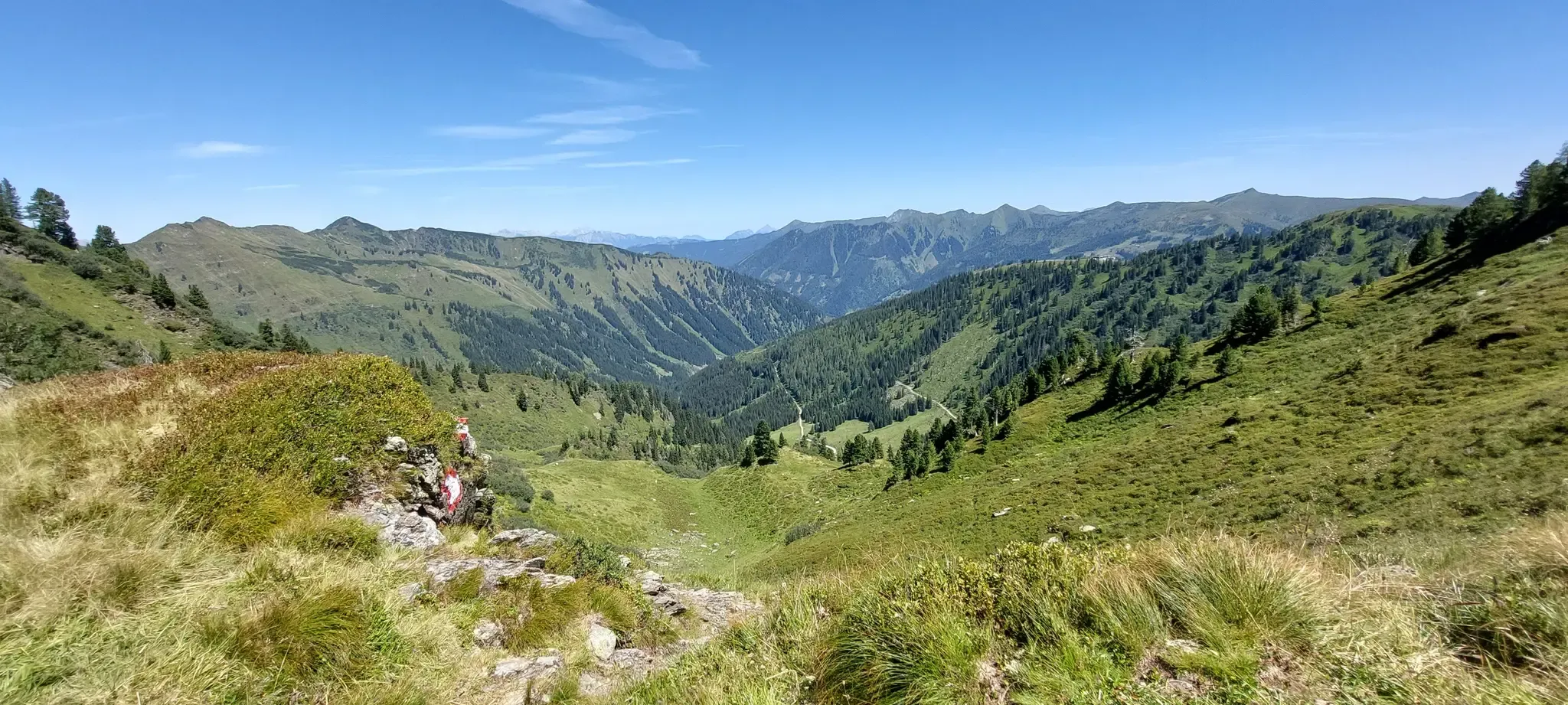
Central Alps Trail Eastern Section – Discover Austria
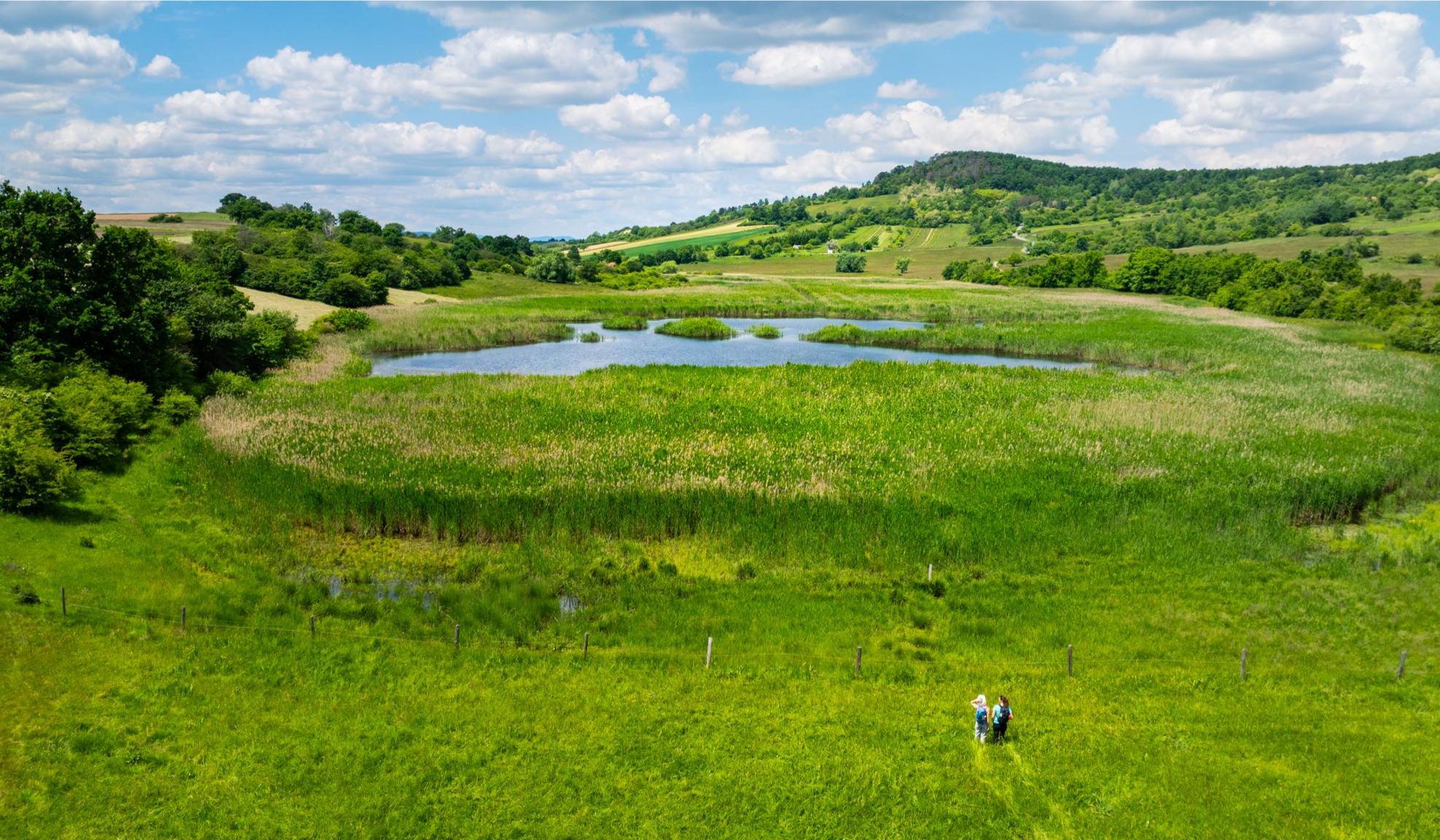
Pure enjoyment – hiking in the Mittelburgenland-Rosalia region
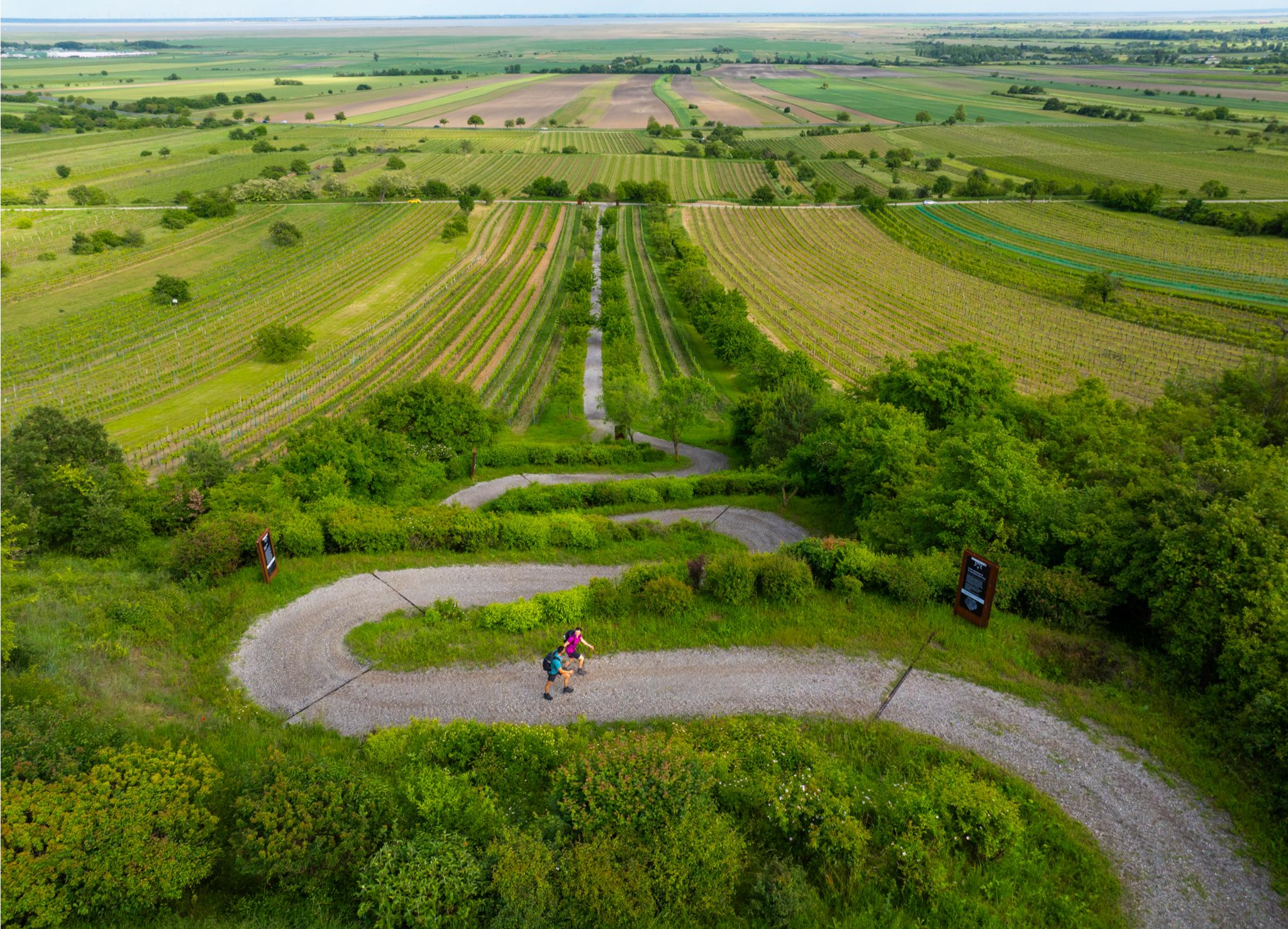
Wine and wide vistas – hiking in Nordburgenland
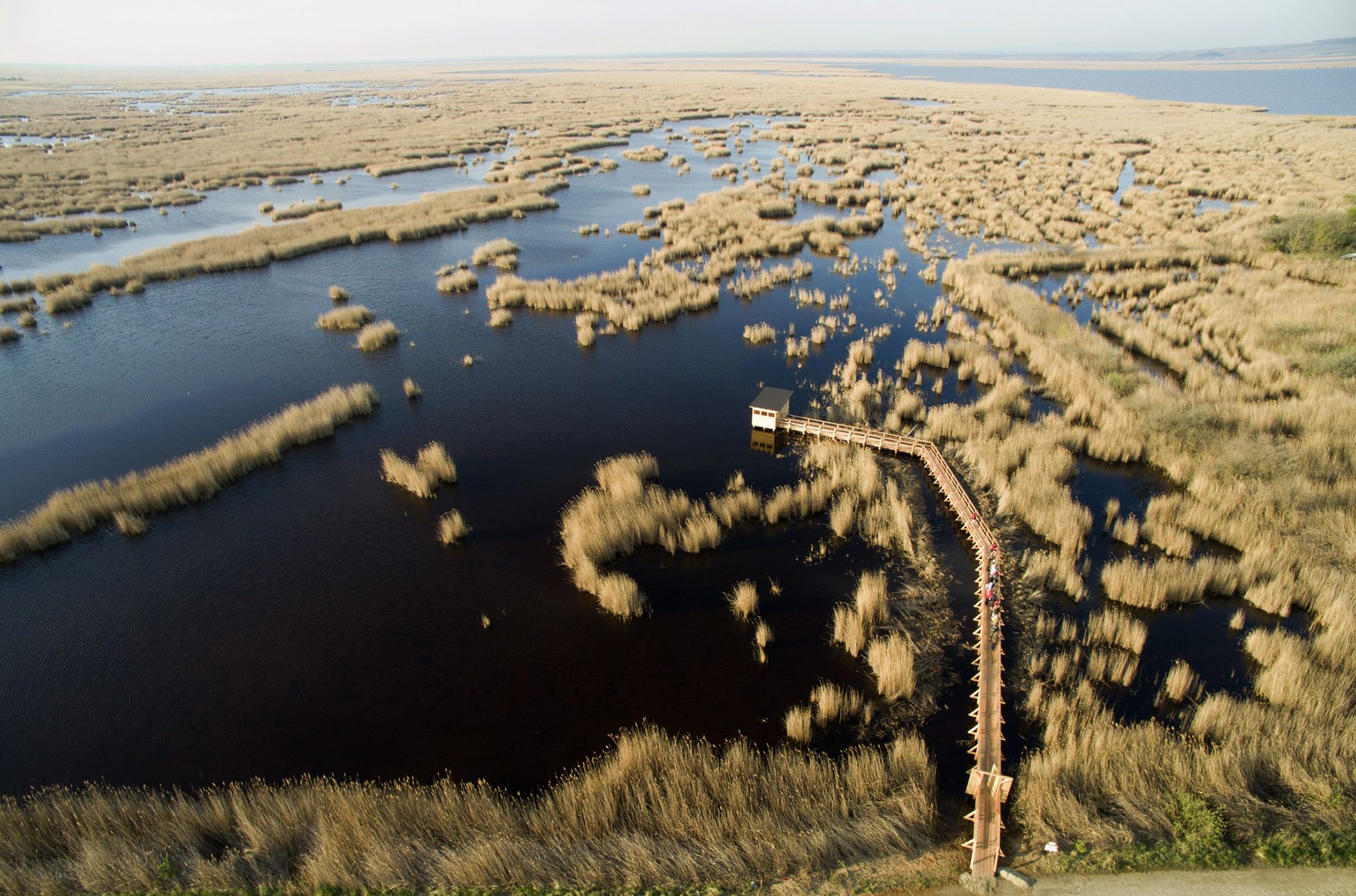
Discover the Neusiedler See-Seewinkel National Park – between Austria and Hungary
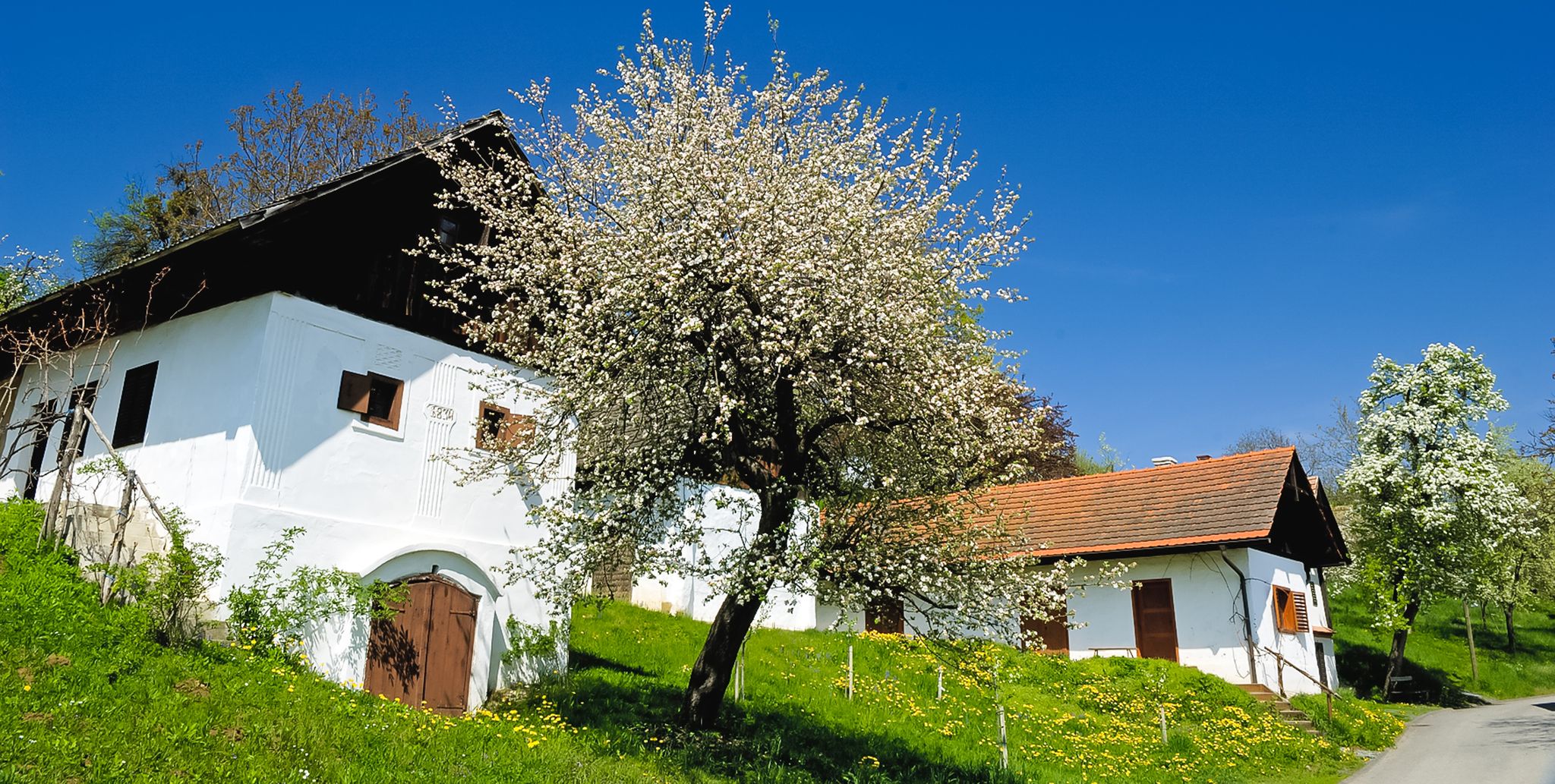
Roman paths in the Burgenland – Amber Trail East Route
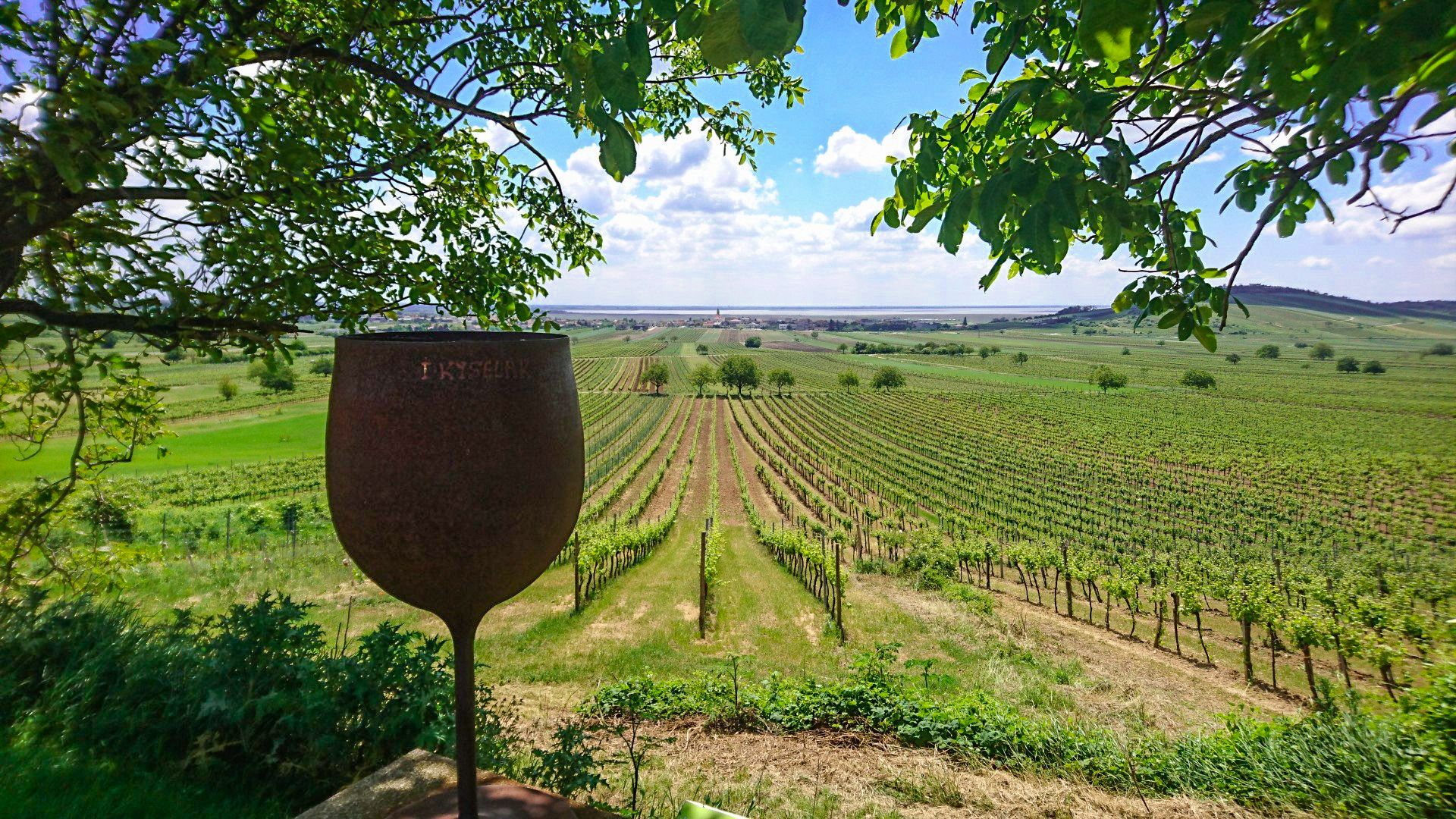
Between lakes and vineyards – hikes around Neusiedler Lake
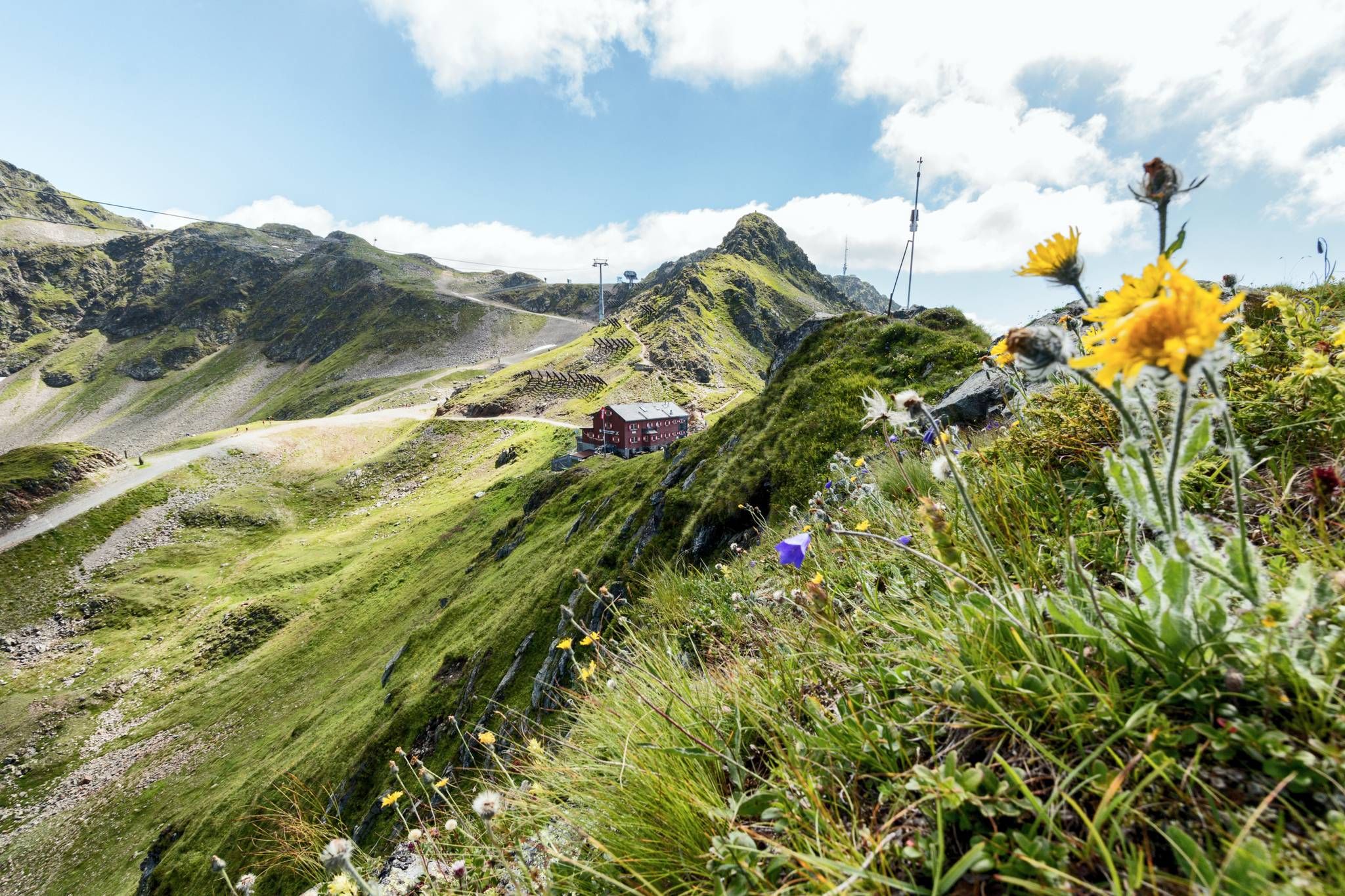
Summit views, mountain lakes and delicious food — hiking in Austria
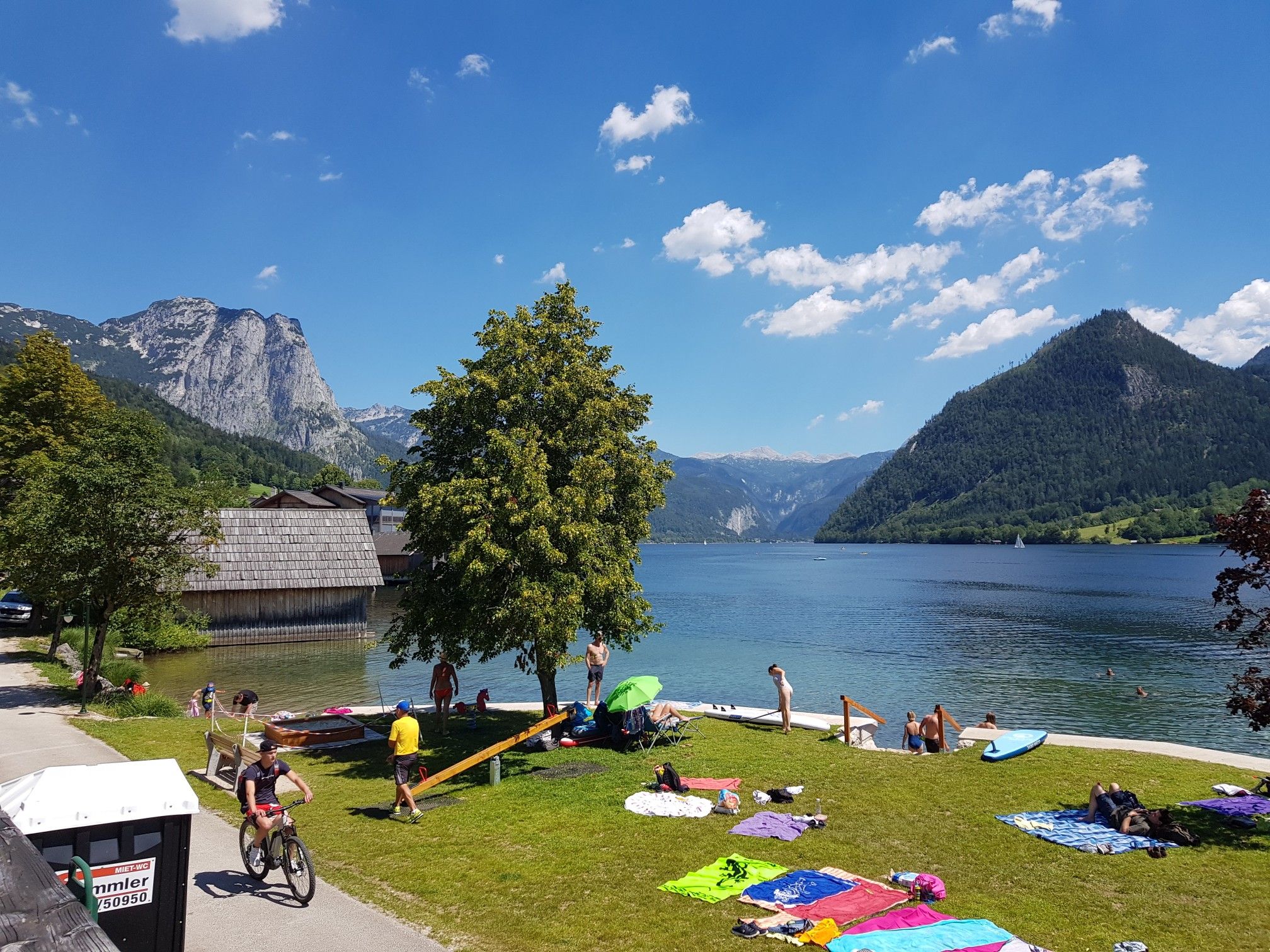
Austria's sensational swimming lakes
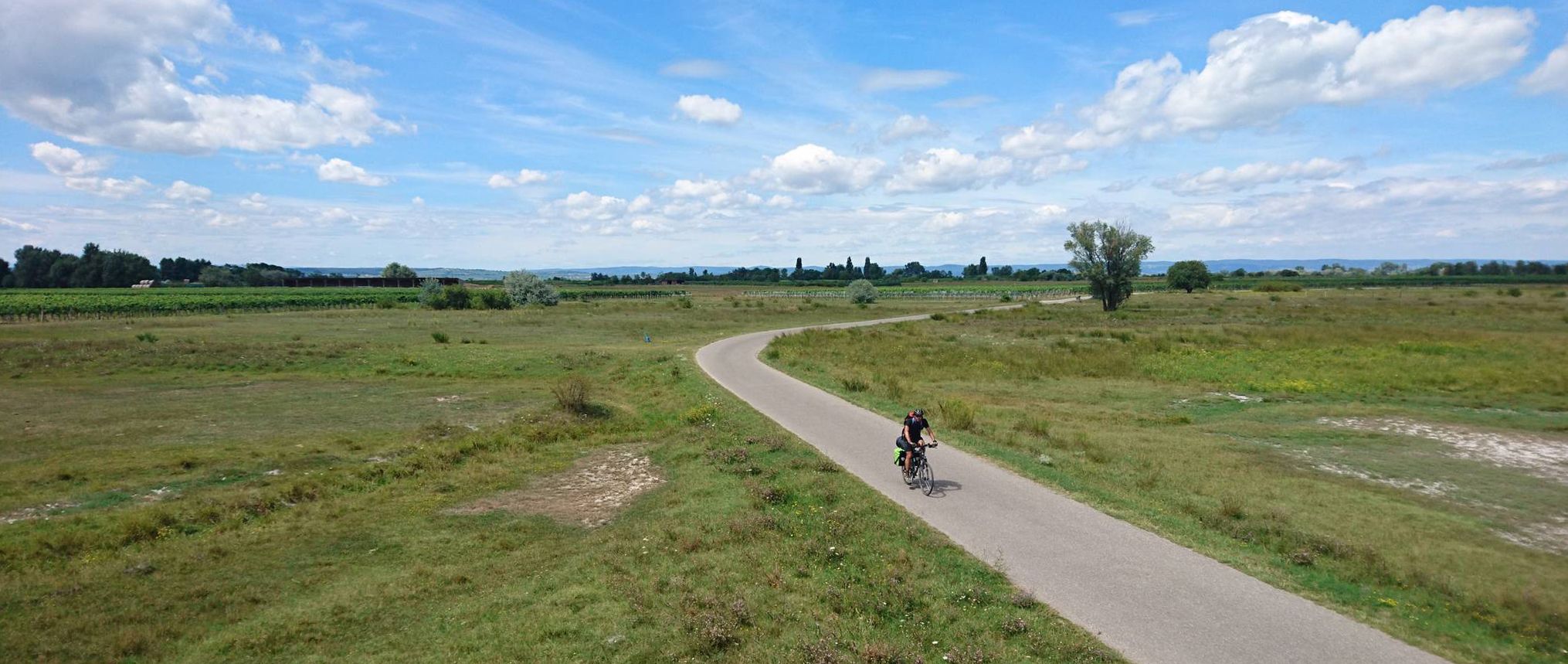
Lake Neusiedl cycle path — three days, two countries, one lake
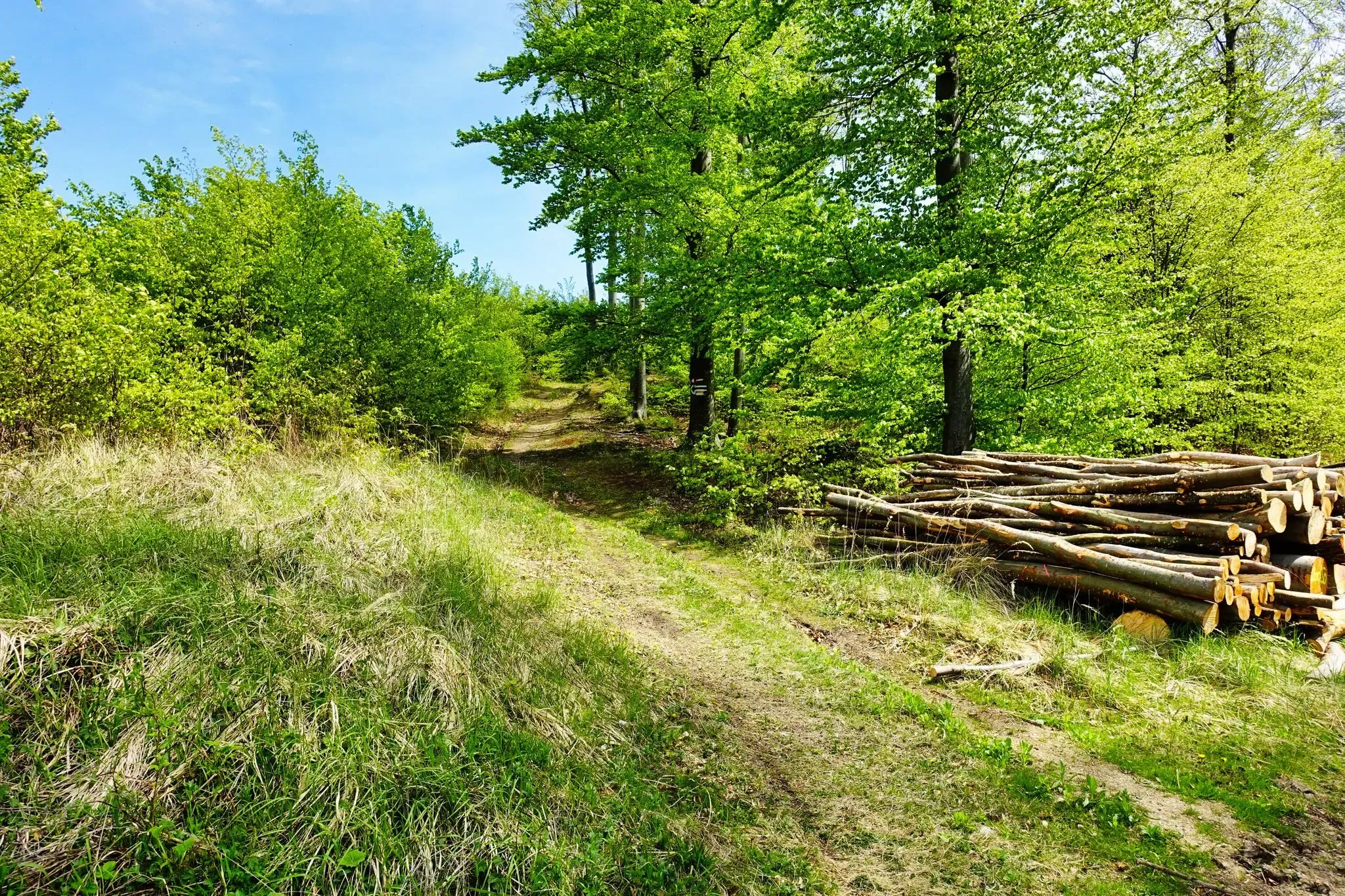
Rosalia Trail Challenge – Running on wonderful Forest paths
Other adventures around Neusiedler See


Tips from the Community

The Mattersburg Cemetery, where approximately 1,500 people are buried, has existed since 1694 and is an important testament to Jewish life in the region. During the Nazi era, almost all gravestones were removed, leaving a painful gap in the history of the Jewish community. After 1945, a memorial wall was erected from the surviving gravestone fragments, commemorating the lost graves. Later, symbolic gravestones supplemented this reminder. The Jewish Museum in Eisenstadt has created a register of individuals buried in the cemetery, offering valuable insights into the people interred there. The cemetery is currently locked, but the key can be obtained from the municipality. Guided tours are offered by appointment, gently familiarizing visitors with the history and significance of this sacred site. The Mattersburg Cemetery stands as a silent monument to the region's Jewish history and cultural heritage.
1
0
The figures on the pedestal of the Plague Column in Mattersburg depict the four plague saints, who were venerated in the Middle Ages as patron saints against devastating epidemics. St. Sebastian is traditionally depicted as a martyr pierced by arrows and is considered one of the most important patron saints against epidemics. Beside him stands St. Roch, usually recognizable by his pilgrim's robe and the plague boil on his thigh, accompanied by his faithful dog, who brings him food. St. Barbara can be recognized by her attributes, such as a tower or a chalice; she protects the dying and preserves from sudden death. Finally, St. Mary Magdalene appears as a penitent saint, often with an ointment jar or a skull, indicating transience. These figures symbolize protection and hope in times of plague-related hardship and are a central part of the artistic design of the Mattersburg Plague Column.
1
0

The stone sarcophagus shown was discovered in the 1960s in the municipality of Podersdorf am See. It originally dates from the Roman era (from the Gruibert area in nearby Winden am See) and today serves as a presented historical monument in Podersdorf. Such massive stone cist finds, together with Roman-era burial grounds and farmsteads, prove the early settlement and use of the Seewinkel region within the sphere of influence of the Roman Empire.
2
0
PODObeach in Podersdorf am See is the largest and most extensive lido on Lake Neusiedl and offers a diverse range of leisure activities with its sections for water sports enthusiasts, families, and those seeking relaxation. The facility's defining landmark is the approximately twelve-meter-high, red-and-white striped lighthouse on the main jetty, which serves as a signal and storm warning system and is one of the region's most famous photographic motifs. As the only place on the lake with barrier-free, reed-free access to the water, the area attracts both active sports enthusiasts like kitesurfers and day-trippers for picturesque sunsets.
2
0
The depicted stone sarcophagus was discovered in the 1960s in the municipal area of Podersdorf am See. It originally dates from the Roman era (from the Gruibert area in nearby Winden am See) and today serves as a presented historical monument in Podersdorf. Such massive stone cist finds, together with Roman-era burial grounds and farmsteads, attest to the early settlement and use of the Seewinkel within the sphere of influence of the Roman Empire.
2
0
The Gasthaus zur Dankbarkeit is a traditional establishment in the center of Podersdorf am See, run by the Lentsch family for four generations. It is characterized by fine Pannonian and regional cuisine, appreciated by guides such as Michelin and Gault&Millau. The offer is rounded off by its own winery with a well-stocked wine list, a shady guest garden, and an adjoining wine tavern and rooms for overnight guests.
3
0
The Platz der Champions (Place of Champions) is located directly on the promenade in Podersdorf am See, near the shore of Lake Neusiedl. It serves as a kind of regional "Walk of Fame", where successful athletes – including Olympic champions and local world-class athletes – are honored with handprints and engravings. Furthermore, the square is a very popular starting point for walks, runs, and cycling and hiking excursions in the surrounding Neusiedler See – Seewinkel National Park.
2
0
The Walk of Fame is located at the Champions Square near the lido in Podersdorf am See, directly in front of the well-known lighthouse. On this square, successful athletes – such as Olympic and World Champions from water sports – immortalize themselves with their handprints in star-shaped plaques in the ground. In addition to honoring regional and international champions, the area on the promenade serves as a popular meeting point for events, strolling walkers, and excursionists in the Seewinkel.
2
0
Frequently Asked Questions
How many urban hiking trails are available around Neusiedler Lake?
There are over 50 urban hiking trails in the Neusiedler Lake region, predominantly easy routes suitable for all skill levels. These trails often weave through charming villages and offer glimpses of the unique Pannonian landscape.
What kind of views can I expect on urban hikes around Neusiedler Lake?
Urban hikes in this region often provide picturesque views of the shallow steppe lake, its extensive reed belt, and the surrounding vineyards. Trails like the "Purbach and Donnerskirchen Panorama Trail" (mentioned in region research) offer sweeping vistas of Lake Neusiedl and the Pannonian lowlands. You might also encounter charming village architecture and historic town centers.
Are there family-friendly urban hiking options in the Neusiedler Lake area?
Yes, many urban trails around Neusiedler Lake are family-friendly, featuring easy terrain and shorter distances. For example, the Neusiedl am See Parking Lot – Elis Cato – Pizzeria San Marco loop from Neusiedl am See is a short, easy walk perfect for families looking to explore the town.
Can I bring my dog on urban hikes around Neusiedler Lake?
Generally, dogs are welcome on many urban hiking trails around Neusiedler Lake. However, it's always recommended to keep them on a leash, especially when passing through villages, vineyards, or areas where wildlife might be present. Always check local signage for specific regulations.
What is the best time of year for urban hiking around Neusiedler Lake?
The Neusiedler Lake region enjoys over 300 sunny days annually, making it an attractive hiking destination for much of the year. Spring and autumn are particularly pleasant, with mild temperatures and beautiful scenery, especially in late summer and autumn when the vineyards are ripe. Even in winter, urban walks can be enjoyable, though sun protection is always advisable due to the open nature of many trails.
Are there any circular urban walks available?
Yes, many urban routes are designed as circular walks, allowing you to start and end in the same location. An example is the Berger Barracks Neusiedl am See – Neusiedl am See loop from Neusiedl am See, which offers a convenient way to explore the town and its surroundings.
What interesting places can I explore along urban hiking trails?
Urban hikes often lead through charming villages like Breitenbrunn, Rust, and Mörbisch, known for their historic architecture and wine cellars. You can also discover natural monuments and viewpoints. For instance, the Hölle Observation Tower offers great views, and the Gate of Freedom – Pan-European Picnic Memorial provides a historical point of interest.
Where can I find parking for urban hikes in towns like Neusiedl am See or Eisenstadt?
Parking is generally available in the towns and villages around Neusiedler Lake. For example, the Neusiedl am See – Neusiedl am See Parking Lot loop from Neusiedl am See starts and ends near a parking facility, making access convenient. Many trailheads are located close to public parking areas within the urban centers.
Are there cafes or restaurants along urban hiking routes for a break?
Absolutely. The traditional villages encircling the lake, such as Neusiedl am See, Rust, and Purbach, are well-equipped with local taverns, cafes, and restaurants. Many urban hiking routes pass directly through these town centers, offering plenty of opportunities for a refreshing stop or a meal. For example, the Neusiedl am See Parking Lot – Elis Cato – Pizzeria San Marco loop specifically mentions a pizzeria.
What do other hikers enjoy most about urban hiking in Neusiedler Lake?
The Neusiedler Lake region is highly rated by the komoot community, with an average score of 4.6 stars. Reviewers often praise the easy accessibility of the trails, the charming atmosphere of the villages, and the unique blend of natural beauty with cultural experiences, especially the vineyards and the serene reed belt.
Are there any urban hikes that highlight the region's wine culture?
Yes, the region is famous for its vineyards, and many urban trails provide picturesque routes through them. The "Jois Wine Trail" (mentioned in region research) is a notable example, offering scenic views of vineyards and opportunities to visit traditional wine cellars in the villages.
Are urban hiking trails around Neusiedler Lake accessible for everyone?
The region offers a variety of trails, and some paths are specifically designed for accessibility. For instance, certain routes, like the one from Rust to Mörbisch (mentioned in region research), are paved and accessible for wheelchairs and handbikes. Dedicated trails for individuals with limited mobility, such as the Rosenberg Circular Hiking Trail and the Reed Trail, are also available, ensuring a wider range of visitors can enjoy the natural beauty.
Most popular routes around Neusiedler See
Most popular attractions around Neusiedler See

Get inspired with the komoot mobile app


Explore more
Browse the best Hikes in other regions.
