Top 4 Castles around Mannheim
Castles around Mannheim offer insights into the region's rich history and architectural heritage. The area is characterized by its Baroque palaces and historical sites, reflecting its past as a significant electoral residence. These structures are often integrated into the urban landscape or situated near natural features like the Neckar river. The region provides a blend of cultural exploration and accessible historical landmarks.
Best castles around Mannheim
- The most popular castles is Mannheim Palace, a castle that is one of…
Last updated: June 25, 2026
Mannheim Palace
Highlight • Castle
Translated by Google •
Tip by

Seckenheim Castle
Highlight • Castle
Translated by Google •
Tip by

Sign up now to discover places like this
Get recommendations on the best single tracks, peaks, & plenty of other exciting outdoor places.
Sign up for free
Mannheim Baroque Palace - Bismarckstaße 🚴♂️
Highlight • Castle
Mannheim Palace was built in Mannheim during the reign of Electors Karl Philipp and Karl Theodor in three construction periods between 1720 and 1760 …
Translated by Google •
Tip by

View of Mannheim Palace
Highlight • Castle
Translated by Google •
Tip by

Start today with a free account
Your next adventure awaits.
Login or Signup
Popular around Mannheim
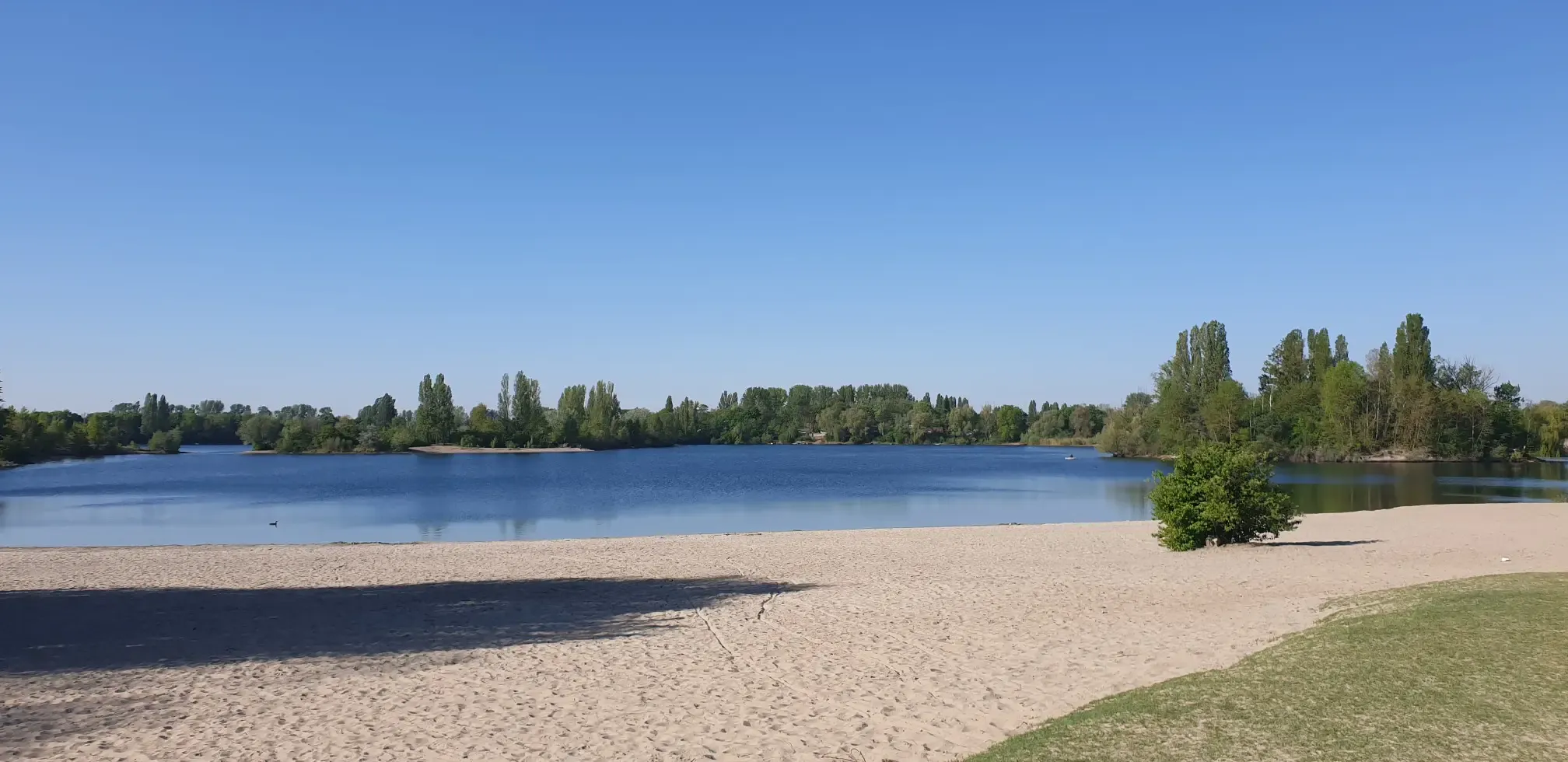
Jump right in! Swimming lakes in the Rhine-Neckar Triangle
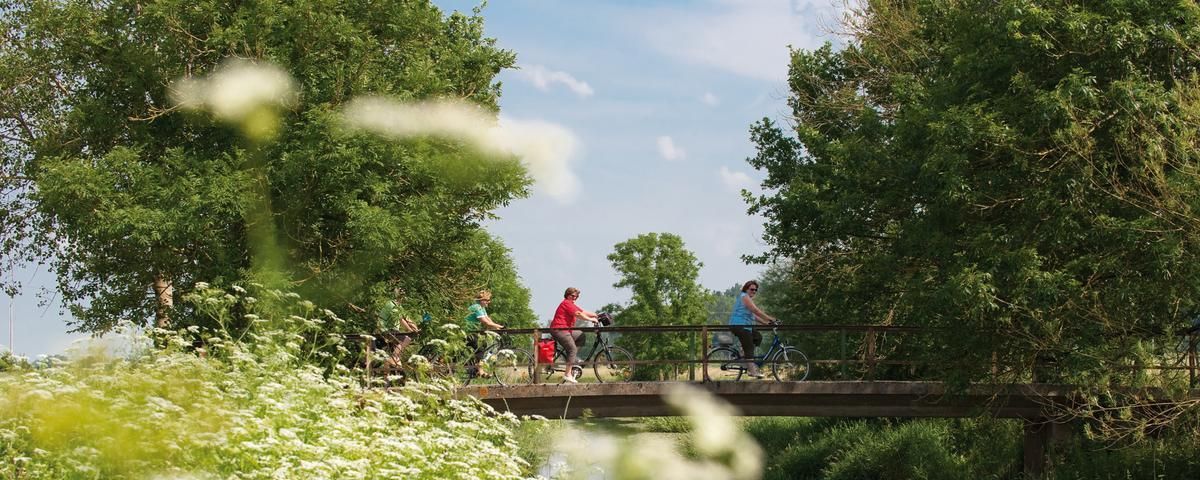
The most beautiful long-distance cycle paths in Franconia
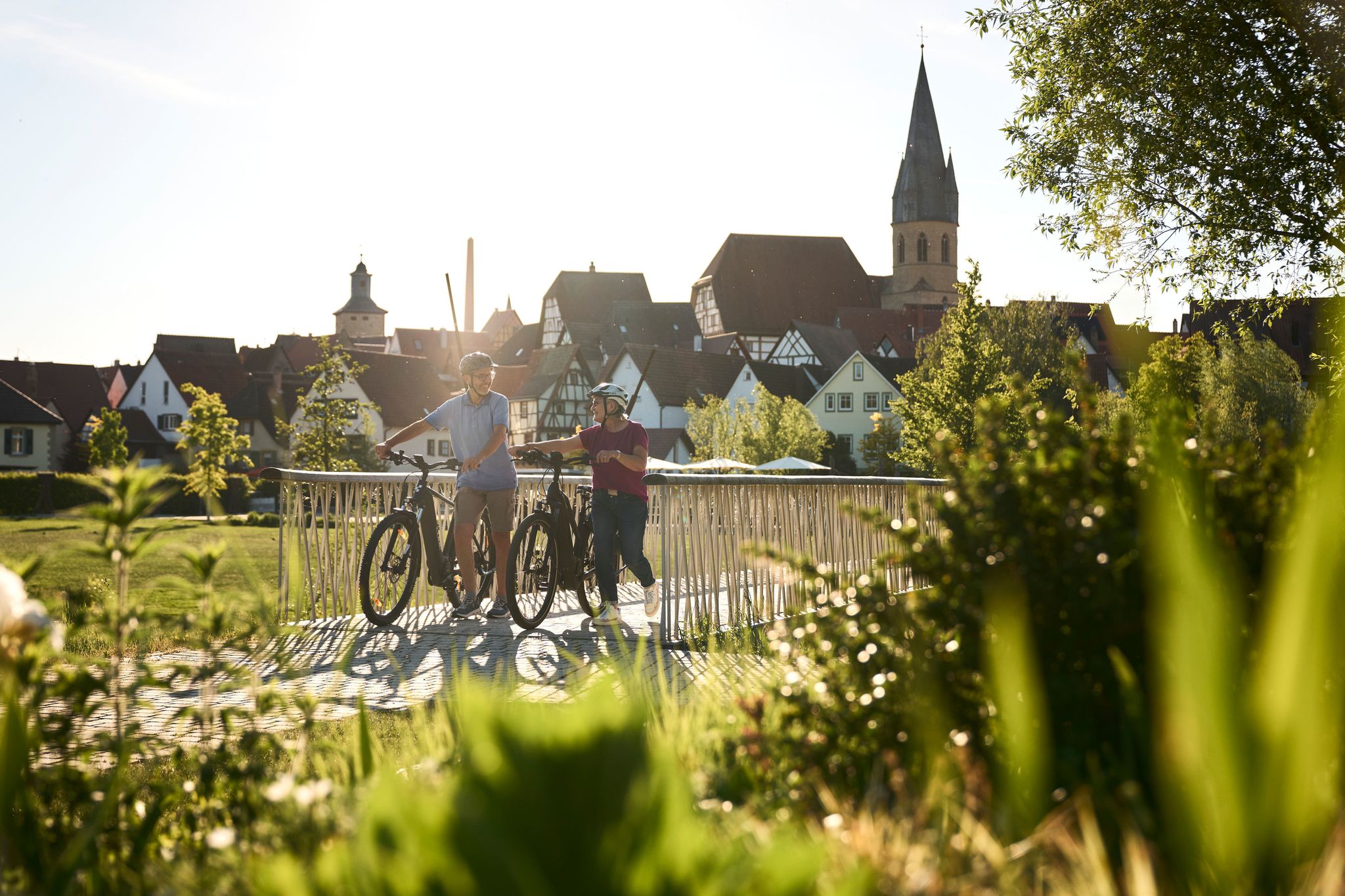
Half-timbered houses and superb cycling tours – the best of the South
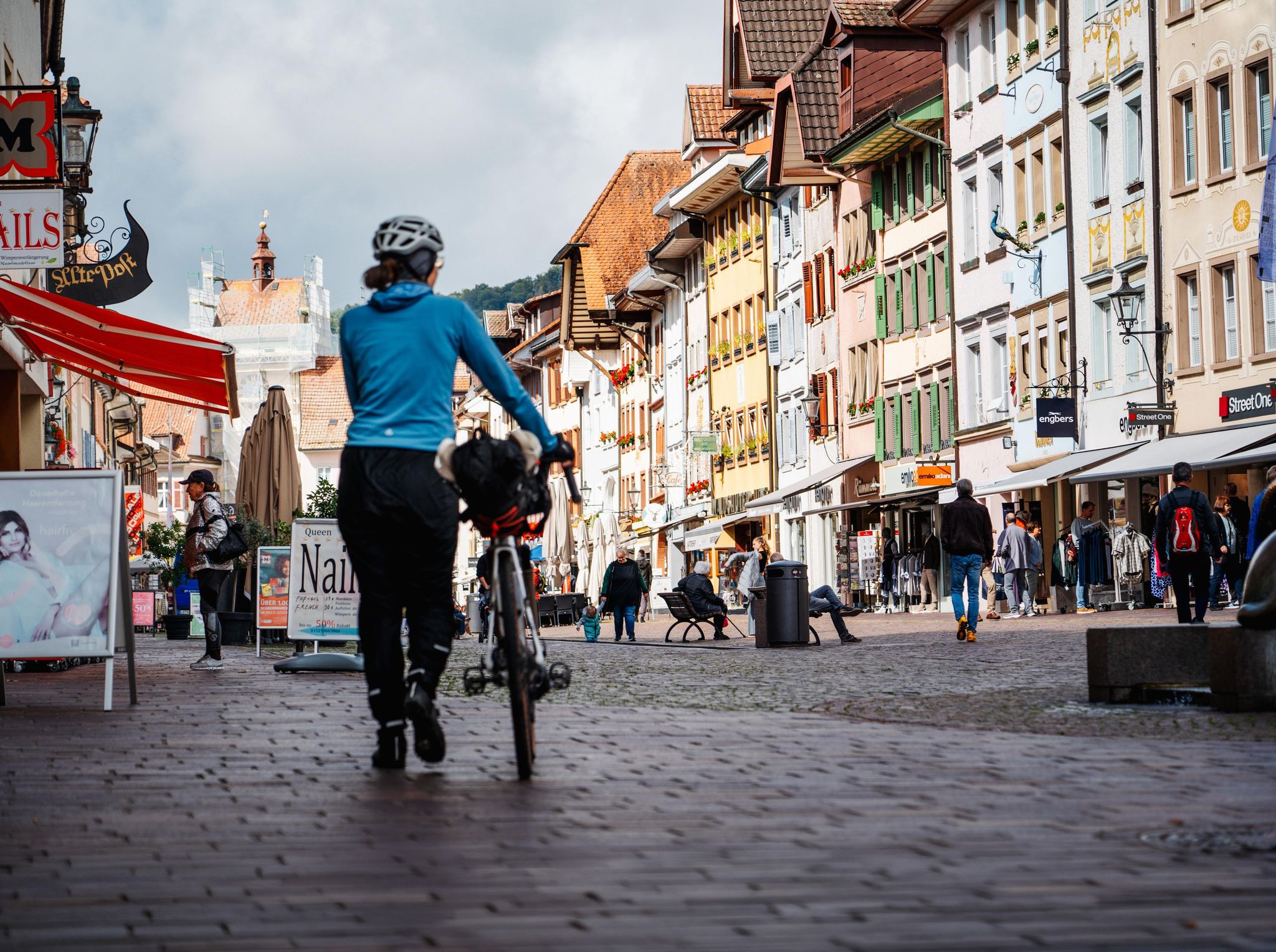
Adventure on two wheels – overnight cycling trips in Baden-Württemberg

Nature Park Gravel Crossing from North to South – Baden-Württemberg
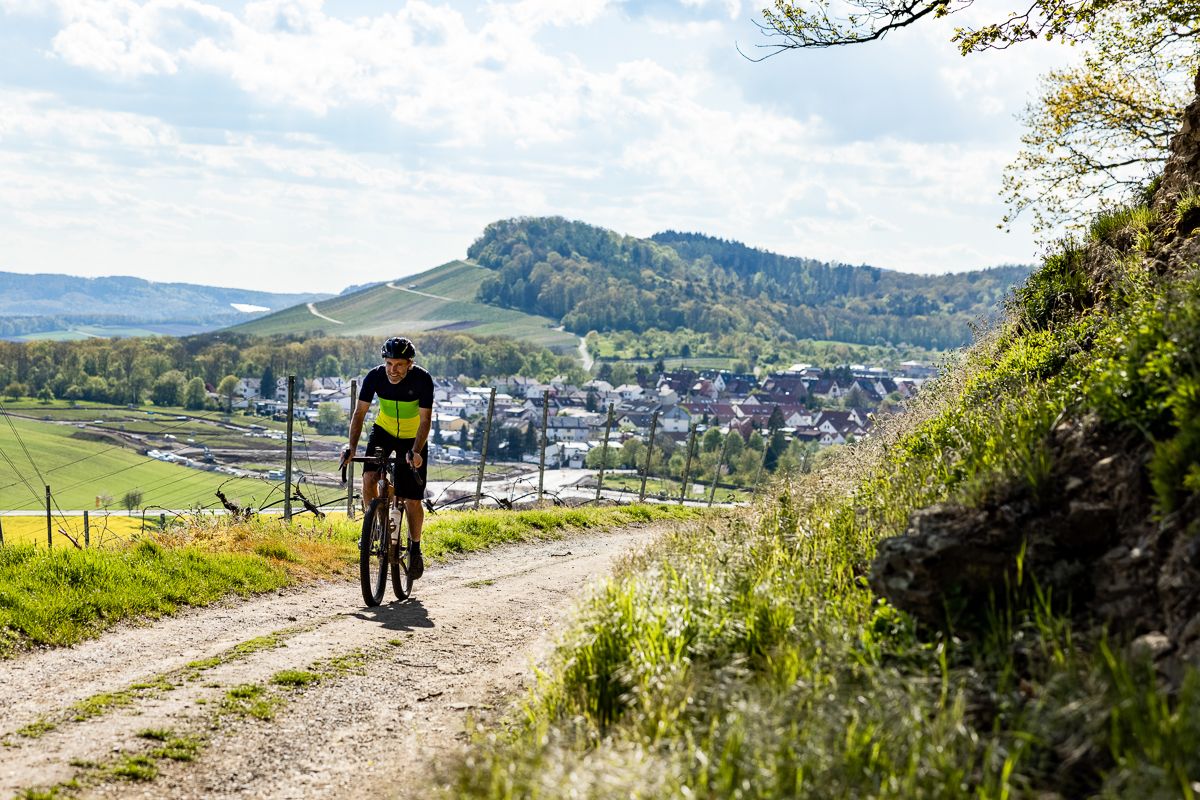
German city hopping: bikepacking in land of 1,000 hills
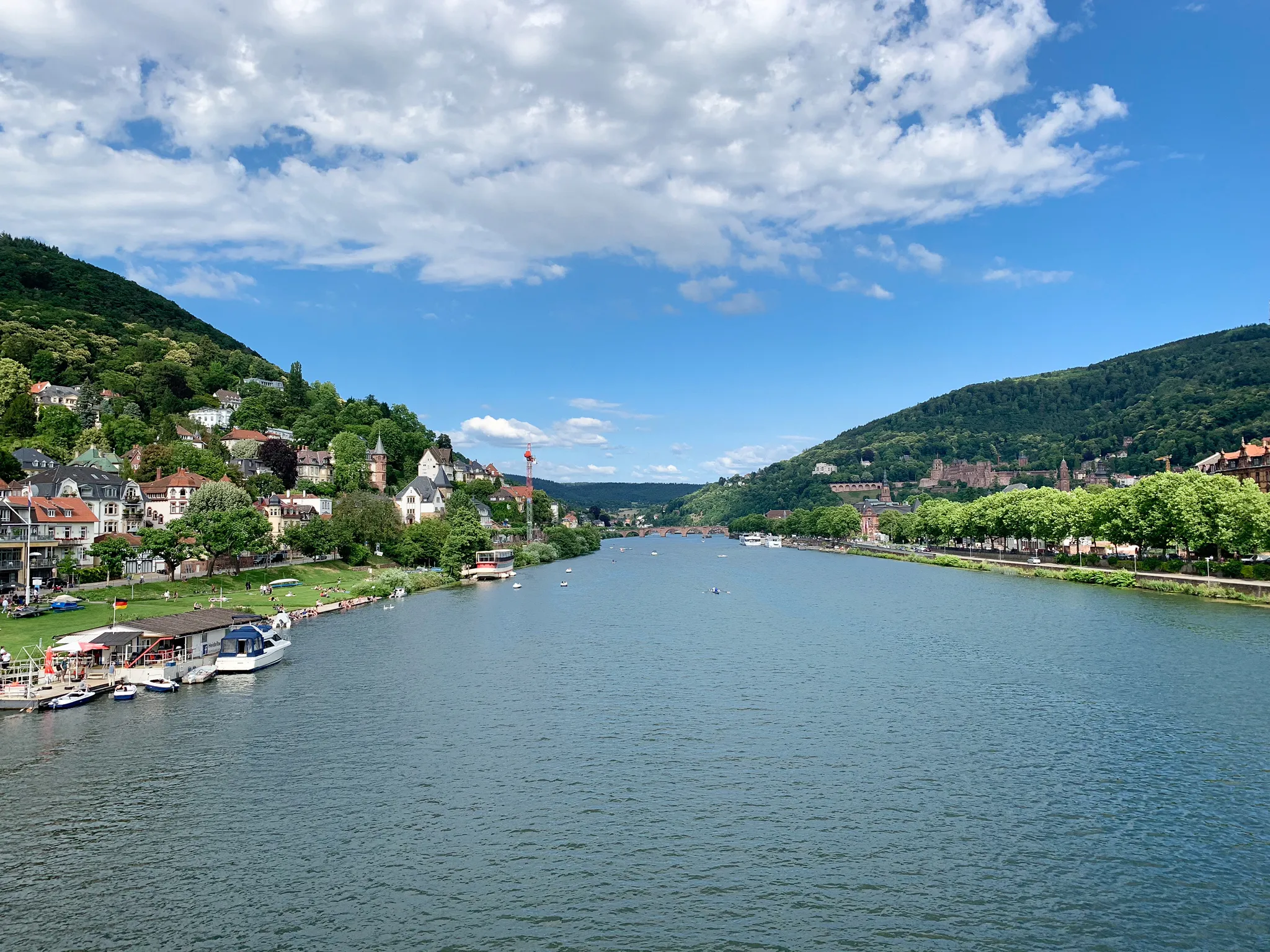
Natural idylls near cities — hiking in Southern Germany
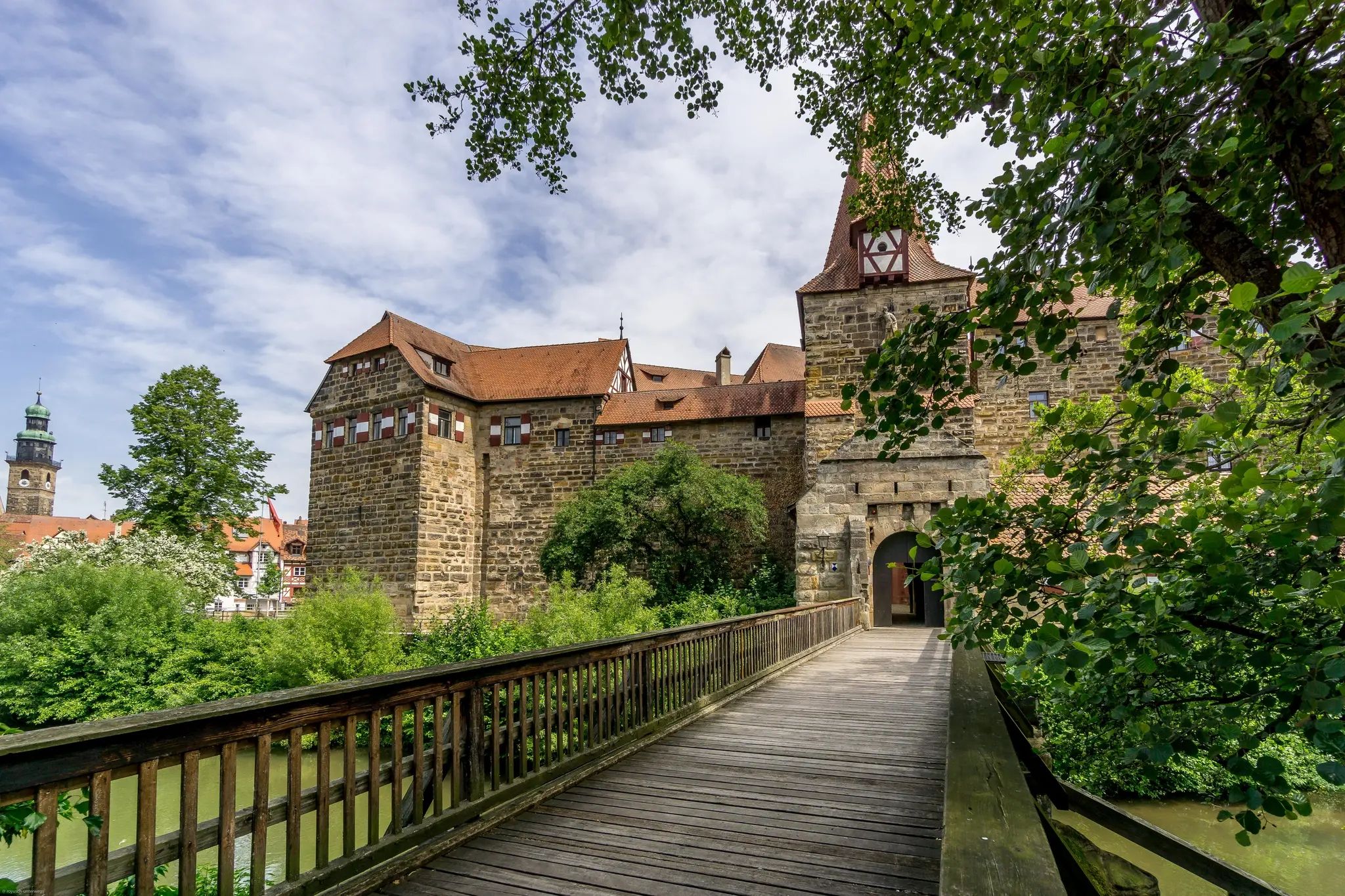
Romantik zwischen Mannheim und Bayreuth – CYCLE ROUTE Burgenstraße
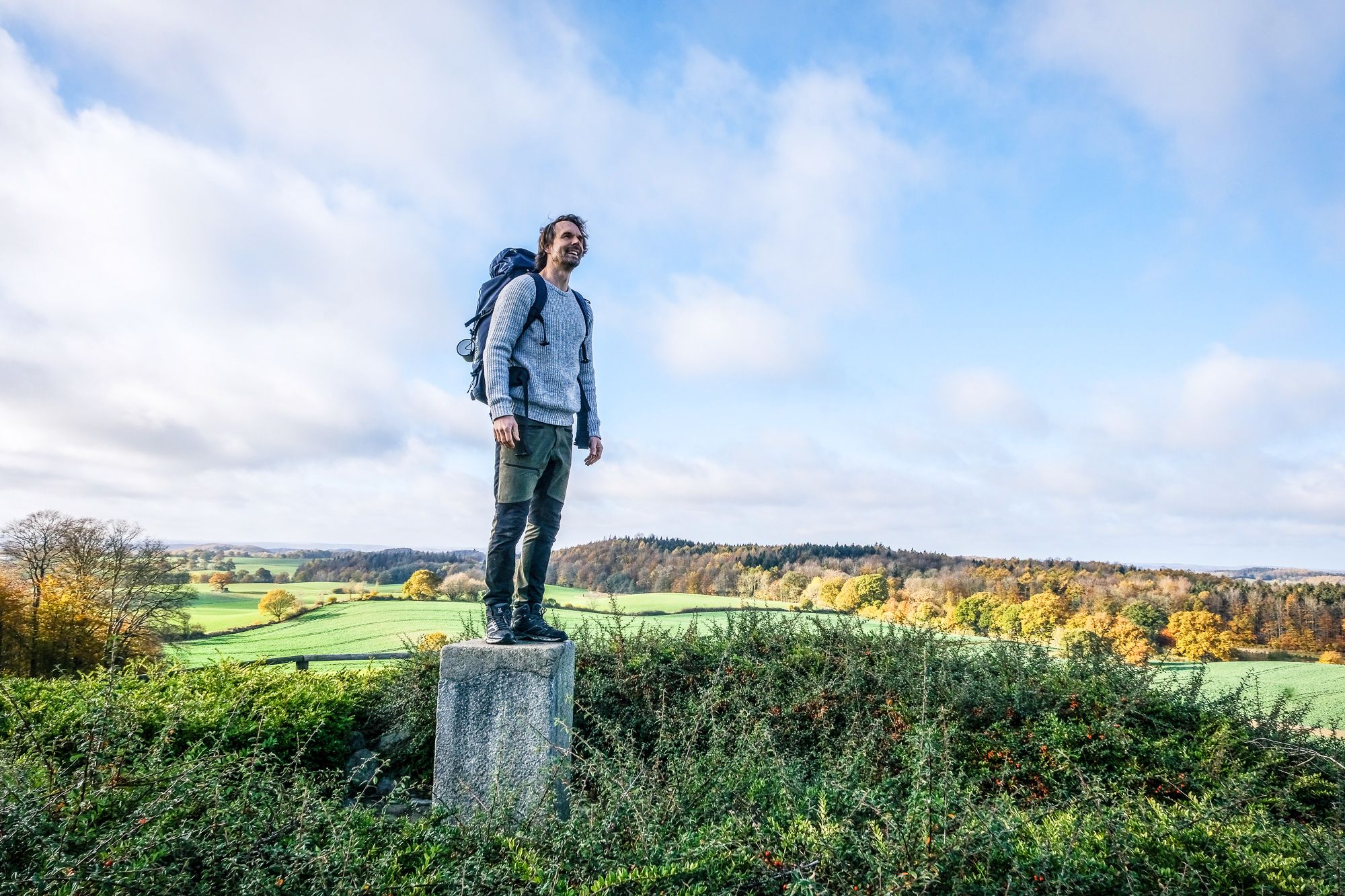
Lowest to Highest (L2H) in Germany
The Rhine-Neckar-Area's best after-work rides
Other adventures around Mannheim


Tips from the Community

In 1767, the State Councilor Johann Georg Freiherr von Stengel had a small castle with outbuildings built on his estate on the Neckar. A spacious park with botanical rarities and an orangery surrounded the complex. After the division of the Electorate of the Palatinate, the Baden Court President Freiherr von Hacke acquired the property. In 1816, Carl Graf von Luxbourg bought the castle at auction and used it as a representative aristocratic residence for the next 50 years. In the middle of the 19th century, the property was sold to a manufacturer. Large parts of the magnificent castle park gradually had to make way for residential buildings on Schlossgasse and, in 1891, for the laying of the Mannheim-Heidelberg steam railway. In 1920, the municipality of Seckenheim took over the castle and built an impressive hall across the main building. During the Second World War, Nazi party organizations used the building, which was confiscated by the American occupying forces after the end of the war. In 1947, a knitwear factory rented the plundered rooms. After the company closed its doors, the rooms stood empty. A heated debate about the future of the property ensued, and it was not until 1960 that an agreement was reached between the town and an association of Seckenheim citizens. Finally, in 1961, after countless hours of voluntary work by the association's members and numerous donations, the restored castle hall was officially opened to its new purpose. In 1970, the association received a permanent license to operate the Seckenheim castle restaurant.
0
0

The highlight in Mannheim is to drive slowly.
1
0

The baroque palace in Mannheim, with its wide courtyard and a facade measuring 440 m in length, is the largest baroque palace in Germany. The complex was intended to illustrate the political position of the Electors of the Palatinate. The building is the second largest baroque palace complex in Europe after the Palace of Versailles. The palace is mainly used by the University of Mannheim. In addition to several libraries, the building also contains lecture halls, seminar rooms and offices for science, teaching and administration. The Mannheim District Court also occupies part of the west wing. Mannheim Palace is also open for tours. The Knights' Hall is the venue for the "Mannheim Palace Concerts" of the Electorate of the Palatinate Chamber Orchestra, among other things.
16
0

The Mannheim Palace is the second largest baroque ensemble in Europe after the Palace of Versailles and was designed by three French architects. It consists of the central three-wing complex, two side wings and other huge palace wings. The largest of these is the "Schneckenhofbau". Source and further information: https://www.schloss-mannheim.de/erlebnis-schloss/schloss/gebaeude
16
0

Mannheim Palace was the residence of the Electors Palatinate. A very beautiful baroque complex. Today the castle is mainly used by the University of Mannheim.
16
0

The palace was the residence of the Electors of the Palatinate. Built between 1720 and 1760, it is the largest enclosed baroque complex in Europe after Versailles. The front facing the city center is 440 meters long and is the end point of seven parallel streets. Alessandro Galli da Bibiena, Egell, Rabaliatti, Pigage and Cosmas Damian Asam were among those involved in its design. Completely destroyed in the Second World War, the palace was rebuilt in a simplified form by 1968. By 2006, the roof of the Corps de Logis had been restored to its original form thanks to a generous donation from Hasso Plattner. Most of the palace is used by the University of Mannheim. The palace museum, which opened in April 2007, provides an insight into life in the Baroque and Empire periods. Rooms destroyed in the war were reconstructed to provide a backdrop for high-quality exhibits. The visitor gains insight into the life of the Palatine Electors (especially Karl Theodor) and the Baden Princess Stéphanie of Baden, an adopted daughter of the French Emperor Napoleon I.
17
0


The castle was built from 1767 to 1769. There is a restaurant in the castle, which also has a beautiful beer garden.
7
0
Frequently Asked Questions
What makes Mannheim Palace a significant historical site?
Mannheim Palace is one of Europe's largest Baroque palaces, second only to Versailles in its style and scale. Built between 1720 and 1760, it served as the principal residence for the Prince-Electors of the Palatinate. Today, it houses part of the University of Mannheim and a museum showcasing its restored halls, historical artifacts, and elegant furnishings, offering a glimpse into 18th-century court life. You can explore its grandeur at Mannheim Palace.
What is unique about Schwetzingen Palace and its gardens?
Schwetzingen Palace, located just south of Mannheim, is renowned for its extensive and meticulously preserved gardens, which blend French formal style with English landscaping. These gardens are considered among the most beautiful in Europe and feature unique architectural follies, such as the Apollotempel and the extraordinary ersatz Moschee (Mosque), an 18th-century building with Turkish crescents. While the palace interior requires a guided tour, the gardens offer a serene escape.
Are there other notable castles or historical sites in the Mannheim region?
Yes, beyond the grand palaces, the region offers other interesting historical sites. For instance, Seckenheim Castle, built between 1767 and 1769, now houses an Italian restaurant with a terrace overlooking the Altneckar. While not as grand as Mannheim Palace, it provides a charming historical setting with modern amenities.
What are the best times to visit the castles in the Mannheim region?
The castles and their surrounding areas are enjoyable throughout the year. Spring and summer are ideal for exploring the extensive gardens of Schwetzingen Palace and enjoying outdoor activities. Autumn offers beautiful foliage, while winter can provide a unique, quieter experience, especially for indoor palace tours. Always check specific opening hours, as some attractions might have seasonal variations.
Are the castles around Mannheim family-friendly?
Many castles in the region are considered family-friendly. Mannheim Palace offers tours that can engage older children with its history and grandeur. Schwetzingen Palace's vast gardens are perfect for families to explore. Seckenheim Castle, with its restaurant, provides a relaxed setting for a family meal.
Are there accessible castles for visitors with mobility needs?
Mannheim Palace is noted for being wheelchair accessible, making it a good option for visitors with mobility needs. It's always advisable to check the specific accessibility features and any potential limitations directly with the castle administration before your visit, especially for older historical buildings.
What outdoor activities or routes can I find near the castles?
The Mannheim region offers various outdoor activities. Near the castles, you can find numerous routes for cycling and hiking. For example, there are gravel biking routes like the 'Monastery Wall of Lorsch Abbey – Karlstern Pavilion' loop, and hiking trails such as the 'Heidelberg Sequoia Grove – Klingengraben Water Channel' loop. You can explore more options in the Gravel biking around Mannheim or Waterfall hikes around Mannheim guides.
How can I reach Mannheim Palace and Schwetzingen Palace by public transport?
Mannheim Palace is centrally located in Mannheim and easily accessible by public transport within the city, including trams and buses. Schwetzingen Palace is located just 8 kilometers south of Mannheim and can typically be reached by regional buses from Mannheim or Heidelberg. It's recommended to check local transport schedules for the most current information.
Are there dining options or amenities near these castles?
Yes, you'll find amenities near the castles. Seckenheim Castle itself houses an Italian restaurant with a beer garden. Mannheim Palace is situated within the city, offering numerous cafes, restaurants, and shops nearby. Schwetzingen Palace also has dining options in its vicinity, especially within the town of Schwetzingen.
Can I bring my dog to the castles in the Mannheim region?
While specific rules vary, generally, dogs are not permitted inside the historical buildings of palaces like Mannheim Palace or Schwetzingen Palace. However, dogs are often welcome in the outdoor park areas and gardens, provided they are kept on a leash. Always check the specific pet policies of each location before your visit.
Where can I find good viewpoints from castles in the area?
While not a castle itself, the 'View of Mannheim Palace' highlight offers a great perspective of the grand Baroque structure, especially from the end of the Konrad-Adenauer-Brücke. Many castles, due to their elevated positions or grand architecture, naturally offer impressive views of their surroundings or their own expansive courtyards.
What kind of historical experience can I expect from castles around Mannheim?
The castles around Mannheim primarily offer a deep dive into the Baroque era and the history of the Prince-Electors of the Palatinate. You can expect to see grand architecture, opulent interiors (where accessible), and meticulously designed gardens. These sites reflect the political and cultural significance of the region in the 18th century, showcasing a blend of historical preservation and modern integration, such as the University of Mannheim within Mannheim Palace.
Most popular routes around Mannheim
Most popular attractions around Mannheim

Get inspired with the komoot mobile app


Explore more
Looking for the best castles somewhere else? Discover other guides around Mannheim:
