Top 14 Caves in the Thurgau
Caves in the Thurgau offer a range of natural rock formations and historical sites within this Swiss canton. The region is characterized by its varied landscape, including forests, rivers, and hills, providing diverse settings for cave exploration. These geological features often hold archaeological significance, documenting human activity from prehistoric to Roman times. The Thurgau provides opportunities for outdoor enthusiasts to discover both natural and historically relevant cave systems.
Best caves in the Thurgau
- The most popular caves is Bruderloch Cave, a cave that features artificially created chambers. This location is noted for its impressive formations and includes a spring at the back, with 3 rooms leading off the main corridor.
- Another must-see spot is Alemanni Cave, a historical site with archaeological value. Excavations revealed charcoal-bearing layers with artifacts from the Middle and Younger Stone Ages, as well as the Roman period.
- Visitors also love Hohlenstein Cave (left, west), a natural monument. This cave is located near Zihlschlacht-Sitterdorf and is part of a larger rock formation.
- Thurgau is known for natural rock formations, historical caves, and challenging exploratory caves. The region offers a variety of cave experiences, from accessible sites to those requiring specific equipment for exploration.
- The caves in the Thurgau are appreciated by the komoot community, with 14 highlights and 66 photos contributed by users.
Last updated: June 25, 2026
Bruderloch Cave
Highlight • Cave
Translated by Google •
Tip by

Alemanni Cave
Highlight • Cave
Translated by Google •
Tip by
Sign up now to discover places like this
Get recommendations on the best single tracks, peaks, & plenty of other exciting outdoor places.
Sign up for free
Hohlenstein Cave (left, west)
Highlight • Cave
zihlschlacht-sitterdorf.ch/xml_1/internet/de/application/d52/d85/f90.cfm
Translated by Google •
Tip by

Lourdes Grotto at Wallenstein Castle Site
Highlight • Religious Site
Translated by Google •
Tip by

Viewing platform
Highlight • Viewpoint
Translated by Google •
Tip by
Sand Cave with Tunnel Entrance
Highlight • Cave
ENTER AT YOUR OWN RISK! Good pants, shoes and a flashlight (preferably a headlamp) are required!
Translated by Google •
Tip by

Hohlenstein cave and climbing crag (right/east)
Highlight • Cave
Translated by Google •
Tip by

Chatzestaager Rock
Highlight • Natural Monument
Translated by Google •
Tip by
Cave entrance at the top
Highlight • Cave
Translated by Google •
Tip by
Cave Entrance in the Forest
Highlight • Cave
Translated by Google •
Tip by
Sign up for free to discover even more caves in the Thurgau.
Sign up for free
Already have an account?
Start today with a free account
Your next adventure awaits.
Login or Signup
Popular around Thurgau

Hope 1000 – Bikepacking Switzerland in 11 stages
SEND IT! Germany by bike with two mountain bike pros
The Mittelland Route – Between Lake Constance and Lake Geneva
The Rhine Cycle Path — From the source to the North Sea
Lake and Alps Adventure – explore 100 dreamy places in our cycling region!
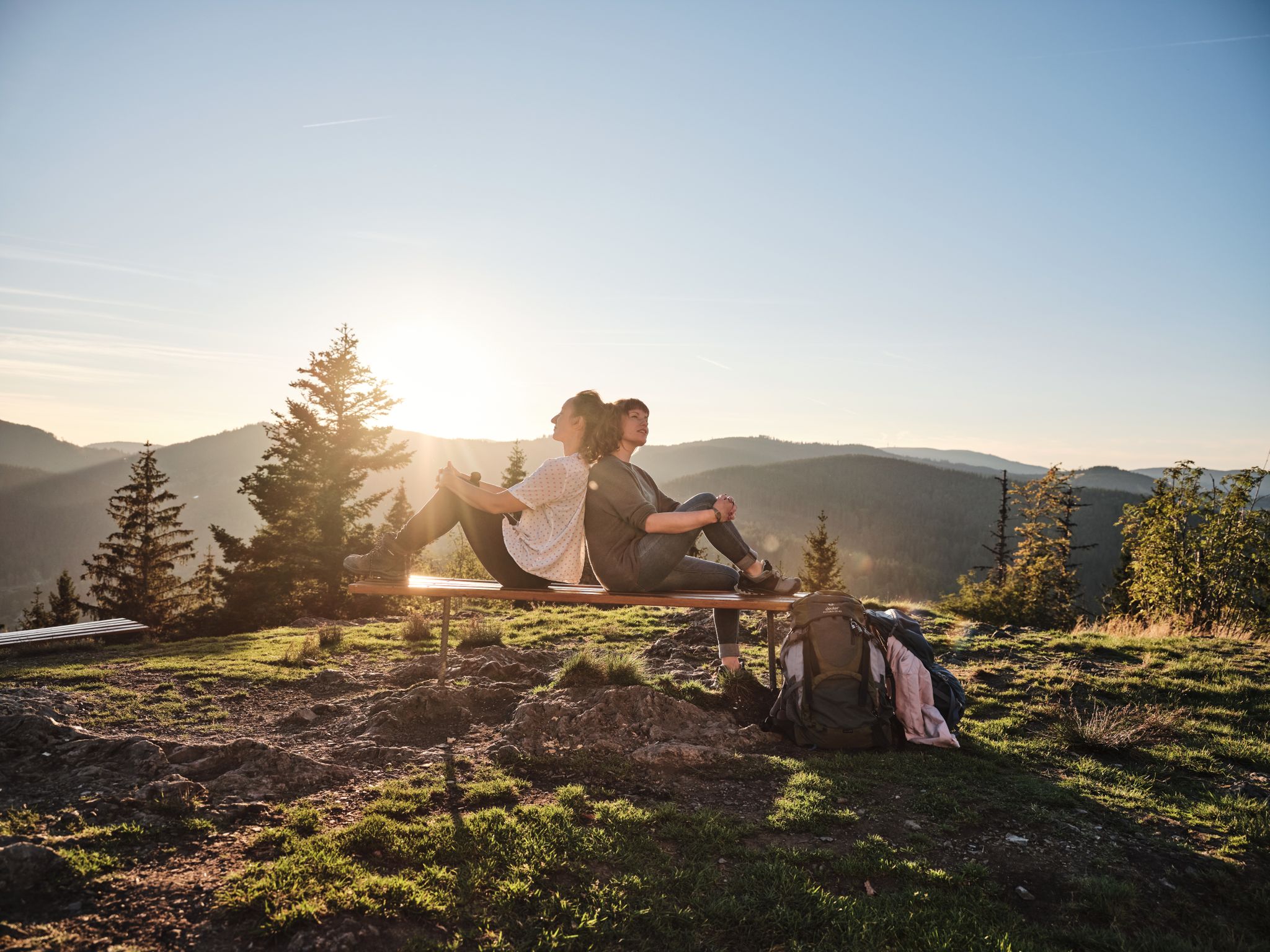
Hiking the Süden – between Black Forest, Lake Constance and Swabian Alb
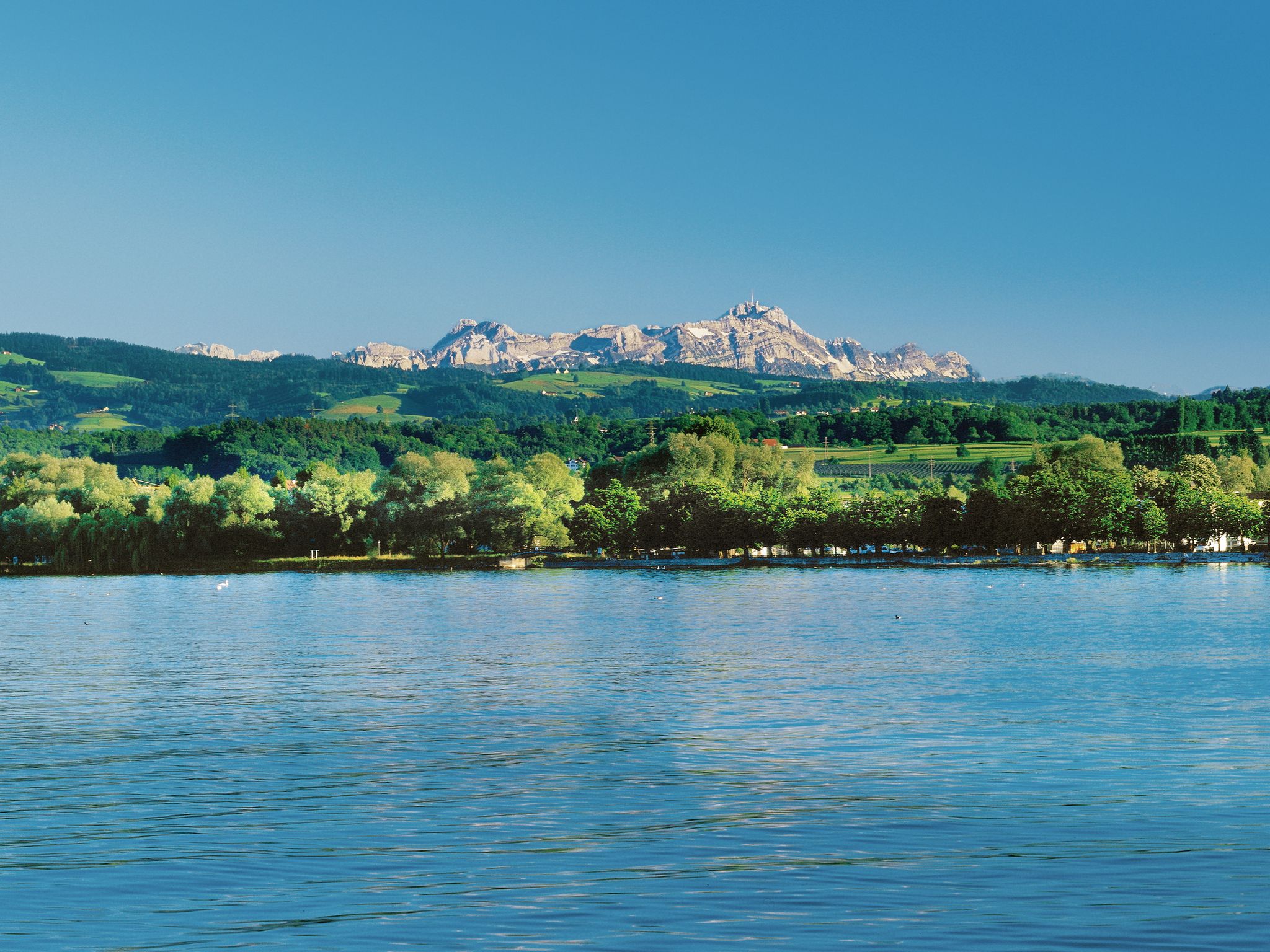
Lake and Alps Main Route – Your Path To Adventure!
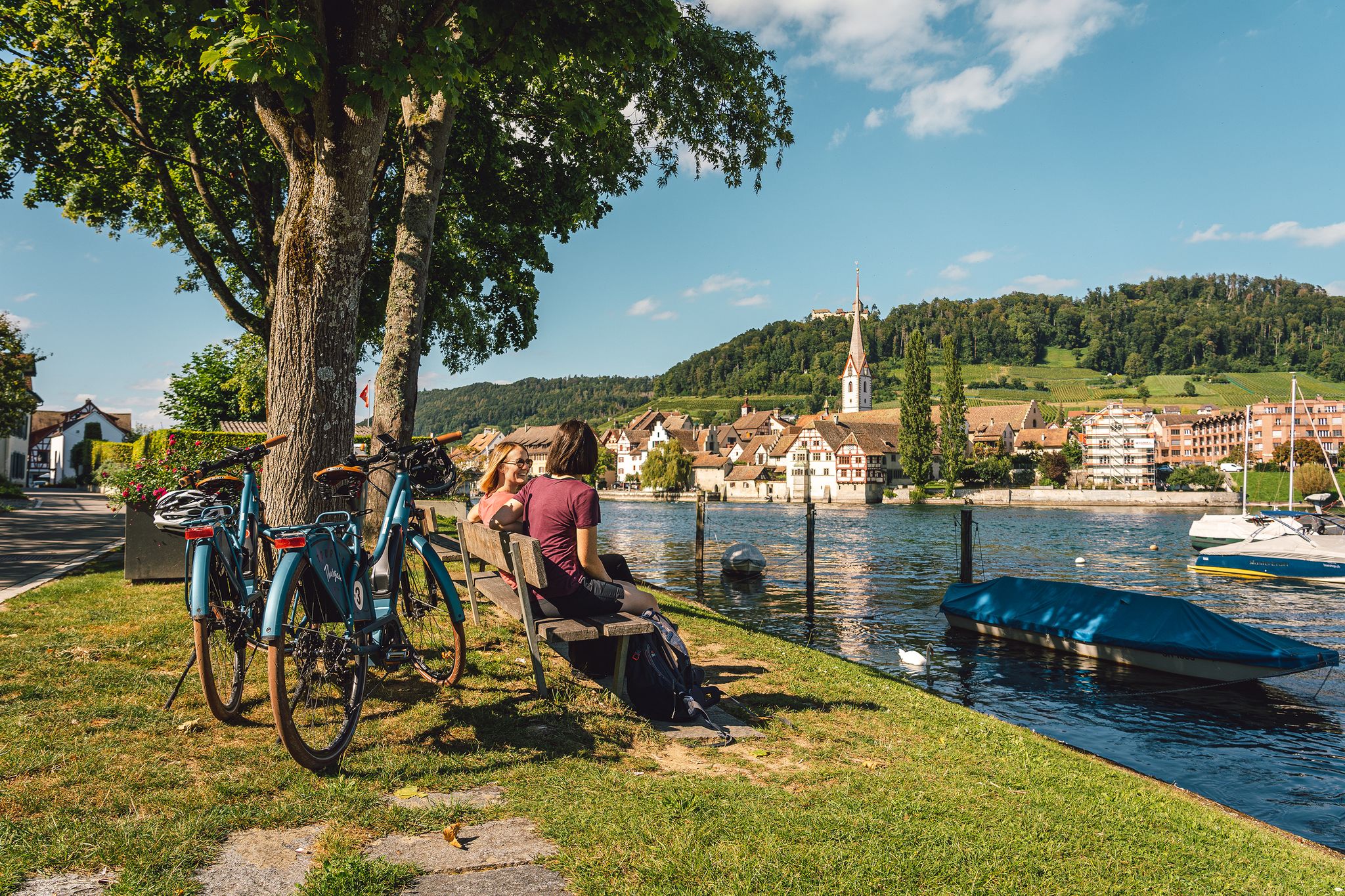
Rhine, vines, Randen – the top 5 cycle routes in Schaffhauserland
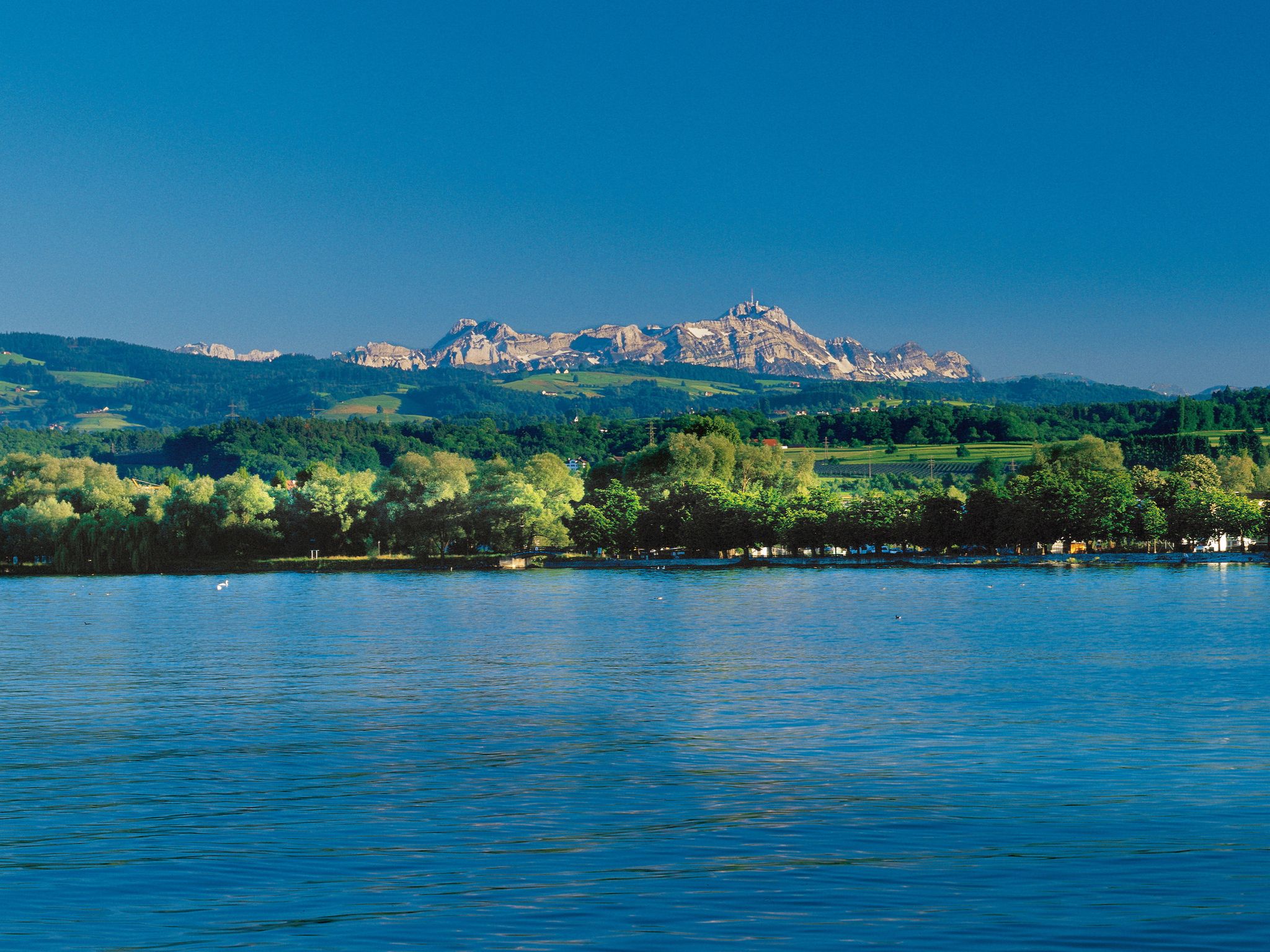
Lake and Alps Route – Cycling between Lake Constance and the Appenzell Alps
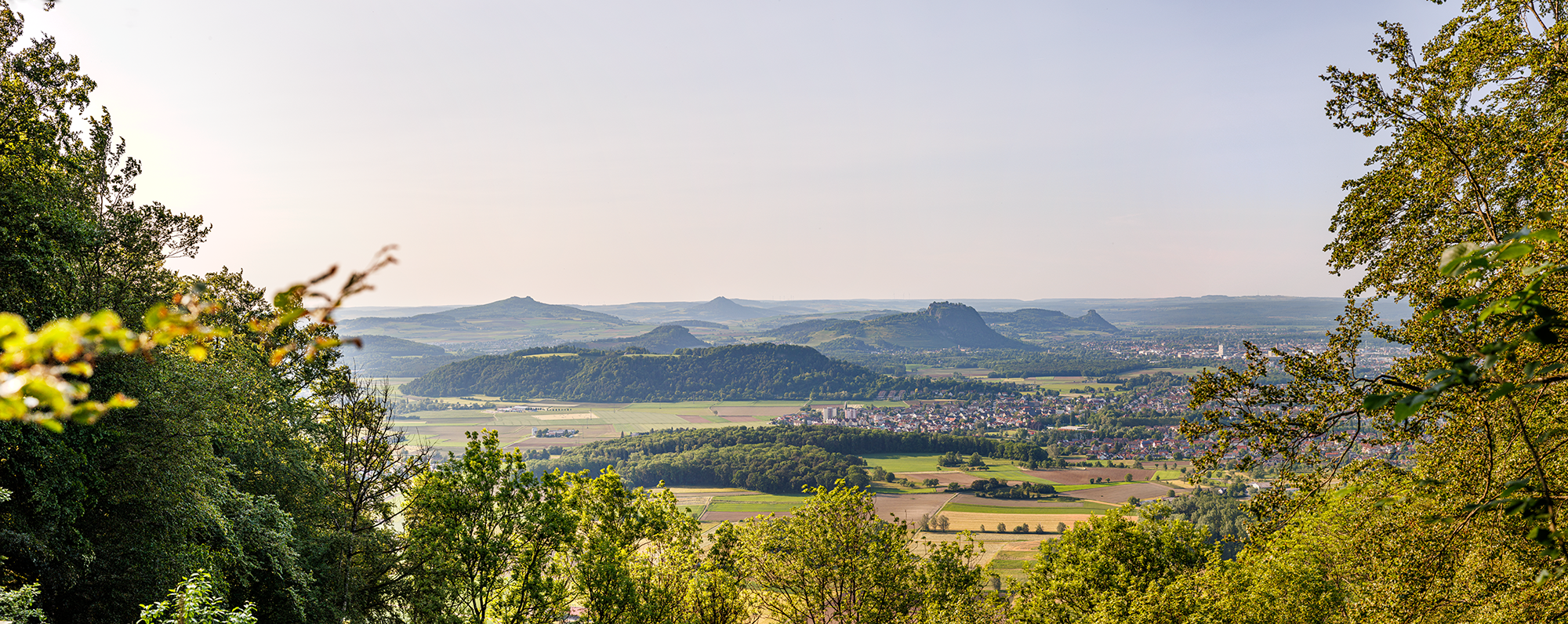
Between Islands and Volcanoes – premium hiking in Western Lake Constance
Other adventures in the Thurgau


Tips from the Community

Very large cave and deep into the mountain
0
0

The impressive Chatzestaager rock with a half-cave, 15 million years old. Beware of rockfall. Only visible from the western side of the river from the pebble beach (not from the Chatzensteig stairs).
1
0

Current 2023 https://www.zihlschlacht-sitterdorf.ch/freizeit-kultur/freizeit/hoehlen-hohlenstein.html/147
1
0

The caves are exciting and, according to the reservation slip, are often rented for overnight stays. In front of the caves or the impressive Nagelfluhwand, a very cool but sometimes challenging path leads through. Certainly not suitable for everyone under 80 because it also includes a very short climbing section.
2
0


The cave dates back to the Mesolithic period around 8500 BC. The cave has been used by hunter-gatherers for short periods since the early Mesolithic period visited as a protected place. They kindled fires there and grilled the hunted spoils. There are still finds from Roman times, these are probably grave goods from a cremation in the cave. There are none of the Alemanni, who are said to have used the cave Sense.
3
0

Going down the path to the caves and climbing spots is really rewarding. Somewhat exposed but accessible to anyone under the age of 80, provided they are sure-footed.
2
0
A magnificent lookout with incredible distant views. Families can also stop for a roll and picnic here
3
0
Frequently Asked Questions
What types of caves can I explore in the Thurgau region?
The Thurgau region offers a diverse range of caves, including natural rock formations, historical sites with archaeological value, and some more challenging exploratory caves. You can find everything from accessible natural monuments to sites requiring specific equipment for exploration.
Are there any caves in Thurgau with historical or archaeological significance?
Yes, the Alemanni Cave is a significant historical site. Excavations there uncovered charcoal-bearing layers with artifacts from the Middle and Younger Stone Ages, as well as the Roman period, making it a fascinating spot for those interested in ancient human activity.
Which caves are good for families or casual visitors in Thurgau?
The Bruderloch Cave is a popular choice, often highlighted for hikers and featuring a pleasant barbecue area nearby. While not explicitly listed as 'family-friendly' in all categories, its recreational opportunities make it suitable for a wider audience. The viewing platform near the Hohlenstein caves is also family-friendly and offers great views.
What should I wear or bring when exploring caves in Thurgau?
For more adventurous caves like the Sand Cave with Tunnel Entrance, protective clothing such as good pants and shoes, along with a flashlight (preferably a headlamp), are required. For other caves, comfortable clothing and sturdy footwear are generally recommended. Some historical sites, like the Alemanni Cave, suggest head protection and knee pads.
Are there any unique or adventurous caves in the Thurgau region?
The Sand Cave with Tunnel Entrance offers a unique and adventurous experience. It features a tunnel entrance you can crawl through, leading to three large rooms and several corridors made of sand. Visitors enter at their own risk due to its exploratory nature.
Can I find hiking trails that include caves in Thurgau?
Yes, many caves in Thurgau are integrated into hiking routes. For example, the Bruderloch Cave is a highlight for hikers. You can find various hiking options in the region by exploring guides like Easy hikes in the Thurgau, which may lead you to natural rock formations and cave entrances.
What natural features can I expect to see around the caves in Thurgau?
Beyond the caves themselves, the Thurgau region is characterized by varied landscapes including forests, rivers, and hills. Some cave locations, like the Chatzestaager Rock, are situated near rivers and beaches, offering additional natural beauty. You might also find viewpoints, such as the one near the Hohlenstein caves, providing scenic panoramas.
Are there any caves in Thurgau that are part of a larger rock formation?
Yes, the Hohlenstein Cave (left, west) is a natural monument that is part of a larger rock formation near Zihlschlacht-Sitterdorf. There's also the Hohlenstein cave and climbing crag (right/east) in the same area, indicating a significant geological structure.
What other outdoor activities can I do near the caves in Thurgau?
The Thurgau region offers numerous outdoor activities. You can find cycling routes, such as those in the Cycling in the Thurgau guide, or explore road cycling options in Road Cycling Routes in the Thurgau. Many caves are also accessible via hiking trails, providing opportunities for scenic walks.
What do visitors enjoy most about the caves in Thurgau?
Visitors appreciate the impressive formations within caves like Bruderloch Cave, the historical insights offered by sites such as Alemanni Cave, and the adventurous spirit of places like the Sand Cave with Tunnel Entrance. The combination of natural beauty, historical context, and outdoor recreation opportunities makes the region's caves appealing.
Are there any caves in Thurgau that are also climbing crags?
Yes, the Hohlenstein cave and climbing crag (right/east) is an example where you can find both a cave and a climbing crag, offering opportunities for both exploration and climbing activities in the same location.
Are there any caves in Thurgau that are considered 'lost places' or have a bunker nearby?
Yes, there is a highlight called Caves, bunker, and lost place near Steckborn. This location combines natural caves with a bunker and is considered a 'lost place,' appealing to those interested in historical and abandoned sites.
Most popular routes in the Thurgau
Most popular attractions in the Thurgau

Get inspired with the komoot mobile app


Didn’t find what you were looking for?
Discover more caves in the Thurgau region by region:
Explore more
Extend your search for the best caves by checking out these guides of the top ones in the Thurgau:
