Top 20 Lakes in Leinster
Best lakes in Leinster are found across this eastern Irish province, offering diverse natural landscapes and historical significance. The region features a mix of natural and artificial lakes, providing various outdoor activities. From glacial lakes in mountainous areas to limestone lakes in the midlands, Leinster's waterways are integral to its geography. These lakes contribute to the province's biodiversity and offer opportunities for recreation and exploration.
Best lakes in Leinster
- The most popular lakes is Upper Lake, Glendalough, a lake…
Last updated: August 5, 2026
Upper Lake, Glendalough
Highlight • Lake
Translated by Google •
Tip by

Glendalough Round Tower
Highlight • Historical Site
Translated by Google •
Tip by

Sign up now to discover places like this
Get recommendations on the best single tracks, peaks, & plenty of other exciting outdoor places.
Sign up for free
St Stephen's Green
Highlight • Natural
Translated by Google •
Tip by

Glendalough Caher (Ring Fort) at Upper Lake
Highlight • Historical Site
Translated by Google •
Tip by

Dublin Bay
Highlight • Beach
Tip by

Bohernabreena Upper Reservoir
Highlight • Lake
Showing Translation
Tip by

The Wicklow Way
Highlight • Trail
Tip by

Bohernabreena Lower Reservoir
Highlight • Lake
Showing Translation
Tip by
Vartry Reservoir
Highlight • Lake
Tip by

Pegasus Statues at Triton Lake
Highlight • Monument
Tip by

Sign up for free to discover even more lakes in Leinster.
Sign up for free
Already have an account?
Start today with a free account
Your next adventure awaits.
Login or Signup
Popular around Leinster
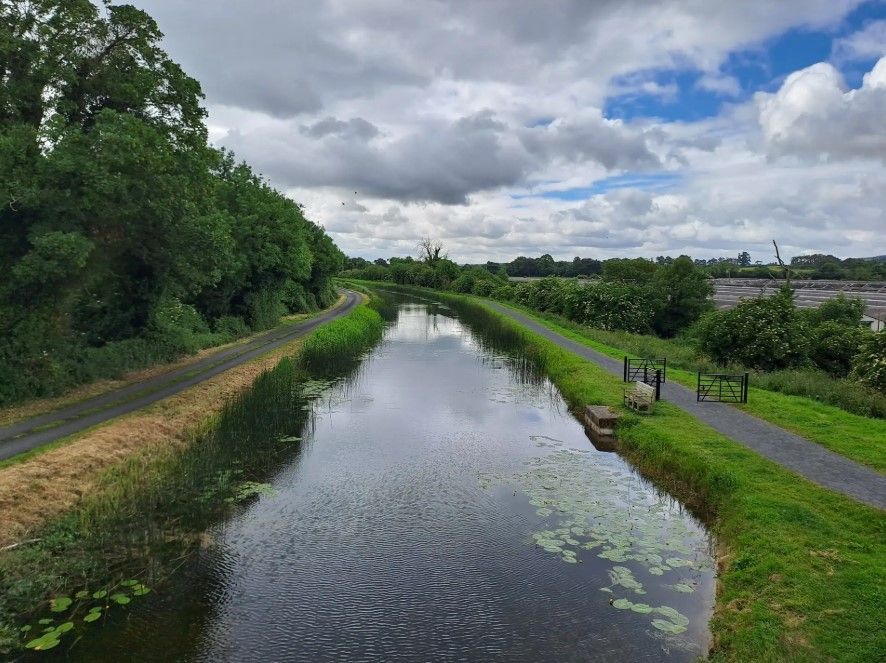
The Barrow Way — Walking Beside Quiet Waters
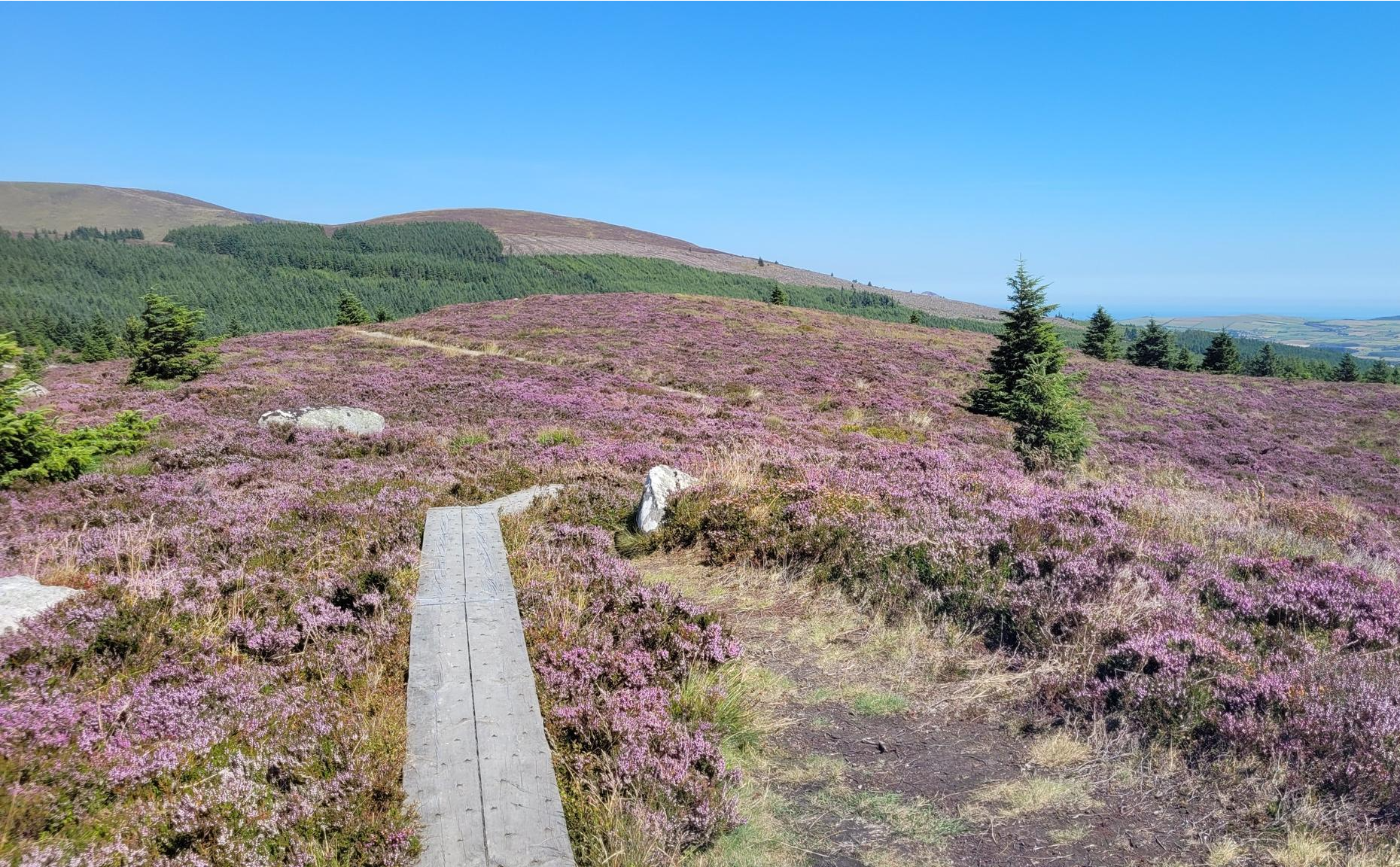
Running the Wicklow Way – From the city to the mountains
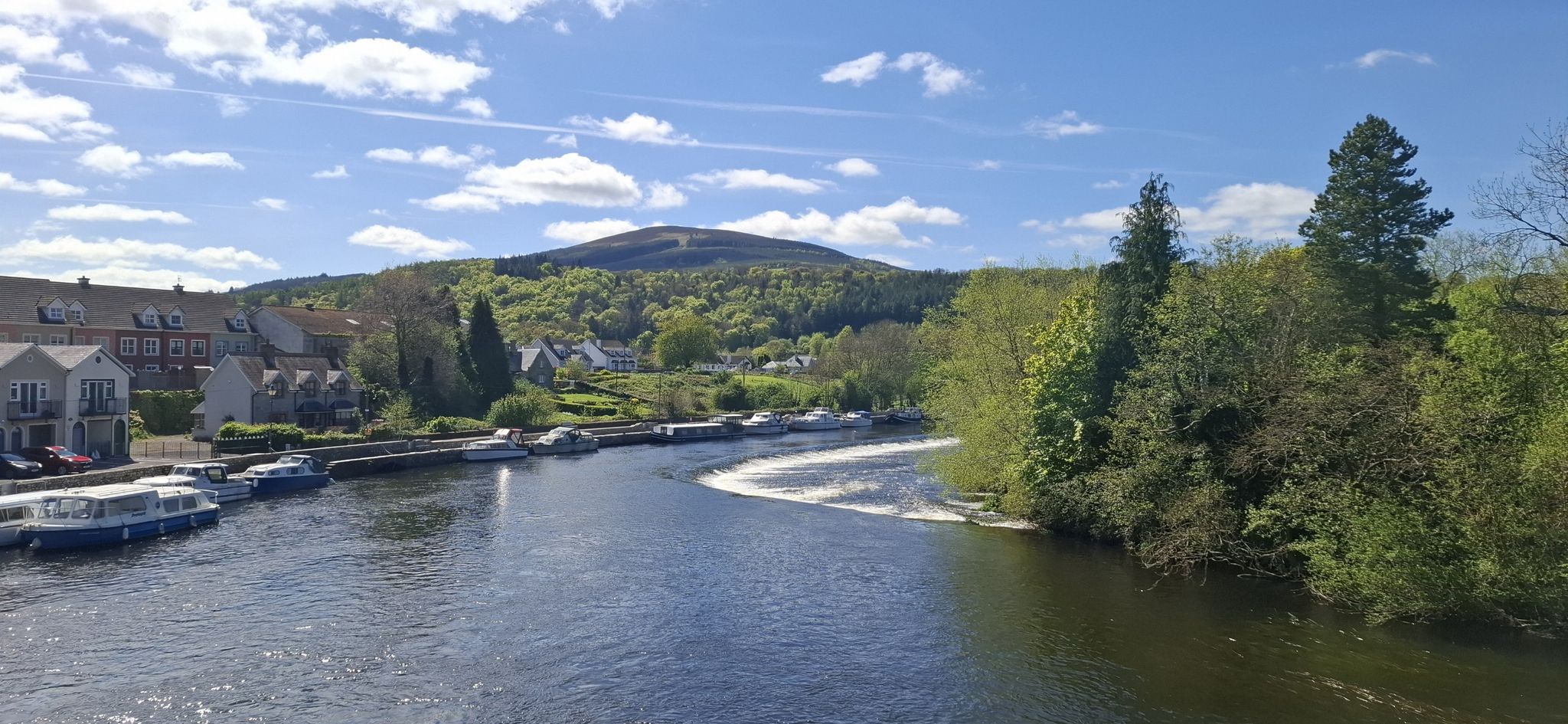
South Leinster Way – It's a long way to Tipperary
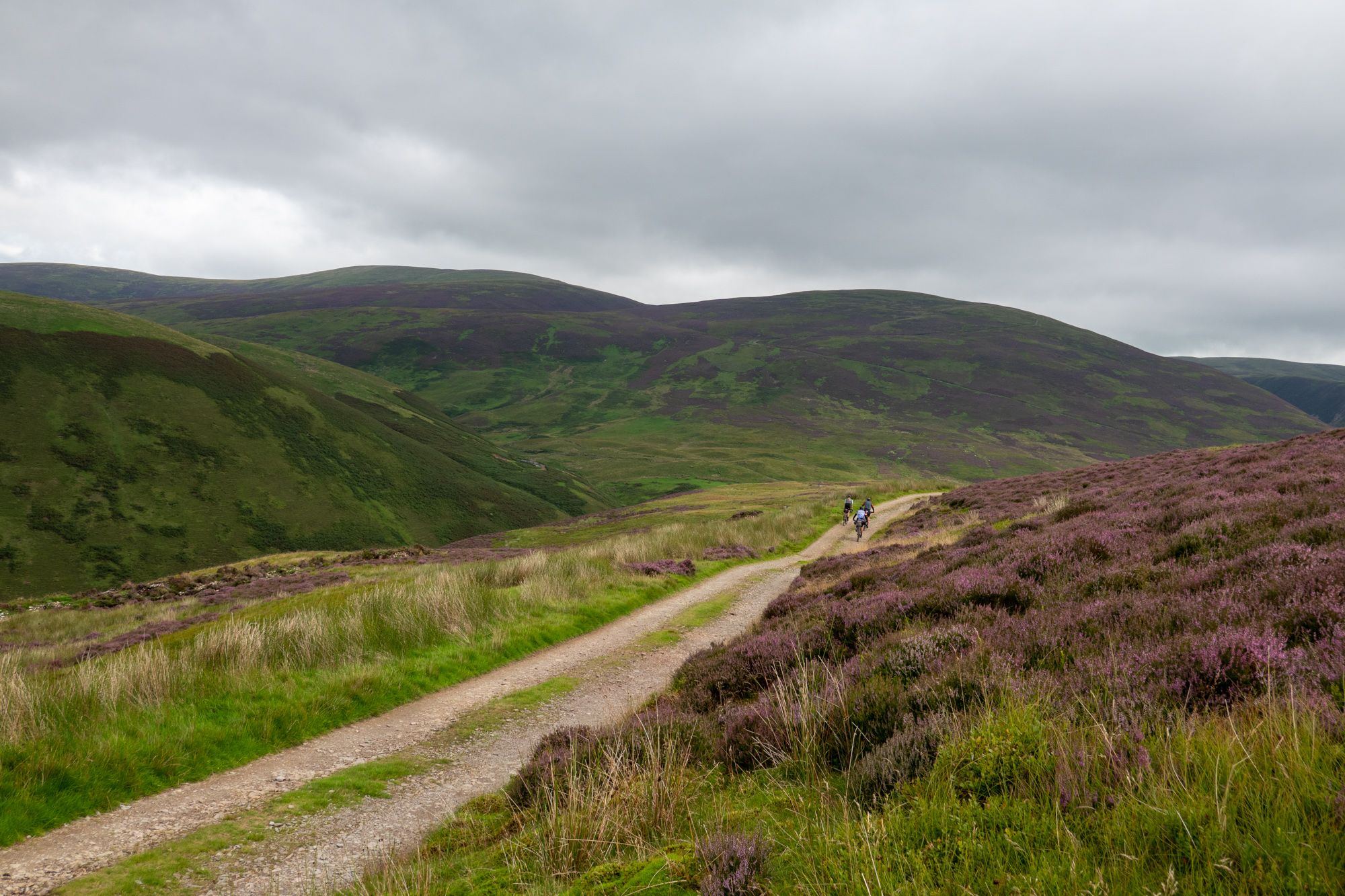
Bikepacking to the World Champs across Ireland and Scotland
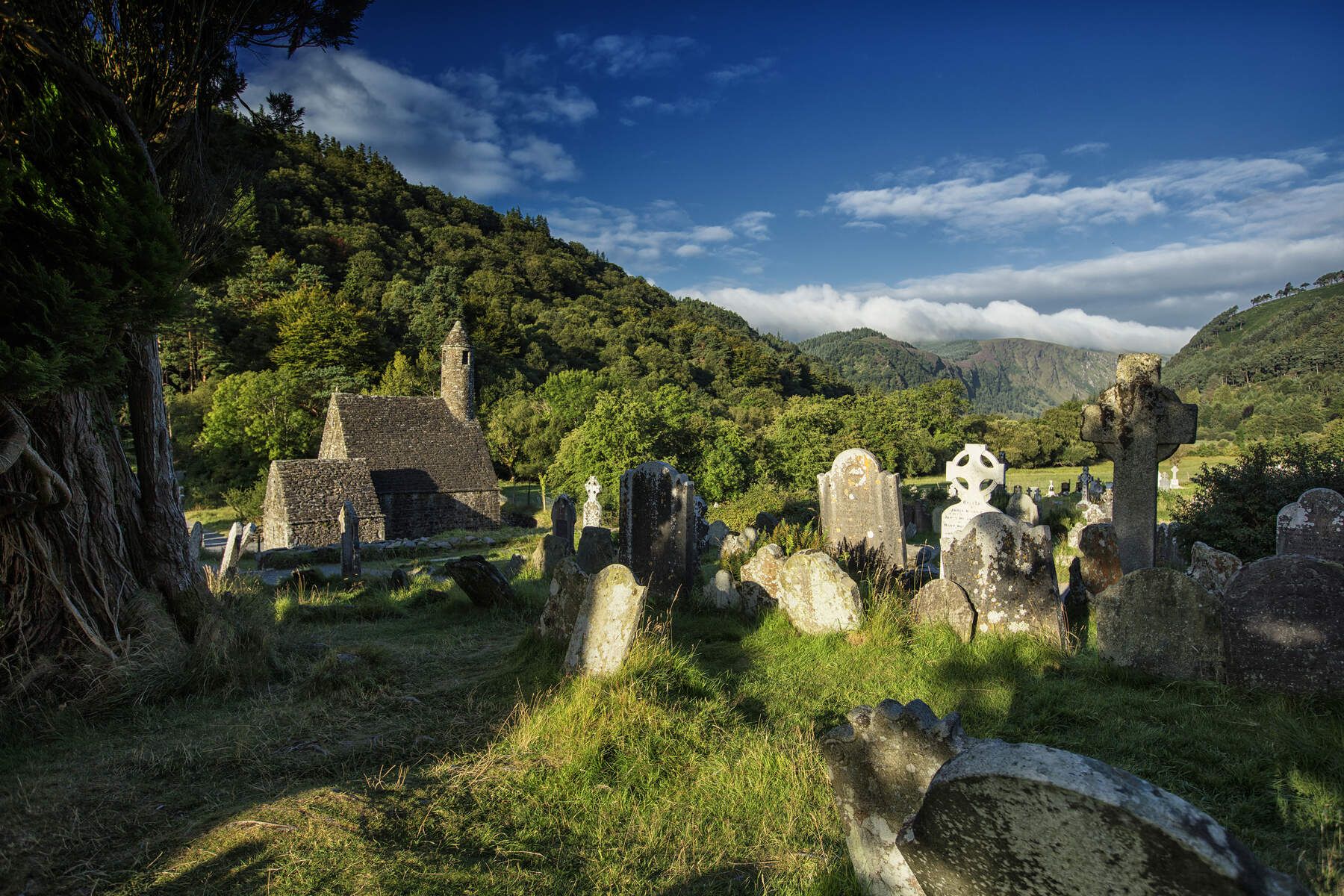
The Wicklow Way — discover Ireland's east
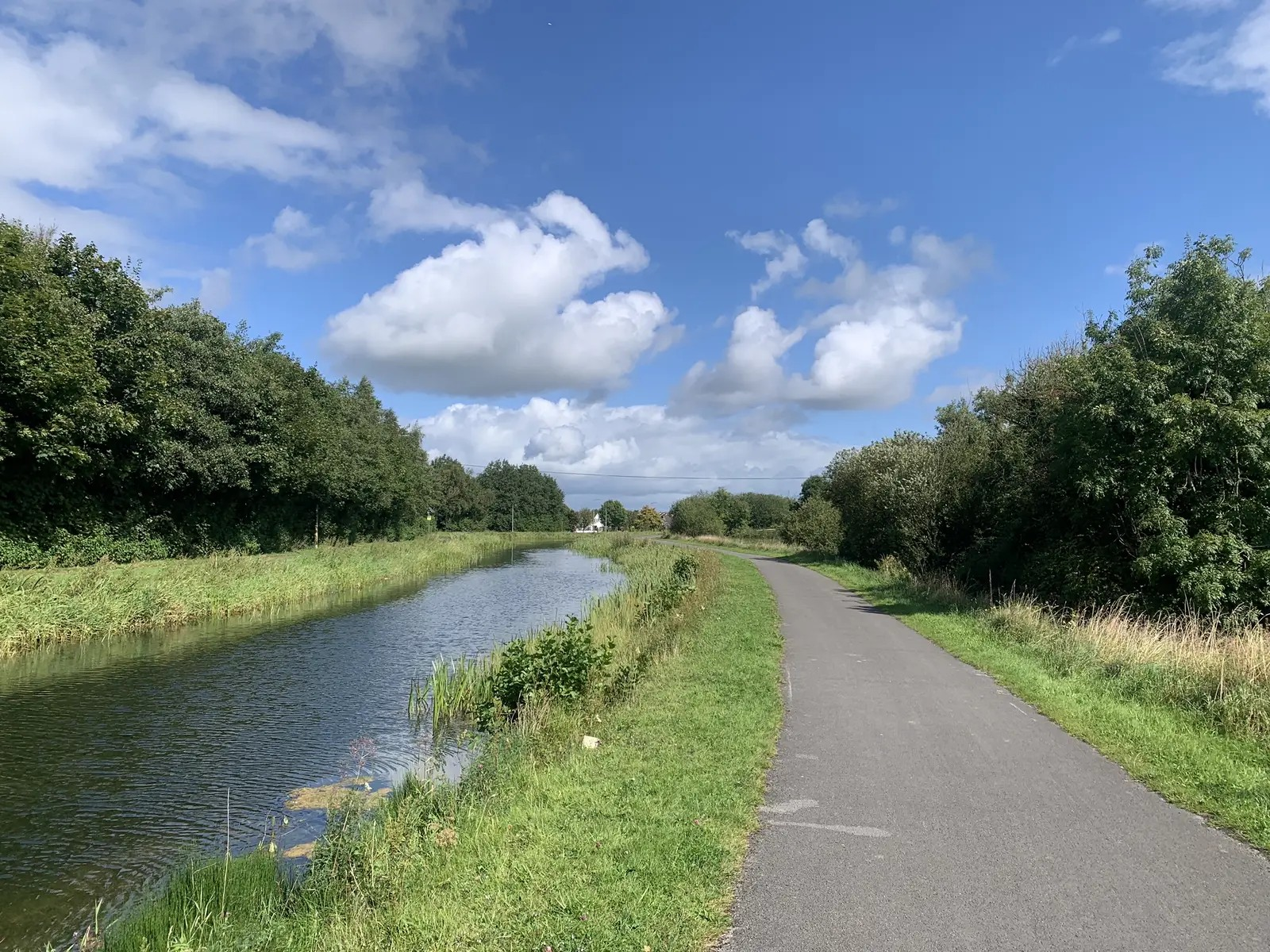
Old Rail Trail Greenway — a ride through central Ireland's heritage
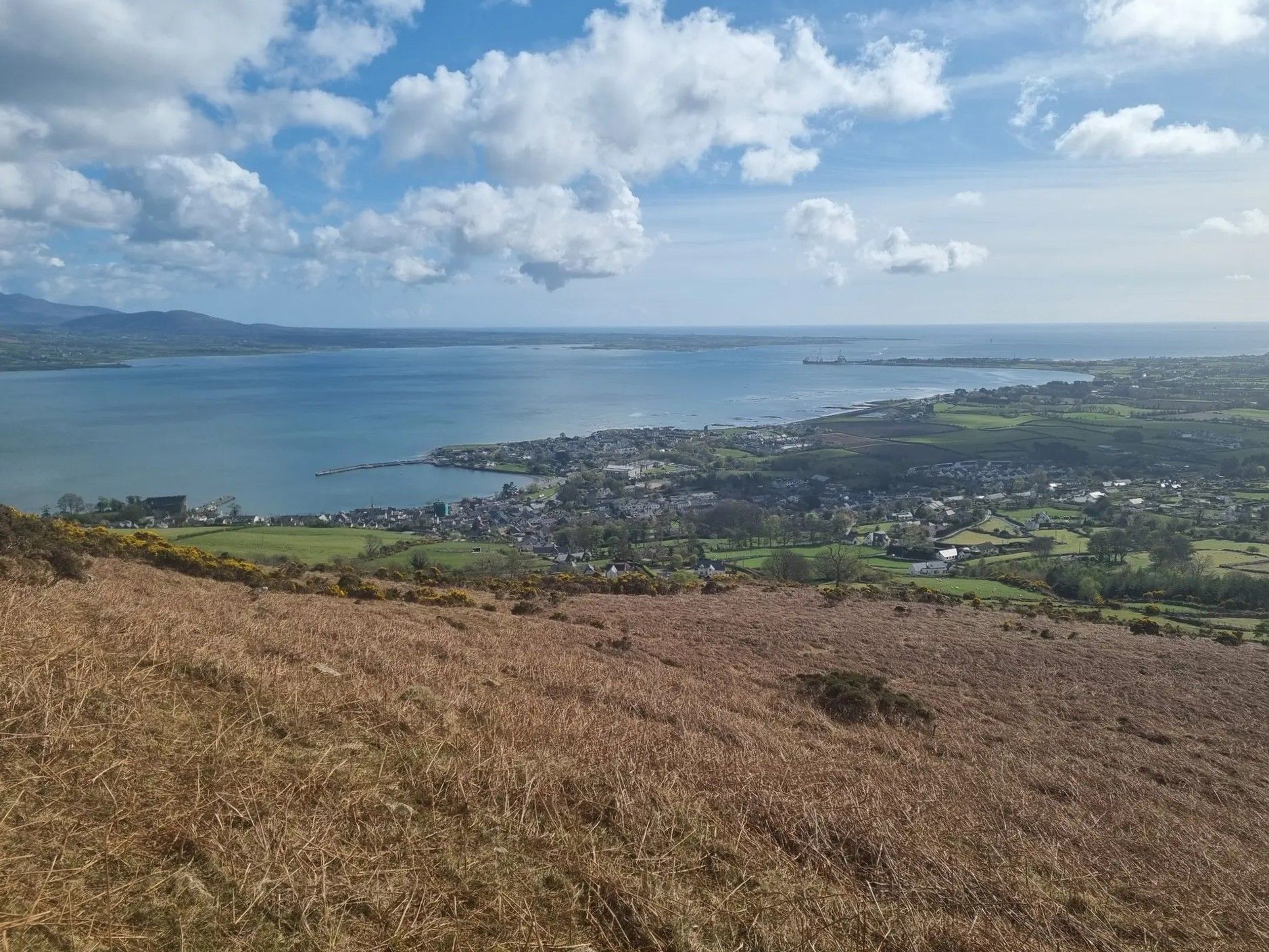
Táin Way – exploring the Cooley Peninsula
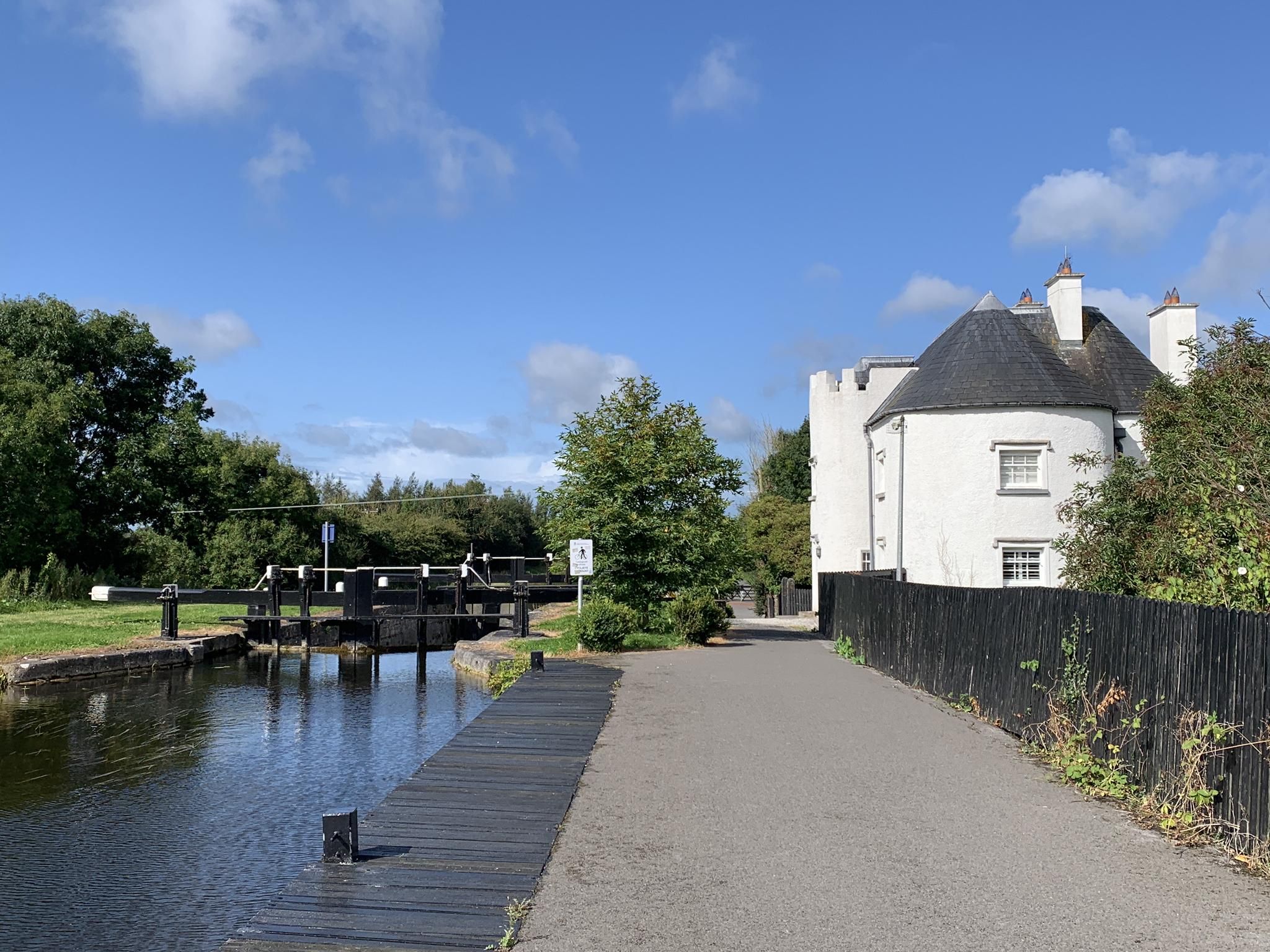
Grand Canal Greenway – cycling the heart of County Offaly
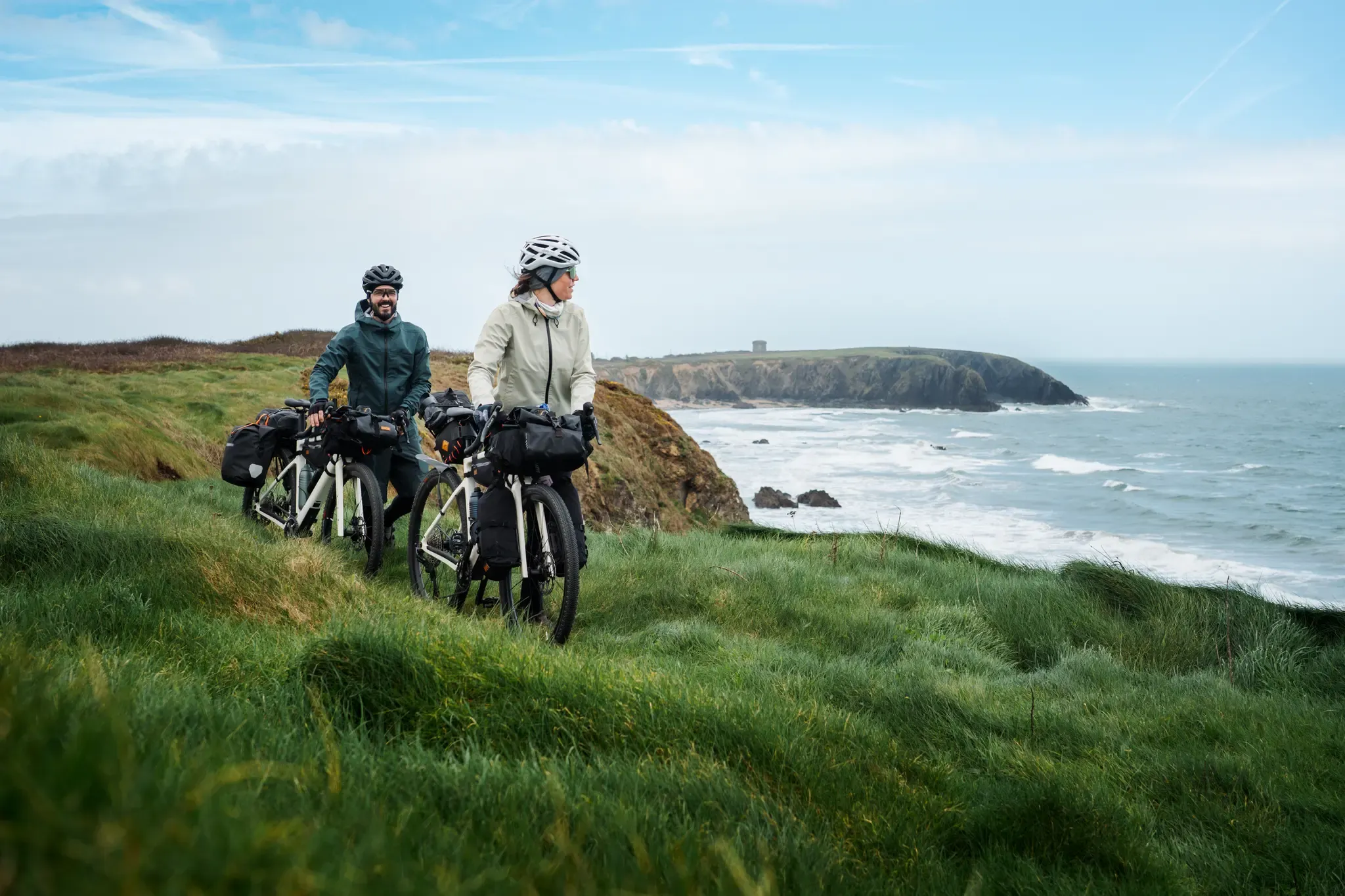
On the EuroVelo 1 through Ireland's south – green expanses & lonely beaches
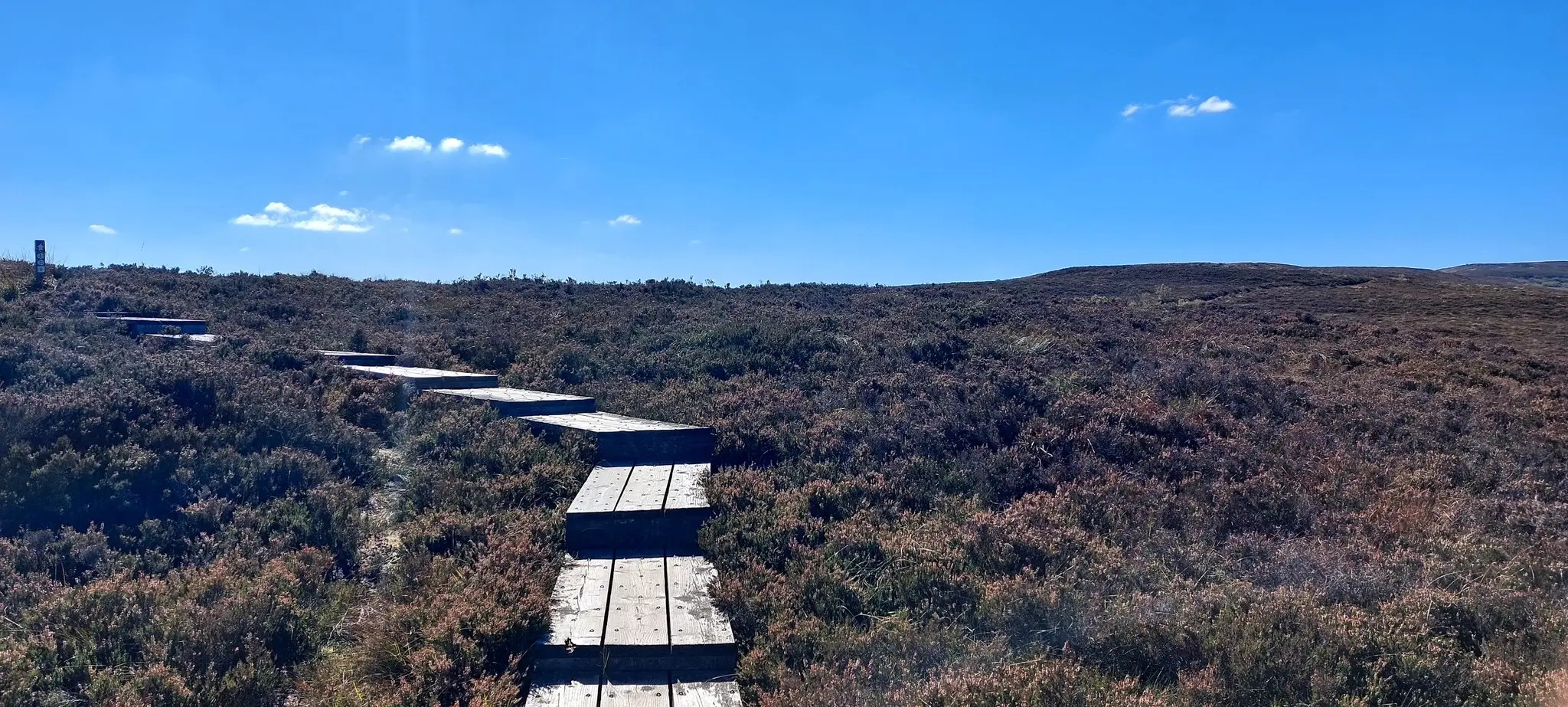
Slieve Bloom Way — Experience the Slieve Bloom Mountains
Other adventures in Leinster


Tips from the Community

The Upper Reservoir is the highest lake in the Glenasmole valley and feels a lot wilder and more remote than its lower neighbour. At this point on the south-eastern shore, you are riding deep into the heart of the catchment area, where the wooded slopes of the Dublin Mountains seem to drop straight into the deep, dark water.
9
0
A long reservoir area in the quiet Glenasmole valley, where wide gravel paths run completely car-free along the Upper and Lower Reservoirs. The landscape combines open water, pine forest and rugged hills, with regular sightlines towards the Dublin Mountains. The route is flat and quiet, ideal as an introduction to the mountain area or as a relaxing nature section on a longer tour. Birds, waterfowl and sometimes deer on the slopes give the area a distinct nature reserve feel.
7
0


Very special place with old graves standing askew. The whole area breathes a distant mystical history.
0
0

The Irish saint St. Kevin (c. 498–618 AD), from a noble family in Leinster, was trained as a monk and then sought solitude – here in Glendalough as a hermit. Around 540, he withdrew to this remote valley to live in seclusion, asceticism, and prayer. Legends tell that he had deer, otters, and birds as friends. But as it sometimes happens: disciples soon followed him, and a monastic community was established (545 AD), which developed into one of the most important monasteries in Ireland (heyday: 10th–12th centuries). A 30-meter-high round tower (10th–11th centuries), the ruins of the cathedral (1214), a stone church (St. Kevin's Kitchen), and a house still remain. – Very pretty and mystical, the whole thing in the middle of the cemetery.
1
0

Vartry Reservoir, situated near Roundwood in County Wicklow, Ireland, serves as a vital water source for Dublin city. The area features nearly 20 km of walking trails around the reservoirs, offering opportunities to observe diverse wildlife, flora, and mountain views.
0
0

The park is rectangular and surrounded by main roads on all sides. During the summer months, free concerts and theatre performances are regularly held there on weekends. Changes in traffic routing led to a drastic reduction in road traffic in 2004. A terminus of Line B of the new Dublin tram (Luas) is located directly on the western side of the park. Plans to excavate a large part of the park as part of the expansion of the Dublin Metro North Line have raised serious concerns that the character of the park could be irreparably changed by the associated interventions.
1
0
. Stephen’s Green (Irish: Faiche Stiabhna) is a public park in the middle of the Irish capital Dublin. It borders directly on the southern end of the pedestrian zone and shopping street Grafton Street
1
0
Frequently Asked Questions
What are some popular walking and cycling routes around Leinster's lakes?
Leinster offers numerous scenic routes. For cycling, the Bohernabreena Upper Reservoir has dedicated cycle ways. The Blessington Greenway is a 6.5 km walking and cycling trail along the Blessington Lakes, connecting Blessington town with Russborough House. For walking, the Royal Canal Greenway has a 4km spur leading to Lough Owel. You can also find various running trails and waterfall hikes throughout Leinster, many of which pass by beautiful lake areas.
Are there family-friendly lakes in Leinster with activities for children?
Yes, many lakes in Leinster are suitable for families. Upper Lake, Glendalough, St Stephen's Green, and Bohernabreena Upper Reservoir are all noted as family-friendly. The Blessington Lakes area is particularly good, with Russborough House offering family attractions like a bird of prey center, and The Avon recreational complex providing activities like bike rentals, climbing, and zip-lining.
What natural features and wildlife can I expect to see around Leinster's lakes?
Leinster's lakes boast diverse natural beauty. Lough Owel is a Ramsar site, important for rare plants and fish like char and brown trout. Lough Ennell supports rich biodiversity, including significant populations of cormorants, mute swans, pochards, and tufted ducks. The Blessington Lakes, despite being artificial, blend seamlessly into the landscape and provide habitat for many bird species and wildlife. Dublin Bay, a UNESCO biosphere reserve, also offers wonderful wildlife and landscapes.
Which lakes in Leinster are good for swimming and water sports?
Lough Lene is renowned for its exceptionally clear, 'gin clear' waters, making it ideal for swimming, sailing, windsurfing, and stand-up paddleboarding. It regularly maintains a Blue Flag designation for its pollution-free water. Lough Owel is also excellent for swimming, boating, and kayaking, with a high diving board available. The Blessington Lakes offer a wide range of water activities including fishing, kayaking, canoeing, and swimming.
Are there historical or cultural sites near the lakes in Leinster?
Absolutely. Lough Lene has a rich history with ancient burial sites, old ruins, and ringforts, and its islands have yielded significant archaeological finds. Lough Ennell is famously associated with Jonathan Swift, and Belvedere House, Gardens & Park on its shores offers a magnificent estate with historical significance. The Blessington Lakes are near Russborough House, an impressive 18th-century Palladian mansion, and the area itself has remnants of a submerged village. Triton Lake at Powerscourt Estate features mythological statues and a fountain inspired by Rome.
What are the parking and public transport options for visiting Leinster's lakes?
Parking availability varies by location. For Lough Lene, facilities at 'The Cut' include car parking. Many popular spots like Glendalough and Blessington Lakes have designated parking areas, though these can fill up during peak times. Public transport options are more limited outside of major towns; however, some areas like Glendalough are accessible by bus services from Dublin. It's advisable to check specific lake access points for detailed parking and transport information.
When is the best time of year to visit the lakes in Leinster?
The lakes in Leinster can be enjoyed year-round, but the best time often depends on your preferred activities. Spring and summer (April to September) offer warmer weather, ideal for water sports, hiking, and enjoying the lush greenery. Autumn (October to November) brings beautiful foliage, particularly around areas like Glendalough. Winter can be tranquil and atmospheric, though some facilities might have reduced hours. Always check local weather forecasts before your visit.
Can I find amenities like cafes or accommodation near Leinster's lakes?
Yes, many lake areas in Leinster have nearby amenities. Lough Ennell, for example, has a caravan and camping park, boat hire facilities, hotels, and restaurants nearby. The Blessington Lakes area includes The Avon recreational complex with dining options, and Blessington town itself offers various services. Glendalough has cafes and accommodation options in the nearby village. For specific lakes, it's best to research local offerings.
Are there opportunities for mountain biking near Leinster's lakes?
Yes, Leinster offers mountain biking opportunities, often in areas with lakes. For example, the Wicklow Mountains National Park, which is home to lakes like Glendalough's Upper Lake, features trails like the Ticknock trails loop. You can explore various MTB trails in Leinster, some of which are in close proximity to the region's beautiful lakes.
What makes Lough Owel unique among Leinster's lakes?
Lough Owel, located north of Mullingar, is notable for its clean, spring-fed, slightly alkaline water and its depth, reaching about 21 meters. It's a significant example of a limestone lake and has been recognized internationally as a Ramsar site since 1996 due to its importance as a wetland for rare plants and various fish species. It's a popular spot for angling, particularly for trout, and offers tranquil spots for photography and relaxation.
What is the significance of the Blessington Lakes?
The Blessington Lakes, also known as Poulaphouca Reservoir, are the largest artificial lake in Ireland, created in the 1940s by damming the River Liffey for hydroelectric power. Despite their artificial origin, they blend seamlessly into the stunning natural landscape of County Wicklow, offering breathtaking views of the Wicklow Mountains. They are a versatile outdoor destination for fishing, kayaking, cycling, and walking, with the Blessington Greenway being a popular attraction.
What do visitors enjoy most about the lakes in Leinster?
Visitors frequently appreciate the serene beauty and diverse activities offered by Leinster's lakes. The clear waters of Lough Lene are often described as 'gin clear,' making it a favorite for swimming. The reflective qualities of Upper Lake, Glendalough, mirroring the Wicklow Mountains, are a highlight. Many enjoy the peaceful walks, abundant wildlife, and the blend of natural landscapes with historical sites like those found around Lough Ennell and the Blessington Lakes.
Most popular routes in Leinster
Most popular attractions in Leinster

Get inspired with the komoot mobile app


Didn’t find what you were looking for?
Find the best lakes in Leinster per region:
Explore more
Still not found your perfect lake in Leinster? Check out the guides of these regions to see even more beautiful places.
