Top 4 Castles around Vila Praia De Âncora
Best castles around Vila Praia De Âncora are found in a region characterized by its Atlantic coastline and the mouth of the Âncora River. This area features historical fortifications that played a role in coastal defense. The landscape combines sandy beaches with rocky elevations, providing strategic locations for these structures. Visitors can explore sites that offer insights into Portugal's military history and architectural heritage.
Best castles around Vila Praia De Âncora
- The most popular castles is Paçô Castle 🏰,…
Last updated: July 1, 2026
Paçô Castle 🏰
Highlight • Castle
Tip by

Vila Praia de Âncora
Highlight • Beach
Translated by Google •
Tip by

Sign up now to discover places like this
Get recommendations on the best single tracks, peaks, & plenty of other exciting outdoor places.
Sign up for free
Clock Tower 🏰 and information ℹ️
Highlight • Monument
Tip by
Caminha Historic Centre 🏰
Highlight • Historical Site
Translated by Google •
Tip by

Santa Cruz Castle
Highlight • Castle
Translated by Google •
Tip by

Start today with a free account
Your next adventure awaits.
Login or Signup

Tips from the Community

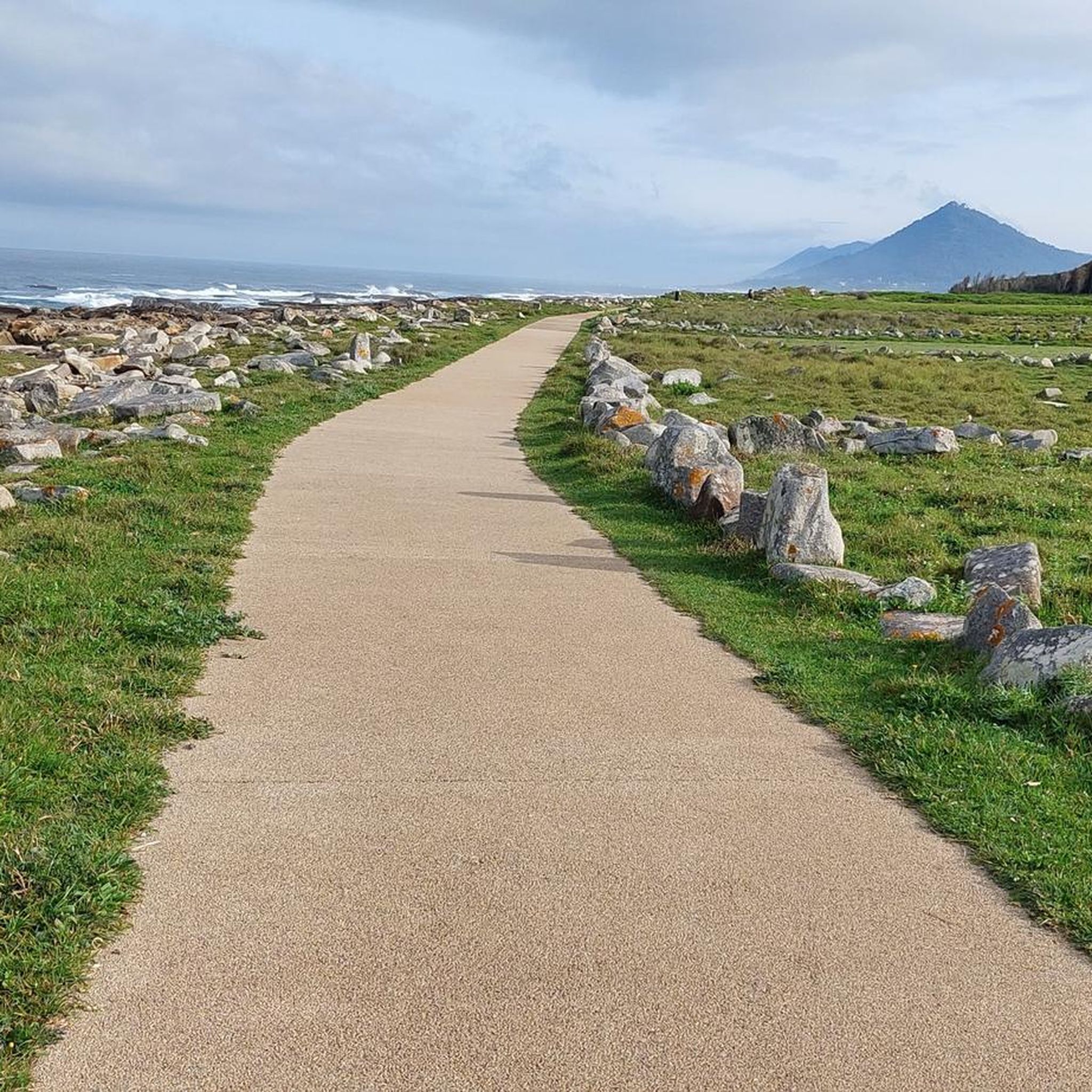
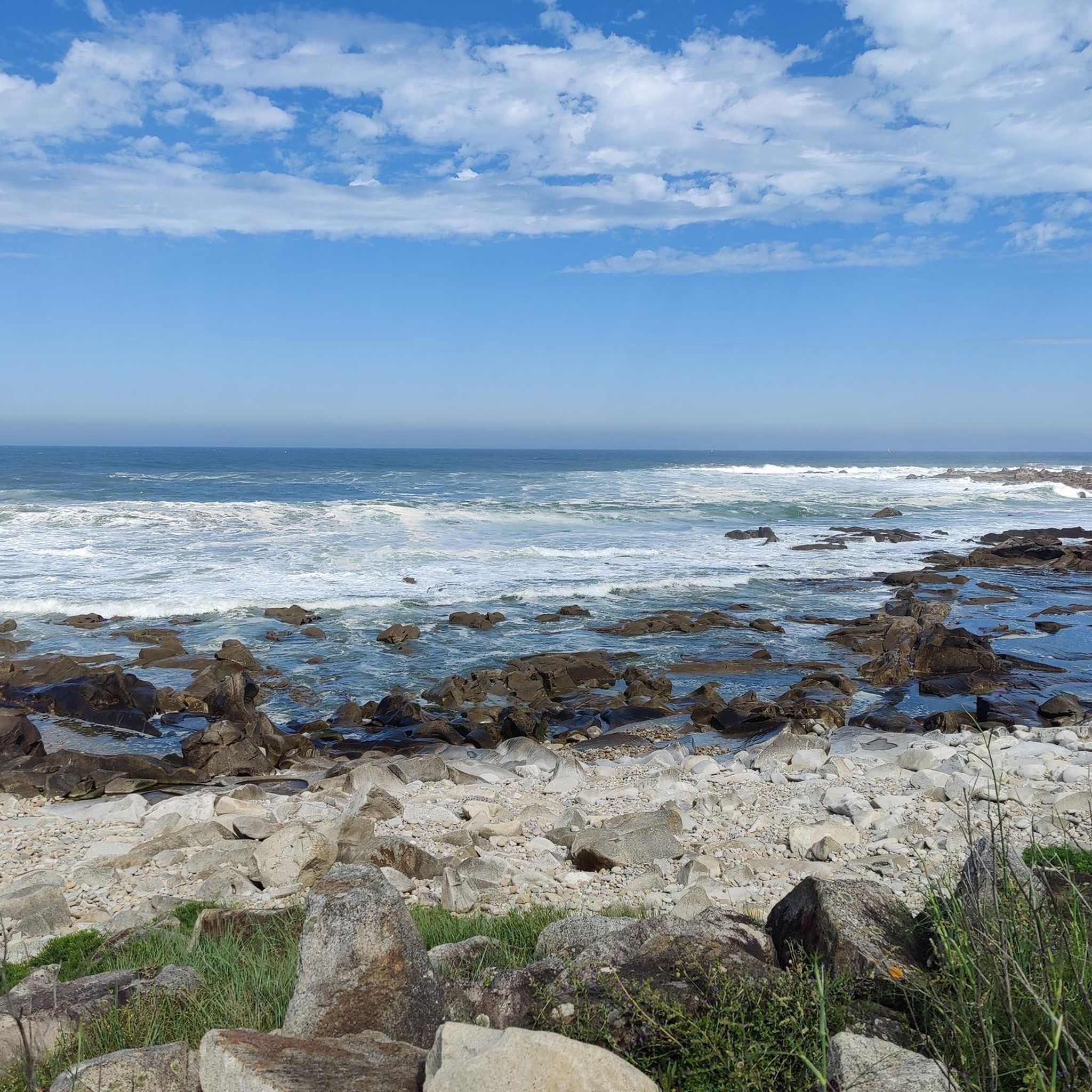
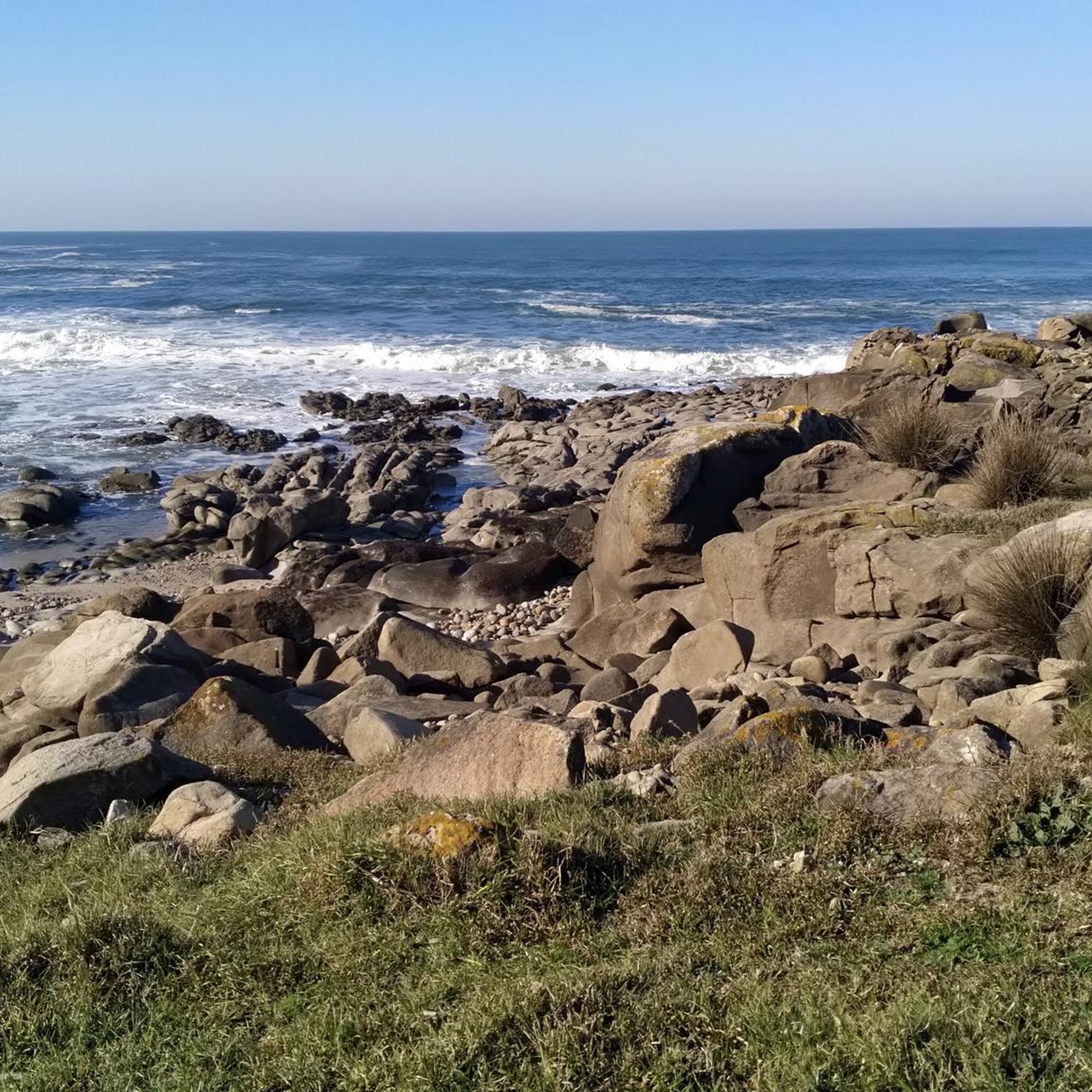
Visit and Accessibility Access: Access to the site is free and open 24 hours a day. Trails and Hiking: The fort is part of the PR7 - Paçô Fort Trail, a pedestrian route that coincides with part of the Camino de Santiago da Costa and allows you to explore the area of the Viana do Castelo Coastal Geopark, passing through landscapes of dunes and cliffs. Beach: Paçô Beach, adjacent to the fort, is a beach with a wide sandy area and rock formations that form natural pools at low tide. Accessibility: There is wheelchair accessible parking nearby.
2
0
Main Characteristics Military Architecture: The fort was built for the purpose of defending the Atlantic coast against maritime attacks. It has a characteristic star-shaped plan and small dimensions. Location: It is located directly on the beach, a few meters from the sea, which can reach its walls during the winter. Its location offers scenic views of the coastline. Current State: The fort is currently in ruins, without functional rehabilitation, and it is not possible to enter the structure. However, the surrounding area is accessible for public visitation.
2
0
The Paçô Fort, also known as the Montedor Fort, is a historic 17th-century coastal fortification located in the parish of Carreço, near Paçô Beach, in the municipality of Viana do Castelo, Portugal.
2
0

A very pretty little town on the Atlantic. A worthwhile stop on the Camino Portuguese!
0
0

Vila Praia de Âncora is a Portuguese town and seat of the parish of Vila Praia de Âncora.
1
0
Vila Praia de Âncora is a Portuguese village, headquarters of the Parish of Vila Praia de Âncora in the Municipality of Caminha, a parish with an area of 8.15 km² and 4,623 inhabitants.
1
0

Fort Montedor, also known as Fort Paé de Carreo, stands on a rocky outcrop next to Ingleses Beach, just a few meters from the Atlantic Ocean. It dates back to the construction period of Fort Areosa, during the Restoration Wars (1640–1689), with which it was in direct conflict. It was completed in 1703. This exemplary example of military architecture on the Viennese coast was part of a strategically constructed defensive line along the banks of the Minho River and the Atlantic coast. https://www.geoparquelitoralviana.pt/explorar/forte-do-pa%C3%A7%C3%B4-sec-xvii/ This fortress can only be visited from the outside and is not very large. However, it is picturesquely located directly on the beach and just a few meters from the parking lot. It is very pleasant to linger here for a few minutes and observe the lizards and the sea.
2
0

The main tower of the medieval walls of Caminha, it provides access to the Medieval Historic Centre of the town. Facing south, this tower had the Portas de Viana underneath it, as it was an exit towards Viana do Castelo. It has a square floor plan, consists of two floors, and is currently the only remaining tower of the Caminha castle. In 1673, the clock that would give it its name was placed at the top of the tower. It has been a National Monument since 1951. The clock tower was renovated and enhanced in 2008, and the Museum of the Historic Centre of Caminha was created, placing the Clock Tower building at the service of culture and tourism, where the History of Caminha and its urban evolution from its origins to the present day take center stage.
0
0
Frequently Asked Questions
What types of castles and fortifications can I explore around Vila Praia de Âncora?
The region features a mix of historical fortifications, including coastal defense forts and medieval structures. You'll find well-preserved examples of military architecture, some directly on the beach, and historic town centers with castle elements.
Which historical fortifications are most prominent in Vila Praia de Âncora itself?
The most prominent fortification in Vila Praia de Âncora is the Forte da Lagarteira, also known as Forte de Âncora. Built between 1667 and 1705, this star-shaped fort was crucial for defending the port and town during the Restoration Wars. It's classified as an Asset of Public Interest and now hosts cultural activities. You can learn more about its history on Wikipedia.
Are there any castles directly on the beach or with coastal views?
Yes, Paçô Castle 🏰 is an old fort from the medieval coastal defense system, picturesquely located directly on the beach. The Forte da Lagarteira also offers picturesque views of the surrounding beach and coastline from its position at the mouth of the Âncora River.
Can I visit historical town centers with castle elements in the area?
Absolutely. The Caminha Historic Centre 🏰 is a protected historic town center with narrow streets and historical buildings. It includes the main tower of the medieval walls, known as the Clock Tower 🏰, which was once part of the Caminha castle and is now a National Monument.
Are there family-friendly castles to visit near Vila Praia de Âncora?
Many of the historical sites and castles in the area are considered family-friendly. Paçô Castle 🏰, Caminha Historic Centre 🏰, and Santa Cruz Castle are all categorized as family-friendly, offering engaging historical experiences for all ages.
What kind of historical significance do these castles hold?
These castles and forts played a vital role in Portugal's coastal defense, particularly during the 17th-century Restoration Wars. Structures like the Forte da Lagarteira and Paçô Castle 🏰 were part of a strategically constructed defensive line, protecting against Spanish attacks and safeguarding the coastline.
Are there hiking or walking routes that include these castles?
Yes, you can combine your castle visit with hiking. For example, the 'Forte do Cão – Âncora Beach loop from Âncora-Praia' is an easy 6.7 km hike that takes you past another significant fort. You can find more hiking options in the area on the Hiking around Vila Praia De Âncora guide.
What outdoor activities can I do near these castles?
Beyond exploring the castles, the region offers various outdoor activities. You can enjoy cycling along the Ecovia Litoral Norte, with routes like the 'Ecovia Litoral Norte 🚲 – Moledo Beach ⛱️ loop'. There are also gravel biking opportunities. Find more details on the Cycling around Vila Praia De Âncora and Gravel biking around Vila Praia De Âncora guides.
What do visitors enjoy most about the castles and historical sites in this region?
Visitors particularly appreciate the historical significance and architectural interest of these sites, offering a tangible connection to Portugal's past. The scenic coastal locations, such as Paçô Castle 🏰 directly on the beach, and the charm of places like the Caminha Historic Centre 🏰 with its narrow streets and cafes, are also highly valued.
Is there a castle that once defended Coruña bay near Vila Praia de Âncora?
Yes, Santa Cruz Castle was built in the 16th century to complete the defensive system of the Coruña bay. It's an old castle complex that once served to defend the coast and features rustic old trees.
Are there any viewpoints near the castles?
Many of the castles and historical sites themselves offer excellent viewpoints due to their strategic coastal locations. For instance, the Forte da Lagarteira provides picturesque views of the Âncora River mouth and coastline. Caminha Historic Centre 🏰 is also noted for its viewpoints within the historic town.
What is the best season to visit the castles around Vila Praia de Âncora?
The coastal location makes visiting pleasant during spring and autumn, with milder temperatures and fewer crowds. Summer offers warm weather ideal for combining castle visits with beach activities, though it can be busier. Winter can be cooler and wetter, but still offers a unique, tranquil experience.
Most popular routes around Vila Praia De Âncora
Most popular attractions around Vila Praia De Âncora

Get inspired with the komoot mobile app


Explore more
Looking for the best castles somewhere else? Discover other guides around Vila Praia De Âncora:
