Top 20 Lakes around Warszawa
Best lakes around Warszawa are found within and surrounding the city, offering diverse natural and recreational opportunities. The region is characterized by the Vistula river, which has shaped its landscape, including oxbow lakes and wetlands. While large natural lakes are not abundant directly within the city, several significant water bodies provide important ecological sites and popular outdoor destinations. These areas serve as key locations for nature observation and various water-based activities.
Best lakes around Warszawa
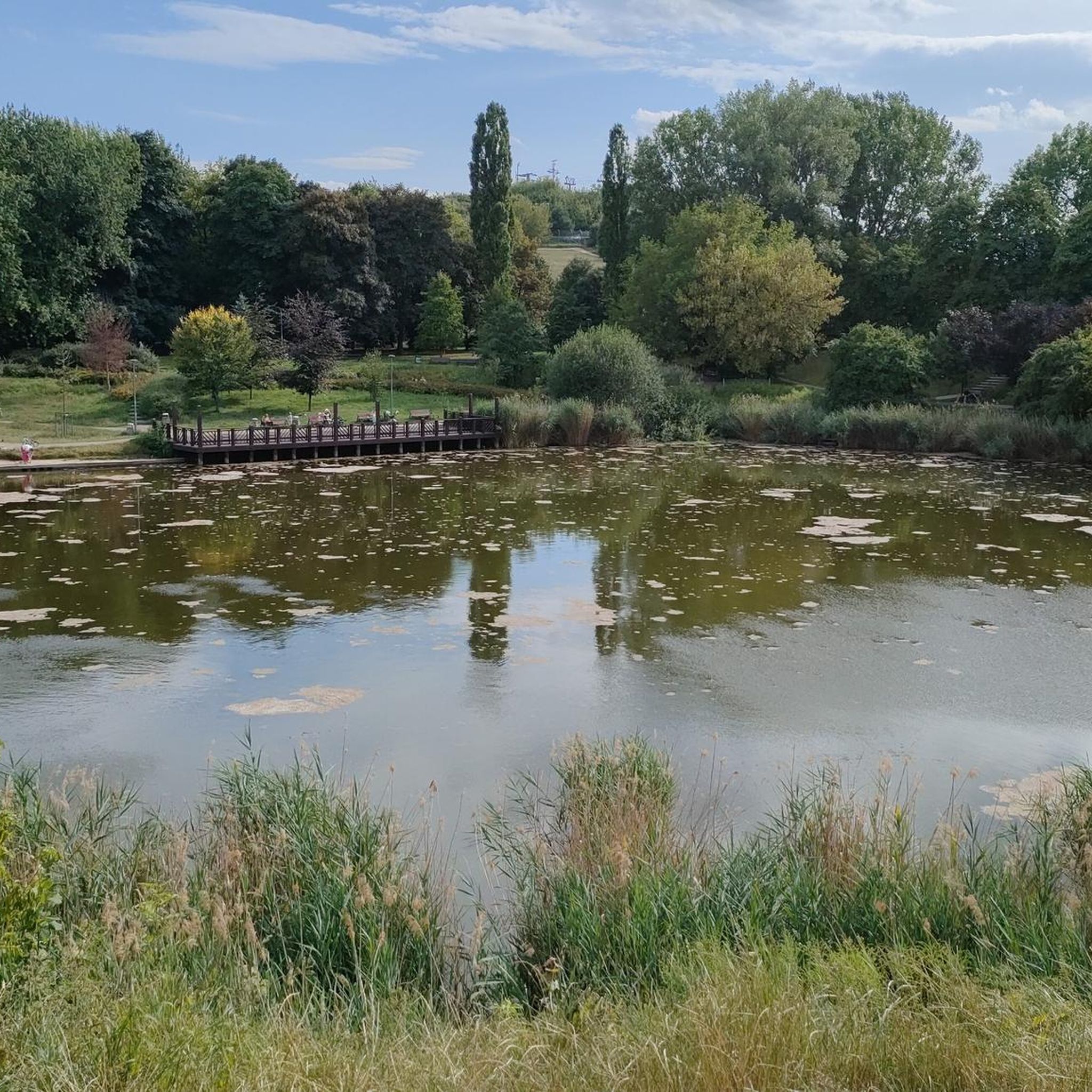
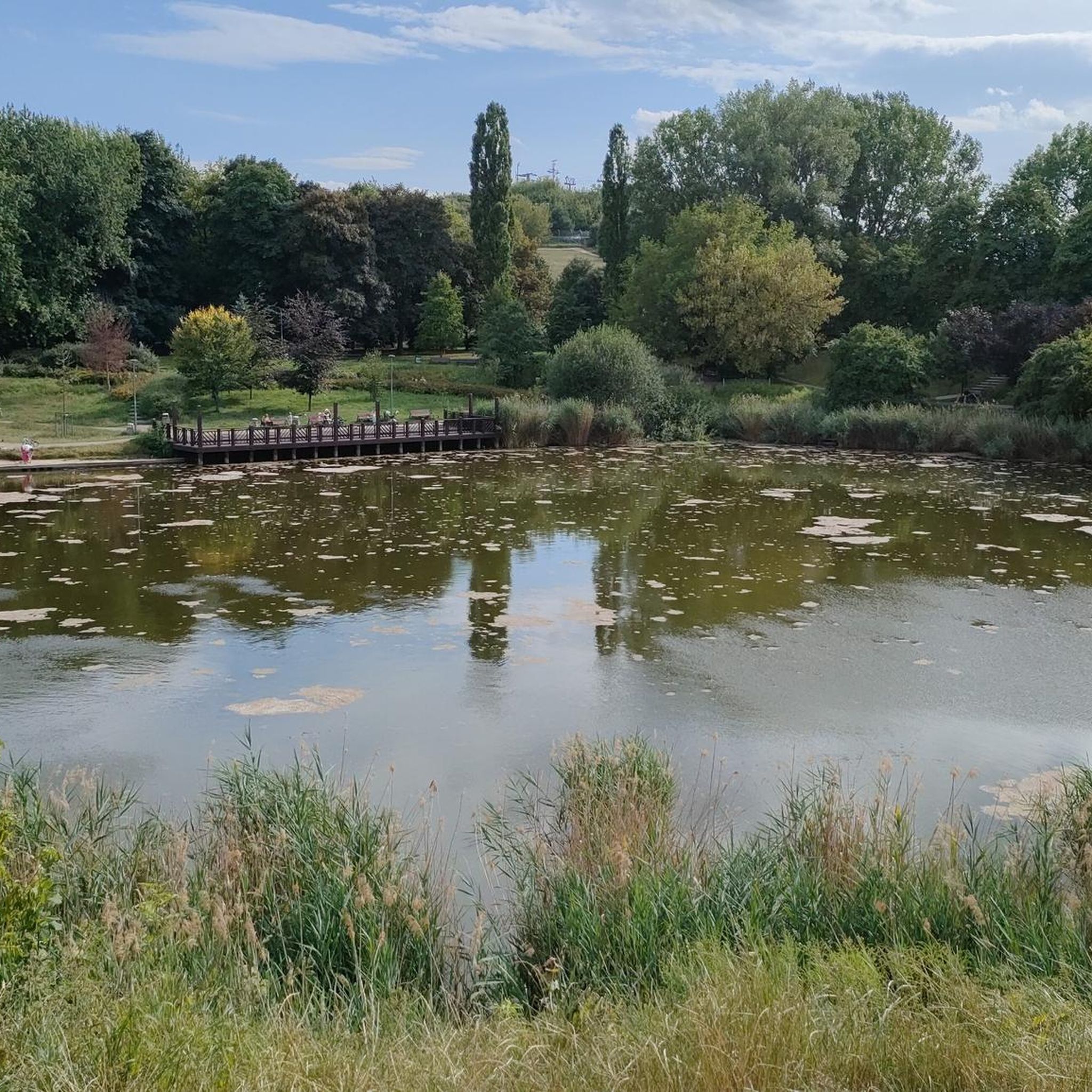
- The most popular lakes is Torfy Lake, a lake that protects a lake formed in an old turf excavation pit. A wooden pier offers views of the lake, with vegetation visibly changing throughout the year.
- Another must-see spot is Komorowski Reservoir, a lake that serves as a retention reservoir and a place for residents to relax. The 6-hectare reservoir features a square with a playground, picnic tables, and a gazebo.
- Visitors also love Raszyn Ponds Nature Reserve, a natural monument protecting a rich ecosystem of water and marsh birds. About 100 species of birds nest here, and the reserve is open to tourists with observation towers.
- Warszawa is known for natural lakes, man-made reservoirs, and protected nature reserves. These offer diverse environments for recreation and wildlife observation.
- The lakes around Warszawa are appreciated by the komoot community, with over 130 upvotes and 95 photos shared.
Last updated: October 17, 2026
Torfy Lake
Highlight • Lake
Translated by Google •
Tip by

Komorowski Reservoir
Highlight • Lake
Translated by Google •
Tip by

Sign up now to discover places like this
Get recommendations on the best single tracks, peaks, & plenty of other exciting outdoor places.
Bicycle Path Along the Michałowice Ponds
Highlight (Segment) • Cycleway
Translated by Google •
Tip by

Flooded moat at Fort Zbarż
Highlight • Historical Site
Translated by Google •
Tip by

Raszyn Ponds Nature Reserve
Highlight • Natural Monument
It is an important place for ornithologists - about 100 species of birds nest here, including grebes, swans, herons, cormorants and black-headed gulls. The ponds are surrounded by floodplain forests and reed beds, and valuable plant species grow on their areas, including orchids.
The reserve is open to tourists - there are observation towers here, as well as monuments such as the Baroque statue of God the Father and the Tchorek plaque commemorating the victims of executions from World War II.
Translated by Google •
Tip by

Sign up for free to discover even more lakes around Warszawa.
Already have an account?
Start today with a free account
Your next adventure awaits.

Other adventures around Warszawa

Tips from the Community

Fort VII („Zbarż“) – one of the forts of the outer ring of the Warsaw fortress, located in the Włochy district in the Zbarż estate between the streets: Wirażowa, Żwirki i Wigury, Winiarska and Benetta, with an area of 29.7 ha
1
0


Fort VII, also known as "Zbarż", is one of the forts of the outer ring of the Warsaw Fortress, located in the Włochy district, in the Zbarż housing estate. Built in the years 1883–1908, it has an area of 29.7 ha. The fort is a single-rampart, surrounded by a moat and erected on a pentagonal plan. It was partially dismantled after 1909, and during one of the modernizations a concrete anti-scarp caponier was added, the ruins of which have survived to this day. During the occupation, the fort was flooded, and after the war the area was used by the military until 1999.
3
0
Raszyn Ponds is a faunal nature reserve in the Raszyn commune, protecting a rich ecosystem of water and marsh birds. It includes several ponds that were created in the 18th century and today serve both a protective and economic function. The reserve has an area of over 155 ha and is under active protection. It is an important place for ornithologists - about 100 species of birds nest here, including grebes, swans, herons, cormorants and black-headed gulls. The ponds are surrounded by floodplain forests and reed beds, and valuable plant species grow on their areas, including orchids. The reserve is open to tourists - there are observation towers here, as well as monuments such as the Baroque statue of God the Father and the Tchorek plaque commemorating the victims of executions from World War II.
2
0

Fast asphalt (low resistance), almost always windy, lots of people on weekends, but still worth it...
0
0


The 6-hectare reservoir serves as a retention reservoir. Its main purpose is flood protection, but it is also an ideal place for residents and tourists to relax. At its shore, there is a square with a playground, picnic tables and a gazebo. Bathing is prohibited in the reservoir, but it is still a great place for a family picnic, a bike trip or a walk. In autumn and spring, the area changes into a kingdom of birds. Here you can see herons, swans and several species of ducks, including teals, mallards and pochards. It is worth taking a closer look at the latter - these seasoned divers can dive to a depth of 2.5 meters!
1
0
It's impossible to get in, it's overgrown. There are a lot of homeless people staying overnight.
4
0
Frequently Asked Questions
What kind of outdoor activities can I do around the lakes near Warsaw?
The lakes around Warsaw offer a variety of outdoor activities. You can find excellent opportunities for water sports like boating, fishing, kayaking, sailing, windsurfing, and paddleboarding, especially at the Zegrze Reservoir. For land-based activities, there are numerous trails for MTB cycling, running, and easy hikes in the surrounding areas.
Are there family-friendly lakes for a day out near Warsaw?
Yes, several lakes are great for families. The Komorowski Reservoir is a popular spot with a playground, picnic tables, and a gazebo, ideal for a family picnic or bike trip. The Zegrze Reservoir also features family-friendly beaches like the 'Wild Beach' in Nieporęt, offering lifeguards and equipment rental. Torfy Lake is another option, known for its easy nature trail suitable for children.
Which lakes are best for birdwatching near Warsaw?
For birdwatching enthusiasts, the Raszyn Ponds Nature Reserve is an excellent choice. It's a protected area where about 100 species of water and marsh birds nest, including grebes, swans, and herons. The reserve provides observation towers for visitors. Jezioro Czerniakowskie, a nature reserve within Warsaw, also offers a serene environment for birdwatching.
What are the best lakes for swimming near Warsaw?
The Zegrze Reservoir is a prime location for swimming, with several popular beaches such as the 'Wild Beach' in Nieporęt, and others in Serock and Wieliszew. Jezioro Czerniakowskie, located within Warsaw, also allows swimming on its small beaches during warmer months, offering a natural escape within the city.
Are there lakes near Warsaw with historical significance or landmarks?
Yes, Lake Wilanów, situated near the historic Wilanów Palace, offers a blend of natural beauty and cultural heritage. You can enjoy leisurely strolls around the lake and explore the stunning palace gardens. Additionally, the area around Zegrze Reservoir includes historical sites like the Radziwiłł Palace in Zegrze village. The Flooded moat at Fort Zbarż is another unique historical site, a former military fort with a partially flooded moat now forming a small lake.
How accessible are the lakes near Warsaw by public transport?
Many lakes are accessible by public transport. Jezioro Czerniakowskie is located within Warsaw's Mokotów district, making it easily reachable. Jezioro Kamionkowskie in Park Skaryszewski is also well-connected by public transport. For the Zegrze Reservoir, while a bit further, it's approximately a 40-60 minute drive from Warsaw, and public transport options are available to nearby towns.
Can I find cafes, pubs, or accommodation near the lakes?
Yes, especially around the Zegrze Reservoir, you'll find numerous resorts, restaurants, and places to rent water equipment, making it convenient for longer stays or day trips. Lake Wilanów, being close to the Wilanów Palace, also has amenities nearby. Within Warsaw, lakes like Jezioro Czerniakowskie and Szczęśliwickie Ponds are surrounded by urban infrastructure, offering various dining and accommodation options.
What is the best time of year to visit the lakes around Warsaw?
The best time to visit largely depends on your preferred activities. Summer (June to August) is ideal for swimming, water sports, and enjoying the beaches. Spring and autumn offer pleasant temperatures for hiking, cycling, and birdwatching, with the added beauty of changing foliage. Winter can be suitable for peaceful walks, though water activities are limited.
Are there any lakes suitable for easy walks or cycling within Warsaw?
Absolutely. Szczęśliwickie Ponds in Szczęśliwicki Park offers an easy 3km path, perfect for walking or light cycling. Jezioro Czerniakowskie also has walking paths and green zones for tranquil strolls. The area around Lake Wilanów provides scenic routes for leisurely walks through its palace gardens.
Are dogs allowed at the lakes near Warsaw?
Dog policies vary by location. While many natural areas are generally dog-friendly, specific rules may apply, especially in nature reserves or designated beach areas. For instance, the Zegrze Reservoir area often has specific regulations for dogs on beaches. It's always best to check local signage or specific park rules before visiting with your dog to ensure a pleasant experience for everyone.
What unique natural features can I expect to see at these lakes?
The lakes around Warsaw boast diverse natural features. Jezioro Czerniakowskie is a protected oxbow lake of the Vistula, home to valuable plant species like the strictly protected yellow water lily. The Torfy Lake is a unique lake formed in an old turf excavation pit, offering views of vegetation that visibly changes throughout the year. The Zegrze Reservoir is surrounded by lush forests and wetlands, attracting diverse bird species.
Most popular routes around Warszawa
Most popular attractions around Warszawa

Get inspired with the komoot mobile app


Explore more
Still not found your perfect lake around Warszawa? Check out the guides of these regions to see even more beautiful places.
