The best walks and hikes around Warszawa
4.6
(830)
28,354
hikers
1,700
hikes
Hiking around Warszawa offers diverse landscapes, from extensive green spaces within the city to vast natural areas just beyond its borders. The region features dense woodlands, unique inland dunes, and riverine ecosystems, notably within Kampinos National Park and along the Vistula River. Urban green spaces like Kabaty Forest and Mazowiecki Landscape Park also provide accessible natural environments for outdoor activities. The terrain is generally flat with minimal elevation changes, making it suitable for various activity levels.
Best hiking trails around Warszawa
- The most popular hiking route is Pętla Fort Radiowo - Rezerwat Łosiowe Błota, a 3.7 miles (6.0 km) trail that takes 1 hour 31 minutes to complete. This easy route explores the natural reserve of Łosiowe Błota.
- Another top favourite among local hikers is Powsin - Warszawa Dawidy Trail, an easy 4.7 miles (7.6 km) path. This trail connects two districts, offering a journey through local green spaces and suburban nature.
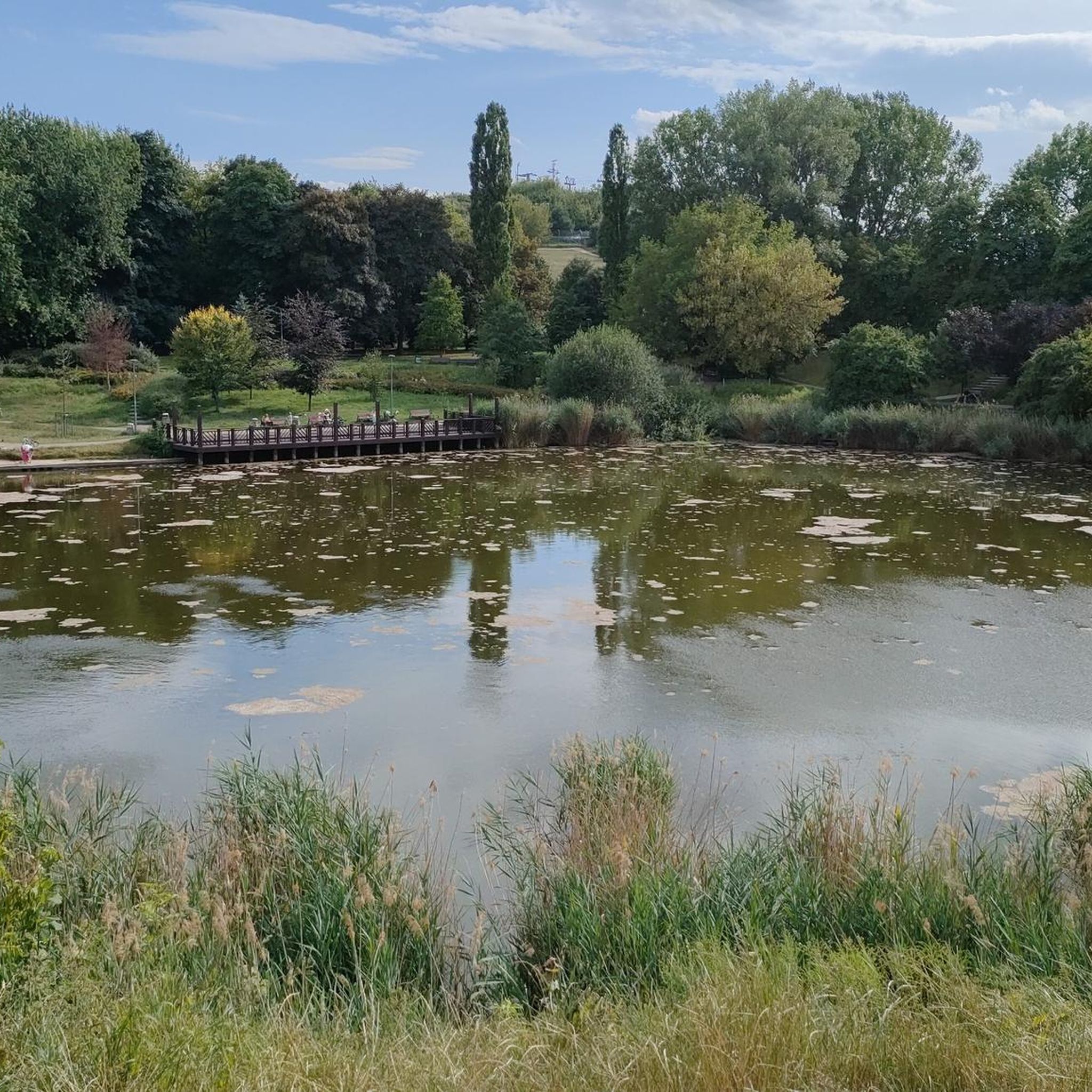
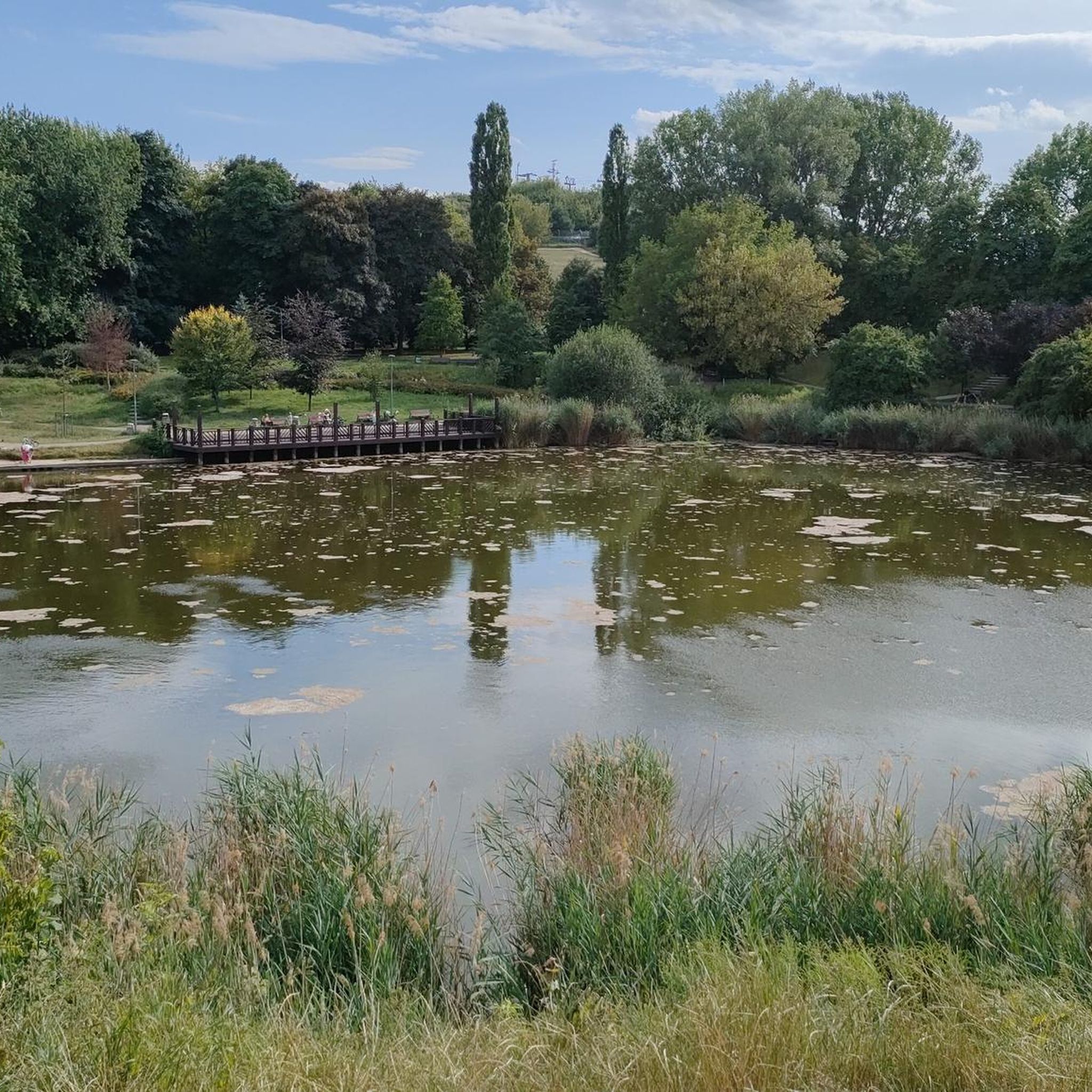
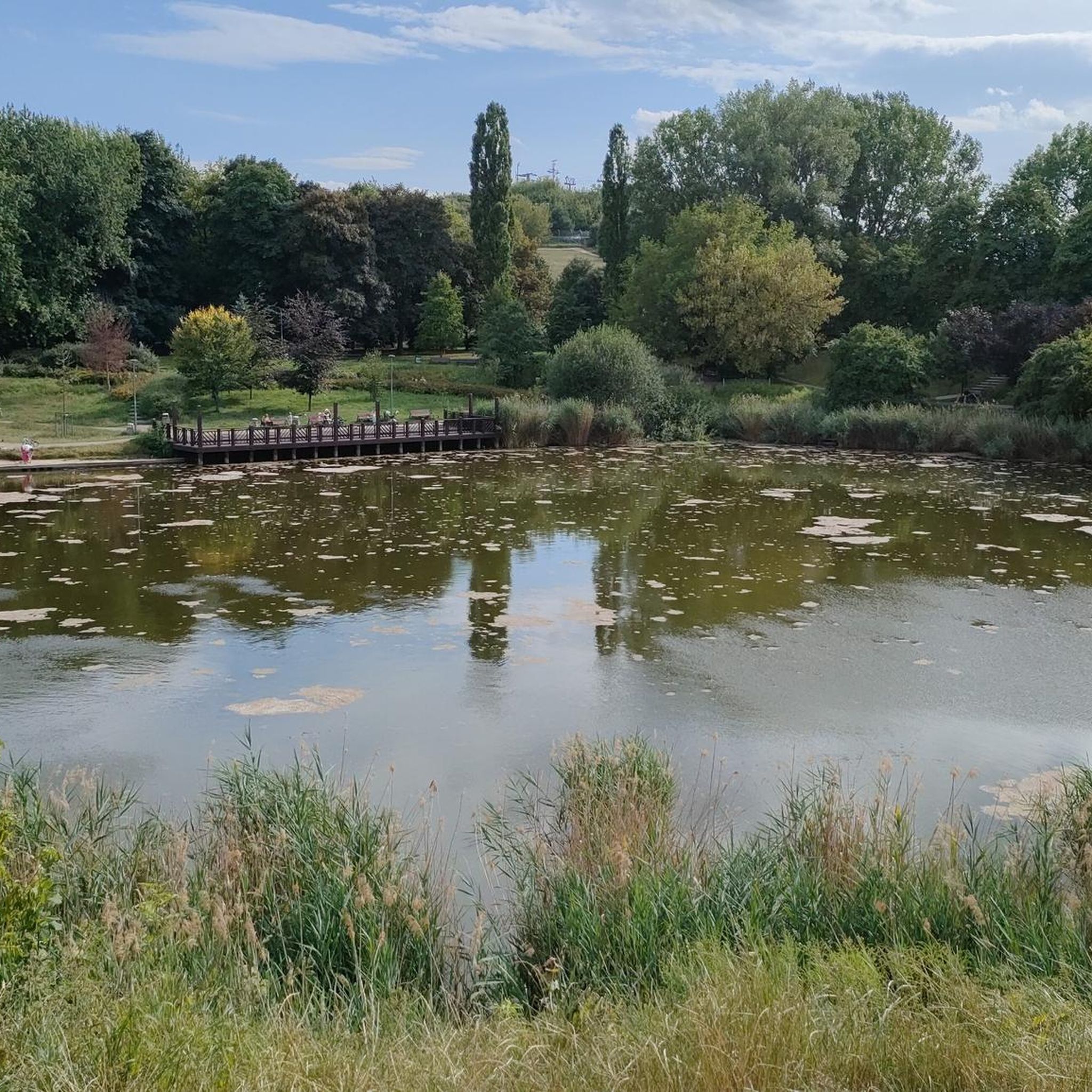
- Local hikers also love the Trail for Czerniakowskie Lake, a 2.8 miles (4.6 km) trail leading through the protected area around Czerniakowskie Lake, often completed in about 1 hour 9 minutes.
- Hiking around Warszawa is defined by dense woodlands, riverine ecosystems, and unique inland dunes. The network offers options for different ability levels, from easy strolls in city parks to longer routes in national parks.
- The routes in Warszawa are highly rated by the komoot community with an average score of 4.6 stars from over 600 reviews. More than 22,000 hikers have used komoot to explore Warszawa's varied terrain.
Last updated: October 10, 2026
4.6
(44)
243
hikers
5.99km
01:31
20m
20m
Easy hike. Great for any fitness level. Easily-accessible paths. Suitable for all skill levels.
4.5
(22)
216
hikers
6.04km
01:32
20m
20m
Easy hike. Great for any fitness level. Easily-accessible paths. Suitable for all skill levels.

4.8
(25)
165
hikers
4.25km
01:06
20m
20m
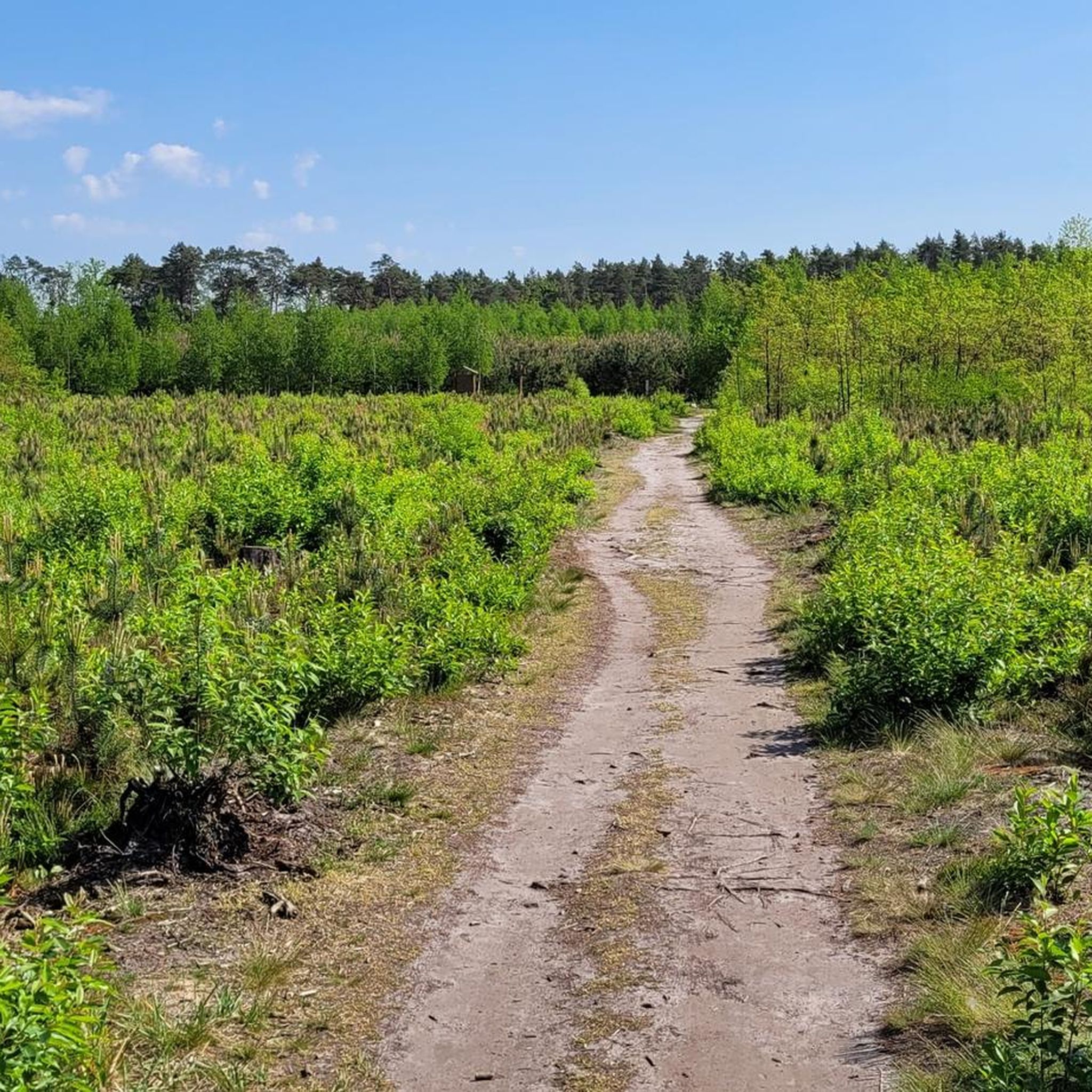
Hike the easy 2.6-mile Educational trail "Wokół Opalenia" loop in Kampinoski Park Narodowy, featuring diverse forests, dunes, and Jeziorko O
4.8
(8)
109
hikers
7.59km
01:57
40m
40m
An easy 4.7-mile hike through Las Kabacki, offering diverse nature and a scenic glade near Powsin and Warszawa Dawidy.
4.8
(11)
80
hikers
4.59km
01:10
10m
10m
Hike the 2.9-mile Path Around Czerniakowskie Lake, a moderate route through a nature reserve, perfect for enjoying Warsaw's natural beauty.
Get access to more routes and recommendations from other explorers.
Already have an account?
Our route recommendations are based on thousands of hikes, rides, and runs completed by other people on komoot.
Start today with a free account
Your next adventure awaits.


Other adventures around Warszawa

Tips from the Community


Don't expect a long section on this footbridge :)
0
0

This is a small clearing, the larger one with shelters and a fire pit is located to the southwest of here.
1
0
Kabacki Forest named after Stefan Starzyński – a forest park and nature reserve located in the southern part of Warsaw. It stretches for 4-5 km and 2.5-3 km wide. From the south it borders the Piaseczno and Konstancin-Jeziorna Communes, from the north with the currently greatly expanded Ursynów, and from the west with Puławska Street. The area of this complex is 924.72 ha.
3
0

Cool - although quite short - footbridges in the Bemowo forest.
1
0

But I have never seen Moose there, and I go there quite often.
0
0
Lake Czerniakowskie has an area of approximately 19.5 ha[5]. It is the largest natural water reservoir in Warsaw[5]. It is approximately 1,780 m long and 100–180 m wide[5]. The average depth is 2.5 m and the maximum is 3.75 m[5]. The water drains through a covered canal regulated by a fence on the street. Wolicka[5]. More: https://pl.wikipedia.org/wiki/Rezerwat_przyrody_Jeziorko_Czerniakowskie
1
0

Polana Opaleń is a good place for a weekend camping for Warsaw residents commuting to Kampinos from Wola and Bemowo. There is a large, free car park next to the clearing. You can also take bus 110 from Marymont metro station.
0
0
Frequently Asked Questions
How many hiking trails are available around Warszawa?
There are over 1,450 hiking routes around Warszawa, catering to various skill levels. The majority, more than 1,060, are easy, while about 370 are moderate, and 15 are more challenging.
What kind of landscapes can I expect to see while hiking near Warszawa?
Hiking around Warszawa offers diverse landscapes, including dense woodlands, unique inland dunes, and riverine ecosystems. You can explore areas like Kampinos National Park, known for its swamps and inland dunes, or the extensive green spaces of Kabaty Forest and Mazowiecki Landscape Park. The Vistula River also provides ecological corridors with accessible outdoor experiences.
Are there any family-friendly hiking trails in the Warszawa area?
Yes, many trails around Warszawa are suitable for families. The region's generally flat terrain and numerous easy routes make it ideal for all ages. For example, the Wokół Opalenia Educational Trail is an easy 4.2 km path perfect for a family outing.
Can I bring my dog on the hiking trails around Warszawa?
Many natural areas and parks around Warszawa are dog-friendly, but it's always best to check specific park regulations, especially in national parks like Kampinos, where dogs might be restricted to certain trails or require leashes. Urban green spaces like Kabaty Forest often welcome leashed dogs.
What is the best time of year for hiking near Warszawa?
Spring and autumn are generally the best seasons for hiking around Warszawa. Spring brings blooming flora and mild temperatures, while autumn offers beautiful foliage. Summer can be pleasant, but some trails might be more crowded. Winter hiking is also possible, especially in the woodlands, though conditions can be cold and snowy.
Are there any circular hiking routes available?
Yes, there are many circular routes. A popular option is Pętla Fort Radiowo - Rezerwat Łosiowe Błota, an easy 6 km loop that takes you through a natural reserve. Another great choice is the Wokół Opalenia Educational Trail, which is a 4.2 km loop.
What kind of wildlife can I spot while hiking in the region?
The region is rich in wildlife, especially in areas like Kampinos National Park, where you might spot moose, deer, lynx, and various bird species. Kabaty Forest is home to deer, foxes, and diverse birdlife. The Vistula River ecosystems also support a variety of bird species.
Are there any hiking trails accessible by public transport from Warszawa?
Yes, many green spaces and natural areas are well-connected by public transport. For instance, Kabaty Forest is easily reachable from the city, and areas within Mazowiecki Landscape Park might also have public transport access points. The Powsin - Warszawa Dawidy Trail connects two districts, making it accessible for those relying on public transport.
Where can I find parking for hiking trails near Warszawa?
Many popular hiking areas, especially those further from the city center like Kampinos National Park or Mazowiecki Landscape Park, offer designated parking lots at trailheads. For urban parks like Kabaty Forest, street parking or smaller parking areas might be available nearby. It's advisable to check specific trail information for parking details.
What do other hikers enjoy most about hiking in Warszawa?
The komoot community highly rates hiking in Warszawa, with an average score of 4.6 stars from over 600 reviews. Hikers often praise the accessibility of nature from the city, the diverse landscapes ranging from dense woodlands to unique inland dunes, and the well-maintained paths that cater to all ability levels.
Are there any lakes or natural attractions to see along the hiking routes?
Yes, the region features several beautiful lakes and natural attractions. You can explore the protected area around Czerniakowskie Lake, or visit other highlights like Torfy Lake, Komorowski Reservoir, or the Raszyn Ponds Nature Reserve. These spots offer tranquil water features and opportunities for nature observation.
Are there any cafes or restaurants near the hiking trails?
While many trails are in natural, undeveloped areas, some popular spots, especially near the entrances of larger parks or in suburban areas, may have cafes or small restaurants. For example, areas bordering Kampinos National Park or near urban green spaces like Kabaty Forest might offer dining options. It's a good idea to pack snacks and water, especially for longer routes.
Most popular routes around Warszawa
Most popular attractions around Warszawa

Get inspired with the komoot mobile app


Explore more
Browse the best Hikes in other regions.
