Top 5 Castles around St. Juliot
Castles around St. Juliot are closely associated with the prominent Tintagel Castle, a significant historical site located nearby on the North Cornwall coast. This area features dramatic cliff-top fortifications and a rugged coastline. The region's history includes evidence of Romano-British settlements and medieval construction, offering a landscape rich in historical exploration.
Best castles around St. Juliot
- The most popular castles is Tintagel Castle and Merlin's Cave, a castle that has been linked to Arthurian legends since Geoffrey of Monmouth mentioned it as the place of Arthur's conception. It is famously associated with the legend of King Arthur and offers views onto the craggy coast.
- Another must-see spot is Tintagel Castle Bridge, a viewpoint. To access both halves of the ruins of Tintagel Castle, which sits on its own tiny peninsula as well as on the Cornish mainland, visitors cross this modern steel bridge. This bridge provides photo opportunities of the castle and the coastline.
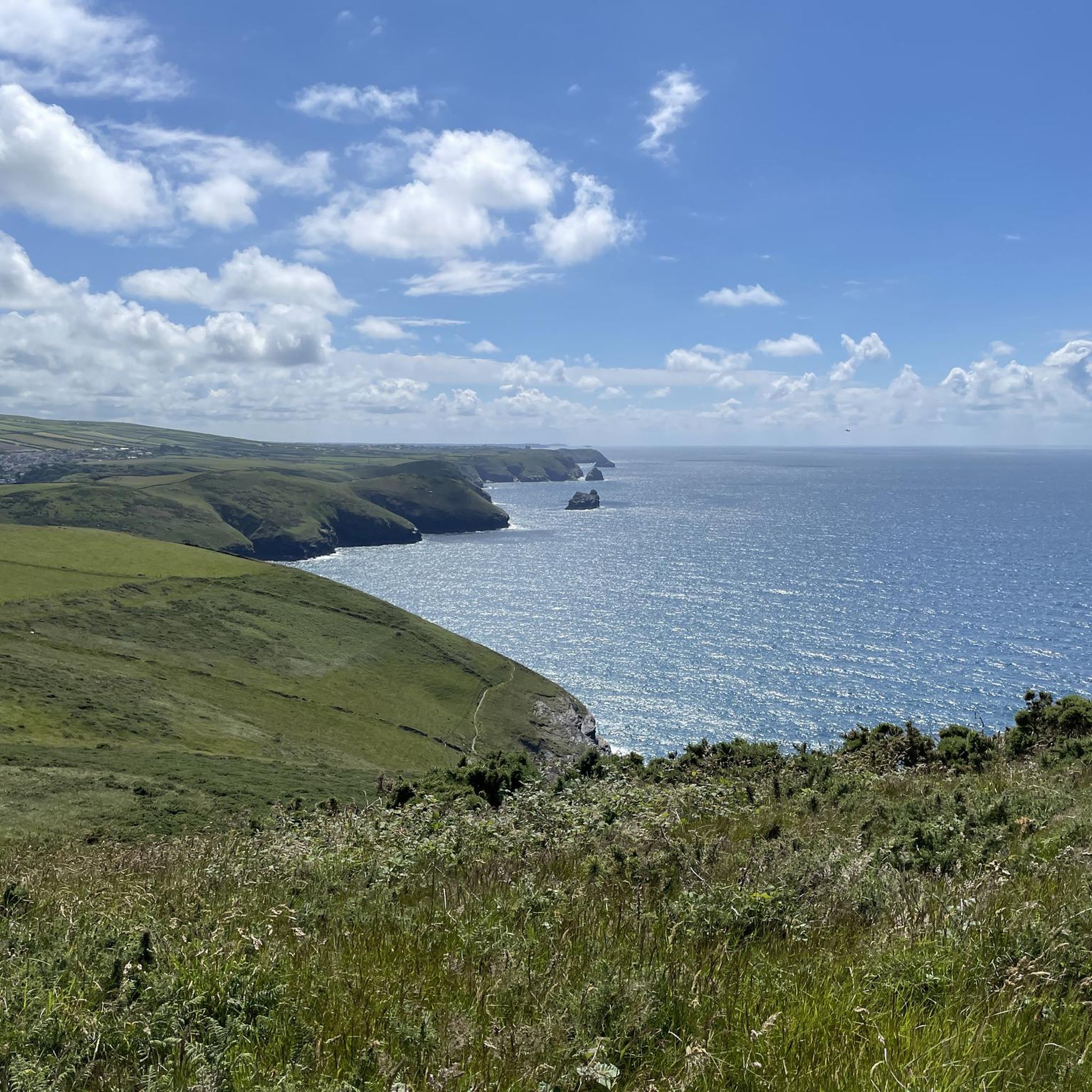
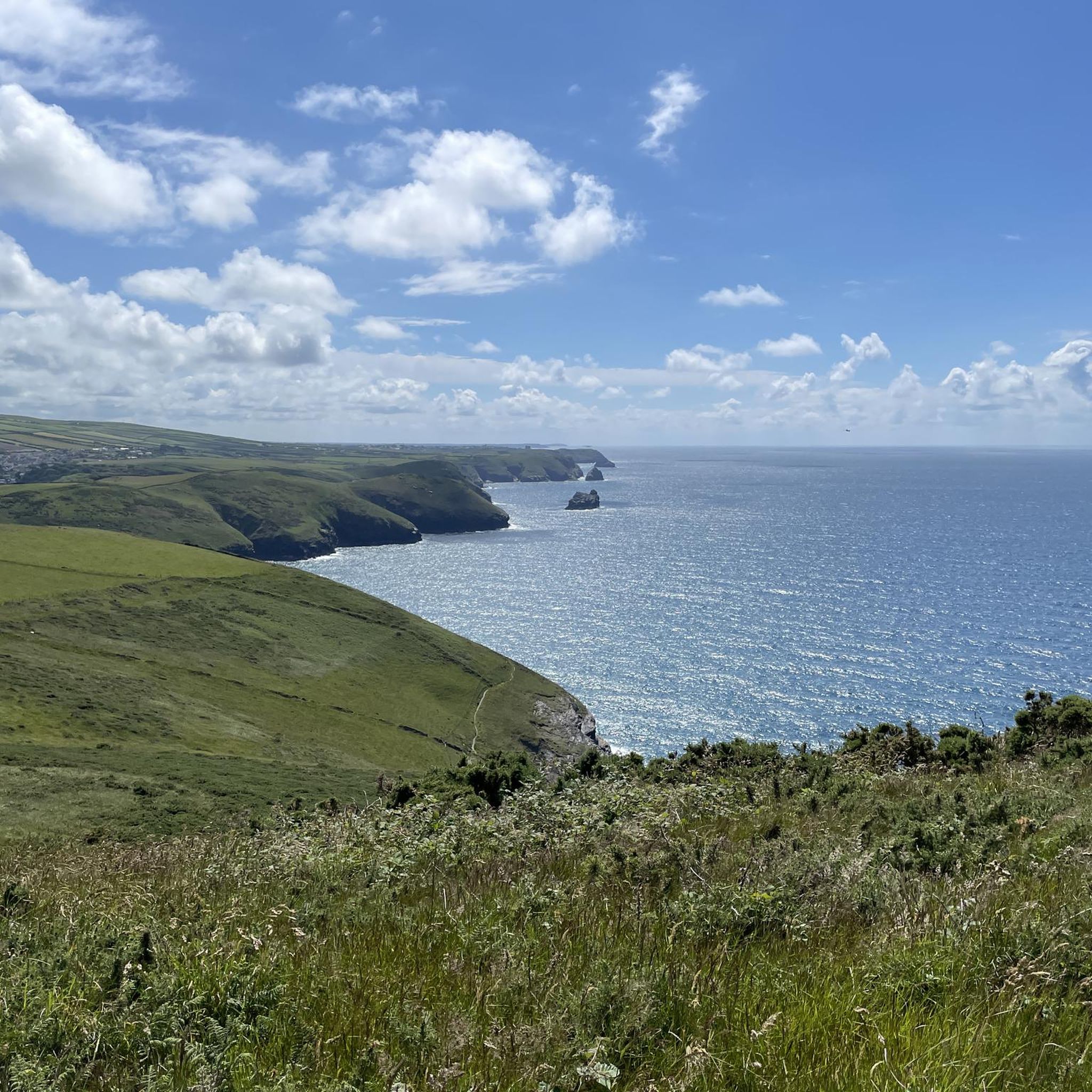
- Visitors also love Barras Nose, a viewpoint. From Barras Nose, one can look south west towards Tintagel Castle or north east towards The Sisters. This headland offers panoramic views of the Tintagel rock and the coastline.
- St. Juliot is known for medieval fortifications and historical sites. The area offers ruins, dramatic coastal settings, and sites linked to historical legends.
- The castles around St. Juliot are appreciated by the komoot community, with more than 200 photos and over 200 upvotes.
Last updated: August 24, 2026
Tintagel Castle and Merlin's Cave
Highlight • Castle
For opening times of the café, exhibitions, further details and admission fees see here: english-heritage.org.uk/daysout/properties/tintagel-castle
Tip by

Tintagel Castle Bridge
Highlight • Viewpoint
This bridge is also a great spot to get photos of the castle and the coastline, as long as you don't have a fear of heights! Access to the bridge is included when you buy a ticket to visit the castle, which is worth doing if you want to find out if King Arthur really did call this corner of Cornwall home...
Tip by

Sign up now to discover places like this
Get recommendations on the best single tracks, peaks, & plenty of other exciting outdoor places.
Sign up for free
Tintagel Castle
Highlight • Castle
There are plenty of amenities in the village, with cafes, pubs, bakeries and places to stay. Tintagel's Cornish name, Tre war Venydh, means 'Village on the Mountain'.
Tip by

Gallos Statue at Tintagel Castle
Highlight • Monument
Tip by

Barras Nose
Highlight • Viewpoint
The headland was the first coastal area to be acquired by the National Trust, back in 1896 for the price of £505.
Tip by

Sign up for free to discover even more castles around St. Juliot.
Sign up for free
Already have an account?
Start today with a free account
Your next adventure awaits.
Login or Signup
Tips from the Community


An excellent example of metal sculpture work
0
0


Gallos, an impressing bronze staue, standing on the highest point of tintagel castle with an outstanding view over the coast and ocean
0
0

A little further away from the hustle and bustle of the crowds, you have a very nice view of the Tintagel rock from here
1
0

Wildly romantic! Like in Rosamunde Pilcher films🥰 Small ruin with sea and Arthurian legend
0
0

So in strong winds the bridge is closed. However, the rune can also be seen very clearly from Hotel Camelot and at the café below the peninsula.
0
0
Lovely little village with the attraction of Tintagel Castle. The view is fantastic.
1
0
Frequently Asked Questions
What kind of castles can I expect to see around St. Juliot?
The area around St. Juliot is primarily known for its dramatic medieval fortifications and historical sites, most notably Tintagel Castle. These are largely ruins set in stunning coastal landscapes, offering a blend of history and natural beauty. You'll find sites with rich historical layers, from Romano-British settlements to 13th-century constructions, often linked to legendary tales.
Are there any castles associated with King Arthur near St. Juliot?
Yes, Tintagel Castle is famously associated with the legend of King Arthur. 12th-century writer Geoffrey of Monmouth named it as the place of Arthur's conception, and its mythical connection continues to draw visitors fascinated by the tales of King Arthur and Merlin. You can also explore Merlin's Cave at the base of the cliffs beneath the castle.
What are the best viewpoints to see Tintagel Castle and the coastline?
For breathtaking panoramic views of Tintagel Castle and the rugged coastline, consider visiting Barras Nose. This headland offers excellent vantage points looking towards the castle. Additionally, crossing the Tintagel Castle Bridge provides unique photo opportunities of the castle and the sea, especially if you don't have a fear of heights.
Is Tintagel Castle suitable for families with children?
Tintagel Castle offers an exciting experience for families, especially those interested in history and legends. Children will enjoy exploring the ruins, crossing the dramatic bridge, and hearing the tales of King Arthur. However, be aware that the site involves steep climbs and many stairs, which might be challenging for very young children or those with limited mobility. There are also walking trails to explore coastal wildlife.
Are there any statues or unique art installations at Tintagel Castle?
Yes, within the ruins of Tintagel Castle, you can find the striking Gallos Statue. This life-sized bronze sculpture, meaning 'power' in Cornish, is inspired by the King Arthur legend and Tintagel's royal past. It stands at 8 feet tall and provides a superb foreground for ocean views. Access to this section, which requires a climb, can be enjoyed for free.
What kind of outdoor activities can I do near the castles around St. Juliot?
The area around St. Juliot offers fantastic opportunities for outdoor activities, particularly hiking. You can find various trails, including easy walks and more challenging routes. For example, there are routes like the 'Willapark Lookout, Minster Woods & Valency Valley loop' or the 'Tintagel Castle loop'. You can explore more hiking options in the Hiking around St. Juliot guide and Easy hikes around St. Juliot guide. Mountain biking trails are also available; check the MTB Trails around St. Juliot guide for details.
What is the best time of year to visit the castles near St. Juliot?
The castles, particularly Tintagel Castle, are best visited on sunny days to fully appreciate the breathtaking coastal views. Spring and summer offer milder weather and longer daylight hours, ideal for exploring the ruins and walking trails. However, the dramatic scenery can be equally captivating in autumn or even a crisp winter day, though some facilities might have reduced hours. Always check opening times before your visit.
Are there any challenging sections when visiting Tintagel Castle?
Yes, visiting Tintagel Castle involves steep climbs and many stairs, especially when exploring the various parts of the ruins and accessing areas like the Medieval Castle Landing Gate. A good level of stamina is recommended. The site's dramatic cliff-top location means uneven terrain and exposed paths, so comfortable and sturdy footwear is essential.
Do I need to pay an entrance fee to visit Tintagel Castle?
Yes, there is an entry fee to access Tintagel Castle and to cross the Tintagel Castle Bridge. This fee contributes to the preservation and maintenance of this significant historical site. For current admission fees and opening times, it is advisable to check the official English Heritage website: english-heritage.org.uk.
What should I wear for a visit to the castles around St. Juliot?
Given the coastal location and the nature of the ruins, it's best to wear comfortable, sturdy walking shoes or boots, as there are steep climbs, uneven paths, and many stairs. Layers of clothing are recommended, as the weather can change quickly, especially on the exposed cliffs. A waterproof jacket is also advisable, regardless of the season.
What do visitors enjoy most about the castles near St. Juliot?
Visitors frequently highlight the breathtaking views of the rugged Cornish coast and the dramatic setting of Tintagel Castle. The profound connection to Arthurian legends and the sense of history are also major draws. Many appreciate the unique experience of crossing the Tintagel Castle Bridge and exploring the atmospheric ruins, despite the challenging climbs.
Most popular attractions around St. Juliot

Get inspired with the komoot mobile app


Explore more
Looking for the best castles somewhere else? Discover other guides around St. Juliot:
