Top 5 Castles around Bywell
Castles around Bywell offer a glimpse into Northumberland's rich history, situated along the River Tyne. This area features significant historical structures, including medieval fortifications and elegant 18th-century manor houses. The landscape combines historical sites with natural beauty, providing diverse exploration opportunities. Visitors can explore various architectural styles and historical periods within a compact region.
Best castles around Bywell
- The most popular castles is Beaufront Castle Gatehouse, a historical site and castle that serves as the gateway to Beaufront Castle, a 19th-century Castellated Gothic Revival manor house. It incorporates older elements, including a 17th-century house and a pele tower recorded in 1415.
- Another must-see spot is The Moot Hall, Hexham, a medieval gatehouse and historical site. This Grade I listed building dates from around 1379 and served as the Hexhamshire Courthouse until 1572.
- Visitors also love Bywell Castle, a historical site and castle built by the Neville family in 1430. Although never completed, its three-story gatehouse and curtain wall remnants are still visible, and it provided refuge to King Henry VI in 1464.
- Bywell is known for its medieval fortifications, 19th-century Gothic Revival castles, and historical gatehouses. The area offers a variety of castles to see and explore, showcasing different architectural periods and historical significance.
- The castles around Bywell are appreciated by the komoot community, with 20 upvotes and 6 photos shared by visitors.
Last updated: May 2, 2026
The Moot Hall, Hexham
Highlight • Historical Site
Translated by Google •
Tip by

Beaufront Castle Gatehouse
Highlight • Historical Site
The gatehouse is believed to be part of this historic structure and served as both ceremonial and functional access to the estate. It stands on a site where a pele tower—a fortified tower house that was later incorporated into the manor house—was mentioned as early as 1415.
Translated by Google •
Tip by
Sign up now to discover places like this
Get recommendations on the best single tracks, peaks, & plenty of other exciting outdoor places.
Sign up for free
Aydon Castle
Highlight • Historical Site
Today, you can visit the beautiful castle, set amongst secluded woodland. It is open daily from 10am - 6pm. Entrance for adults costs £5.70. You can find more information, here: english-heritage.org.uk/visit/places/aydon-castle
Tip by

Bywell Castle
Highlight • Historical Site
Tip by
Dilston Physic Garden
Highlight • Natural
Tip by

Sign up for free to discover even more castles around Bywell.
Sign up for free
Already have an account?
Start today with a free account
Your next adventure awaits.
Login or Signup

Tips from the Community

The Beaufront Castle Gatehouse is the gateway to the impressive Beaufront Castle, a Grade I listed manor house in Northumberland, near Hexham. Although the castle itself was built between 1836 and 1841 in the Castellated Gothic Revival style by architect John Dobson, the complex contains older elements such as a clock tower with a bell dating from 1694 and parts of a 17th-century house belonging to the Errington family. The gatehouse is believed to be part of this historic structure and served as both ceremonial and functional access to the estate. It stands on a site where a pele tower—a fortified tower house that was later incorporated into the manor house—was mentioned as early as 1415.
8
0
Hexham Moot Hall is an impressive medieval gatehouse dating from around 1379, situated on the east side of the Market Place. It was built by order of the Archbishop of York, Alexander Neville, as a gateway to the walled complex surrounding the Old Gaol. A Grade I listed building, it is one of the best-preserved medieval courthouses in Northern England. It comprises a four-story tower with a vaulted doorway on the ground floor and a courtroom on the first floor. The tower features Gothic windows, a machicolated parapet, and a three-story annex with a stepped gable. It served as the Hexhamshire Courthouse until 1572, and then for the midsummer quarter sessions until 1838.
8
0

This is a 2-acre physic garden set in natural habitat featuring 700 signposted European medicinal plants.
0
0


This hall was built in the 14th or early 15th century. It is on the site of an earlier (pre-1355) Moot Hall. It also housed a chapel, gaol and until 1838 a court. https://historicengland.org.uk/services-skills/education/educational-images/the-moot-hall-hexham-7395
0
0

1800s castle and gatehouse. Peel Tower recorded on the site in 1415
1
0

Frequently Asked Questions
What are the most notable castles and historical sites to visit around Bywell?
The region around Bywell features several significant historical sites. You can explore the impressive Beaufront Castle Gatehouse, which serves as the entrance to a 19th-century Castellated Gothic Revival manor house and incorporates older elements like a 15th-century pele tower. Another must-see is The Moot Hall, Hexham, a medieval gatehouse dating from around 1379 that once served as a courthouse. While Bywell Castle is privately owned, its impressive gatehouse can be viewed from the roadside. Additionally, Aydon Castle offers a well-preserved example of a 13th-century fortified manor house.
Can I visit Bywell Castle?
Bywell Castle is privately owned and not typically open to the public. However, its impressive three-story fortified gatehouse and remnants of its curtain wall can be viewed from the roadside and the nearby churchyard, offering a glimpse into its medieval past.
Are there other historical buildings near Bywell Castle that are open to visitors?
Yes, Bywell Hall, an elegant 18th-century Georgian mansion, is located nearby. It offers guided tours on selected dates, allowing visitors to explore its state rooms and admire its collection of art and furniture. The village of Bywell also features two historic Anglo-Saxon churches.
What is the best time of year to visit the castles around Bywell?
The best time to visit is generally during the spring and summer months (April to September) when the weather is milder and daylight hours are longer, making it ideal for exploring both the historical sites and the surrounding natural beauty. Some attractions, like Bywell Hall, offer tours on selected dates, so checking their schedules in advance is recommended.
Are there family-friendly castles or attractions in the Bywell area?
Yes, Aydon Castle is noted as family-friendly, offering an intact 13th-century manor house to explore. The Beaufront Castle Gatehouse area can also be enjoyed by families. Additionally, the nearby Dilston Physic Garden is a family-friendly natural attraction.
What outdoor activities can I do near the castles around Bywell?
The area around Bywell offers various outdoor activities. You can find numerous hiking trails, including easy hikes around Bywell, such as the 'View of Prudhoe Castle – Prudhoe Spetchells loop from Prudhoe'. There are also MTB trails and gravel biking routes available. For more details on routes, you can explore the Easy hikes around Bywell, MTB Trails around Bywell, and Gravel biking around Bywell guides.
Are there walking trails around Bywell Castle?
While Bywell Castle itself is private, the surrounding area offers picturesque walking opportunities along the River Tyne and through the village. You can view the castle from public footpaths and the churchyard. For specific walking routes, consider exploring the 'Easy hikes around Bywell' guide for trails in the broader region.
Where can I park when visiting the Bywell area and its historical sites?
Parking in Bywell village is typically available, though it can be limited. For specific sites like Bywell Castle, viewing is generally from the roadside or churchyard, where parking might be informal. For other attractions like Aydon Castle or Hexham's Moot Hall, dedicated parking facilities or nearby public car parks are usually available. It's advisable to check specific venue websites for the most accurate parking information.
Are there cafes or pubs near the castles in Bywell for refreshments?
Bywell itself is a small village with limited amenities. For cafes, pubs, and more extensive dining options, you would typically need to venture to nearby towns such as Hexham or Corbridge, which are a short drive away and offer a wider selection of places to eat and drink.
What natural features can I see near the castles around Bywell?
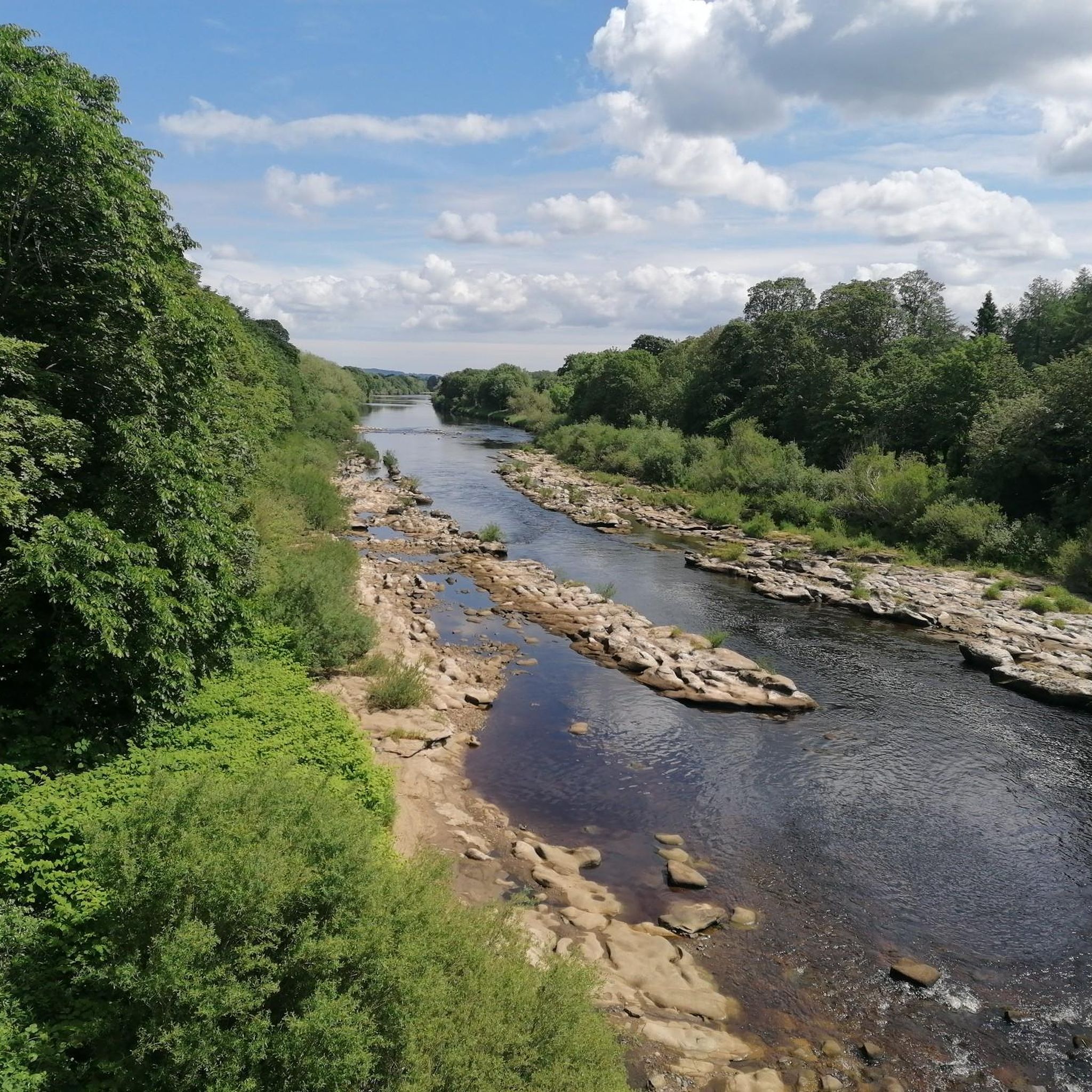
The castles around Bywell are situated along the north bank of the River Tyne, offering scenic riverside views. The area is characterized by its natural beauty, including extensive parkland around Bywell Hall. The Dilston Physic Garden is also a notable natural attraction nearby, featuring 700 signposted European medicinal plants.
How accessible are the castles around Bywell for visitors with mobility concerns?
Accessibility varies greatly between sites. Bywell Castle, being privately owned and viewed from the roadside, may offer limited accessibility beyond visual observation. The Moot Hall, Hexham, as a medieval building, may have stairs and uneven surfaces. For specific accessibility information, especially for sites like Aydon Castle or Bywell Hall (during tours), it is best to consult their official websites directly before your visit.
Most popular attractions around Bywell

Get inspired with the komoot mobile app


Explore more
Looking for the best castles somewhere else? Discover other guides around Bywell:
