The best gravel rides around Bywell
4.1
(11)
36
riders
8
rides
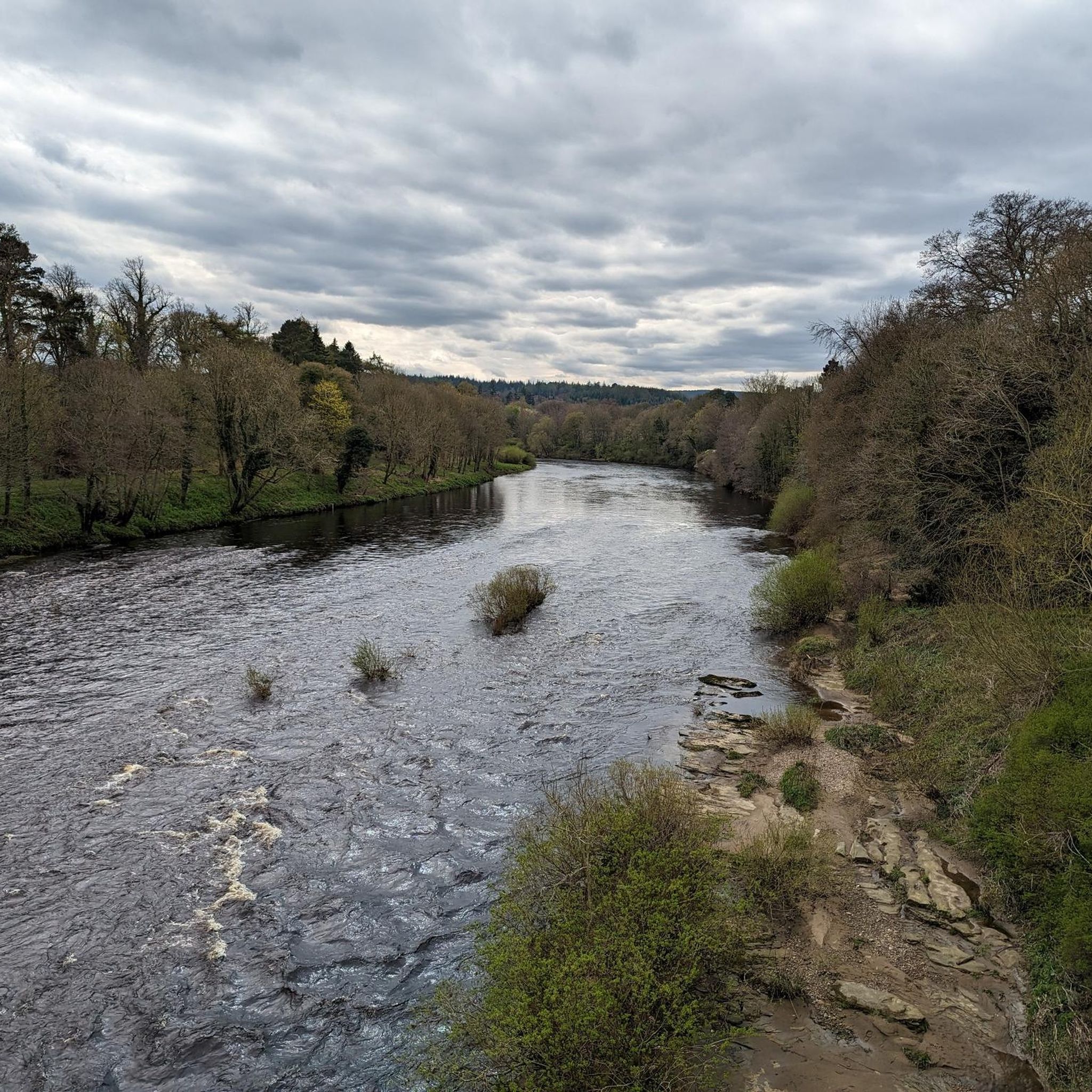
Gravel biking around Bywell offers routes through the rural landscape of Northumberland, characterized by rolling hills, river valleys, and agricultural land. The area features a network of quiet country roads, bridleways, and forest tracks suitable for gravel cycling. Elevations are generally moderate, with some routes including longer climbs through varied terrain.
Best gravel bike trails around Bywell
- The most popular gravel bike trail is Blanchland Village – Derwent Reservoir loop from Hexham, a 30.2 miles (48.6 km) trail that…
Last updated: July 3, 2026
2.7
(3)
11
riders
48.6km
03:09
800m
800m
Hard gravel ride. Very good fitness required. Mostly paved surfaces. Suitable for all skill levels.
2.0
(2)
6
riders
41.9km
02:49
770m
770m
Hard gravel ride. Very good fitness required. Mostly paved surfaces. Suitable for all skill levels.

Sign up for free
4.8
(4)
7
riders
31.6km
02:27
610m
610m
Hard gravel ride. Very good fitness required. Mostly paved surfaces. Suitable for all skill levels.
5.0
(1)
6
riders
45.6km
03:06
540m
540m
Hard gravel ride. Very good fitness required. Mostly paved surfaces. Suitable for all skill levels.
4.0
(1)
5
riders
23.7km
01:44
330m
330m
Moderate gravel ride. Good fitness required. Mostly paved surfaces. Suitable for all skill levels.
Get access to more routes and recommendations from other explorers.
Sign up for free
Already have an account?
Our route recommendations are based on thousands of hikes, rides, and runs completed by other people on komoot.
Start today with a free account
Your next adventure awaits.
Login or Signup
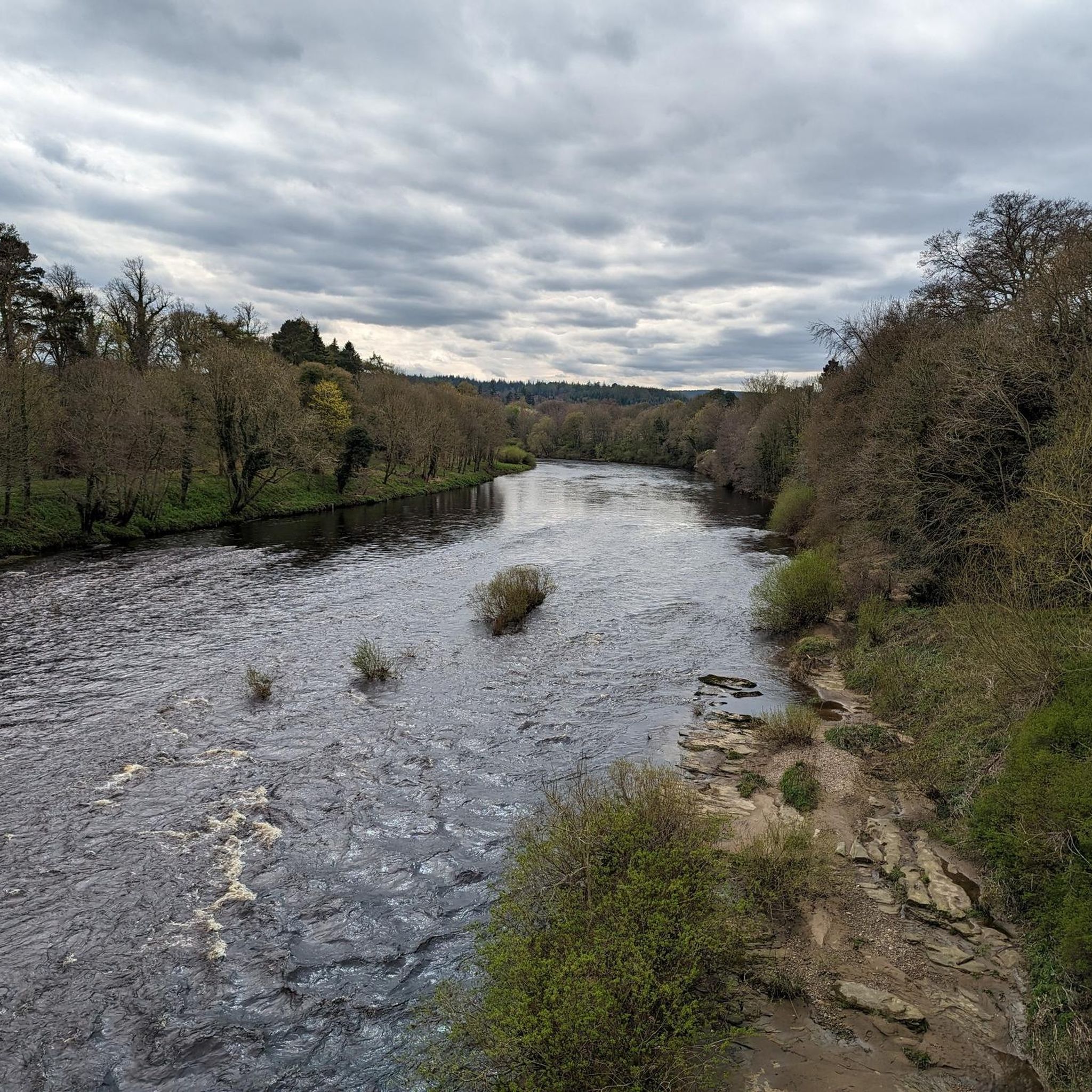
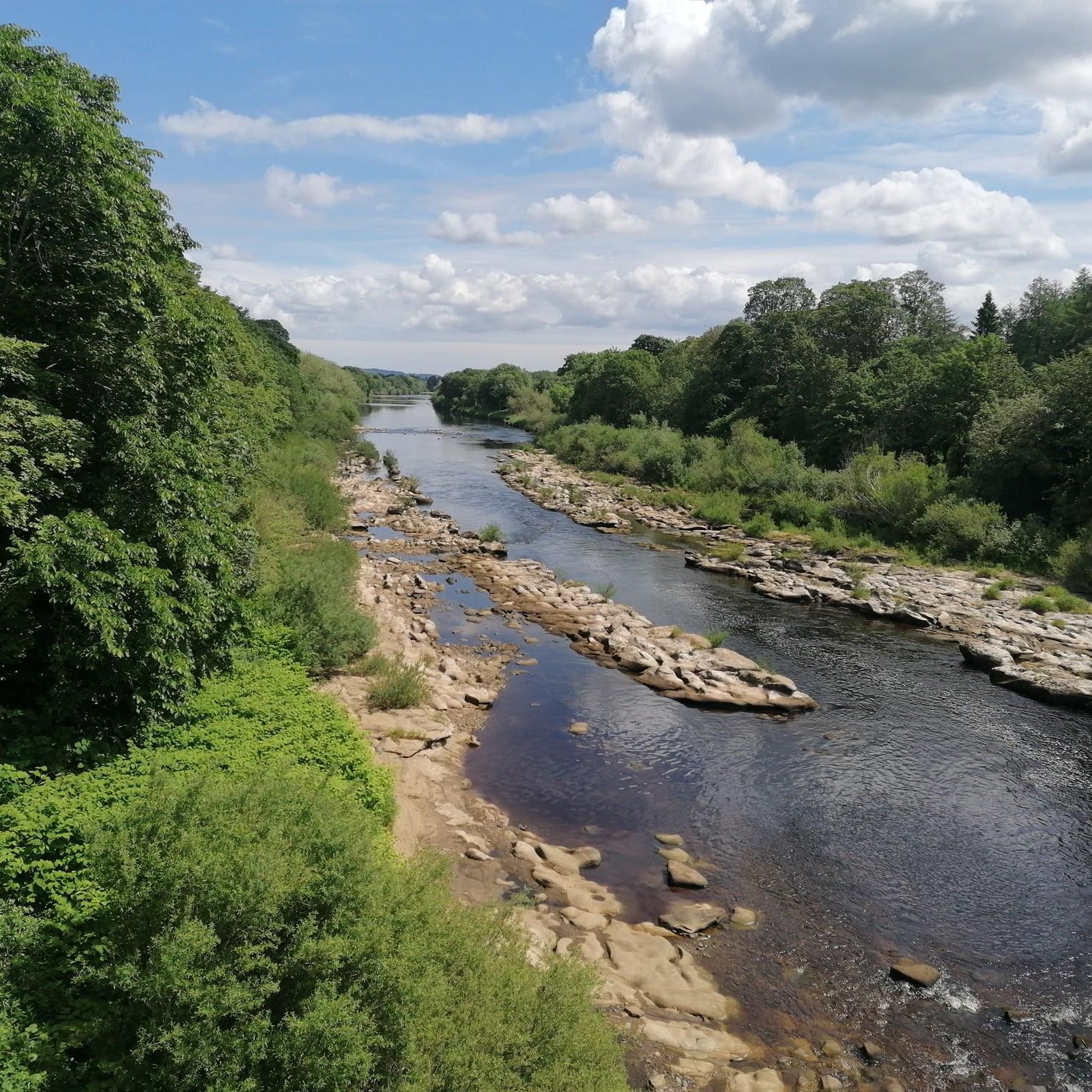
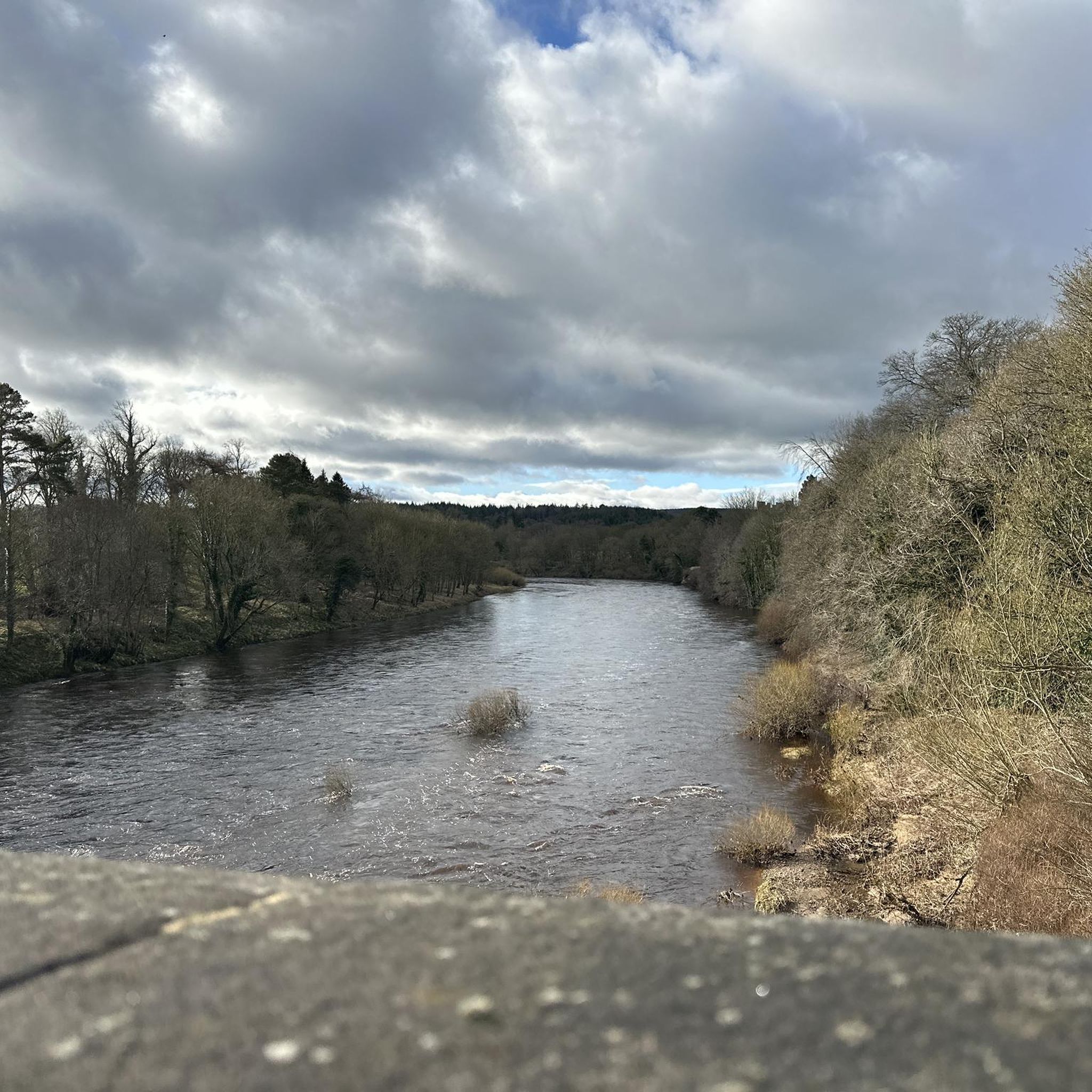
Tips from the Community

Some great tracks and a mix of single and double. Some can be abused by motocrossers or 4WD so some of them are badly rutted
0
0
Can be pretty rutted after rain and motocrossers churning up the surface
0
0

Dunston Staithes is an impressive 526-meter-long wooden structure on the River Tyne in Gateshead, England, built in 1893 by the North Eastern Railway to efficiently load coal onto ships for export worldwide. Constructed of North American pitch pine, the structure was once the heart of the region's coal industry, processing up to 140,000 tons of coal per week in the 1920s. After closing in 1980, it fell into disrepair but reopened in 1990 as a heritage site during the Gateshead Garden Festival. Despite repeated fire damage and restoration, it remains a listed building and a rare example of industrial architecture.
9
0
Hexham Abbey is one of England's oldest and most impressive churches. The abbey was originally founded in 674 AD by St. Wilfrid, using stones from nearby Roman ruins. The oldest part—the Saxon crypt—is still intact and represents a rare remnant of early Christian architecture. Inside, you'll find stained glass, the Roman tombstone of Flavinus, a 1st-century standard-bearer, an impressive Phelps organ from 1974, and a frith stool (Saxon bishop's chair). Admission to the abbey is free, with a small charge for the crypt.
9
0

About the patron saint of this church: Saint Andrew is one of the twelve apostles whom Jesus Christ called to follow him. However, in the biblical accounts, he is often somewhat overshadowed by his far more famous brother, Saint Peter. In the Gospels, we find the calling of the two siblings portrayed in different ways. According to the Gospel of John (John 1:40-42), Andrew is called first (together with another unnamed disciple). Later, he tells his brother that he has found the Messiah. The feast of Saint Andrew in the calendar of saints is November 30th in all major Christian denominations. The X-shaped white "St. Andrew's Cross," on which he was executed, forms the national flag of Scotland against a blue background and has also found its way onto the national flag of the United Kingdom of Great Britain.
4
0


Frequently Asked Questions
How many gravel bike trails are available around Bywell?
There are over 10 gravel bike routes available around Bywell, offering a variety of experiences for different skill levels. These routes are highly rated by the komoot community, with an average score of 4.25 stars.
What is the overall difficulty level of gravel biking in Bywell?
Gravel biking in Bywell offers a mix of difficulties. You'll find 1 easy route, 4 moderate routes, and 8 difficult routes. This variety ensures options for both beginners and experienced riders looking for a challenge.
Are there any easy gravel bike routes suitable for beginners in Bywell?
Yes, beginners can enjoy the Wylam Bridge – Keelman's Way loop from Wylam. This easy 12.2-mile (19.6 km) route takes about 1 hour 20 minutes to complete and follows river valleys, offering a less strenuous option on established paths.
Can I find circular gravel bike routes around Bywell?
Many of the gravel bike routes around Bywell are designed as loops, allowing you to start and finish in the same location. Examples include the challenging Wylam Bridge – Derwent Walk loop from Stocksfield and the easier Wylam Bridge – Keelman's Way loop from Wylam.
What are some longer gravel bike routes around Bywell?
For a longer ride, consider the Wylam Bridge – Derwent Walk loop from Stocksfield, which spans 64.5 miles (103.8 km) and typically takes around 7 hours 36 minutes. Another substantial option is the Blanchland Village – Derwent Reservoir loop from Hexham, a 30.2-mile (48.6 km) route with significant climbing.
Are there family-friendly gravel biking options in Bywell?
Routes that follow river valleys and use established paths are generally more suitable for families. The Wylam Bridge – Keelman's Way loop from Wylam is an easy option that could be enjoyed by families, offering a less strenuous ride along the river.
What kind of scenery can I expect on the gravel trails in Bywell?
The gravel trails in Bywell traverse a diverse landscape of rolling hills, tranquil river valleys, and agricultural land. You'll also find sections through forest tracks, offering varied natural beauty and scenic viewpoints, particularly along the River Tyne and Derwent.
Are there any interesting landmarks or attractions along the gravel bike routes?
Yes, several routes pass by notable landmarks. For instance, some trails go near the Derwent Reservoir. Other attractions in the wider area include Hexham Abbey and Hagg Bank Bridge, offering historical and natural points of interest.
What is the best time of year for gravel biking in Bywell?
The rural landscape of Bywell is enjoyable throughout the warmer months, from spring to autumn, when the weather is generally milder and trails are drier. However, the region's network of quiet country roads and forest tracks can be ridden year-round, with appropriate gear for winter conditions.
Are dogs allowed on the gravel trails in Bywell?
Many public bridleways and forest tracks in the UK are dog-friendly, provided dogs are kept under control, especially around livestock. Always check local signage and respect private land. For specific routes, it's advisable to check individual tour descriptions for any restrictions.
Are there any routes that pass through or near Slaley Forest?
Yes, the Slaley Forest – Hexham Abbey loop from Hexham is a challenging 31.9-mile (51.4 km) route that takes you through Slaley Forest, offering a mix of forest tracks and scenic views, before heading towards Hexham Abbey.
What kind of terrain can I expect on the gravel trails?
The gravel trails around Bywell feature a varied terrain, including quiet country roads, dedicated bridleways, and sections of forest tracks. You'll encounter rolling hills and river valleys, with some routes including longer climbs that add to the challenge.
Most popular attractions around Bywell

Get inspired with the komoot mobile app


Explore more
Browse the best Gravel rides in other regions.
