Top 8 Castles around Colinton
Castles in Colinton Edinburgh offer a glimpse into the area's rich historical past, nestled within a village that is now part of the vibrant city. The region is characterized by its historical significance, including connections to figures like Mary Queen of Scots. While Colinton Castle itself stands as a picturesque ruin, the broader area provides access to significant historical sites. Visitors can explore the cultural landscape and enjoy the natural surroundings, including the Water of Leith walkway.
Best castles around…
Last updated: August 9, 2026
Arthur's Seat
Highlight • Summit
Tip by

Holyrood Palace
Highlight • Historical Site
Tip by
Sign up now to discover places like this
Get recommendations on the best single tracks, peaks, & plenty of other exciting outdoor places.
Sign up for free
Edinburgh Castle
Highlight • Castle
Tip by

Bronze Horse Statue at Dalmeny House
Highlight • Monument
Tip by

Cold Town House
Highlight • Monument
Tip by
Sign up for free to discover even more castles around Colinton.
Sign up for free
Already have an account?
Start today with a free account
Your next adventure awaits.
Login or Signup
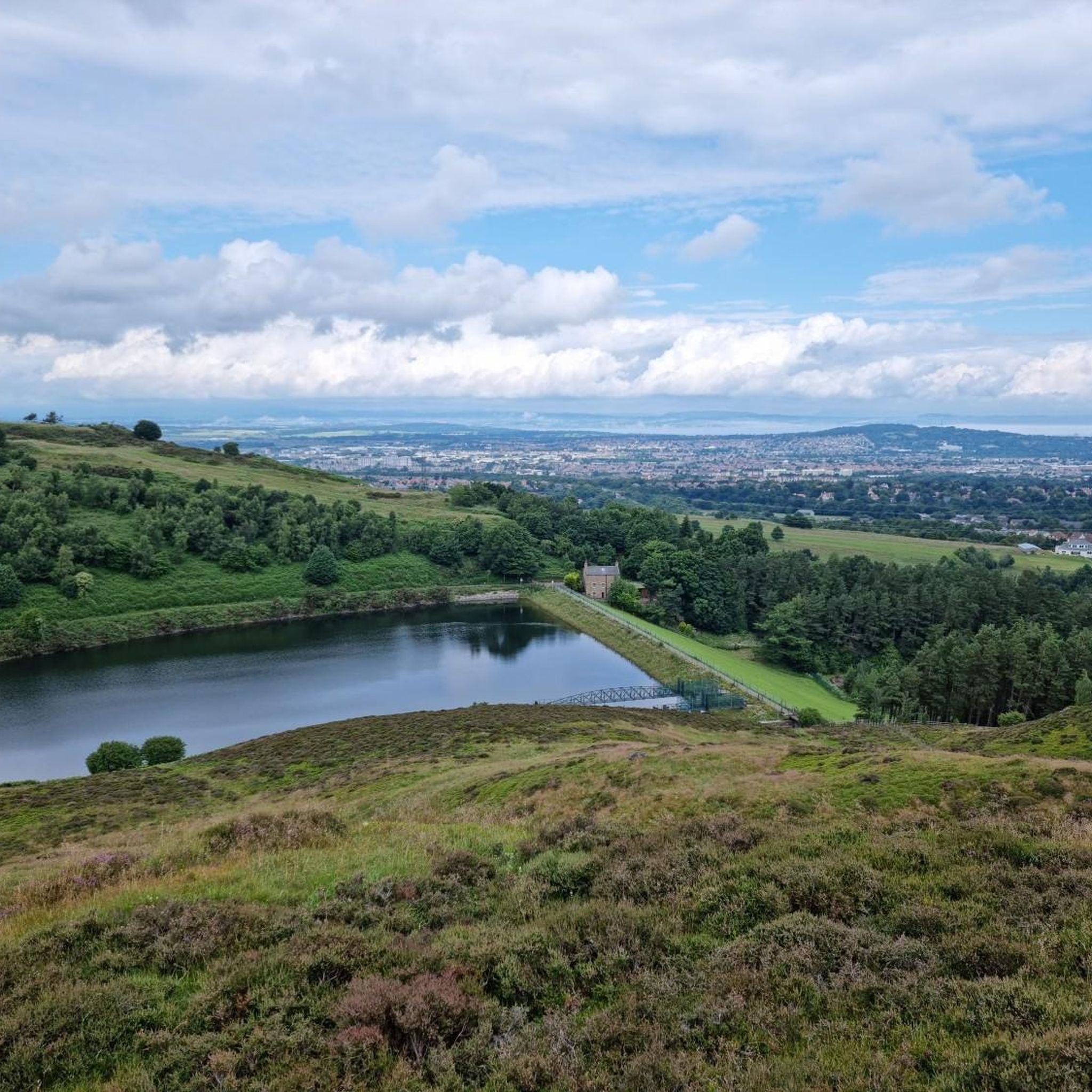
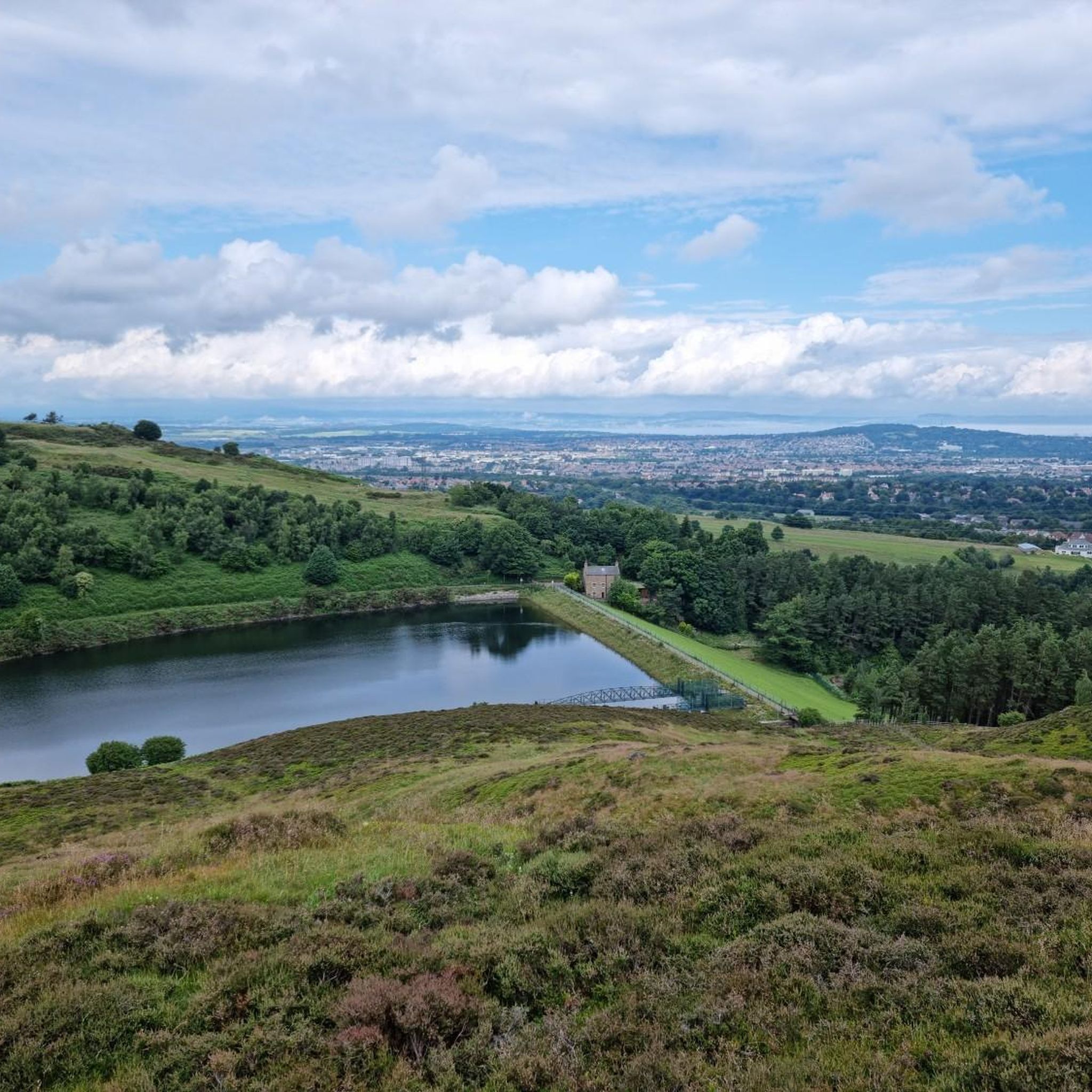
Other adventures around Colinton

Tips from the Community

Some lovely, quiet gravel trails around the edge of the estate.
0
0

Edinburgh Castle has been home to kings and queens for centuries. Queen Margaret (who later became a saint) died here in 1093. The chapel built in her honour by her son, King David I, is the oldest building in Edinburgh. St Margaret’s Chapel still hosts weddings and christenings today. The Great Hall, completed in 1511 for King James IV, hosted grand banquets and state events. But the king had little time to enjoy his new addition. James IV was killed at the Battle of Flodden in 1513, fighting English forces sent by his brother-in-law, King Henry VIII of England. Above the door to the Royal Palace are the gilt initials MAH – for Mary Queen of Scots and her second husband Henry Stewart, Lord Darnley. Mary gave birth to James VI at the Royal Palace in 1566. He became King of Scotland at the age of 13 months and united the crowns of Scotland and England in 1603. The Scottish Honours are the oldest crown jewels in the UK. Made of gold, silver and precious gems, they were created in Scotland and Italy during the reigns of James IV and James V. The crown, sceptre and sword of state were first used together to crown a monarch in 1543, when Mary Queen of Scots came to the throne. https://www.edinburghcastle.scot/the-castle/history
5
1
Edinburgh Castle is a world-famous icon of Scotland and part of Edinburgh’s Old and New Towns. Set on a massive rock, Edinburgh Castle’s strategic advantage is clear. Recognising the military potential of the site, Iron Age men built a fort on the rock. Early medieval poetry tells of a war band feasting here for a year before riding to their deaths in battle. As well as presiding over some of history’s greatest moments, the castle has suffered numerous sieges. It changed hands many times during the Wars of Independence. In 1314, the Scots retook the castle from the English in a daring night raid led by Thomas Randolph, nephew of Robert the Bruce. The castle’s defences have evolved over hundreds of years. Mons Meg, one of the largest medieval cannons ever made, was presented to King James II in 1457. The crescent battery, built in the aftermath of Lang's siege in 1573, was armed for 200 years by bronze guns known as the Seven Sisters. Six more guns defend the Argyle Battery, with an open view to the north. https://www.edinburghcastle.scot/the-castle/history
6
0
Edinburgh Castle is one of the oldest sites in Europe. With a long and rich history as a royal residence, military garrison, prison and fortress, it is alive with many exciting stories. When you climb Castle Hill, you will be walking in the footsteps of soldiers, kings and queens – and even the odd pirate or two.
4
1

"Great drinks, great food, great vibes. Fun on all 3 floors – not just the iconic Roof Terrace." - see https://coldtownhouse.co.uk
1
0

"Nowhere is Scottish identity as well-kept as in Edinburgh. Tartan, kilts and bagpipes are omnipresent. Edinburgh's old town is Scotland's number one tourist attraction. The classicist New Town, Edinburgh Castle, Holyrood House and numerous historic buildings have been declared cultural monuments." This is what it says on the ARD media library's website for the series "Treasures of the World - Heritage of Humanity". The film contribution (in German) corresponding to the highlight can be found at the following link: https://www.ardmediathek.de/video/schaetze-der-welt/edinburgh-grossbritannien-folge-139/swr/Y3JpZDovL3N3ci5kZS83MTY0MjEy
2
0
"Nowhere is Scottish identity as well-kept as in Edinburgh. Tartan, kilts and bagpipes are omnipresent. Edinburgh's old town is Scotland's number one tourist attraction. The classicist New Town, Edinburgh Castle, Holyrood House and numerous historic buildings have been declared cultural monuments." This is what it says on the ARD media library's website for the series "Treasures of the World - Heritage of Humanity". The film contribution (in German) corresponding to the highlight can be found at the following link: https://www.ardmediathek.de/video/schaetze-der-welt/edinburgh-grossbritannien-folge-139/swr/Y3JpZDovL3N3ci5kZS83MTY0MjEy
5
1

Holyroodhouse is the official residence of the King in Scotland. Today King 🤴 and Queen 👸 were present for a week. Of course you can't visit there.
5
1
Frequently Asked Questions
What is Colinton Castle and can I visit it?
Colinton Castle is a significant 16th-century L-plan tower house ruin with roots tracing back to a 12th-century structure. It was occupied and burned by Cromwell's troops in 1650. Today, it stands as a picturesque ruin within the grounds of Merchiston Castle School. While you can appreciate its historical significance and architectural remnants, it is not an intact castle for extensive indoor exploration. For more detailed history, you can visit The Castles of Scotland website.
Are there other historical castles or sites near Colinton worth visiting?
Yes, beyond Colinton Castle, the broader Edinburgh area offers several notable historical sites. You can visit Holyrood Palace, the official British royal residence in Scotland, or explore the ruins of Cammo House Ruins and Tower, a 17th-century estate now part of a Wilderness Park.
What natural landmarks or viewpoints are near the castles around Colinton?
A prominent natural landmark with historical connections is Arthur's Seat. This ancient volcano offers commanding views across the Edinburgh region and the Firth of Forth, making it a popular objective for walkers. The area around Colinton also provides access to the scenic Water of Leith walkway.
What outdoor activities can I do near these castles?
The Colinton area is excellent for outdoor activities. You can find numerous running trails, such as the 'Torphin Wall Path' or 'Cockit Hat Plantation' loops. For cyclists, there are road cycling routes like the 'Water of Leith Walkway – Threipmuir Reservoir loop' and touring bicycle options like the 'Colinton Tunnel Murals loop'. You can find more details on these routes in the running trails guide, road cycling guide, and cycling guide for Colinton.
Are there family-friendly castles or historical sites to visit near Colinton?
Yes, Holyrood Palace is considered family-friendly, offering an engaging historical experience. While not a castle, the Arthur's Seat climb is also popular with families, offering a rewarding outdoor adventure with great views. The grounds of Cammo House Ruins and Tower, now a Wilderness Park, provide space for family exploration.
What do visitors enjoy most about the castles and historical sites around Colinton?
Visitors appreciate the rich historical past, with sites like Colinton Castle offering a glimpse into centuries of Scottish history. The area's connection to figures like Mary Queen of Scots and its role in events like the Cromwellian era are highly valued. The scenic beauty, especially around Arthur's Seat and the Water of Leith walkway, also receives high praise.
What is the best time of year to visit castles and historical sites near Colinton?
The best time to visit is generally during the spring and summer months (April to September) when the weather is milder and daylight hours are longer, making outdoor exploration and walks more pleasant. However, sites like Holyrood Palace are open year-round, offering indoor historical experiences regardless of the weather.
Are there any cafes or pubs near the castles in the Colinton area?
While not directly adjacent to every ruin, the Colinton village itself has local amenities. In the broader Edinburgh area, near sites like Holyrood Palace, you'll find numerous options. For example, Cold Town House is a popular spot known for its food and drinks, offering views towards Edinburgh Castle (not Colinton Castle) and is often mentioned by visitors.
How long should I plan for a visit to the castles around Colinton?
The duration of your visit depends on the specific sites. Exploring the ruins of Colinton Castle might take an hour or less. A visit to Holyrood Palace typically requires 1.5 to 2 hours. Hiking to the summit of Arthur's Seat can take 1 to 2 hours depending on your pace and chosen route. If you plan to combine multiple sites or include a walk along the Water of Leith, a full day might be needed.
Can I visit the castles near Colinton using public transport?
Yes, Colinton is well-connected by local bus services from Edinburgh city centre. From Colinton, you can then access various historical sites. For destinations like Holyrood Palace and Arthur's Seat, which are closer to the city centre, public transport options are abundant and convenient.
Are there any less crowded or 'hidden gem' historical sites near Colinton?
While Colinton Castle itself is a ruin and not typically crowded, the Cammo House Ruins and Tower, located within Cammo Wilderness Park, offers a more tranquil experience. It's a peaceful spot to explore historical remnants and enjoy nature, often less frequented than the more prominent city attractions.
Most popular routes around Colinton
Most popular attractions around Colinton

Get inspired with the komoot mobile app


Explore more
Looking for the best castles somewhere else? Discover other guides around Colinton:
