Top 20 Natural Monuments in the Jotunheimen Mountains
Natural monuments in the Jotunheimen Mountains are characterized by towering peaks, deep valleys, and glacial formations. This region, often called the "Home of the Giants," features over 250 peaks exceeding 2,000 meters, including the highest in Northern Europe. The landscape is shaped by ancient glaciation, offering diverse geological features. It is a significant area for experiencing Norway's wild and untouched nature.
Best natural monuments in the Jotunheimen Mountains
- The most popular natural monuments is Preikestolen (Pulpit Rock), a viewpoint…
Last updated: July 10, 2026
Preikestolen (Pulpit Rock)
Highlight • Viewpoint
Translated by Google •
Tip by

View of Lysefjord
Highlight • Viewpoint
Translated by Google •
Tip by

Sign up now to discover places like this
Get recommendations on the best single tracks, peaks, & plenty of other exciting outdoor places.
Sign up for free
View of Bergen from Mount Fløyen
Highlight • Viewpoint
Tip by

Vøringsfossen Waterfall
Highlight • Waterfall
Translated by Google •
Tip by

Glorious views of the Lysefjord
Highlight • Viewpoint
Translated by Google •
Tip by

Storfossen Waterfall (Geiranger)
Highlight • Waterfall
Otherwise super nice and worth a 'climb'
Translated by Google •
Tip by

Briksdal Glacier (Briksdalsbreen)
Highlight • Natural Monument
Translated by Google •
Tip by

Geirangerfossen Waterfall
Highlight • Waterfall
Translated by Google •
Tip by

Trolltunga
Highlight • Natural Monument
Translated by Google •
Tip by

Kleivafossen
Highlight • Waterfall
Breathtaking – you're standing right in the spray of the waterfall!
Translated by Google •
Tip by

Sign up for free to discover even more natural monuments in the Jotunheimen Mountains.
Sign up for free
Already have an account?
Start today with a free account
Your next adventure awaits.
Login or Signup
Popular around Jotunheimen Mountains
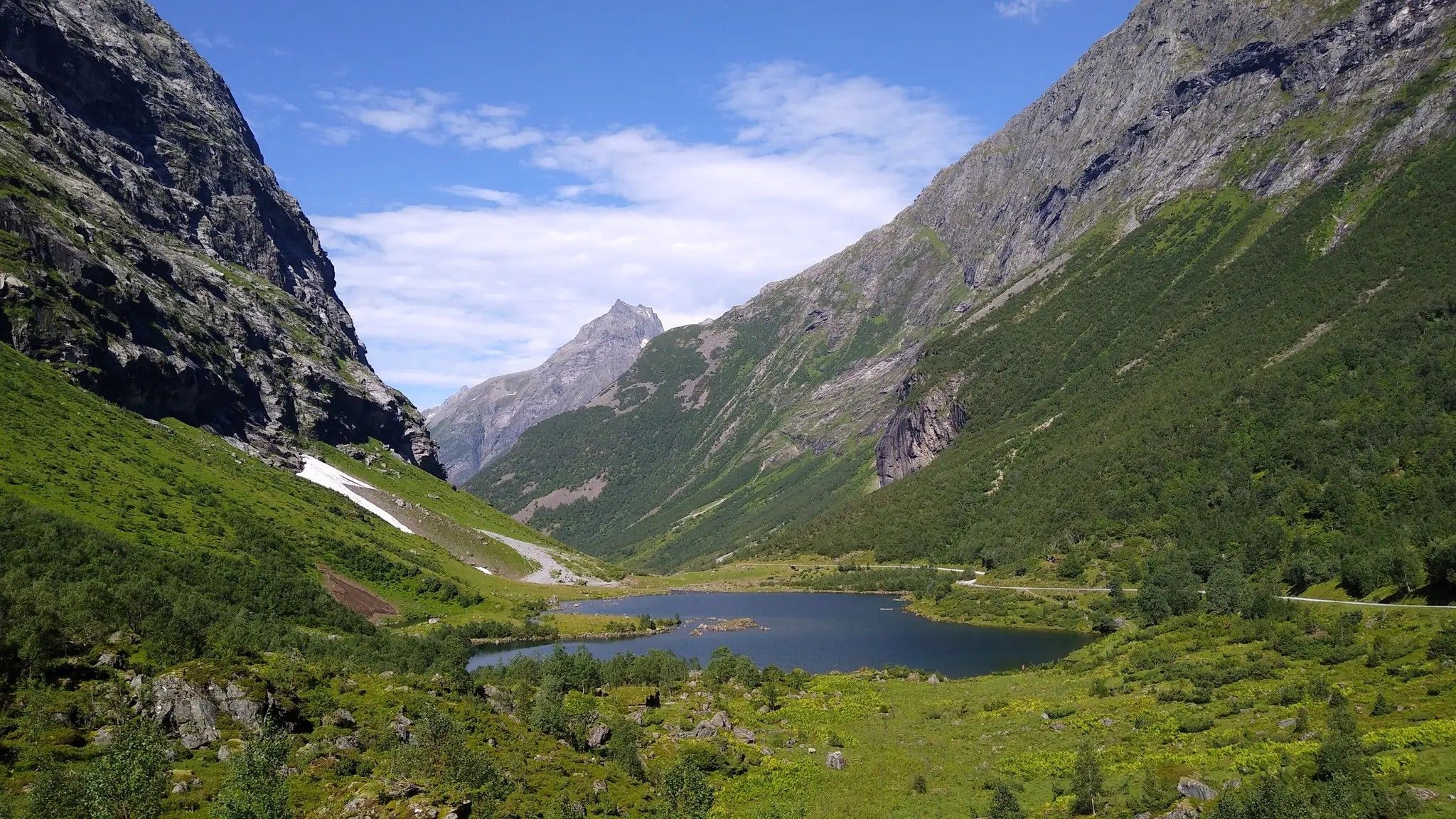
Hjørundfjorden Rundt — exploring the ancient Sunnmøre Alps
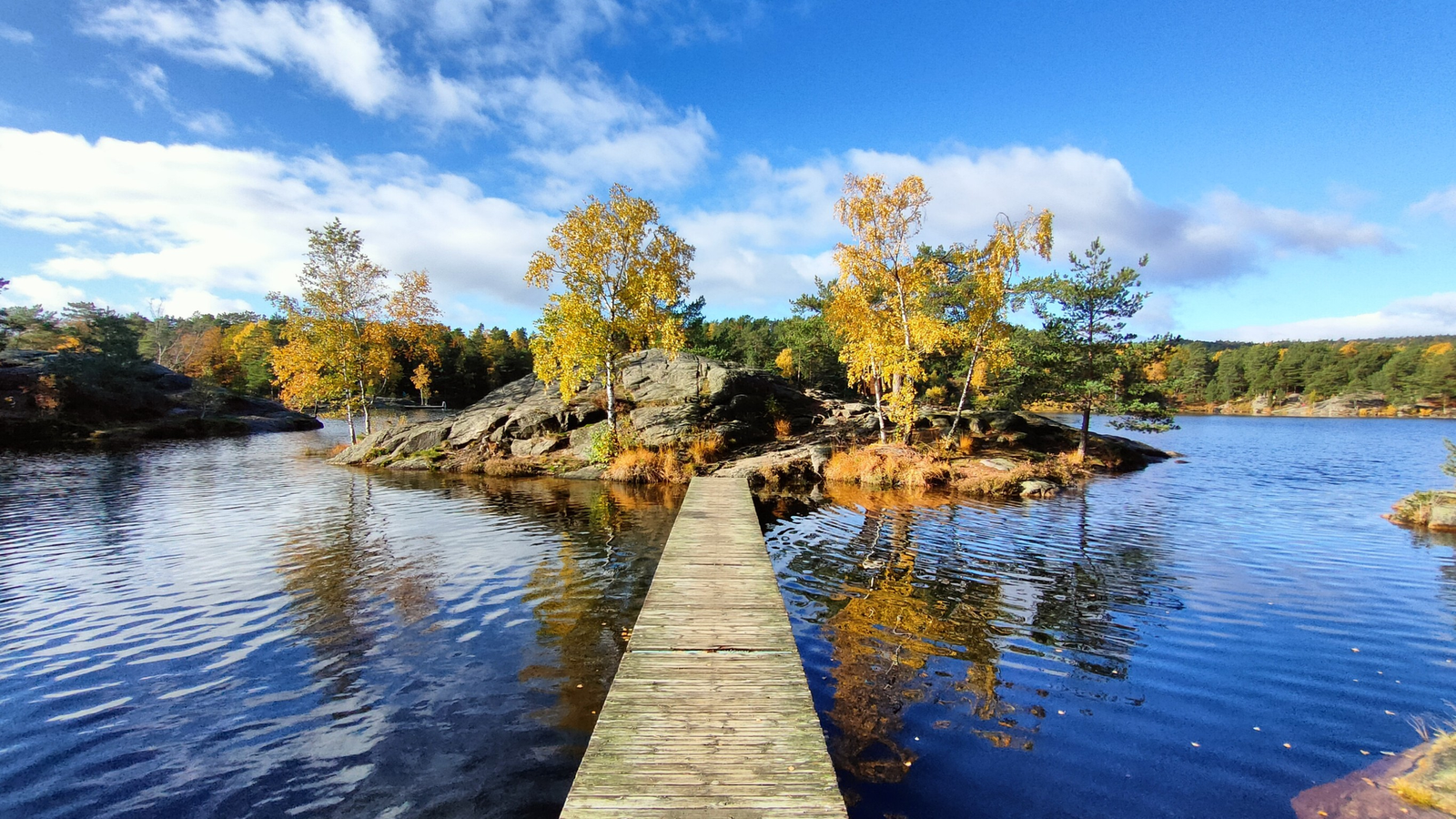
The Child Wanderer Path – Kvinesdal to Landvik
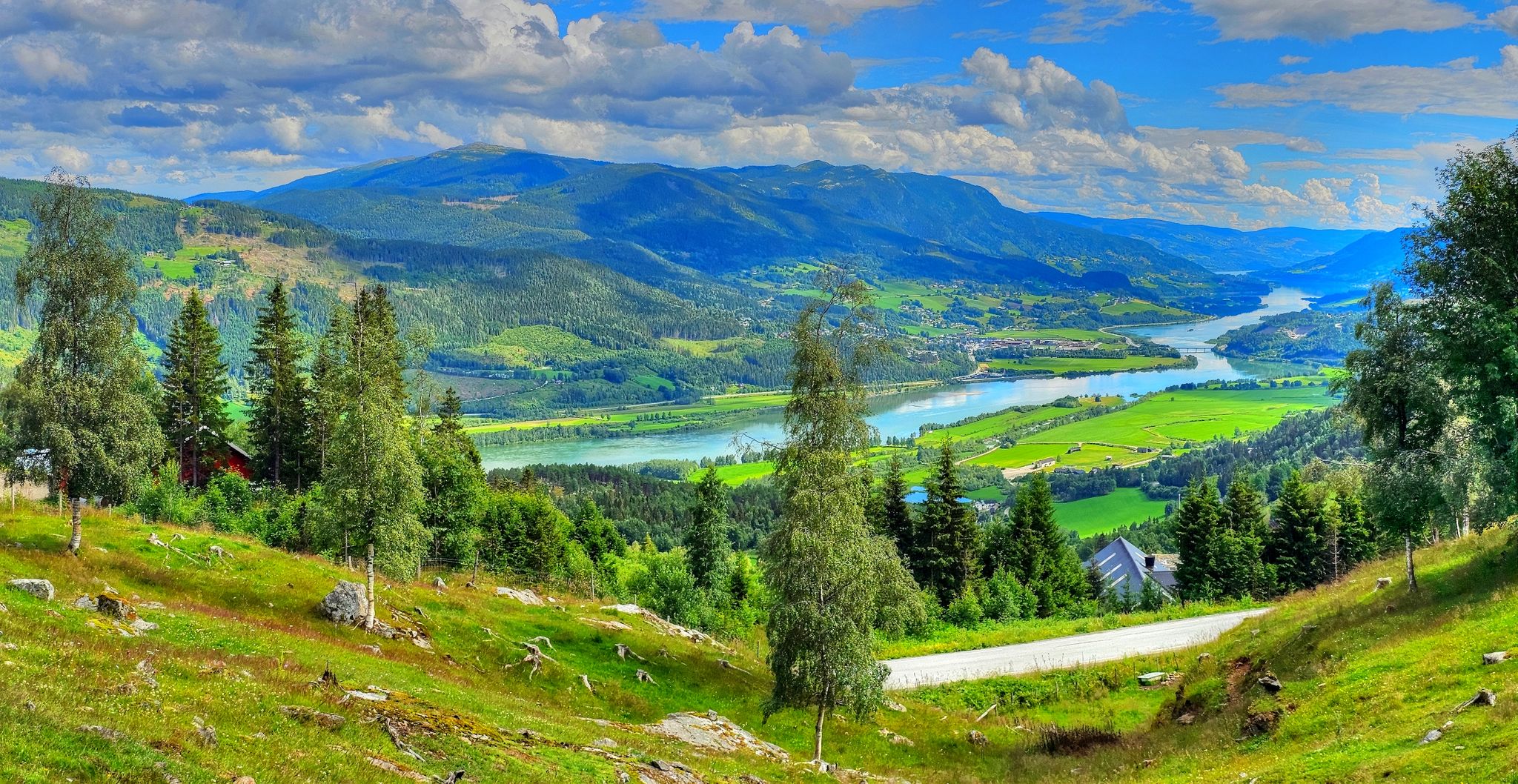
Pilgrim Route – An epic journey across Norway
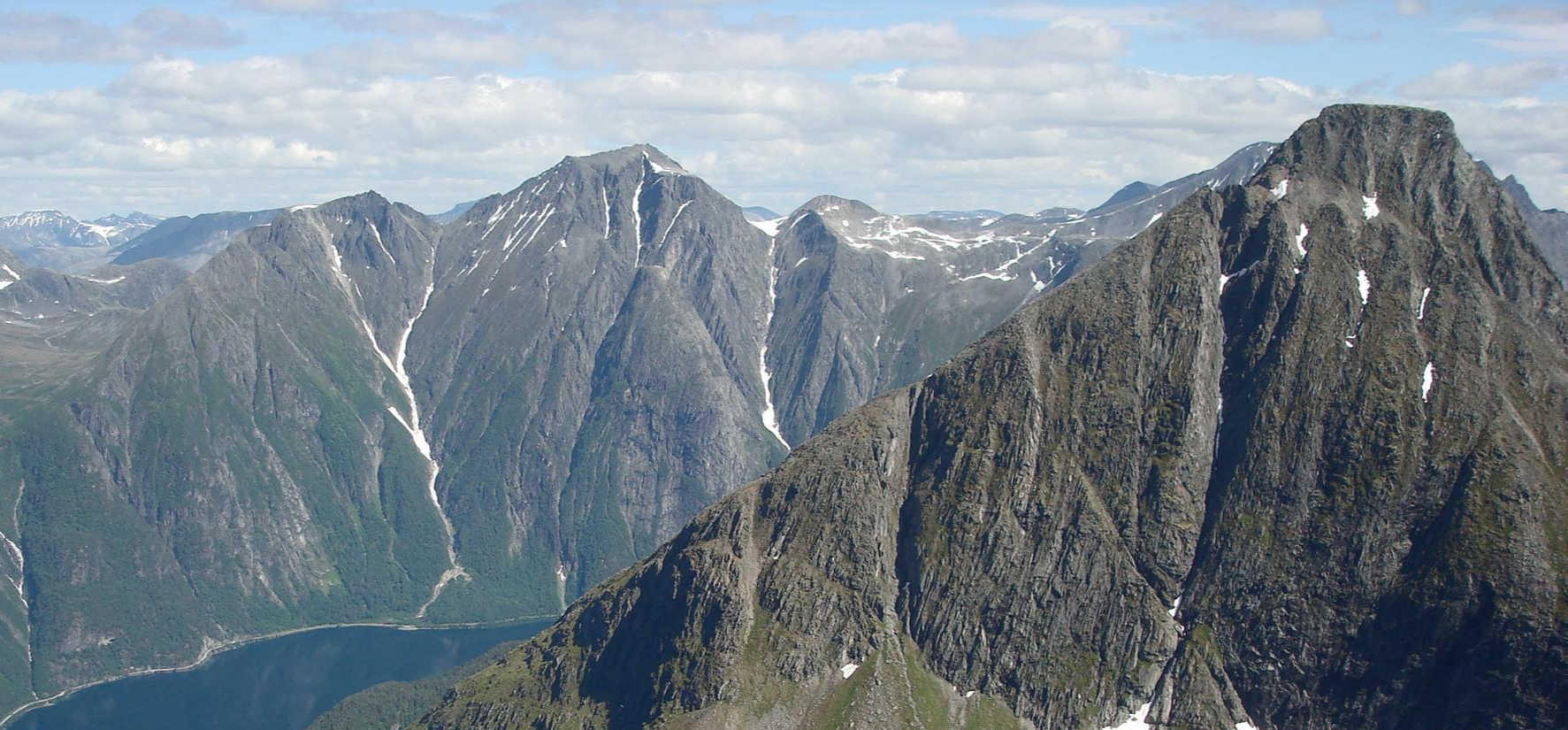
SignaTUR Romsdalstien – From the fjord to majestic mountains
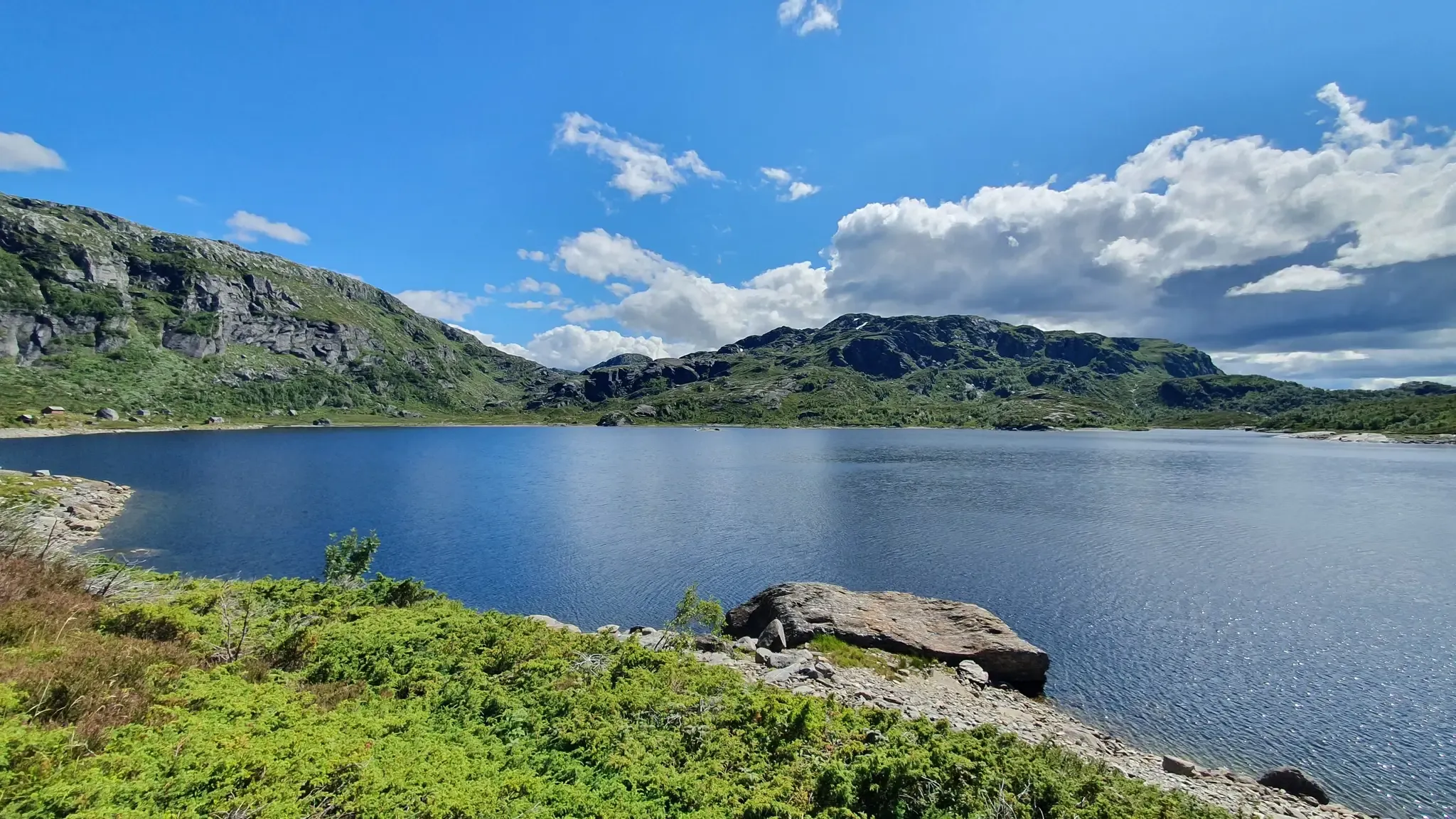
SignaTUR Gullruta i Etnefjellene – Trekking Norway's Golden Route
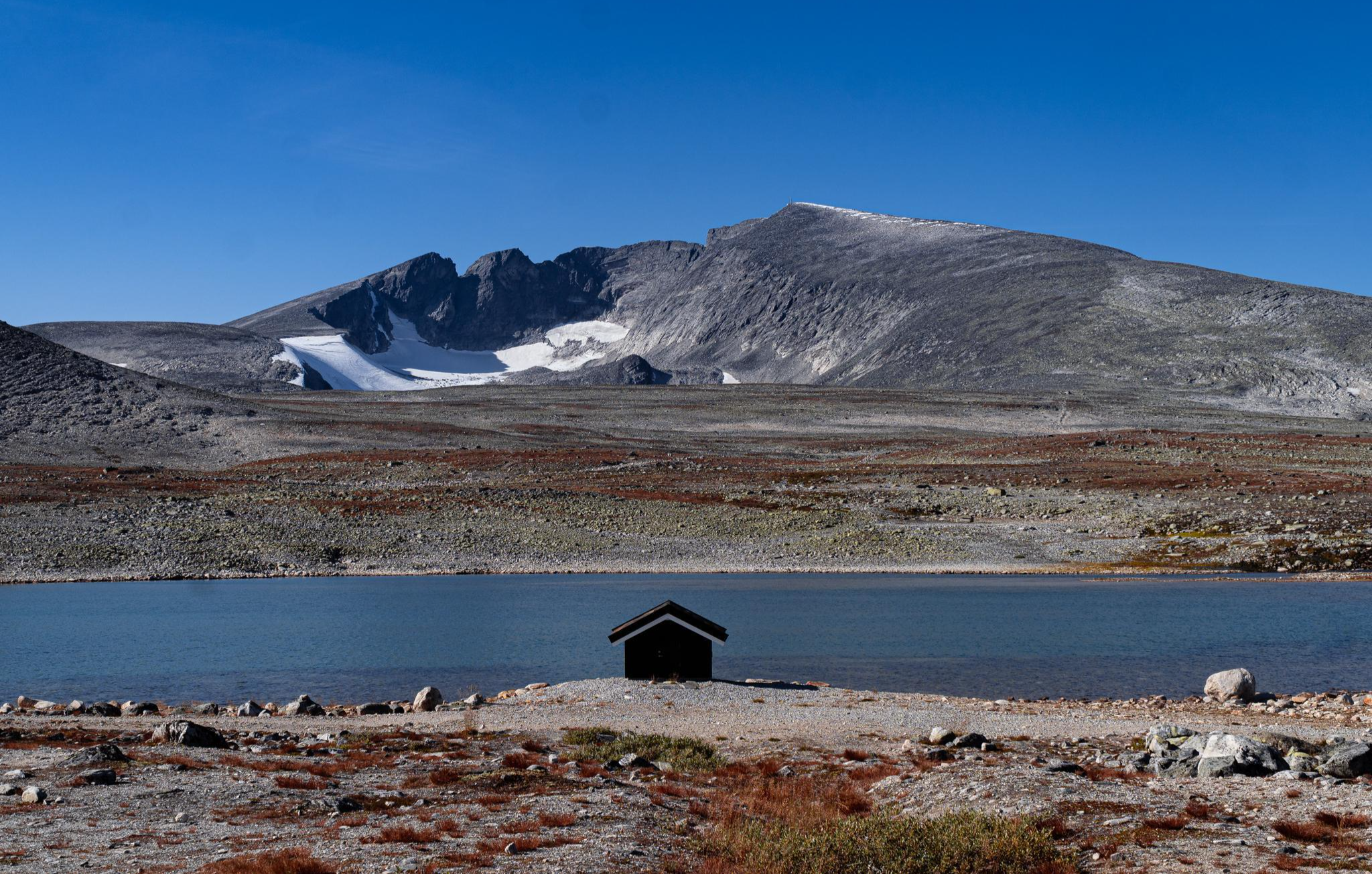
SignaTUR SAGA – Reindeer, wild trails and mighty peaks
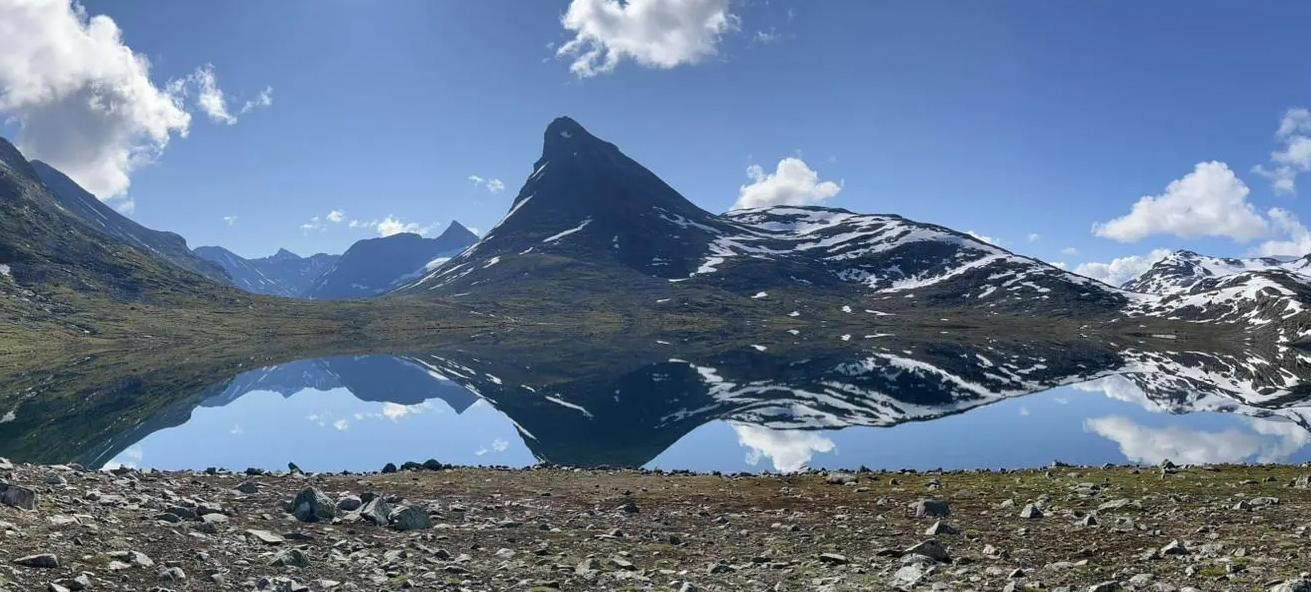
SignaTUR Omveien – Vast wilds, epic peaks and deep valleys
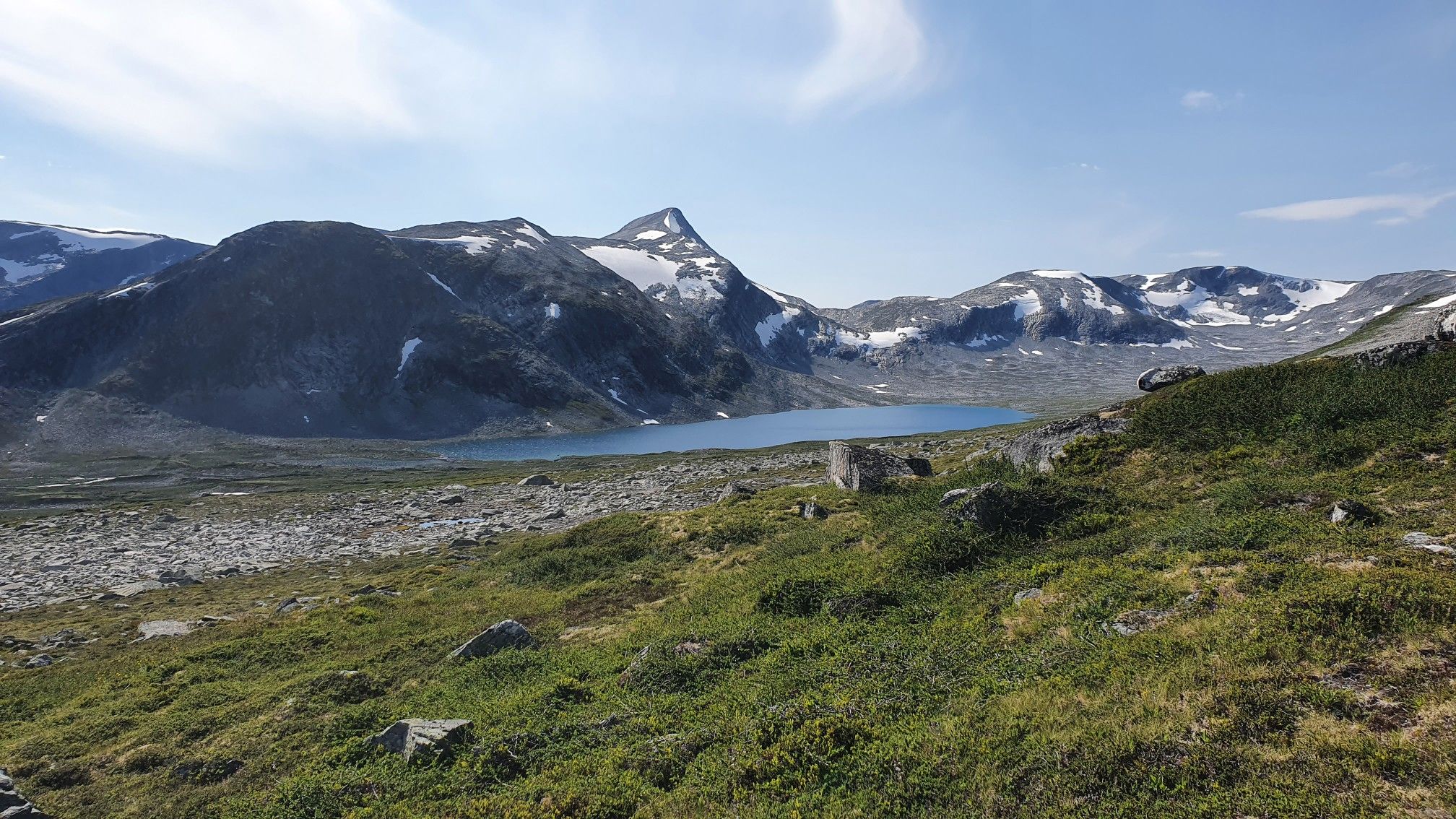
SignaTUR i Tafjordfjella – Into Møre og Romsdal's mountainous wilds
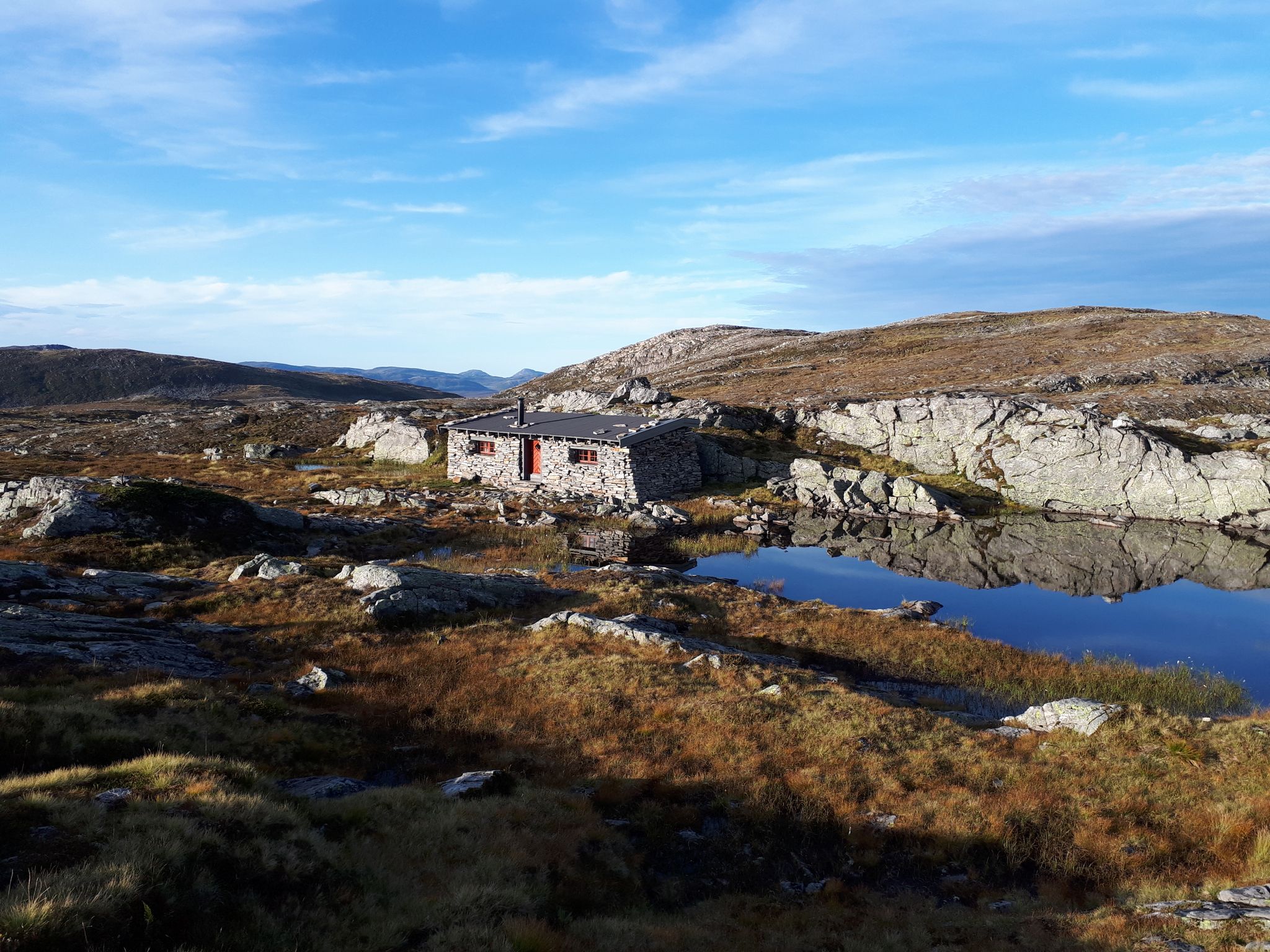
SignaTUR Fjordruta – Where sky, sea, fjords and mountains meet
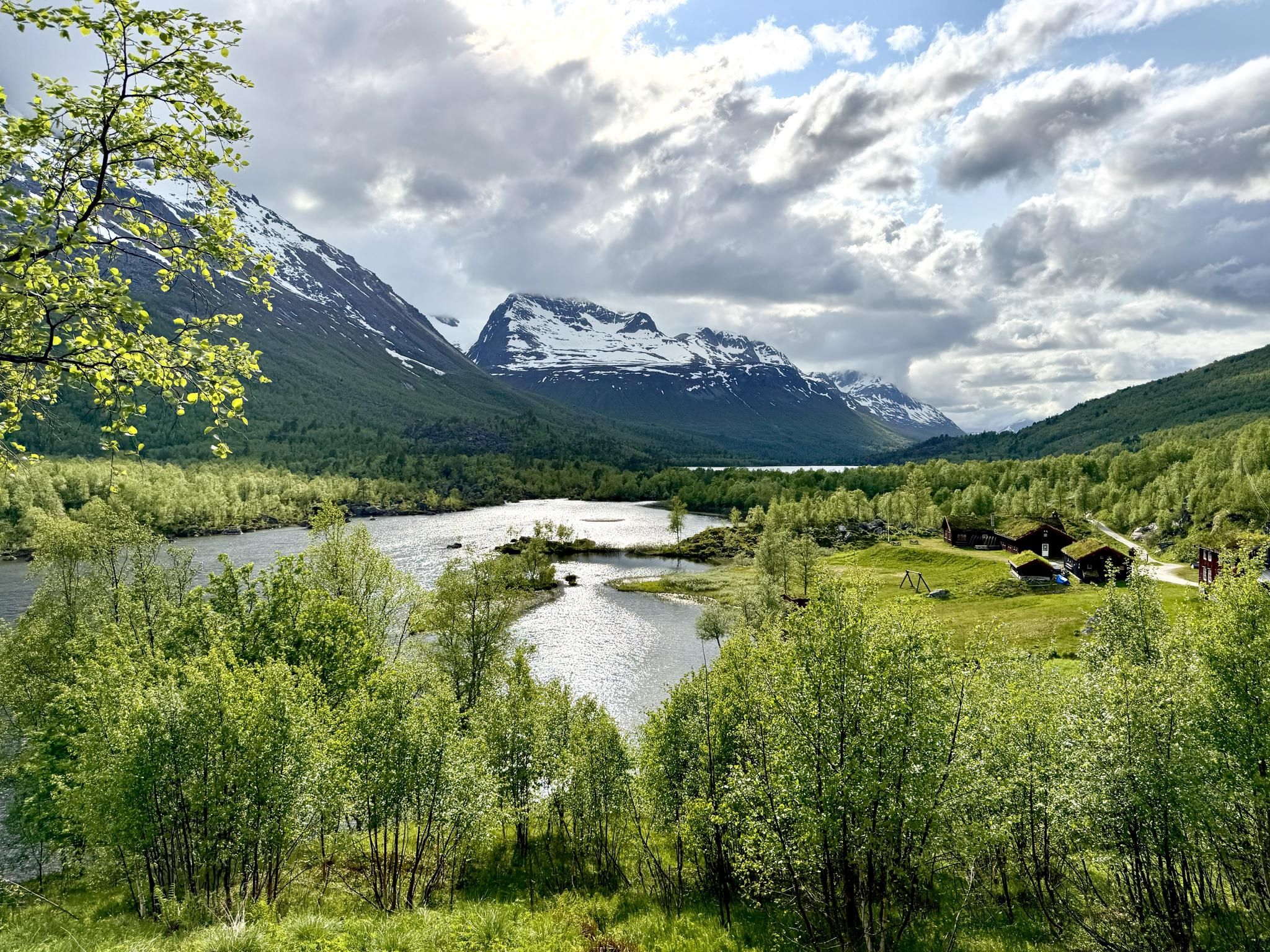
SignaTUR Trollheimen – Discover the mountainous 'home of the trolls'
Other adventures in the Jotunheimen Mountains


Tips from the Community

The waterfall and rapids in the heart of Geiranger are truly impressive and well worth a visit. A meticulously constructed path with a non-slip metal grating allows you to get very close to the roaring water. The highlight is the walkway that extends directly over the large waterfall. Note: Due to the many steps, the path is definitely not wheelchair accessible. Furthermore, the grating poses a risk of injury to dogs' paws; it's best to keep your four-legged friend away from this path.
3
0

From the harbor, you can easily walk to the Geiranger Sorfossen Waterfall in just a few minutes. At this magnificent and impressive waterfall, you can then climb up the steps or paths right next to the force of nature. You'll also get a little wet from the spray.
2
0

Geiranger Fjord. Great waterfalls
0
0

From the summit of Mount Fløyen, one of the most beautiful panoramic views of Bergen opens up. High above the city's rooftops, the view sweeps over the lively harbor, the surrounding fjords, and the rolling mountains that frame Bergen. The vantage point is easily accessible by the Fløibanen cable car or via scenic hiking trails. Whether at sunrise, during the day, or at dusk, the view from Mount Fløyen is an absolute highlight and a must-see for any visit to Bergen.
6
0

Easily accessible by funicular, the mountain offers a fantastic view of Bergen
6
0

The masses of water cascade down the edge of the town with a mighty roar. Some beautifully designed viewing balconies allow you to experience the waterfall up close.
3
0

Nice path next to the waterfall, easy to walk
1
0

Great view over the city, especially in the evening against the sunset. Easily reached by a hike, but be prepared to be here with lots of people travelling up/down by train.
7
0
Frequently Asked Questions
What are some of the most popular natural monuments in the Jotunheimen Mountains?
The Jotunheimen Mountains are home to many iconic natural monuments. Among the most popular are Preikestolen (Pulpit Rock), known for its dramatic vertical drop and panoramic views of the Lysefjord, and Vøringsfossen Waterfall, one of Norway's tallest waterfalls. Another frequently visited site is Briksdal Glacier (Briksdalsbreen), which offers a striking example of glacial formations.
Are there challenging natural monuments for experienced hikers in Jotunheimen?
Yes, the Jotunheimen Mountains offer several challenging natural monuments for experienced hikers. The ascent to Galdhøpiggen, Northern Europe's highest peak, provides a significant challenge, especially the unguided route from Spiterstulen. Another iconic and demanding hike is the Besseggen Ridge, famous for its steep sections and breathtaking views between two distinct lakes. For those seeking extreme challenges, Store Skagastølstind (Storen) is a premier destination for climbers, requiring good physical condition and often climbing skills.
What natural features can I expect to see in the Jotunheimen Mountains?
The Jotunheimen Mountains are characterized by towering peaks, deep valleys, and extensive glacial formations. You will encounter majestic waterfalls like Vettisfossen, one of Europe's highest unregulated waterfalls, and powerful cascades such as Vøringsfossen Waterfall. The region also features dramatic fjords and lakes, including the striking turquoise-green Lake Gjende and deep blue Lake Bessvatnet, visible from the Besseggen Ridge. Glaciers, like Briksdal Glacier, showcase the area's geological history.
Are there family-friendly natural attractions in the Jotunheimen Mountains?
Absolutely. While many trails are challenging, there are options suitable for families. For instance, the path to Vøringsfossen Waterfall offers accessible viewing platforms. The hike to Briksdal Glacier is also considered intermediate and can be enjoyed by families. Many viewpoints, such as View of Bergen from Mount Fløyen, offer facilities and easier access, making them suitable for all ages.
What is the best time to visit the natural monuments in Jotunheimen?
The best time to visit the natural monuments in Jotunheimen for hiking and outdoor activities is generally during the summer months, from late June to early September. During this period, the snow has largely melted from the lower and mid-altitudes, trails are more accessible, and the weather is typically milder. However, conditions can change rapidly in the mountains, so always be prepared for varying weather.
What outdoor activities can I do near the natural monuments in Jotunheimen?
The Jotunheimen Mountains offer a wide range of outdoor activities. Besides hiking to iconic sites like Galdhøpiggen or along the Besseggen Ridge, you can explore numerous other trails. For cycling enthusiasts, there are many road cycling routes, including the challenging Lysefjord Route, and diverse MTB trails like the Hallingspranget Trail. You can find more details on these activities and routes in the dedicated guides for Hiking, Road Cycling, and MTB Trails in the Jotunheimen Mountains.
Are there specific hiking trails to reach the natural monuments?
Yes, many natural monuments are accessed via dedicated hiking trails. For example, the only way to reach Vettisfossen is via a scenic 5.5 km moderate hike from Øvre Årdal. The Besseggen Ridge hike typically involves a boat trip across Lake Gjende followed by a hike along the ridge. To reach Preikestolen, there's a well-known trail, and for Briksdal Glacier, an easy trail leads directly to the glacier's edge. You can find more detailed hiking routes in the Hiking in the Jotunheimen Mountains guide.
Can I spot wildlife near the natural monuments in Jotunheimen National Park?
Jotunheimen National Park is rich in diverse flora and fauna, offering opportunities for wildlife spotting. Hikers along the Besseggen Ridge, for instance, might encounter reindeer. The pristine and untouched nature of areas like the Utladalen Nature Reserve, where Vettisfossen is located, provides habitats for various alpine species. Keep an eye out for birds of prey and other mountain wildlife, especially in quieter areas away from the main trails.
What do visitors enjoy most about the natural monuments in the Jotunheimen Mountains?
Visitors consistently praise the breathtaking panoramic views and the sense of accomplishment gained from reaching challenging summits. The dramatic contrasts, such as the two distinct lakes seen from Besseggen Ridge, are often highlighted. The sheer power and beauty of waterfalls like Vettisfossen and Vøringsfossen leave a lasting impression. Many also appreciate the opportunity to witness the raw, untouched nature and the visible signs of geological history, such as glacial recession at Briksdal Glacier.
Are there any hidden natural gems in the Jotunheimen Mountains that are less crowded?
While popular sites can attract crowds, the vastness of Jotunheimen means many less-traveled paths lead to stunning natural beauty. Exploring the numerous smaller waterfalls in the Utladalen valley, often called the 'Valley of the thousand waterfalls,' can offer a more secluded experience. Venturing into less-known valleys or choosing trails that diverge from the most famous routes can reveal equally impressive landscapes without the crowds. Consulting local guides or detailed maps can help uncover these quieter spots.
Is public transport available to reach natural monuments in Jotunheimen?
Public transport options exist, but they can be limited and seasonal, especially for more remote natural monuments. For popular starting points like those for the Besseggen hike, boat services across Lake Gjende are common. For other areas, bus services might connect larger towns to trailheads during the peak summer season. It's advisable to check specific routes and schedules in advance, particularly if you plan to rely solely on public transport.
What should I consider regarding accessibility for natural monuments in Jotunheimen?
Accessibility varies greatly depending on the monument. Many of the high mountain peaks and ridges, like Galdhøpiggen and Besseggen, involve strenuous hiking and are not wheelchair accessible. However, some viewpoints, such as View of Bergen from Mount Fløyen, are noted as wheelchair accessible. For other sites, paths may be uneven, rocky, or steep. Always check the specific trail conditions and difficulty ratings before planning your visit, especially if you have mobility concerns.
Most popular routes in the Jotunheimen Mountains
Most popular attractions in the Jotunheimen Mountains

Get inspired with the komoot mobile app


Explore more
Extend your search for the best caves by checking out these guides of the top ones in the Jotunheimen Mountains:
