Top 20 Natural Monuments in East Flanders
Best natural monuments in East Flanders include a variety of natural areas, from ancient forests to tranquil river valleys. The region features diverse landscapes, including rolling hills and wetlands. These sites offer opportunities for outdoor recreation and appreciation of the area's natural features. East Flanders provides a range of natural settings for exploration.
Best natural monuments in East Flanders
- The most popular natural monuments is Kluisbos Forest, a forest known for its diverse woodlands and views of the surrounding…
Last updated: October 13, 2026
Kluisbos Forest
Highlight • Forest
Translated by Google •
Tip by

Koppenberg
Highlight • Climb
Translated by Google •
Tip by

Sign up now to discover places like this
Get recommendations on the best single tracks, peaks, & plenty of other exciting outdoor places.
Paterberg Climb
Highlight (Segment) • Climb
Translated by Google •
Tip by

Muziekbos Play Forest
Highlight • Forest
Translated by Google •
Tip by
Hollow Way in Neigembos
Highlight • Trail
Translated by Google •
Tip by
Kluisberg - Mont de l'Enclus
Highlight • Monument
Translated by Google •
Tip by

Saint Peter's Forest
Highlight • Forest
Translated by Google •
Tip by
Kravaalbos Forest
Highlight • Forest
Translated by Google •
Tip by

Highest point of Neigembos
Highlight • Summit
Translated by Google •
Tip by
Raspaille Forest
Highlight • Forest
Translated by Google •
Tip by
Sign up for free to discover even more natural monuments in East Flanders.
Already have an account?
Start today with a free account
Your next adventure awaits.
Popular around East Flanders
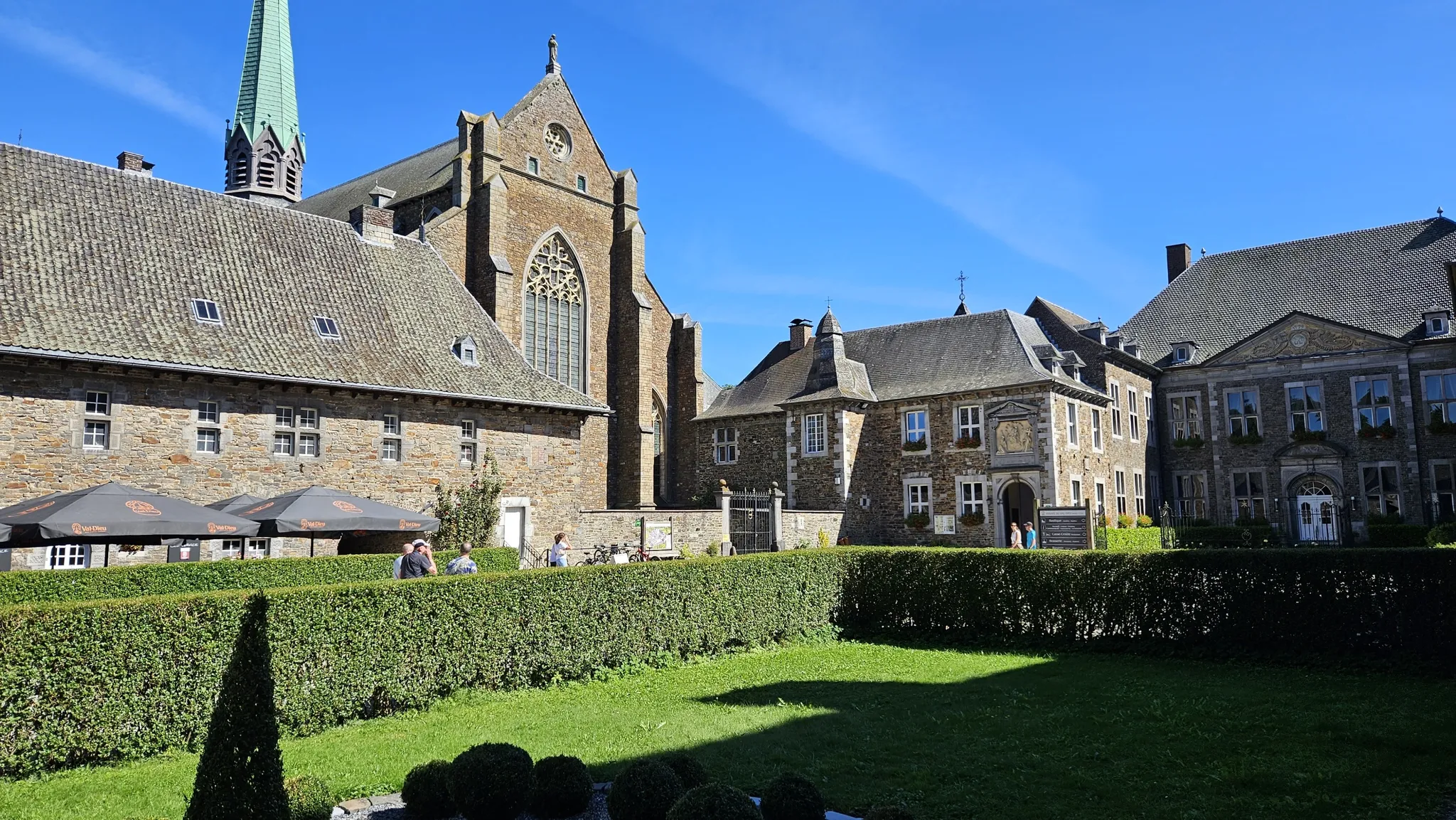
Trappist abbeys cycle route – Between beers and heritage
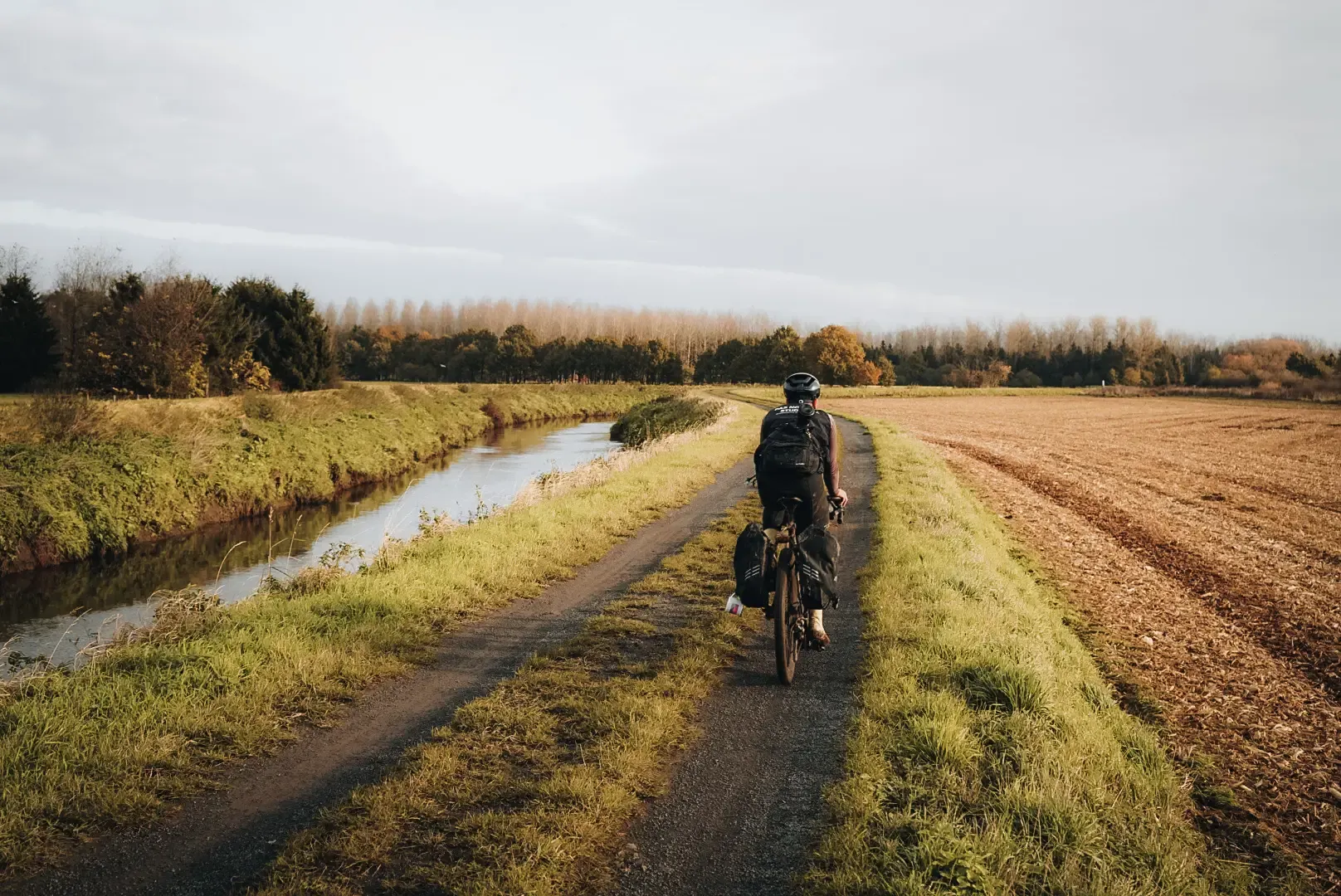
Flanders Divide - Across Flanders
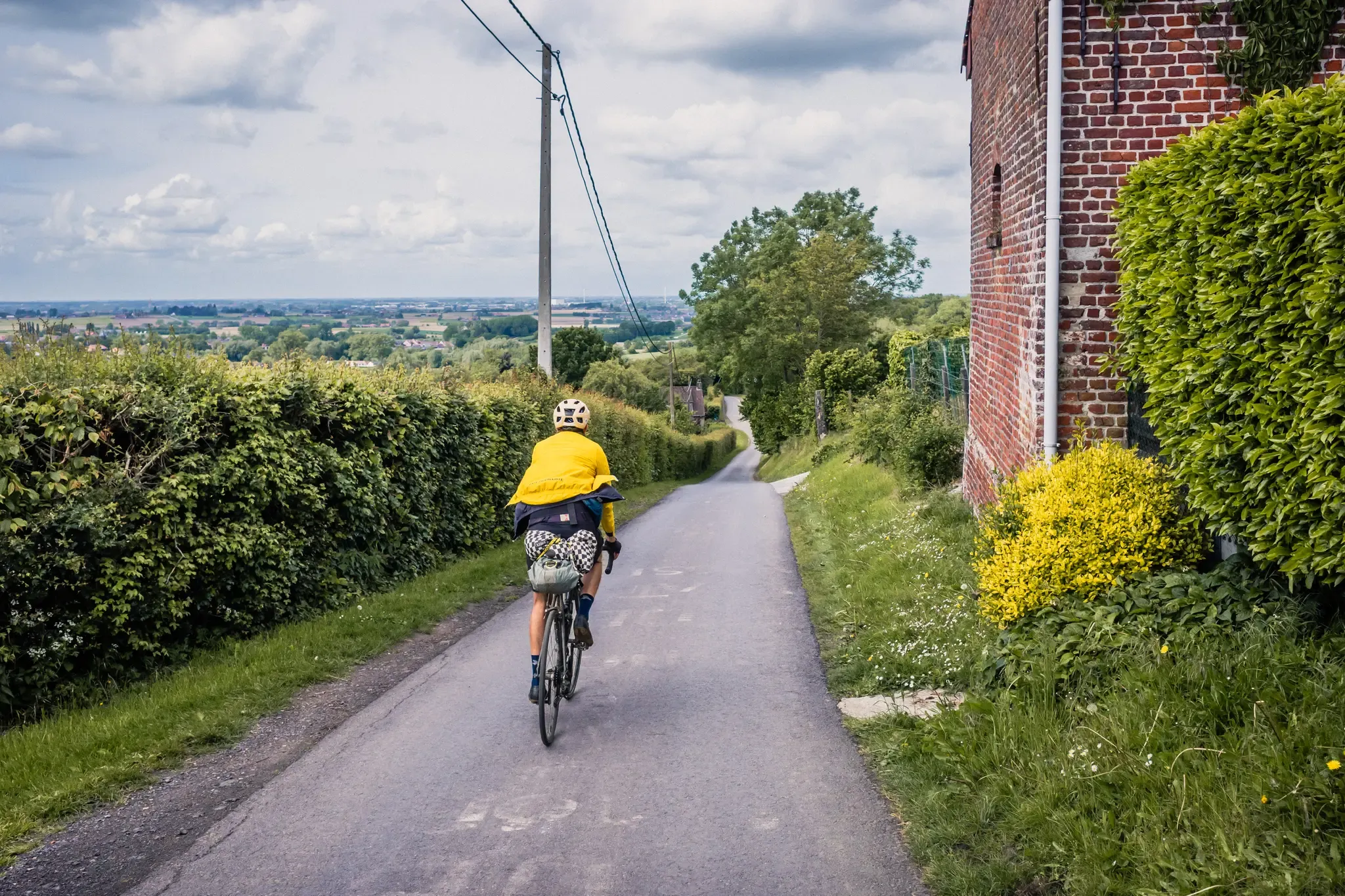
The Hilly Route from Brussels to Poperinge – bikepacking in Flanders
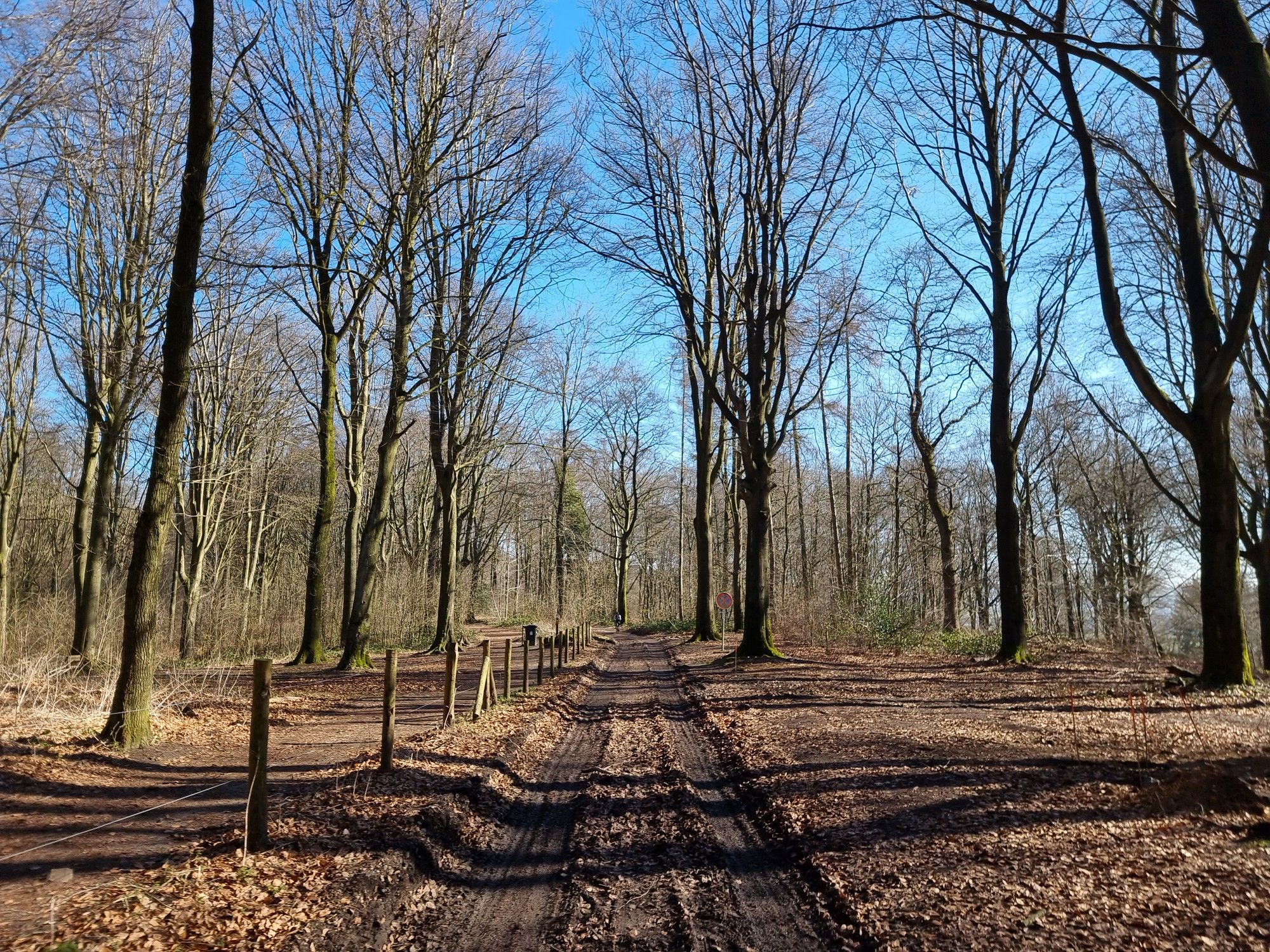
Grande Randonnée GRavel — Western Hainaut
Flanders’ Finest Hiking Routes
The six most beautiful cycling routes in East Flanders
Through the heart of Flanders on a road bike in 2 days – Spartacus Route
Seven-day Cycling tour through the South-Flemish hills – Hilly Route
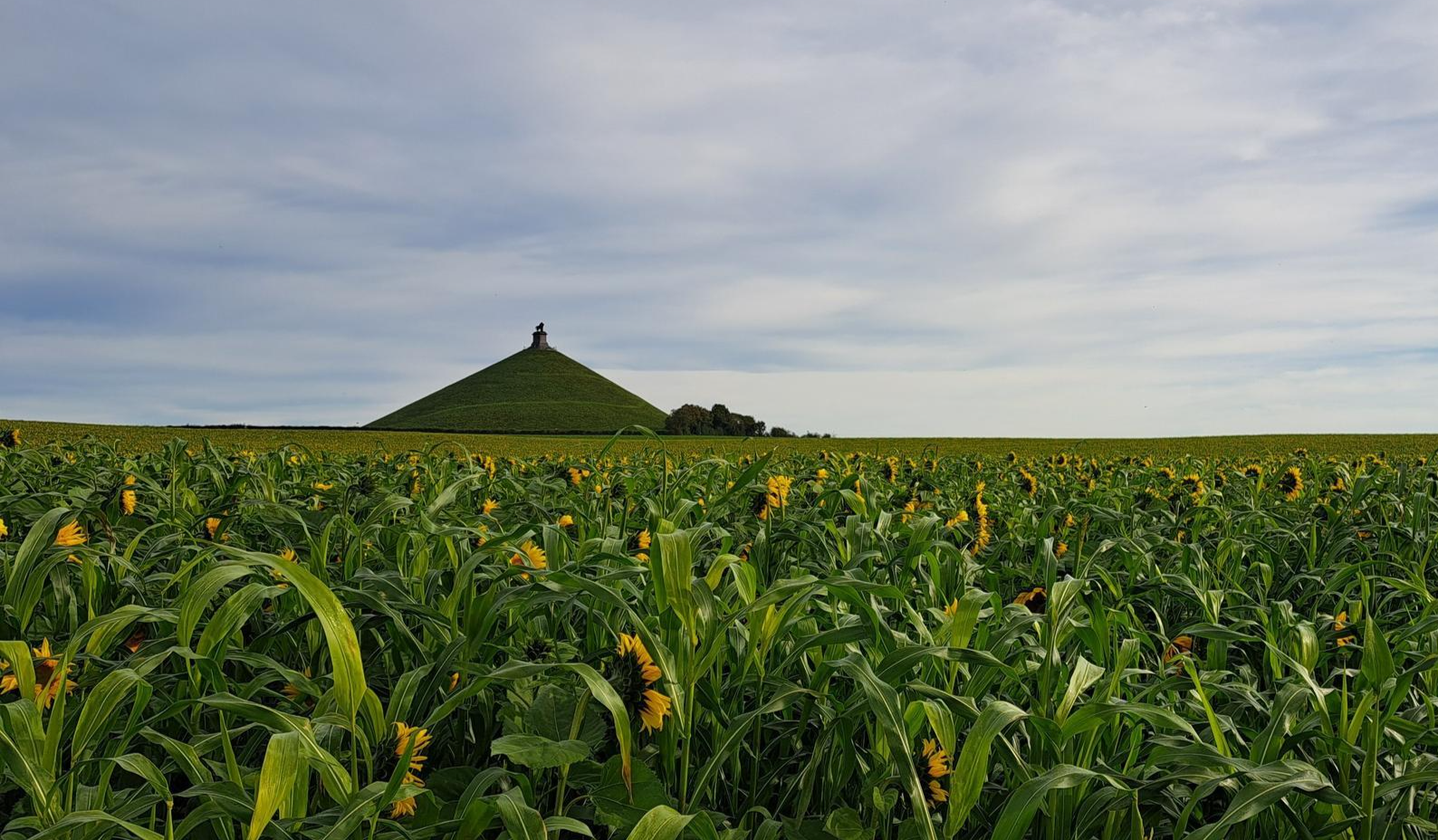
Crossing from east to west — Wallonia by Gravel
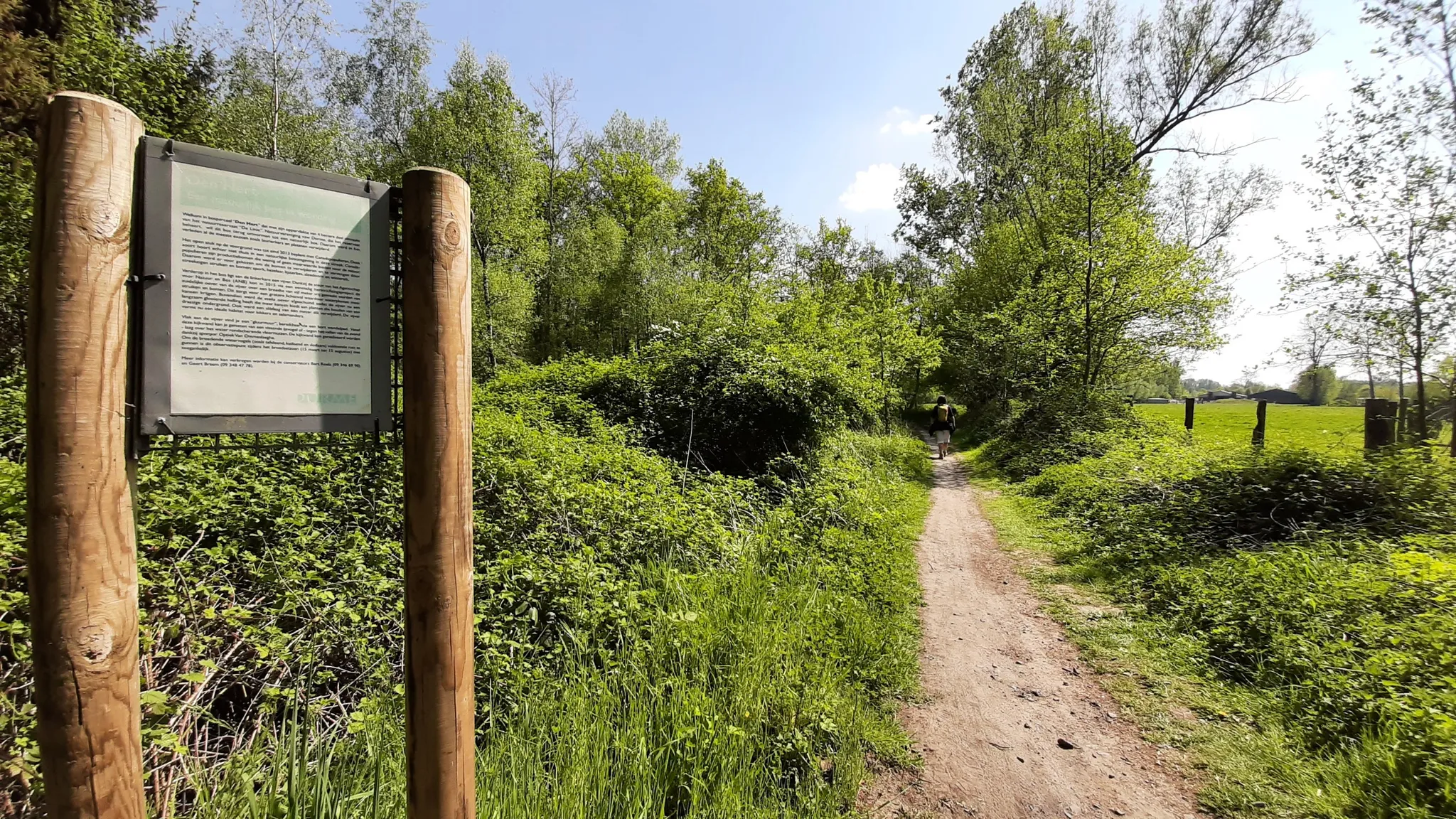
In the footsteps of den vos Reynaerde – Streek-GR Waas- en Reynaertland
Other adventures in East Flanders


Tips from the Community

Hollow ways are typical small landscape elements in hilly areas with a loess subsoil. Most hollow ways presumably originated in the Middle Ages. Centuries of use of the same path, on foot or by horse and cart, led to a natural erosion process. Hollow ways therefore carry a piece of history with them and are thus part of our cultural heritage. (Information board on site)
8
0
In the Neigembos, nature is allowed to evolve almost spontaneously. The trees can grow old and there is a lot of dead wood. Due to the danger of falling branches, it is important to stay on the paths. There is a rich plant growth: on the more acidic soils you will find mainly bracken, lily of the valley and woodruff. On the more loamy soils, you can enjoy wild hyacinth, wood anemone, wild garlic and yellow dead-nettle in the spring. The western part of the forest reserve, also known as the Vriezenbos, consists of, among other things, a spring forest with typical species such as black alder, common ash, marsh marigold, giant horsetail, bitter cress and the two species of lesser celandine. Enjoy the natural beauty with the help of the three mapped-out walks: the Dikke Beukenwandeling, the Bevingenwandeling and the Groebenwandeling. (Agentschap Natuur en Bos)
9
0
In the Kluisbos - on top of the 141-meter-high Kluisberg - you'll never run out of walking or cycling opportunities. This is the largest forest in the Flemish Ardennes.
5
0

My bank account is often pretty bare at the end of the month, but the urge to gamble is still there. You know how it is when you want to play, but your budget isn't cooperating. I've spent hours scouring voucher websites, which mostly just show junk or expired codes. Then I found a tip in a small forum that sounded promising. I clicked on the link for the Playfina Casino no deposit bonus https://playfinacasinowin.net/nodeposit/ without having high hopes. But hey, it worked! I was actually able to start without making a deposit. Sure, you don't become a millionaire overnight, but it was perfect for testing the new Pragmatic Play slots. It's just fair not to have to buy a pig in a poke, especially here in Germany.
0
3

Crowded, but still very nice and quiet, you do not feel like being in Vlaanderen.
1
1
Sit or lie down and enjoy the nature around you.
10
0
The Sint-Pietersbos is the eastern extension of the Muziekbos. This former private forest covers over 52 hectares. The Muziekbos (50 hectares) was almost completely clear-cut during the First World War, but the Sint-Pietersbos was preserved. It boasts a unique collection of old summer oaks and American oaks, beeches, and ash trees, all 150 years old. (City of Ronse)
11
0
The Raspaillebos has five marked walks: Natural Gas Walk (7.7 km), Farmland Landscape (4 km), Raspaillebos Walk (3.7 km), Window on the Landscape (2.5 km), and Bosberg Walk (2 km). (Agency for Nature & Forests)
8
0
Frequently Asked Questions
What are some of the most popular natural monuments in East Flanders?
East Flanders offers a variety of popular natural monuments. Among the most visited are Kluisbos Forest, known for its diverse woodlands and scenic views, and the iconic cycling climbs of Koppenberg and Paterberg Climb, both famous for their steep cobblestone sections.
Are there family-friendly natural monuments in East Flanders?
Yes, several natural monuments in East Flanders are great for families. The Muziekbos Play Forest is a fantastic option, offering trails and a playground. Other family-friendly spots include Kluisberg - Mont de l'Enclus, Saint Peter's Forest, and Raspaille Forest, all providing accessible trails and natural beauty for all ages.
What kind of natural features can I expect to see in East Flanders' natural monuments?
East Flanders' natural monuments showcase diverse features. You'll find extensive forests like Kluisbos Forest and Kravaalbos Forest, offering lush woodlands and varied terrain. The region also features significant elevation changes, particularly in the Flemish Ardennes, with viewpoints such as the Highest point of Neigembos and scenic river valleys like the Oude Kalevallei.
Are there historical natural features or sites within these monuments?
Absolutely. The Hollow Way in Neigembos is a prime example, a unique geological feature formed by centuries of erosion, with ancient veteran trees. Forests like Kravaalbos Forest are remnants of the vast Coal Forest mentioned by Julius Caesar, offering a glimpse into the region's ancient past.
What outdoor activities can I do near the natural monuments in East Flanders?
The natural monuments in East Flanders are excellent starting points for various outdoor activities. You can enjoy road cycling on routes like the 'Tour of Flanders cycling route' or the 'Giant Route' near many of these sites. For hikers, there are easy trails such as the 'Old Kalevallei hiking route' and 'GR 128 Flanders Route: Ghent City Section'. Running enthusiasts can explore routes like 'Exploring in the Kluisbos' or 'Loop in the Bourgoyen'. You can find more details on these activities in the Road Cycling Routes in East Flanders, Easy hikes in East Flanders, and Running Trails in East Flanders guides.
What is the terrain like for trails in East Flanders' natural monuments?
The terrain varies significantly across East Flanders' natural monuments. In areas like the Flemish Ardennes, you'll encounter rolling hills and challenging climbs, such as the steep, cobblestone ascents of Koppenberg and Paterberg Climb. Forests like Kluisbos Forest and Kravaalbos Forest offer varied paths that can sometimes be muddy, with some feeling quite wild due to natural features. Other areas, like the Oude Kalevallei, provide more gentle, picturesque routes through meadows and along waterways.
What do visitors particularly enjoy about the natural monuments in East Flanders?
Visitors frequently praise the diverse landscapes and the sense of tranquility found within East Flanders' natural monuments. Many appreciate the challenging climbs and historical significance of sites like Koppenberg, while others enjoy the peaceful, wild feel of forests such as Kravaalbos Forest, especially during autumn for its colors and scents, or in spring for its bluebells. The opportunity to spot wildlife, like 'bambi's' in Kluisbos Forest, is also a highlight for many.
Are there specific viewpoints or notable natural landmarks to look out for?
Yes, many natural monuments offer excellent viewpoints. The Kluisberg - Mont de l'Enclus and Highest point of Neigembos provide panoramic views. Forests like Kluisbos Forest and Raspaille Forest also feature scenic spots overlooking the surrounding Walloon landscape or the Scheldt valley. The unique Hollow Way in Neigembos is a notable natural landmark in itself.
What is the best time of year to visit the natural monuments in East Flanders?
The natural monuments in East Flanders can be enjoyed year-round, but each season offers unique experiences. Spring is ideal for seeing wildflowers, such as the purple bluebells in Kravaalbos Forest. Autumn brings vibrant colors and rich scents to the woodlands. Summer is perfect for longer hikes and cycling, while winter offers a serene, quiet beauty, though some paths might be muddy.
Are there any specific natural reserves or protected areas among the monuments?
Yes, some of the natural monuments are also designated as nature reserves. For instance, a large part of the Kravaalbos Forest is protected as a nature reserve, focusing on preserving its ancient forest characteristics and wildlife. The Bourgoyen-Ossemeersen, while not listed as a highlight here, is another internationally important wetland reserve near Ghent, known for its bird diversity.
Can I find easy walking routes within the natural monuments?
Yes, East Flanders offers several easy walking routes within or near its natural monuments. While some areas feature challenging climbs, many forests and river valleys provide gentle paths suitable for leisurely strolls. The Oude Kalevallei, for example, is known for its picturesque and calming routes through meadows. You can explore more options in the Easy hikes in East Flanders guide.
Most popular routes in East Flanders
Most popular attractions in East Flanders

Get inspired with the komoot mobile app


Didn’t find what you were looking for?
Find even more amazing natural monuments in East Flanders by checking out the top Highlights region by region:
Explore more
Extend your search for the best caves by checking out these guides of the top ones in East Flanders:
