The best walks and hikes in East Flanders
4.4
(43625)
239,203
hikers
11,899
hikes
Hiking in East Flanders offers diverse landscapes, from the gentle slopes and forests of the Flemish Ardennes to tranquil river valleys and expansive woodlands. The region features a network of trails that traverse picturesque natural areas, charming villages, and vast field landscapes. Key natural features include the undulating terrain of the Flemish Ardennes, the winding Oude Kalevallei, and extensive forests like the Drongengoedbos. These varied environments provide a mix of serene nature and cultural experiences for hikers.
Best hiking trails in East Flanders
- The most popular hiking route is Ooidonk hiking trail, a 5.1 miles (8.2 km) trail that takes 2 hours 3 minutes to complete. This route explores the surroundings of the historic Ooidonk Castle.
- Another top favourite among local hikers is Walk through the Berlare peat pit, a moderate 6.4 miles (10.3 km) path. This trail leads through a unique peat landscape with views of still waters.
- Local hikers also love the Old Kalevallei hiking route - loop 1, a 4.3 miles (7.0 km) trail leading through the scenic Oude Kalevallei, often completed in about 1 hour 46 minutes.
- Hiking in East Flanders is defined by the rolling hills of the Flemish Ardennes, tranquil river valleys, and extensive forests. The network offers options for various ability levels, from easy walks to more challenging routes.
- The routes in East Flanders are highly rated by the komoot community with an average score of 4.4 stars from over 16,000 reviews. More than 112,000 hikers have used komoot to explore East Flanders's varied terrain.
Last updated: August 17, 2026
4.4
(359)
1,583
hikers
8.18km
02:04
10m
10m
Moderate hike. Good fitness required. Easily-accessible paths. Suitable for all skill levels.
4.6
(415)
1,397
hikers
10.3km
02:37
30m
30m
Moderate hike. Good fitness required. Easily-accessible paths. Suitable for all skill levels.

Sign up for free
4.6
(415)
1,398
hikers
10.3km
02:35
10m
10m
Moderate hike. Good fitness required. Easily-accessible paths. Suitable for all skill levels.
4.4
(208)
857
hikers
9.28km
02:20
10m
10m
Moderate hike. Good fitness required. Mostly accessible paths. Sure-footedness required.
4.5
(177)
897
hikers
6.24km
01:34
10m
10m
Moderate hike. Great for any fitness level. Mostly accessible paths. Sure-footedness required.
4.6
(159)
762
hikers
6.98km
01:46
10m
10m
Easy hike. Great for any fitness level. Easily-accessible paths. Suitable for all skill levels.
4.4
(161)
629
hikers
8.15km
02:04
20m
20m
Moderate hike. Good fitness required. Easily-accessible paths. Suitable for all skill levels.
4.6
(192)
762
hikers
8.73km
02:12
10m
10m
Moderate hike. Good fitness required. Easily-accessible paths. Suitable for all skill levels.
4.3
(144)
660
hikers
8.35km
02:07
20m
20m
Moderate hike. Good fitness required. Easily-accessible paths. Suitable for all skill levels.
4.5
(105)
434
hikers
6.27km
01:36
20m
30m
Easy hike. Great for any fitness level. Easily-accessible paths. Suitable for all skill levels.
Get access to more routes and recommendations from other explorers.
Sign up for free
Already have an account?
Our route recommendations are based on thousands of hikes, rides, and runs completed by other people on komoot.
Start today with a free account
Your next adventure awaits.
Login or Signup
Popular around East Flanders
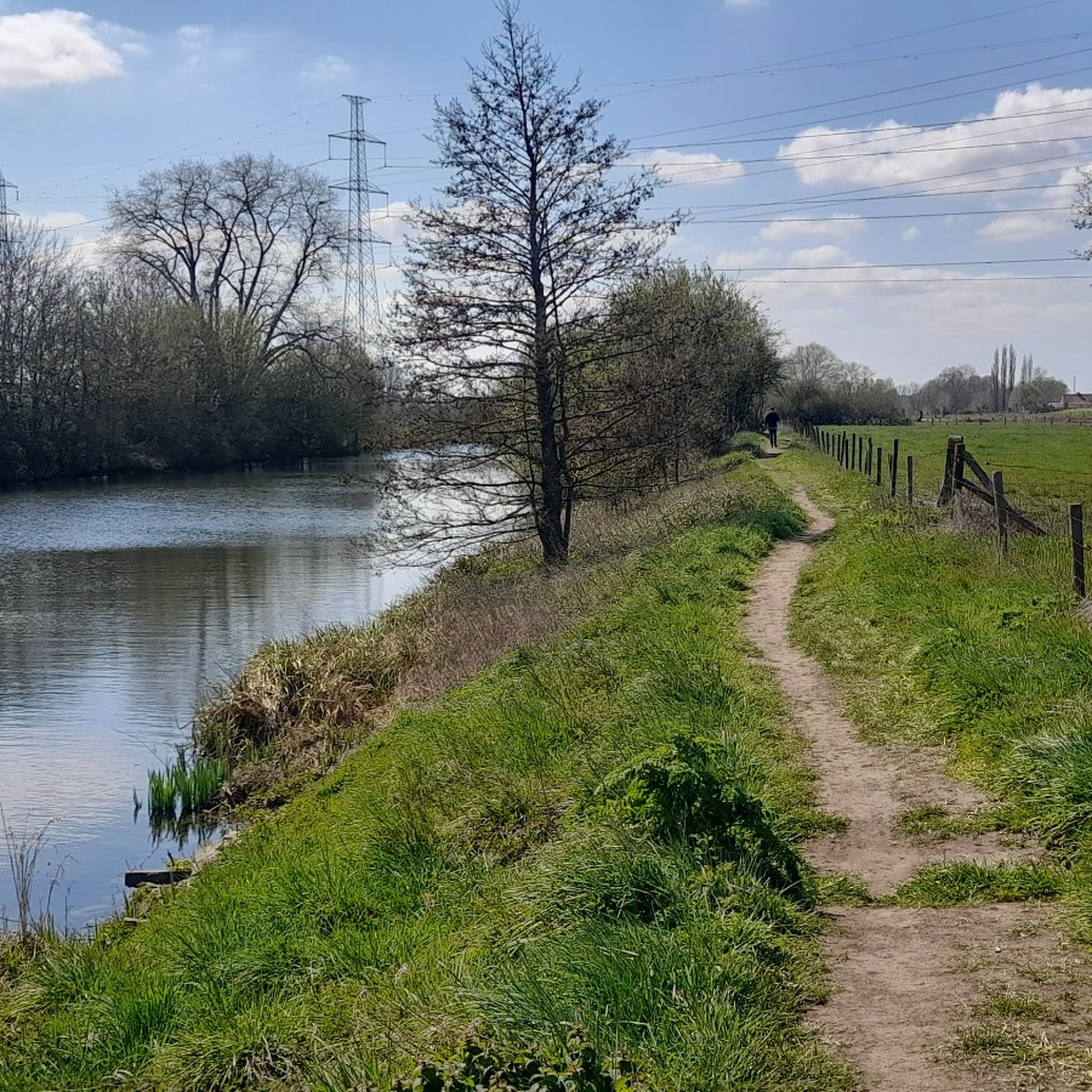
Hiking around Gent
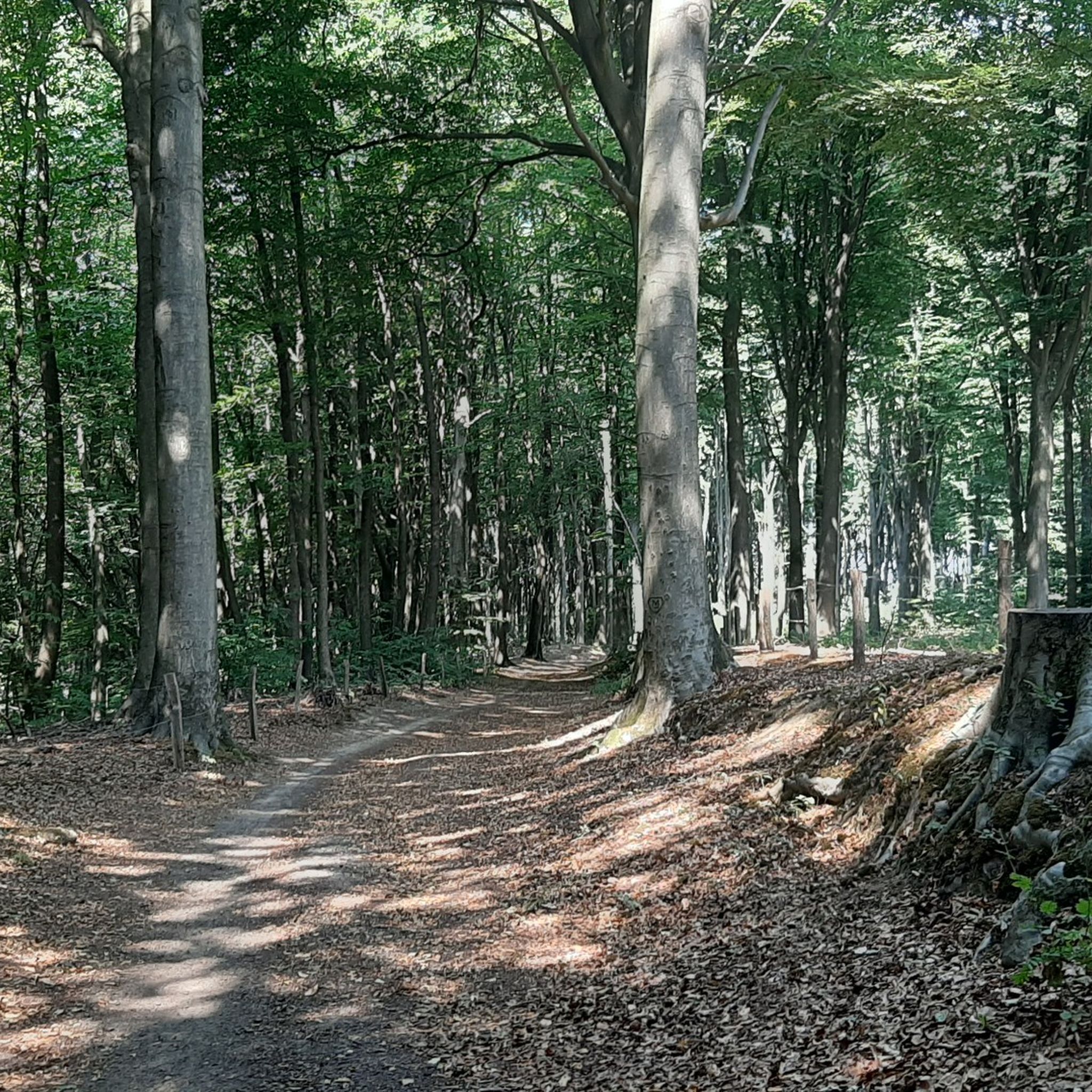
Hiking around Oudenaarde
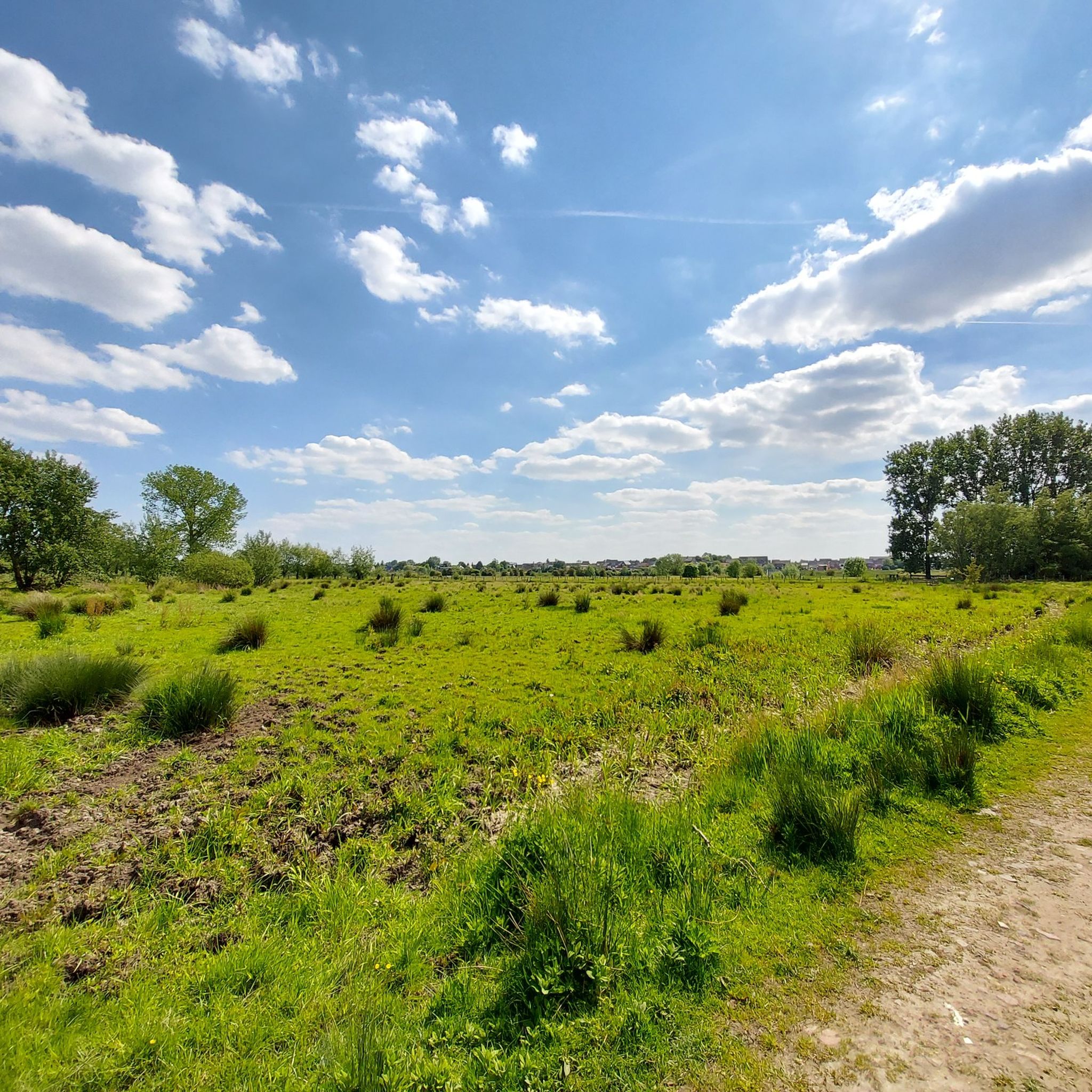
Hiking around Dendermonde
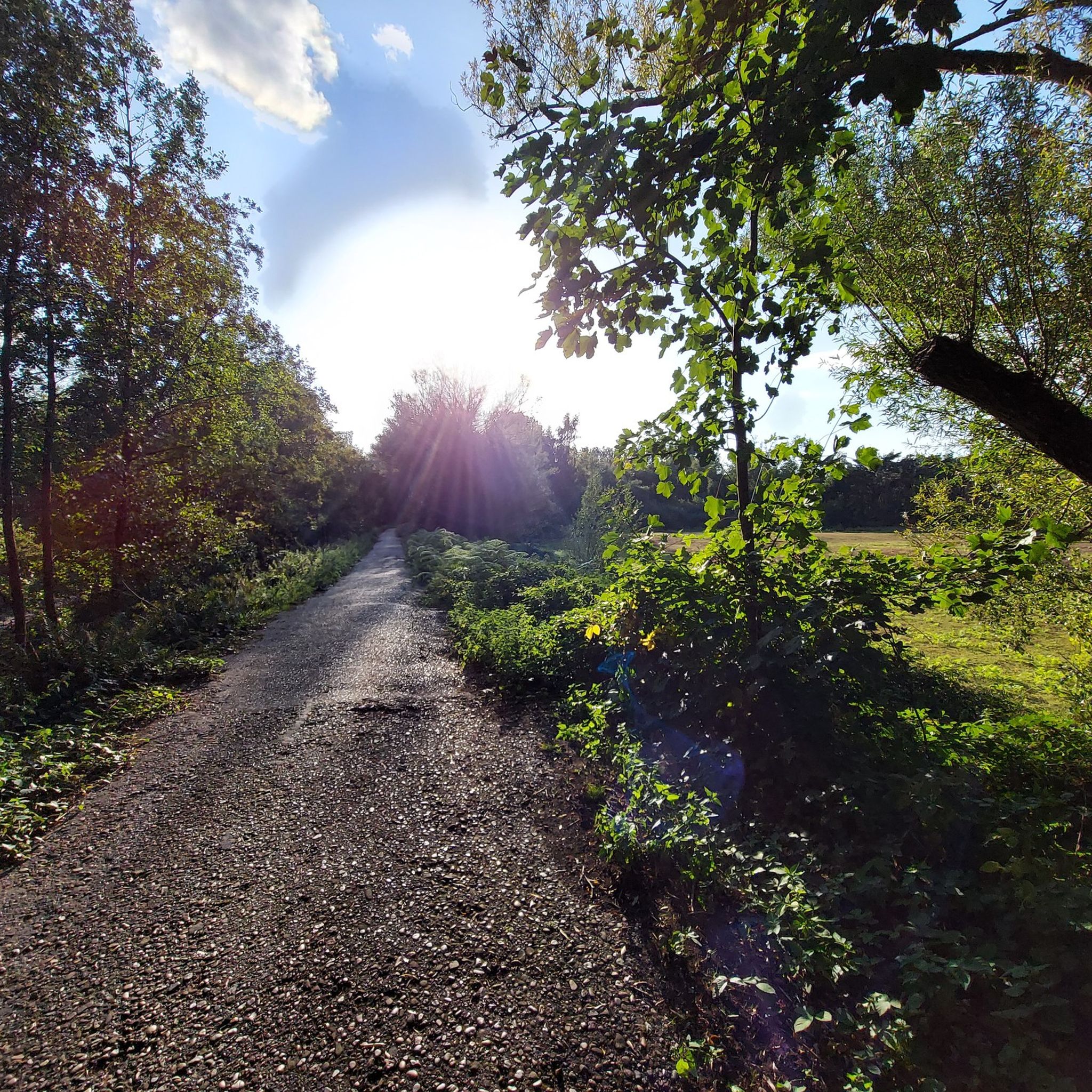
Hiking around Sint-Niklaas
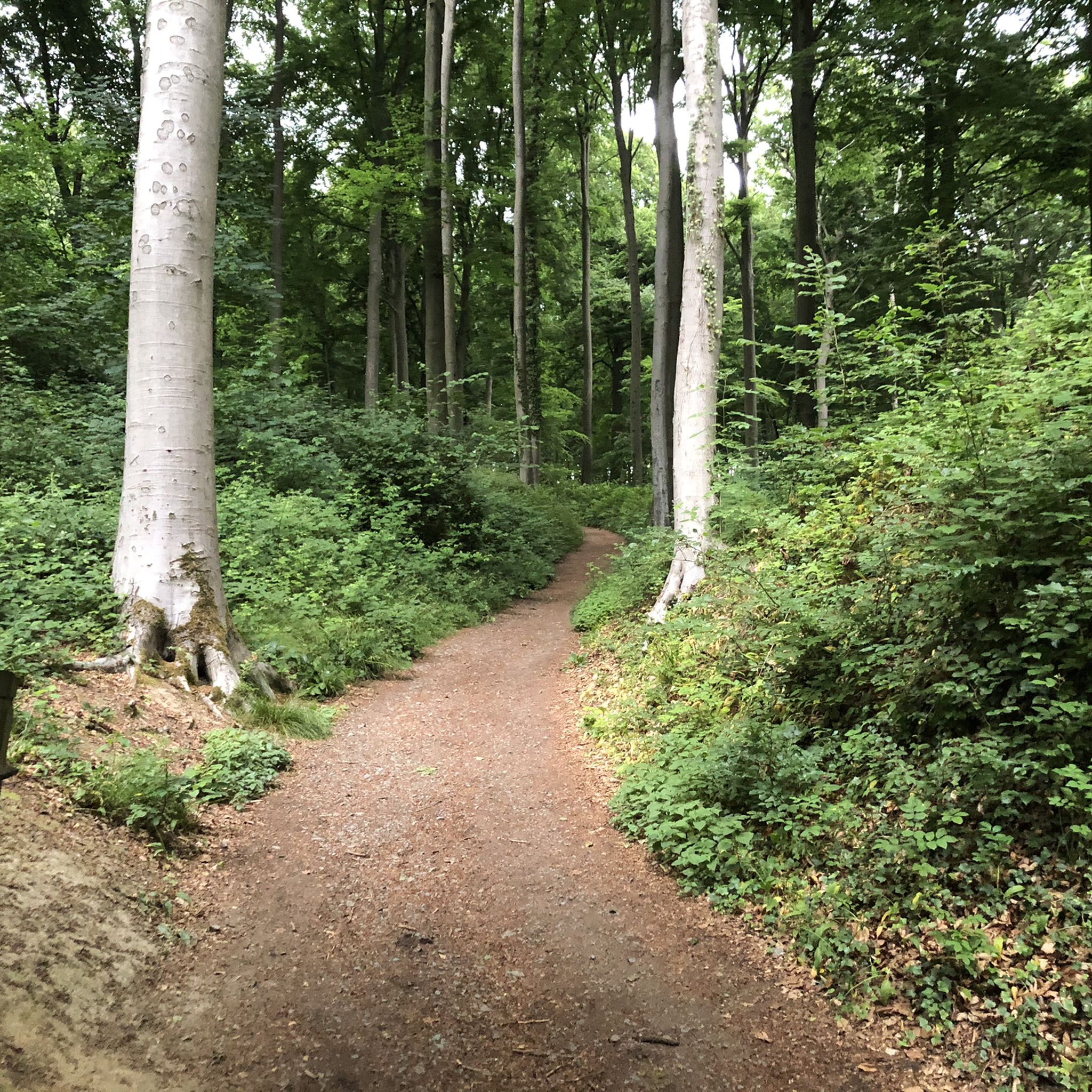
Hiking around Aalst
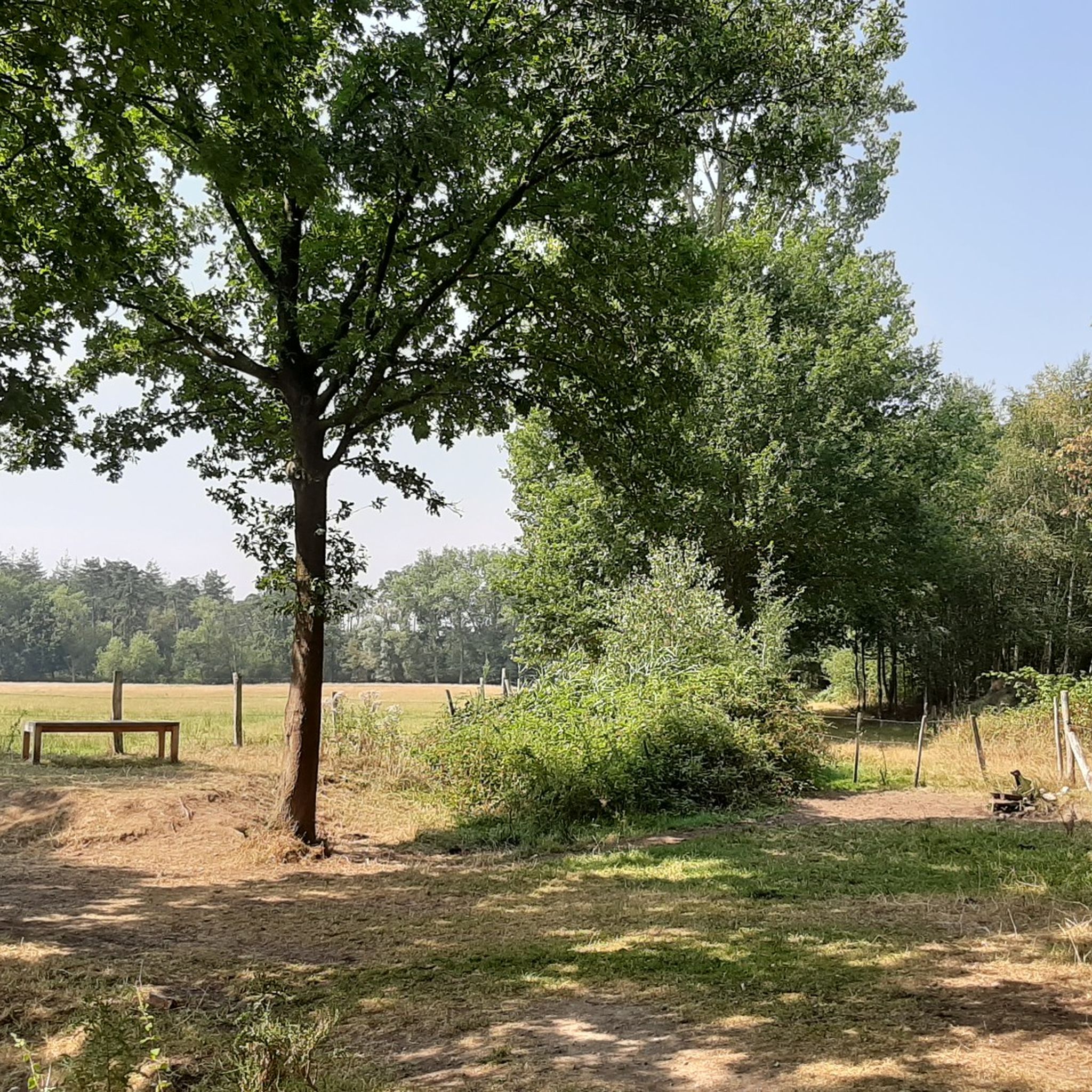
Hiking around Eeklo
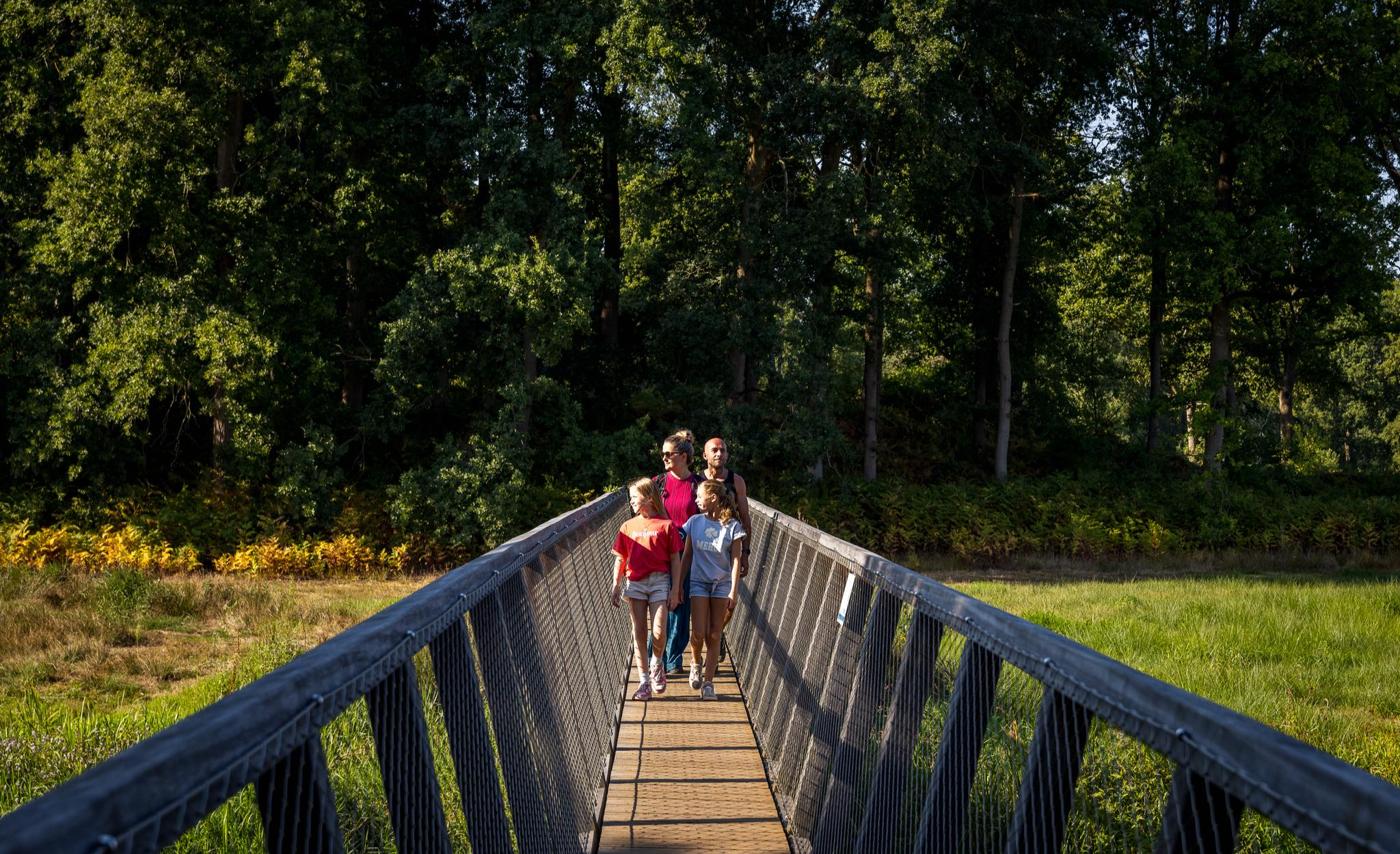
Flanders’ Finest Hiking Routes
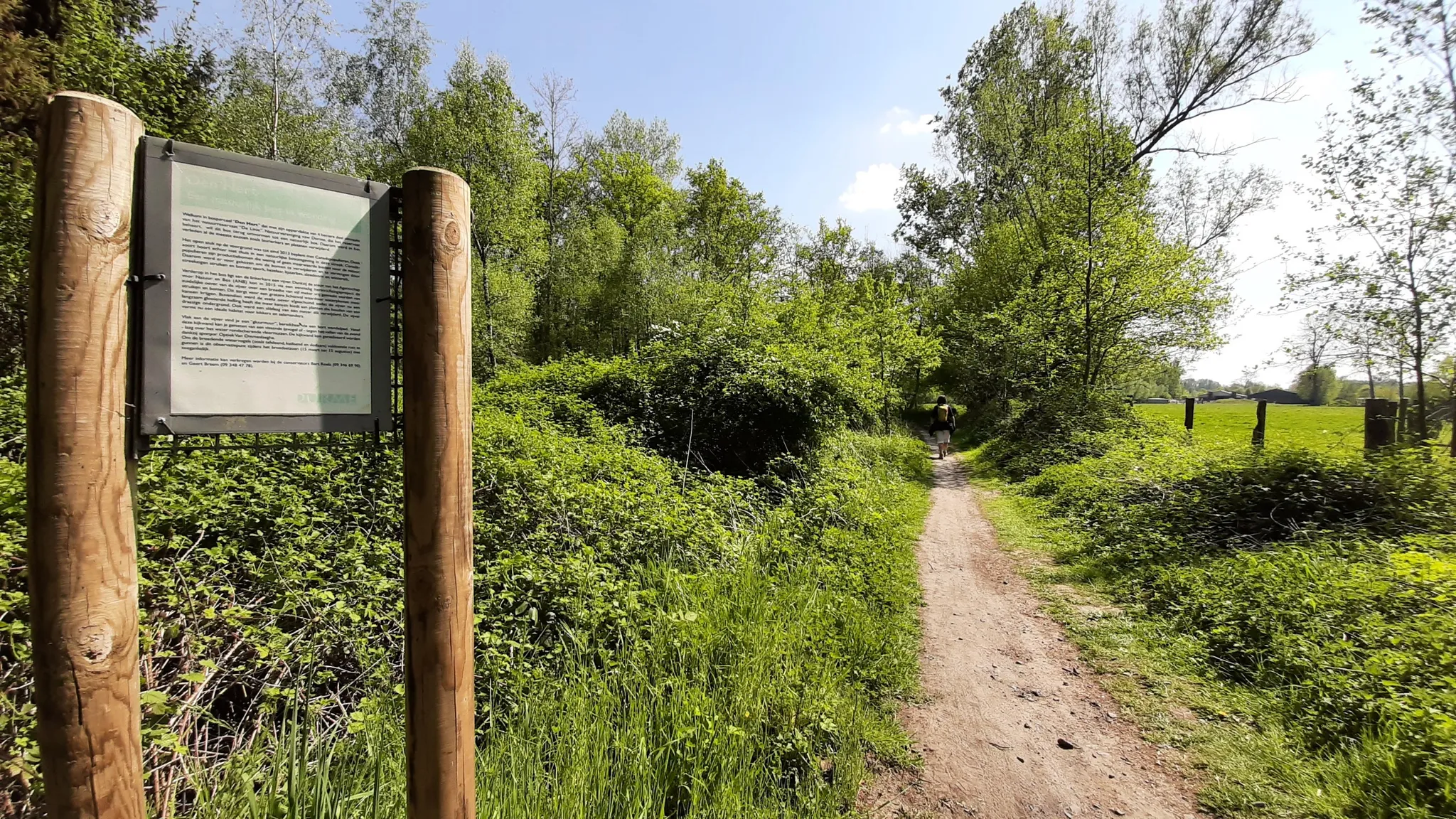
In the footsteps of den vos Reynaerde – Streek-GR Waas- en Reynaertland
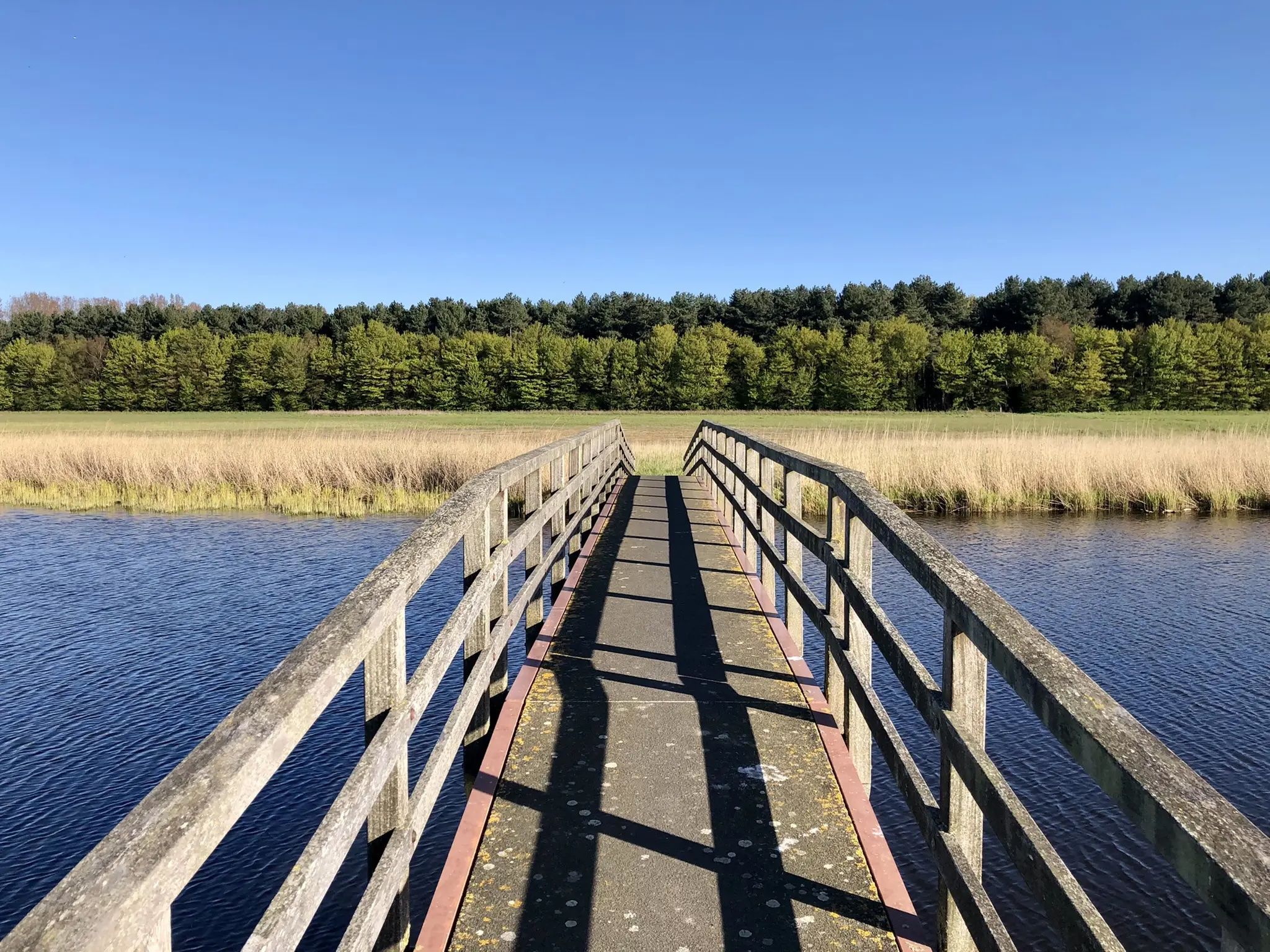
By West, East and Zeeuws-Vlaanderen — GR Uilenspiegel
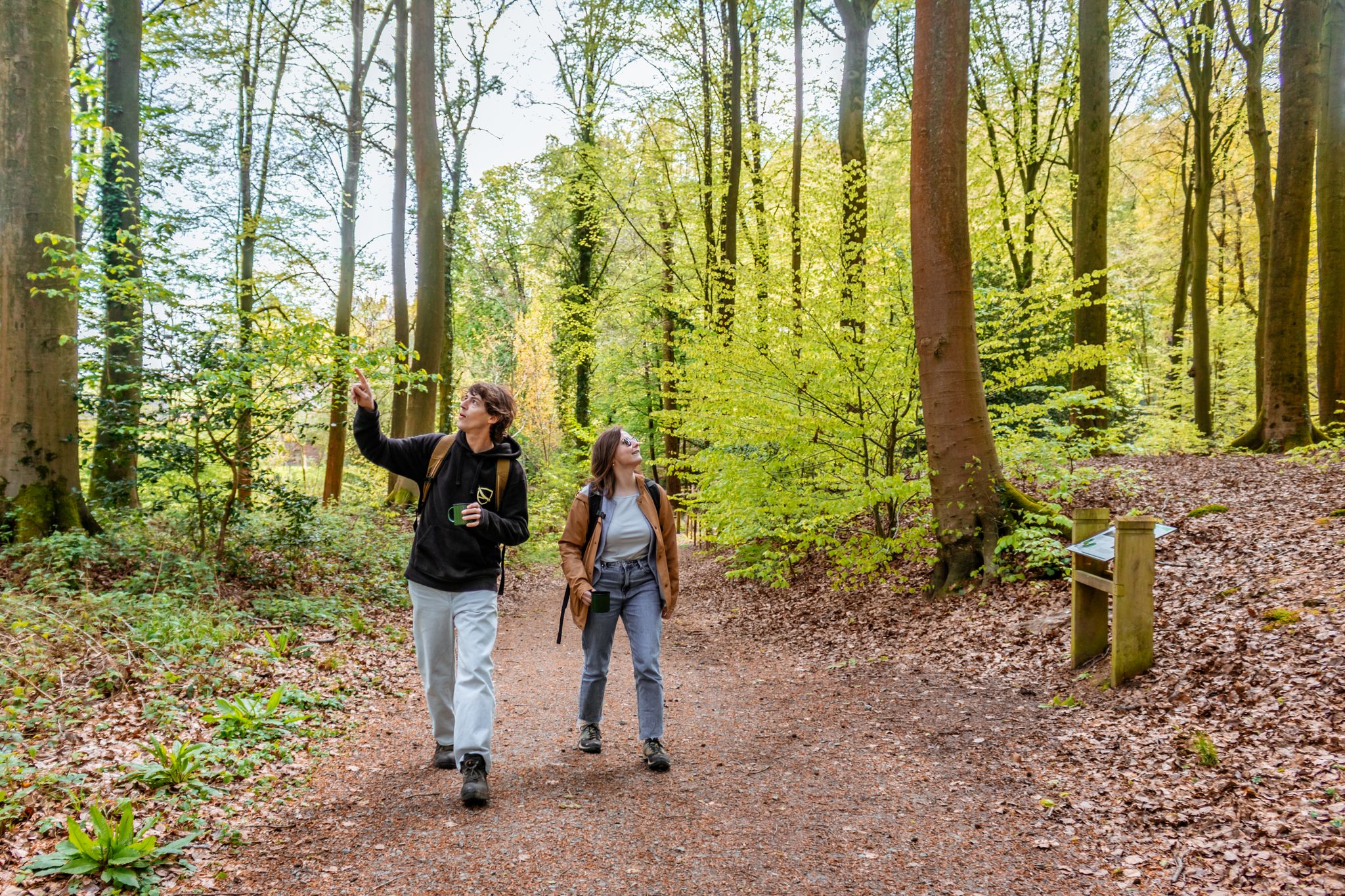
From station to station through nature – station hoppers in East Flanders
Other adventures in East Flanders


Tips from the Community

The Speicherhaus on the Graslei in Ghent dates from the late 12th century, making it one of the oldest examples of bourgeois Romanesque architecture in the Netherlands. It is built of Tournai limestone and was used as a grain staple until the mid-18th century. After falling into disrepair in the 19th century, it was restored in 1901-1902 and now houses a restaurant.
0
0

Walking through a sunken historyDid you know that the idyllic ponds in the Berlare Broek were created by human hands? Where you now enjoy chirping birds and reflecting trees, peat cutters toiled from 1686 onwards to extract precious fuel from the ground. Their back-breaking work in this ancient, cut-off Scheldt meander created more than fifty ponds. A beautiful piece of nature full of history where you can enjoy a wonderful walk through boardwalks and forest paths!
2
0

This bird hide is located between the Boterput on the left and the Piereput on the right.
3
0

Porta Arboreti; monumental entrance gate and former dovecote belonging to and once forming access to the Ooidonk castle domain, which originates in the 14th century.
1
0

A Romanesque warehouse, also called "Spijker", served as a storage place for grain transported along the Leiehaven until 1734. Presumably initially owned by the Ghent patrician family Utenhove; since the end of the 13th century, it belonged to the Holy Spirit table of St. Nicholas' Church, which rented it out to grain merchants. From the 16th century onwards, it housed offices of the staple lords, who supervised the collection of the Ghent staple duty; from 1750 as a meeting place for the Pijnders or grain unloaders. The ground floor in the 19th century deteriorated into slum dwellings; burned down in 1896, but the facade was preserved. Restored in 1903 according to a design by architect August Van Assche. Currently, the municipal cleaning service continues to use it for storing containers. Slightly forward-leaning facade with seven bays and three storeys, as well as a gable roof (ridges perpendicular to the street, slate tiles), from the fourth quarter of the 12th century. A wide, stepped gable with six bays and an additional bay, topped with two battlements, built entirely of Tournai limestone. Source: https://inventaris.onroerenderfgoed.be/erfgoedobjecten/24758
3
0
The Korenstapelhuis or Spijker is a guild house in the Belgian city of Ghent on the Graslei. It is a building built in the Romanesque style from the late 12th century, making it one of the oldest examples of bourgeois Romanesque architecture in Belgium and the Netherlands. It is built of Tournai limestone. It served as a Spijker (grain storage) until 1734. After that, the building served as a meeting place for the Pijnders (grain unloaders). In the 19th century, the building fell into disrepair until it was restored in 1901–1902. Today it houses a hamburger restaurant. To the right of the Korenstapelhuis is the Mauthaus. The left side wall of the Tolhuisje is actually the outer wall of the Korenstapelhuis.
3
0
Between the Leie and Onderbergen lies the Pand, a former Dominican monastery. It is an impressive complex around a forecourt and the old cemetery. The former hospital (1201) came into the hands of the Dominicans, an order that preached in cities and won souls, hence their nickname 'Preachers'. The people of Ghent, however, did not like being enslaved and were tired of the sermons. This monastery thus became one of the first victims of iconoclasm. In the 16th century, Ghent's first theological university saw the light of day in this monastery. Later, in the 19th century, the building became a "tenement house": Almost every square meter was rented out to students, artists, and Ghent tribes. The nickname 'Flea Palace' also dates from this period. Source: https://visit.gent.be/nl/zien-doen/pand
2
0
The Royal Dutch Theatre Dutch: Koninklijke Nederlandse Schouwburg, is a theatre building in the Belgian city of Ghent. The theatre is located on the north side of Sint-Baafsplein, which was created in 1897 by the demolition of older buildings that blocked the view of St. Bavo's Cathedral. The theatre was built between 1897 and 1899 on the site of the former Regnessestraat. It was designed in an eclectic style with predominantly Renaissance elements by the architect Edmond De Vigne.
3
0
Frequently Asked Questions
How many hiking trails are available in East Flanders?
East Flanders offers a vast network of over 10,900 hiking routes. These trails cater to various preferences, with over 6,800 easy routes, 3,600 moderate routes, and nearly 500 more challenging options.
What kind of terrain can I expect when hiking in East Flanders?
The terrain in East Flanders is quite diverse. You'll find the undulating hills and forests of the Flemish Ardennes, such as the Muziekbos, offering gentle slopes and some steeper climbs. Other areas feature tranquil river valleys like the Oude Kalevallei, with winding routes through meadows and past historic mills. Extensive woodlands, such as the Drongengoedbos, also provide varied landscapes.
Are there any family-friendly hiking routes in East Flanders?
Yes, East Flanders has many family-friendly options. The region's diverse landscapes include numerous easy walks suitable for all fitness levels. For example, the Oude Kalevallei features routes that pass through picturesque villages and offer gentle terrain, perfect for a family outing. Many forest areas also provide safe and enjoyable paths for children.
Can I bring my dog on the hiking trails in East Flanders?
Many hiking trails in East Flanders are dog-friendly, allowing you to explore the region's natural beauty with your canine companion. It's always recommended to keep dogs on a leash and respect local regulations, especially in nature reserves or near livestock. Forest areas like the Drongengoedbos or the Lembekse bossen are generally good choices for walks with dogs.
Are there circular hiking routes in East Flanders?
Yes, East Flanders offers numerous circular hiking routes, allowing you to start and end your journey at the same point. A great example is the Old Kalevallei hiking route - loop 1, which takes you through scenic landscapes and charming villages. Many other trails, particularly those exploring forests or specific natural areas, are designed as loops for convenience.
What interesting landmarks or attractions can I see along the hiking trails?
Hiking in East Flanders often combines natural beauty with cultural sights. You can explore routes that lead past historic castles, such as the Ooidonk hiking trail, which circles the magnificent Ooidonk Castle. The Oude Kalevallei also features picturesque mills and charming villages. Natural landmarks include the Kluisbos Forest and the Muziekbos Play Forest, offering beautiful natural scenery.
Are there any hikes that feature water views or river landscapes?
Absolutely. East Flanders is home to tranquil riverine and valley landscapes. The Sombeke-Oude Durme hiking route offers serene views of still waters, mudflats, and salt marshes. You can also find peaceful paths along the Upper Scheldt Canal, providing a relaxing experience by the river. The Rupelmond Creek hiking trail is another excellent option for enjoying water views within the National Park Scheldt Valley.
What do other hikers enjoy the most about hiking in East Flanders?
The komoot community highly rates hiking in East Flanders, with an average score of 4.4 stars from over 16,000 reviews. Hikers often praise the region's diverse landscapes, from the rolling hills of the Flemish Ardennes to the peaceful river valleys and extensive forests. The well-maintained trails and the blend of nature with charming villages and historical sites are frequently highlighted as key attractions.
Are there any challenging hikes for experienced hikers?
While many routes are easy to moderate, the Flemish Ardennes region offers some more challenging sections with steeper climbs, providing a good workout for experienced hikers. Routes that traverse the more undulating parts of this area, such as those near the Koppenberg or Paterberg Climb, can offer a more strenuous experience.
Are there opportunities for refreshments or pub stops along the trails?
Many hiking trails in East Flanders pass through or near charming villages, offering opportunities to stop for refreshments. The Oude Kalevallei, for instance, takes you through picturesque villages like Merendree and Vinderhoute, where you can find cozy catering establishments. It's common to find local cafes or pubs in the towns and villages that serve as starting or ending points for popular routes.
What is the best time of year to go hiking in East Flanders?
East Flanders offers enjoyable hiking experiences throughout much of the year. Spring brings blooming nature and mild temperatures, while autumn showcases beautiful fall foliage in the region's many forests. Summer is ideal for longer days and warmer weather, though some trails can be busy. Even winter offers peaceful, crisp walks, especially in the extensive woodlands.
Most popular routes in East Flanders
Most popular attractions in East Flanders

Get inspired with the komoot mobile app


Didn’t find what you were looking for?
Check out more Hikes throughout East Flanders below and find the perfect route in your destination.
Explore more
Browse the best Hikes in other regions.
