Top 20 Natural Monuments in Sud Sardegna
Best natural monuments in Sud Sardegna showcase the region's diverse geological history and varied landscapes. This area features a captivating array of natural formations, from towering sea stacks to extensive dune systems and ancient forests. Visitors can explore coastal features, unique rock formations, and significant ecological zones. The natural environment provides opportunities to observe diverse flora and fauna within its protected areas.
Best natural monuments in Sud Sardegna
- The most popular natural monuments is Nebida Belvedere Walk, a trail…
Last updated: October 13, 2026
Nebida Belvedere Walk
Highlight (Segment) • Trail
Translated by Google •
Tip by

Masua beach and view of Pan di Zucchero
Highlight • Beach
Translated by Google •
Tip by

Sign up now to discover places like this
Get recommendations on the best single tracks, peaks, & plenty of other exciting outdoor places.
Pan di Zucchero Rock Formation
Highlight • Natural Monument
Translated by Google •
Tip by

San Giovanni Cave
Highlight • Cave
Translated by Google •
Tip by

Chia Beach
Highlight • Beach
Translated by Google •
Tip by

Punta Molentis Beach
Highlight • Beach
Translated by Google •
Tip by

Mount Minniminni
Highlight • Summit
Translated by Google •
Tip by

Rock formations at Punta Molentis
Highlight • Natural Monument
Translated by Google •
Tip by

Cala Domestica — Beach and Ruins
Highlight • Beach
Translated by Google •
Tip by
Piscinas Dunes
Highlight • Beach
Translated by Google •
Tip by
Sign up for free to discover even more natural monuments in Sud Sardegna.
Already have an account?
Start today with a free account
Your next adventure awaits.
Popular around Sud Sardegna
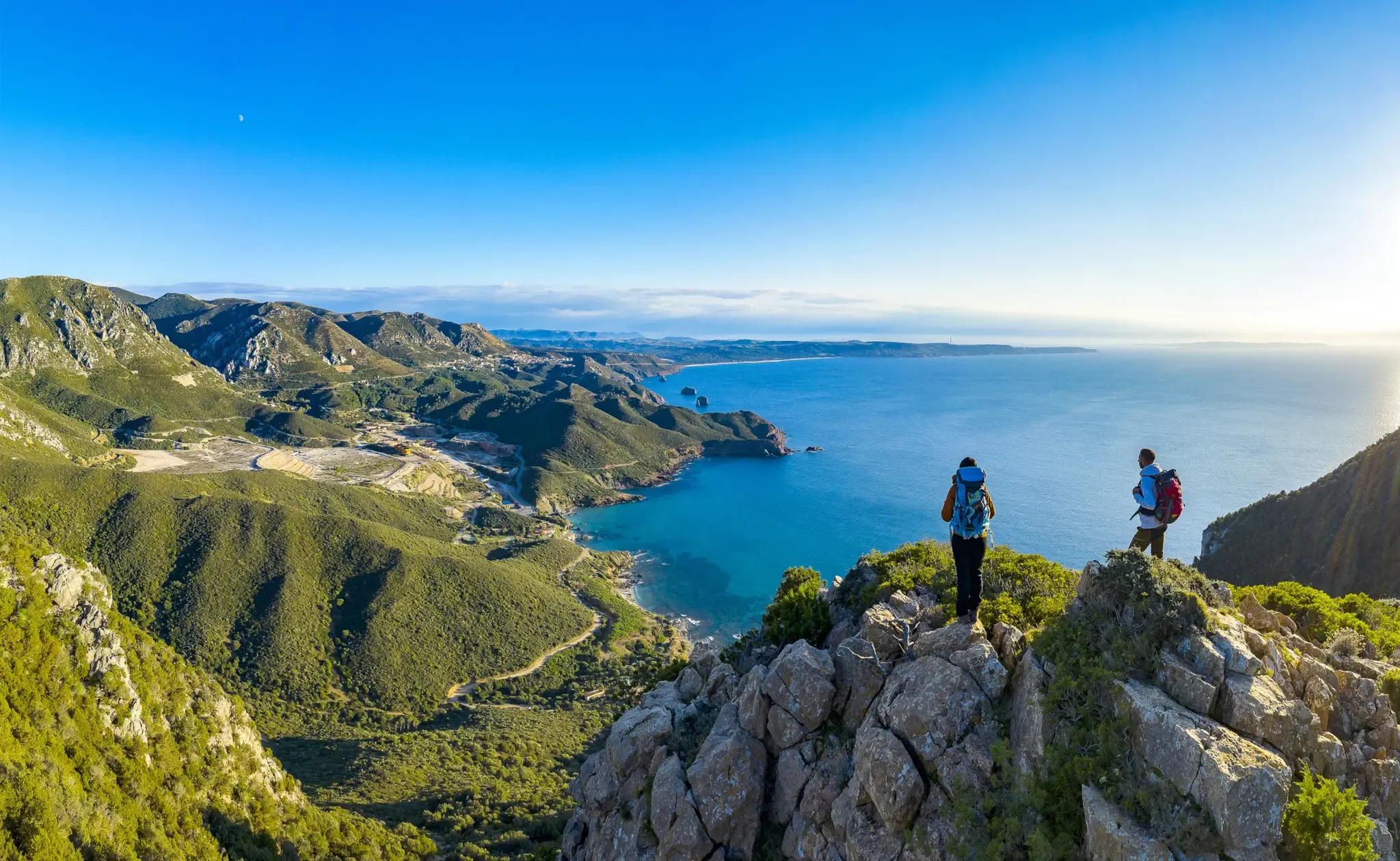
Cammino Minerario di Santa Barbara – memories of ancient Sardinia
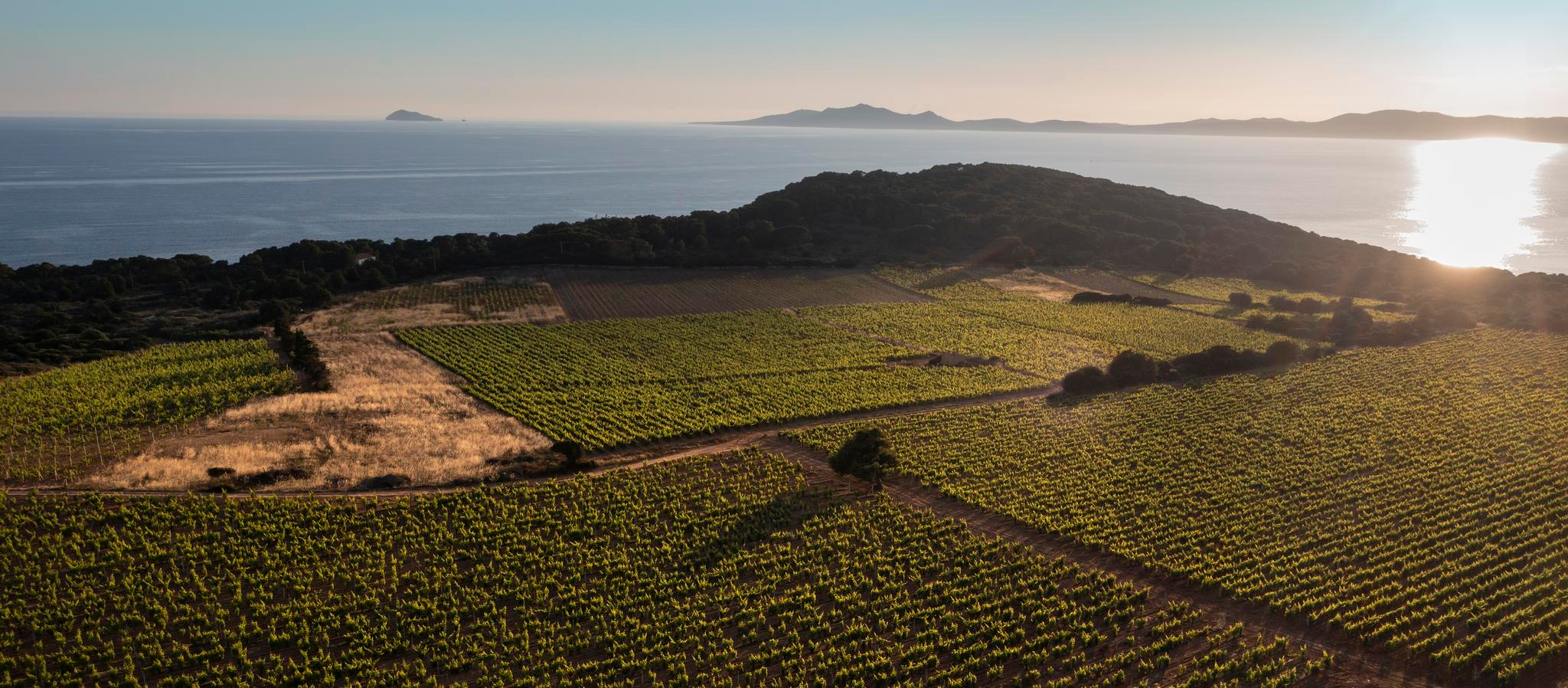
Trails among Carignano's vineyards – Cammino Minerario di Santa Barbara
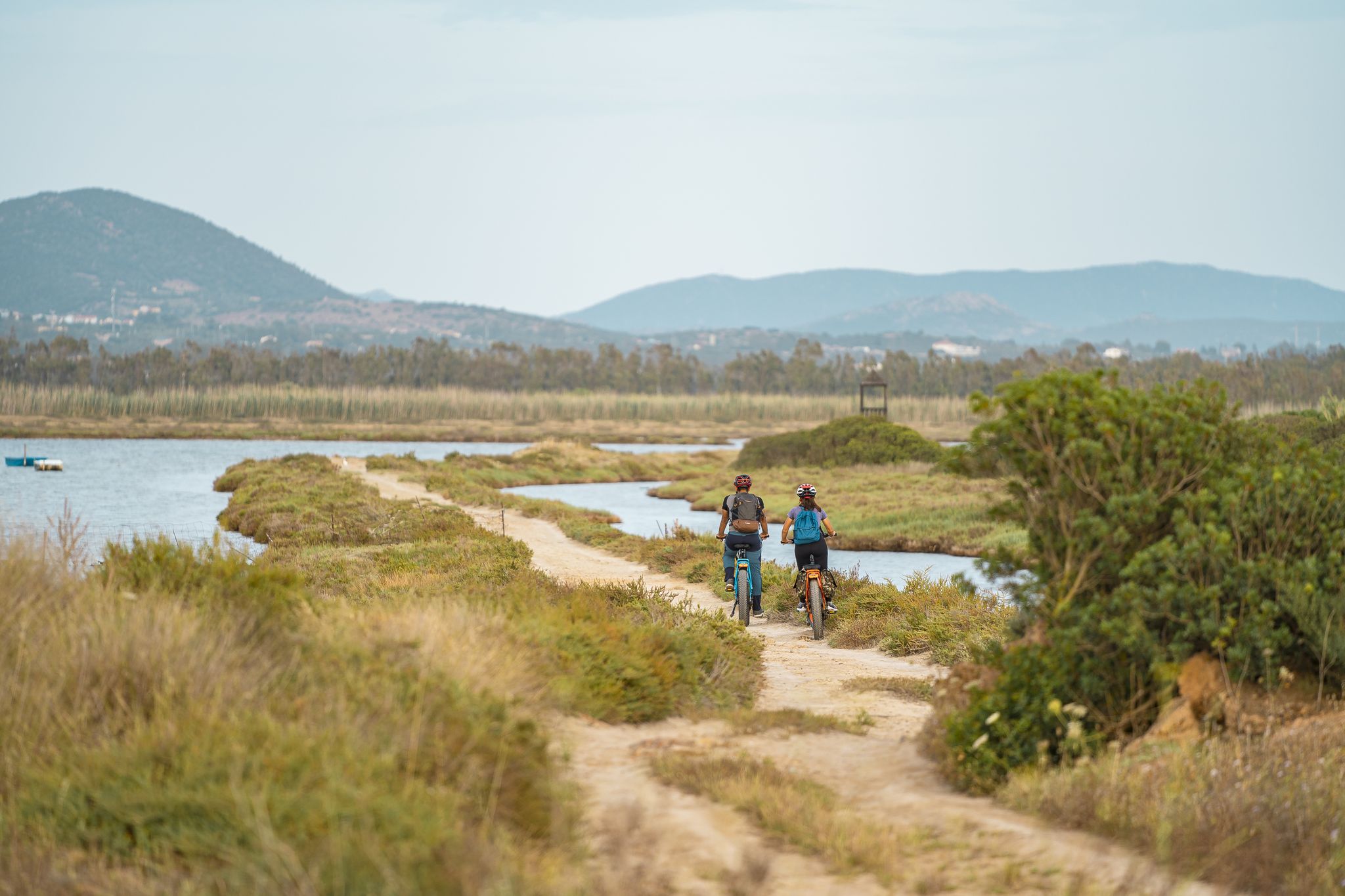
Ciclovia del Cammino Minerario di Santa Barbara
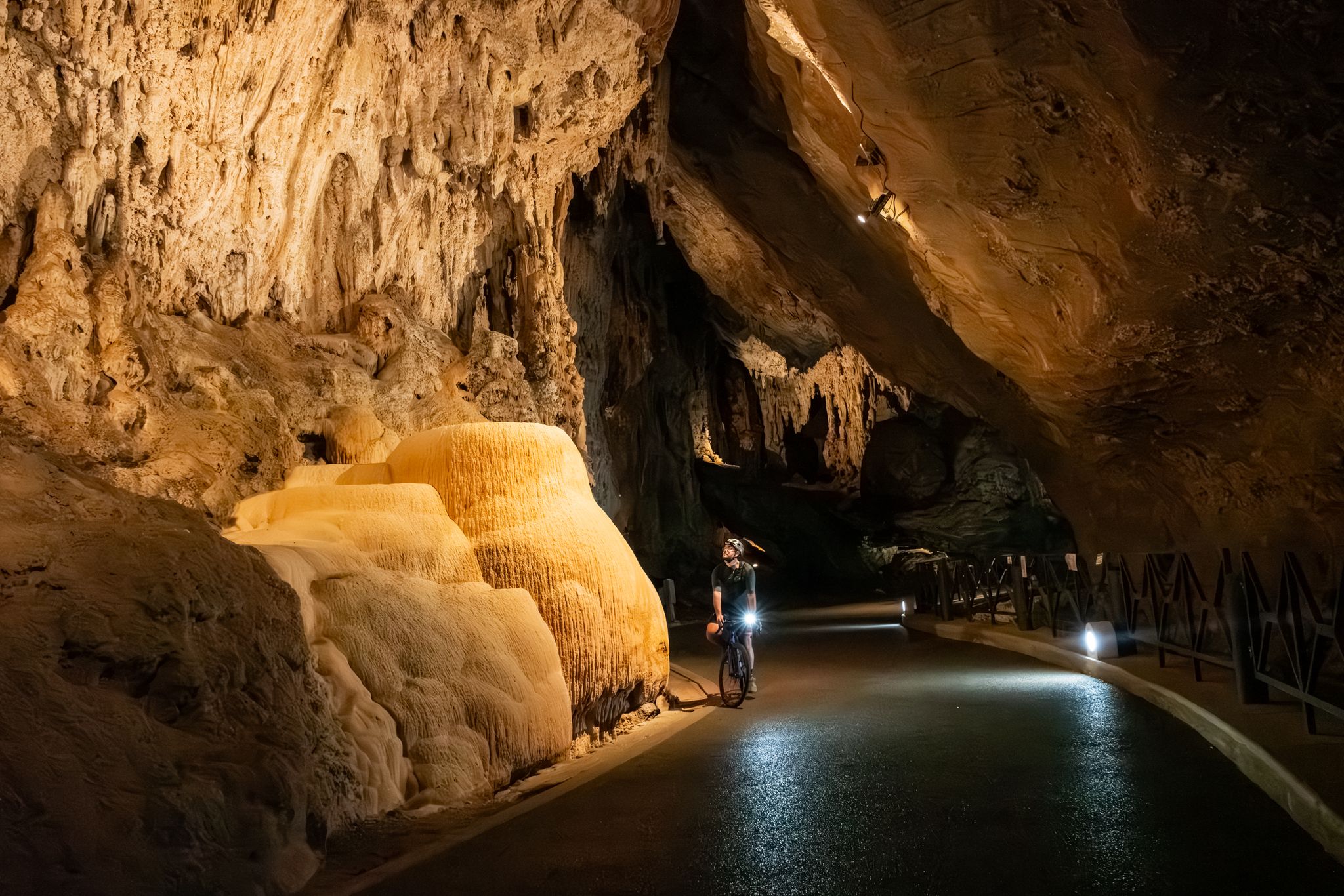
Sardinia by bike – three days in the southwest with Pietro Franzese
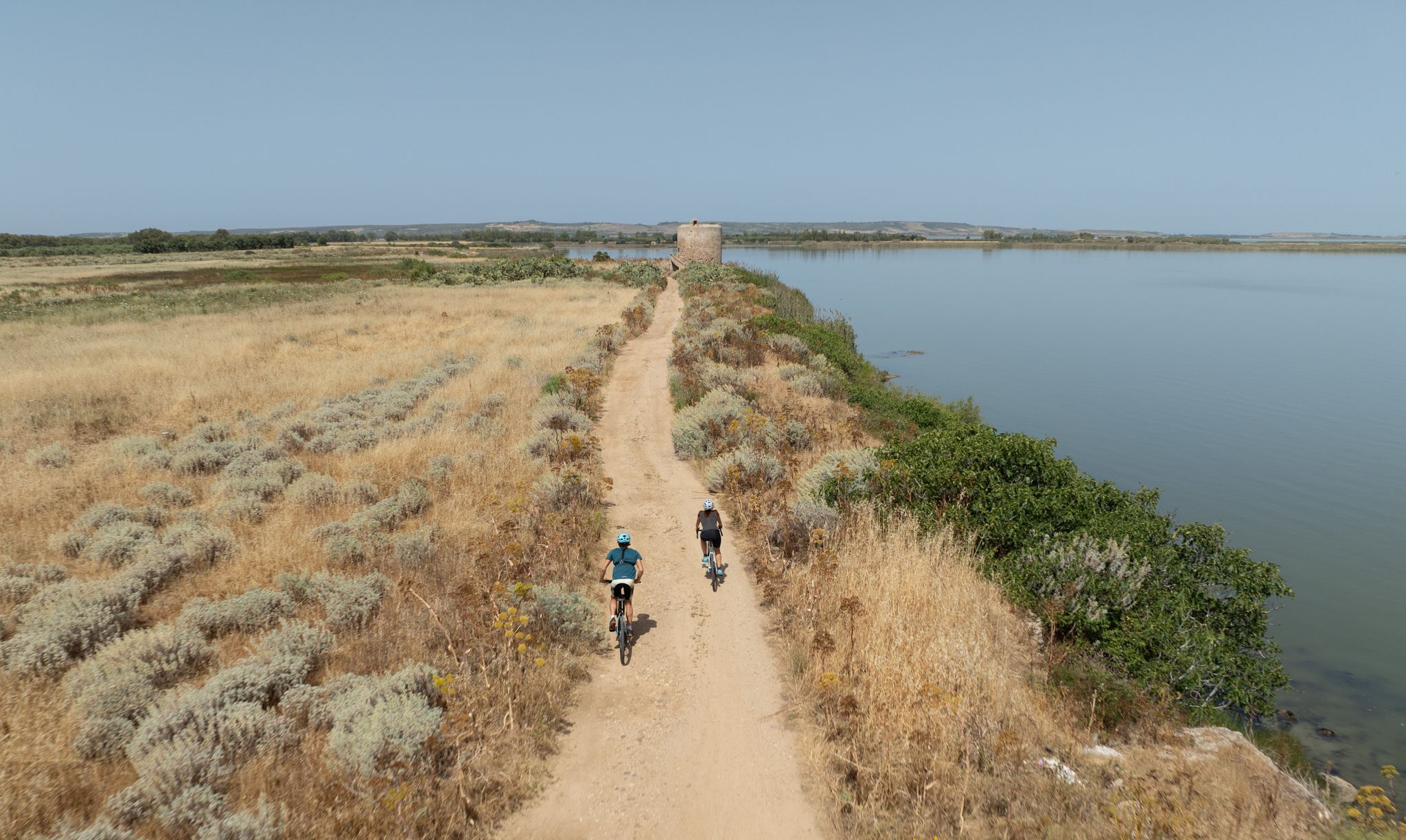
Discover wild Sardinia – 10 superb MTB Tours
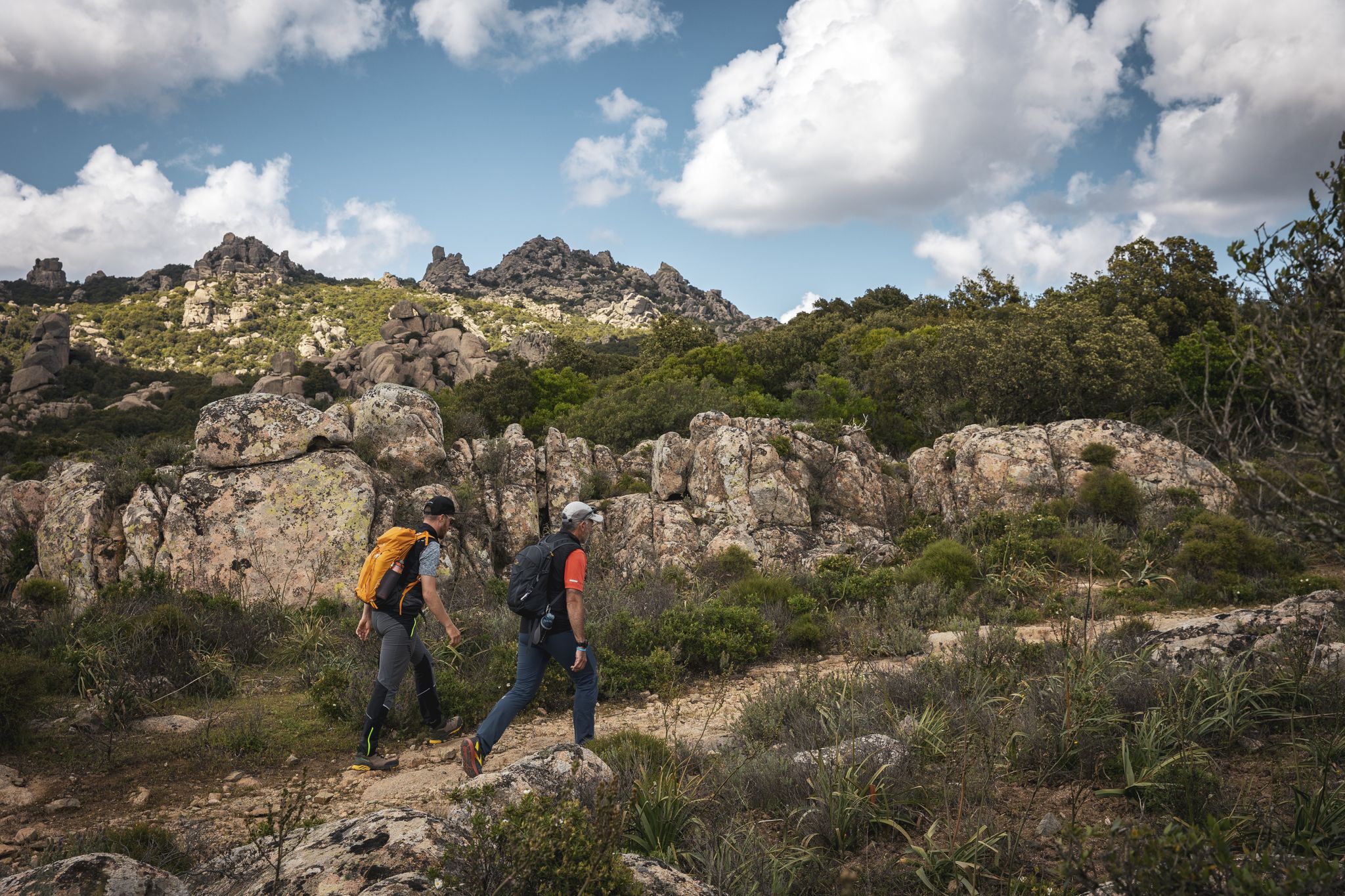
Eternal Sardinia – walks among the wonders of the hinterland
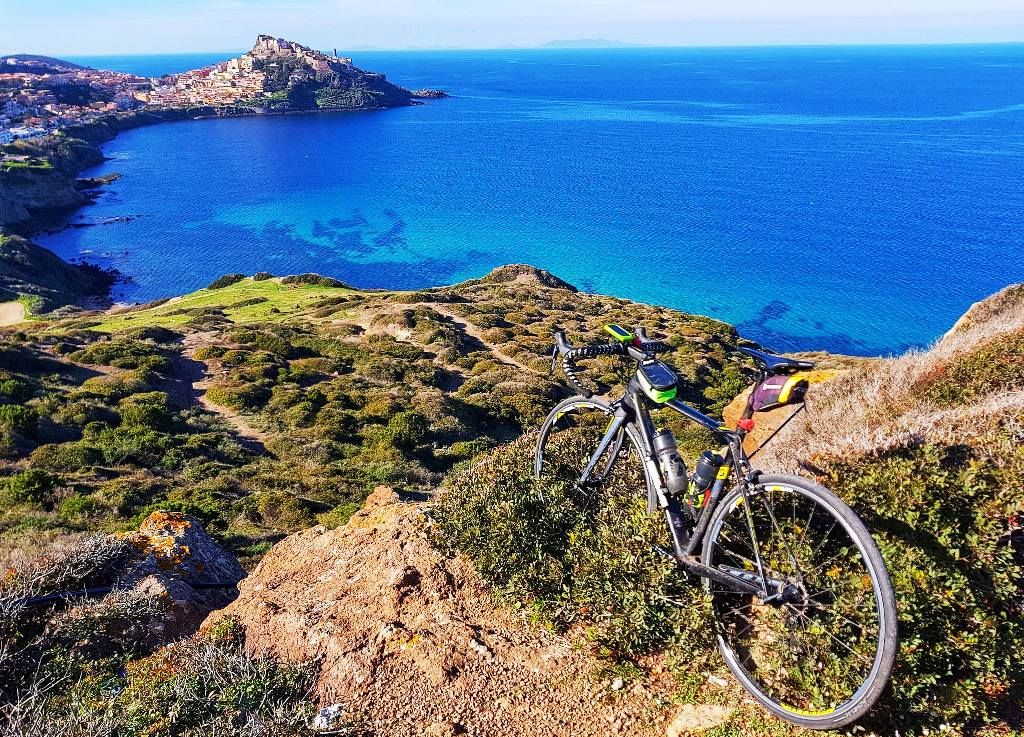
Sardinia by road bike – ten routes to discover the island
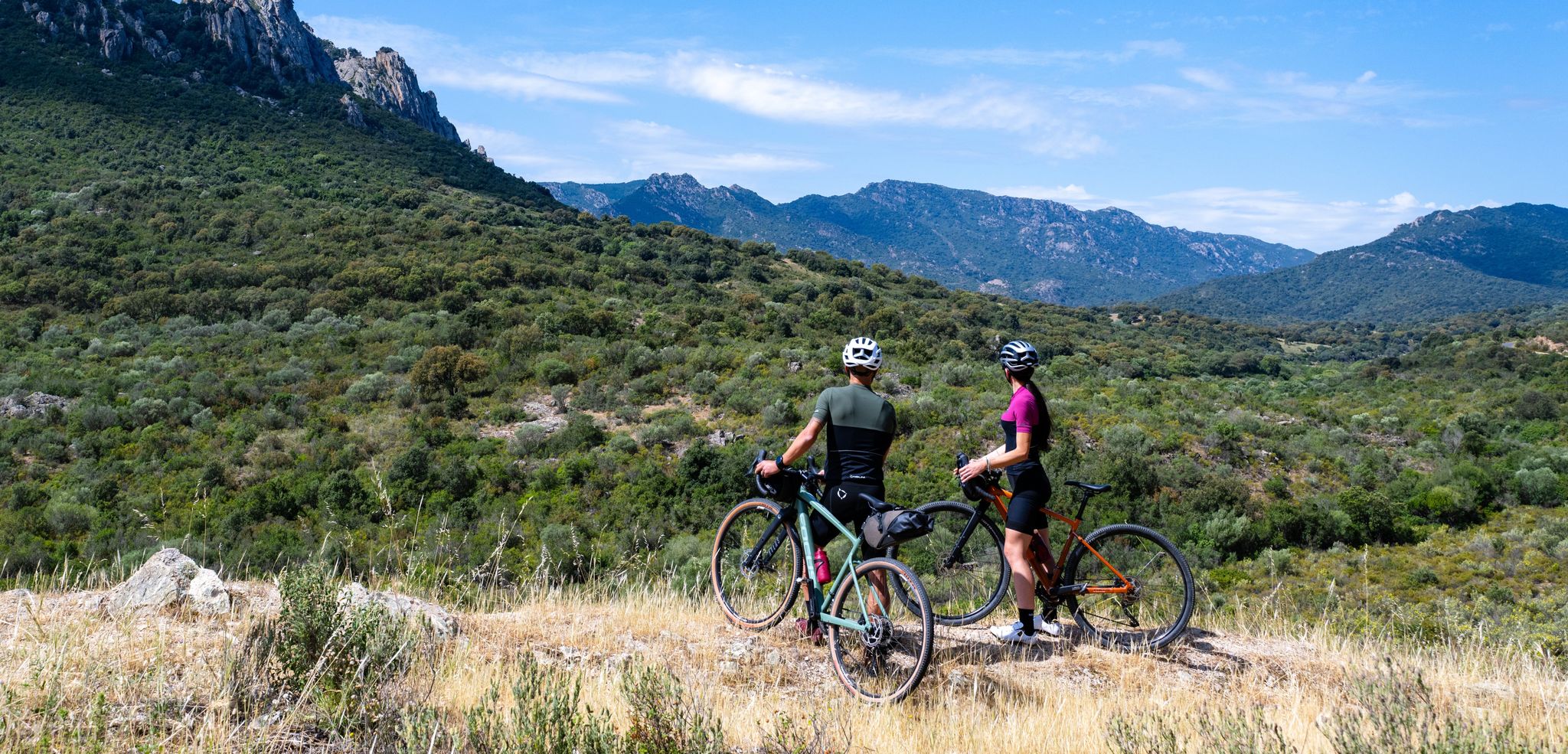
Sardinia by e-bike – enchanting landscapes and ancient culture
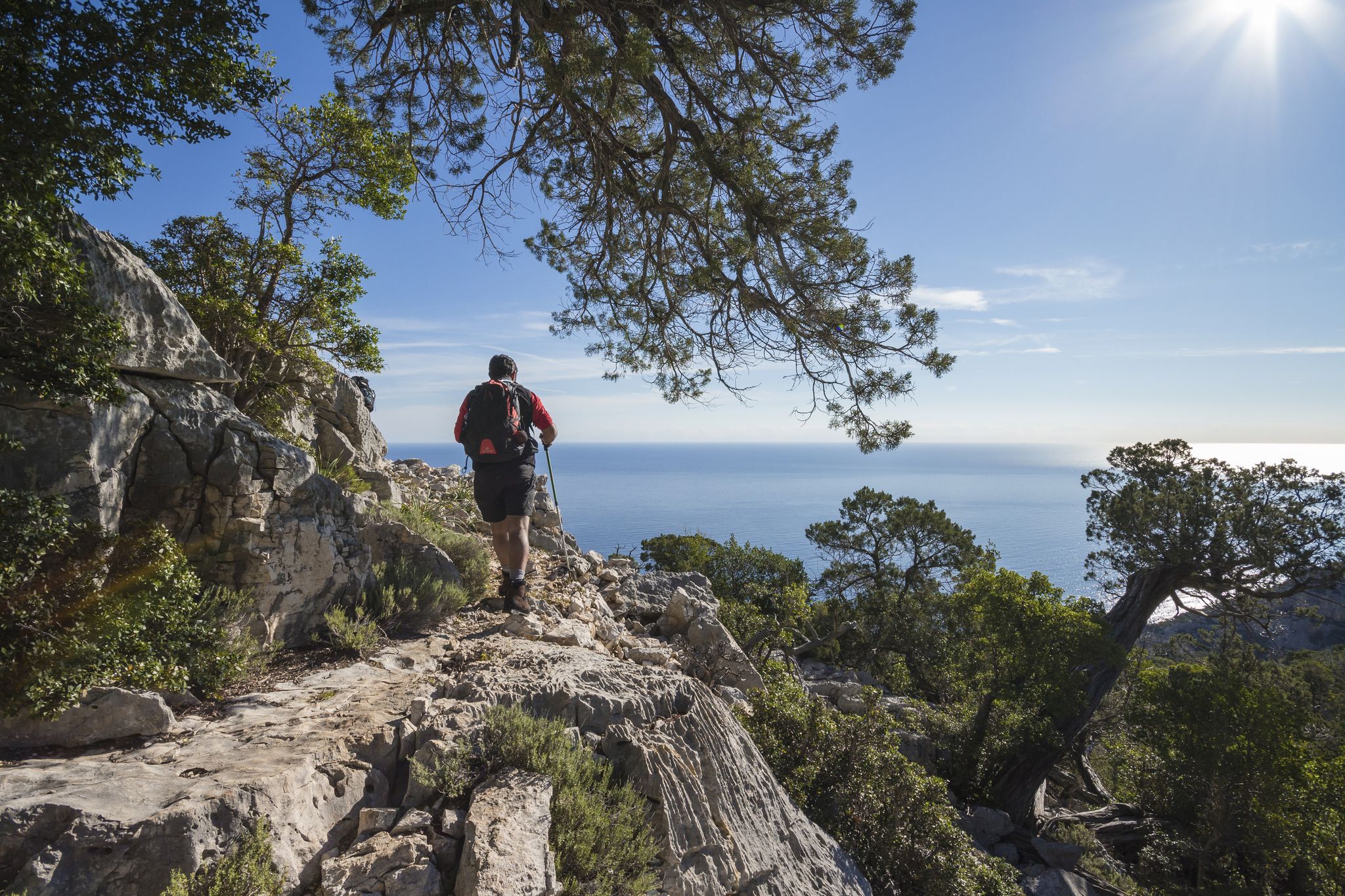
Magnificent Sardinia – day hikes overlooking the sea
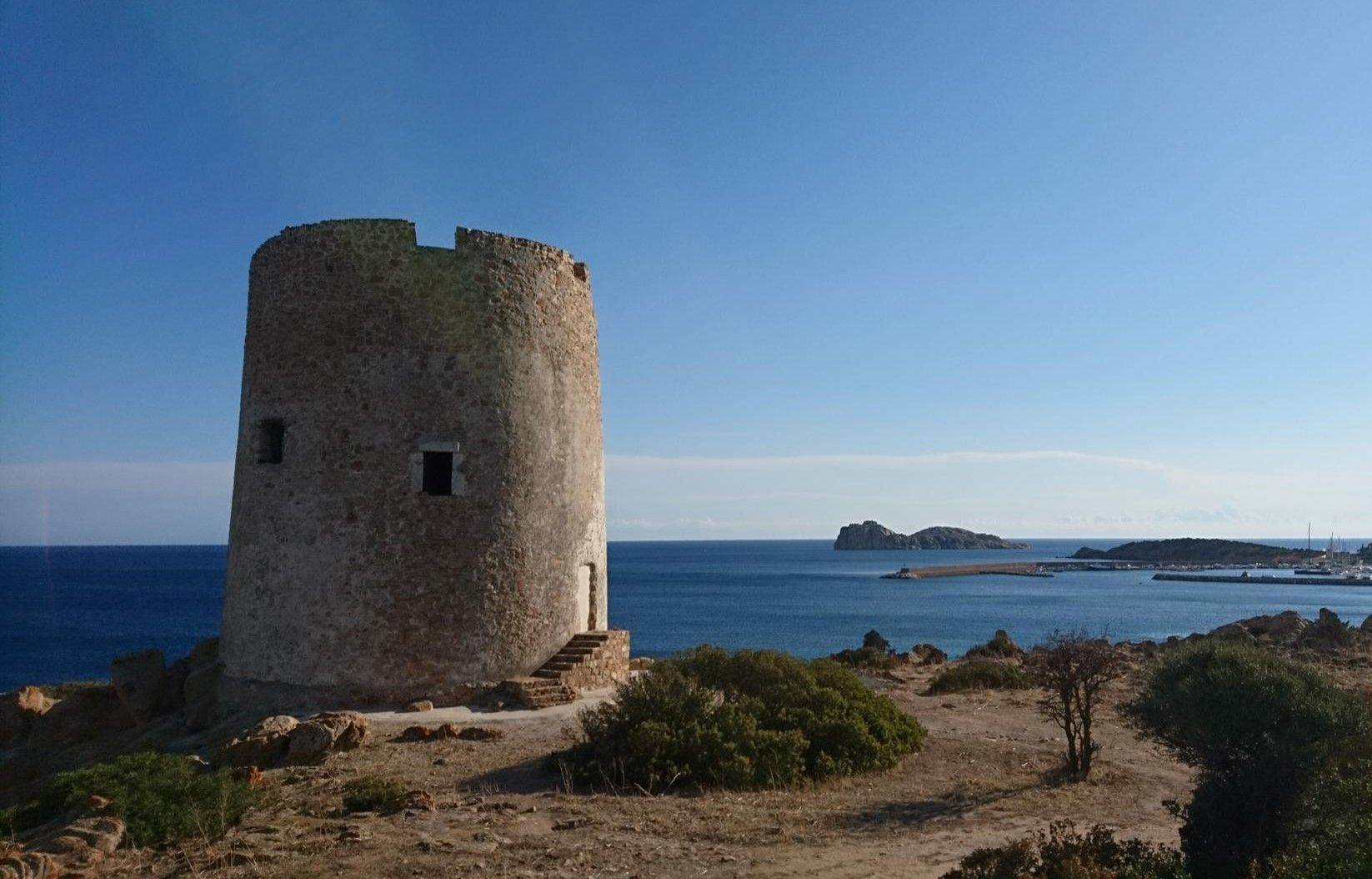
Portoscuso to Cagliari on the Via del Martirio – Cammino 100 Torri
Other adventures in Sud Sardegna


Tips from the Community

The evocative Grotta di San Giovanni is a geological and archaeological treasure, as well as the longest vehicle-accessible cave in the world. The cave is accessible from two sides, but the ticket office and information point are located at the main, southern entrance. Entrance is permitted only during cave opening hours. Ticket prices vary depending on the type of visit. You can find all the latest information on the website: https://www.grottasangiovanni.com/.
1
0

When the sun sets and the sea turns to liquid silver, then it happens: From the tranquil blue, the rock rises – not like a foreign body, but like a thought of the earth turned to stone. Pan di Zucchero, or Sugarloaf, they call it, and indeed: There it stands, as if licked by the sky and washed by the sea, round and proud, as if watching over the Sardinian coast. The last rays of day creep over its limestone walls, licking firmly at the edges, casting both shine and shadow. In this light, it glows – not garishly, not obtrusively, but like something that remembers: the millennia of the sea, the silence beneath the water, the spray of geologists, birds, wind, and the hand of man who searched for ore and dug veins nearby. A monument that demands nothing. It simply stands there – and is contemplated. From Masua, one approaches, on foot or by boat, with the rocks on the right and the open blue on the left. Those who take the path will be rewarded with views that are out of the ordinary. Those who choose the boat will be amazed: by the grottos that dig into the base like eyes, by the almost outrageous height – 133 meters rising vertically from nothing. And then, in the late afternoon, when the sun is low and the rocks are silent, something else happens: Sugarloaf Mountain begins to tell its story. About the time when it was still connected to the mainland. About its little brothers – Il Morto, S'Agusteri – that stand lost in the sea. And about all the seagulls that circle as if they had invented the place. No photo, no filter can replace this moment: the whisper of the wind, the salty air, the light that forgets the sky. You stand there and are silent. And the rock – it remains. As if it had always been there. And always would be.
1
0


The majestic limestone monument rises like a sentinel from the deep blue Mediterranean. This imposing rocky spire off the southwest coast of Sardinia is a geological masterpiece, formed by millions of years of erosion. The 133-meter-high rock is a remnant of the Cretaceous period.
1
0

The journey takes you along a gravel road that branches off the coastal road between Costa Rei and Villasimius. The route is easy to drive on, but hardly signposted. The L'Oleandro Hotel & Beach is located in one of the winding roads and will serve as a signpost. The side road, Strada per Punta Molentis, leads off to the beach. Parking is free on the side of the road or on gravel areas near the beach. However, finding a parking space can be difficult, especially in high season.
1
0
The journey takes you along a gravel road that branches off the coastal road between Costa Rei and Villasimius. The route is easy to drive on, but hardly signposted. The L'Oleandro Hotel & Beach is located in one of the winding roads and will serve as a signpost. The side road, Strada per Punta Molentis, leads off to the beach. Parking is free on the side of the road or on gravel areas near the beach. However, finding a parking space can be difficult, especially in high season.
1
0
The small dream bay of Punta Molentis on the south-east coast of Sardinia impresses with its picture-book panorama and crystal-clear water. The beach is the link between the mainland and the small peninsula of Punta Molentis. The special thing about the beach: one side of the beach is in a bay, has fine sand and attracts with shallow, calm water. The other side of the beach faces the open sea and is characterized by rocks and waves. Despite its isolation, the beach is very popular. To enjoy the view in peace, a visit early in the morning or in the off-season is ideal.
1
0
The small dream bay of Punta Molentis on the south-east coast of Sardinia impresses with its picture-book panorama and crystal-clear water. The beach is the link between the mainland and the small peninsula of Punta Molentis. The special thing about the beach: one side of the beach is in a bay, has fine sand and attracts with shallow, calm water. The other side of the beach faces the open sea and is characterized by rocks and waves. Despite its isolation, the beach is very popular. To enjoy the view in peace, a visit early in the morning or in the off-season is ideal.
1
0
Frequently Asked Questions
What are some of the most spectacular natural monuments to visit in Sud Sardegna?
Sud Sardegna boasts several spectacular natural monuments. The iconic Pan di Zucchero Rock Formation, a 133-meter-high sea stack, is considered one of the most imposing in the Mediterranean. You can admire its beauty from Masua beach, especially at sunset. Another must-see is the Piscinas Dunes, an extensive area of golden sand dunes, some reaching up to 60 meters high, creating a unique desert-like landscape.
Are there natural monuments in Sud Sardegna that offer both natural beauty and historical significance?
Yes, several natural monuments in Sud Sardegna combine stunning natural beauty with rich history. The Nebida Belvedere Walk offers panoramic views of the Iglesiente coast and Pan di Zucchero, while winding through an old mining village with industrial archaeology sites like Laveria La Marmora. Additionally, Cala Domestica — Beach and Ruins features a beautiful bay alongside remnants of old mining structures and tunnels.
Which natural monuments are best for families with children?
For families, Punta Molentis Beach near Villasimius is an excellent choice, known for its soft white sand and crystal-clear, shallow waters ideal for swimming and snorkeling. The Piscinas Dunes also offer a unique and expansive natural playground for children to explore. For a different experience, the Su Mannau Cave provides an intriguing underground adventure suitable for families.
What kind of wildlife can I expect to see at the natural monuments in Sud Sardegna?
The natural monuments in Sud Sardegna are home to diverse wildlife. The Gutturu Mannu Regional Nature Park, one of Italy's largest forests, is a significant biodiversity hotspot where you might spot endemic species such as Sardinian deer, wild boar, golden eagles, buzzards, peregrine falcons, and wild cats. The Domo Andesitico di Acquafredda is also a vital ecological niche, particularly for birds of prey like kestrels and golden eagles.
Are there any accessible natural monuments for visitors with mobility considerations?
While many natural monuments involve some walking or uneven terrain, the San Giovanni Cave is noted as being wheelchair accessible, offering a unique opportunity to explore an underground natural wonder. For coastal views, some sections of the Nebida Belvedere Walk may offer accessible viewpoints, though the full trail involves varied terrain.
What are the best natural monuments for panoramic views?
For breathtaking panoramic views, the Nebida Belvedere Walk is highly recommended, offering stunning vistas of the Iglesiente coast, including Pan di Zucchero. Mount Minniminni also provides challenging trails leading to rewarding viewpoints. Additionally, the Domo Andesitico di Acquafredda, crowned by Acquafredda Castle ruins, offers spectacular views of the Cixerri Valley and beyond.
Can I find hiking trails near the natural monuments in Sud Sardegna?
Yes, Sud Sardegna offers numerous hiking opportunities near its natural monuments. For easy walks, you can explore routes like the Capo Carbonara loop or the Punta Molentis and Porto Luna Trail, both found in the Easy hikes in Sud Sardegna guide. The Gutturu Mannu Regional Nature Park is a paradise for hiking enthusiasts, with intense and relaxing walks amidst unspoiled nature and majestic canyons.
What other outdoor activities can I do near the natural monuments?
Beyond hiking, Sud Sardegna provides various outdoor activities. You can find running trails such as the Capo Carbonara Ring Tour or Monte Ferru Hiking Trail in the Running Trails in Sud Sardegna guide. For cycling, explore routes like the Tour of the island of Sant'Antioco or the challenging From Iglesias through the mines of Su Zurfuru and Monteponi, detailed in the Cycling in Sud Sardegna guide. Many coastal natural monuments, like Punta Molentis, are also excellent for swimming, snorkeling, and scuba diving.
Are there any unique natural monuments related to ancient agriculture or trees?
Yes, the Oliveto Storico S'Ortu Mannu near Villamassargia is a truly unique natural monument. It's an ancient olive grove featuring around 700 centuries-old olive trees, some grafted between the 14th and 17th centuries. One of its most impressive trees, "Sa Reina" (The Queen), is believed to be 900 years old with a trunk circumference of 16 meters, making it one of the most imposing in the Mediterranean.
What is the best time of year to visit the natural monuments in Sud Sardegna?
The best time to visit the natural monuments in Sud Sardegna generally depends on your preferred activities. Spring (April-May) and early autumn (September-October) offer pleasant temperatures for hiking and exploring, with lush landscapes and fewer crowds. Summer (June-August) is ideal for enjoying the coastal natural monuments like Punta Molentis Beach and water activities, though it can be quite warm and busy.
Are there any natural monuments that are particularly good for photography?
Absolutely. The Pan di Zucchero Rock Formation is incredibly photogenic, especially at sunset when its limestone glows in shades of yellow and orange. The Piscinas Dunes offer a dramatic, desert-like backdrop, while the pristine turquoise waters and white sands of Punta Molentis Beach provide postcard-perfect shots. The rugged coastline around Capo Pecora also presents stunning photographic opportunities.
What makes the Domo Andesitico di Acquafredda a significant natural monument?
The Domo Andesitico di Acquafredda is significant due to its unique geological origin as a majestic relief of volcanic andesite rock, dating back 27-28 million years. It's a site of great scientific interest and is crowned by the ruins of the medieval Acquafredda Castle, adding a historical layer to its natural wonder. It also serves as a vital ecological niche for various bird species, including birds of prey.
Most popular routes in Sud Sardegna
Most popular attractions in Sud Sardegna

Get inspired with the komoot mobile app


Didn’t find what you were looking for?
Find even more amazing natural monuments in Sud Sardegna by checking out the top Highlights region by region:
Explore more
Extend your search for the best caves by checking out these guides of the top ones in Sud Sardegna:
