Top 19 Castles around Diest
Castles around Diest offer a glimpse into the region's rich history as a fortified city. The area features significant historical sites, including 19th-century fortresses and archaeological remains of medieval castles. Diest's landscape combines historical elements with green spaces, such as the Warande Park and the Zwarte Beek valley. These sites provide insights into military architecture and medieval construction within a natural setting.
Best castles around Diest
- The most popular castles is De Merode Castle, Westerlo, a castle that is more than 600 years old and still inhabited by the Princes de Merode. This massive structure features four bay turrets and is set within a 60-hectare park with a pond.
- Another must-see spot is Meylandt Castle, a castle and historical site. Today, it houses the municipal academy of visual arts, and its adjacent park is freely accessible to visitors.
- Visitors also love Lobos Manor Farm, a castle with a farm. This 19th-century whitewashed brick mansion is located in a park featuring remarkable trees and remnants of an older moated castle.
- Diest is known for its historical sites, including medieval castle ruins, 19th-century fortresses, and stately homes. Visitors can explore a variety of castles, from those with archaeological significance to those still inhabited or repurposed.
- The castles around Diest are appreciated by the komoot community, with more than 360 upvotes and 130 photos shared by visitors.
Last updated: June 23, 2026
De Merode Castle, Westerlo
Highlight • Castle
The Kasteel de Merode is more than 600 years old and still inhabited by the Princes de Merode. The current resident of the castle is the young Simon de Merode. There are annual castle parties and events that attract a huge crowd.
Westerlo is not called "The pearl of the Kempen" for nothing.
Translated by Google •
Tip by

Meylandt Castle
Highlight • Castle
Translated by Google •
Tip by

Sign up now to discover places like this
Get recommendations on the best single tracks, peaks, & plenty of other exciting outdoor places.
Sign up for free
Lobos Manor Farm
Highlight • Castle
Originally, this was the seat of an allodial lordship. There was a moated castle. In 1465 the then lord of Lobos, Jan Vilters, was garrison superior in Herk-de-Stad, which was besieged by Charles the Bold. He refused to surrender and his castle was destroyed. Only remnants of the moat remain.
The current castle is a 19th century whitewashed brick mansion. The farm is also 19th century, but may have an older core. The farm consists of a house, a stable and a cross barn.
The whole is located in a park with some remarkable trees. A lane, flanked by American oaks, leads to the castle. The Bossen van Hees can be reached via a bridge over the Zwarte Beek.
(info source: wikipedia)
Translated by Google •
Tip by

Fort Leopold
Highlight • Historical Site
Translated by Google •
Tip by

De Burg Castle
Highlight • Castle
Showing Translation
Tip by

Sign up for free to discover even more castles around Diest.
Sign up for free
Already have an account?
Start today with a free account
Your next adventure awaits.
Login or Signup
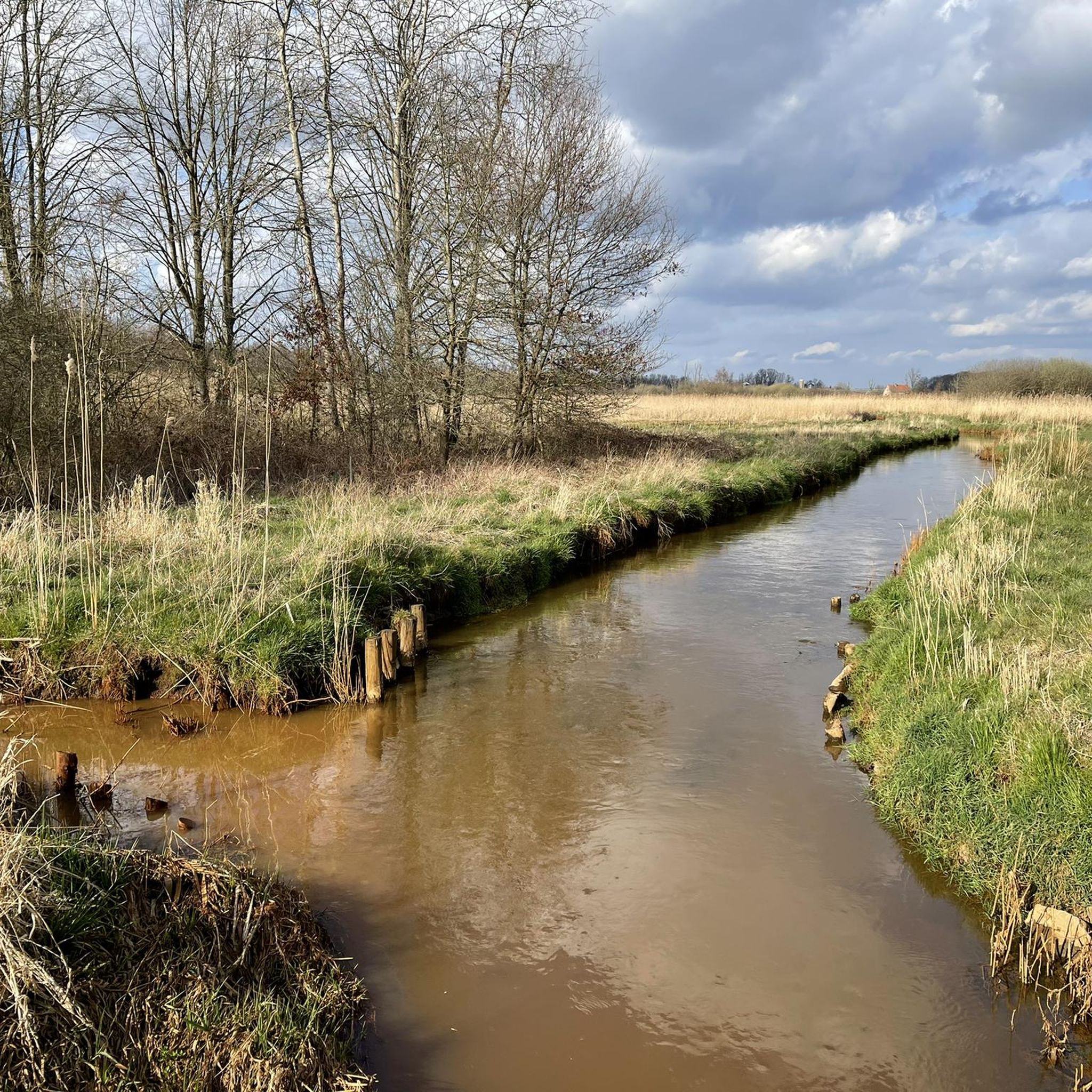
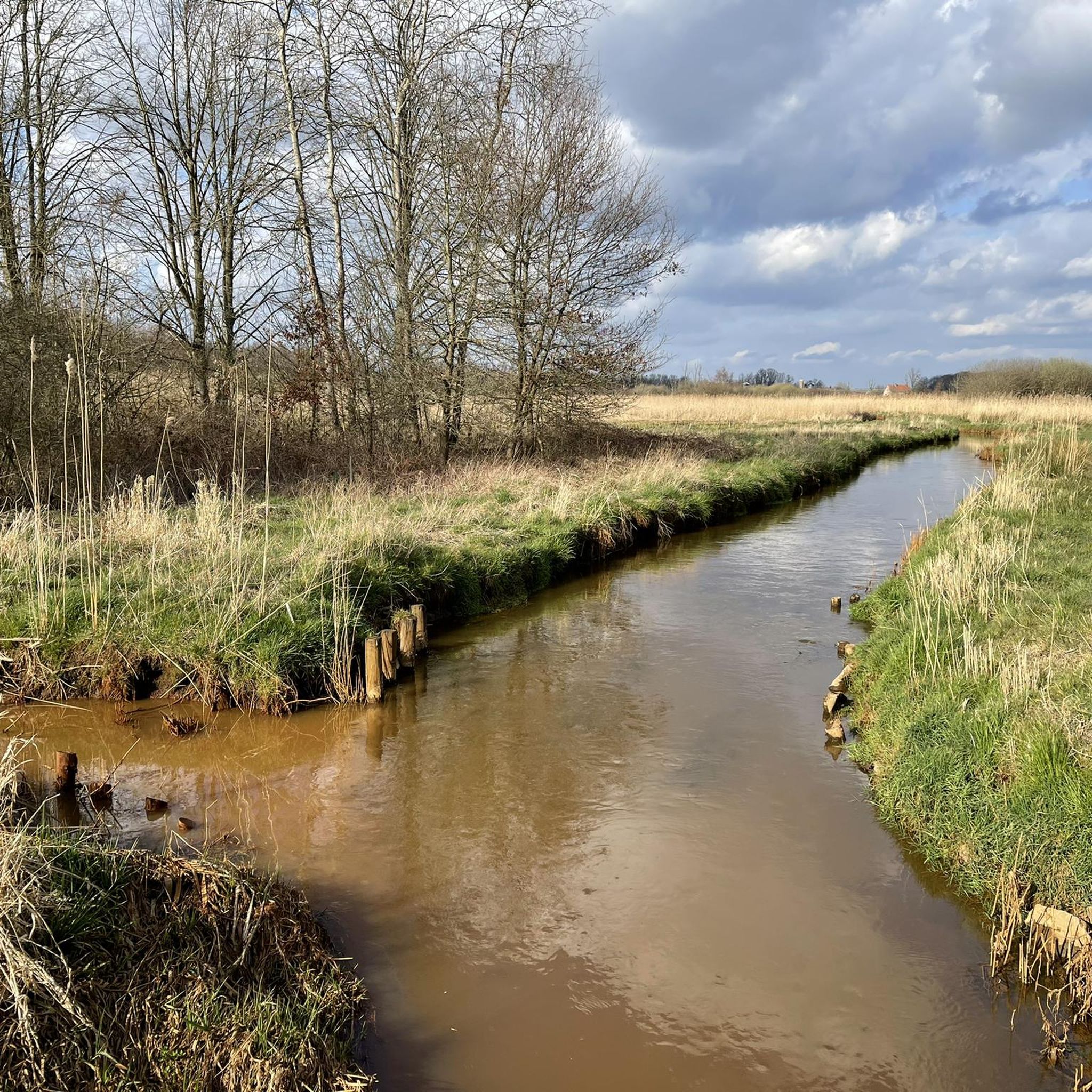
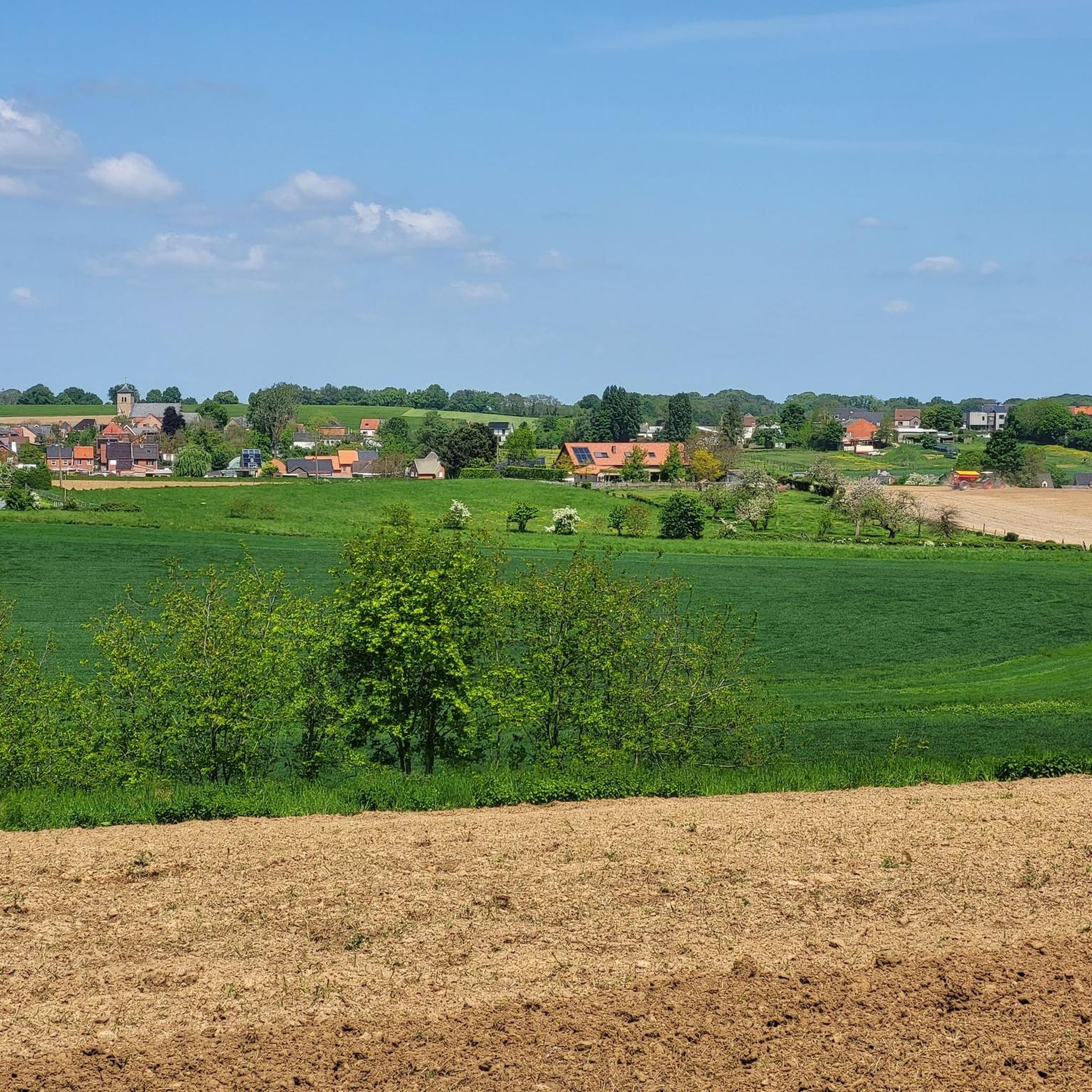



Tips from the Community

Over the years, the castle was modernized and updated. This included the tower, whose heavy line of the fortified wall was broken by irregular window and door arrangements. The castle still houses remarkable works of art. The neo-Gothic armory houses a cast-iron stove from 1539 and two marble Renaissance mantelpieces. The castle also contains important paintings, tapestries, gold leather wallpaper, and furniture in a variety of styles. (Municipality of Westerlo)
11
0

Behind Fort Leopold there is a nice steep single track towards Schaffen airport.
0
0

An old fort that dates from the war. If there is a guide you can visit it. Really worth it. When you are on top of the fort you have a view over the entire city of Diest. In the fort also live a lot of bats.
0
0

Very dilapidated castle, but the castle farm is still habitable and well maintained.
1
0

Parking is possible at the castle, but also a little further behind the Blockhouse.
4
0

Easy and free parking at Kasteel Meylandt https://www.visitlimburg.be/nl/wat-te-doen/kasteel-meylandt
2
0

Former Loons laathof, first mentioned in 1385 as "Hof ter Bockt", from 1603 as "Milant"; since 1715 in the possession of the de Theux family. Neoclassical castle from 1842, situated in a park with a pond, separated from the street by the Mangelbeek. Two detached buildings; the main building to the east, a porter's lodge to the west. Inventory of Immovable Heritage: Meylandt Castle, https://id.erfgoed.net/erfgoedobjecten/22491
7
0
The oldest mention of this free heritage dates from the Middle Ages (mid-14th century). The Lobos heritage originally consisted of an upper court (fortified house, probably flanked by a donjon (fortified tower)), a barnyard or farm, a warande (this is a hunting estate), waters, fields, meadows and forests and fishing. The whole was surrounded by a moat and earthen wall. The domain previously had a military character and had the appearance of a small castle. This 'castellum' was located on a 'motte', an artificial height in the middle of the swampy wetland of the Zwarte Beek. The domain was originally part of the manor of Zelem, owned by the lords of Diest. These, as a reward for services rendered, removed the property from that manor and gave it away as a free heritage to the Diest knight family of the Boogaerde alias van Lobosch. They thus acquired full ownership and no longer had any obligations to the feudal lord. The first owners, the Van den Boogaerde family (14th century), sold the domain to the Vilters family (15th century). In 1465 the castle was destroyed. In the 16th century the domain was sold to the de Geloes family. They had the castle rebuilt (17th century) into an adapted residence with the necessary comfort. Parts of the moat were used to embellish the garden and are still visible today. After the death of Arnold de Geloes' wife in 1781, this branch of the family was completely extinct and there were no longer any direct heirs to the considerable estate. Ultimately, the property came into the hands of another branch of the de Geloes family and 300 years of rule over the Lobos by the noble de Geloes family came to an end. Fact: our queen Mathilde d'Udekom d'Acoz is descended from the de Geloes family and the Vilters de Lobos family.
2
0
Frequently Asked Questions
What types of historical sites and castles can I explore around Diest?
The Diest area offers a diverse range of historical sites. You can find significant 19th-century fortresses like the Citadel of Diest and Fort Leopold, which showcase military engineering. There are also archaeological remains of medieval castles, such as the Warande Castle within Warande Park, and more preserved estates like De Merode Castle, Westerlo, Meylandt Castle, and Lobos Manor Farm.
What is the historical significance of the Citadel of Diest?
The Citadel of Diest is a prominent 19th-century fortress, built between 1846 and 1856. It was designed as a crucial part of Diest's fortifications to defend against potential invasions and prevent enemy forces from advancing towards Leuven. Today, it's undergoing transformation into a new city district, serving as a cultural and recreational hub while preserving its military past.
Are there any castle ruins or archaeological sites to visit in Diest?
Yes, the Warande Park in Diest contains the archaeological remains of the Warande Castle, which was once the seat of the Lords of Diest. While the original castle no longer stands, you can explore the foundations of the 11th-12th century keep and a 13th-century complex, offering insights into medieval castle construction. The site was transformed into a landscape park around 1880, providing a scenic green space with historical elements.
Are there family-friendly castles to visit around Diest?
Several castles in the region are considered family-friendly. Meylandt Castle, for instance, has an adjacent park that is freely accessible, making it suitable for families. The Warande Park, with its historical remains and green spaces, also offers a pleasant environment for families to explore.
What outdoor activities can I combine with a castle visit near Diest?
The area around Diest is excellent for outdoor activities. You can find numerous hiking, gravel biking, and mountain biking routes. For example, you can explore routes like the 'Diesters Broek Viewing Platform – Webbekoms Broek Nature Reserve loop' for hiking, or the 'Boskant Forest Trail – Fort Leopold loop' for mountain biking. Many of these routes pass by or are close to historical sites. Find more details on routes in the area on the Hiking around Diest or Gravel biking around Diest guides.
Can I bring my dog to the castle grounds around Diest?
While specific dog policies vary by location, many outdoor areas and parks associated with castles, such as the Warande Park in Diest, are generally dog-friendly. It's always advisable to check local signage or specific venue websites for the most current rules regarding pets, especially for interior access or specific events. Many hiking trails in the wider Diest area, like those in Webbekoms Broek or Halve Maan Woods, are suitable for dog walking.
What is the best time of year to visit the castles around Diest?
The best time to visit the castles and historical sites around Diest is generally during the spring (April-May) and autumn (September-October) months. The weather is typically mild and pleasant for exploring outdoor areas and parks. Summer can also be enjoyable, though it can be warmer. Some castles, like De Merode Castle, Westerlo, offer special events or limited access during specific times, such as annual Castle Feasts in July.
Are there accessible castles for visitors with mobility concerns near Diest?
Accessibility can vary greatly depending on the site. While historical sites like the Citadel of Diest are undergoing redevelopment, and Warande Park involves exploring archaeological remains on a hill, some castle parks, like the one adjacent to Meylandt Castle, are generally flat and freely accessible. For specific accessibility needs, it's recommended to contact the individual sites directly before your visit.
Where can I find parking when visiting castles near Diest?
Parking availability varies by location. For sites within Diest, such as the Citadel or Warande Park, public parking facilities are available within the city. For castles slightly further afield, like Meylandt Castle, there is often dedicated parking. It's always a good idea to check the specific location's website or local signage for the most convenient parking options.
What can I expect to see at De Merode Castle, Westerlo?
De Merode Castle, Westerlo is a more than 600-year-old castle still inhabited by the Princes de Merode. This massive structure features four bay turrets and is set within a 60-hectare park with a pond. While the castle itself is generally only open during annual events like the Castle Feasts, the extensive park offers beautiful scenery to explore.
Are there cafes or restaurants near the castles around Diest?
Yes, Diest itself offers a variety of cafes and restaurants. For castles located within or very close to the city center, such as the Citadel or Warande Park, you'll find dining options easily accessible. Some castles, like Meylandt Castle, may have a cafe on-site or nearby, especially if they host public events or house institutions.
How long should I plan for a visit to the castles near Diest?
The duration of your visit depends on the specific castle and your interests. For sites like the Warande Park or the Citadel of Diest, you might spend 1-2 hours exploring the grounds and historical elements. Larger estates with extensive parks, such as De Merode Castle, Westerlo, could easily fill a half-day if you plan to walk through the park. If you combine a castle visit with a longer hiking or biking route, plan for a full day.
Most popular attractions around Diest

Get inspired with the komoot mobile app


Explore more
Looking for the best castles somewhere else? Discover other guides around Diest:
