The best running trails around Diest
4.0
(87)
3,036
runners
169
runs
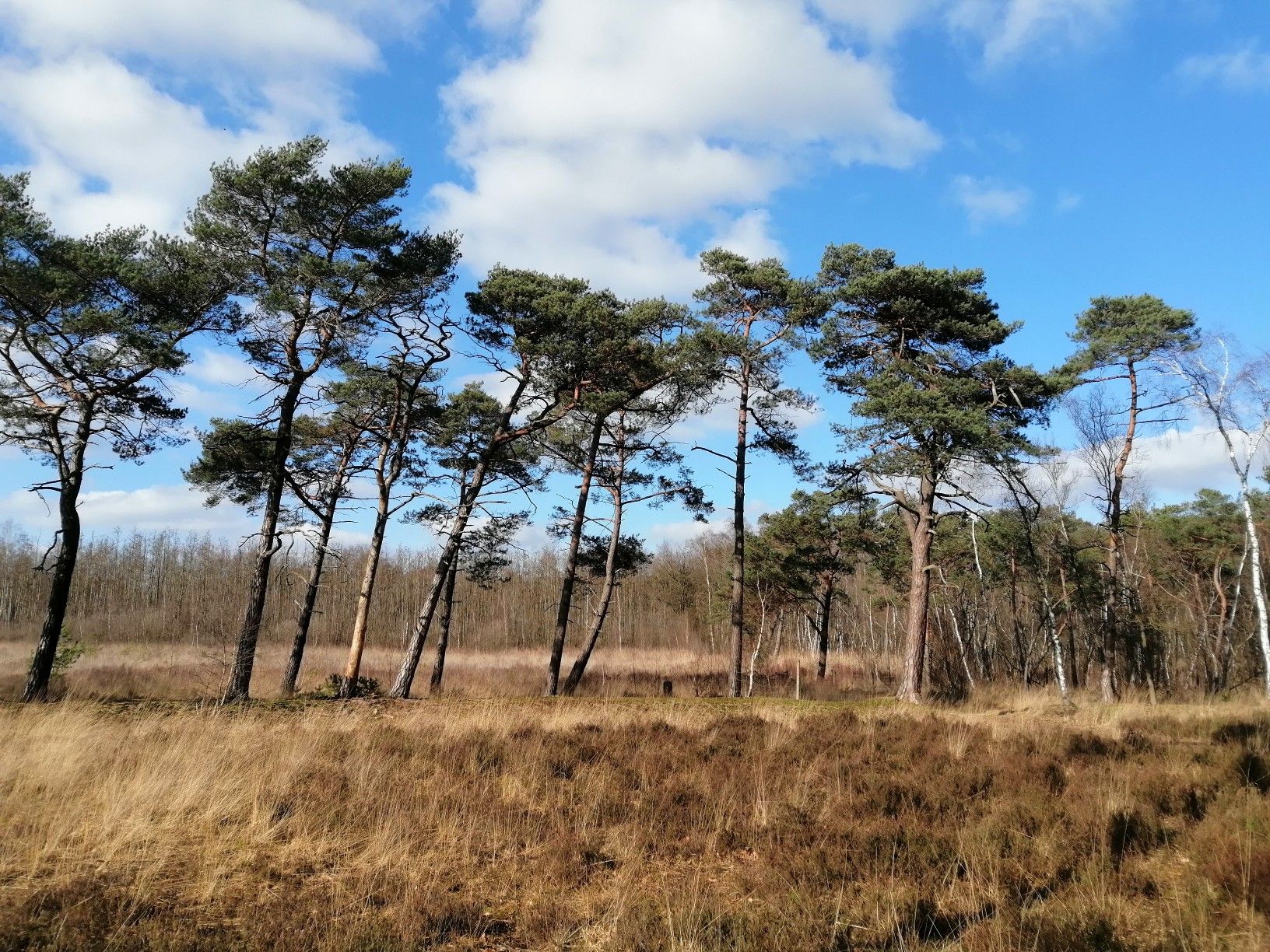
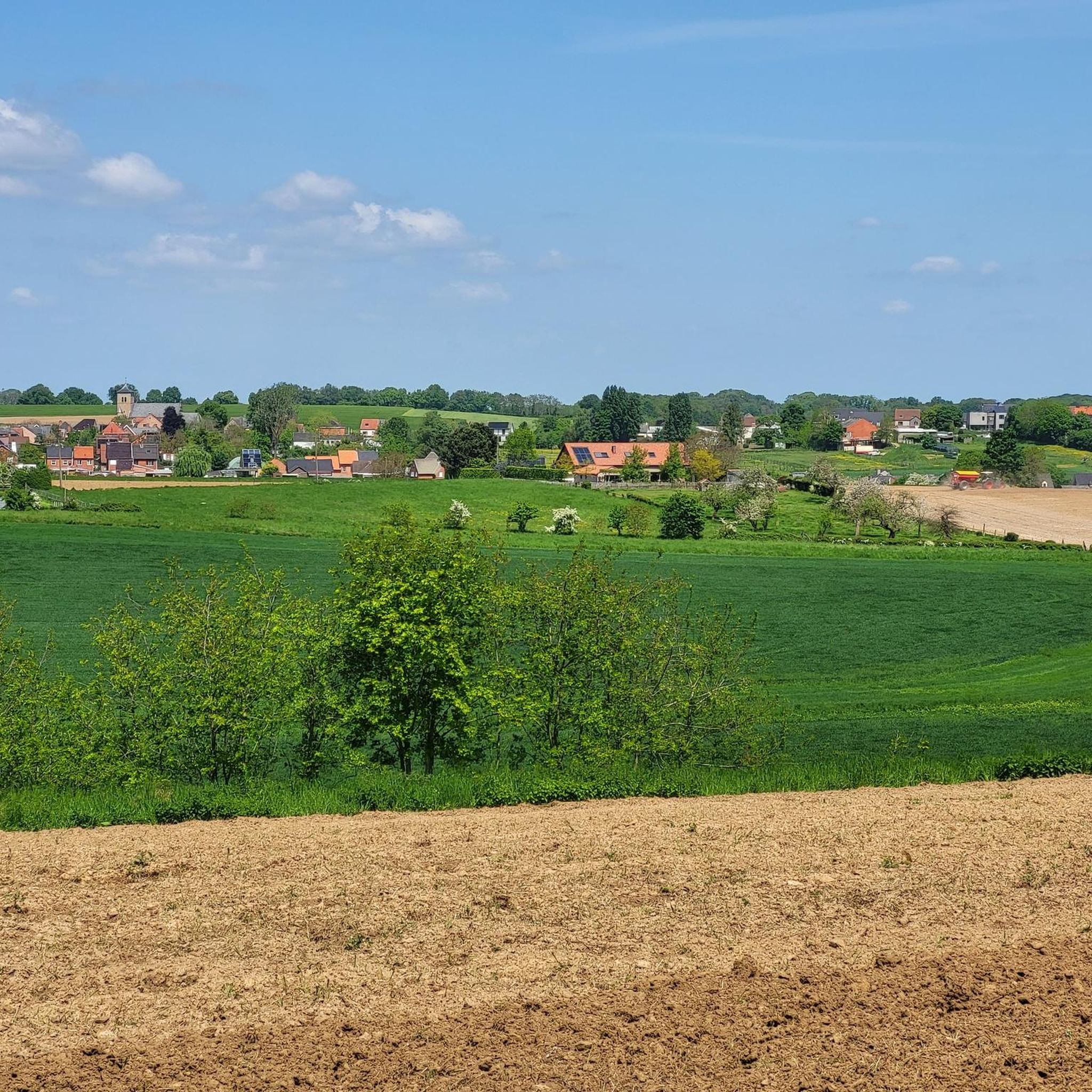
Jogging routes around Diest offer a diverse landscape characterized by rolling hills, verdant valleys, and extensive natural areas. The region features a mix of forests, fens, and heathlands, providing varied terrain for runners. Notable natural features include the Averbode Forest and Heath Ponds, as well as the Webbekoms Broek Nature Reserve. These elements contribute to a dynamic environment for outdoor activities, including running.
Best jogging routes around Diest
- The most popular jogging route is Schaffensepoort, Diest – Diest City Center…
Last updated: August 13, 2026
5.0
(1)
175
runners
11.5km
01:13
50m
60m
Moderate run. Good fitness required. Mostly paved surfaces. Suitable for all skill levels.
4.7
(7)
130
runners
Moderate run. Good fitness required. Mostly paved surfaces. Suitable for all skill levels.

Sign up for free
4.3
(3)
147
runners
13.0km
01:24
30m
30m
Moderate run. Good fitness required. Mostly paved surfaces. Suitable for all skill levels.
4.5
(2)
42
runners
21.4km
02:16
150m
150m
Hard run. Very good fitness required. Mostly paved surfaces. Suitable for all skill levels.
1.0
(1)
41
runners
10.1km
01:06
40m
40m
Moderate run. Good fitness required. Mostly paved surfaces. Suitable for all skill levels.
Get access to more routes and recommendations from other explorers.
Sign up for free
Already have an account?
Our route recommendations are based on thousands of hikes, rides, and runs completed by other people on komoot.
Start today with a free account
Your next adventure awaits.
Login or Signup



Tips from the Community

Fort Leopold was an important part of the defense belt around Diest in the nineteenth century. It is located on the Lazarijberg and offers a beautiful view of the city as well as the citadel located a little further away. The intention was for the fort to protect the city, but a few years after it was put into use, it was already converted into a prison. Punished soldiers from the Leuven prison were brought to the fort. Writings on the wall are still silent witnesses of that time. Prisoners were also locked up during the World Wars. The fort was used by the paratroopers in the second half of the twentieth century, but they left about 20 years ago. Since then, only a caretaker has maintained the building. In 1996, it became a protected monument. The building is constructed from hundreds of thousands of bricks and has very thick walls, making it very cold and dark, the ideal habitat for bats, according to the Agency for Nature and Forest, which is the current owner.
2
0
Fort Leopold was an important part of the defense belt around Diest in the nineteenth century. It is located on Lazarijberg and offers a beautiful view of the city but also of the citadel located a little further away. The intention was for the fort to protect the city, but a few years after it was put into use, it was already converted into a prison. Punished soldiers from the prison of Leuven were brought to the fort. Writings on the wall are still silent witnesses of that time. Prisoners were also locked up during the world wars. The fort was used by the paratroopers in the second half of the twentieth century, but they moved out more than 20 years ago. Since then, only a caretaker has maintained the building. In 1996 it became a protected monument. The building is constructed from hundreds of thousands of bricks and has very thick walls, making it very chilly and dark, the ideal habitat for bats according to the Agency for Nature and Forest, which is the current owner.
3
0
The city park originated here after doctor Henri Verstappen bequeathed his house and garden with the witness hill and associated grounds to the city council in his will. From 1939, upon the death of Henri Verstappen, the city of Diest came into possession of this domain. Due to the war, the park's development only began in 1948. Henri Verstappen had stipulated that his residence on Graanmarkt should serve as the main entrance to the park. The house was demolished and replaced by a neoclassical entrance gate with four statues on top, originating from the North Station on Rogierplein in Brussels. In 1952, the gate building with a commemorative plaque was inaugurated. At the top of the hill are the foundations of the castle of Diest, erected by Otto I, lord of Diest, in the third quarter of the 11th century. It was a keep made of iron sandstone with stables surrounded by a moat. The castle was demolished in 1512 and the stones from the castle were used for the construction of the Sint-Sulpitius Church in Diest. In the 16th century, the Count of Nassau had plans to build a new castle on the Warande, but these were never carried out. In the 1950s and 1960s, the De Warande sports stadium and the De Warande municipal swimming pool were built.
2
0
The parish of Sint-Jan-de-Doper was founded in 1253 and in 1297 the church was elevated to the rank of Chapter Church. Architecturally, the building consisted of a heavy west tower behind which was a nave, consisting of three aisles and three bays. The building was constructed in local iron sandstone. In 1578, the church was burned down by the troops of William of Orange. Only the northern part was restored. The church remained in use until 1823, after which it was used exclusively as a cemetery. In 1853, exactly six centuries after its founding, the roof above the choir collapsed. The ruins of the Sint-Jan De Doperkerk are protected monuments. The choir, the chancel arch between the choir and the transept, a remnant of the transept, and a piece of the sacristy are covered with a thick layer of ivy, making the ruin look beautiful. The ivy growing on the ruins of Sint Jan is more than 163 years old and has grown exceptionally large. There is also an ancient yew (poison) tree that is completely overgrown with an wrought iron crucifix that stands in front of the church. The other trees growing in and around the ruins are also exceptionally beautiful and old. Source: https://www.staddiest.be/sint-jan-de-doperkerk.html
2
0
The Schaffense Poort (or Schaffensepoort) is one of the oldest city gates of Diest. The gate was already part of the medieval city walls. During the construction of the 19th-century fortifications of Diest (defensive belt around Diest), the Schaffense Poort was rebuilt between 1837 and 1844. The gate was built around 1840 by Louis Beeckman. In 1951, there were plans to demolish this gate after German troops had seriously damaged it during the war. This did not happen due to opposition from the Royal Commission for Monuments and Landscapes. Since 1996, the gate (as part of the fortifications) has been protected as a monument.
2
0
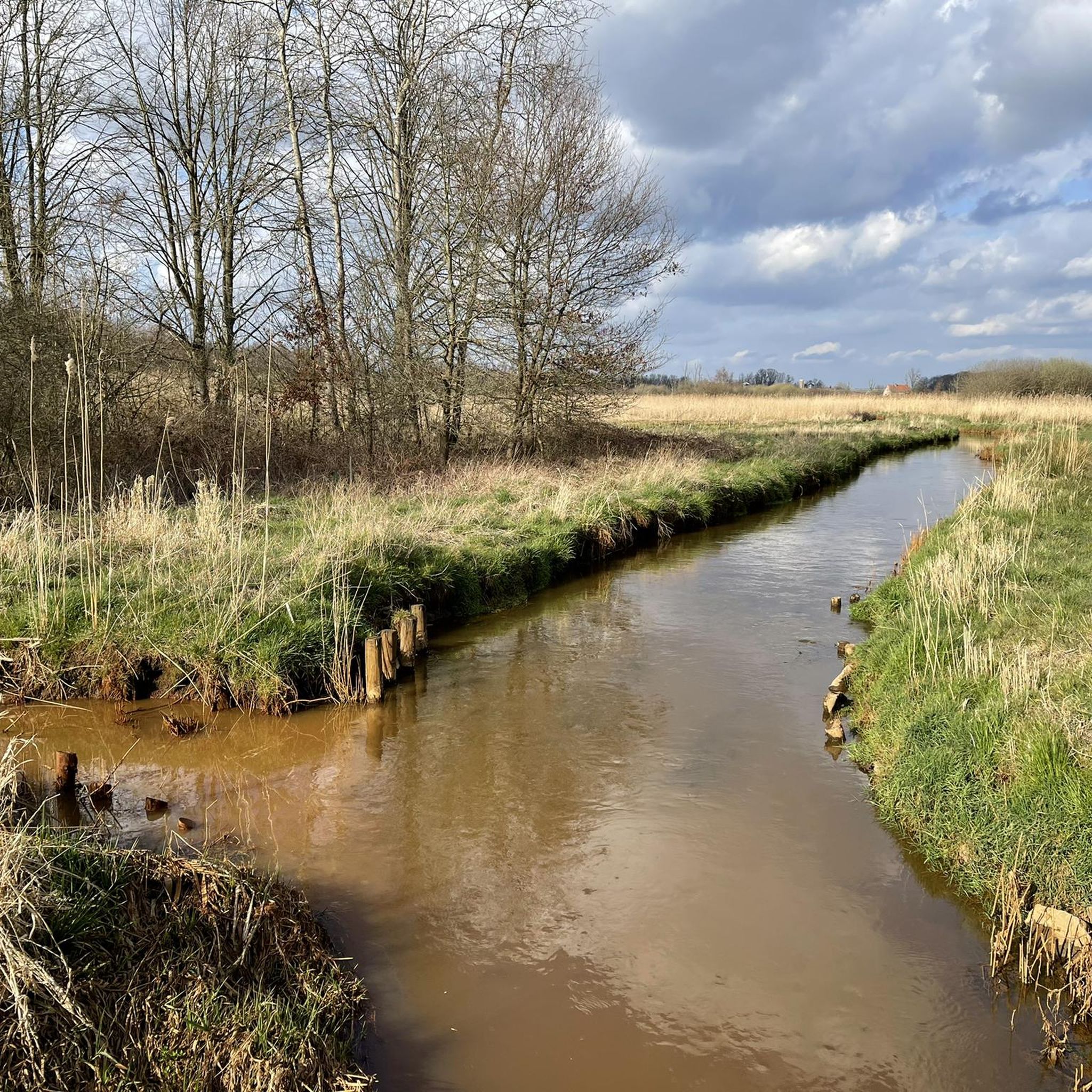
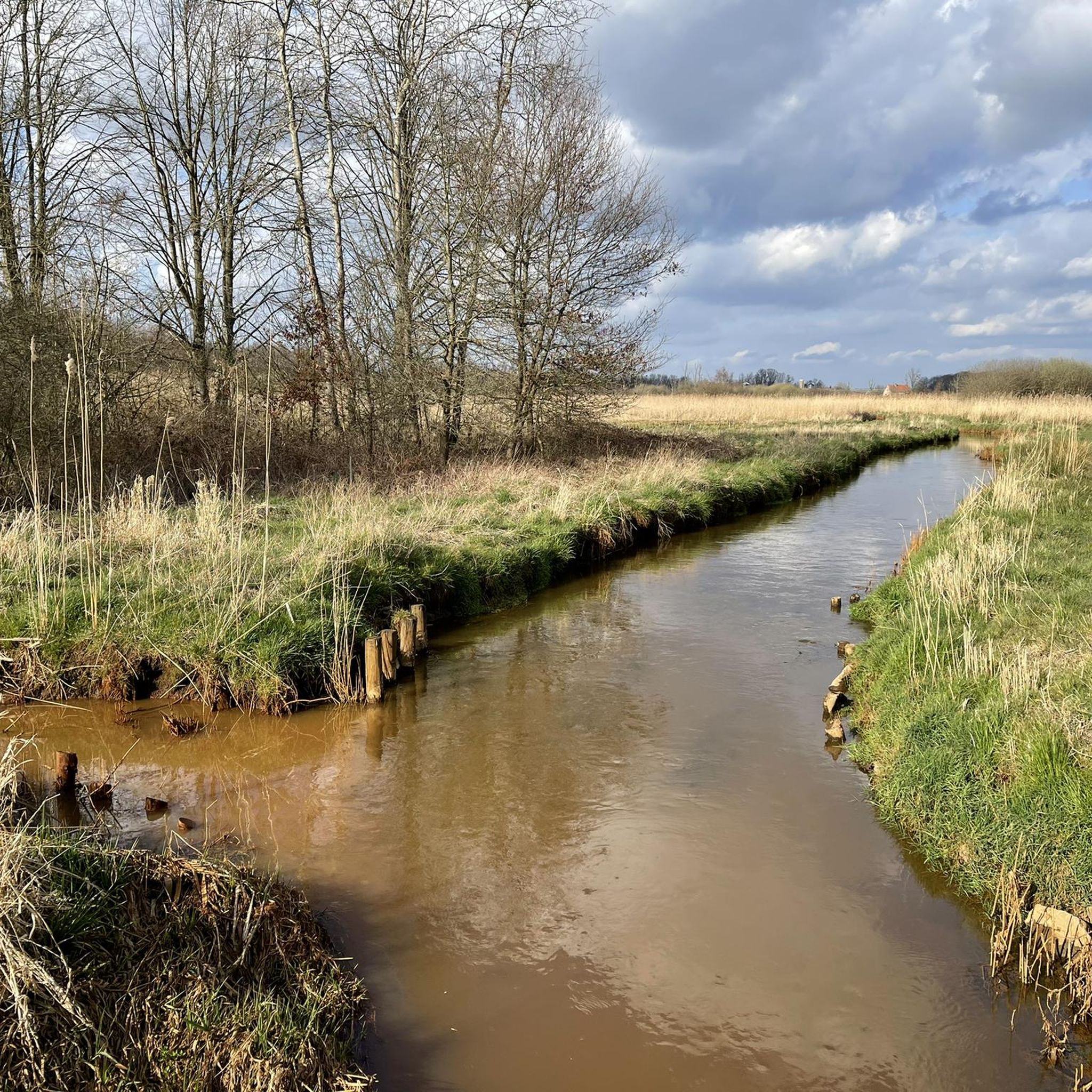
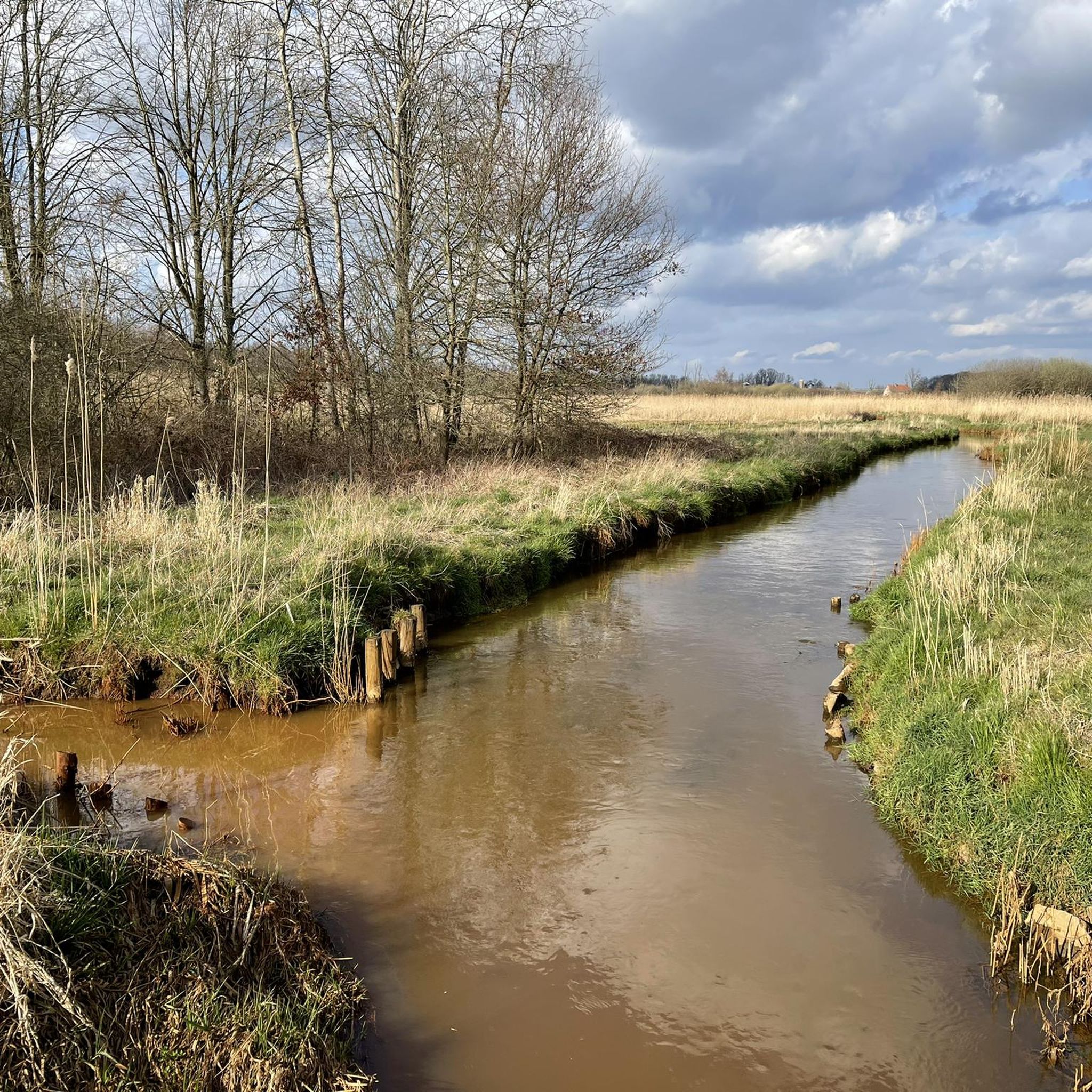
Webbekoms Broek is part of the Flemish Nature Reserve Webbekomsbroek-Borchbeemden, a contiguous area of 397 ha, managed by the Flemish Agency for Nature and Forest. This also includes the Diesters Broek, the Schaffens Broek and the Borchbeemden: Rotbroek, Gorenbroek and Sint-Jansberg. Several watercourses flow through the area. The most important of these is the Demer. The others are primarily its tributary the Zwarte Beek, the Grote Leigracht and the Leigracht. The Demer valley has been plagued by floods for centuries. The worst floods in recent history date from 1998. There were also serious floods in Diest in 2008. To prevent serious water nuisance, retention basins and floodplains were installed. The Webbekoms Broek and its surroundings are a floodplain. In September 1998, a retention basin with a surface area of 144 ha was put into use in the Webbekoms Broek. The area can hold 3.5 million m³ of water. There is an inner basin and an outer basin. The inner basin is surrounded by dikes. The rest forms the outer basin, which mainly functions as a nature reserve.
4
0

Where an industrial pig farm with no fewer than 3,000 pigs once stood, you will now find a beautiful piece of restored nature. The Flemish Land Agency demolished the stables and slurry pits and returned the 5 hectares to nature. By filling in old drainage ditches, the water is retained better. This created a fen and young heathland again, where special insects such as the blue-winged grasshopper have already found their place. A beautiful nature stop during your passage through Landscape Park de Merode. Via the entrance on Asdonkstraat, you can follow the boardwalks or rest for a while on the wooden viewing platform. Get off your bike for a moment, enjoy, and discover how nature has reclaimed its place here!
1
0

Between two smaller hills you pass this chapel...
3
0
Frequently Asked Questions
How many running routes are available around Diest?
Diest offers a wide variety of running routes, with over 150 options available. These include 9 easy routes, 127 moderate routes, and 15 challenging trails, ensuring there's something for every fitness level.
What kind of terrain can I expect on the jogging routes in Diest?
The landscape around Diest is characterized by rolling hills and verdant valleys, offering varied terrain. You'll find routes winding through extensive natural areas like the Averbode Forest and Heath Ponds, as well as the scenic Webbekoms Broek Nature Reserve, featuring forests, fens, and heathlands.
Are there any family-friendly running paths in Diest?
Yes, Diest offers several routes suitable for families. While specific 'family-friendly' tags aren't always present, many of the 9 easy routes and some moderate paths through flatter sections of the Webbekoms Broek Nature Reserve or along the city's green spaces are great for a family jog.
Can I bring my dog on the running trails around Diest?
Many of the natural trails and forest paths around Diest are suitable for running with dogs, provided they are kept on a leash and you adhere to local regulations for nature reserves. Areas like the Webbekoms Broek Nature Reserve offer open spaces that are generally dog-friendly.
Are there any circular running routes in Diest?
Yes, many of the running routes in Diest are designed as loops. For example, the popular Schaffensepoort, Diest – Diest City Center loop is a 7.4-mile (11.9 km) circular trail, and the Citadel of Diest loop offers an 8.7-mile (13.9 km) run with historical views.
What are some scenic viewpoints or landmarks I can see while jogging in Diest?
Jogging in Diest offers opportunities to see various landmarks and natural features. The Citadel of Diest loop provides views around the historic Citadel. You might also encounter unique geological features like the Hellestraat Sunken Lane or the Hollow Way, which are part of the region's distinctive gorges.
Are there any long-distance running trails for endurance training?
For those seeking longer distances, Diest has several options. The Fort Leopold – Houterenberg Climb loop is a challenging 13.3-mile (21.4 km) route with significant elevation gain, ideal for endurance training. Other moderate routes can also be combined for extended runs.
What do other runners enjoy most about jogging in Diest?
The running routes in Diest are highly rated by the komoot community, with an average score of 3.8 stars from 60 reviews. Runners often praise the diverse landscape, the mix of urban and natural settings, and the well-maintained paths through areas like the Webbekoms Broek Nature Reserve.
Is there public transport access to the running trails in Diest?
Diest's central location means many routes are accessible directly from the city center, which is well-served by public transport. For trails further afield, local bus services might provide access points, but it's always best to check specific route starting points for the most convenient public transport options.
Are there any challenging running routes for experienced runners?
Yes, Diest offers 15 difficult routes for experienced runners. A notable challenging option is the Fort Leopold – Houterenberg Climb loop, which covers 13.3 miles (21.4 km) and features a substantial elevation gain of nearly 150 meters, providing a rigorous workout.
What is the best time of year for jogging in Diest?
Diest's temperate climate, with warm summers and cool winters, allows for year-round jogging. Spring and autumn offer particularly pleasant conditions with mild temperatures and beautiful scenery as the foliage changes. Summer mornings and evenings are ideal to avoid the midday heat, while winter runs can be invigorating, especially in areas like the Merode Forest which remains accessible.
Are there any specific natural reserves or forests ideal for running?
Absolutely. The Webbekoms Broek Nature Reserve is a popular choice, offering a scenic environment. Additionally, the extensive Averbode Forest and Heath Ponds area, and the larger Merode Forest, provide vast natural spaces with diverse trails perfect for a refreshing run.
Most popular attractions around Diest

Get inspired with the komoot mobile app


Explore more
Browse the best Running Trails & Routes in other regions.
