The best walks and hikes around Kletzin
4.4
(63)
268
hikers
61
hikes
Hiking around Kletzin offers access to the gentle landscapes of Mecklenburg-Vorpommern, characterized by its numerous lakes and river systems. The region is part of the Mecklenburgische Seenplatte, providing a predominantly flat to gently rolling terrain. Natural features like the Zarrenthiner Kiessee and the Peene River define the area, offering opportunities for walks along water bodies and through green spaces. The elevation changes are minimal, making the area suitable for accessible outdoor activities.
Best hiking trails around Kletzin
- The most popular…
Last updated: October 10, 2026
3.0
(3)
11
hikers
13.7km
03:30
50m
50m
Moderate hike. Good fitness required. Easily-accessible paths. Suitable for all skill levels.
4.7
(7)
8
hikers
25.9km
06:39
120m
120m
Hard hike. Very good fitness required. Easily-accessible paths. Suitable for all skill levels.

2
hikers
Moderate hike. Good fitness required. Easily-accessible paths. Suitable for all skill levels.
5.0
(1)
7
hikers
Moderate hike. Good fitness required. Easily-accessible paths. Suitable for all skill levels.
5.0
(2)
6
hikers
Moderate hike. Good fitness required. Easily-accessible paths. Suitable for all skill levels.
Get access to more routes and recommendations from other explorers.
Already have an account?
Our route recommendations are based on thousands of hikes, rides, and runs completed by other people on komoot.
Start today with a free account
Your next adventure awaits.
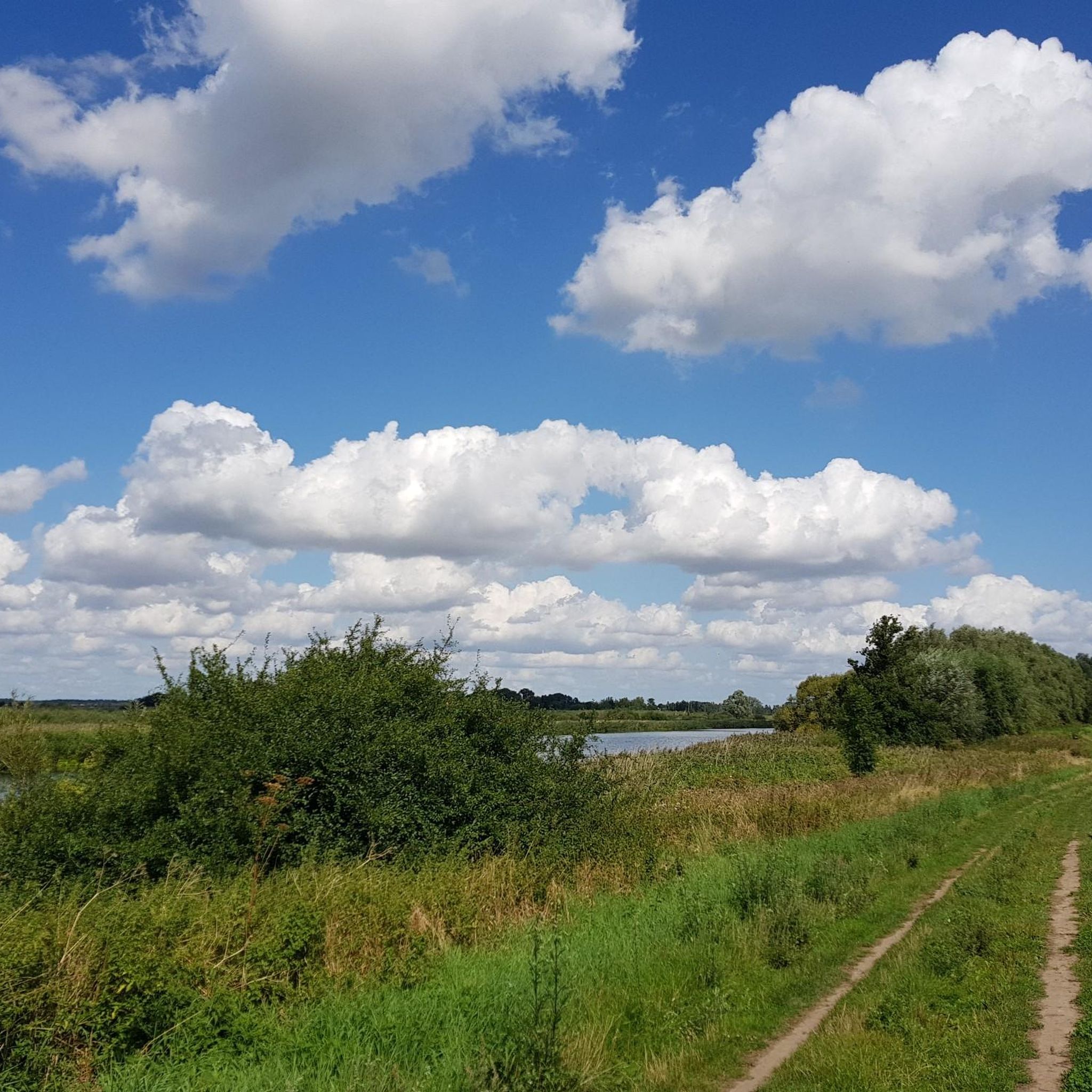
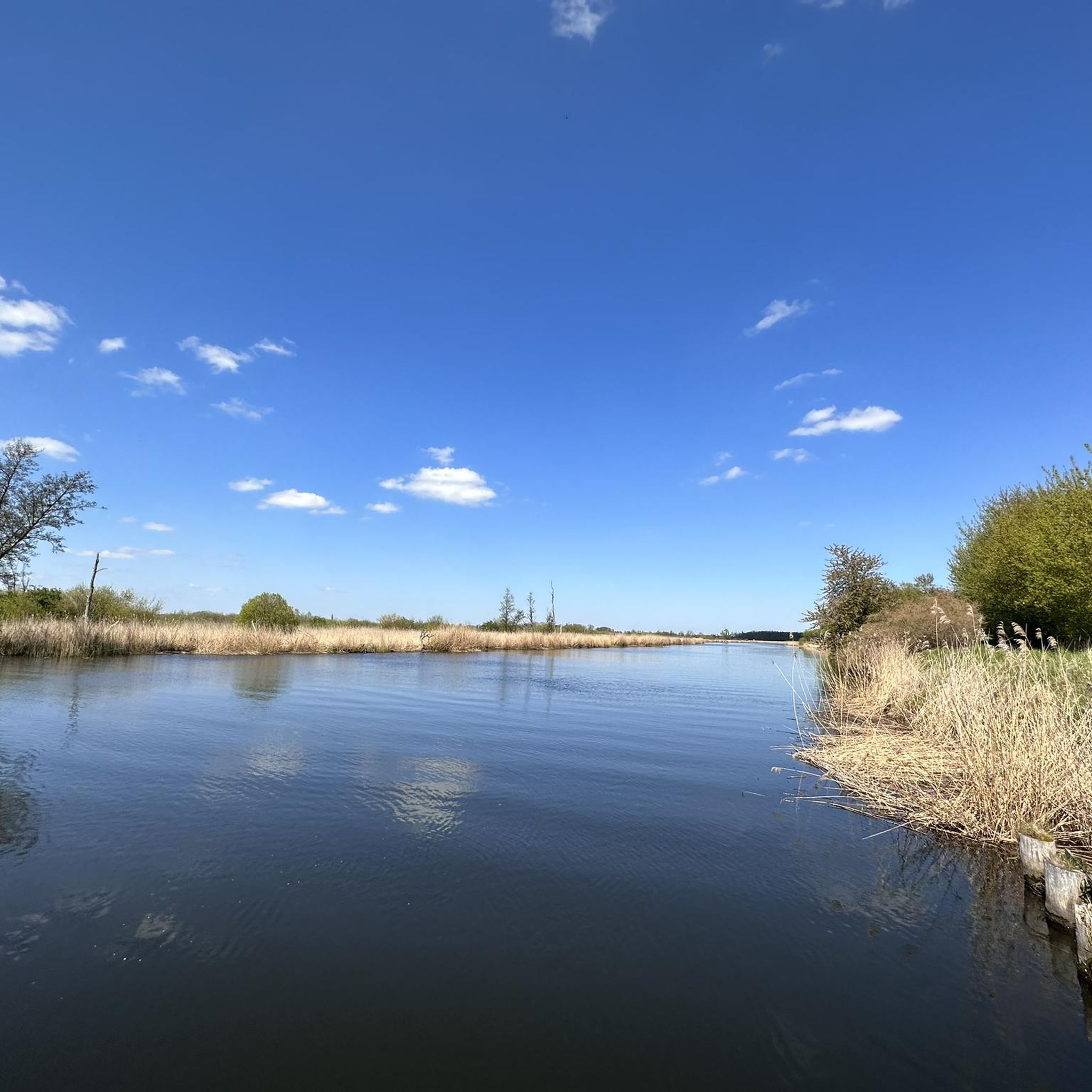
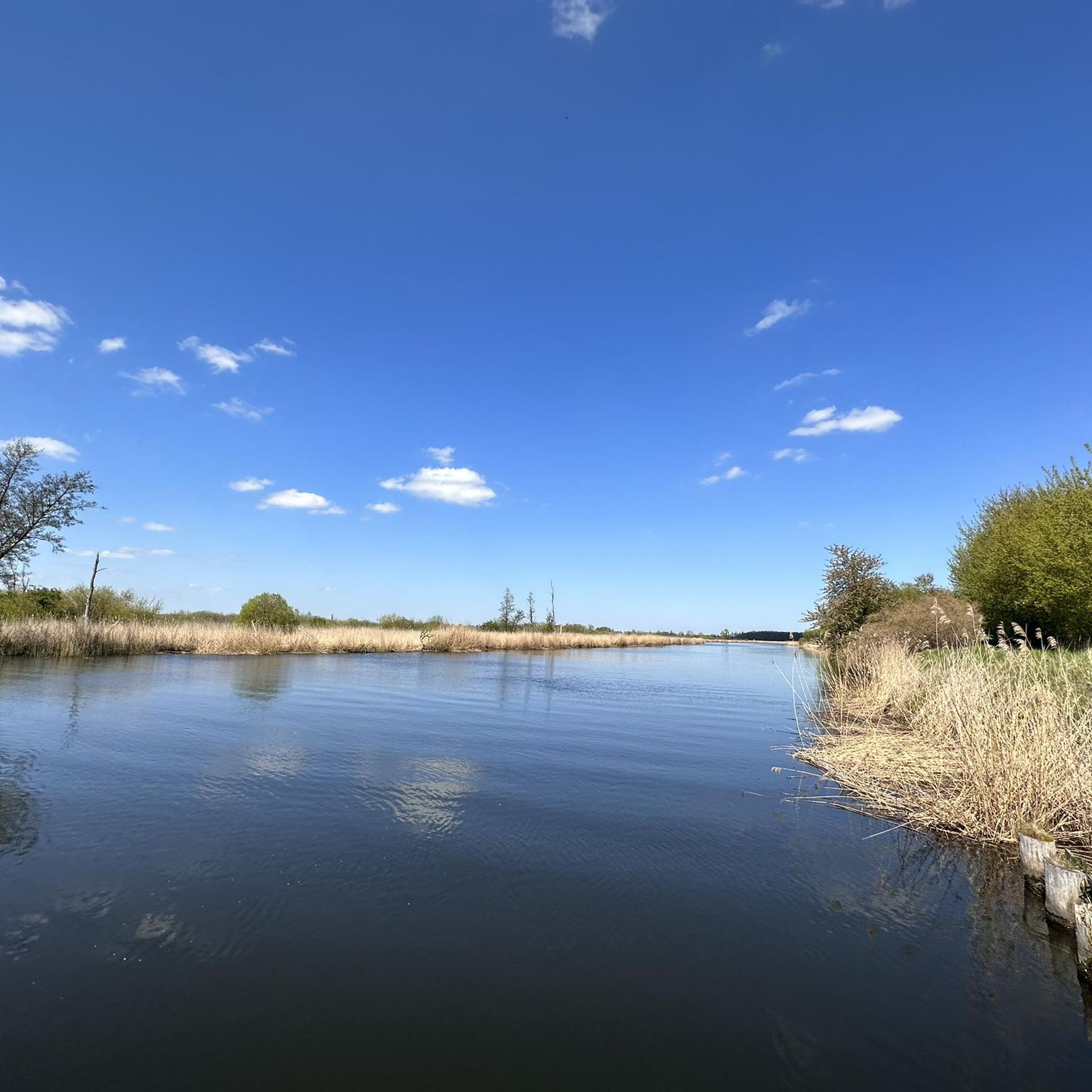
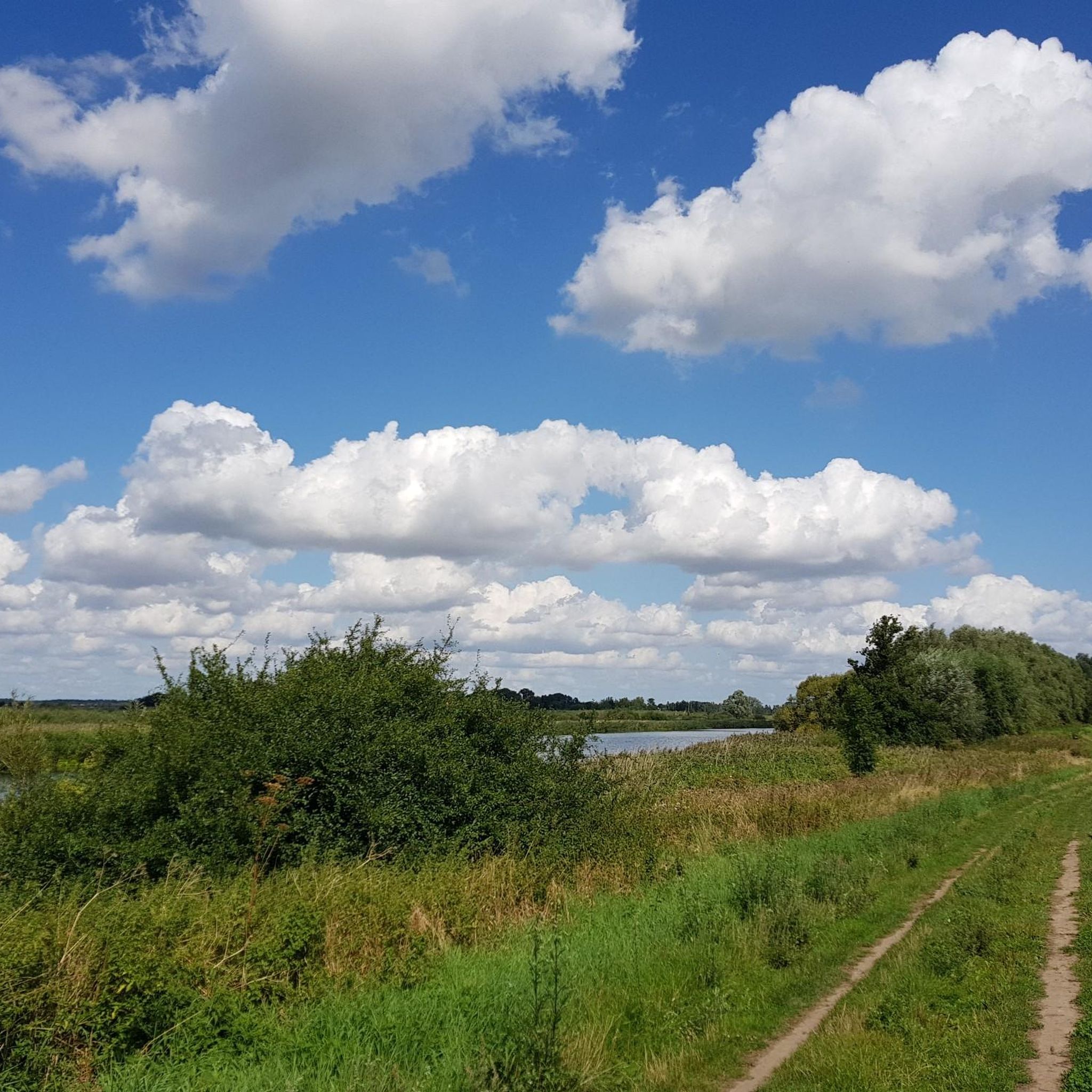
Tips from the Community

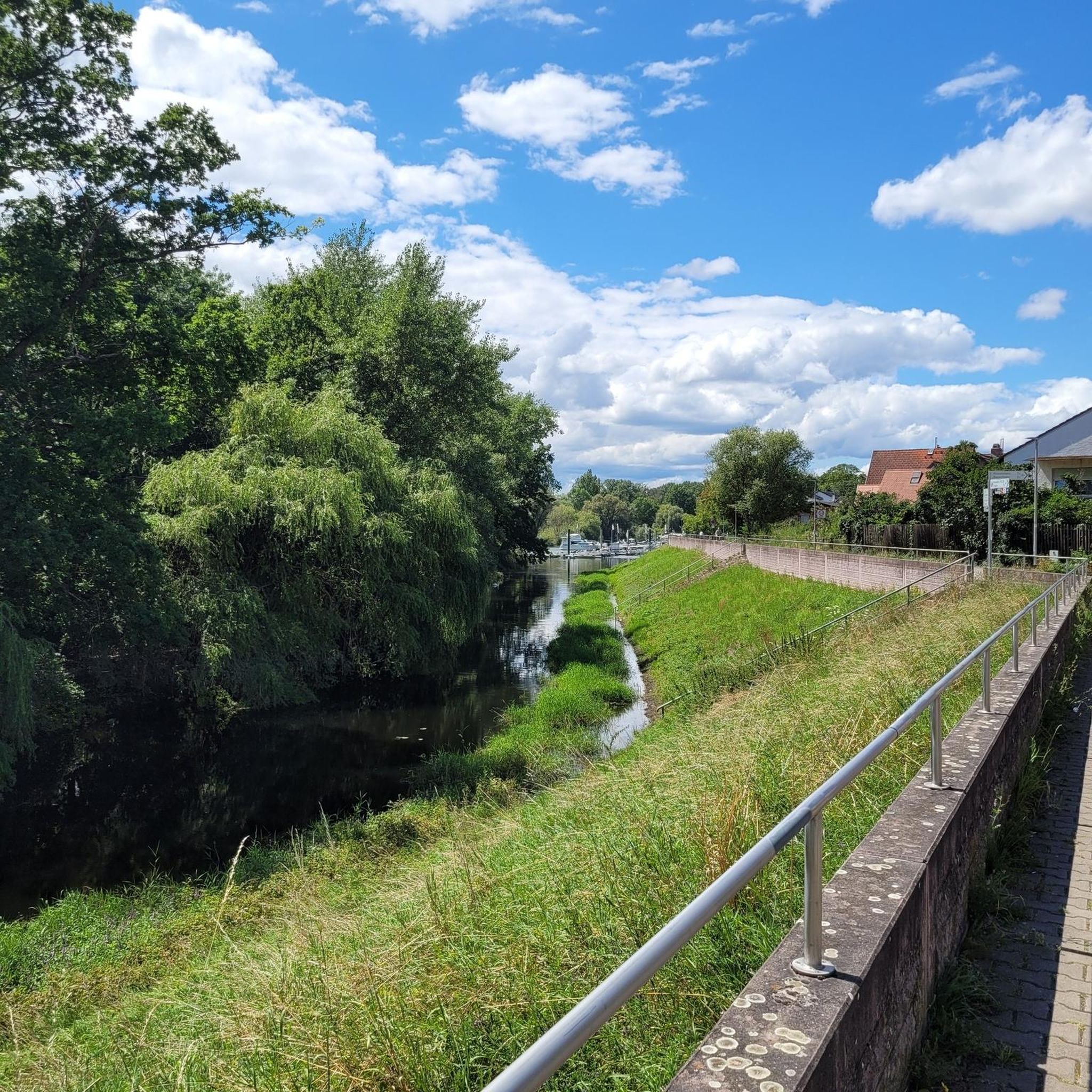
It was located on the Klenzer Mühlenbach (also Klenzer Mühlbach), a stream in the nature park Flusslandschaft Peenetal. Today, the site is marked as a historical/archaeological site; the mill itself no longer exists. The stream bed has recently been lovingly redesigned with funding and invites you to linger.
0
0
The Sankt Marien Monastery Verchen is one of the oldest nunneries in Pomerania. It was founded at the end of the 12th century. The location changed several times: first Klosterberg near Altentreptow (Marienberg), then Klatzow, in 1245 Marienwerder near Verchen, and finally from 1269 to Verchen itself. During the Reformation in 1534/35, the monastery was secularized (despite contrary resolutions of the state parliament), and the property went to the Pomeranian ducal house. The last nun died in 1581. Fires between 1560 and 1575 destroyed most of the monastery buildings; the church was preserved.
0
0
The park is an important resting area for Nordic migratory birds: Every year in autumn and spring, tens of thousands of Greater White-fronted Geese and Bean Geese, as well as Common Cranes, rest here, plus approx. 1,000 Great Crested Grebes and 2,000 Common Pochards. All three native eagle species (Lesser Spotted Eagle, White-tailed Eagle, and Osprey) breed here; beavers and otters are widespread. Other species: White Stork (in many villages), Marsh Harrier, Common Snipe, Bluethroat, etc.
0
0
The Kummerower See lies only about 0.2–0.3 m above sea level (parts of the surroundings even below). Through the Peene (the "Amazon of the North"), seawater can even penetrate at high Baltic Sea water levels and reverse the flow direction. Previously, the lake was also called "Große Peene".
0
0
The Richtgraben in Demmin was a historical ditch or watercourse north of the medieval city fortifications, to which footpaths led from the city gates.
1
0
The square was inaugurated in 1897 as Wilhelmsplatz (after Kaiser Wilhelm I/II). In the GDR it was called Wilhelm-Pieck-Platz, and since 1990 Ernst-Barlach-Platz.
0
0
The ensemble of three centuries has a defining urban impact and is one of the few surviving historical buildings in Demmin (the city was heavily destroyed in 1945). The harbor itself has largely lost its former economic importance for freight handling; since around 2008, hardly any transport has taken place via water.
0
0
The Hanseviertel is an open-air museum on the Fischerinsel. It was built in 2001 with eleven huts (wood/half-timbered, thatched or shingled roofs) in the style of a small medieval village and officially inaugurated in 2005. In 2020, the interior design was more authentically adapted to the High Middle Ages and the Hanseatic era.
0
0
Frequently Asked Questions
How many hiking trails are available around Kletzin?
There are over 60 hiking routes available around Kletzin. These trails offer a variety of experiences, from easy walks to more challenging excursions, primarily through the gentle landscapes of Mecklenburg-Vorpommern.
What kind of terrain can I expect on hikes near Kletzin?
The terrain around Kletzin is predominantly flat to gently rolling, characteristic of the Mecklenburgische Seenplatte (Mecklenburg Lake District). You can expect paths along water bodies like the Peene River and the Zarrenthiner Kiessee, as well as through green spaces, with minimal elevation changes.
Are there any easy or beginner-friendly hikes in the Kletzin area?
Yes, Kletzin offers many easy hiking options. For example, the Murals on Lange Straße – Loitz Town Hall loop from Loitz is an easy 7.1 km path with minimal elevation gain, perfect for beginners or a relaxed stroll. Overall, 43 out of 62 routes in the area are rated as easy.
Can I find circular hiking routes around Kletzin?
Yes, many of the trails around Kletzin are designed as circular routes. A popular option is the Loitz Harbor on the Peene – Loitz Town Hall loop from Loitz, which is a moderate 13.7 km trail following the Peene River.
What natural attractions or landmarks can I see while hiking near Kletzin?
While hiking near Kletzin, you can explore several natural and historical points of interest. Highlights include the Viewpoint over the Peene River and Peenetal Nature Park, the Peenetal River Landscape Nature Park itself, and the Zarrenthiner Kiessee, a large lake formed from gravel mining. You might also encounter the Historic Boundary Stone at Mühlenbach or the Weißer Wall Slavic Rampart.
Are the hiking trails around Kletzin suitable for families with children?
Many trails around Kletzin are well-suited for families due to the predominantly flat and gentle terrain. The area's numerous easy routes, such as the 7.1 km Murals on Lange Straße – Loitz Town Hall loop from Loitz, make it accessible for children. The nearby Naturerlebnisbad Biberburg in Demmin also offers recreational facilities that could complement a family outing.
Are dogs allowed on the hiking trails near Kletzin?
Generally, dogs are welcome on hiking trails in the Kletzin area, which is typical for the Mecklenburg Lake District. However, it's always recommended to keep dogs on a leash, especially in nature protection areas or near wildlife, and to check local signage for any specific restrictions.
What is the best time of year to go hiking around Kletzin?
The best time to hike around Kletzin is typically from spring through autumn (April to October). During these months, the weather is generally mild and pleasant, making it ideal for enjoying the lakes, rivers, and green landscapes. Spring brings blooming nature, while autumn offers beautiful foliage.
Are there any viewpoints or scenic spots on the Kletzin hikes?
Yes, the region offers several scenic spots, particularly along the Peene River. The Viewpoint over the Peene River and Peenetal Nature Park is a notable location to enjoy expansive views of the river landscape. Trails often follow the riverbanks, providing picturesque perspectives of the water and surrounding nature.
What do other hikers enjoy the most about hiking in Kletzin?
The hiking experience around Kletzin is highly rated by the komoot community, with an average score of 4.4 stars from over 60 reviews. Hikers often praise the area's peaceful natural settings, the accessibility of its trails, and the scenic beauty of the river and lake landscapes, making it ideal for relaxed outdoor activities.
Are there any longer, more challenging hikes available near Kletzin?
While the area is known for its gentle terrain, there are a few longer and more challenging options. The Verchen Monastery – Lake Kummerow loop from Demmin is a difficult 25.9 km trail that offers a more extensive excursion, taking you around Lake Kummerow.
Are there places to eat or drink near the hiking trails in Kletzin?
While Kletzin itself is a small municipality, nearby towns like Loitz and Demmin offer amenities such as cafes and restaurants where you can refresh after your hike. Many trails, like those along the Peene River, are in proximity to these towns.
Is parking available at the trailheads around Kletzin?
Parking availability varies by trailhead. Many starting points in the surrounding villages and towns, such as Loitz or Pensin, offer designated parking areas for hikers. It's advisable to check specific route details on komoot for parking information related to your chosen trail.
Most popular routes around Kletzin
Most popular attractions around Kletzin

Get inspired with the komoot mobile app


Explore more
Browse the best Hikes in other regions.
