Top 8 Caves around Dijon
Best caves around Dijon are found within a region characterized by diverse natural landscapes, including significant karst areas and river valleys. Dijon, located in the Burgundy-Franche-Comté region of France, serves as a central point for exploring these geological features. The surrounding areas offer a variety of underground formations, from accessible grottoes to more complex cave systems. These natural sites provide opportunities to observe unique geological structures and underground environments.
Best caves around Dijon
- The most popular caves is Bèze Spring, a cave that is a major tourist attraction. The Bèze river originates from the nearby Crétanne cave, forming a notable natural source in the Burgundy region.
- Another must-see spot is La Roche Virante, a natural monument featuring cliffs and a cave known as "the cave of wolves." This site is also recognized for its impressive views and is a climbing spot.
- Visitors also love Gouffre du creux Percé, an impressive chasm or sinkhole located in the woods near Pasques. This inverted cone-shaped collapse is approximately 60 m deep and is known to speleologists for its exploration opportunities.
- Dijon is known for its natural caves, chasms, and significant natural rock formations. These sites offer a variety of experiences, from viewing impressive geological features to exploring underground systems.
- The caves around Dijon are appreciated by the komoot community, with more than 30 upvotes and over 20 photos shared by visitors.
Last updated: October 5, 2026
Gouffre du creux Percé
Highlight • Viewpoint
Translated by Google •
Tip by

La Roche Virante
Highlight • Natural Monument
At the bottom of the valley, a rocky peak keeps an enormous block of rock nicknamed the "Roche Branlante" or "Roche Virante" in balance. A legend has it that each year, on December 31, at the stroke of midnight, this enormous block rotates a full turn on itself. Others call it the Mammoth or the Mammoths. Why ? If you look at the bottom site with a little hindsight, the rocky towers then evoke the long parallel proboscis falling to the ground of several mammoths facing you!
Translated by Google •
Tip by

Sign up now to discover places like this
Get recommendations on the best single tracks, peaks, & plenty of other exciting outdoor places.
Célerons Caves
Highlight • Cave
Translated by Google •
Tip by

Bèze Spring
Highlight • Cave
Translated by Google •
Tip by
Caves of Parc de Jouvence
Highlight • Cave
Translated by Google •
Tip by

Gouffre de la Combe aux Prêtres
Highlight • Cave
several entrances and a total length of more than 28 km.
Was discovered in a small quarry in 1969.
The most visited entrance is a shaft entrance 25 meters deep.
Translated by Google •
Tip by

Grotte de Tebsima
Highlight • Cave
Translated by Google •
Tip by

Start today with a free account
Your next adventure awaits.
Popular around Dijon
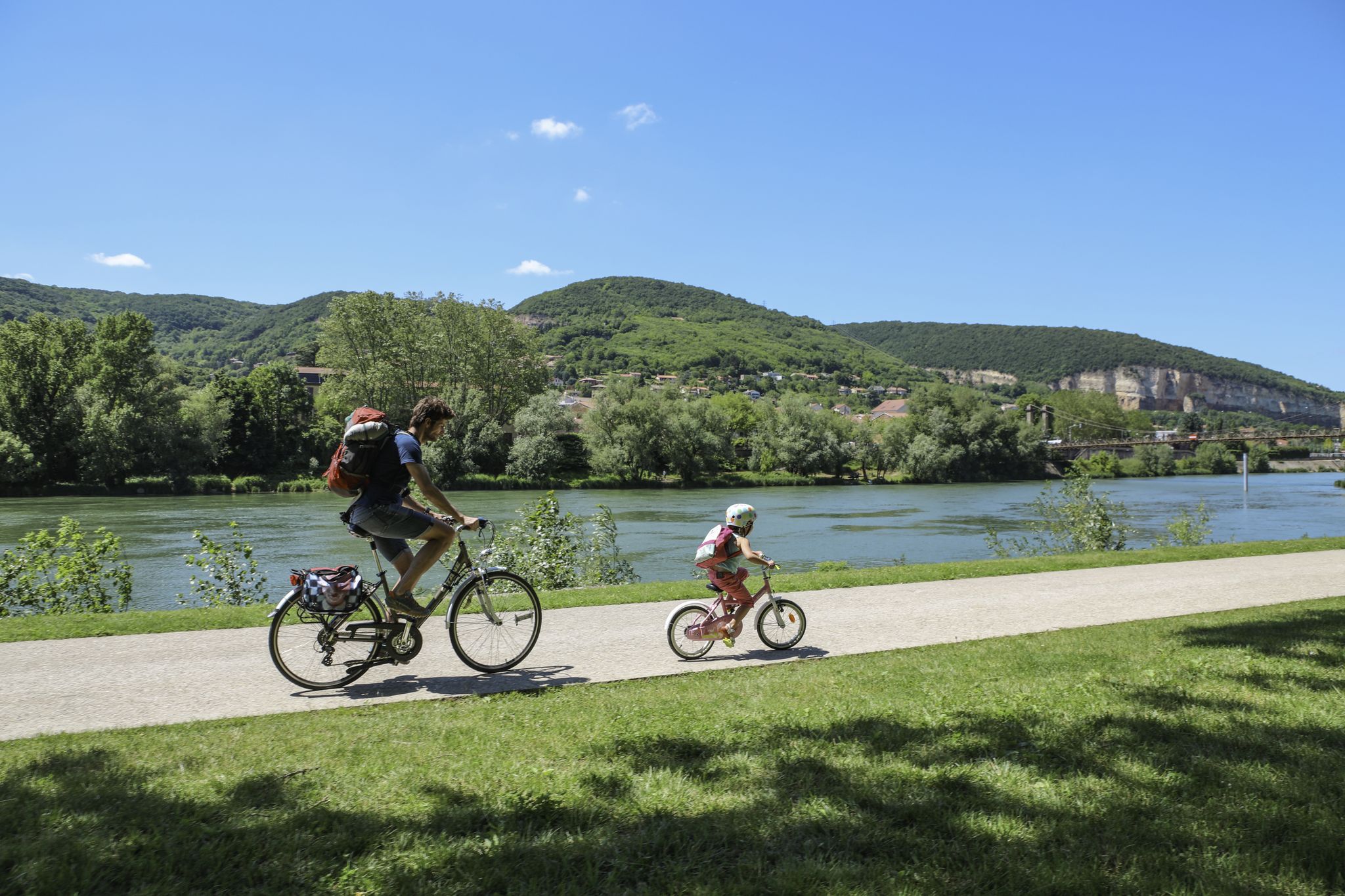
The Voie Bleue – Moselle-Saône by bike
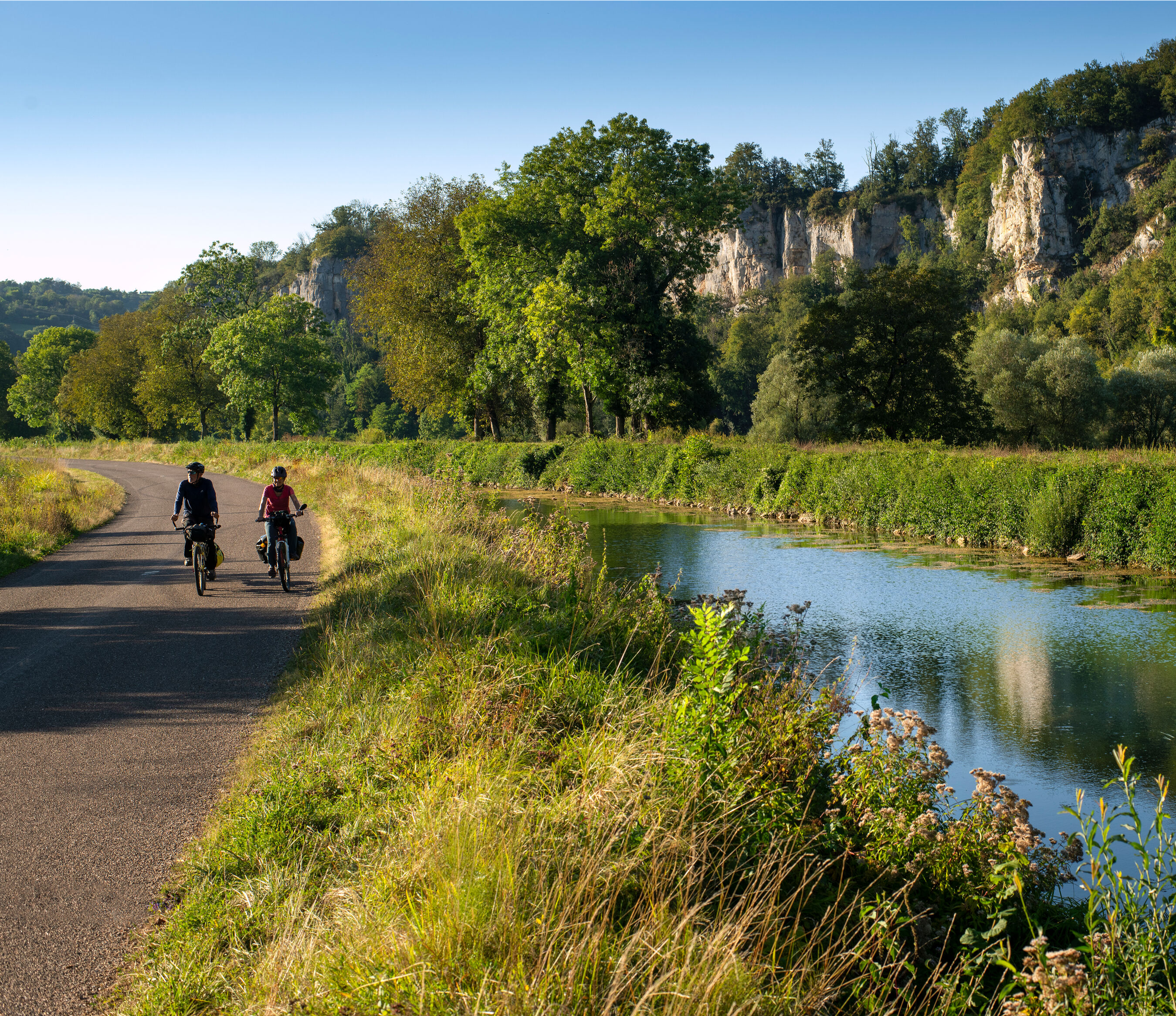
Burgundy-Franche-Comté by bike – between vineyards and peaks
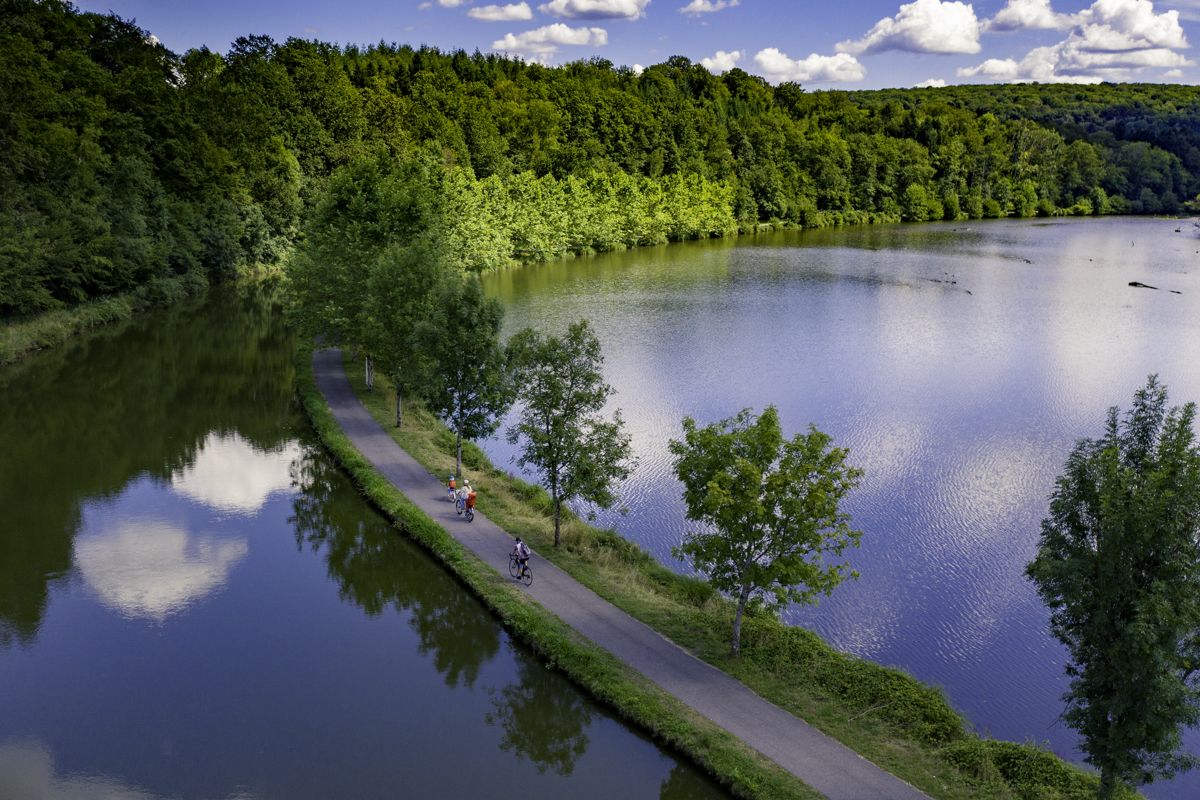
La Voie Bleue — “Cycle Route of the Year 2026”
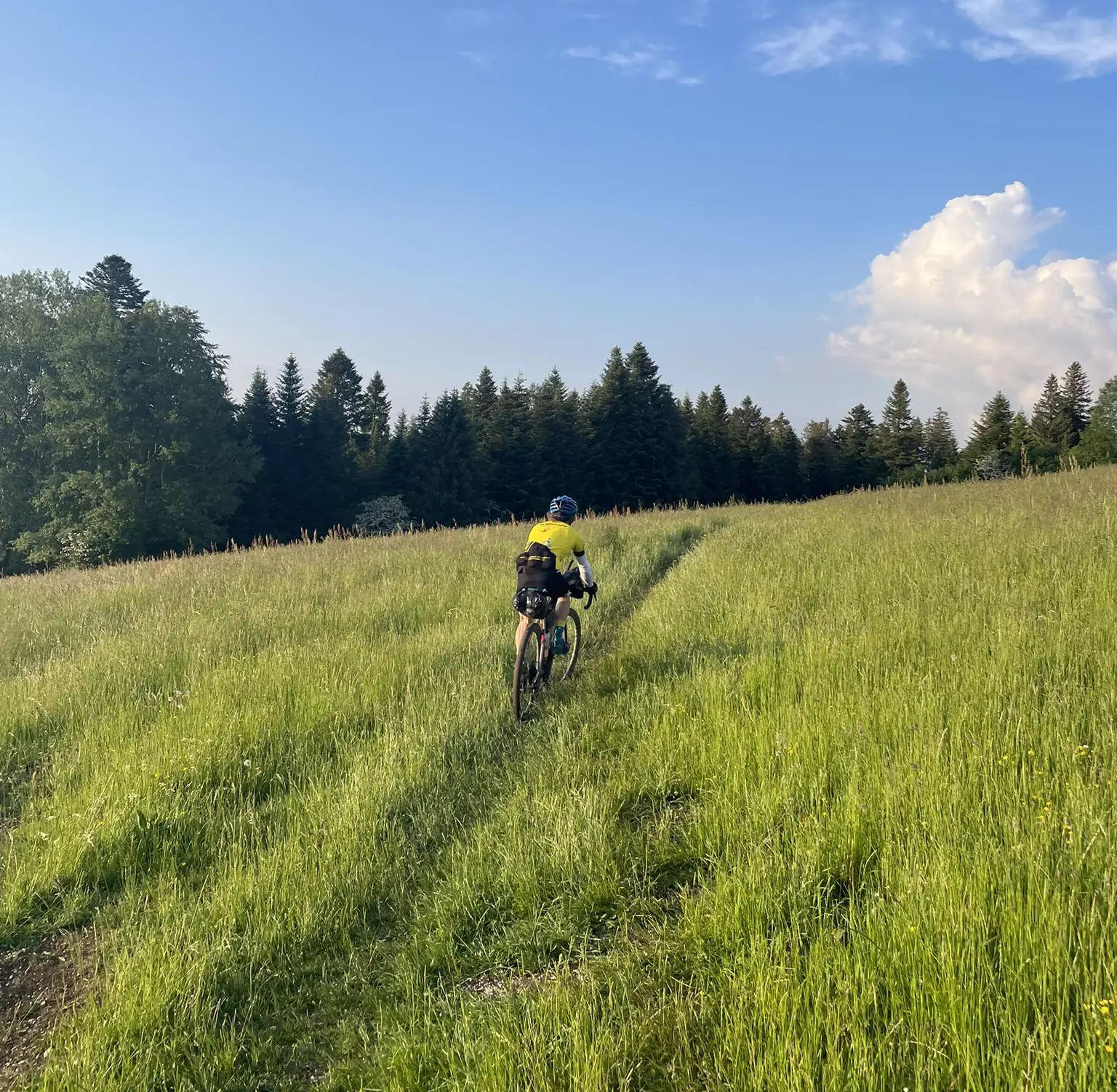
The Jura Mountains and Black Forest – La Poco Loco Dijon-Stuttgart 2023
Seine River Trail — A cycling adventure from Dijon to Le Havre
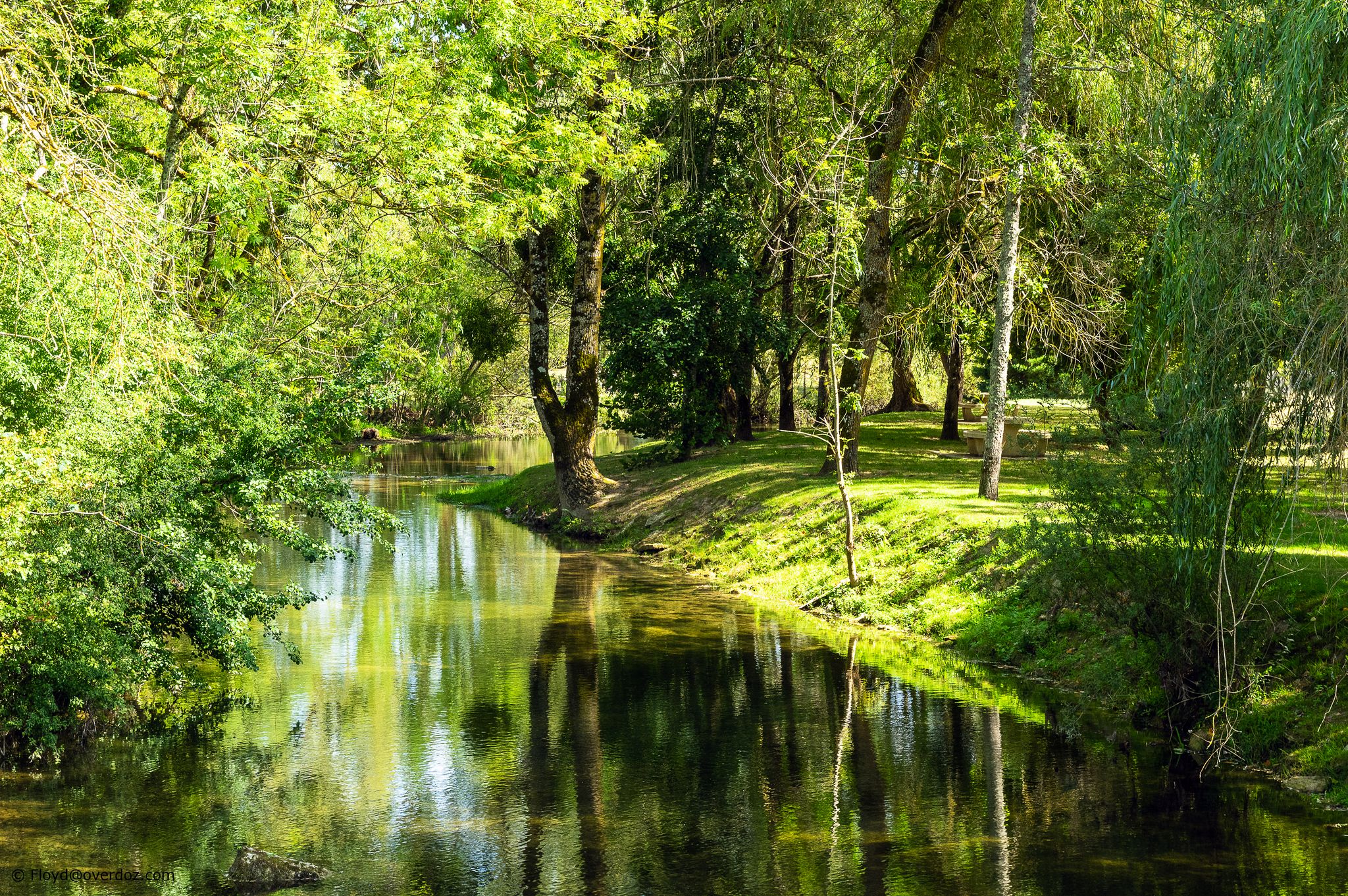
Along the Seine — the GR 2 from Dijon to Le Havre
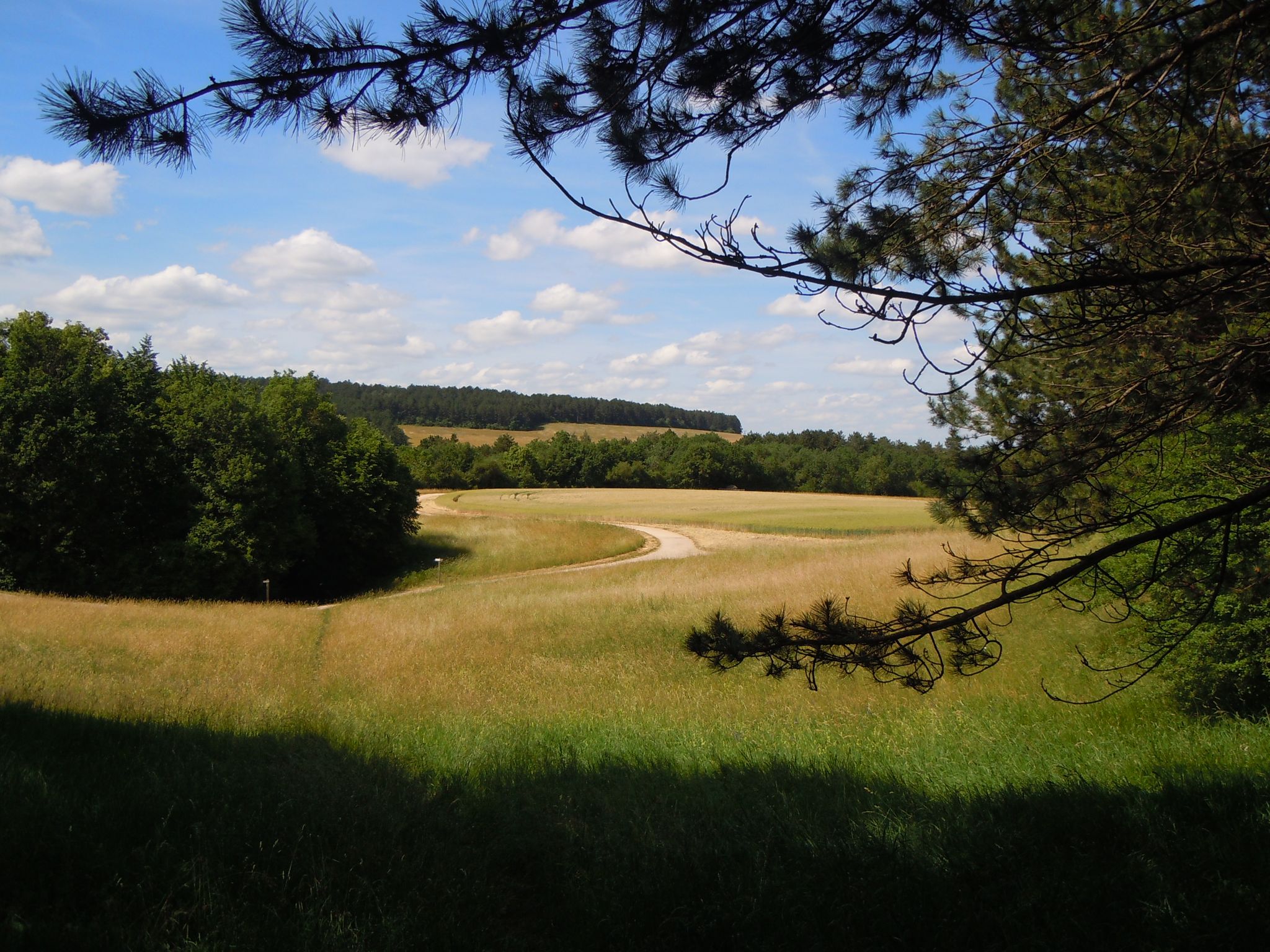
Explore a French wine region on foot — hiking the Félix Batier Trail
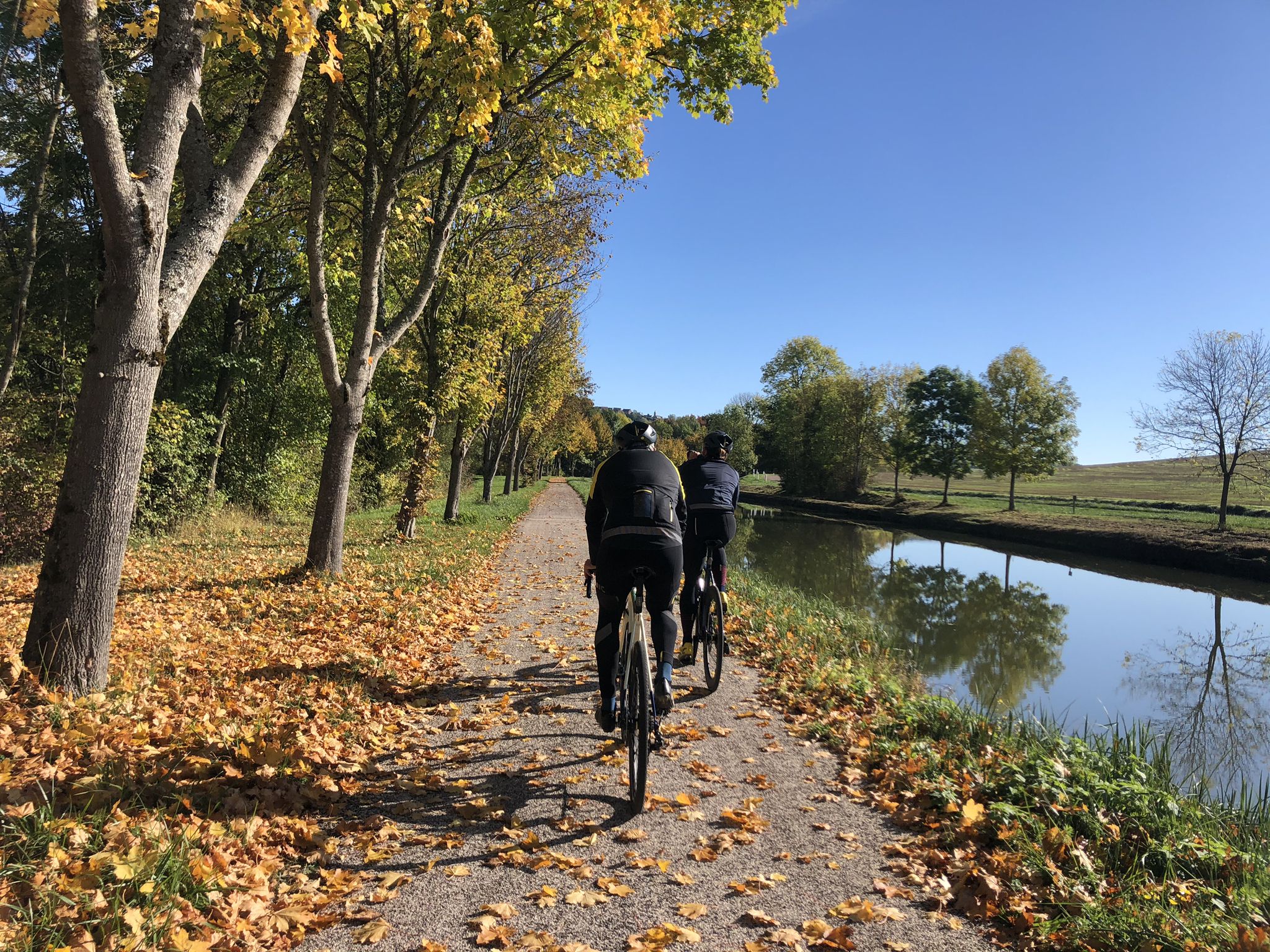
Greenways, vineyards and canals – Le Tour de Bourgogne à vélo
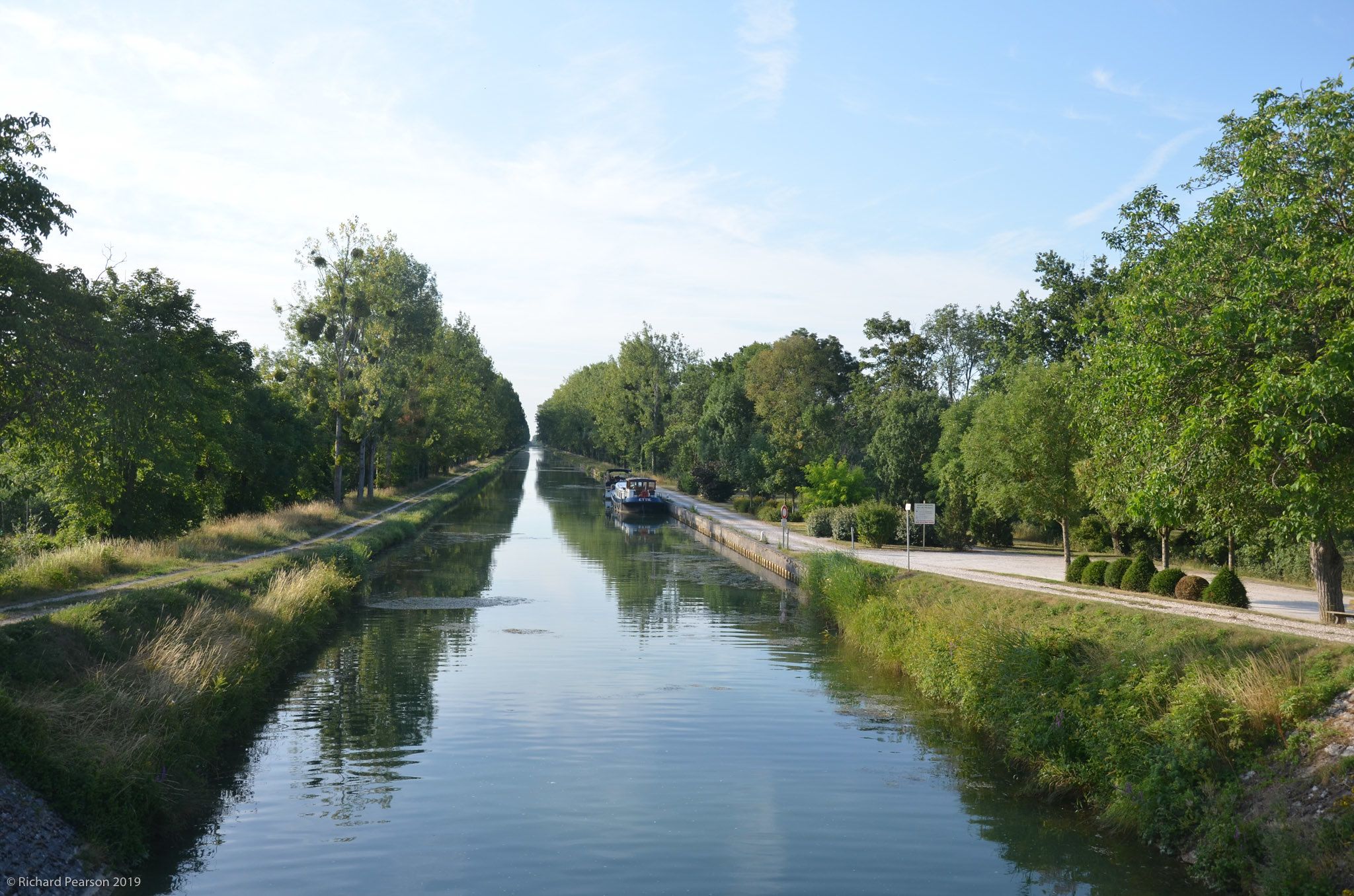
France’s water-rich region — Burgundy's four canals
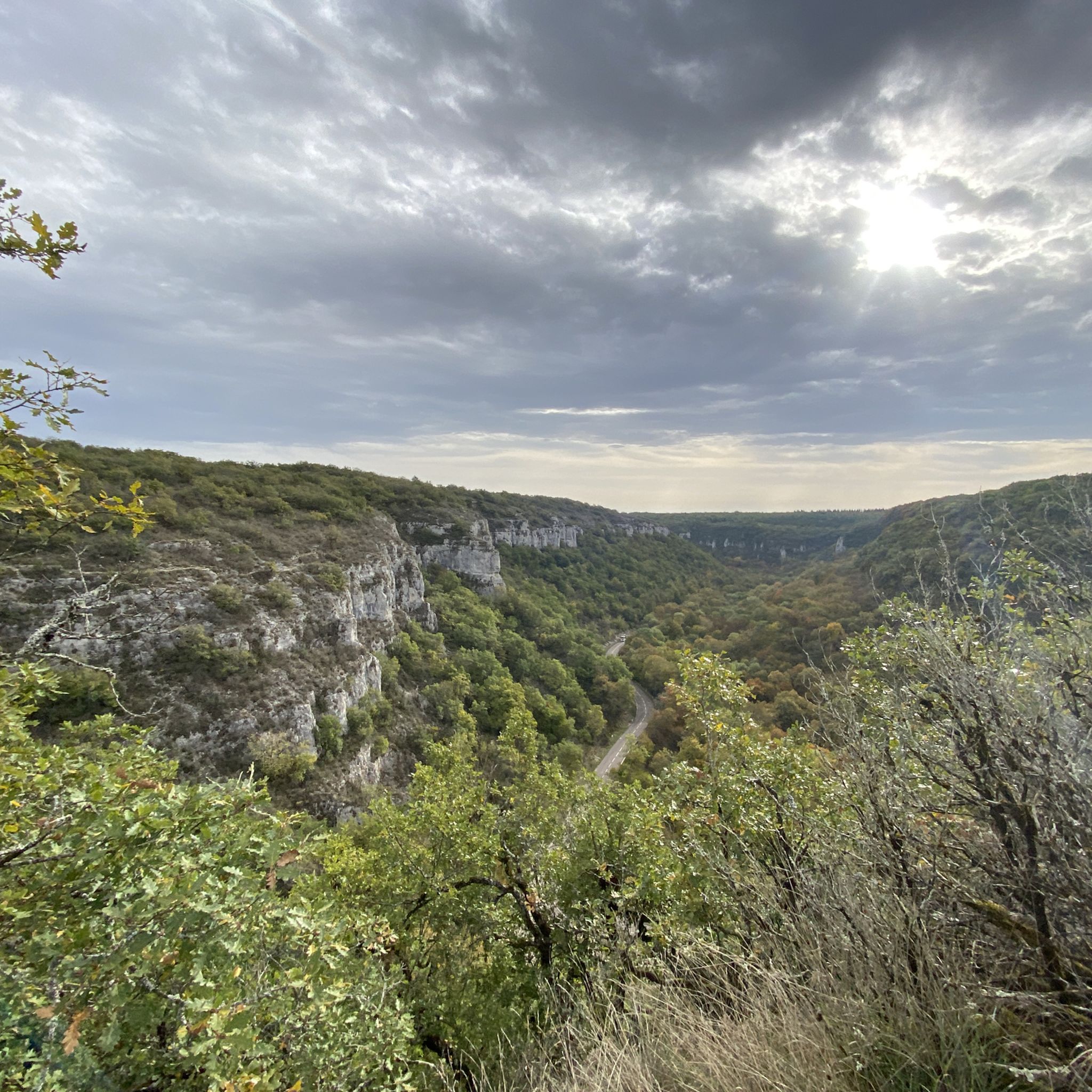
Hiking around Dijon
Other adventures around Dijon


Tips from the Community

Much more impressive in person than in photos and it's possible to get close to the chasm. Not to be missed
0
0

Carved into the cliff face of the Auvillard valley, it is accessed via a very steep path that leads to the cave's immense entrance. A small gallery extends this gigantic alcove, while several rock shelters decorate the surrounding area.
1
0

Be careful when going down the 10 meters of the small path to see the chasm. Even in dry weather it is slippery and there is nothing to prevent you from falling into the chasm. So be careful.
1
0

The Creux Percé is an inverted cone-shaped collapsed chasm approximately 60 m deep and with a circumference ranging from 35 to 25 m at the surface. This chasm is primarily known to speleologists. Exploration of this chasm and its lateral networks began in the 19th century. This site has long been a natural icehouse with a bottom that reaches sub-zero temperatures, even in summer. https://www.bourgogne-tourisme.com/ In May 2025, a special outing, supervised by the Dijon Speleo Club, will allow visitors to descend into this crater.
1
0
Of the three caves, two are relatively easy to access. One can even be walked through—a beautiful place.
3
0

Beautiful source of the Burgundy region
1
0

At the top of the valley, this huge rock is a top climbing spot. The view is also impressive.
2
0
This promenade is indeed a major tourist attraction. The Bèze has its source in the cave of Crétanne located nearby.
3
0
Frequently Asked Questions
What unique geological features can I explore in the caves around Dijon?
The region offers diverse geological formations. For instance, Gouffre du creux Percé is an impressive inverted cone-shaped chasm, approximately 60 meters deep. You can also see the unique rock formations at La Roche Virante, known for its cliffs and the 'cave of wolves'.
Which caves near Dijon feature a notable natural spring or underground river?
Bèze Spring is a major attraction where the Bèze river originates from the nearby Crétanne cave. Additionally, Gouffre de la Combe aux Prêtres is a vast cave system known for its underground river and multiple entrances.
Are there caves around Dijon suitable for beginners or less experienced visitors?
While many caves in the region are suited for experienced speleologists, sites like Bèze Spring offer accessible promenades to view the natural source. The Caves of Parc de Jouvence are located within a park with many hiking trails, making them approachable for general exploration.
What outdoor activities can be combined with a visit to the caves around Dijon?
The area around Dijon is excellent for various outdoor activities. You can find numerous hiking trails, such as those in the Easy hikes around Dijon guide, or explore gravel biking routes from the Gravel biking around Dijon guide. Many caves, like La Roche Virante, are also popular climbing spots.
Are there family-friendly options for exploring caves near Dijon?
For families, areas like Bèze Spring offer easy access and a pleasant natural setting. The Caves of Parc de Jouvence are situated within a park that provides hiking trails and information boards, making it suitable for a family outing.
What is the best time of year to visit the caves around Dijon?
The caves and their surrounding natural areas can be enjoyed throughout the year. However, spring and autumn offer pleasant temperatures for exploring the outdoor trails leading to many cave entrances. Some deeper chasms, like Gouffre du creux Percé, are known to maintain sub-zero temperatures at their bottom even in summer, so be prepared for cooler conditions underground regardless of the season.
What should I wear when visiting caves in the Dijon region?
Even in summer, temperatures inside caves are consistently cool. It's advisable to wear layers, including a warm jacket or fleece. Sturdy, closed-toe shoes with good grip are essential, especially if you plan to explore trails or uneven terrain near cave entrances. For more adventurous explorations, specialized caving gear may be required.
Can I find any cafes or amenities near the caves around Dijon?
While some natural sites are remote, popular spots like Bèze Spring are located near the village of Bèze, which has a restaurant. For other locations, it's recommended to bring your own provisions, especially if visiting more secluded areas like Gouffre du creux Percé, which has a nearby chalet offering shelter for picnics.
Are there any guided tours or special events for cave exploration near Dijon?
While the guide data doesn't specify regular guided tours for all caves, there are occasional special events. For example, in May 2025, the Dijon Speleo Club will supervise a special outing to descend into Gouffre du creux Percé. It's best to check local tourism boards or speleology clubs for current event schedules.
What do visitors enjoy most about the caves and natural sites around Dijon?
Visitors frequently appreciate the impressive geological formations and the sense of adventure. The 'almost mountainous atmosphere' and climbing opportunities at La Roche Virante are highly rated, as is the unique experience of exploring the deep chasm of Gouffre du creux Percé. The natural beauty of the Bèze Spring is also a community favorite.
Are there any caves around Dijon that are known for their historical or cultural significance?
While the primary focus of these caves is their natural geological formations, sites like La Roche Virante are associated with local legends, such as the 'cave of wolves' and the 'Roche Branlante' (Wobbly Rock) that is said to rotate annually. Exploration of some chasms, like Gouffre du creux Percé, dates back to the 19th century, adding a layer of historical exploration to their natural wonder.
Can I find information about wildlife in the caves near Dijon?
The caves and their surrounding forests are part of a rich natural ecosystem. While specific wildlife within the caves is not detailed, the region's karst areas and river valleys support diverse flora and fauna. Exploring the trails around sites like the Caves of Parc de Jouvence or Bèze Spring offers opportunities to observe local wildlife in their natural habitats.
Most popular routes around Dijon
Most popular attractions around Dijon

Get inspired with the komoot mobile app


Didn’t find what you were looking for?
Discover more caves around Dijon region by region:
Explore more
Extend your search for the best caves by checking out these guides of the top ones around Dijon:
