Attractions and Places To See in Área De Proteção Ambiental Do Rio Guandu - Top 14
Best attractions and places to see in Área De Proteção Ambiental Do Rio Guandu include a diverse range of natural and cultural sites. This conservation unit in Rio de Janeiro protects the Guandu River basin, a crucial water source for over nine million people. The region encompasses parts of eleven municipalities, offering opportunities for ecotourism and appreciating the Atlantic Forest biome. Visitors can explore significant natural landscapes and historical landmarks within this protected area.
Best attractions and places to see…
Last updated: July 6, 2026
Paulo de Frontin Railway Viaduct
Highlight • Bridge
Translated by Google •
Tip by

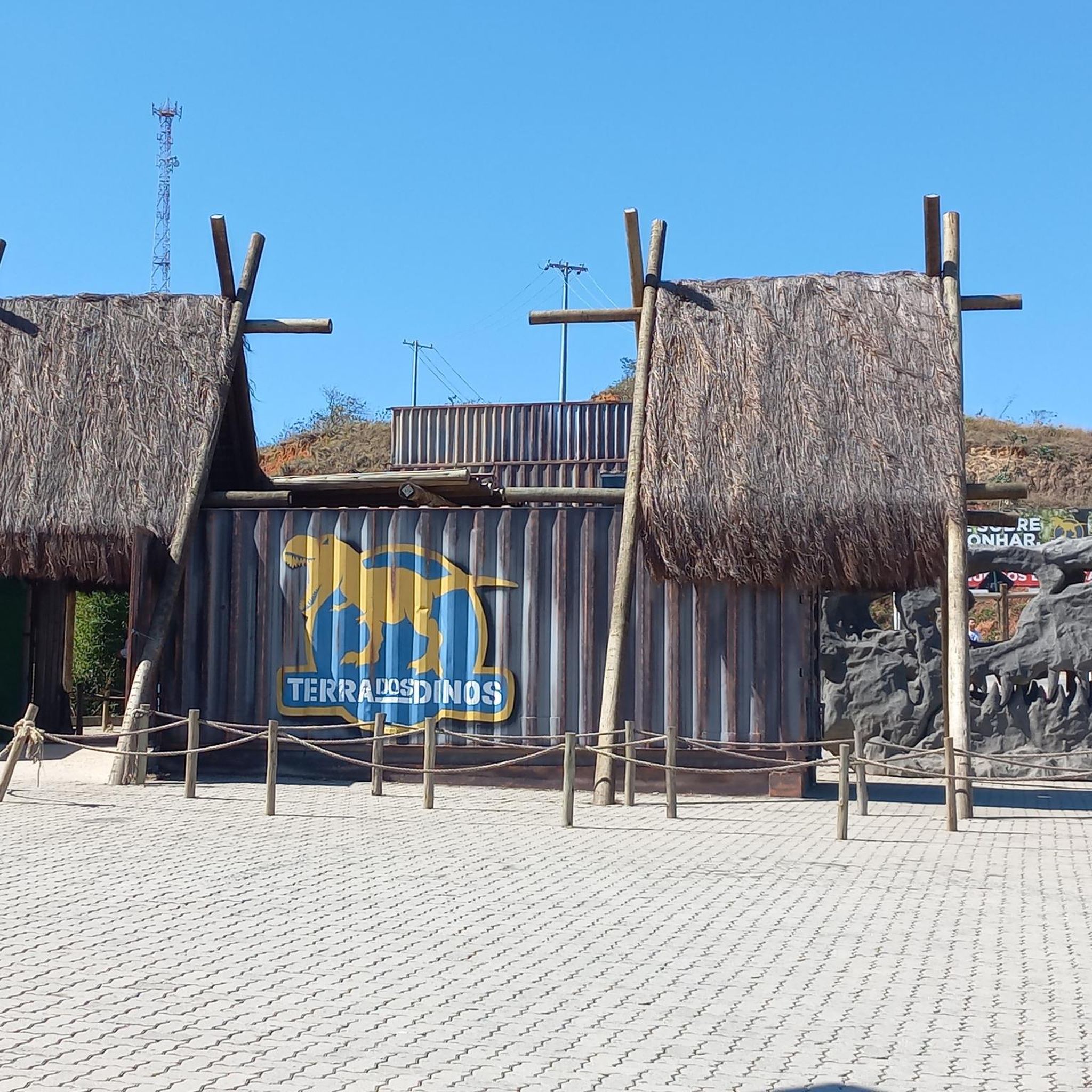
Land of the Dinosaurs
Highlight • Structure
Attractions
1. Giant replicas of dinosaurs (more than 20 species).
2. Paleontology Museum with fossils. …
Translated by Google •
Tip by
Sign up now to discover places like this
Get recommendations on the best single tracks, peaks, & plenty of other exciting outdoor places.
Sign up for free
Japeri Interchange
Highlight • Structure
Main Highways
1. BR-040 (Rio de Janeiro-Belo Horizonte)
2. RJ-125 (Japeri-Queimados)
3. RJ-134 (Japeri-Paracambi)
Features
Translated by Google •
Tip by
Paracambi Gateway
Highlight • Monument
In addition to the gateway, the city also has the Portal do …
Translated by Google •
Tip by
Conrado Railway Station
Highlight • Monument
Translated by Google •
Tip by
Sign up for free to discover even more attractions in Área De Proteção Ambiental Do Rio Guandu.
Sign up for free
Already have an account?
Start today with a free account
Your next adventure awaits.
Login or Signup
Popular around Área De Proteção Ambiental Do Rio Guandu
Tips from the Community

Classic photo spot. At Bar do Armando they have wonderful and cheap pork belly!
1
0

"Land of Dinosaurs" in Miguel Pereira, Rio de Janeiro, is a theme park that offers: Attractions 1. Giant replicas of dinosaurs (more than 20 species). 2. Paleontology Museum with fossils. 3. Ecological trails with views of Serra dos Órgãos. 4. Picnic and leisure area. 5. Souvenir shop. 6. Children's area with toys. Practical Information 1. Address: Estrada Miguel Pereira - Itaipava, RJ. 2. Hours: 9am to 5pm (closed on days of heavy rain). 3. Telephone: (24) 3322-2222. 4. Website: check the official website for updates. Tips 1. Visit during the week to avoid crowds. 2. Bring sunscreen, a hat and water. 3. Respect the facilities and nature. 4. Enjoy the trails and scenic views.
2
0
The Japeri Interchange is an important highway junction located in Japeri, in the Metropolitan Region of Rio de Janeiro. It connects: Main Highways 1. BR-040 (Rio de Janeiro-Belo Horizonte) 2. RJ-125 (Japeri-Queimados) 3. RJ-134 (Japeri-Paracambi) Features 1. Intersection of three state and federal highways. 2. Access to municipalities in Baixada Fluminense. 3. Heavy traffic flow. 4. Important connection point to the interior of the state. Practical Information 1. Location: Japeri, RJ 2. Coordinates: -22.6433, -43.6489 3. Distance from Rio de Janeiro: 60 km 4. Travel time: approximately 1 hour Tips 1. Check weather conditions before traveling. 2. Plan your route in advance. 3. Respect speed limits. 4. Pay attention to traffic.
4
0
The Paulo de Frontin railway viaduct is a Belgian architectural and engineering construction and the only curved railway viaduct in the world. The engineering work was considered absolutely perfect. It is 82 meters long, counting from the ends embedded in the hills and 32 meters high counting from the bed of the Santana River, which passes under its arch. It has two straight spans and a central arch of 40 m. It was opened on March 29, 1897 by the Estrada de Ferro Melhoramentos do Brasil and became part of the Estrada de Ferro Central do Brasil in 1903 as part of the famous Auxiliary Line. Later, the line became part of the RFFSA and a famous tourist train, the Blue Train, often passed along this stretch, for which I leave this pamphlet from the time of RFFSA's management. https://www.belgianclub.com.br/pt-br/heritage/viaduto-ferrovi%C3%A1rio-paulo-de-frontin-miguel-pereira
2
0
The Paracambi gateway is a new entrance to the municipality, which is currently being built in the city. In addition to the gateway, the city also has the Portal do Ribeirão das Lages, a new leisure area. Paracambi is a municipality in the state of Rio de Janeiro, which was formed in 1960 by the union of the seventh district of Vassouras, Tairetá, and the third district of Itaguaí, Paracambi. The name of the municipality is a tribute to the oldest district.
3
0
Conrado is the 3rd district of the municipality of Miguel Pereira, in the state of Rio de Janeiro, in Brazil. This district includes, in addition to the village of Conrado itself, the towns of Arcadia, Santa Branca, Mangueiras and Paes Leme.
3
0
R. Francisco AM Andriolo, 233 - 391, Miguel Pereira - RJ, 26920-000 - Open 24 hours
2
0
Frequently Asked Questions
What natural attractions can I explore in Área De Proteção Ambiental Do Rio Guandu?
The region is part of the Atlantic Forest biome, offering rich biodiversity and opportunities for nature appreciation. You can explore the Rio Guandu and its tributaries, which are vital for the local ecosystem. Additionally, Land of the Dinosaurs features ecological trails with scenic views, and Lago de Javary in Miguel Pereira is a popular spot for leisure and ecotourism, including boat tours and bird watching.
Are there any historical sites or cultural landmarks to visit?
Yes, the area offers significant historical and cultural sites. The Paulo de Frontin Railway Viaduct is a unique curved railway viaduct showcasing Belgian architectural and engineering prowess. You can also visit the Monumento Natural da Gruta dos Escravos in Miguel Pereira, an 18th-century site that served as a refuge for enslaved people, featuring a chapel and carved stones.
What family-friendly activities are available in Área De Proteção Ambiental Do Rio Guandu?
Families will find several engaging options. Land of the Dinosaurs is a theme park with giant dinosaur replicas, a Paleontology Museum, and a children's area. Paracambi Island Ranch is a family-friendly restaurant and leisure facility with plenty of green space for children to play. Lago de Javary also offers leisure activities suitable for families.
What kind of outdoor activities can I do near these attractions?
The Área De Proteção Ambiental Do Rio Guandu is excellent for outdoor enthusiasts. You can find numerous routes for mountain biking and cycling. For MTB, consider routes like the 'Lago de Javary loop from Barão de Javari' or 'Climb Between Fragoso and Javary loop from Paty do Alferes'. For cycling, explore routes such as 'Praça George Jacob Abdue loop from Videiras' or 'Sítio Caminho da Roça – Mirante da Serra loop from Itaguaí'. You can find more details on these and other routes in the MTB Trails and Cycling guides for the region.
Are there any unique local products or experiences to discover?
Yes, you can experience local artisanal production at Cachaça Paracambicana. This site produces artisanal cachaça without chemicals, offering different types aged in oak barrels or infused with fruits and spices. It's a great way to taste a local specialty.
What is the best time to visit Área De Proteção Ambiental Do Rio Guandu?
The region generally experiences a tropical climate. For outdoor activities like hiking and cycling, it's often best to visit during the drier, cooler months to avoid heavy rains and high humidity. Always check local weather conditions before planning your trip, especially if you intend to explore ecological trails.
What are the typical terrain and difficulty levels for trails in the area?
Given its location within the Atlantic Forest biome, trails often feature varied terrain, including forest paths and potentially some elevation changes. While specific difficulty levels vary by trail, the region offers options from moderate to difficult, catering to different fitness levels. For example, some MTB routes are rated 'moderate' while others are 'difficult'.
Can I find places to eat or stay near the attractions?
Yes, municipalities within the APA, such as Miguel Pereira, Paracambi, and Seropédica, offer various dining and accommodation options. For instance, Paracambi Island Ranch is a restaurant known for its varied cuisine, especially fish dishes, in a pleasant green setting. You can find more local restaurants, cafes, pubs, and pousadas (inns) in these towns.
Is public transportation available to reach attractions in the APA do Rio Guandu?
While some areas might be accessible by public transport, many attractions within the Área De Proteção Ambiental Do Rio Guandu, especially natural and more remote sites, may require private vehicle access. The Japeri Interchange is a significant highway junction connecting several municipalities, which can be a key point for those traveling by car. It's advisable to research specific transport options for each attraction you plan to visit.
What is the primary purpose of the Área De Proteção Ambiental Do Rio Guandu?
The Área De Proteção Ambiental do Rio Guandu (APA do Rio Guandu) is a crucial conservation unit established to protect the quality and quantity of water in the Guandu River basin. This river system is a vital water source for over nine million people in the metropolitan region of Rio de Janeiro. Its core mission is environmental preservation, supporting ecotourism and geotourism as viable alternatives for conservation.
Are there any specific rules or regulations for visiting the protected area?
As a conservation unit, visitors are encouraged to respect the natural environment. This includes staying on marked trails, not disturbing wildlife, and properly disposing of waste. Specific rules may apply to certain areas, especially regarding activities like fishing or camping. For detailed information on visitation rules and regulations, it's recommended to consult official sources related to environmental protection in Rio de Janeiro, such as the state's environmental secretariat website: www.rj.gov.br/seas/node/347.
Most popular routes in Área De Proteção Ambiental Do Rio Guandu

Get inspired with the komoot mobile app


Explore more
Still not found the Highlight you’re looking for? See guides of the top attractions in other regions:
