The best mountain hikes in the Drakensberg
4.8
(10)
38
hikers
5
hikes
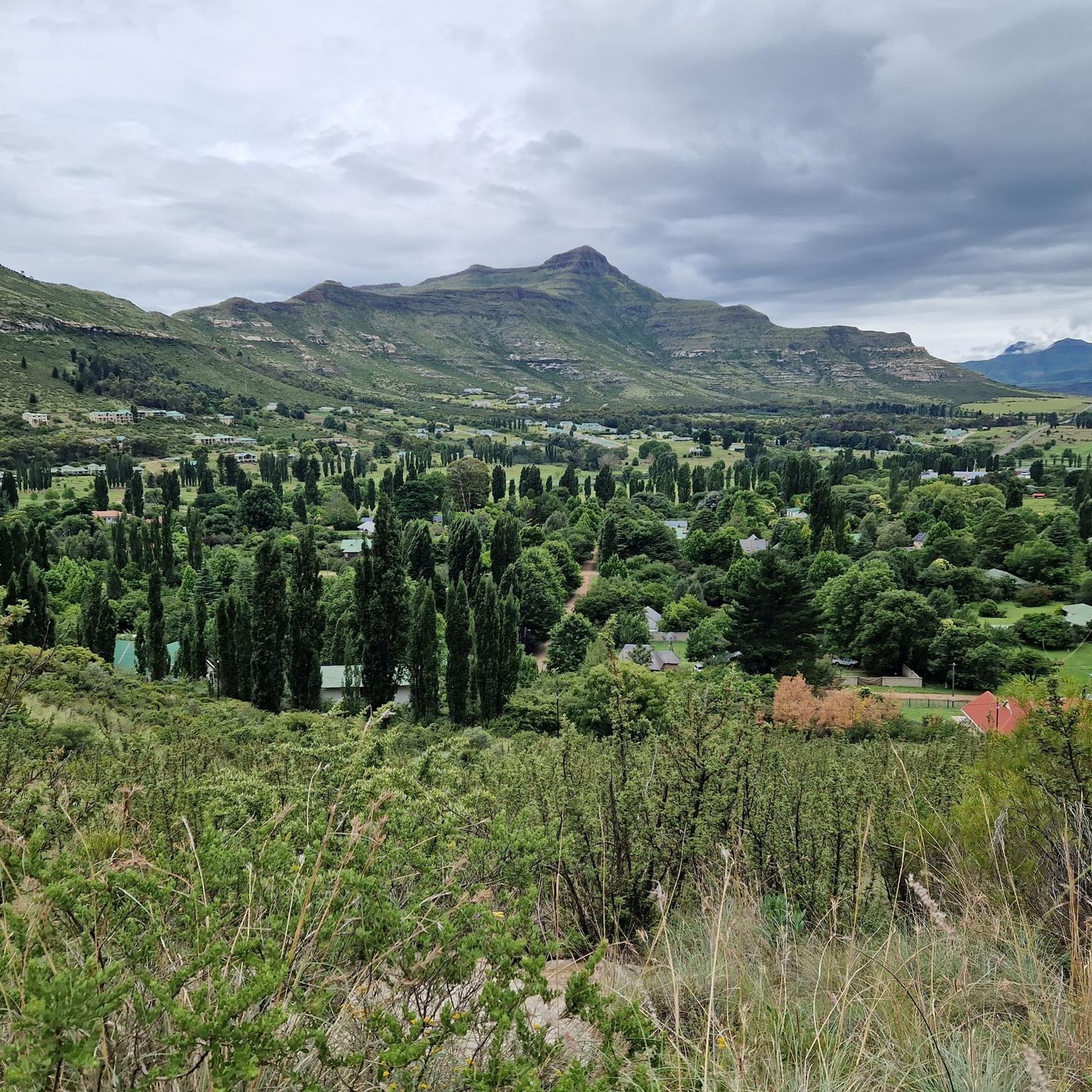
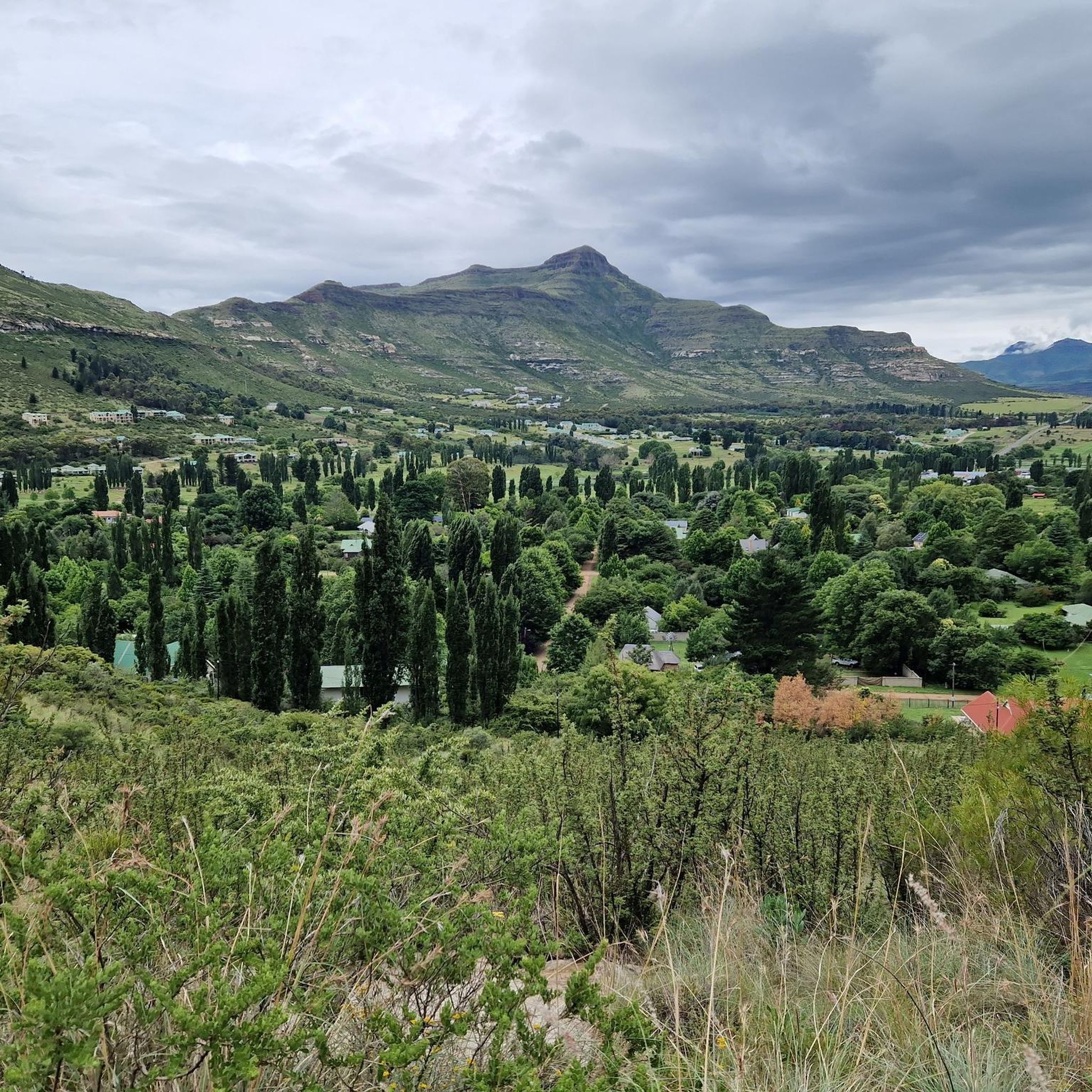
Mountaineering routes in the Drakensberg traverse a dramatic landscape characterized by jagged basalt peaks, towering mountains, and sheer-sided gorges. This UNESCO World Heritage Site forms a natural border, offering diverse terrain from high-altitude plateaus to deep valleys. The region features iconic formations like the Amphitheatre and numerous waterfalls, providing a challenging and rewarding environment for mountaineers.
Best mountaineering routes in the Drakensberg
- The most popular mountaineering route is Mountaineering loop from Registration Office, a 7.3 miles (11.7 km) trail…
Last updated: July 9, 2026
4.5
(2)
19
hikers
Hard mountaineering route. Very good fitness required. Sure-footedness, sturdy shoes and alpine experience required.
4.8
(5)
10
hikers
12.0km
04:28
370m
370m
Moderate mountaineering route. Good fitness required. Mostly accessible paths. Sure-footedness required.

Sign up for free
5.0
(3)
6
hikers
11.7km
04:40
620m
620m
Moderate mountaineering route. Good fitness required. Mostly accessible paths. Sure-footedness required.
2
hikers
10.2km
03:57
690m
690m
Moderate mountaineering route. Good fitness required. Mostly accessible paths. Sure-footedness required.
1
hikers
6.36km
02:10
290m
290m
Moderate mountaineering route. Good fitness required. Mostly accessible paths. Sure-footedness required.
Our route recommendations are based on thousands of hikes, rides, and runs completed by other people on komoot.
Start today with a free account
Your next adventure awaits.
Login or Signup

Other adventures in the Drakensberg

Tips from the Community


Look so dangerous to climb. Anyone try it? Edited by https://geometrydashsubzero.io 1 day ago
1
0
A beautiful hike with fantastic views. Be sure to take enough water with you, because the route initially runs exclusively in the sun 🌞
1
2

An unforgettable sight awaits you here! And fantastic photo opportunities
2
1

The chain ladders with the round handles are recommended for beginners
2
0
View of the rock face on the way to the Chain-Ladders.
0
0
Here are the two world-famous chain ladders through which the plateau is accessed. The chain ladder with the handles is recommended for beginners.
0
0

Frequently Asked Questions
What kind of terrain can I expect on mountaineering routes in the Drakensberg?
The Drakensberg offers a dramatic and varied landscape for mountaineering. You'll encounter jagged basalt peaks, towering mountains, and sheer-sided gorges. Routes often traverse high-altitude plateaus and deep valleys, providing a challenging and rewarding environment. Expect significant elevation changes and rugged paths, characteristic of this UNESCO World Heritage Site.
Are there any beginner-friendly mountaineering routes in the Drakensberg?
While many routes are challenging, there are options suitable for those with moderate experience. For example, the Amphitheatre Viewpoint loop from Thendele is a moderate 6.3-mile (10.2 km) path offering expansive views with manageable elevation. Another moderate option is the Sphinx – Blind Man's Corner loop from Monk's Cowl, which covers 7.3 miles (11.7 km) through varied mountain terrain.
What are some notable natural features or landmarks to look out for on these routes?
The Drakensberg is rich in iconic natural features. You might encounter the massive Amphitheatre rock wall, towering peaks like Cathedral Peak, or the dramatic Tugela Falls, one of the world's tallest waterfalls. Other points of interest include the Bourke's Luck Potholes and the impressive Tugela Gorge. The region is also known for its ancient San rock art sites.
Are there any circular mountaineering routes available in the Drakensberg?
Yes, several routes are designed as loops, allowing you to start and end at the same point. Examples include the challenging Mountaineering loop from Registration Office, the moderate Amphitheatre Viewpoint loop from Thendele, and the Sphinx – Blind Man's Corner loop from Monk's Cowl. Another option is the Plowman's Kop – Lookout Rock loop from Mahai.
What is the best time of year for mountaineering in the Drakensberg?
The Drakensberg offers different experiences depending on the season. The dry winter months (May to September) generally provide clear skies and cooler temperatures, which can be ideal for mountaineering, though nights are cold. Summer (November to March) brings warmer weather and lush landscapes, but also higher chances of thunderstorms and mist. Always check local weather forecasts before heading out.
Are there any routes that feature waterfalls or rock pools?
Absolutely. The Drakensberg is dotted with numerous picturesque waterfalls, serene rock pools, and crystal-clear mountain streams. The The Cascades Pools – Tiger Falls loop from Mahai is a moderate route specifically highlighting these beautiful water features. You'll also find the impressive Tugela Falls within the Royal Natal National Park area.
What do other mountaineers enjoy most about the Drakensberg routes?
The mountaineering routes in the Drakensberg are highly rated by the komoot community, with an average score of 4.75 stars from 9 reviews. Users frequently praise the dramatic landscapes, the challenging yet rewarding terrain, and the breathtaking vistas of the basalt peaks and gorges. The sense of adventure and immersion in nature are often highlighted as key draws.
Are permits required for mountaineering in the Drakensberg?
Yes, permits are generally required for hiking and mountaineering in the Drakensberg, especially within the national parks and protected areas like the uKhahlamba Drakensberg Park. It's advisable to check with the specific park or reserve office for the latest requirements and to obtain permits in advance, particularly for multi-day treks or more challenging climbs.
Can I expect to see wildlife on the mountaineering trails?
The Drakensberg boasts a diverse ecosystem, and you have a good chance of spotting wildlife. Keep an eye out for species such as Eland, Reedbuck, and Baboons. Birdwatchers will also appreciate the variety of bird species, including the endangered Lammergeier (bearded vultures), which can often be seen soaring above the cliffs.
How many mountaineering routes are available in the Drakensberg?
There are several dedicated mountaineering routes in the Drakensberg, with komoot featuring at least 5 distinct tours in this guide. These routes range from moderate to difficult, catering to various skill levels and offering diverse experiences across the region's unique terrain.
Are there any advanced or difficult mountaineering routes for experienced climbers?
Yes, the Drakensberg offers challenging routes for experienced mountaineers. The Mountaineering loop from Registration Office is classified as difficult, featuring significant elevation gain over its 7.3 miles (11.7 km). The region is also known for legendary routes like the Mini Traverse and Grand Traverse, which are multi-day expeditions for highly skilled hikers and climbers.
Most popular routes in the Drakensberg
Most popular attractions in the Drakensberg

Get inspired with the komoot mobile app


