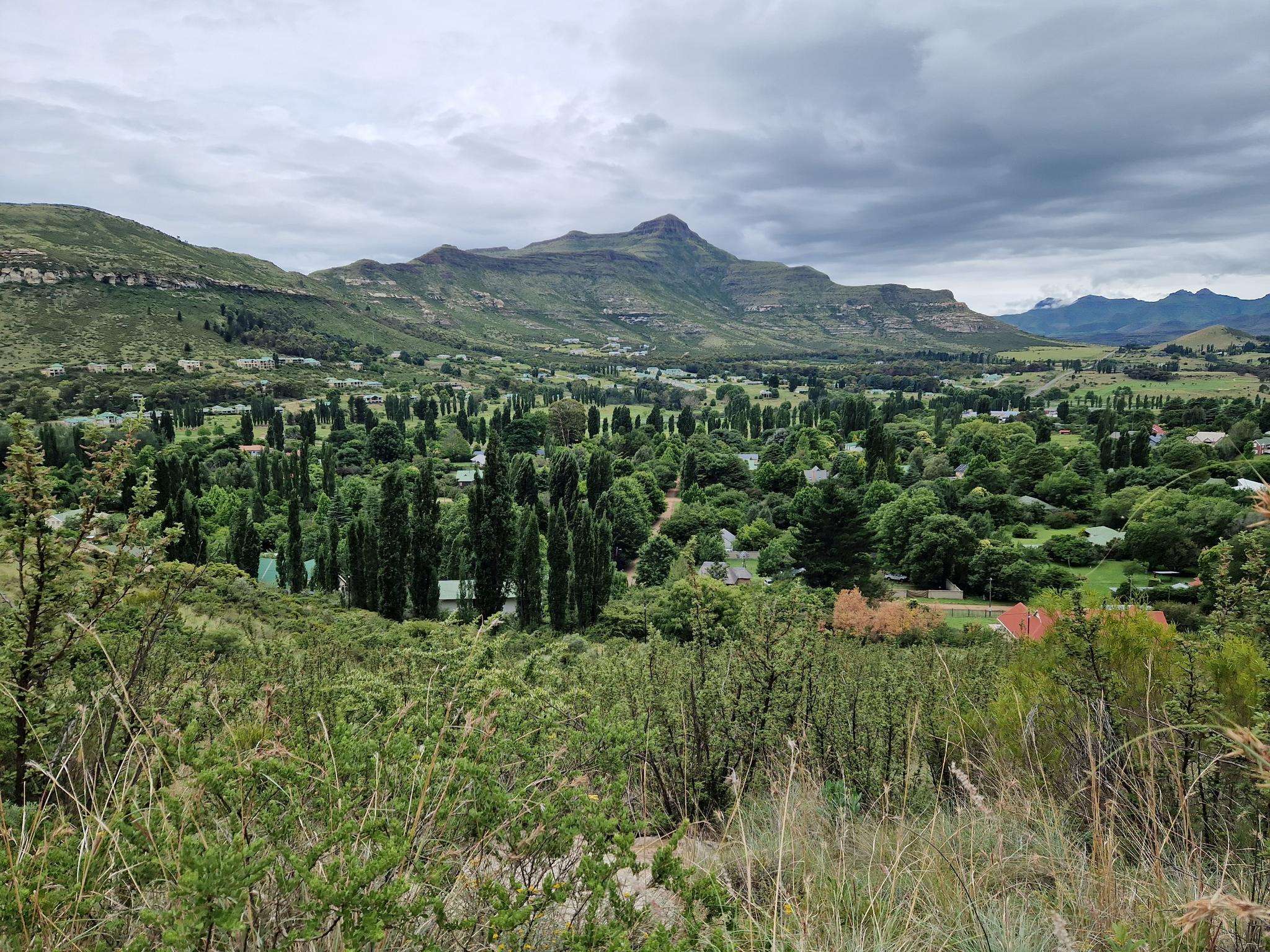
The best road cycling routes in the Drakensberg
5.0
(1)
388
riders
11
rides
Road cycling routes in the Drakensberg traverse a landscape characterized by towering basalt peaks, high-altitude plateaus, and lush valleys. The region offers a mix of paved roads and scenic gravel and district roads, providing varied terrain for cyclists. Elevation gains are common, with routes often winding through areas offering views of the uKhahlamba-Drakensberg Park. This diverse topography ensures a range of road cycling experiences, from challenging climbs to more rolling routes.
Best road cycling routes in the Drakensberg
- The most…
Last updated: July 10, 2026
27
riders
50.6km
02:34
870m
870m
Moderate road ride. Good fitness required. Mostly well-paved surfaces and easy to ride.
23
riders
78.1km
03:53
1,210m
1,210m
Hard road ride. Very good fitness required. Some segments of this route may be unpaved and difficult to ride.

Sign up for free
18
riders
45.3km
02:19
600m
600m
Moderate road ride. Good fitness required. Mostly well-paved surfaces and easy to ride.
20
riders
31km
01:37
560m
560m
Moderate road ride. Good fitness required. Mostly well-paved surfaces and easy to ride.
16
riders
Moderate road ride. Good fitness required. Mostly well-paved surfaces and easy to ride.
10
riders
44.6km
02:22
830m
830m
Moderate road ride. Good fitness required. Mostly well-paved surfaces and easy to ride.
10
riders
46.7km
02:15
640m
640m
Moderate road ride. Good fitness required. Mostly well-paved surfaces and easy to ride.
6
riders
42.0km
02:17
810m
810m
Moderate road ride. Good fitness required. Mostly well-paved surfaces and easy to ride.
8
riders
Moderate road ride. Good fitness required. Some segments of this route may be unpaved and difficult to ride.
9
riders
34.5km
01:34
420m
420m
Moderate road ride. Good fitness required. Mostly well-paved surfaces and easy to ride.
Our route recommendations are based on thousands of hikes, rides, and runs completed by other people on komoot.
Start today with a free account
Your next adventure awaits.
Login or Signup
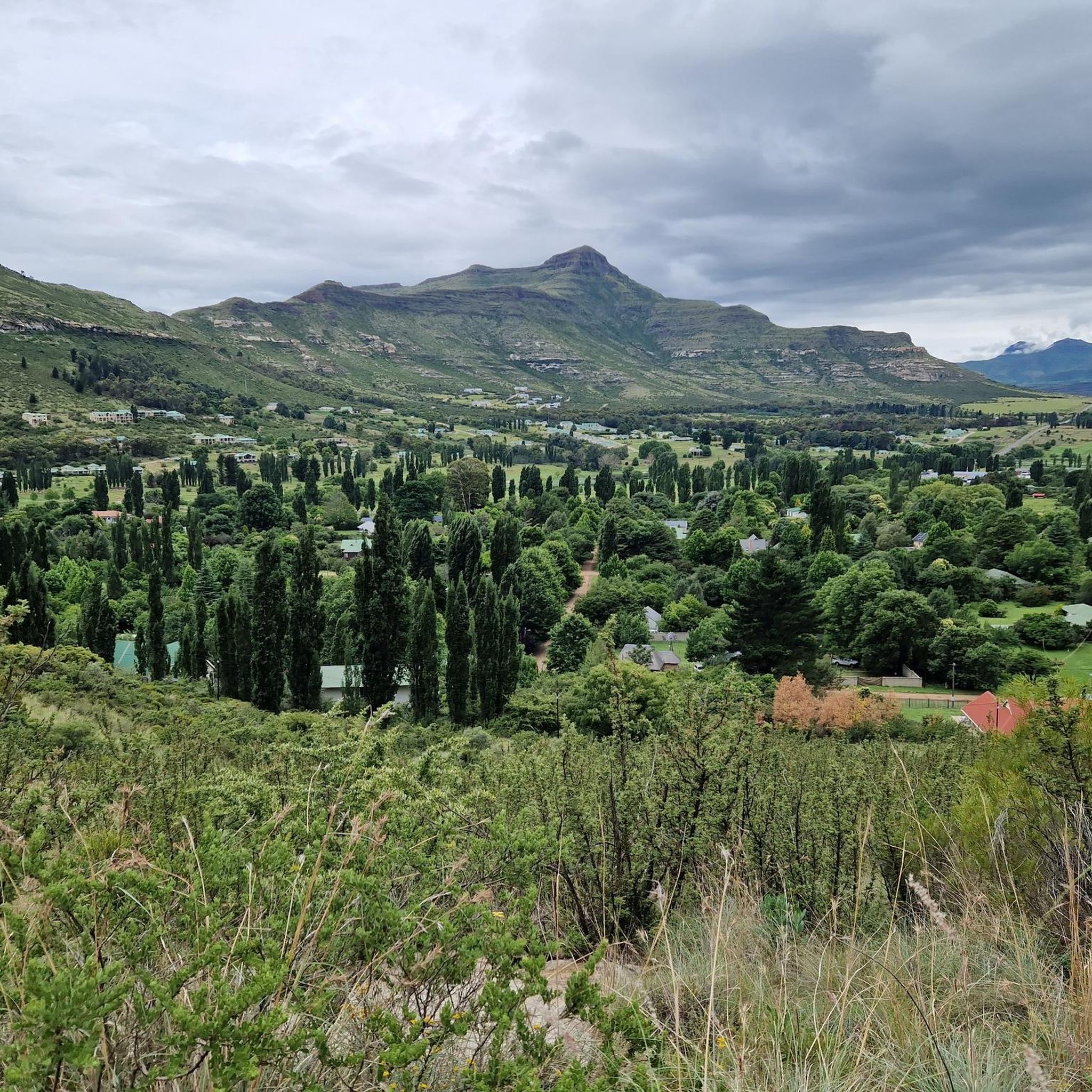
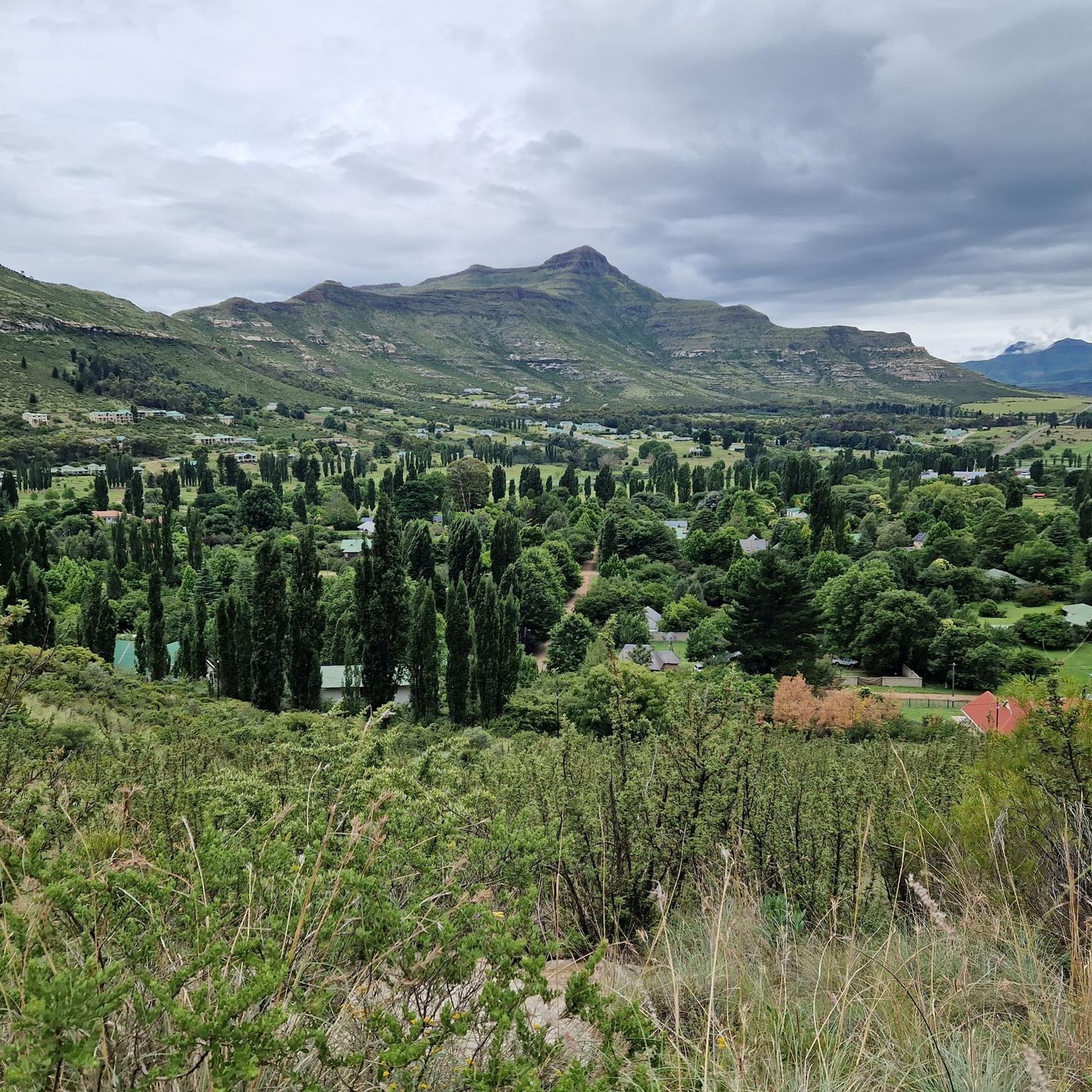

Other adventures in the Drakensberg

Frequently Asked Questions
How many road cycling routes are available in the Drakensberg region?
The Drakensberg region offers over a dozen dedicated road cycling routes on komoot, with 10 routes categorized as moderate and 3 as difficult. These routes traverse diverse landscapes, from high-altitude plateaus to lush valleys, providing varied terrain for cyclists.
What kind of terrain can I expect on road cycling routes in the Drakensberg?
Road cycling in the Drakensberg features a mix of paved roads and scenic gravel and district roads. You can expect significant elevation gains, with routes often winding through areas offering breathtaking views of the uKhahlamba-Drakensberg Park. The region's topography includes towering basalt cliffs, expansive grasslands, and winding paths.
Are there any challenging road cycling routes in the Drakensberg?
Yes, the Drakensberg offers several challenging road cycling routes. For instance, the Inchanga Trading Store loop from Hillcrest is a difficult 48.5-mile (78.1 km) path featuring significant elevation changes. Another demanding option is the Umgeni Valley Nature Reserve loop from Victoria Country Club, covering 68.3 miles (110 km) with over 1000 meters of ascent.
What scenic viewpoints or landmarks can I see along the road cycling routes?
The Drakensberg is rich in natural beauty. While cycling, you might encounter views of iconic peaks like Giant's Castle or Cathedral Peak. Some routes offer glimpses of the majestic Amphitheatre. You can also explore natural highlights such as God's Window, Tugela Gorge, or the unique Mushroom Rock. The region is also home to ancient San rock art sites, offering cultural insights.
What is the best time of year for road biking in the Drakensberg?
The Drakensberg offers a 'constantly changing backdrop' throughout the year. While specific recommendations depend on personal preference, generally, the shoulder seasons (spring and autumn) provide pleasant temperatures and less extreme weather. Summers can be warm with occasional thunderstorms, while winters are cooler, and some high-altitude areas may even experience snow.
Are there any loop routes for road cycling in the Drakensberg?
Yes, many road cycling routes in the Drakensberg are designed as loops, allowing you to start and end at the same point. Examples include the Rooidraai – Generaalskop Viewpoint loop from Clarens and the Umgeni Valley Nature Reserve loop from Hilton. These circular routes are convenient for planning your ride.
Are there any family-friendly road cycling options in the Drakensberg?
While many routes involve significant elevation, the Drakensberg does offer varied terrain. For families, look for routes described as moderate or those with less extreme elevation changes. The region's district roads and some paved surfaces can be suitable, but always check the route profile for distance and ascent to match your family's fitness level. Specific 'family-friendly' designated road cycling routes are not explicitly highlighted in the data, but shorter, less technical sections might be found.
Where can I find waterfalls or gorges along road cycling routes?
The Drakensberg is renowned for its waterfalls and gorges. While cycling, you might be near attractions like Mac Mac Pools and Waterfalls or Grotto's Pool Waterfall. The Tugela Gorge is another prominent natural feature in the region. It's advisable to check the specific route maps for proximity to these natural wonders.
Are there any permits required for road cycling in the Drakensberg?
Generally, permits are not required for road cycling on public roads in the Drakensberg. However, if your route takes you through specific nature reserves, national parks (like the uKhahlamba-Drakensberg Park), or private land, there might be entrance fees or permits necessary. For example, the Sani Pass, which connects South Africa and Lesotho, requires a passport for crossing the border. Always check with local authorities or park management for the most current regulations if you plan to enter protected areas.
What are some good starting points for road cycling in the Drakensberg?
Many routes start from towns and villages within or near the Drakensberg. For example, routes like the Maluti Mountains loop begin from Clarens. Other routes originate from areas like Hillcrest or Hilton, offering access to different parts of the region's diverse landscape. Look for routes that start from locations with amenities or easy access.
Can I find cafes or accommodation suitable for cyclists in the Drakensberg?
The Drakensberg is a popular tourist destination, and you will find various accommodation options, from guesthouses to hotels, in towns and villages throughout the region. Many establishments cater to outdoor enthusiasts. Similarly, cafes and pubs are available in populated areas, especially in tourist hubs. While specific 'cyclist-friendly' establishments are not detailed in the data, the general tourism infrastructure is well-developed.
Is public transport available for cyclists with bikes in the Drakensberg?
Public transport options in the Drakensberg, particularly for carrying bicycles, can be limited. While inter-city buses might connect larger towns, their policies on transporting bikes vary and often require prior arrangement or special packaging. For more flexibility, it is generally recommended to use private transport or shuttle services that can accommodate bicycles, especially when accessing more remote starting points for routes.
Are there any specific parking locations for road cyclists in the Drakensberg?
Parking availability for road cyclists in the Drakensberg typically depends on your chosen starting point. Many routes begin from towns or villages where public parking is available. If starting from a specific attraction or nature reserve, designated parking areas are usually provided, though fees may apply. For routes starting from less developed areas, roadside parking might be an option, but always ensure it is safe and permissible.
Most popular routes in the Drakensberg
Most popular attractions in the Drakensberg

Get inspired with the komoot mobile app


Explore more
Browse the best Road cycling routes in other regions.
