Attractions and Places To See around Belmont - Top 9
Attractions and places to see around Belmont include historical sites and settlements in the Bourgogne-Franche-Comté region. The area features religious buildings and monuments, offering insights into local history and architecture. Visitors can explore the commune of Coublanc, known for its strategic position on a hill. The region provides a blend of historical and natural points of interest.
Best attractions and places to see around Belmont
- The most popular attractions is Coublanc, Saint-Pierre Church, a religious building that was built…
Last updated: July 4, 2026
Coublanc, Saint-Pierre Church
Highlight • Religious Site
Translated by Google •
Tip by

Coublanc
Highlight • Monument
Translated by Google •
Tip by
Sign up now to discover places like this
Get recommendations on the best single tracks, peaks, & plenty of other exciting outdoor places.
Sign up for free
Leffond
Highlight • Other
Translated by Google •
Tip by
Beautiful forest road
Highlight • Forest
Translated by Google •
Tip by

Grand Est; Bourgogne-Franche Comté border
Highlight • Structure
Translated by Google •
Tip by
Sign up for free to discover even more attractions around Belmont.
Sign up for free
Already have an account?
Start today with a free account
Your next adventure awaits.
Login or Signup

Tips from the Community

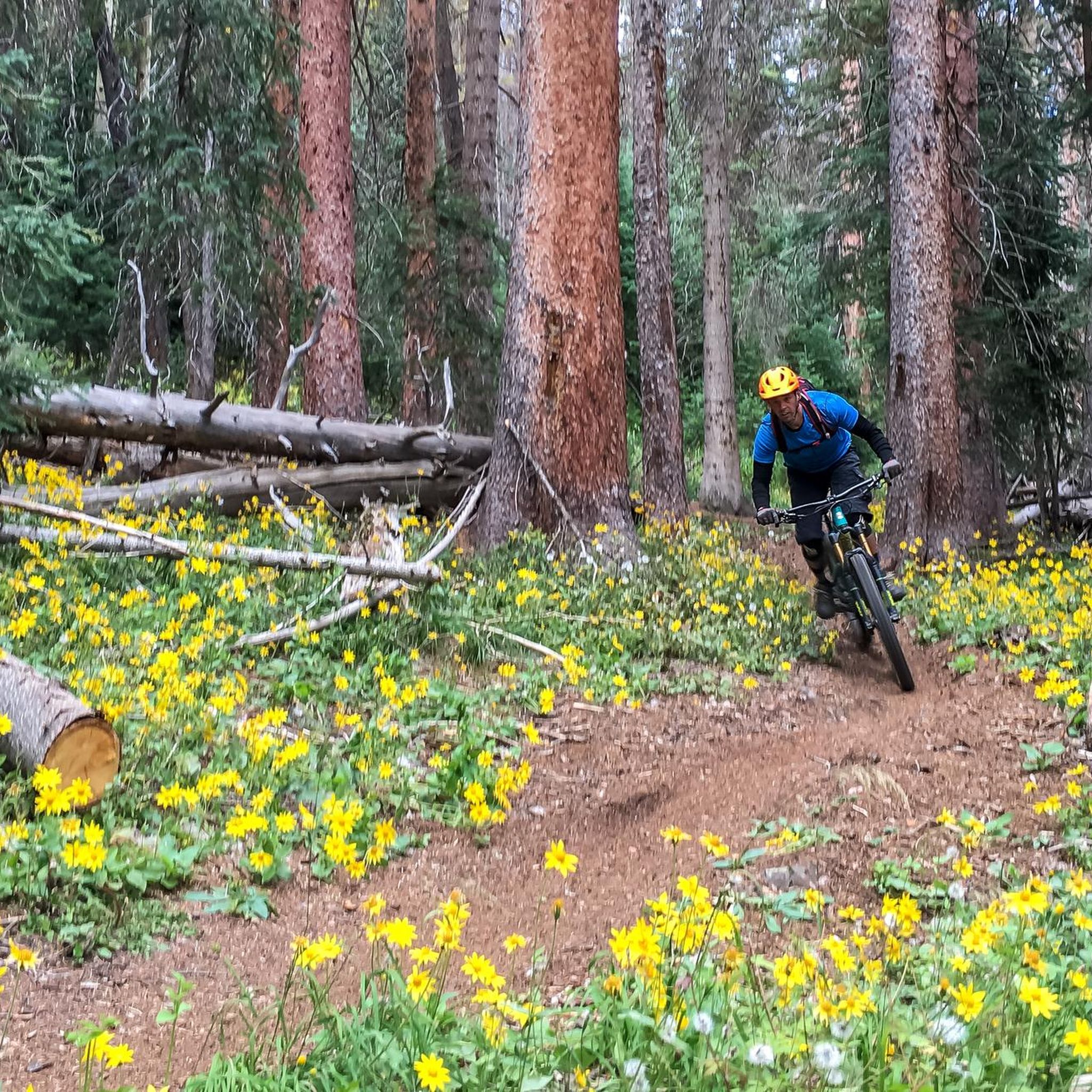
This quiet road runs through the forest for several kilometers. It offers a pleasant coolness in hot weather. It overlooks the Saôlon and the Resaigne, two rivers located on either side of the woods.
0
0

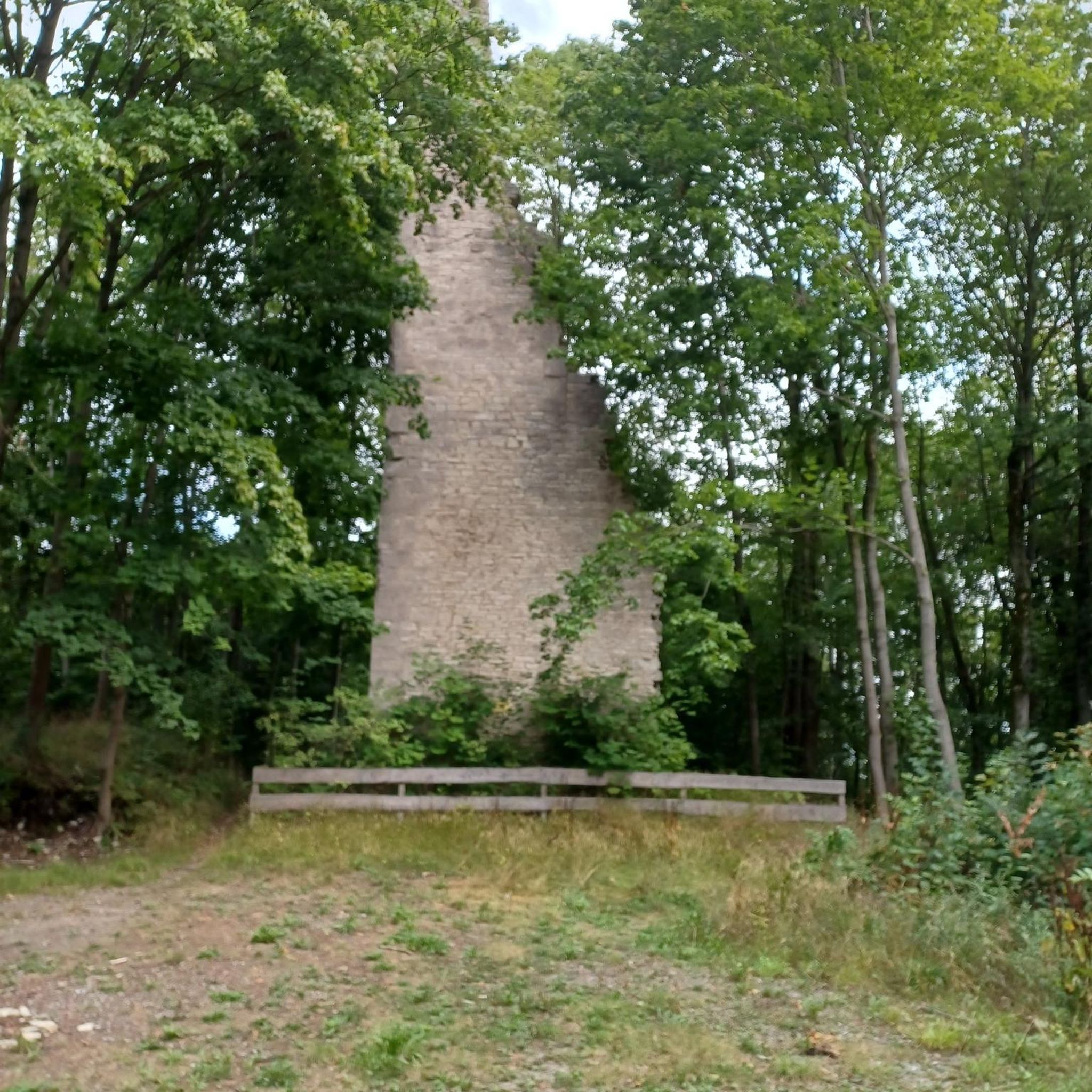
Leffond is a former commune in Haute-Saône, in the Bourgogne-Franche-Comté region, in France. It has been associated with the commune of Champlitte since 1972. It has about 120 inhabitants and is located on the Plateau de Langres, where the rivers Seine and Meuse originate.
11
4
At Coublanc, we leave the Grand Est region and enter the Bourgogne-Franche Comté region at Leffond.
10
1
The Monument aux Morts, place des Halles in Coublanc, Haute-Marne is a memorial to the victims of the First and Second World Wars. It is a stone obelisk with a bronze laurel wreath and a cross, located on the Place des Halles. The monument was erected in 1921 and bears the names of the fallen soldiers from Coublanc.
8
1
The church of St. Peter and St. Paul was built in the twelfth century. It had a dual use: parish and priory, since it depended on the Benedictine abbey of Bèze, in Burgundy. The choir and the nave are from the twelfth century, the sacristy from the sixteenth century, the interior decorations from the early eighteenth century; The restoration began in the nineteenth century. The interior of the church is protected. Nothing is known about the lantern of the dead, which stands in the cemetery (?) , except that it was made in 1537 and was classified as a historical monument on February 23, 1965. It is the monumental cross that is protected.
9
1
Frequently Asked Questions
What historical sites can I explore around Belmont?
The region around Belmont is rich in history. You can visit Coublanc, Saint-Pierre Church, a religious building with origins in the twelfth century. The settlement of Coublanc itself is a historical monument built on a strategic hill. Additionally, Leffond, a former commune, offers insights into the area's past, including its church of Saint-Jean-Baptiste.
Are there any notable religious buildings in the area?
Yes, the most prominent religious site is Coublanc, Saint-Pierre Church. This church, dating back to the twelfth century, served as both a parish and a priory. Its interior decorations from the early eighteenth century and a monumental cross classified as a historical monument are particularly noteworthy. In Leffond, you can also find the church of Saint-Jean-Baptiste, rebuilt in 1772.
What outdoor activities are available near Belmont's attractions?
You can enjoy various outdoor activities, including hiking and cycling. For hiking, explore routes like the "Virgin of Leffond – The Wolf's Cabin loop from Leffond" (easy, 5 km) or the "The Wolf's Cabin loop from Leffond" (moderate, 9.6 km). Cycling enthusiasts can find road cycling routes such as the "Étang de Noribaud loop from Rivières-le-Bois" (moderate, 47.7 km) or touring bicycle routes like the "Beaulieu – Hortes Church loop from Fayl-Billot" (difficult, 43.9 km). You can find more details on these and other routes in the Hiking around Belmont, Road Cycling Routes around Belmont, and Cycling around Belmont guides.
Are there hiking trails suitable for different skill levels?
Yes, the area offers hiking trails for various skill levels. For an easy walk, consider the "Virgin of Leffond – The Wolf's Cabin loop from Leffond" (5 km). Moderate options include "The Wolf's Cabin loop from Leffond" (9.6 km), "Nice church loop from Argillières" (8.7 km), and "Virgin of Leffond loop from Coublanc" (10 km). You can explore these and more in the Hiking around Belmont guide.
What is the significance of Coublanc as a settlement?
Coublanc is a unique settlement built on a strategic hill. It features steep rocks on one side and a river on the other, making its location quite distinctive. The village also hosts the Monument aux Morts, a memorial to the victims of the World Wars, located on the Place des Halles.
Are there any wheelchair-accessible attractions around Belmont?
Yes, the settlement of Coublanc is noted as wheelchair accessible. Additionally, the border crossing point between the Grand Est and Bourgogne-Franche Comté regions, located near Coublanc and Leffond, is also marked as wheelchair accessible.
What do visitors appreciate most about the attractions around Belmont?
Visitors appreciate the blend of historical and natural points of interest. The community has shared 6 photos and given 4 upvotes to the attractions, highlighting the scenic and historical value of sites like the twelfth-century Saint-Pierre Church in Coublanc and the strategic location of the Coublanc settlement.
Can I learn about the region's past in Leffond?
Yes, Leffond, a former commune now associated with Champlitte, offers a glimpse into the region's history. It is located on the Plateau de Langres and features the church of Saint-Jean-Baptiste, which was rebuilt in 1772, with its bell tower from 1788 and a carillon from 1946.
Is there a specific point marking the border between the Grand Est and Bourgogne-Franche Comté regions?
Yes, there is a specific point that marks the Grand Est; Bourgogne-Franche Comté border. This location is near Coublanc, where you transition from the Grand Est region into the Bourgogne-Franche Comté region at Leffond.
Are there any unique historical monuments to discover?
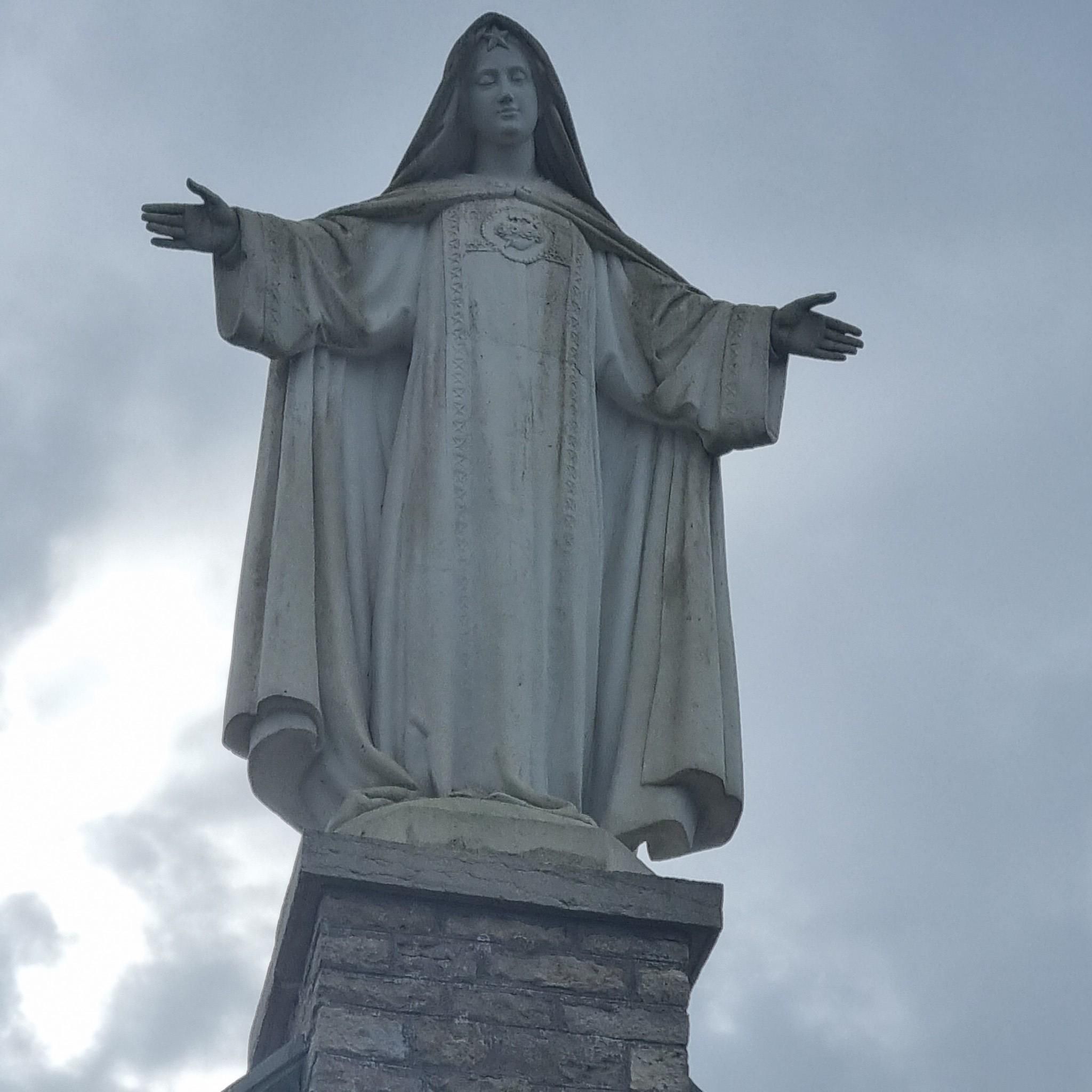
Beyond the churches and settlements, you can discover the Virgin of Leffond. This monument is located about halfway along a route near a cowshed in a meadow, offering a unique point of interest for those exploring the area.

Get inspired with the komoot mobile app


Explore more
Still not found the Highlight you’re looking for? See guides of the top attractions in other regions:
