Attractions and Places To See in Ravenna - Top 20
Best attractions and places to see in Ravenna include a blend of historical sites and natural landscapes. Located in Italy's Emilia-Romagna region, Ravenna is known for its early Christian and Byzantine mosaics, with eight UNESCO World Heritage sites. The city is also situated near the Adriatic coast and the Po Delta Park, offering diverse natural features. This combination provides opportunities to explore both cultural heritage and outdoor environments.
Best attractions and places to see in Ravenna
- The most popular attractions…
Last updated: October 9, 2026
Flamingos in the Comacchio Valleys
Highlight • Lake
Translated by Google •
Tip by

Argine degli Angeli
Highlight • Trail
Translated by Google •
Tip by

Sign up now to discover places like this
Get recommendations on the best single tracks, peaks, & plenty of other exciting outdoor places.
Argine degli Angeli – Comacchio Lagoons
Highlight • Cycleway
Translated by Google •
Tip by

Boscoforte Peninsula Nature Reserve
Highlight • Natural
Translated by Google •
Tip by

Basilica of Saint Apollinaris in Classe
Highlight • Religious Site
in the list of Italian UNESCO world heritage sites, within the serial site "Early Christian Monuments of Ravenna".
Translated by Google •
Tip by

Cubo Magico Bevanella Visitor Center
Highlight • Rest Area
Translated by Google •
Tip by
Reno-Primaro Nature Cycle Route
Highlight • Cycleway
Translated by Google •
Tip by

Ca' Carnè Refuge
Highlight • Mountain Hut
Translated by Google •
Tip by

Sant'Alberto Ferry - crossing the Reno River
Highlight (Segment) • Bridge
You only pay 1 € for the bikes.
To find out all opening hours and rates: traghettosantalberto.it/?fbclid=IwAR3egxg635sLzbkm0GkEHa4jvx4_7wHiTBfXlnpbCFRIPcyoMpiF91NEFOw
Translated by Google •
Tip by
Basilica of San Vitale
Highlight • Religious Site
Translated by Google •
Tip by

Sign up for free to discover even more attractions in Ravenna.
Already have an account?
Start today with a free account
Your next adventure awaits.
Popular around Ravenna
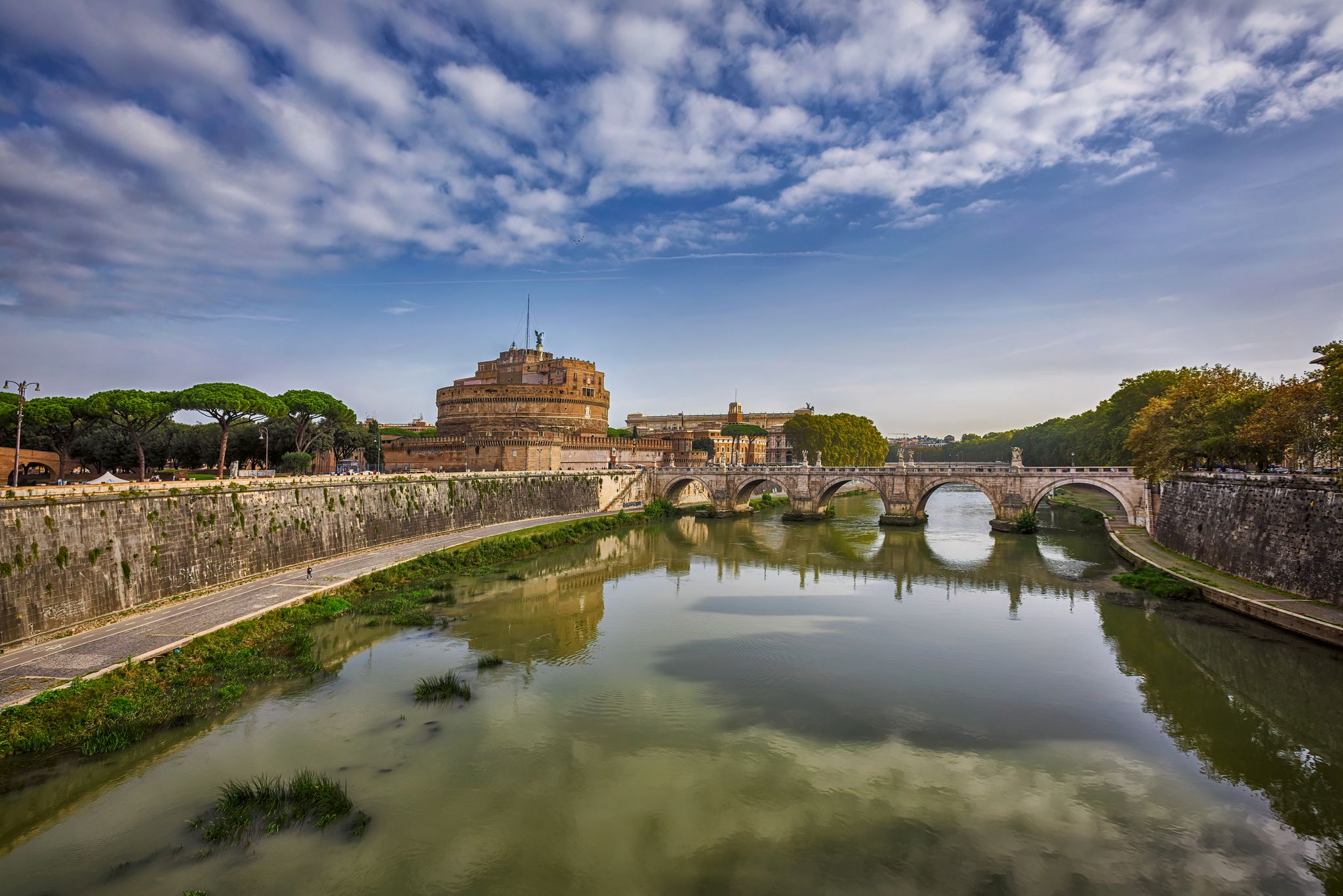
All roads lead to Rome – Romea Tiberina Cycleway
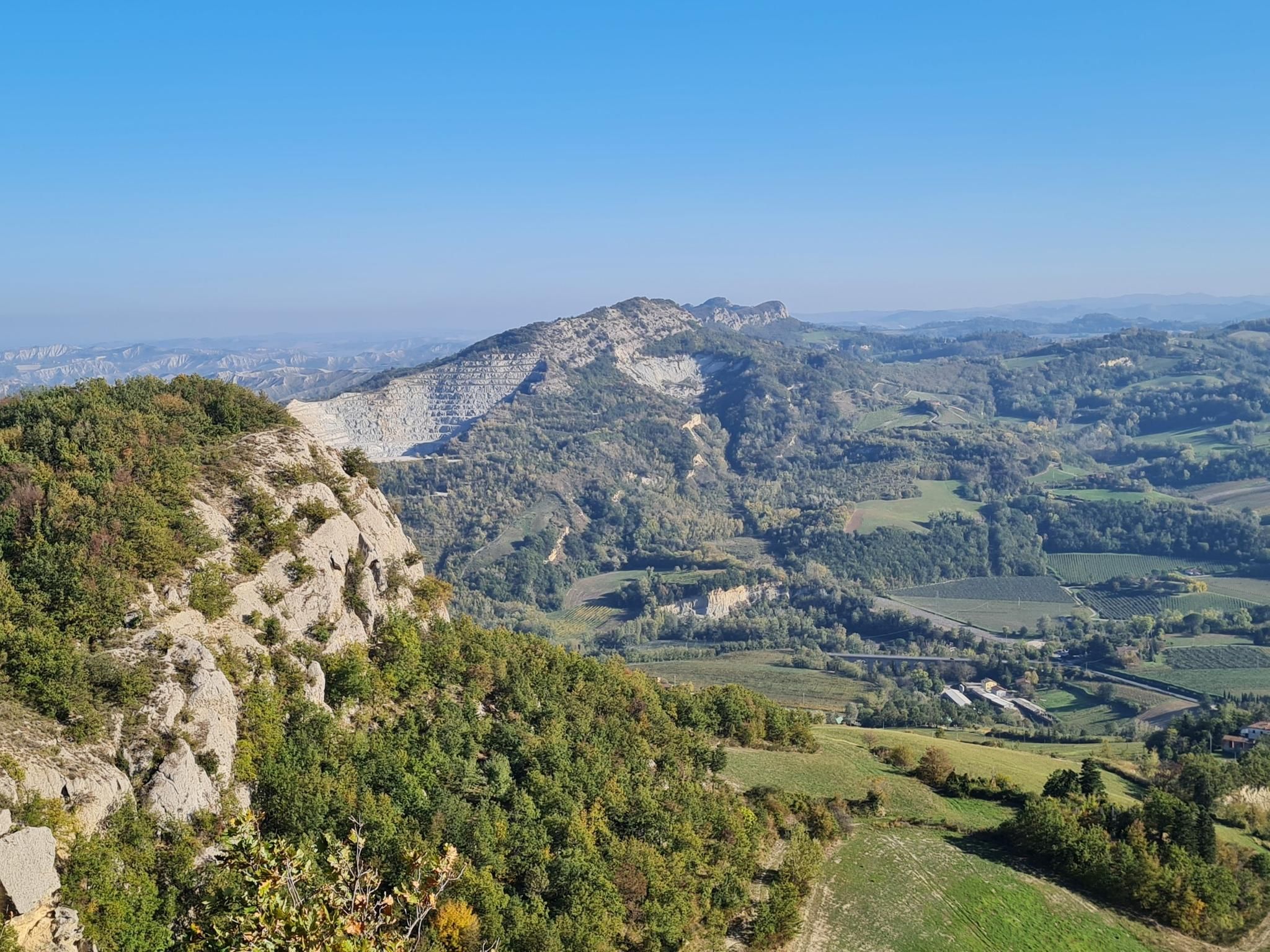
Lake Brasimone to Marradi – Alta Via dei Parchi (part 3)
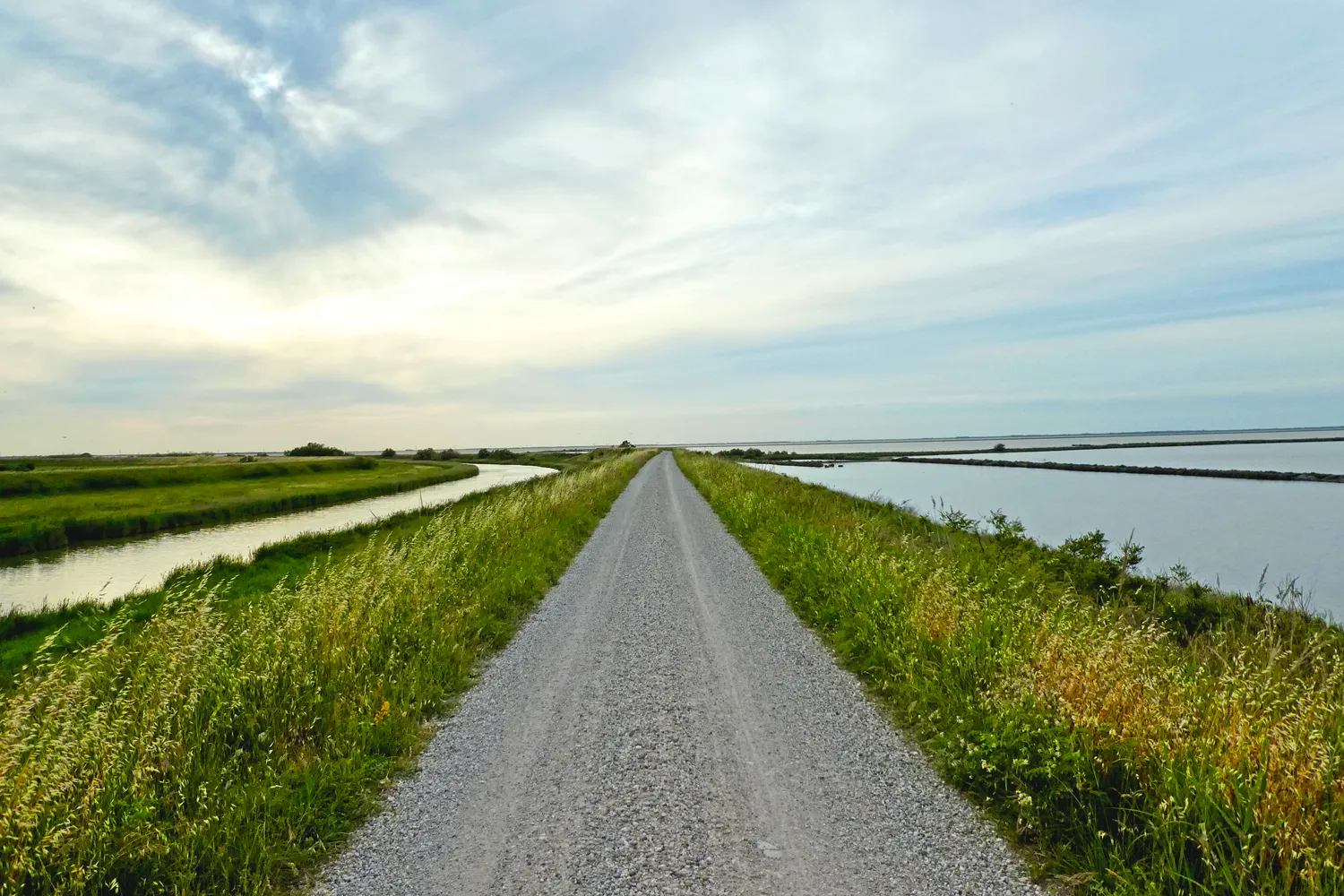
From Bologna to Rimini – the way of the sea
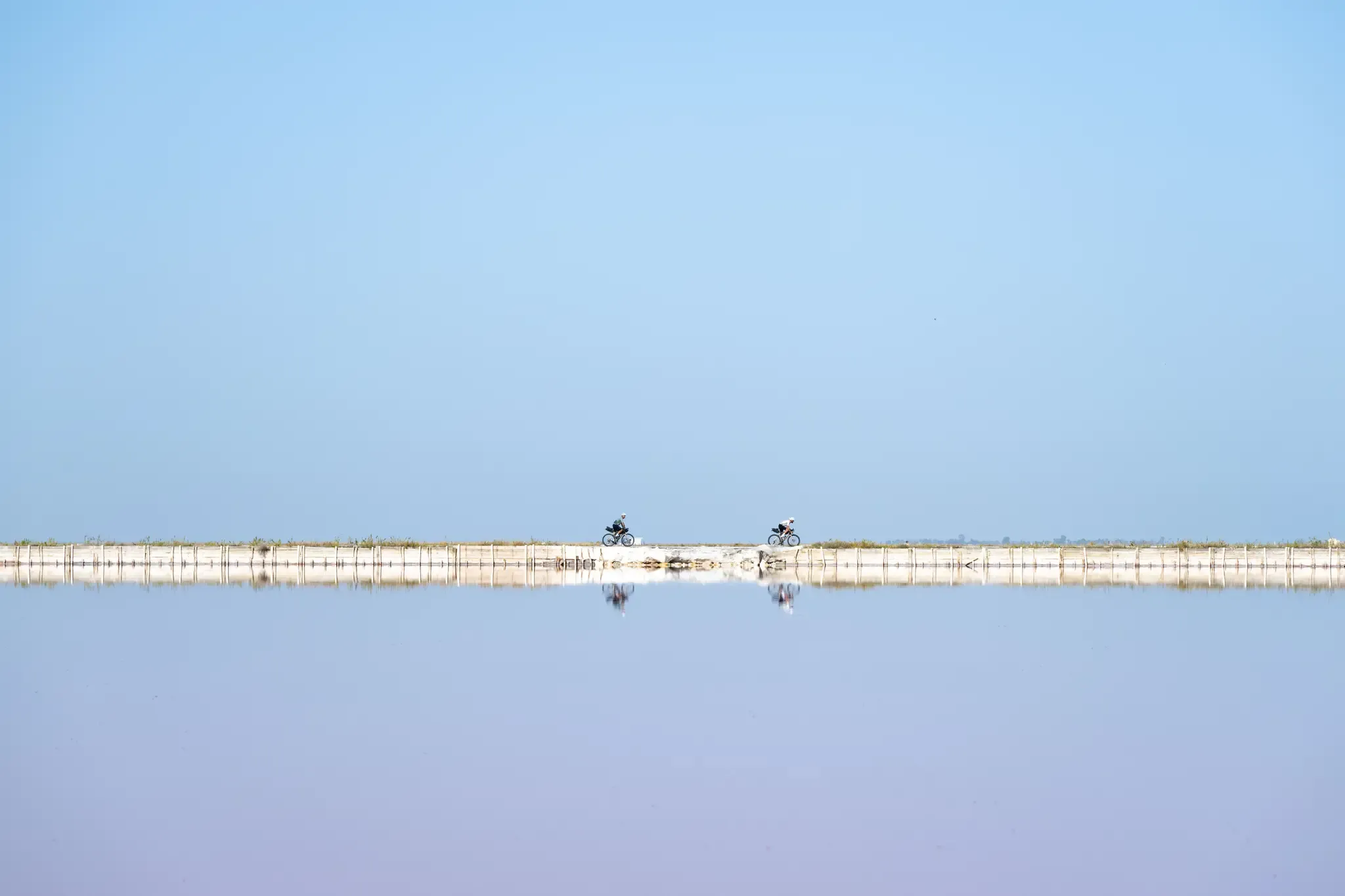
Trieste to Santa Maria di Leuca – the Adriatic Cycle Route
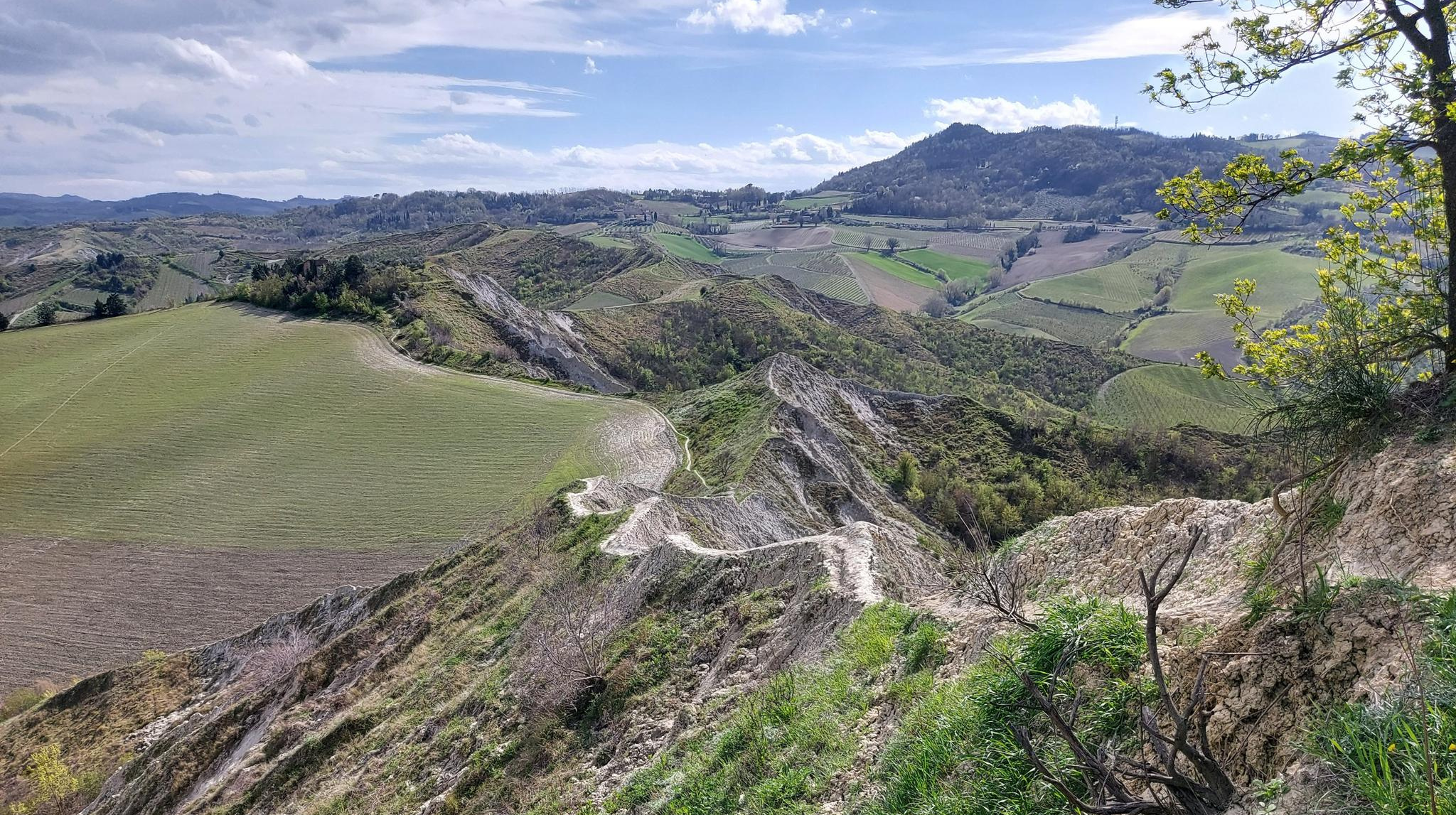
Walk from Bologna to Faenza – Via dei Gessi e dei Calanchi
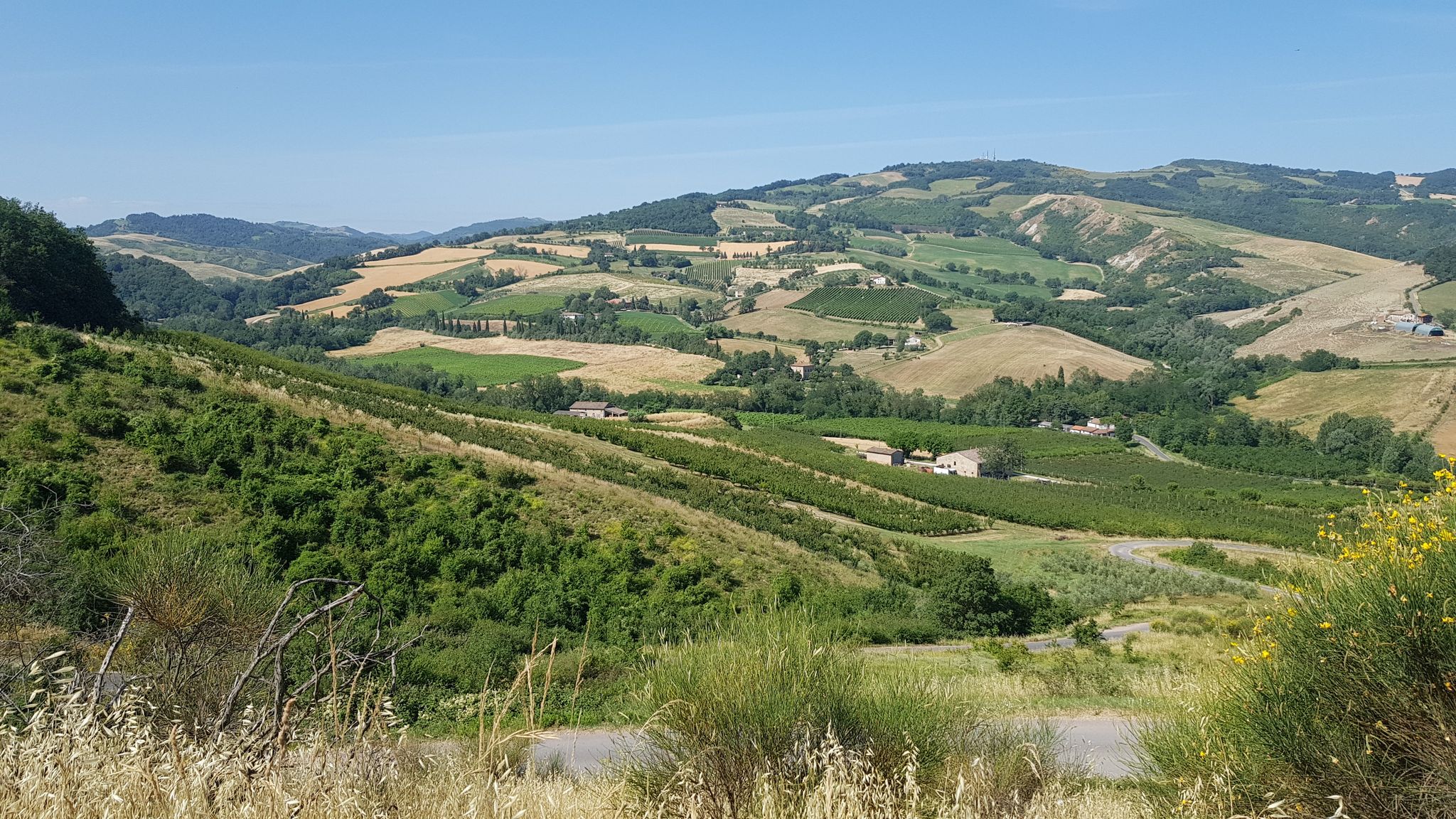
Preappennino 15K – a hilly crossing from Cattolica to Piacenza
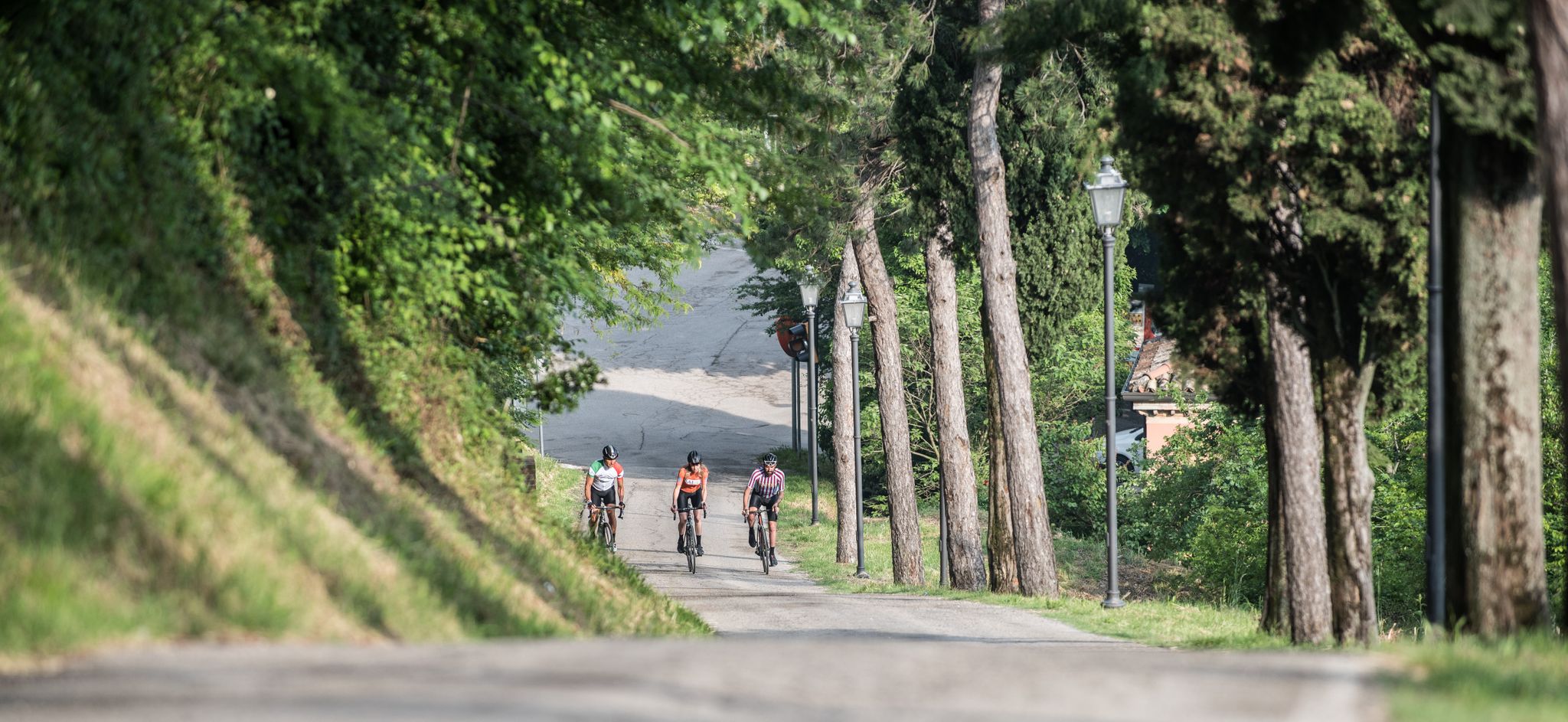
Enjoyment, culture and nature – cycling Tours in Italy’s Emilia Romagna region
Hiking in Ravenna
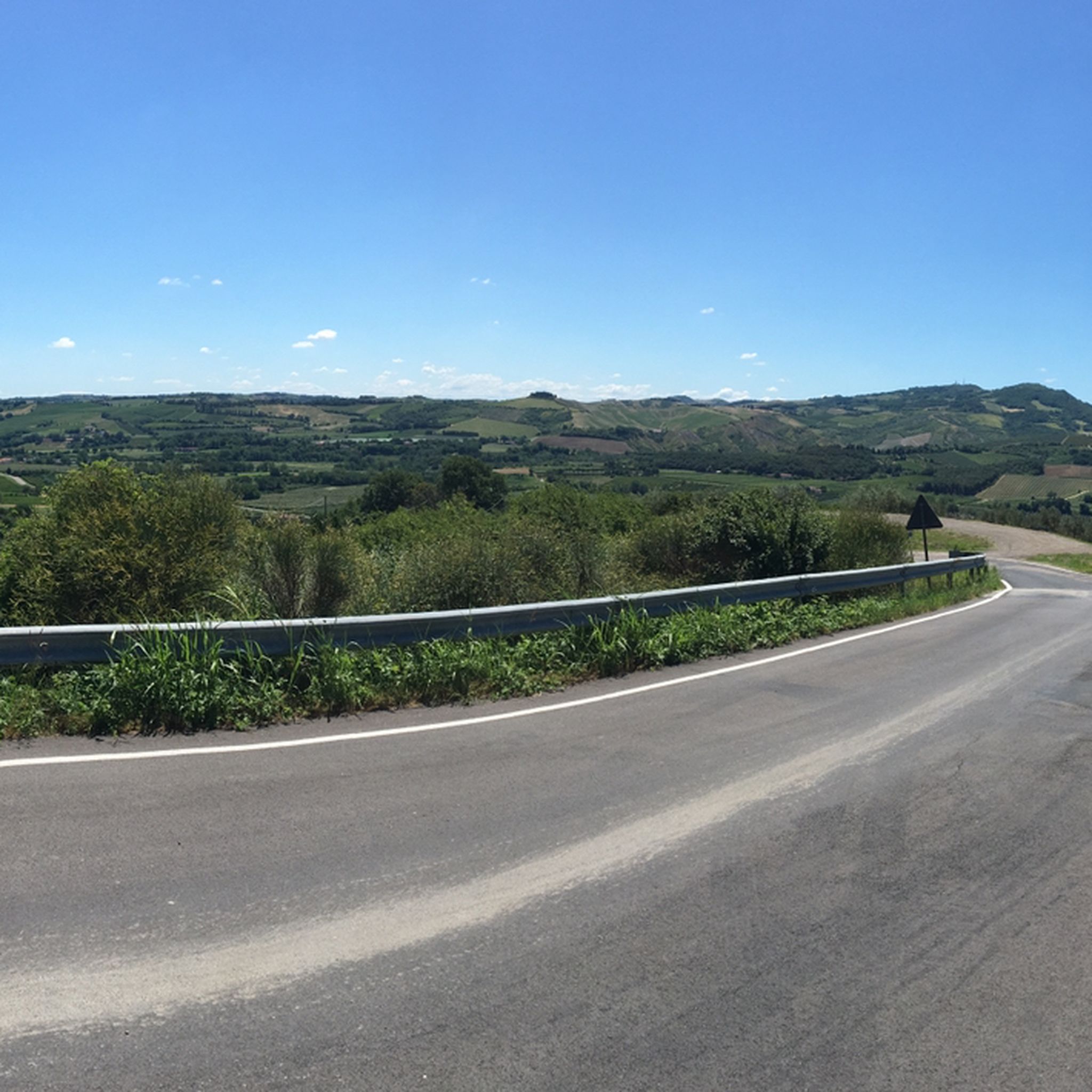
Road Cycling Routes in Ravenna
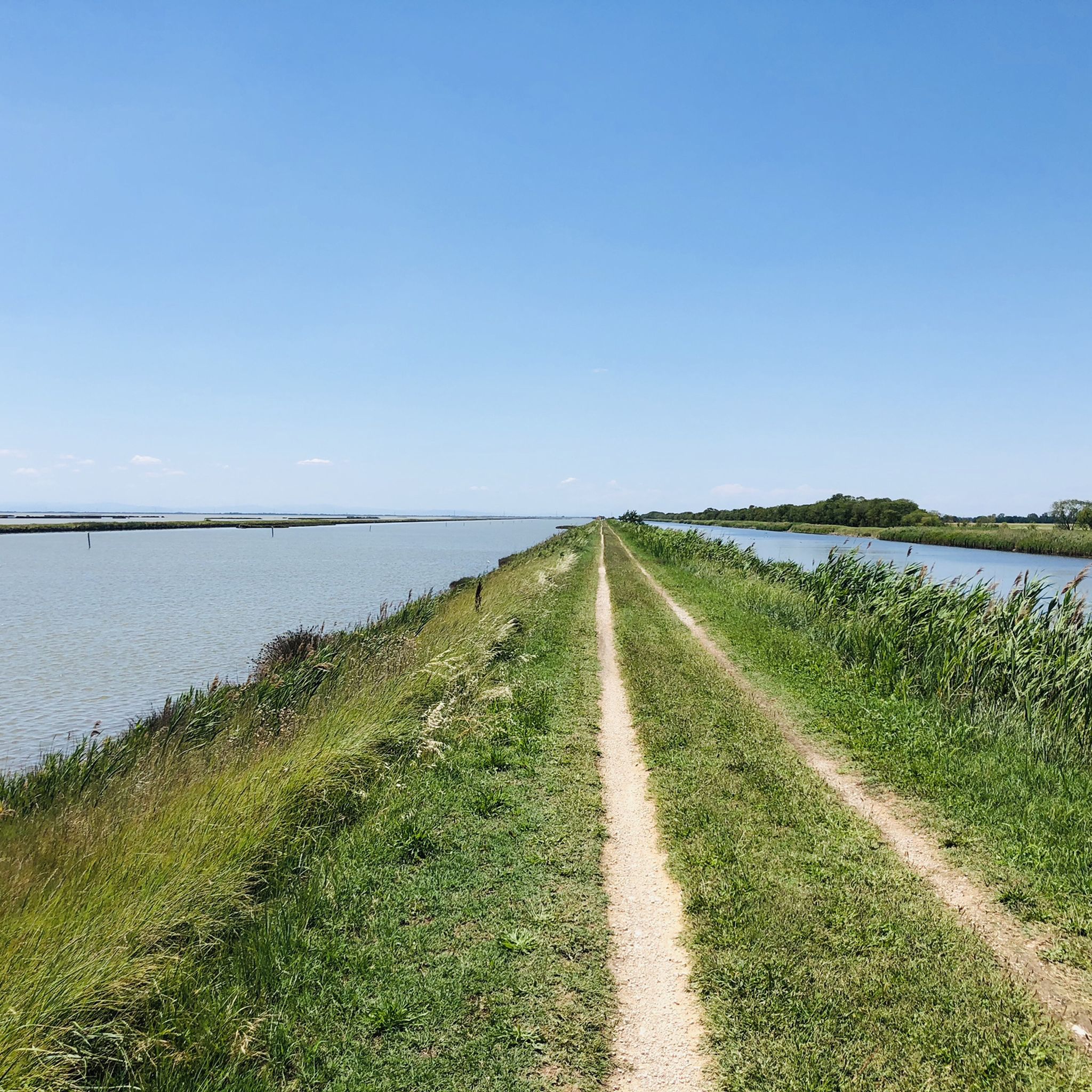
Cycling in Ravenna
Other adventures in Ravenna


Tips from the Community

Small peninsula with the possibility to cycle a bit into the Valle on a dead-end road at certain times.
0
0
A tour in the Valli di Comacchio is a tour into the realm of the flamingos. Countless colonies stay in the waters and wade through them. From a distance, it looks as if the flamingos are walking on water. Verdict: absolutely worth seeing!
0
0

The flamingos were beautiful, I saw them for the first time, but they were all white because I did the tour in August.
1
0

ferry leading to the trail. "Caronte" courteous and helpful man.
1
0

Since this year you can also pay with Satispay
1
0

Rope ferry that crosses the Reno marking the administrative border between Ravenna and Ferrara; disembarked on the right the Reno river and on the left the southern Comacchio Valleys continuing Volta Scirocco and the access to the famous "Argine degli Angeli"; if instead on the left the suggestive peninsula of Bosco Forte millenary tongue of land that enters for kilometers into the brackish water with paid access and subsequently towards Anita the outer ring of the Valleys
1
0

The Basilica of San Vitale was built in the 6th century AD during the reign of Emperor Justinian, it is one of the greatest examples of Byzantine architecture and art in Western Europe. The interior is famous for its golden and luminous mosaics, among the most important in the Byzantine world, depicting Emperor Justinian and Empress Theodora with their retinue. The structure has an octagonal plan, a symbol of perfection and the link between earth and sky. It is part of the eight early Christian monuments of Ravenna inscribed on the UNESCO World Heritage list. It was begun under Ostrogothic rule and completed after the Byzantine reconquest of the city, thus reflecting the transition between two very different political and cultural worlds. The interior is built with a typical Byzantine technique that creates an effect of "expanded space", where walls and surfaces almost completely dissolve into the mosaics. The apse is one of the most important points: here Justinian is represented not as a simple emperor, but as a representative of sacred power, together with Bishop Maximian. The basilica is also connected to the nearby Mausoleum of Galla Placidia, sharing the same historical period and the same artistic language, although with different functions.
1
0

Bring coins for the ferries: 1 euro per person + bike
1
0
Frequently Asked Questions
What historical and cultural sites can I explore in Ravenna?
Ravenna is renowned for its early Christian and Byzantine mosaics, boasting eight UNESCO World Heritage sites. You can visit masterpieces like the 6th-century Basilica of Saint Apollinaris in Classe, the Basilica di San Vitale, and the Mausoleum of Galla Placidia, all famous for their intricate mosaics. Other significant sites include the Arian Baptistery, Neonian Baptistery, and Dante's Tomb. For a deeper dive into the city's past, consider the Classis Ravenna – Museum of the City and Territory or the National Museum of Ravenna.
Where can I see Ravenna's famous mosaics?
Ravenna's most celebrated mosaics are found in its UNESCO World Heritage sites. Key locations include the Basilica di San Vitale, known for its vibrant imperial figures; the Mausoleum of Galla Placidia, with its stunning blue and gold mosaics; the Basilica di Sant'Apollinare Nuovo, showcasing processions of martyrs; and the Basilica of Saint Apollinaris in Classe, featuring expansive biblical scenes. The Arian and Neonian Baptisteries also house impressive mosaic domes.
What natural attractions are there near Ravenna?
Beyond its historical treasures, Ravenna offers diverse natural landscapes, many part of the Po Delta Park. You can explore the Comacchio Valleys, known for their wetlands and birdlife, or visit the Boscoforte Peninsula Nature Reserve. The city is also a short drive from the Adriatic coast, with sandy beaches like Marina di Ravenna and Punta Marina Terme, backed by protected pine forests such as the Pine Forest of San Vitale and the Pine Forest of Classe.
Where can I observe wildlife, especially flamingos, near Ravenna?
The Comacchio Valleys are a prime location for observing large groups of flamingos, which are sedentary and can be seen year-round. The Boscoforte Peninsula Nature Reserve is another excellent spot, home to numerous bird species, including pink flamingos and avocets, as well as Camargue horses. The Oasis of Punte Alberete and Valle Mandriole are freshwater wetlands rich in biodiversity, offering opportunities for birdwatching with species like herons and wild geese.
Are there opportunities for cycling or walking in nature around Ravenna?
Yes, the Ravenna area offers several scenic routes for cycling and walking. The Argine degli Angeli – Comacchio Lagoons is a spectacular cycle way that passes directly through the Comacchio Valley. You can also explore the Reno-Primaro Nature Cycle Route. For walking, the pine forests of Ravenna, such as those in San Vitale and Classe, provide pleasant trails. The Hiking in Ravenna guide features routes like the 'Carnè Loop Trail' and 'Ring of Brooms Trail' in the nearby Apennines.
What are some family-friendly attractions in Ravenna?
Families visiting Ravenna can enjoy a mix of historical and recreational sites. Many of the historical sites, like the Basilica of Saint Apollinaris in Classe and Piazza del Popolo, are accessible and engaging. For nature, the Flamingos in the Comacchio Valleys and the Cubo Magico Bevanella Visitor Center offer educational and enjoyable experiences. Additionally, popular amusement parks like Mirabilandia and Italy in Miniature are located near Ravenna, providing fun day trip options.
What is the best time of year to visit Ravenna?
The best time to visit Ravenna for both cultural exploration and outdoor activities is generally during spring (April-May) and autumn (September-October). During these seasons, the weather is pleasant, making it ideal for exploring the mosaic-filled basilicas and enjoying walks or cycles in the natural areas like the Comacchio Valleys. Summer can be quite hot, especially for extensive outdoor activities, while winter offers a quieter experience but with cooler temperatures.
Are there any wheelchair-accessible historical sites in Ravenna?
Yes, some historical sites in Ravenna offer wheelchair accessibility. Piazza del Popolo, the city's main square, is generally accessible. While many ancient sites may have limitations due to their historical nature, efforts are often made to provide access where possible. It is advisable to check specific accessibility details for individual sites like the Basilica di San Vitale or the Mausoleum of Galla Placidia before your visit, for example, on the official UNESCO site: UNESCO World Heritage Centre.
Can I find places to eat or drink near Ravenna's attractions?
Ravenna's city center, particularly around Piazza del Popolo, is dotted with historic buildings and charming cafes where you can enjoy a meal or a drink. Many attractions are within walking distance of eateries. For those exploring the natural areas, places like the Ca' Carnè Refuge, located within the Vena del Gesso Romagnola regional park, offer dining and accommodation options amidst nature.
Are there dog-friendly places to visit in Ravenna?
While specific historical sites may have restrictions, many outdoor areas in Ravenna are suitable for visitors with dogs. The long, sandy beaches near Marina di Ravenna and Punta Marina Terme often have designated dog-friendly sections. The extensive pine forests and natural parks, such as those within the Po Delta Park, provide ample space for walks. Always ensure dogs are kept on a leash and follow local regulations regarding pet access.
What are some less crowded or 'hidden gem' attractions in Ravenna?
Beyond the main UNESCO sites, Ravenna offers some unique experiences. The Domus of the Stone Carpets, located beneath the Church of Saint Euphemia, reveals well-preserved mosaic floors from a Roman domus and is often less crowded than the major basilicas. Exploring the wetlands like Pialassa della Baiona or the Oasis of Punte Alberete can offer a tranquil escape and a chance to connect with nature away from the bustling city center. The Boscoforte Peninsula Nature Reserve, which often requires guided visits, provides an exclusive natural experience.
Most popular routes in Ravenna
Most popular attractions in Ravenna

Get inspired with the komoot mobile app


Didn’t find what you were looking for?
Are you keen on exploring more awesome places nearby? Browse our guides:
Explore more
Still not found the Highlight you’re looking for? See guides of the top attractions in other regions:
