Top 20 Castles in Scottish Borders
Castles in Scottish Borders offer a rich historical landscape, featuring structures from formidable ruins to grand stately homes. The region, characterized by its diverse terrain, provides a glimpse into Scotland's past, showcasing various architectural styles. These sites recount tales of border warfare, powerful families, and significant historical events. Exploring these castles allows visitors to connect with centuries of Scottish heritage.
Best castles in Scottish Borders
- The most popular castles is Jedburgh Abbey, a historical site that is a superb and impressive ruined Augustinian abbey from the 12th century. Its striking profile is a mix of Romanesque and early Gothic architecture, making it a significant historical landmark.
- Another must-see spot is The Haining Country Estate, a historical country house and estate dating back to the 1790s. Visitors can enjoy the beautiful Haining Loch and a network of trails, offering scenic walks and views.
- Visitors also love Floors Castle, a magnificent Category A listed building and the largest inhabited castle in Scotland. It features opulent interiors, an extensive art collection, and landscaped gardens, providing a grand historical experience.
- Scottish Borders is known for its diverse range of castles, including ancient ruins, fortified towers, and grand country estates. These structures offer insights into medieval warfare, aristocratic life, and literary history.
- The castles in Scottish Borders are appreciated by the komoot community, with more than 70 upvotes and 35 photos shared by visitors.
Last updated: October 10, 2026
Jedburgh Abbey
Highlight • Historical Site
Tip by

Abbotsford House and Gardens
Highlight • Castle
Open for paid visits every day from 10:00 - 17:00 with last entry at 16:00. You can pay to visit the house and garden or just the garden for a bit less.
Tip by

Sign up now to discover places like this
Get recommendations on the best single tracks, peaks, & plenty of other exciting outdoor places.
Floors Castle
Highlight • Monument
This is an unmissable place. It is open to tourists. Please see the Castle's website for more information and tickets: floorscastle.com
Tip by
Cessford Castle Ruins
Highlight • Castle
Tip by

The Haining Country Estate
Highlight • Settlement
You can now rent spaces in the gorgeous estate house for functions and events, and even stay on site in The Ettrick, a small holiday apartment. There are a number of artist studios in the outbuildings too.
When walking or cycling through the estate, take your time to enjoy the beautiful Haining Loch. Recent forestry and groundworks mean that there's now a great map of trails to enjoy.
Tip by

Broughton Place
Highlight • Castle
Tip by

Castle Knowe Iron Age Fort
Highlight • Castle
Tip by
View of Elibank Castle
Highlight • Castle
In 1511 Elibank, or Eliburn as it was then, was in the hands of the Liddale family. However the ruined building that we see today was probably built by Sir Gideon Murray of Glenpoit who acquired Elibank from John Liddell of Halkerstone in 1594-5. The castle was already a ruin in 1722.
Elibank is reputed to be the home of “Muckle Mouth Meg”. In the waning years of the 16th century, the Laird of Eliburn despaired of finding his daughter Meg a husband as she was no beauty and was not called “muckle mouth” without reason.
One moonless night towards the turn of the old year the laird and his household were alerted by cries and a shot from the darkness beyond the castle. The laird, careful of his cattle and goods, and being no stranger to the ways of Reivers himself, kept a watch who had surprised a band of rogues that had forced a way into his barnekin and were attempting to drive off his livestock. In the ensuing confusion the laird’s men captured one of the thieves and flung him into the dank dungeon below the castle floor. In the morning the prisoner was brought before the laird, who evidently thought the lad worthwhile, and offered him a choice. He could hang or he could marry Meg.
Horrified at the prospect of marrying Meg, for her fame was widespread, the lad chose the gallows. Meg’s father was not to be cheated of a husband for his daughter however, so he returned the unwilling suitor to the evil prison cell to reconsider. The lad, who it turned out, was Walter Scott from nearby Ettrick eventually reconsidered his choice and he and Meg were married. Surprisingly enough it seems that he and Muckle Mouth Meg got along well, she mellowed and he settled down and the marriage was something of a success in the end.
Tip by

Roxburgh Castle Ruins
Highlight • Historical Site
Tip by
Hume Castle
Highlight • Historical Site
Tip by
Sign up for free to discover even more castles in Scottish Borders.
Already have an account?
Start today with a free account
Your next adventure awaits.
Popular around Scottish Borders
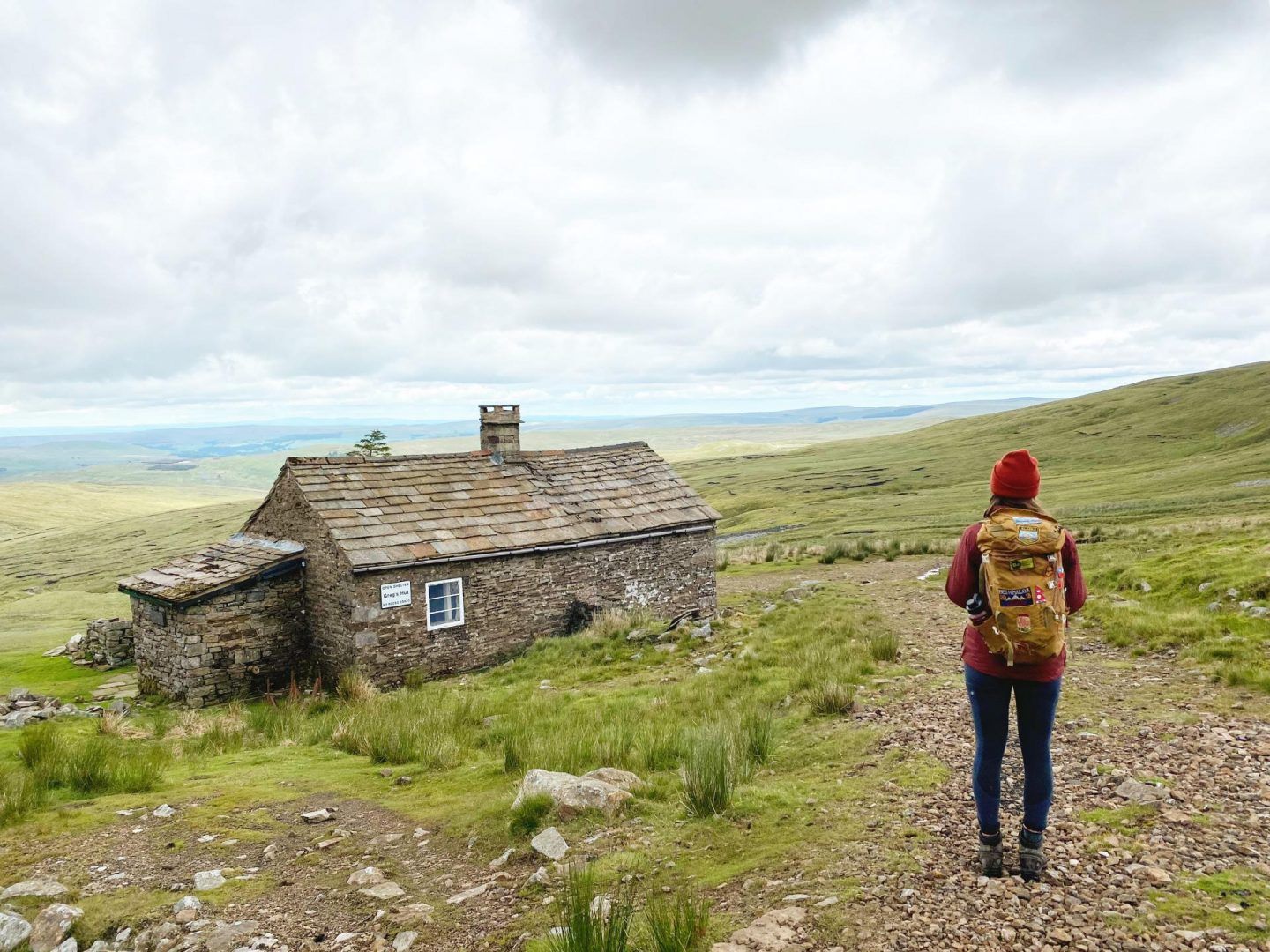
Bothies of Britain: hiking and biking adventures to unique mountain shelters
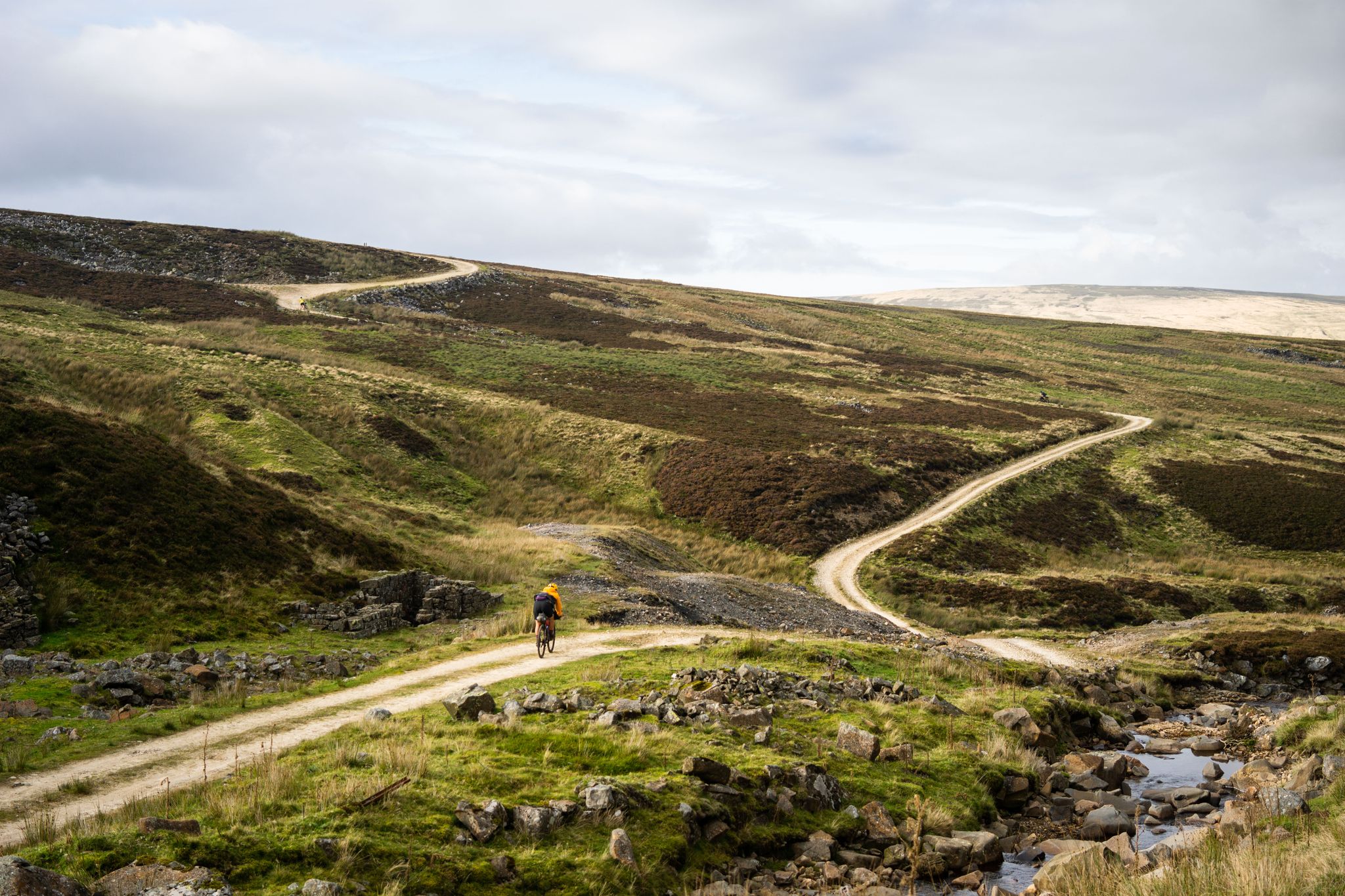
Second City Divide — Rough Stuff Of The North
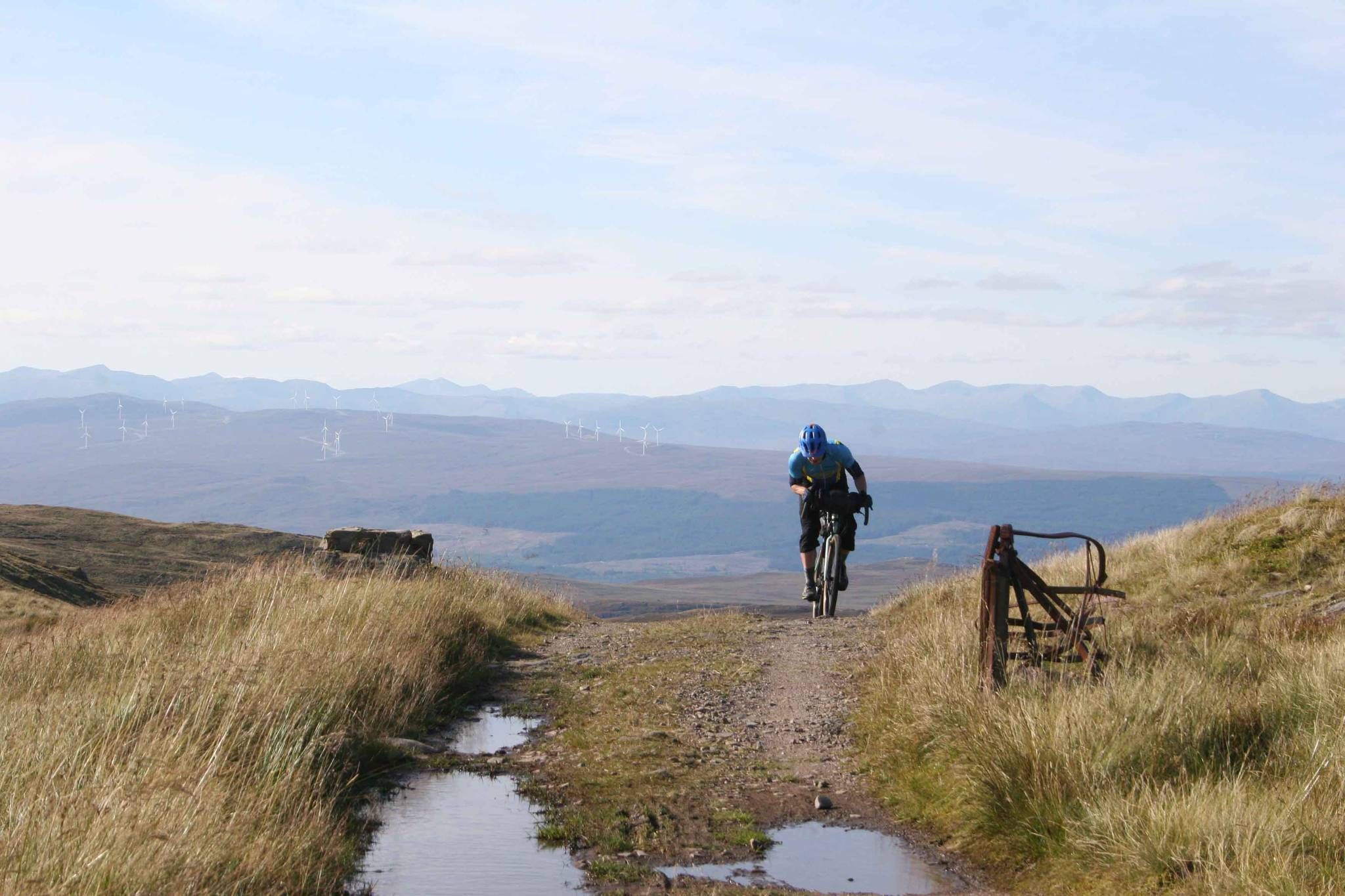
GB Divide — Great Britain end to end off-road on GBDURO
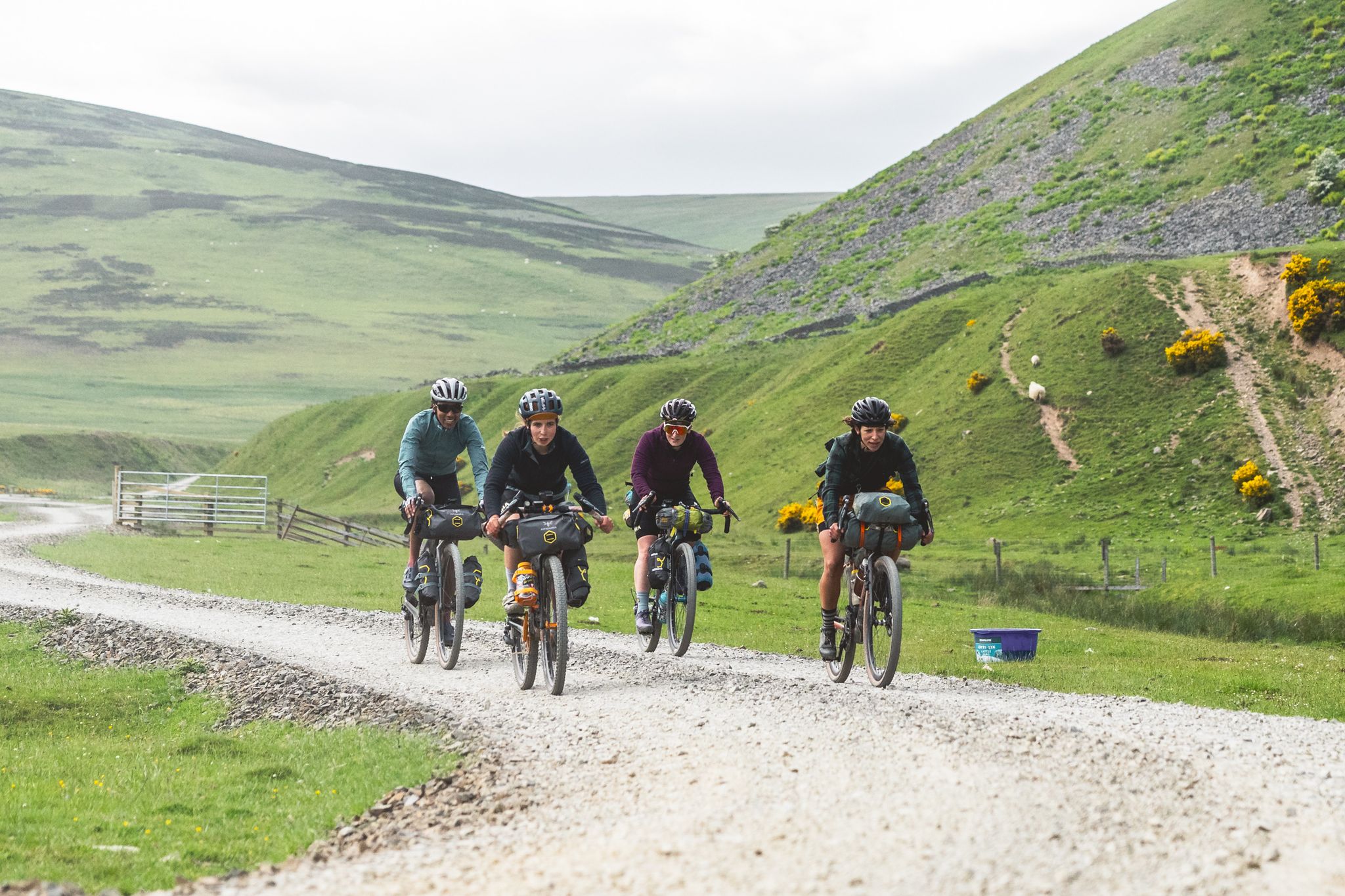
The Pennine Rally — Bikepacking Edinburgh to Manchester
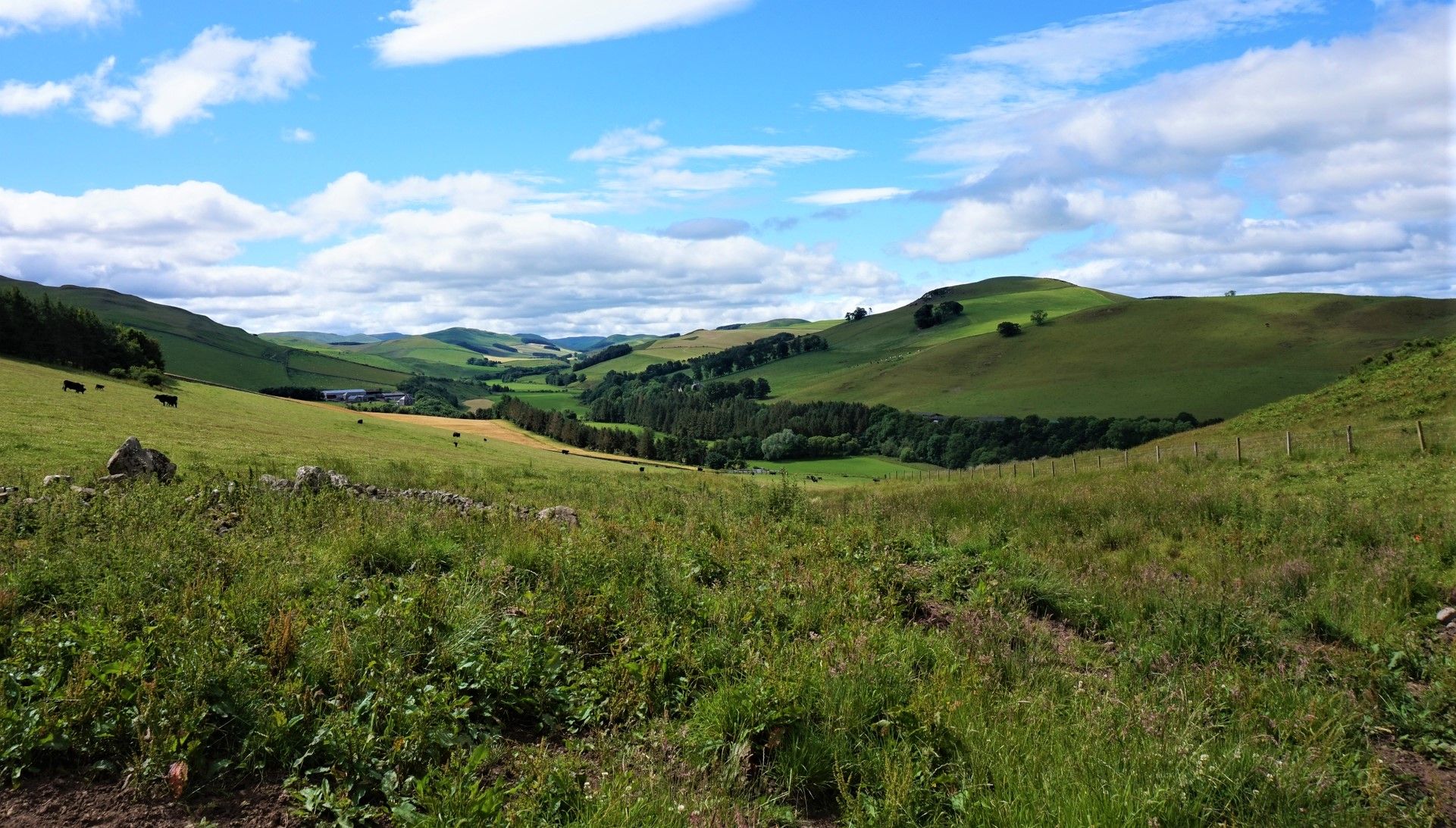
St Cuthbert's Way — Hike wild moors, historic hills and heavenly coast
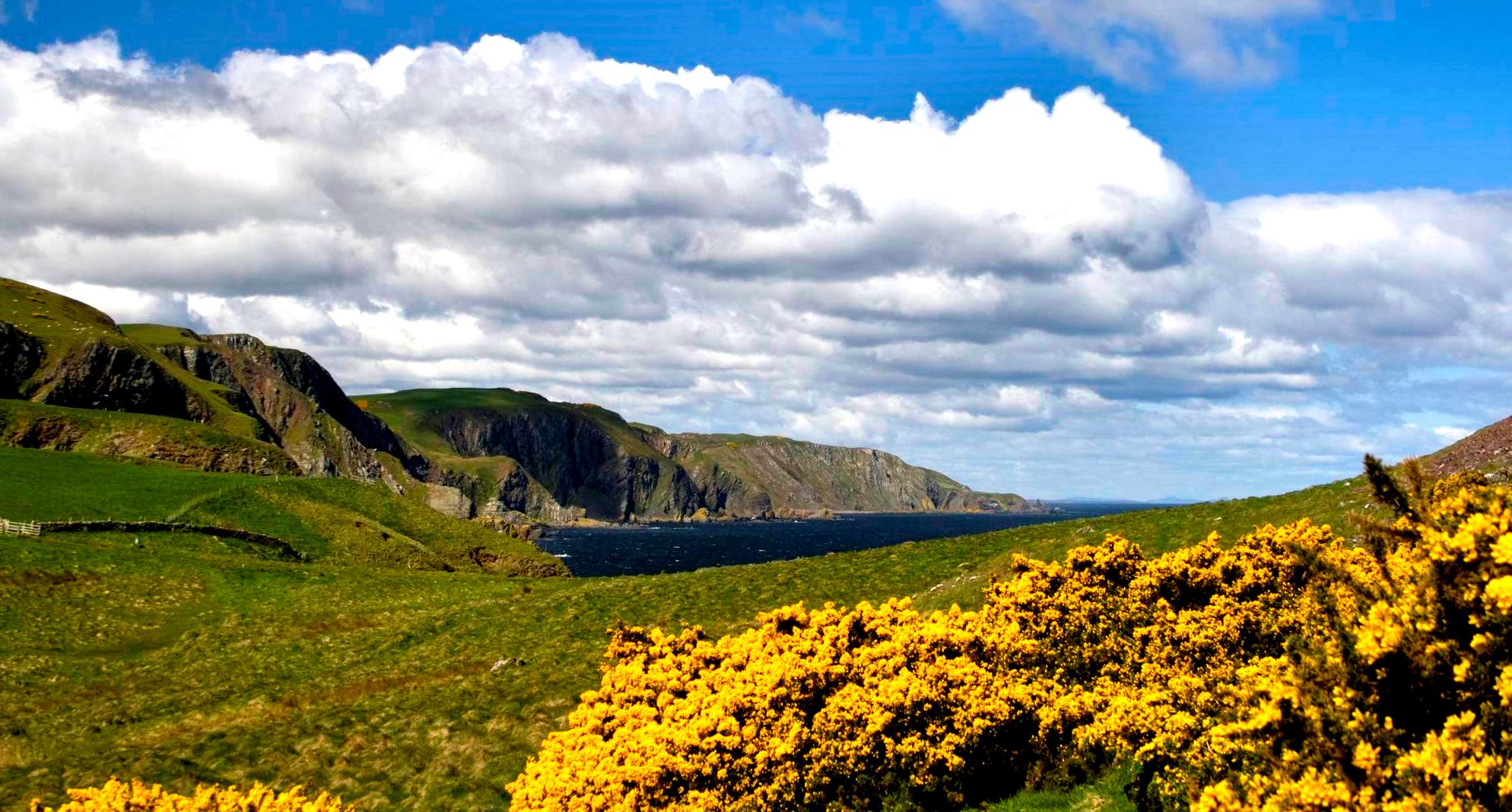
Berwickshire Coastal Path — A breathtaking coastline hike
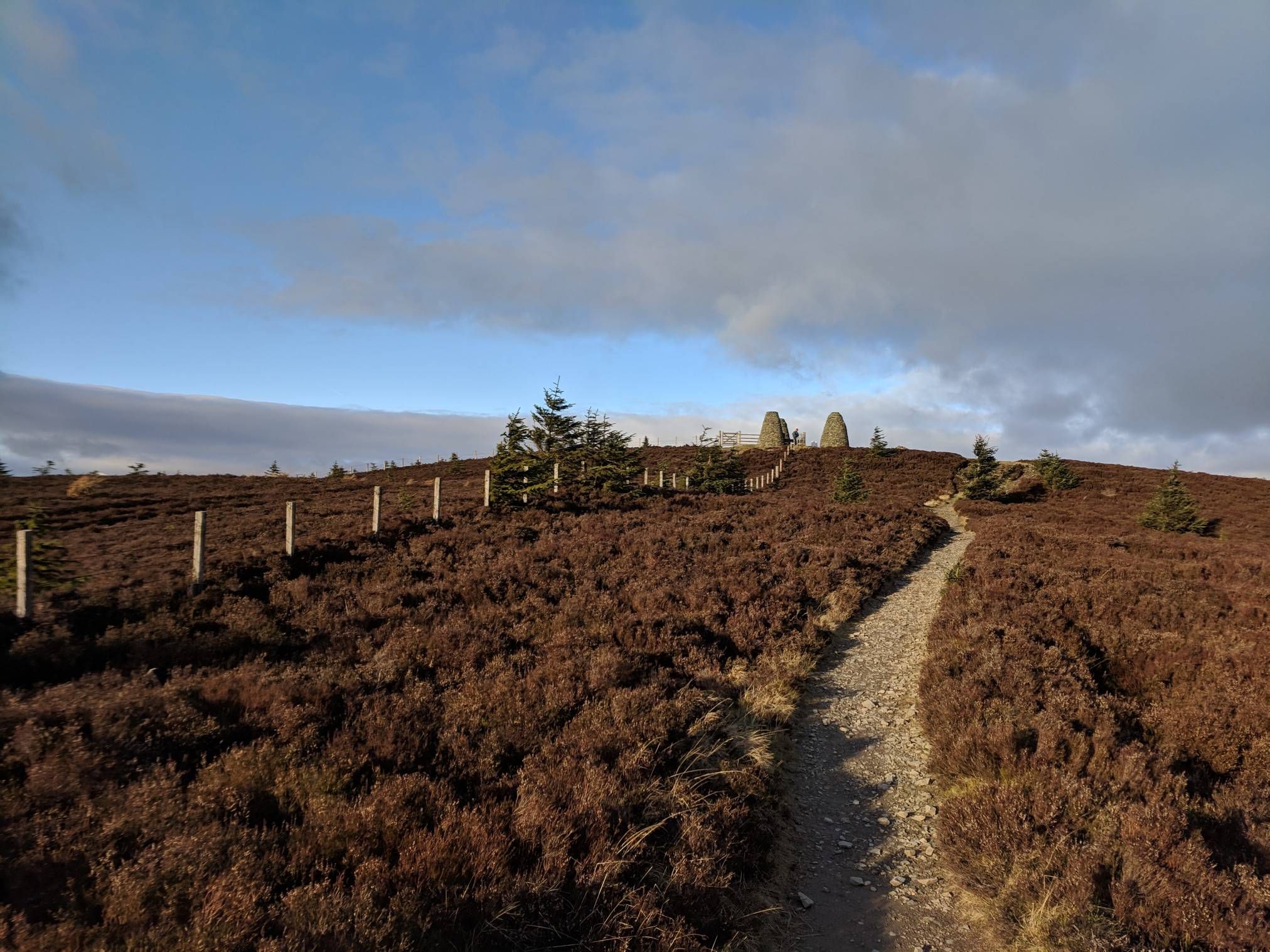
The Central Belter — Gravel trails of the coast and Cairngorms
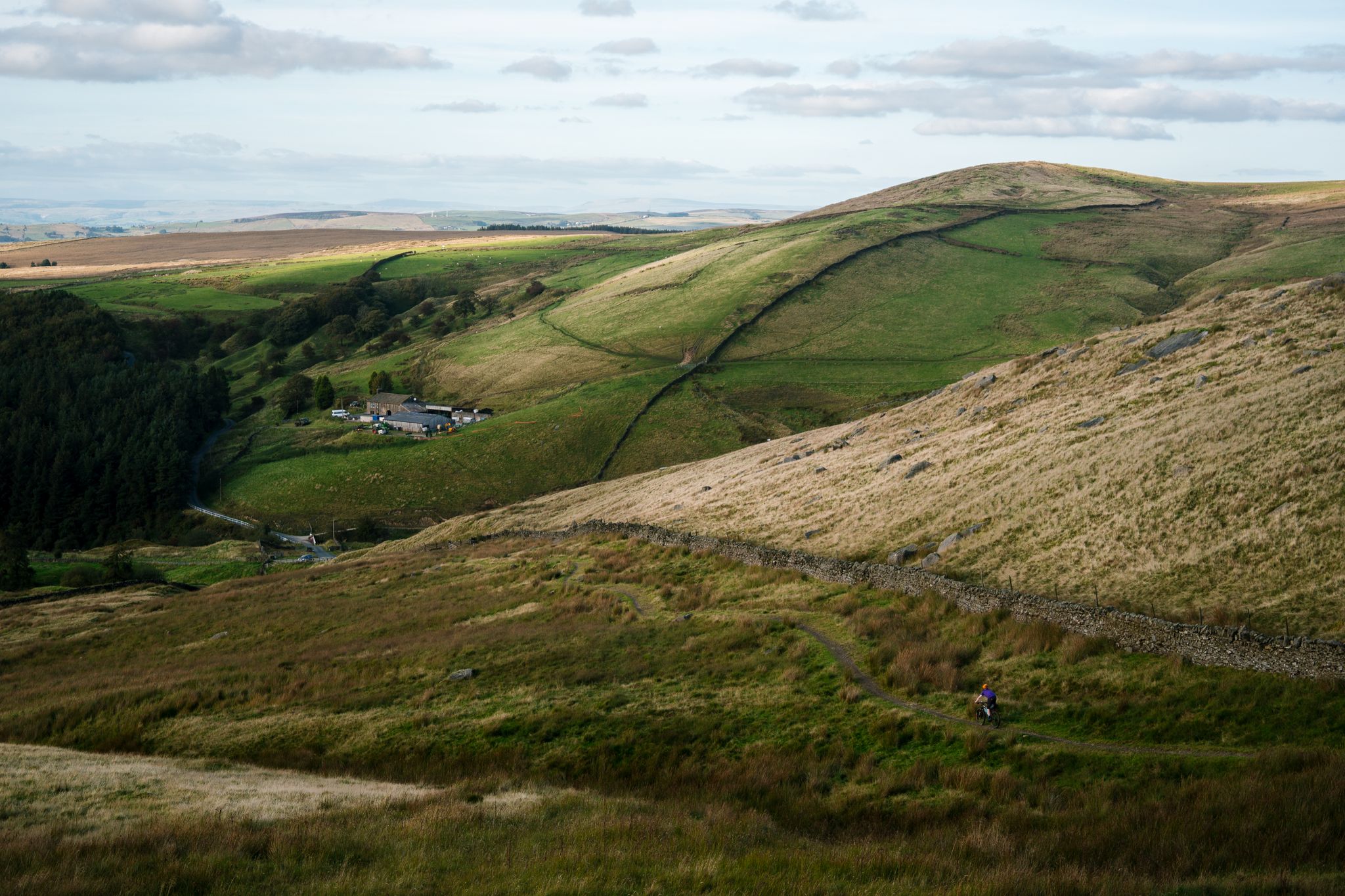
Great North Trail — From the Pennine Hills to the tip of Scotland
Southern Upland Way — A wild and undiscovered coast-to-coast challenge
Coast and Castles – cycle in the footsteps of legends and kings
Other adventures in Scottish Borders


Tips from the Community

The gardens are described as outdoor rooms within high walls. These include the South Court, Morris Garden, and Walled Garden. The estate is open to the public, offering visitors the chance to explore the historic house, gardens, and surrounding woodlands.
0
0
Abbotsford House served as both a family home and a workspace for Sir Walter Scott, housing his study, library, and collections of artifacts. He designed the house in the Scots Baronial style and filled it with books and historical objects.
0
0

For Goethe, Walter Scott's books were "the best things ever written in the world". With his historical novels, such as the one about the knight Ivanhoe, the Scottish writer, who was born 250 years ago, was one of the most famous authors of his time. Quote from Walter Scott: "I have read enough books to know that the deepest sayings come from the lips of poor and uneducated women and men. Things often come to light that are perhaps only found more sublime and moving in the Bible. Even the poet will only fulfill his true calling if he recognizes everything that is not a true inner education of the heart as vain and worthless." (Text from https://www.deutschlandfunk.de/250-geburtstag-des-schriftstellers-wie-sir-walter-scott-den-100.html )
0
0

An absolute highlight. The house is worth a look. The weapons collection is worth seeing. The garden is lovingly laid out and very well maintained.
1
0


Elibank was formerly known as Eliburn and overlooks the River Tweed from a commanding position high on its steep right bank. The late 16th century fortress is rudely built without any dressings and comprises an oblong main-block, with a square wing attached to the east corner. The remains are in a dilapidated state. In 1511 Elibank, or Eliburn as it was then, was in the hands of the Liddale family. However the ruined building that we see today was probably built by Sir Gideon Murray of Glenpoit who acquired Elibank from John Liddell of Halkerstone in 1594-5. The castle was already a ruin in 1722. Elibank is reputed to be the home of “Muckle Mouth Meg”. In the waning years of the 16th century, the Laird of Eliburn despaired of finding his daughter Meg a husband as she was no beauty and was not called “muckle mouth” without reason. One moonless night towards the turn of the old year the laird and his household were alerted by cries and a shot from the darkness beyond the castle. The laird, careful of his cattle and goods, and being no stranger to the ways of Reivers himself, kept a watch who had surprised a band of rogues that had forced a way into his barnekin and were attempting to drive off his livestock. In the ensuing confusion the laird’s men captured one of the thieves and flung him into the dank dungeon below the castle floor. In the morning the prisoner was brought before the laird, who evidently thought the lad worthwhile, and offered him a choice. He could hang or he could marry Meg. Horrified at the prospect of marrying Meg, for her fame was widespread, the lad chose the gallows. Meg’s father was not to be cheated of a husband for his daughter however, so he returned the unwilling suitor to the evil prison cell to reconsider. The lad, who it turned out, was Walter Scott from nearby Ettrick eventually reconsidered his choice and he and Meg were married. Surprisingly enough it seems that he and Muckle Mouth Meg got along well, she mellowed and he settled down and the marriage was something of a success in the end.
0
0

Hume Castle is a historic fortress located near the village of Hume. Built in the 13th century by the influential Home family, it served as a strategic defensive stronghold in a turbulent border region between Scotland and England. Today you can explore its ruins and enjoy panoramic views of the surrounding countryside.
0
0

A truly magnificent castle, and a Category A listed building. It is the home of the Duke of Roxburghe, and, apparently, the largest inhabited castle in Scotland. It was built for the 1st Duke in 1721-26 by William Adam, on the site of a previously existing house (House of Floris), and then extensively redone by W H Playfair in 1837-47 from the Georgian original to the way it is looking now. This is an unmissable place. It is open to tourists. Please see the Castle's website for more information and tickets: https://www.floorscastle.com/
1
0
Frequently Asked Questions
Which castles in the Scottish Borders offer a deep dive into history?
The Scottish Borders are steeped in history, with several castles providing unique historical insights. For medieval warfare and tales of intrigue, visit Hermitage Castle, known for its formidable ruins. Abbotsford House offers a glimpse into the world of Sir Walter Scott, reflecting his passion for Scottish history. Jedburgh Abbey, though an abbey, is a significant 12th-century historical site with striking Romanesque and early Gothic architecture. Traquair House, Scotland's oldest inhabited house, dates back to 1107 and features a genuine Priest Hole.
Are there family-friendly castles to visit in the Scottish Borders?
Yes, several castles in the Scottish Borders are suitable for families. Floors Castle, the largest inhabited castle in Scotland, offers extensive parklands and gardens for children to explore, alongside opulent interiors. Abbotsford House has beautiful gardens and a visitor center. The Haining Country Estate, while a country house, features a loch and a network of trails perfect for family walks.
What kind of outdoor activities can I do near the castles in the Scottish Borders?
The Scottish Borders offer a variety of outdoor activities near its castles. You can find numerous routes for mountain hiking, cycling, and gravel biking. For mountain hikes, explore trails like The Cheviot – Hedgehope Hill loop. Cyclists can enjoy routes such as the St Mary's Loch & Megget Water loop or the Peebles to Innerleithen loop. Gravel biking enthusiasts have options like the Innerleithen XC Trail or the Watch Water Reservoir loop. You can find more details on these activities in the Mountain Hikes, Cycling, and Gravel Biking guides for the region.
Which castles offer impressive views or natural surroundings?
Many castles in the Scottish Borders are set amidst beautiful landscapes. Floors Castle is surrounded by extensive parklands and gardens overlooking the Cheviot Hills and River Tweed. Castle Knowe Iron Age Fort offers commanding views over the Tweed Valley. Neidpath Castle is dramatically perched on a cliff overlooking the River Tweed, and Hume Castle provides spectacular panoramic views across the Tweed Valley and Cheviot Hills.
What is the best time of year to visit castles in the Scottish Borders?
The best time to visit castles in the Scottish Borders generally depends on your preferences. Many castles, like Thirlestane Castle and Floors Castle, are open to visitors from April to October, offering pleasant weather for exploring grounds and interiors. Summer months (June-August) provide the warmest weather and longest daylight hours, ideal for outdoor activities and castle visits. Spring and autumn offer beautiful scenery with fewer crowds, though some attractions might have reduced opening hours.
Are there any unique or lesser-known castles worth exploring?
Beyond the well-known sites, the Scottish Borders hold several unique and atmospheric castles. Traquair House, claiming to be Scotland's Oldest Inhabited House, offers a truly authentic journey back in time with its preserved character and a historic brewery. Hermitage Castle, an isolated and brooding ruin, is a must-see for those interested in medieval warfare and its tumultuous history. Cessford Castle Ruins and Roxburgh Castle Ruins also offer glimpses into the region's past as border strongholds.
Can I find walking trails directly connected to castles in the Scottish Borders?
Yes, several castles and estates in the Scottish Borders feature walking trails. The Haining Country Estate, for instance, has a network of trails around Haining Loch. Abbotsford House offers pleasant riverside walks. Many castles are also situated in areas with public footpaths nearby, allowing you to combine historical exploration with scenic walks. For more extensive hiking, refer to the Mountain Hikes in Scottish Borders guide.
What do visitors enjoy most about the castles in the Scottish Borders?
Visitors frequently praise the rich history and architectural beauty of the castles. Many appreciate the striking profile of Jedburgh Abbey and the opulent interiors and extensive grounds of Floors Castle. The unique connection to Sir Walter Scott at Abbotsford House is also a highlight. The overall experience of stepping back in time and exploring diverse structures, from grand stately homes to formidable ruins, is highly valued by the komoot community.
Are there any castles in the Scottish Borders associated with famous historical figures?
Absolutely. The castles in the Scottish Borders have strong ties to significant historical figures. Abbotsford House was the home and creation of the renowned writer Sir Walter Scott. Thirlestane Castle hosted Bonnie Prince Charlie, and the room where he slept is still named after him. Mary Queen of Scots is associated with both Hermitage Castle and Neidpath Castle, having visited the latter, which features an elegant chamber named in her honor. Hume Castle also saw visits from historical figures like James II and Mary Queen of Scots.
Can I visit castles in the Scottish Borders using public transport?
While some larger towns with castles like Jedburgh (for Jedburgh Abbey) are accessible by bus, many of the more remote castles in the Scottish Borders may require a car or a combination of public transport and walking/cycling. It's advisable to check local bus routes and schedules for specific castle locations, as public transport options can be limited, especially for ruins or those in rural settings.
Are there castles in the Scottish Borders that are dog-friendly?
Many castle estates and grounds in the Scottish Borders welcome dogs, often on leads. For example, the extensive parklands and gardens of Floors Castle are generally dog-friendly, though access to the castle interiors may be restricted. Similarly, the grounds of Abbotsford House and The Haining Country Estate are suitable for walks with dogs. Always check the specific castle's website for their most current dog policy before visiting.
What kind of architecture can I expect to see among the castles?
The castles in the Scottish Borders showcase a diverse range of architectural styles, reflecting centuries of history. You'll find formidable medieval fortresses like Hermitage Castle with its brooding stone architecture. Jedburgh Abbey uniquely blends Romanesque and early Gothic styles. Floors Castle evolved from a Georgian design to its current grand appearance with significant 19th-century enhancements. Thirlestane Castle transformed from a 13th-century border fort into a palatial Victorian estate with impressive turrets, offering a journey through various architectural periods.
Most popular routes in Scottish Borders
Most popular attractions in Scottish Borders

Get inspired with the komoot mobile app


Didn’t find what you were looking for?
Explore Scottish Borders’s best castles region by region:
Explore more
Looking for the best castles somewhere else? Discover other guides in Scottish Borders:
