Top 20 Natural Monuments in Stirling
Best natural monuments in Stirling include a variety of volcanic hills, summits, and viewpoints that define the region's landscape. Stirling is situated amidst diverse natural settings, offering panoramic views over the city, the River Forth, and distant mountains. The area's natural features are often intertwined with its historical significance, providing both scenic beauty and cultural context. These natural areas offer opportunities for exploration and connection with the Scottish environment.
Best natural monuments in Stirling
- The most popular natural monuments is…
Last updated: October 13, 2026
View of Loch Lomond from Conic Hill
Highlight • Viewpoint
Sometimes it can …
Translated by Google •
Tip by

Ben Lomond Summit
Highlight • Summit
Tip by

Sign up now to discover places like this
Get recommendations on the best single tracks, peaks, & plenty of other exciting outdoor places.
Dumyat Summit and Argyll and Sutherland Highlanders Memorial
Highlight • Summit
Tip by

Ben Ledi Summit
Highlight • Viewpoint
Tip by

Path to Conic Hill Summit
Highlight (Segment) • Trail
Tip by

Ben More Summit
Highlight • Natural Monument
Tip by
Stob Binnein
Highlight • Natural Monument
Tip by
An Caisteal
Highlight • Natural Monument
Tip by
Beinn a' Chròin
Highlight • Natural Monument
Tip by

Cruach Ardrain
Highlight • Natural Monument
Tip by
Sign up for free to discover even more natural monuments in Stirling.
Already have an account?
Start today with a free account
Your next adventure awaits.
Popular around Stirling

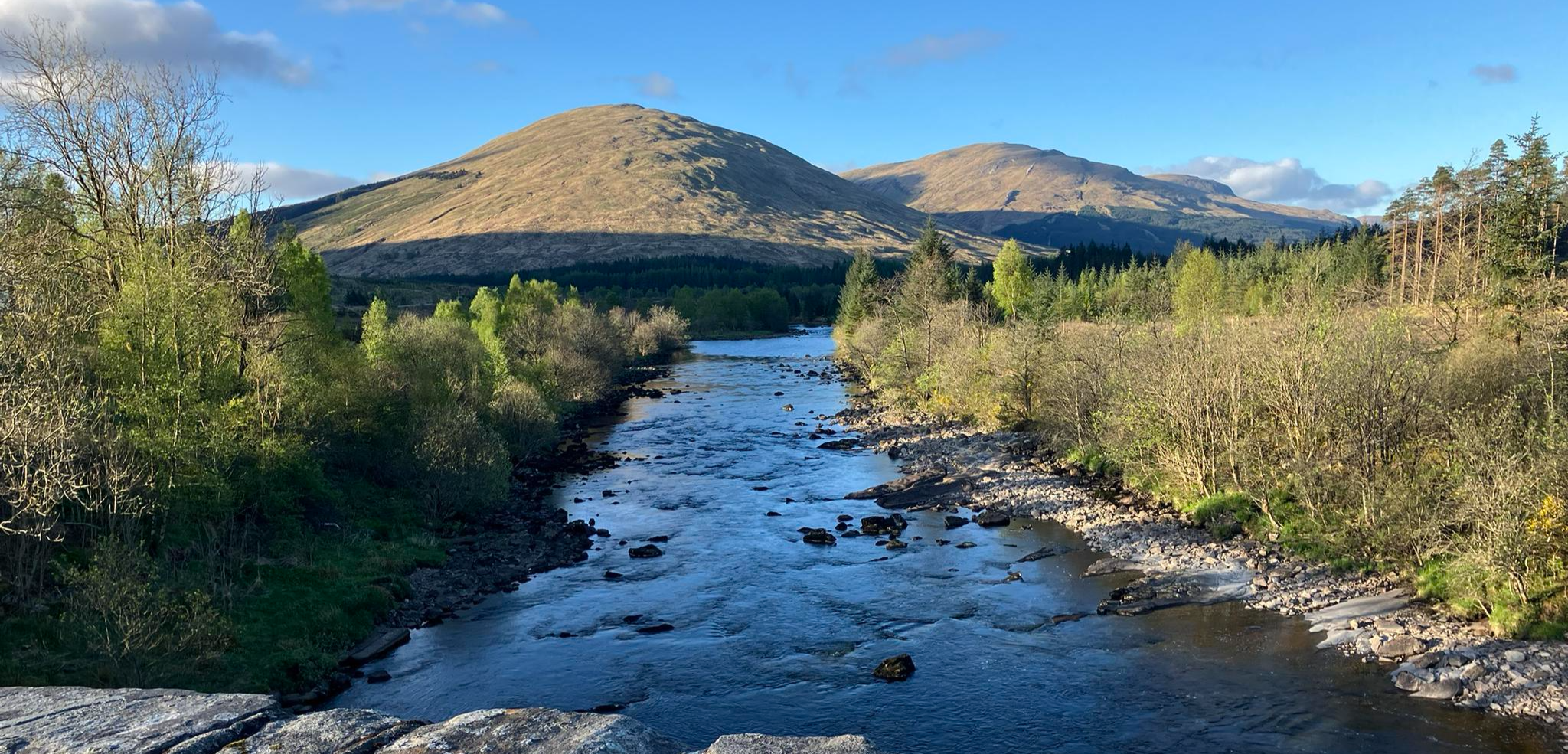
Supporting the National Three Peaks FKT in true Green Runners’ Style
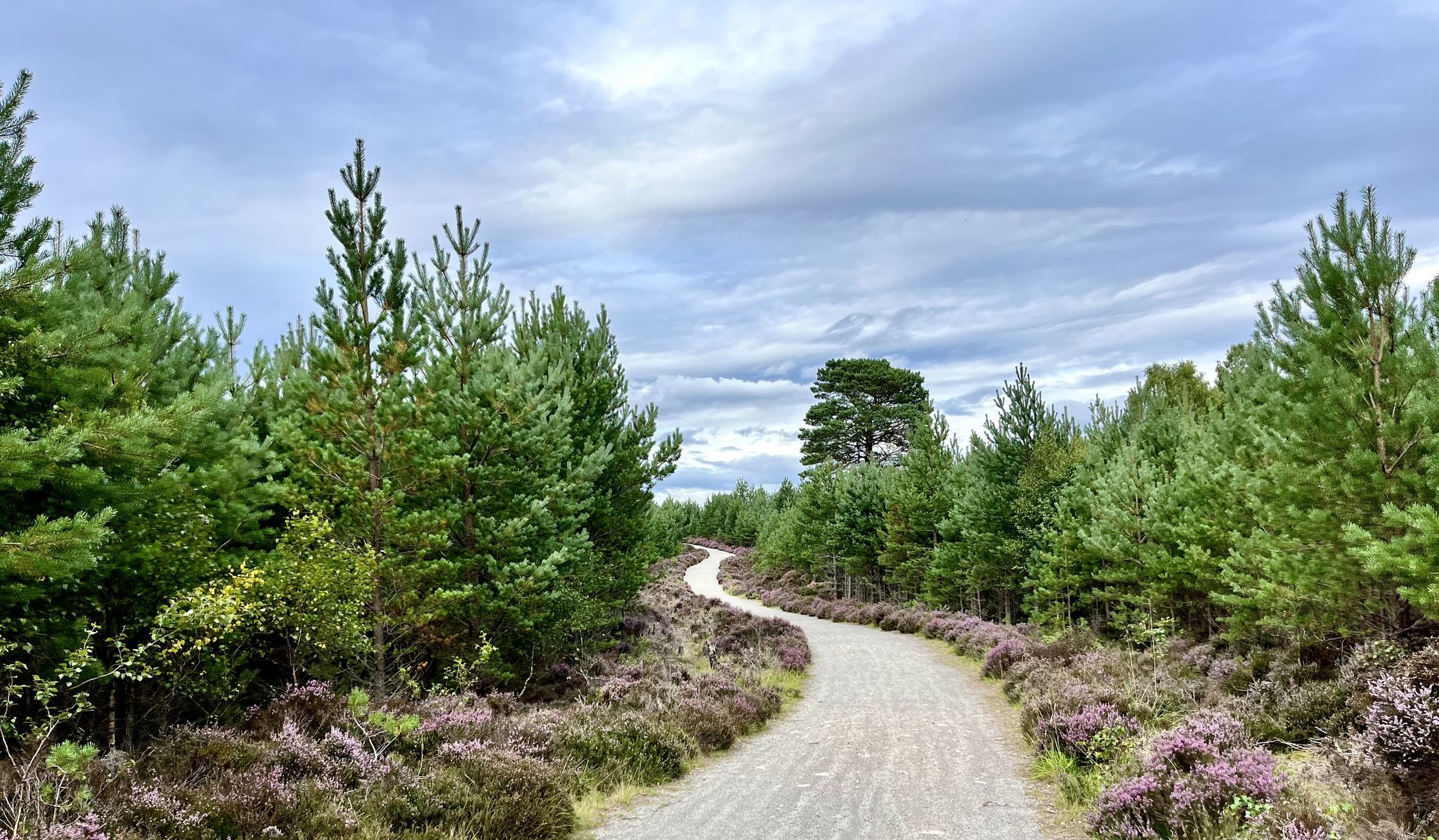
Running the West Highland Way – Scotland's Great Trails
National Cycle Network Route 7 – Sunderland to Inverness
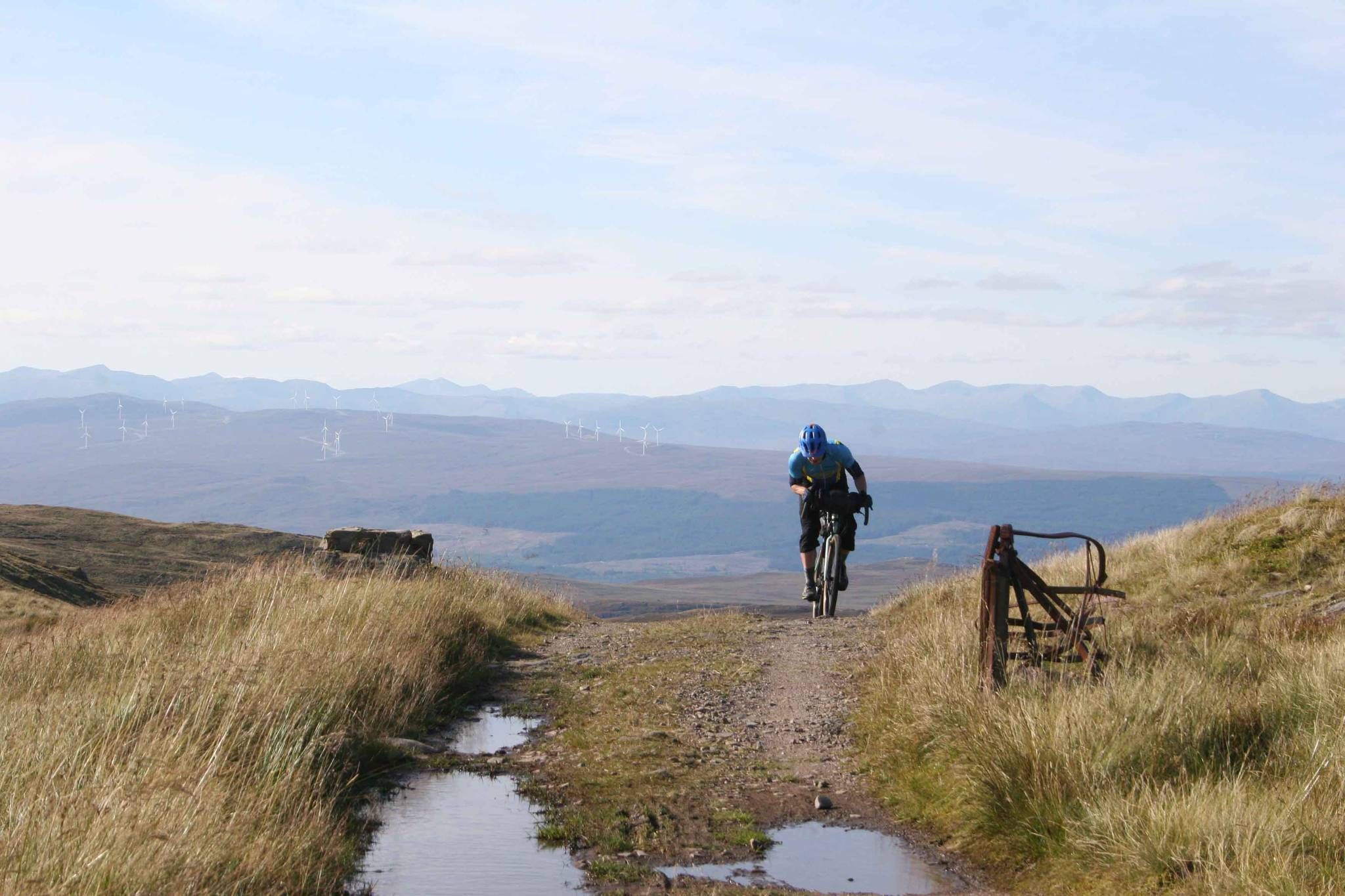
GB Divide — Great Britain end to end off-road on GBDURO
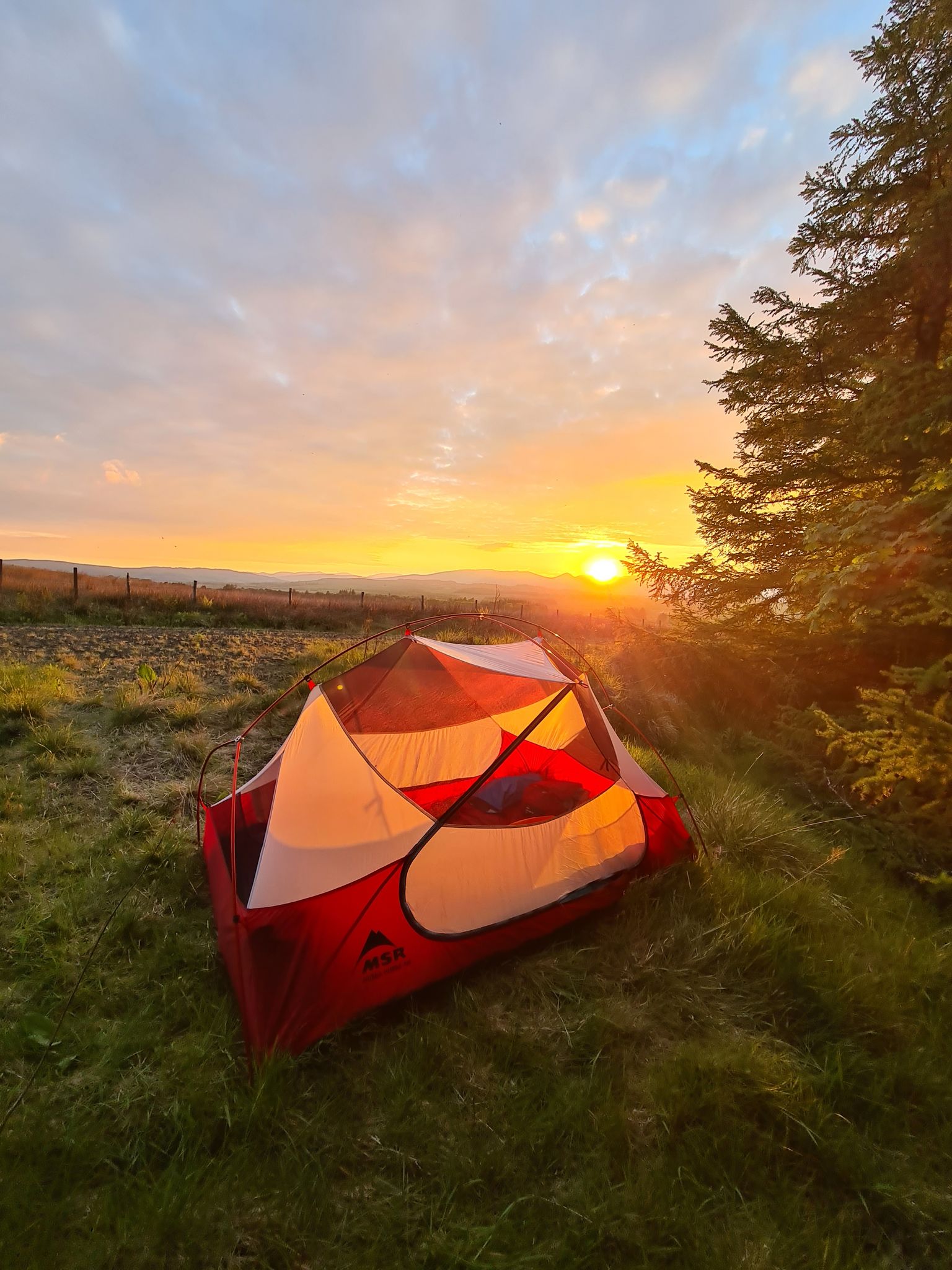
The John Muir Way — A conservationist's Scottish coast to coast
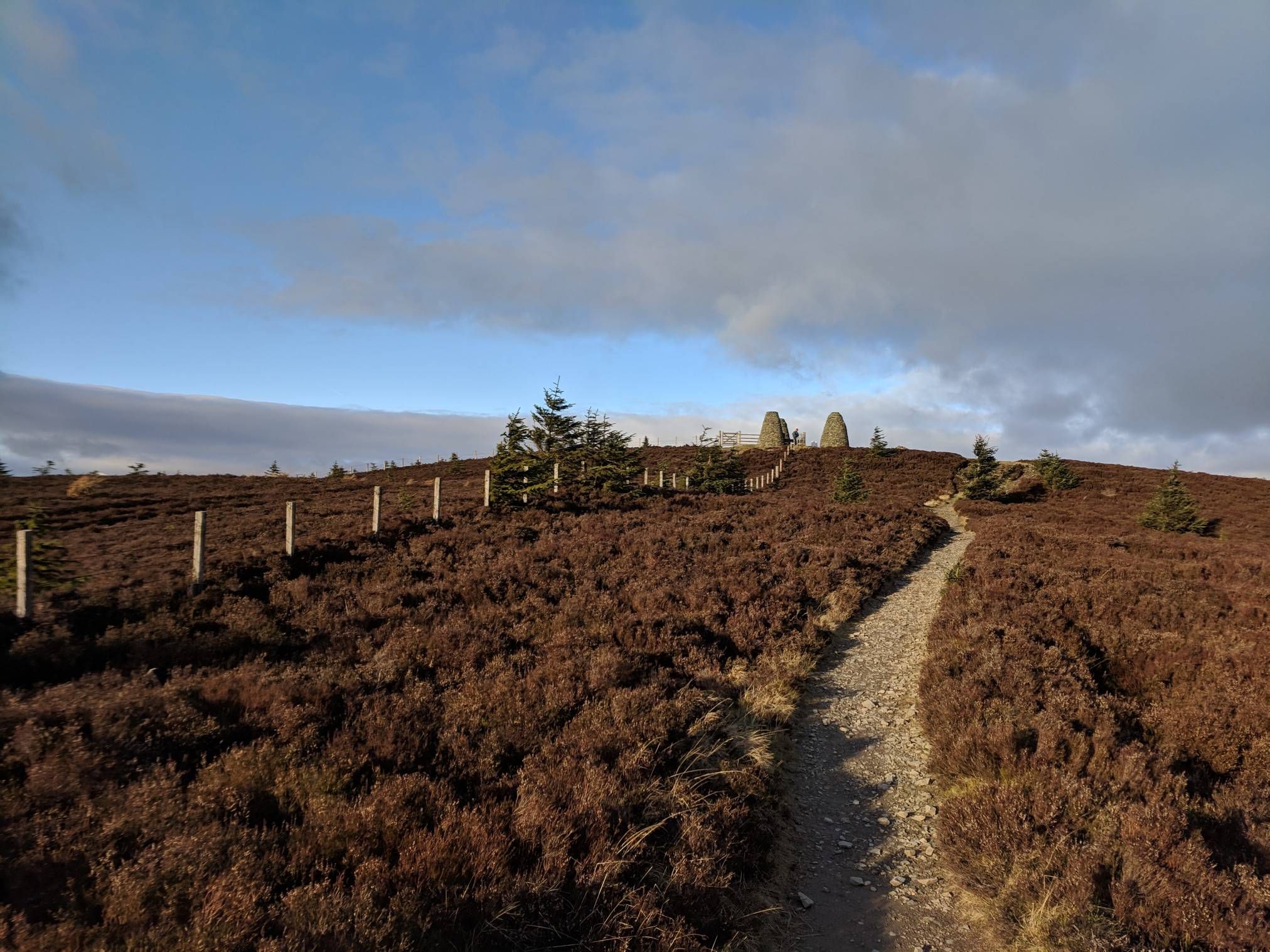
The Central Belter — Gravel trails of the coast and Cairngorms
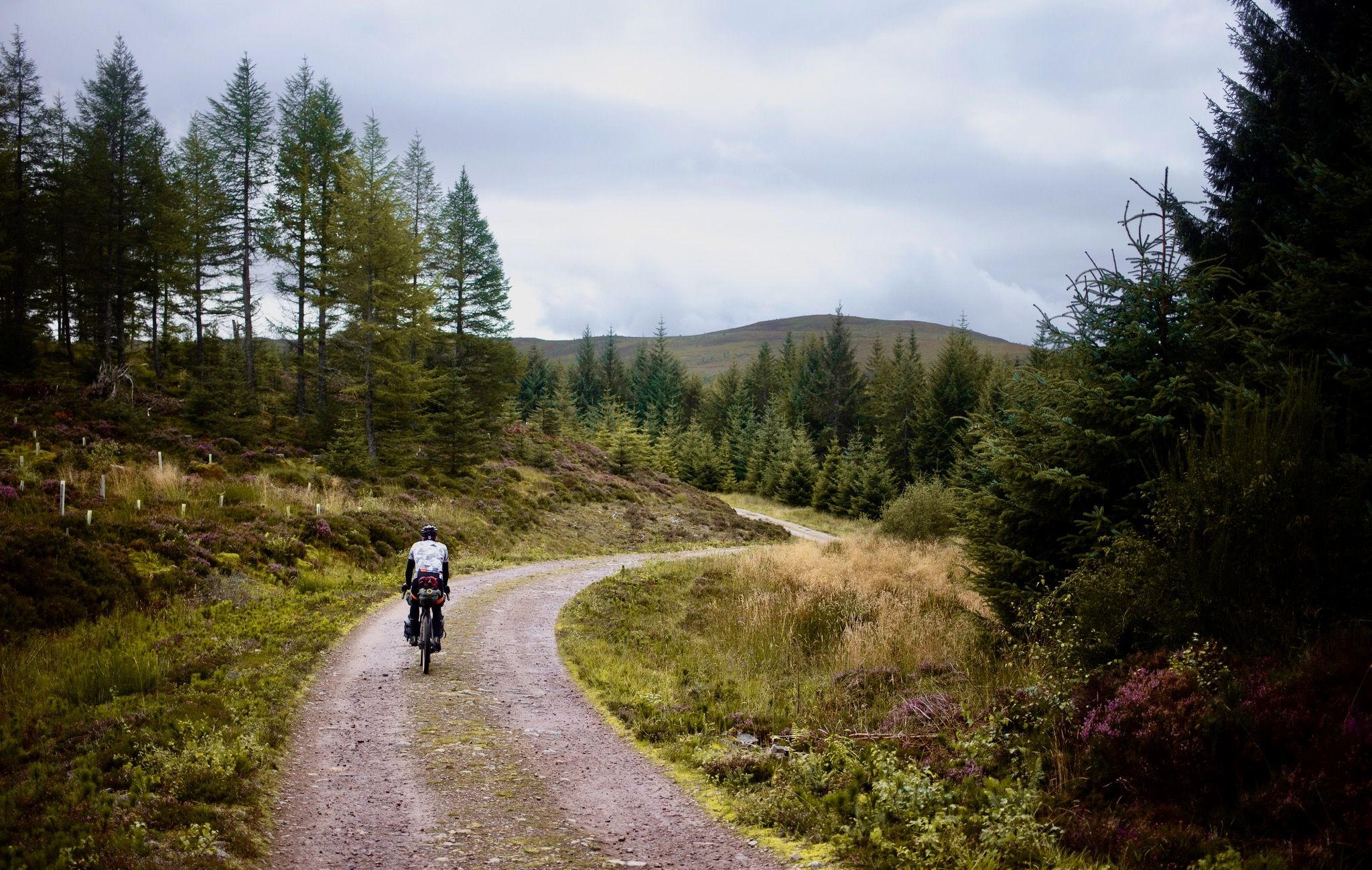
The Badger Divide — Lochs, bothies & the heart of the highlands
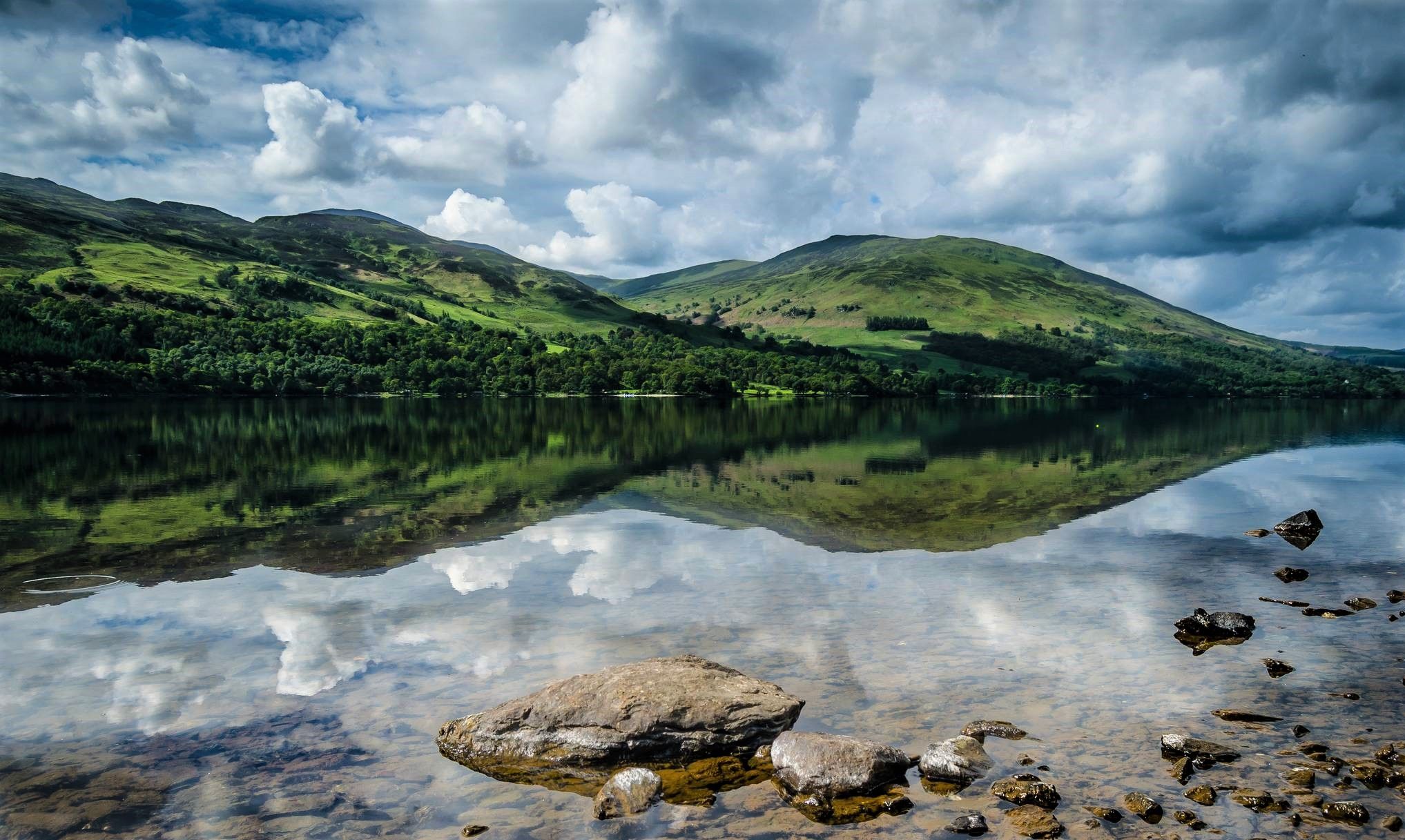
Rob Roy Way — An enchanting outlaw trail for Highland Rogues
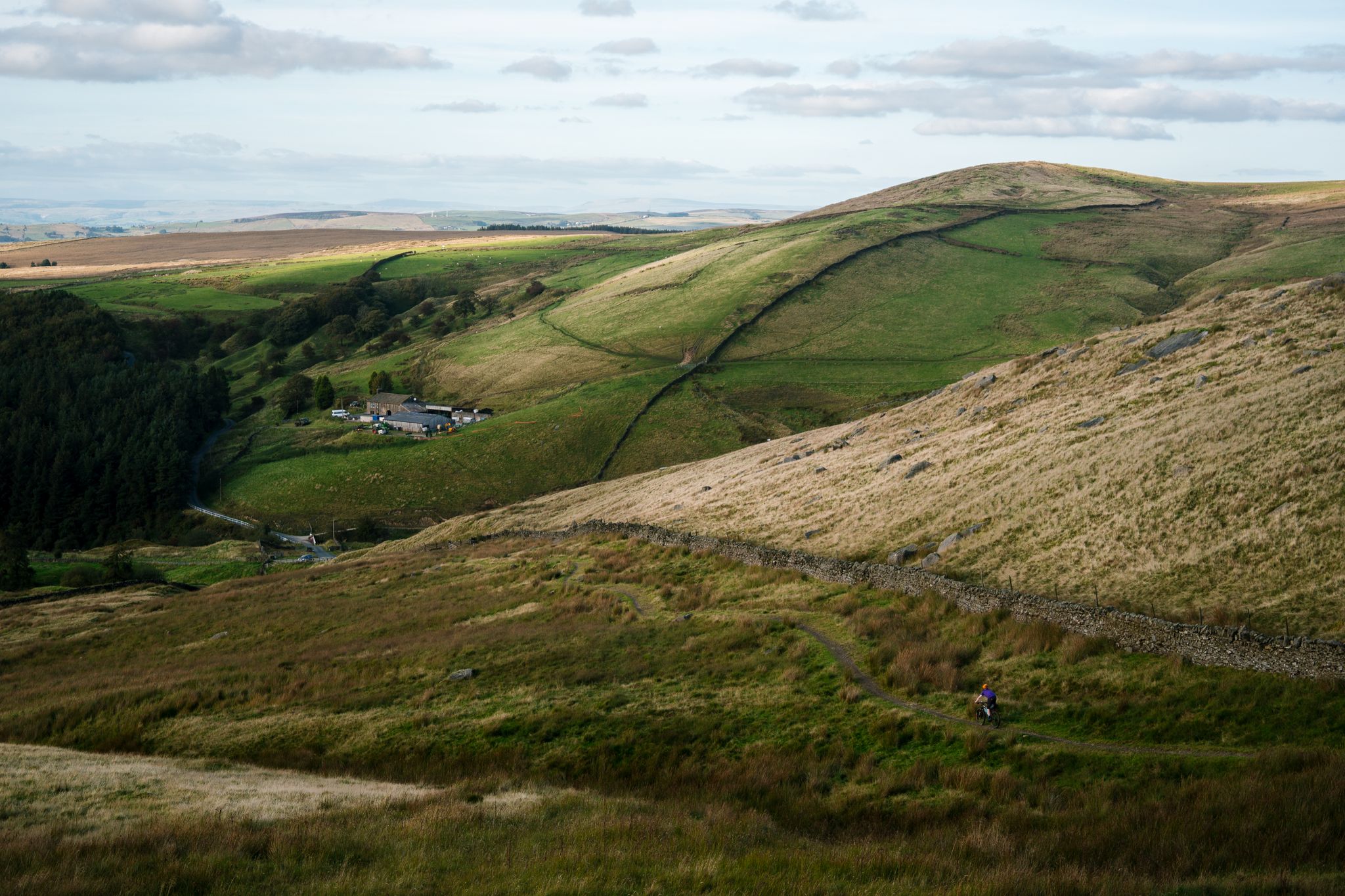
Great North Trail — From the Pennine Hills to the tip of Scotland
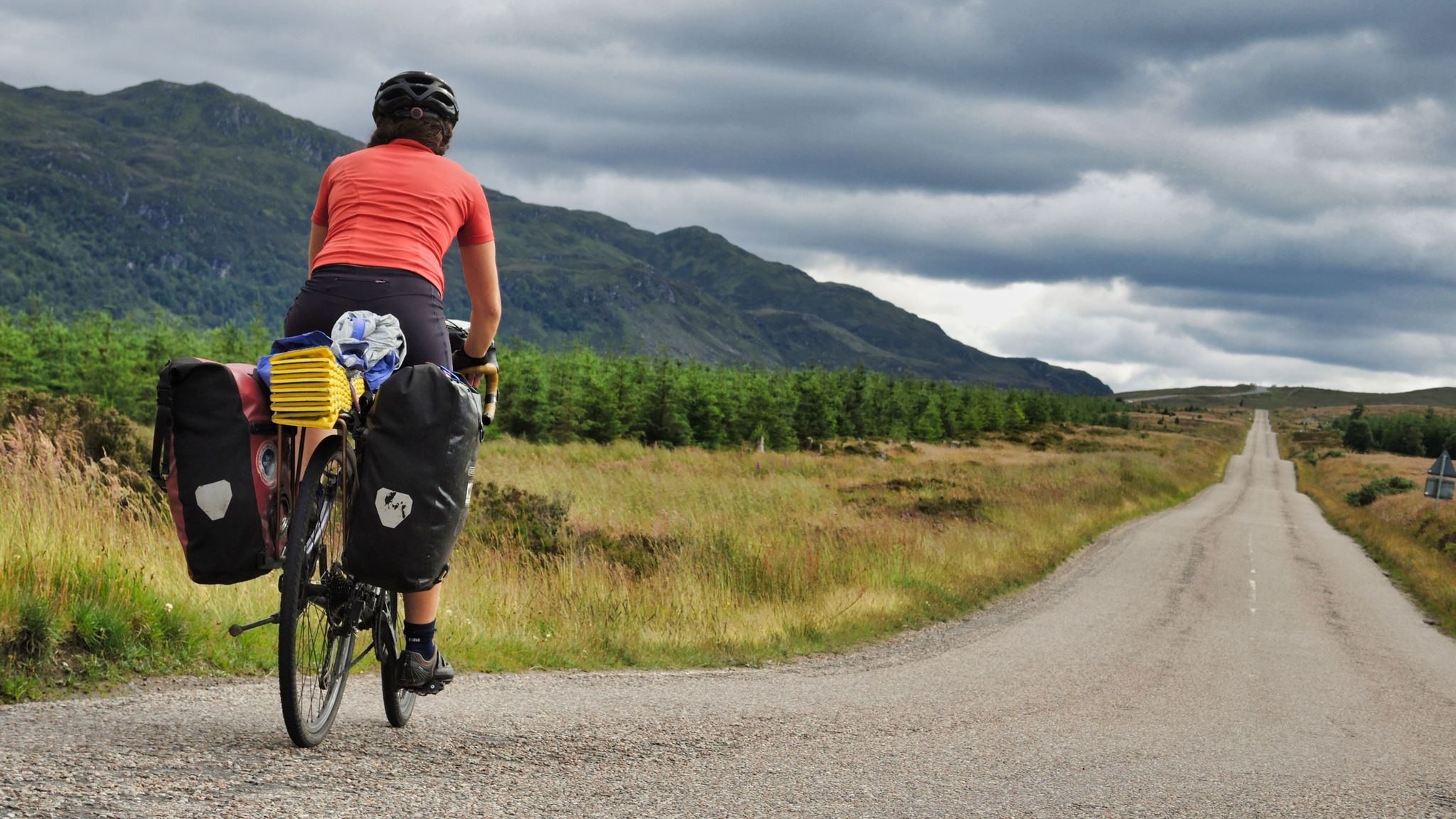
Land's End to John O'Groats – an unforgettable ride
Other adventures in Stirling


Tips from the Community

The summit path to Conic Hill is one of the most beautiful sections of the West Highland Way. From Balmaha, the well-developed, partly steep path leads uphill through heathland and over stony steps. With every metre gained in altitude, the view of Loch Lomond becomes more impressive. Once at the top, a fantastic panorama awaits over the loch, its islands, and the surrounding Highlands. The short ascent is certainly challenging – but for this view, a few beads of sweat are gladly accepted.
2
0

Ascended Ben More from the country road, also to find Scotland's oldest Geocache. Stob Binnein is often described as the more beautiful summit, which I wouldn't say. The descent between the 2 Munros is currently very boggy.
1
0
From the country road climbed the Ben More, also to find Scotland's oldest Geocache. The Stob Binnein is often described as the more beautiful summit, which I wouldn't say. The descent between the 2 Munros is currently very boggy.
1
0

There are stone steps for over 2km - so it's worth getting out your hiking poles...
2
0

It is a relentless slog to get here, but the views make it worthwhile.
1
0

It was a great hike and very enjoyable. It’s not too long, but part of the trail involves climbing over some rocks, which can be a bit slippery if it’s wet. The path coming back down the backside is muddy, so if it’s been raining, it’s better to return the same way you went up.
1
0
Frequently Asked Questions
What are some of the most popular natural monuments in Stirling?
Stirling is home to several highly-rated natural monuments. Among the most popular are the View of Loch Lomond from Conic Hill, offering expansive views of Loch Lomond and the Highlands, and Ben Lomond Summit, the most southerly of the Munros, known for its stunning vistas over Loch Lomond's islands. Another favorite is Dumyat Summit in the Ochil Hills, which provides clear views across Stirling and the Forth Valley.
Are there natural monuments in Stirling that offer historical significance?
Yes, many of Stirling's natural monuments are intertwined with its rich history. For instance, Abbey Craig, the volcanic rock where the National Wallace Monument stands, offers not only panoramic views but also historical context as William Wallace's vantage point during the Battle of Stirling Bridge. Similarly, Castle Hill, upon which Stirling Castle is perched, provides natural paths with superb views and a deep connection to Scotland's past.
What kind of views can I expect from Stirling's natural monuments?
The natural monuments in Stirling offer a diverse range of breathtaking views. From summits like Ben Lomond and Dumyat, you can expect panoramic vistas over Loch Lomond, the Forth Valley, The Trossachs, and distant mountains. Viewpoints such as the View of Loch Lomond from Conic Hill provide stunning perspectives of lochs, islands, and the surrounding Highland landscape.
Are there family-friendly natural walks among Stirling's natural monuments?
Yes, Stirling offers several natural areas suitable for families. While some summits require more effort, many trails provide easier options. For example, the natural paths and trails around Castle Hill offer leisurely walks with great views. Additionally, you can find easy hiking routes in the region, such as the 'Stirling Castle & Gowanhill loop from Stirling' or the 'Dumyat loop from Cocksburn Wood', which are listed in the Easy hikes in Stirling guide.
Can I bring my dog to the natural monuments in Stirling?
Many natural monuments and trails in Stirling are dog-friendly, but it's always best to check specific regulations for each location, especially concerning livestock or protected wildlife areas. Generally, dogs are welcome on leads on most public paths. For example, the woodland walks around Abbey Craig are popular with dog walkers. Always ensure your dog is under control and clean up after them.
What are the best times of year to visit Stirling's natural monuments?
The best time to visit Stirling's natural monuments largely depends on your preferred activities. Spring (April-May) offers vibrant greenery and blooming wildflowers, such as bluebells on Abbey Craig. Summer (June-August) provides the warmest weather and longest daylight hours, ideal for hiking, though popular spots can be crowded. Autumn (September-October) brings stunning fall foliage, particularly in wooded areas. Winter (November-March) can be beautiful with snow-capped peaks, but trails may be challenging due to ice and shorter daylight hours, requiring appropriate gear and experience.
What kind of wildlife might I spot at Stirling's natural monuments?
Stirling's natural monuments are home to diverse wildlife. At Abbey Craig, you might spot roe deer and over 30 species of birds. The woodlands also support abundant mosses, lichens, and fungi. The wider region, including areas around Loch Lomond and The Trossachs, is known for various bird species, red deer, and other native Scottish wildlife. Keep an eye out, especially during quieter times of day.
What outdoor activities can I do near Stirling's natural monuments?
Beyond exploring the natural monuments themselves, Stirling offers a wealth of outdoor activities. You can find numerous hiking trails, from easy walks to challenging climbs, detailed in guides like Easy hikes in Stirling. For cyclists, there are extensive road cycling routes, including loops around Loch Katrine and Loch Tay, as well as mountain biking trails like those in Glen Finglas, which you can explore through the Road Cycling Routes in Stirling and MTB Trails in Stirling guides.
Are there challenging hikes for experienced walkers among Stirling's natural monuments?
Absolutely. Stirling and its surrounding areas offer several challenging hikes, particularly to the summits of its higher natural monuments. Ben Lomond Summit, Ben Ledi Summit, and Ben More Summit are all classified as challenging climbs, often involving significant elevation gain and rugged terrain. These routes provide rewarding experiences for experienced hikers seeking a strenuous adventure and spectacular views.
How can I reach Stirling's natural monuments using public transport?
Stirling city itself is well-connected by public transport. From there, local bus services can take you closer to some natural monuments. For example, buses run near Abbey Craig and the base of Dumyat. However, for more remote summits like Ben Lomond or Ben More, public transport options might be limited, often requiring a combination of bus services and a taxi or a longer walk from the nearest stop. Planning your route in advance with local transport providers is recommended.
Are there any cafes or pubs near Stirling's natural monuments?
Yes, you'll find options for refreshments near many of Stirling's natural monuments. Areas around Abbey Craig and Castle Hill, being close to Stirling city, have numerous cafes, restaurants, and pubs. For monuments further afield, such as those in The Trossachs or near Loch Lomond, you might find establishments in nearby villages or at popular trailheads. It's a good idea to check local listings for specific locations before your visit.
What should I wear when visiting natural monuments in Stirling?
When visiting Stirling's natural monuments, especially for hiking, it's crucial to dress in layers and be prepared for changeable Scottish weather. Essential items include waterproof and windproof outer layers, warm mid-layers, and moisture-wicking base layers. Sturdy hiking boots with good ankle support are highly recommended, particularly for uneven or steep terrain. Don't forget a hat, gloves, and sun protection, even on cloudy days.
Are there any natural features besides summits and viewpoints to explore?
While summits and viewpoints are prominent, Stirling's natural monuments also feature other captivating natural elements. The woodlands of Abbey Craig are rich with diverse flora, including bluebells, mosses, lichens, and fungi. The region also encompasses parts of Loch Lomond and The Trossachs National Park, offering beautiful loch-side environments and forest trails. These areas provide opportunities to experience varied ecosystems beyond just mountain peaks.
Most popular routes in Stirling
Most popular attractions in Stirling

Get inspired with the komoot mobile app


Didn’t find what you were looking for?
Find even more amazing natural monuments in Stirling by checking out the top Highlights region by region:
Explore more
Extend your search for the best caves by checking out these guides of the top ones in Stirling:
