The best walks and hikes in Stirling
4.5
(8180)
60,889
hikers
843
hikes
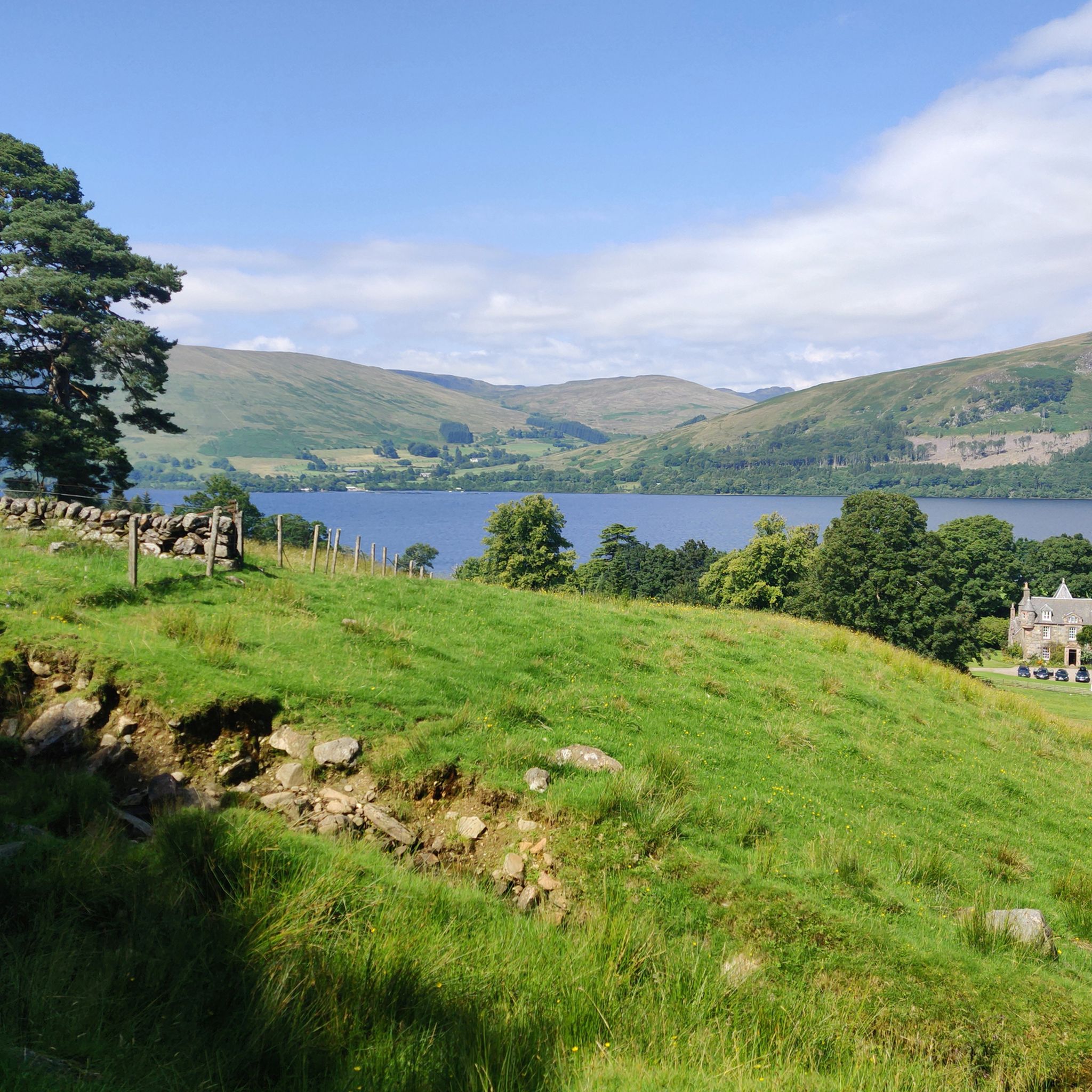
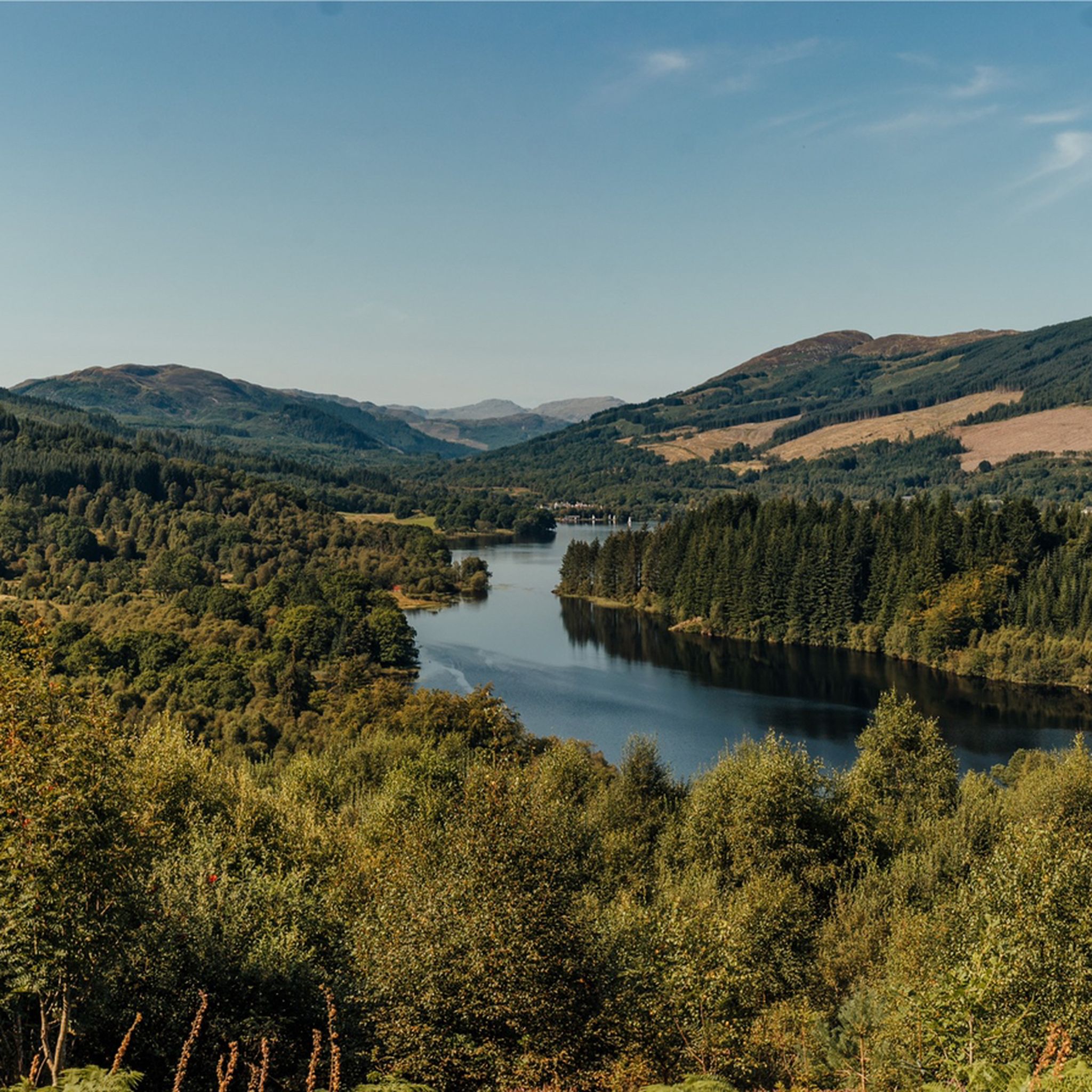
Hiking in Stirling offers diverse natural landscapes, from the serene woodlands and riverine paths of the Lowlands to the rugged beginnings of the Highlands. The region is characterized by a mix of hills, lochs, and forests, particularly within the Loch Lomond and Trossachs National Park. Trails often feature historical attractions and provide views across valleys, including the Ochil Hills and the River Forth.
Best hiking trails in Stirling
- The most popular hiking route is Conic Hill – UK Hill Walks for Beginners, a 3.0 miles (4.9 km) moderate trail that takes about 1 hour 50 minutes to complete, offering views over Loch Lomond.
- Another top favourite among local hikers is Ben Lomond and Ptarmigan Ridge Trail, a difficult 8.0 miles (12.8 km) path. This route provides challenging ascents and panoramic vistas across the Trossachs.
- Local hikers also love the Ben A'an from Loch Achray — Loch Lomond & the Trossachs National Park, a 2.5 miles (4.0 km) trail leading through the dramatic landscapes of the Trossachs, often completed in about 2 hours 25 minutes.
- Hiking in Stirling is defined by woodlands, hills, and lochs, with paths ranging from gentle riverine strolls to challenging mountain ascents. The network offers options for various ability levels, including family-friendly walks and more strenuous hill climbs.
- The routes in Stirling are highly rated by the komoot community with an average score of 4.5 stars from over 6,600 reviews. More than 54,000 hikers have used komoot to explore Stirling's varied terrain.
Last updated: October 10, 2026
4.7
(523)
4,485
hikers
4.88km
01:49
310m
320m
Moderate hike. Good fitness required. Easily-accessible paths. Suitable for all skill levels.
4.8
(470)
3,014
hikers
12.8km
04:57
910m
910m
The Ben Lomond and Ptarmigan Ridge Trail offers a demanding hiking experience, covering 8.0 miles (12.8 km) with a significant elevation gain of 2995 feet (913 metres). You can expect to complete this difficult route in about 4 hours and 57 minutes. As you climb, the path transitions from woodlands into more exposed, rocky terrain, characteristic of the Scottish Highlands. The ascent along Ptarmigan Ridge provides a consistent challenge, leading you towards the summit. From Ben Lomond's peak, you will be rewarded with expansive views across Loch Lomond and its numerous islands, stretching out to the surrounding Trossachs. The ever-present possibility of changing weather adds to the dramatic atmosphere of this high-altitude journey.
To prepare for this difficult hike, ensure you have proper hillwalking gear, including waterproof clothing and sturdy footwear, as conditions can change rapidly. The trail is easily accessible from the Rowardennan Hotel, which serves as a convenient starting point for your adventure. If you plan to undertake this route during winter months, be aware that challenging conditions will require specialized equipment such as an ice-axe and crampons for safety. Always check the local weather forecast before you set out, regardless of the season.
Ben Lomond stands as Scotland's most southerly Munro, making it a popular and iconic peak within Loch Lomond and The Trossachs National Park. The trail offers a classic Scottish hillwalking experience, providing a true sense of the region's rugged beauty and expansive landscapes. Conquering this Munro is a rewarding achievement for hikers seeking a substantial challenge and panoramic vistas. The varied terrain, from sheltered woodlands to exposed ridges, showcases the diverse natural environment of this protected area.

4.8
(248)
2,804
hikers
4.02km
02:22
320m
320m
Embark on the Ben A'an hike from Loch Achray, a rewarding 2.5-mile (4.0 km) route known for its "mountain in miniature" experience. You will gain 1051 feet (320 metres) in elevation over approximately 2 hours and 22 minutes, making it a difficult but worthwhile climb. The trail begins across from the Loch Achray car park, leading you through lush larch and pine forests before transitioning to rocky steps and a lighter birch forest. The ascent features two steep sections, with a flatter part in the middle to catch your breath, culminating in a steep, rocky push to the summit.
From the top, you are treated to incredible 360-degree panoramic views of the southern Highlands, including Loch Katrine, Loch Achray, and Loch Venachar, as well as nearby peaks like Ben Venue and Ben Ledi. While the path is well-marked and easy to follow, the sustained steepness and high rocky steps can be challenging, especially on the descent where gravelly sections might be slippery. Small children may need help with some of the taller steps, but the trail is generally considered suitable for families seeking a micro-adventure.
Ben A'an is one of the most popular hikes in Loch Lomond & the Trossachs National Park, celebrated for its immense summit views relative to its shorter length. It offers the diverse scenery of a larger mountain, from atmospheric forests to open moorlands and crags, without the extensive time commitment. Keep an eye out for local wildlife such as red and roe deer, buzzards, and even golden eagles, which are sometimes spotted in the area.
4.2
(214)
811
hikers
6.51km
02:43
340m
340m
The Ben A'an Trail offers a challenging yet rewarding hike through varied Scottish landscapes. You will ascend 1108 feet (338 metres) over a distance of 4.0 miles (6.5 km), with an estimated duration of 2 hours and 43 minutes, making this a difficult route. The path begins by winding through lush forests before transitioning to a rocky ascent with steep steps, leading you to a summit that provides expansive panoramic views of Loch Katrine and the surrounding Trossachs.
When planning your visit, be aware that while the trail has seen recent improvements, some sections can still be muddy, especially in the lower forest areas. The upper, rocky steps can be particularly challenging and slippery when wet, sometimes requiring you to use your hands for balance. It is always wise to check weather conditions before you set out and wear appropriate footwear for a difficult hike.
Often referred to as a "mountain in miniature," this trail is a popular choice within Scotland's Loch Lomond & The Trossachs National Park. Beyond the main summit vista, you can also enjoy views of Loch Achray from various points along the climb, adding to the scenic appeal of the route. This makes it a memorable experience for its natural features and the sense of accomplishment you will feel upon reaching the top.
4.6
(202)
851
hikers
Embark on a rewarding hike along the Conic Hill & the West Highland Way trail from Garadhban Forest, a moderate route spanning 9.8 miles (15.7 km) with an elevation gain of 1342 feet (409 metres), typically taking 4 hours and 36 minutes to complete. You begin with a tranquil woodland ascent through Garadhban Forest, where paths are firm and well-defined, before transitioning to open moorland. The climb up Conic Hill is notably steep, featuring rocky steps and requiring careful footing, but it rewards you with stunning panoramic views of Loch Lomond, its islands, and the distant Ben Lomond.
This trail is generally considered moderate to hard, with the ascent of Conic Hill demanding good fitness and sure-footedness, especially on steep, rocky sections that can be tricky when wet or icy. While parts of the route through Garadhban Forest are accessible for various skill levels, the challenge increases significantly as you approach the summit. The path is popular and well-marked with the distinctive West Highland Way thistle emblem, guiding you along this well-trodden route.
Conic Hill is a prominent feature situated directly on the Highland Boundary Fault line, a major geological division separating the Scottish Lowlands from the Highlands, visible in the alignment of Loch Lomond's islands. This section forms a significant part of the iconic West Highland Way, Scotland's best-known long-distance trail. The initial forest environment also offers a peaceful experience, home to wildlife like roe deer and red squirrels, before you reach the breathtaking 360-degree views from Conic Hill.
4.8
(116)
877
hikers
9.36km
03:55
720m
720m
Embark on a challenging 5.8-mile (9.4 km) hike around the Ben Ledi & Stank Glen loop, a difficult route that climbs 2348 feet (716 metres) and typically takes around 3 hours and 54 minutes to complete. This trail offers diverse terrain, from rough tracks and steep mountain paths to boggy sections, all while providing expansive views over Loch Lubnaig, Loch Venachar, and the wider Trossachs landscape. From the summit of Ben Ledi, you can see across the Forth Valley and towards distant peaks like Ben More on a clear day.
Prepare for a strenuous experience requiring good fitness and sure-footedness, especially on the steep and scrabbly sections with loose rock and gravel, particularly during the descent through Stank Glen. Navigation can be tricky in Stank Glen, so make sure you have a map to stay on track. The path to the Ben Ledi summit is generally well-maintained, but the glen descent is rougher and narrower.
Ben Ledi, the highest peak in the Trossachs, holds historical significance, having been featured in Walter Scott's "Lady of the Lake." Near its summit, you will find a memorial cross dedicated to Sgt Harry Lawrie. Stank Glen, despite its name, is celebrated for its scenic beauty, featuring attractive natural landscapes and the wonderful cascades of the Stank Burn Waterfall. Keep an eye out for various birds like chaffinches and wrens, and enjoy the delightful wooded slopes, especially vibrant in autumn.
4.7
(147)
779
hikers
Explore the scenic Loch Ard & Rob Roy’s Cave loop from Milton, an easy hiking trail in Loch Lomond & the Trossachs National Park. This route covers 4.2 miles (6.8 km) with a gentle elevation gain of 321 feet (98 metres), typically taking around 1 hour and 51 minutes to complete. You will walk along tranquil lochside paths and through mixed woodlands, enjoying picturesque views of Loch Ard and glimpses of Ben Lomond on clear days. Keep an eye out for a lovely lochan adorned with water lilies in summer as you navigate the varied terrain, which includes both paved and unpaved sections.
This easy loop is suitable for nearly all skill levels, offering an accessible outdoor experience. While much of the path is easily accessible, be aware that some sections can be unpaved, gravel, or muddy, especially after rain. The trail is generally considered suitable for various fitness levels and can be comfortably completed in under two hours, making it a great option for a refreshing outing. Plan for comfortable footwear to handle the varied surfaces.
The trail is notable for its connection to the legendary outlaw Rob Roy MacGregor, with a historical cave said to be one of his hiding places. As you hike, you'll also encounter the unique Loch Ard Family Sculpture Trail, featuring unusual art installations like
4.7
(59)
718
hikers
12.2km
06:03
1,210m
1,210m
Embark on a challenging hike through the Loch Lomond & The Trossachs National Park with the Ben More & Stob Binnein loop. This difficult 7.6-mile (12.2 km) route demands good fitness, featuring a significant 3961 feet (1207 metres) of elevation gain and typically taking around 6 hours and 3 minutes to complete. You will encounter varied terrain, from steep, boggy sections on lower slopes to rocky ground and scrambling as you ascend. From the summits, expect spectacular panoramic views of the Scottish Highlands, including Ben More's distinctive pyramid shape and Stob Binnein's shapelier outline, along with distant lochs and other peaks.
This trail is considered a hard hike, requiring sturdy shoes and some alpine experience due to its steep ascents and potentially vague paths. Be prepared for rapidly changing weather conditions, as cold, wind, mist, and rain can increase the difficulty and boggy conditions. Winter hiking is only suitable for experienced hillwalkers with special equipment like crampons and an ice axe. The initial part of the ascent and the final return leg often follow farm tracks, but much of the route is remote and unspoilt.
What makes this loop particularly notable is the opportunity to bag two Munros, Ben More and Stob Binnein, in a single outing. Ben More is the highest Munro in Loch Lomond & The Trossachs National Park, and its initial ascent from the A85 is famously steep, climbing approximately 1,000 vertical meters in just two miles. These are the highest hills around Crianlarich, with no taller summit anywhere south in the British Isles, offering a true sense of accomplishment upon completion. The area is also a Site of Special Scientific Interest, home to rare upland plant communities and diverse wildlife like red deer and golden eagles.
4.8
(42)
592
hikers
14.4km
06:09
880m
880m
Hard hike. Very good fitness required. Sure-footedness, sturdy shoes and alpine experience required.
4.7
(76)
559
hikers
13.7km
04:42
620m
630m
Hard hike. Good fitness required. Sure-footedness, sturdy shoes and alpine experience required.
Get access to more routes and recommendations from other explorers.
Already have an account?
Our route recommendations are based on thousands of hikes, rides, and runs completed by other people on komoot.
Start today with a free account
Your next adventure awaits.
Other adventures in Stirling


Tips from the Community

Ascended Ben More from the country road, also to find Scotland's oldest Geocache. Stob Binnein is often described as the more beautiful summit, which I wouldn't say. The descent between the 2 Munros is currently very boggy.
1
0
From the country road climbed the Ben More, also to find Scotland's oldest Geocache. The Stob Binnein is often described as the more beautiful summit, which I wouldn't say. The descent between the 2 Munros is currently very boggy.
1
0

Excellent winter route - when it isn't so muddy!
1
0
It is a relentless slog to get here, but the views make it worthwhile.
1
0

Balmaha at 19 miles (30.5 km) is the first official checkpoint on the West Highland Way race. On the shore of Loch Lomond, it's accessible by road or ferry. There is a visitor centre, cafés and restaurants. Good spot to run Conic Hill if you aren't running the whole WHW. There is a statue of Tom Weir, staring across the loch. Tom was a lifelong lover of Scotland as well as a writer, broadcaster and climber.
2
0

Started 8:15 at the top for 10:45, took our time ! good path to the top , continued on pitarmigan pathto decend, took a little longer on the way back down but worth it as views were amazing..
1
0
More Information
Where the Lowlands meet the Highlands
Stirling Castle has been said to be the strategic gateway to the Highlands, such is its position as the final lowland outpost when heading north. This classic hilltop citadel is perhaps a good place to start your walks in Stirling, with great views north to the mountains.
Running diagonally from the south west to the north east of the region, the Highland Boundary Fault marks the geological beginnings of the Scottish Highlands: a vast and incredibly beautiful land of brooding mountains and picturesque lochs. It also marks the beginning of the Loch Lomond and the Trossachs National Park, where the best hiking trails in Stirling are found.
Loch Lomond and the Trossachs
The south of the national park boasts gorgeous lochs, the wooded glens of the Trossachs and delightfully accessible hills with magnificent views. As you venture north it gets progressively wilder. The hills become mountains.
You can conquer some fantastic Munros, Scottish mountains over 3,000 feet (914 m), during your hikes in Stirling. In its northern reaches, there’s no less than twenty, including the immensely popular Ben Lomond, which rewards a strenuous ascent with unbeatable views of Loch Lomond from its 3,196-foot (974 m) summit. The most southerly Munro, its proximity to Glasgow means it sees a great deal of footfall, so set out early to avoid the crowds.
Highland practicalities
The weather is likely to be changeable on any given day, particularly in the mountains. In the summer you’ll need both your sun-cream and your waterproofs. Deer stalking season runs from the start of July until late October. During this time, stick to hiking trails and heed any advice given by signs or the stalkers themselves.
Midges and ticks can be a nuisance in the warmer months. After a day’s hiking, always check any exposed flesh for ticks and remove carefully. Wild camping is a marvellous way to experience the majesty of this region. Whilst legal throughout Scotland, there are areas of the national park where a permit is required, so check the official website in advance.
Autumn is gorgeous amongst the secretive forested glens, where streams rush past the pines of the old Caledonian Forest. Winter brings snow to the hills and the Munros are likely to be beyond hikers not armed with mountaineering skills and equipment. If in doubt, stay low.
Frequently Asked Questions
How many hiking trails are available in Stirling?
Stirling offers a vast network of hiking trails, with over 800 routes recorded on komoot. These range from gentle riverine paths to challenging mountain ascents, catering to various skill levels and preferences.
Are there easy hiking trails suitable for families in Stirling?
Yes, Stirling is home to nearly 400 easy hiking routes, many of which are perfect for families. These trails often feature gentle terrain and scenic views. An excellent option is the Loch Ard & Rob Roy’s Cave loop from Milton, which is an easy 6.8 km (4.2 miles) path through picturesque landscapes.
What are some challenging hikes in the Stirling area?
For those seeking a challenge, Stirling offers over 100 difficult hiking routes. These often involve significant elevation gain and rugged terrain, providing rewarding views. Consider the Ben Lomond and Ptarmigan Ridge Trail, an 8-mile (12.8 km) route with panoramic vistas across the Trossachs, or the Ben More & Stob Binnein loop from the A85 for a demanding mountain experience.
Are there any circular walks in Stirling?
Yes, many of Stirling's trails are circular, allowing you to start and end at the same point. The Ben Ledi & Stank Glen loop in Loch Lomond & the Trossachs National Park is a popular circular option, offering a challenging ascent and diverse scenery.
What kind of natural attractions can I expect to see along the hiking trails?
Stirling's hiking trails lead through diverse natural landscapes, including woodlands, hills, and lochs. You can discover stunning waterfalls like the Falls of Falloch or the dramatic Bracklinn Falls. The region also features unique geological formations such as the deep Finnich Glen (Devil's Pulpit) and intriguing caves like Rob Roy's Cave.
Are there historical landmarks or points of interest along the routes?
Absolutely. Stirling is rich in history, and many trails incorporate historical landmarks. You can hike around the iconic National Wallace Monument, explore paths near Stirling Castle, or follow routes that offer views of the historic Old Bridge over the River Forth. The region's heritage trails often combine natural beauty with historical significance.
What do other hikers enjoy most about hiking in Stirling?
The komoot community highly rates hiking in Stirling, with an average score of 4.5 stars from over 6,600 reviews. Hikers frequently praise the diverse landscapes, from serene woodlands to rugged hill climbs, and the stunning panoramic views across the Trossachs, Ochil Hills, and River Forth. The integration of historical sites with natural beauty is also a highlight for many.
Can I bring my dog on the hiking trails in Stirling?
Many trails in Stirling are dog-friendly, allowing you to enjoy the outdoors with your canine companion. However, it's always best to keep dogs on a lead, especially in areas with livestock or ground-nesting birds, and to follow the Scottish Outdoor Access Code. Always check specific route details for any restrictions.
What is the best time of year to go hiking in Stirling?
Stirling offers beautiful hiking experiences year-round. Spring brings vibrant bluebells to places like Hermitage Woods, while autumn transforms the landscape with a blaze of red, gold, and orange. Summer provides longer daylight hours and generally milder weather, ideal for longer treks. Winter hiking is possible, but requires appropriate gear and caution due to potentially challenging conditions on higher ground.
Are there options for public transport to reach hiking spots in Stirling?
Stirling is well-connected by public transport, making it possible to access many hiking areas without a car. Buses and trains serve various towns and villages around the region, including those near the Loch Lomond and Trossachs National Park. It's advisable to check local transport schedules in advance for specific trailheads.
Where can I find more information about Stirling's heritage trails?
Stirling offers various heritage trails that delve into the region's rich history. For more detailed information and specific routes, you can visit resources like the Stirling City Heritage Trust blog, which provides insights into walking routes that explore Stirling's past.
Most popular routes in Stirling
Most popular attractions in Stirling

Get inspired with the komoot mobile app


Didn’t find what you were looking for?
Check out more Hikes throughout Stirling below and find the perfect route in your destination.
Explore more
Browse the best Hikes in other regions.
