The 20 Most Amazing Peaks in Hampshire
Mountain peaks in Hampshire, characterized by rolling hills and downs, provide significant elevated points within the county's diverse natural environments. These areas, primarily part of the North Hampshire Downs and the South Downs, offer natural beauty, historical significance, and panoramic views. The region features chalk grasslands, woodlands, and ancient landscapes, including parts of the North Wessex Downs and South Downs National Park. These elevated areas are suitable for walking and experiencing Hampshire's varied terrain.
Best mountain peaks in Hampshire
- The most popular mountain peaks is Old Winchester Hill, a historical_site set amid the South Downs. This fort is encompassed by a bank and ditch, with visible dips from flint excavations and Bronze Age tumuli inside. It offers views over the surrounding countryside.
- Another must-see spot is Butser Hill, a natural_monument and the highest point on the South Downs. Visitors can expect chalk grassland designated as a national nature reserve, providing views over Hampshire and the English Channel.
- Visitors also love Beacon Hill (South Downs National Park), a natural_monument on a chalk spur. It supports rare plant life and provides a habitat for many butterfly species, offering views over the Hampshire Basin.
- Hampshire is known for its Iron Age hillforts, chalk grasslands, and natural viewpoints. The variety of mountain peaks to see and explore includes historical sites, nature reserves, and summits within the South Downs National Park.
- The mountain peaks in Hampshire are appreciated by the komoot community, with more than 120 upvotes and 25 photos shared.
Last updated: October 9, 2026
Butser Hill
Highlight • Natural Monument
Tip by

Old Winchester Hill
Highlight • Climb
Tip by

Sign up now to discover places like this
Get recommendations on the best single tracks, peaks, & plenty of other exciting outdoor places.
Old Winchester Hill Iron Age Fort
Highlight • Historical Site
Tip by
St Catherine's Hill
Highlight • Historical Site
The hill lies within (although barely) the South Downs National Park and is a well-maintained area of tradition downland. Summer brings rare butterflies, insects and an abundance of birds to the hill. The views of Winchester are exceptional from the northern side.
Tip by

Ladle Hill Iron Age Hillfort
Highlight • Historical Site
Tip by
Beacon Hill (South Downs National Park)
Highlight • Natural Monument
Tip by
Burbush Hill
Highlight • Natural
Tip by

Holm Hill
Highlight • Viewpoint
Tip by
Winchester Road Cycle Path Over Hut Hill
Highlight (Segment) • Trail
Traffic-free and beautifully smooth tarmac the whole way.
Continues past this highlight, but cut here so tours can be planned via Birch Road.
Tip by

Farley Mount Monument
Highlight • Monument
Tip by

Sign up for free to discover even more peaks in Hampshire.
Already have an account?
Start today with a free account
Your next adventure awaits.
Popular around Hampshire

Bedtime Adventure Stories for Grown Ups
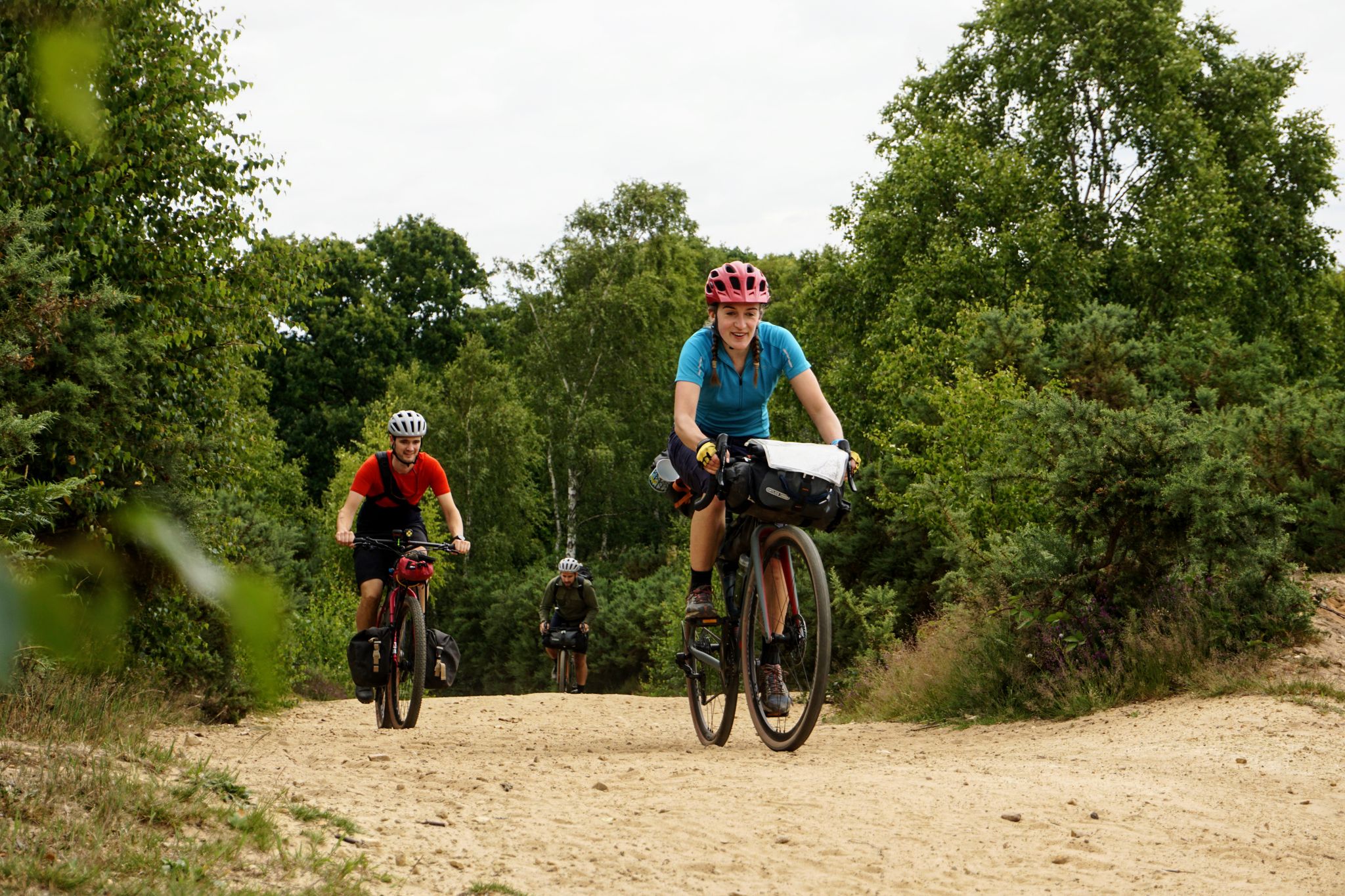
King Alfred's Way — History, chalk, grassland and forest
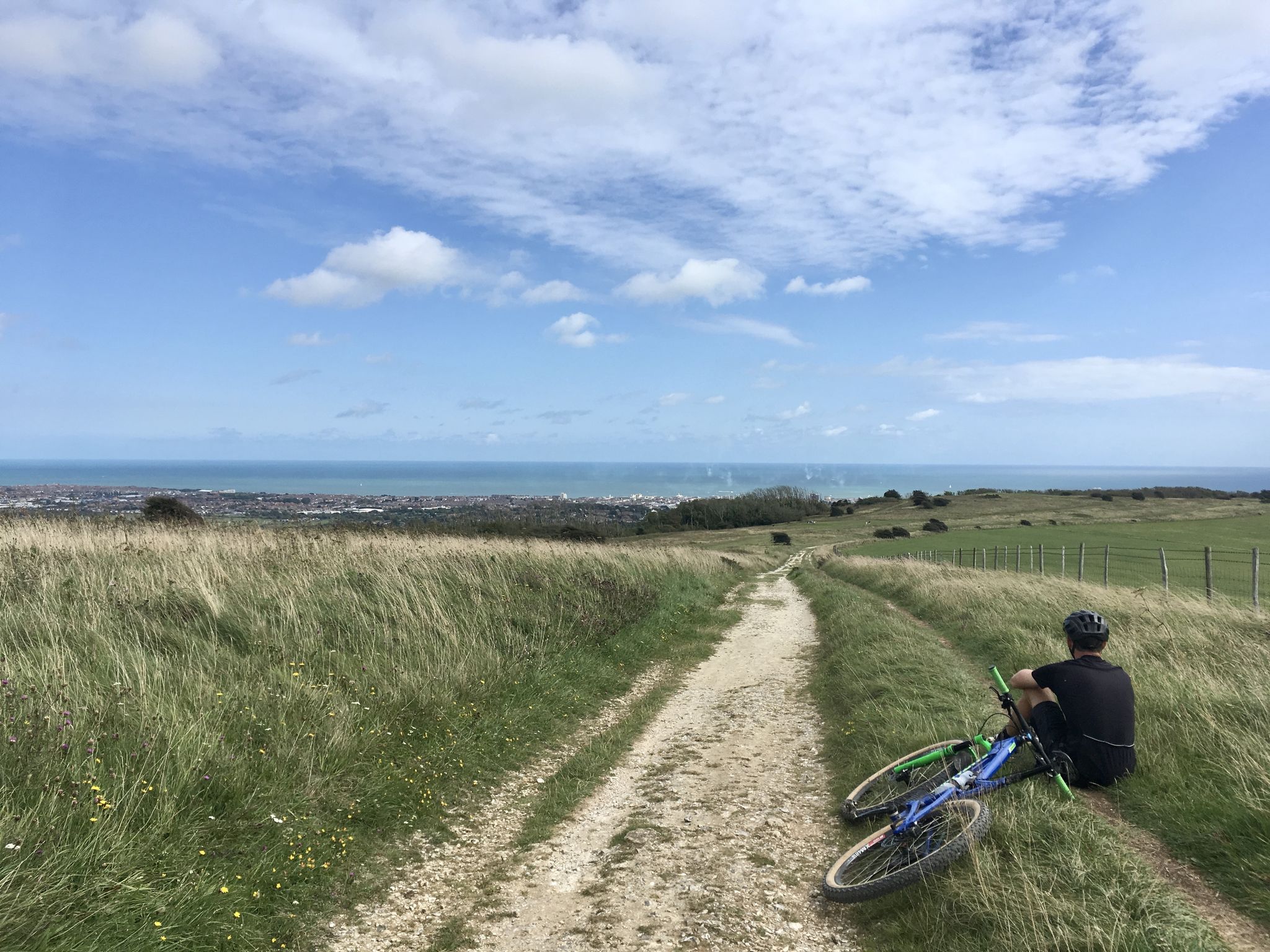
South Downs Way — A Southern off-road utopia
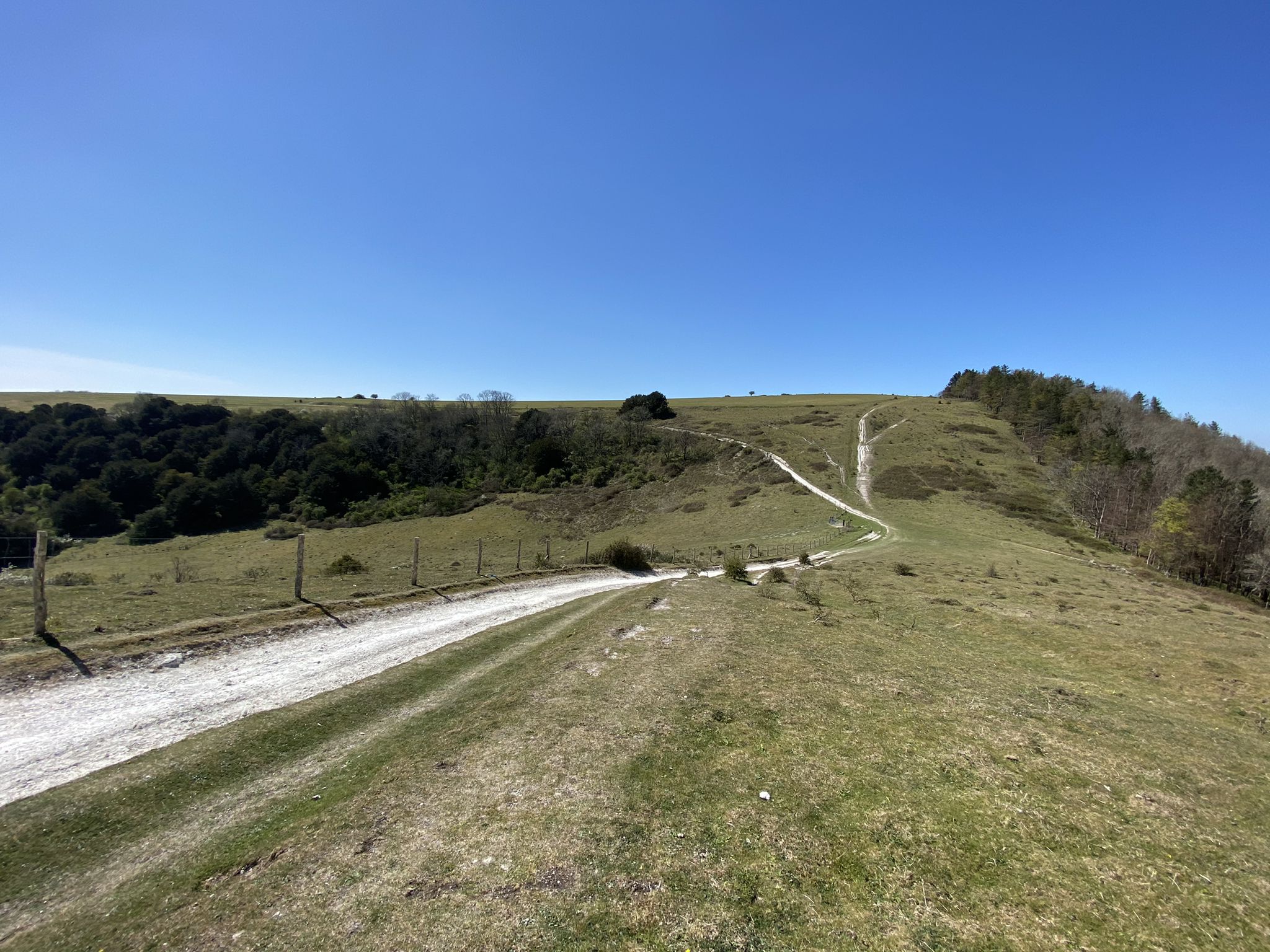
South Downs Way – a 100-mile run across the national park
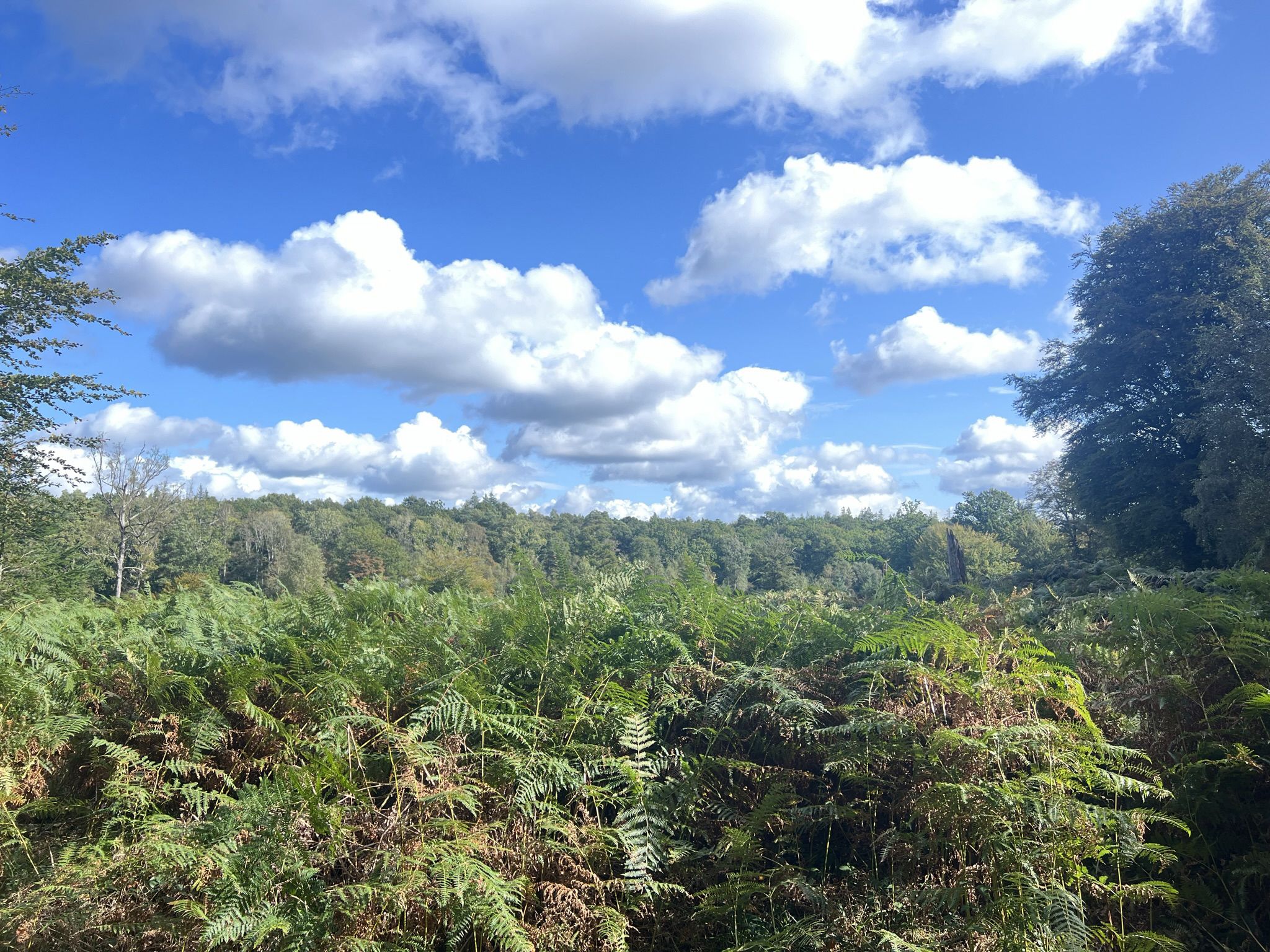
New Forest National Park – A Walk in the Parks
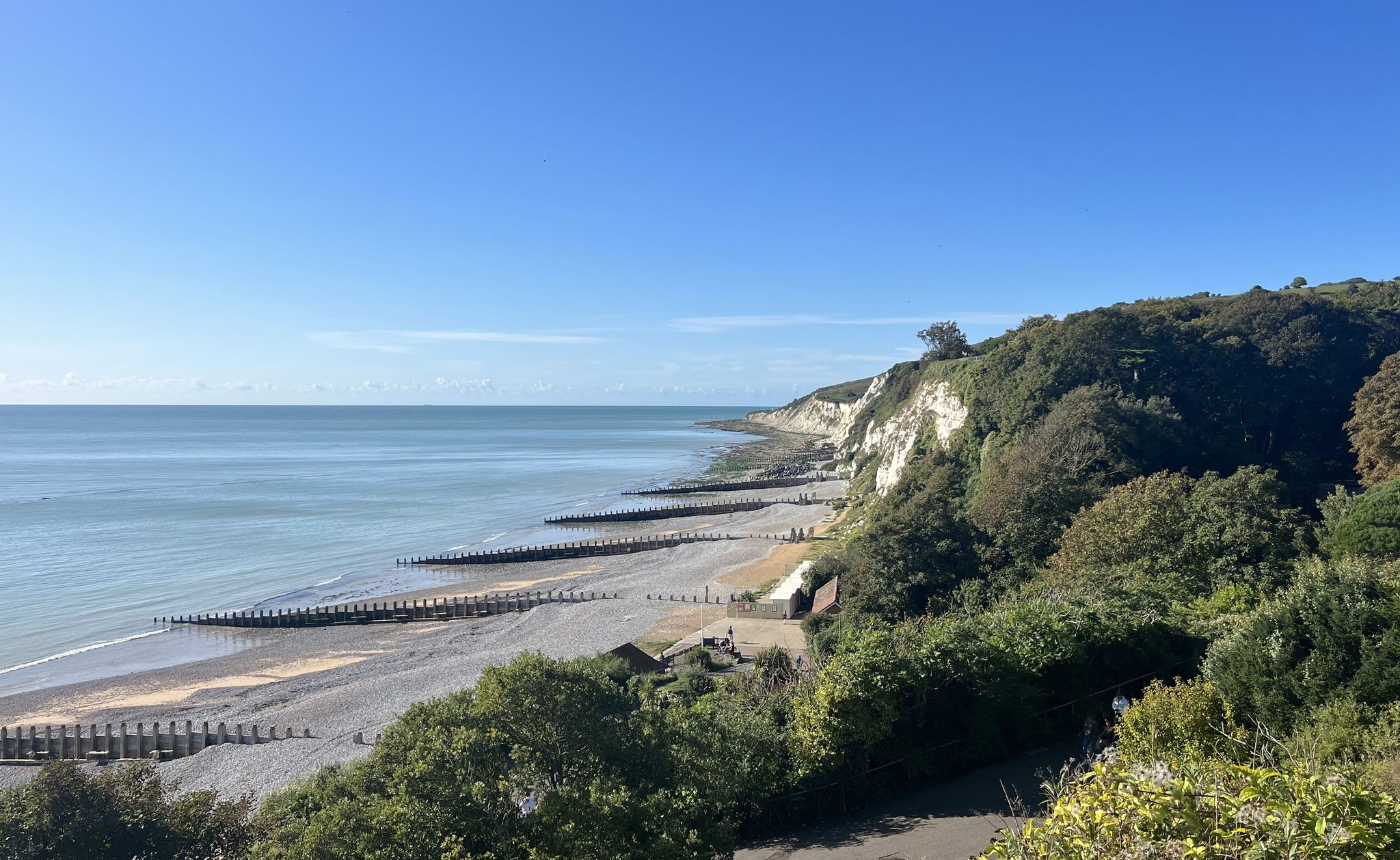
South Downs National Park – A Walk in the Parks
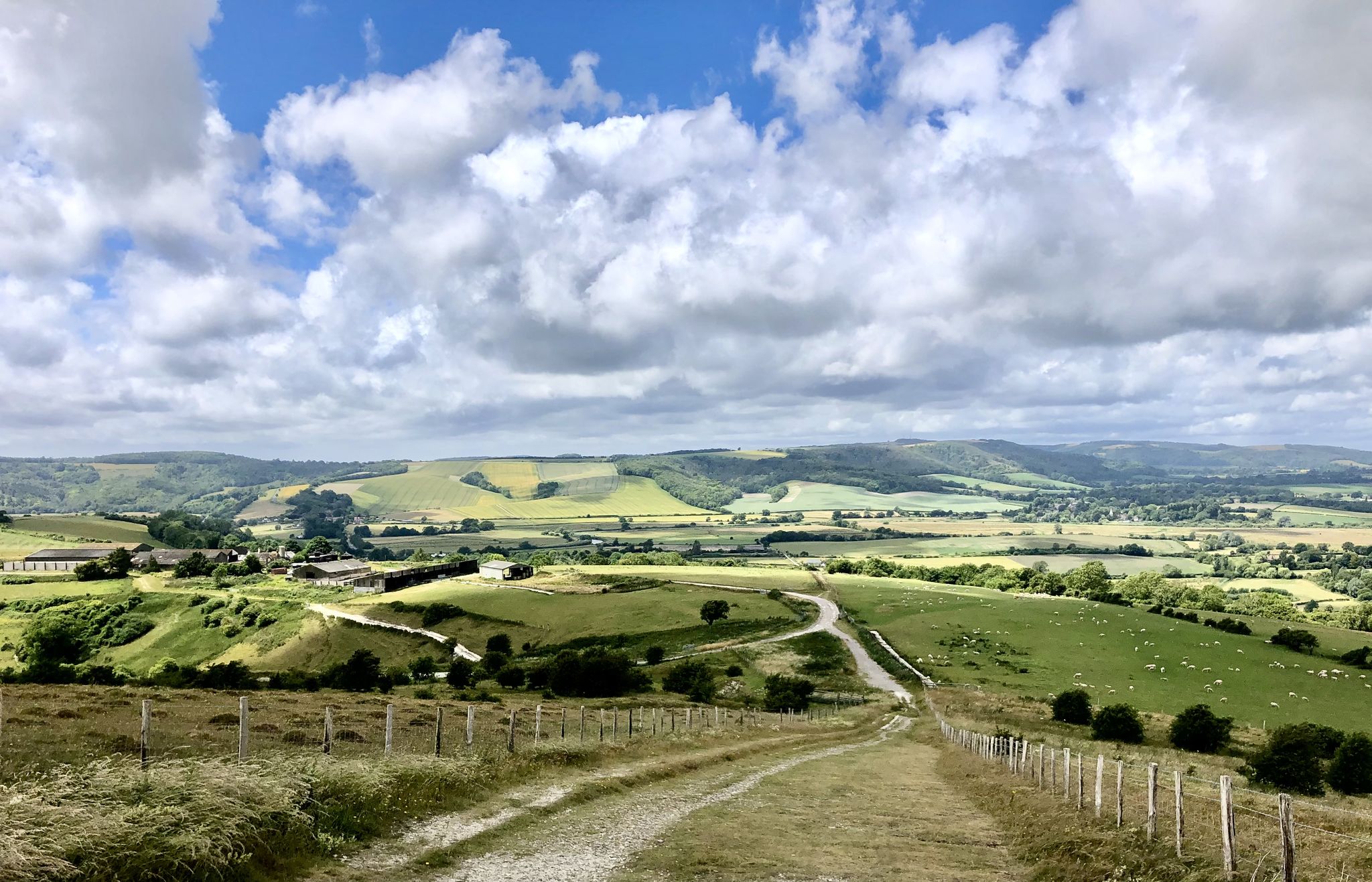
Bikepacking Brighton to Bristol — Ridges, canals and rail paths
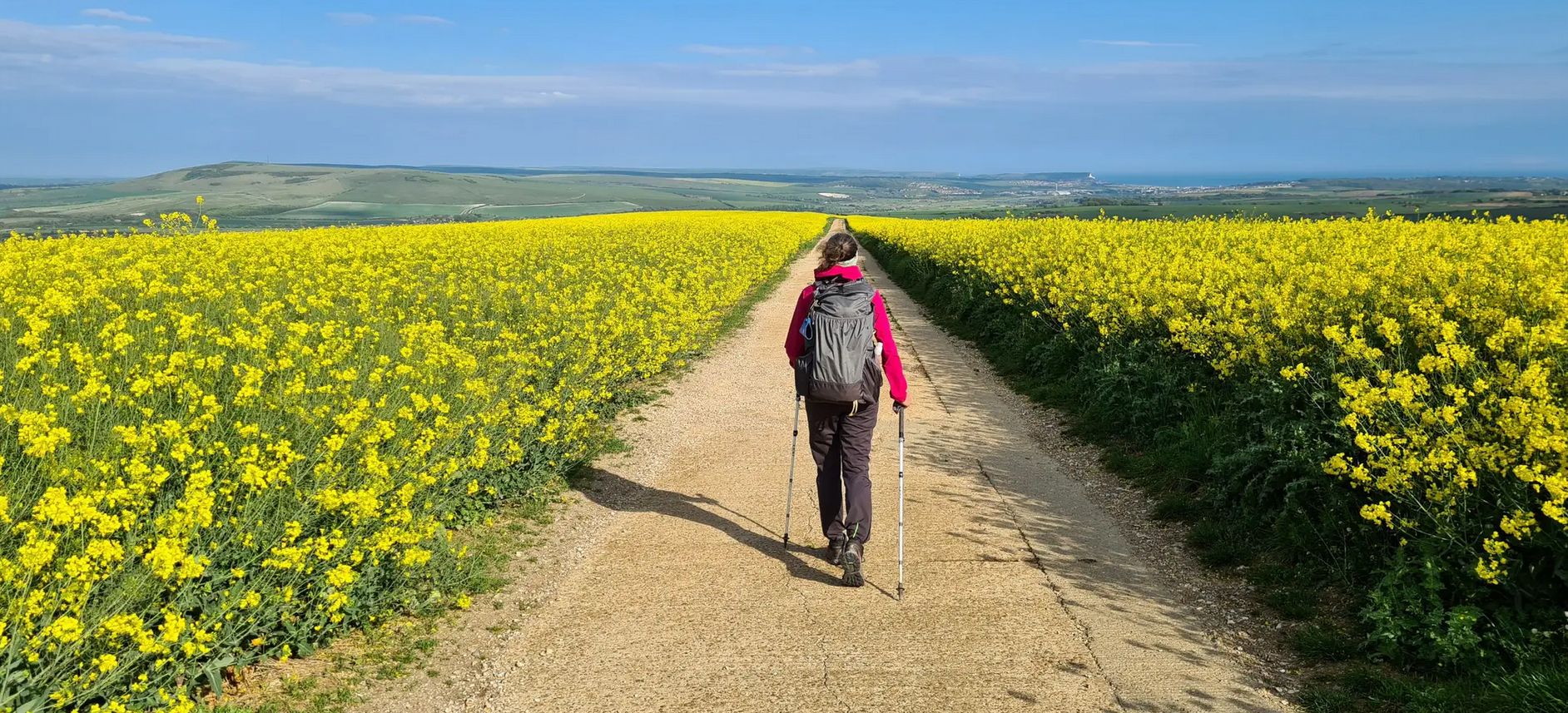
South Downs Way – A captivating hike across Southern England
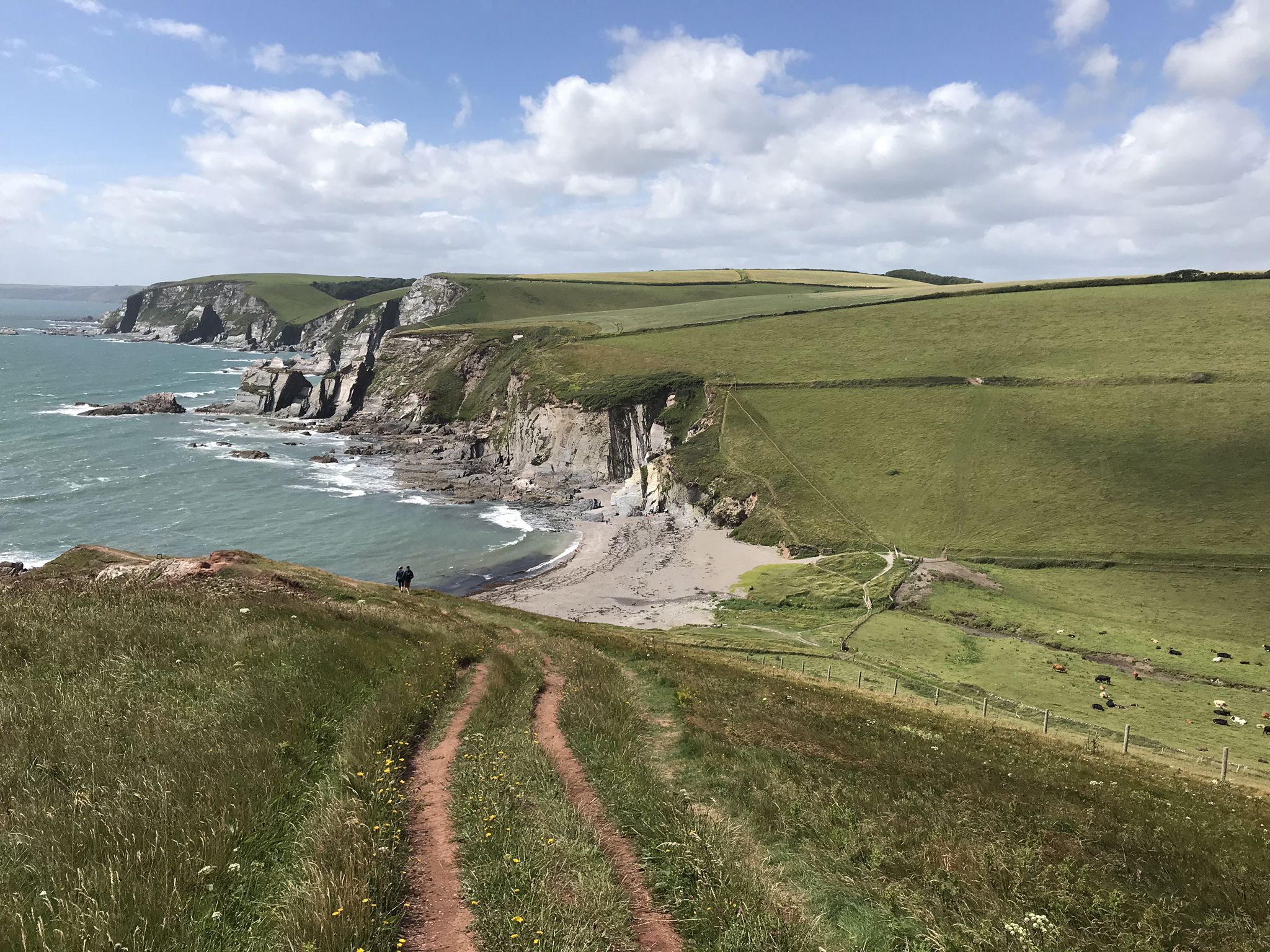
E9 Plymouth to Dover — An epic exploration of England's south coast
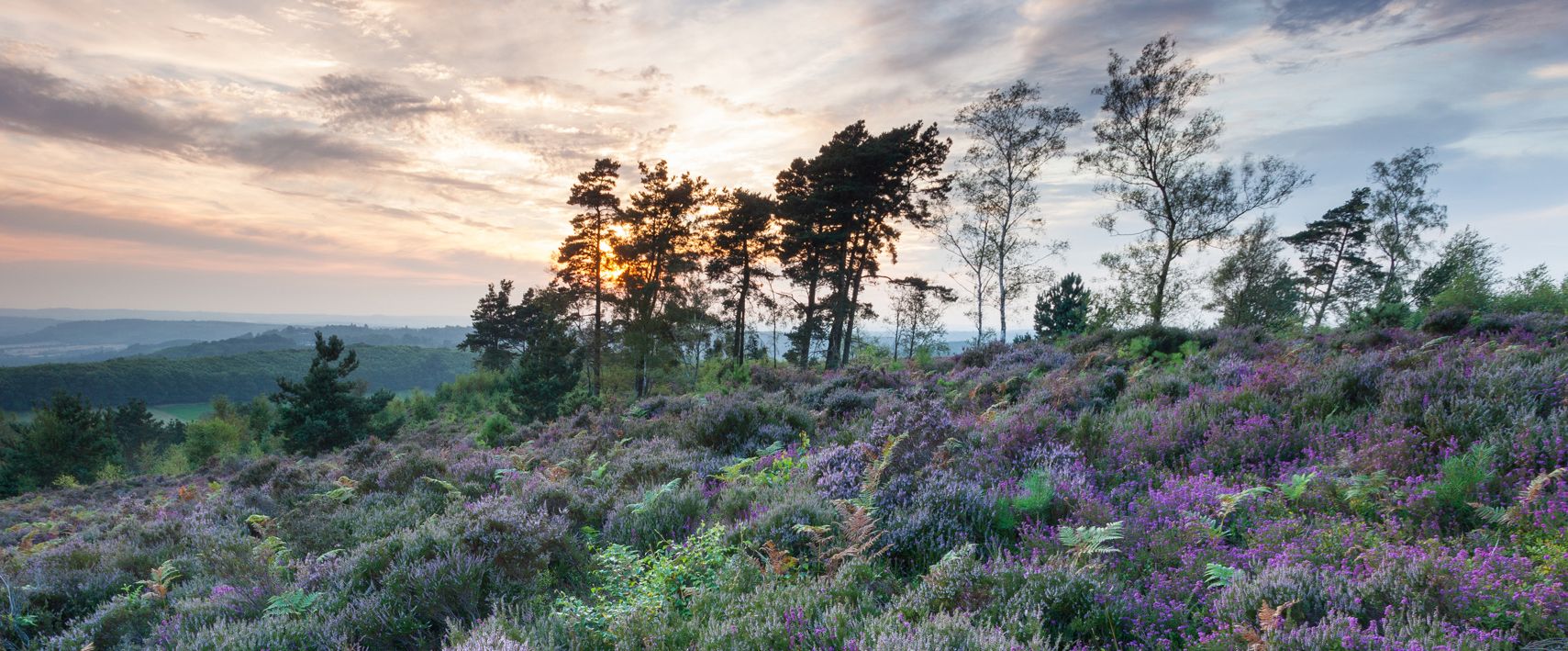
Hiking the Serpent Trail — Snake across Sussex's vibrant Greensand Hills
Other adventures in Hampshire


Tips from the Community

Wonderful views from this hill fort as far as the Isle of Wight.
0
0

Deep in Holm Hill, ancient hollies whisper of Old Meg, a trickster witch who brewed fortune-telling potions from prickly leaves and morning dew. She promised lost travelers their heart’s desire, but charged a steep toll: a secret given freely to the forest. Those who refused were turned into gnarled, twisted holly bushes, forced to guard the hilltop forever. To this day, the prickliest trees on Holm Hill are said to be listening.
0
0
St Catherine's Hill is a prominent chalk downland hill on the outskirts of Winchester, notable for its layered historical and ecological importance. Now a biological Site of Special Scientific Interest (SSSI) managed as a nature reserve, its summit is ringed by the impressive earthworks of a univallate Iron Age hillfort dating back over 2,000 years. The top is marked by a distinctive copse of beech trees, known as 'The Clump', which contains the scant ruins of the 12th-century St Catherine's Chapel, while the hillside features a turf-cut labyrinth known as the Miz-Maze; the entire site provides spectacular views over the city, the Itchen Valley, and supports a rich variety of wildflowers and butterflies, including the protected Chalkhill Blue.
1
0

The New Forest is called "new" because it was established in 1079 by William the Conqueror as the "New Royal Hunting Forest." At that time, farmers were granted the right to freely graze their horses, cattle, and even pigs. This right still applies today... they also roam freely in the villages, which is why all houses have either a gate or a cattle grid. The landscape is magnificent, and the hiking is wonderful.
0
0
The hillfort on the top of the hill has never been excavated, but the land and ditch are sharply defined and well preserved. This Iron Age fort is roughly rectangular and enclosed seven acres within an embankment and ditch. There are two probable entrances to the east and west. The work seems to have been undertaken by several different labour forces, each working on a section of the defences, but for some reason the task was abandoned and the fort left unfinished. Great to walk along the unfinished ramparts, it's windy and flipping huge!!!
0
0

This was on the last leg of the King Alfred’s Way for me and was one of the few descents in the whole trip i walked, dry conditions but on a loaded gravel - the descent was more treacherous than i was prepared to risk / but amazing views from the top and a fast through the fields ride from the bottom.
1
0

This is a beautiful Iron Age hill fort that is now a national nature reserve, and it is a great area to bring the family to enjoy the beautiful views from the top. It has come a long way from being a mortar testing range for the British Army back in WW2.
0
0
Frequently Asked Questions
What are the highest peaks in Hampshire?
Hampshire features several significant elevated points. According to some sources, Ashford Hill reaches 303 meters, making it one of the highest. Pilot Hill is recognized as the highest summit at 286 meters (938 ft) and is part of the North Wessex Downs AONB. Butser Hill, at 271 meters (889 ft), is the highest point on the South Downs.
Which mountain peaks in Hampshire offer the best views?
Many of Hampshire's peaks provide stunning vistas. Butser Hill offers breathtaking views over Hampshire and the English Channel. Old Winchester Hill Iron Age Fort provides incredible views over the surrounding countryside. From St Catherine's Hill, you can enjoy exceptional views of Winchester from its northern side. Pilot Hill also offers expansive views of the surrounding countryside.
Are there family-friendly mountain peaks to visit in Hampshire?
Yes, several peaks are suitable for families. Old Winchester Hill Iron Age Fort is listed as family-friendly and offers a chance to explore ancient history. St Catherine's Hill is accessible via steps or a more gradual path, making it suitable for various visitors. Burbush Hill is also noted as family-friendly.
What historical sites can I explore on Hampshire's peaks?
Hampshire's peaks are rich in history. Old Winchester Hill Iron Age Fort is a prominent example, featuring a bank and ditch, flint excavation dips, and Bronze Age tumuli. St Catherine's Hill also hosts an Iron Age hillfort. Ladle Hill Iron Age Hillfort is an unexcavated site and a Scheduled Monument. Additionally, Farley Mount Monument commemorates a horse with a unique local story.
Where can I find rare flora and fauna on Hampshire's hills?
For nature enthusiasts, Butser Hill is a National Nature Reserve with rare flora and fauna, particularly its chalk grassland. Beacon Hill (South Downs National Park) supports rare plant life and is a habitat for many butterfly species. Pilot Hill's upper slopes feature open calcareous grassland, and Ladle Hill is a Site of Special Scientific Interest for its rare calcareous grassland chalk downland habitat.
Are there specific hiking trails or routes near Hampshire's peaks?
Yes, there are numerous hiking opportunities. You can find various routes for Hiking in Hampshire, including moderate trails like Whitefield Moor loop and Brockenhurst Village. For easier options, explore Easy hikes in Hampshire, such as the Solent Way sections or The Lepe Loop. The Wayfarer's Walk also approaches Pilot Hill, offering a scenic hiking experience.
What are the difficulty levels of hiking trails on Hampshire's peaks?
Hiking trails around Hampshire's peaks range from easy to challenging. Many routes are considered 'intermediate,' such as those around Butser Hill, St Catherine's Hill, and Beacon Hill. Some sections, like parts of Old Winchester Hill, can be challenging, while others are easy, making them suitable for various fitness levels.
Is there parking available at Hampshire's mountain peaks?
Parking is generally available at popular peak locations. For instance, a tip for St Catherine's Hill suggests parking on Five Bridges Road for free easy access. For Old Winchester Hill Iron Age Fort, visitors are advised that the car park can fill up on good weather days, indicating parking facilities are present.
What is the best time of year to hike Hampshire's peaks?
The best time to hike Hampshire's peaks depends on your interests. Summer is particularly rewarding for wildlife observation, as it brings rare butterflies, insects, and a variety of birds to hills like St Catherine's Hill and Beacon Hill. Spring and autumn offer pleasant temperatures and vibrant landscapes, while winter can provide crisp views, though some paths might be muddy.
What do visitors appreciate most about Hampshire's mountain peaks?
Visitors highly value the stunning views, rich history, and diverse natural environments offered by Hampshire's peaks. Many enjoy the opportunity to explore ancient sites like Iron Age hillforts, experience rare chalk grassland habitats, and witness the abundance of wildlife. The sense of achievement from reaching summits and the peacefulness of the countryside are also frequently mentioned.
Can I find Iron Age hillforts among Hampshire's peaks?
Yes, Hampshire is well-known for its Iron Age hillforts. Notable examples include Old Winchester Hill Iron Age Fort, which is set amid beautiful South Downs landscapes. St Catherine's Hill also features an Iron Age hillfort, and Ladle Hill is home to an unexcavated Iron Age hillfort, offering a glimpse into ancient history.
Which peaks are part of the South Downs National Park?
Several prominent peaks in Hampshire are located within the South Downs National Park. These include Butser Hill, which is the highest point on the South Downs. Old Winchester Hill Iron Age Fort and Beacon Hill are also situated within this national park, offering protected landscapes and rich biodiversity.
Are there options for mountain biking near Hampshire's peaks?
Yes, there are mountain biking opportunities in Hampshire. You can explore various MTB Trails in Hampshire. Routes like the 'Old Winchester Hill & Forest of Bere loop from Wickham' offer moderate difficulty and allow you to experience the region's diverse terrain on two wheels. Other trails, such as the Brockenhurst loop, are also available.
Most popular routes in Hampshire
Most popular attractions in Hampshire

Get inspired with the komoot mobile app


Didn’t find what you were looking for?
Discover Hampshire’s best peaks and summits by region:
Explore more
See even more amazing summits in Hampshire with these guides:
