The best walks and hikes in Hampshire
4.5
(13375)
100,474
hikers
6,027
hikes
Hikes in Hampshire offer access to two National Parks, the New Forest and the South Downs. The region's landscape is a mix of ancient woodlands, open heathland, and a varied coastline. It also features the rolling chalk hills and river valleys characteristic of the South Downs, providing a diverse terrain for walkers.
Best hiking trails in Hampshire
- The most popular hiking route is Brockenhurst & Tall Trees Trail loop — New Forest National Park, a 8.7 mile (14.0 km)…
Last updated: October 10, 2026
4.8
(232)
668
hikers
13.2km
03:26
80m
80m
Moderate hike. Good fitness required. Mostly accessible paths. Sure-footedness required.
4.7
(198)
853
hikers
8.62km
02:11
20m
20m
Moderate hike. Good fitness required. Easily-accessible paths. Suitable for all skill levels.

4.7
(185)
770
hikers
7.31km
01:52
20m
20m
Easy hike. Great for any fitness level. Easily-accessible paths. Suitable for all skill levels.
4.6
(73)
931
hikers
7.02km
01:48
30m
30m
Easy hike. Great for any fitness level. Easily-accessible paths. Suitable for all skill levels.
4.6
(126)
515
hikers
9.86km
02:39
120m
120m
Moderate hike. Good fitness required. Mostly accessible paths. Sure-footedness required.
4.7
(114)
551
hikers
14.0km
03:38
80m
80m
Moderate hike. Good fitness required. Mostly accessible paths. Sure-footedness required.
4.5
(87)
466
hikers
9.25km
02:22
30m
30m
Moderate hike. Good fitness required. Easily-accessible paths. Suitable for all skill levels.
4.5
(80)
367
hikers
16.4km
04:17
120m
120m
Moderate hike. Good fitness required. Mostly accessible paths. Sure-footedness required.
4.9
(61)
507
hikers
Moderate hike. Great for any fitness level. Mostly accessible paths. Sure-footedness required.
4.8
(27)
566
hikers
7.60km
01:55
10m
10m
Easy hike. Great for any fitness level. Easily-accessible paths. Suitable for all skill levels.
Get access to more routes and recommendations from other explorers.
Already have an account?
Our route recommendations are based on thousands of hikes, rides, and runs completed by other people on komoot.
Start today with a free account
Your next adventure awaits.
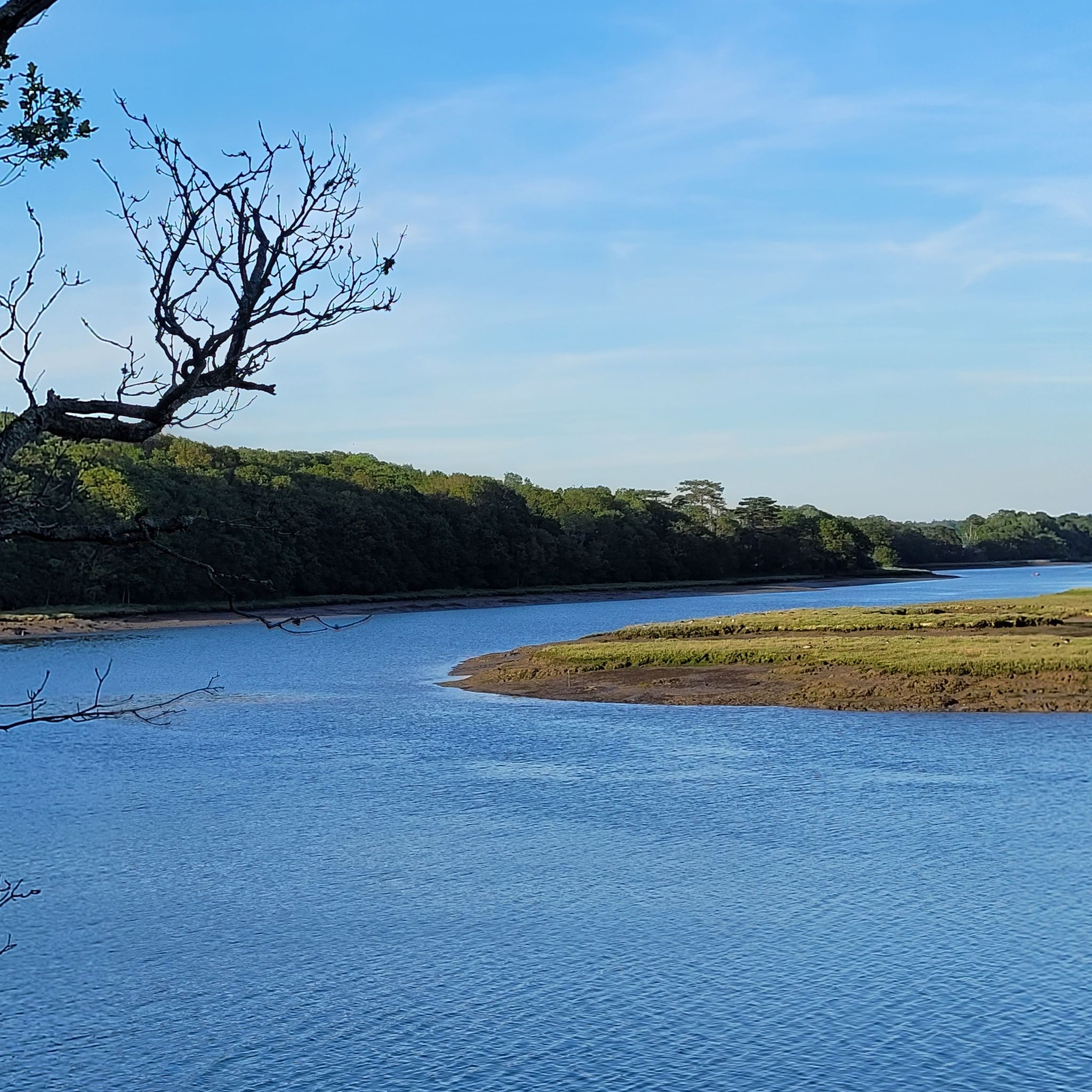
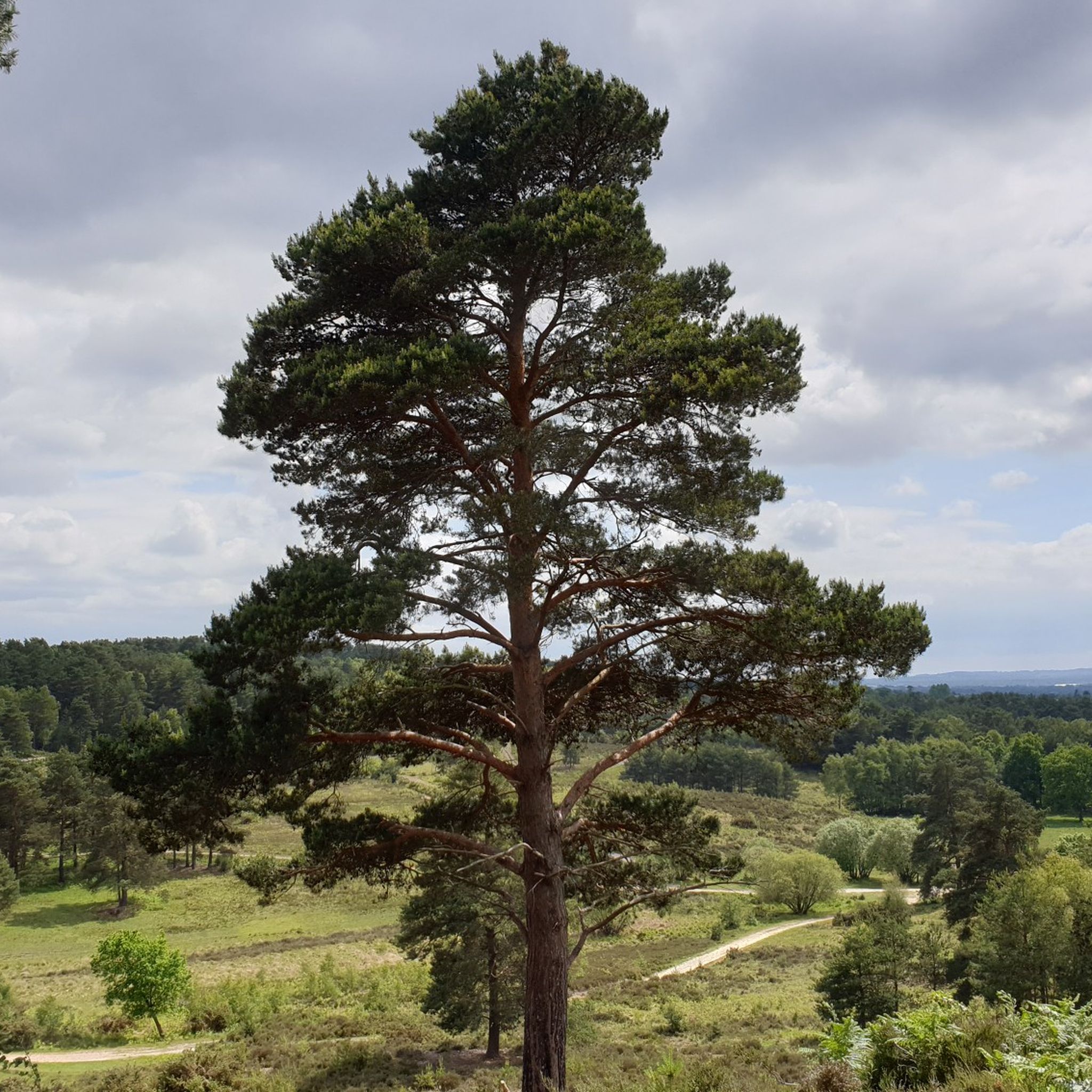
Other adventures in Hampshire


Tips from the Community

No more pond or water of any kind, dried up, this is so sad
0
0

Well-preserved fortress, it is impressive.
3
0

Enjoy a fabulous lunch and the time capsule experience that is Buckler's Hard!
0
0
Tough surface to run on, loose shingle is only compacted in some places.
0
0

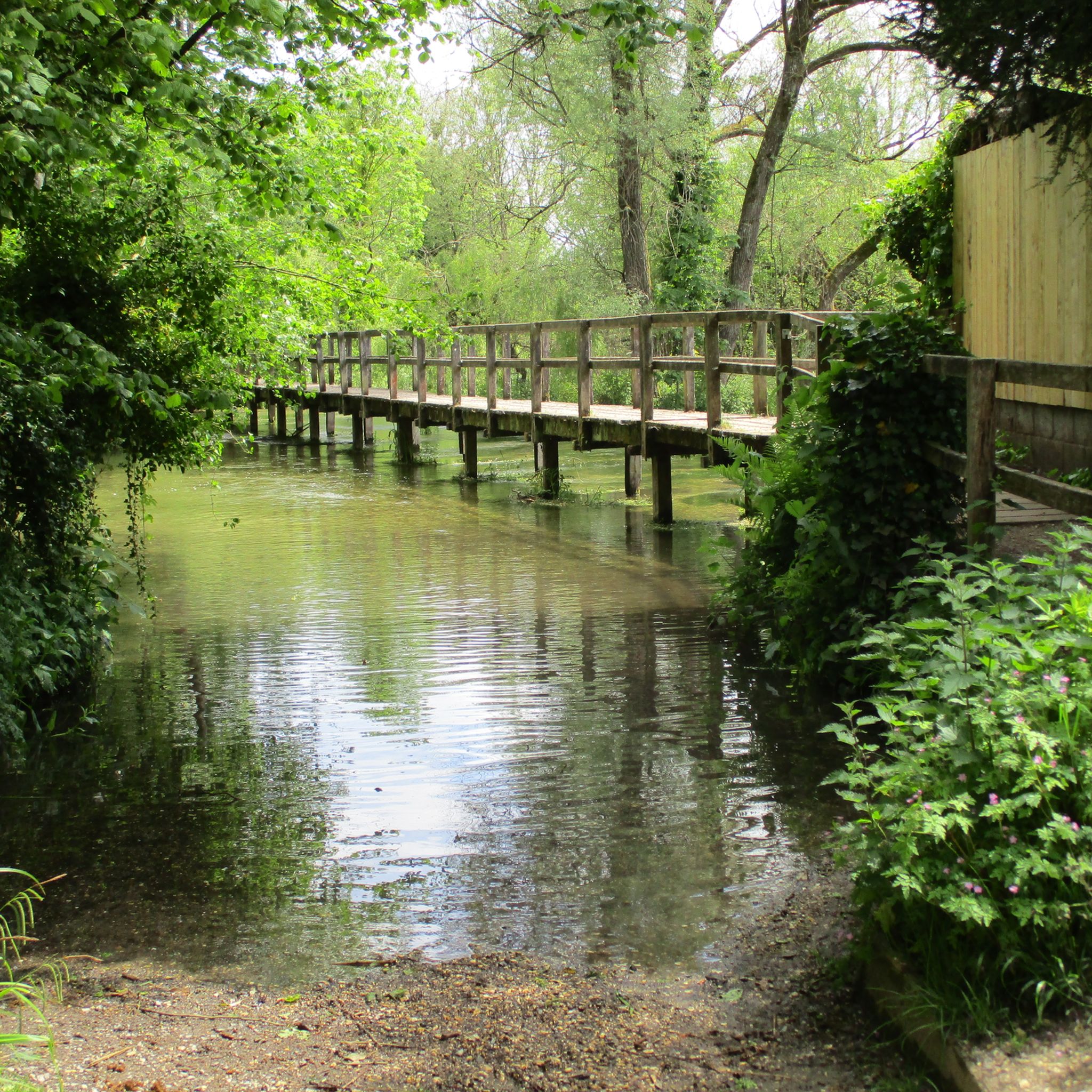
The Faladoon Nature Reserve is a peaceful, lesser-known area, historically associated with Winchester College, that lies alongside the internationally important River Itchen chalk stream. Located near Winchester, this reserve forms a green corridor that offers tranquil walks, including a loop that connects to the historic Hockley Railway Viaduct. The area is significant for its diverse flora and fauna typical of a managed chalk-river flood plain, providing habitat for various bird species like kingfishers and woodpeckers, and serving as a key spot for local wildlife enthusiasts and conservation groups like the Conchological Society due to the presence of rare mollusc species.
0
0
Stop and find a place to to take a good pic of the Church along this section. The Hospital of St Cross and Almshouse of Noble Poverty in Winchester is one of England's oldest continuing charitable institutions, founded around 1132 by Bishop Henry of Blois to provide relief for thirteen poor men and food for many others, a mission later expanded by Cardinal Henry Beaufort. Renowned for its beautiful medieval and Norman architecture, including a magnificent church described as a "cathedral in miniature," it functions today as an almshouse providing accommodation for around 25 elderly men, known as the Brothers, who wear traditional black or claret gowns. Visitors often seek the traditional Wayfarer's Dole, a small cup of beer and a piece of bread offered to any traveller upon request, continuing an ancient tradition of hospitality.
1
0
Wolvesey Castle (also known as the Old Bishop's Palace) was the medieval residence of the extremely wealthy and powerful Bishops of Winchester.
0
0
Features: The medieval complex included two great halls (East and West), a huge kitchen block, a keep, and one of the earliest known piped water supply systems in medieval Britain. Royal Connections: Due to the decline of Winchester Castle, Wolvesey became the favoured lodging for royalty visiting the city. The most famous event was the wedding banquet of Queen Mary I and Philip II of Spain in 1554, which took place in the East Hall before their marriage ceremony in Winchester Cathedral. Destruction: Wolvesey Castle was significantly damaged and largely stripped of its fortifications by the Parliamentarians (Roundheads) in 1646 during the English Civil War. Replacement Palace: The medieval palace was eventually abandoned in the 17th century. The site's fortunes changed with the Restoration of the Monarchy: Bishop George Morley (1662–1684) commissioned the construction of a new, smaller Baroque palace right next to the ruins. This palace was later partially demolished but its surviving West Wing remains the current private residence of the Bishop of Winchester today.
0
0
More Information
Amongst the ancient beauty of the New Forest
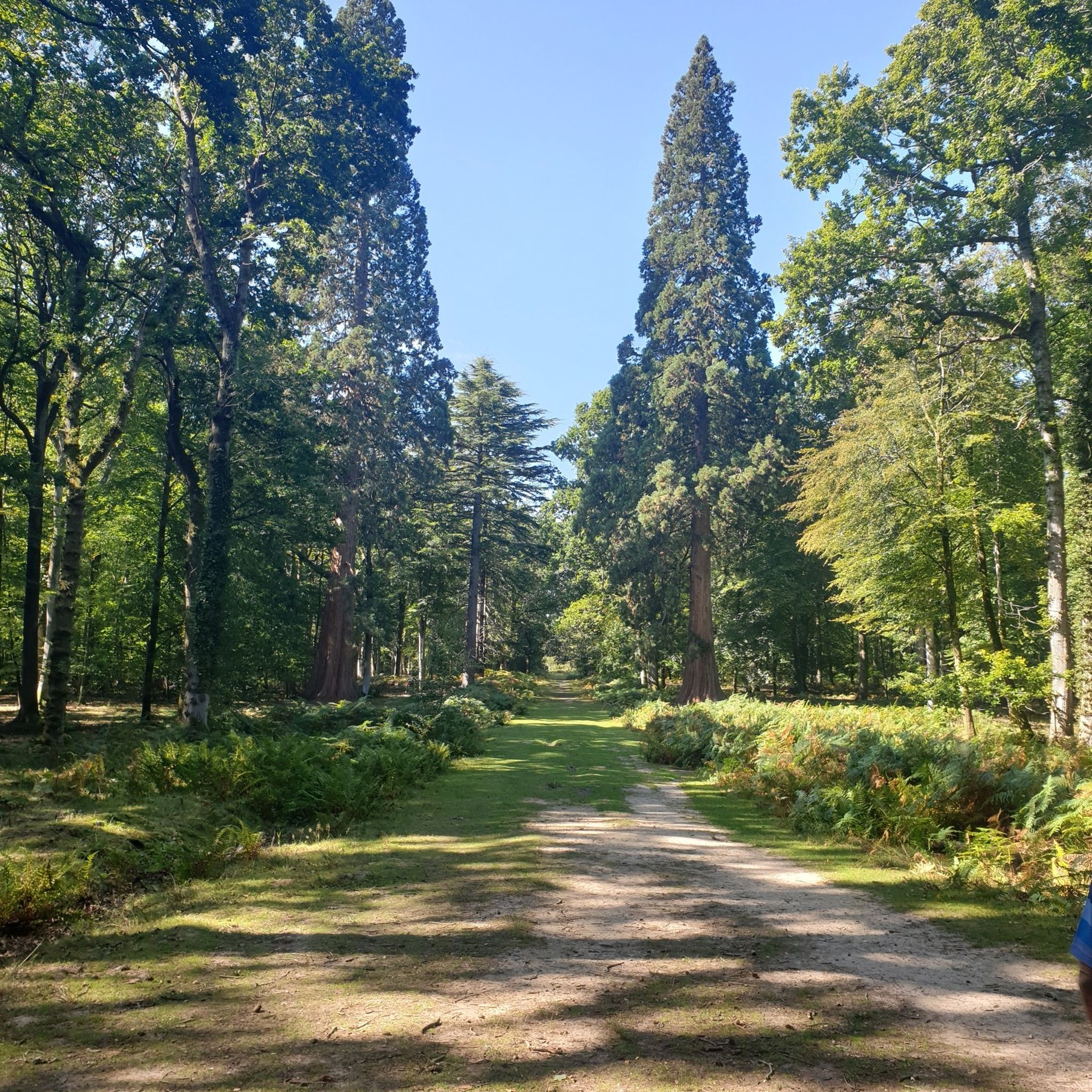
Undoubtedly some of the best hiking trails in Hampshire follow trails through the mighty oaks, beeches and yews of the New Forest. The national park has over 1,000 ancient trees, believed to be the highest concentration in Western Europe. Explore the arboretums and marvel at some of the highest trees in the country and the vibrant wildlife that inhabits the forest.
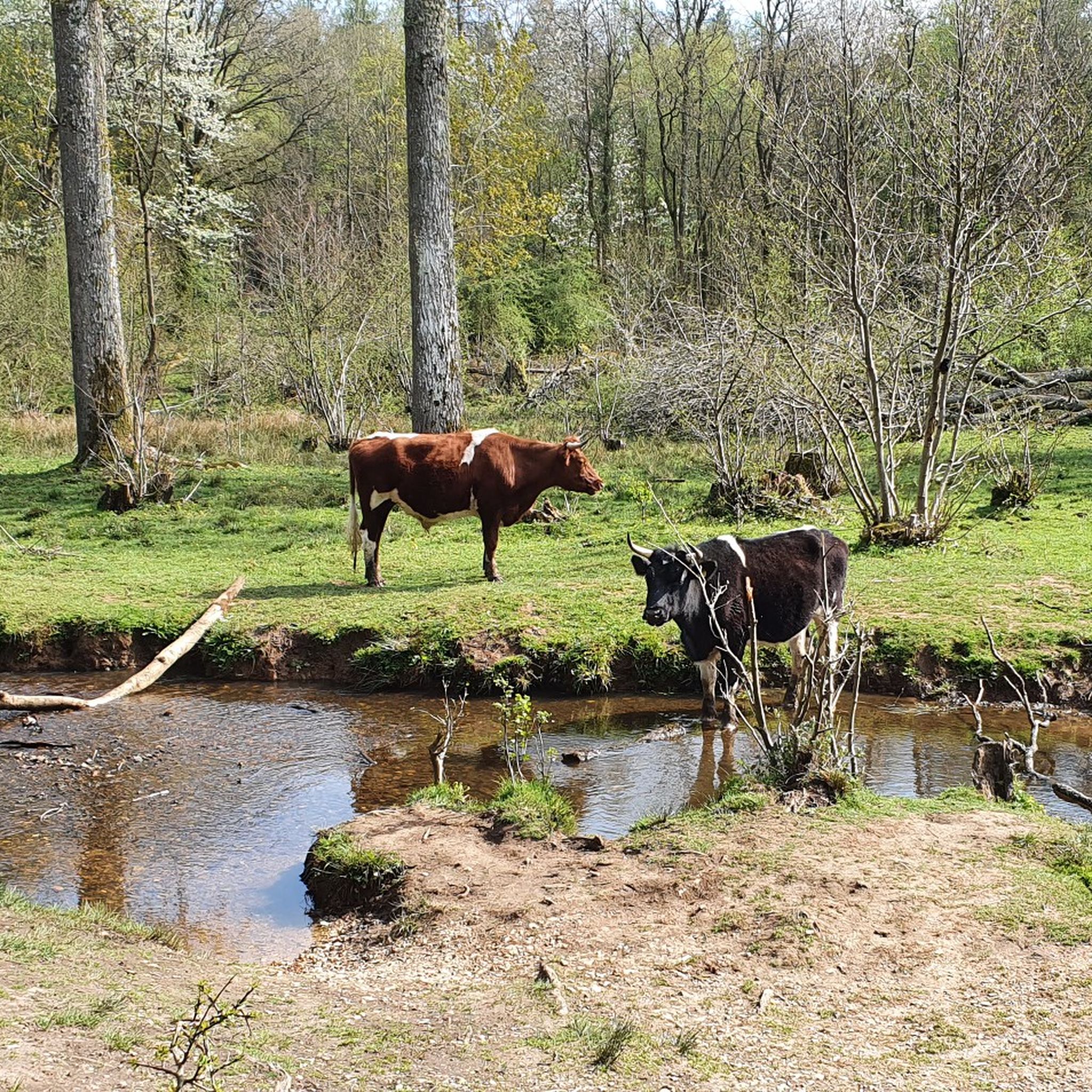
The national park also boasts the most expansive area of open heathland remaining in Europe. It is the free roaming cattle and ponies that steal the show here, as you hike alongside them under big open skies. The gorse, bracken, heather and purple moor grass of the heathland are home to a unique array of wildlife, including all three of the UK’s native species of snake and unusual varieties of insect, such as the large marsh grasshopper.
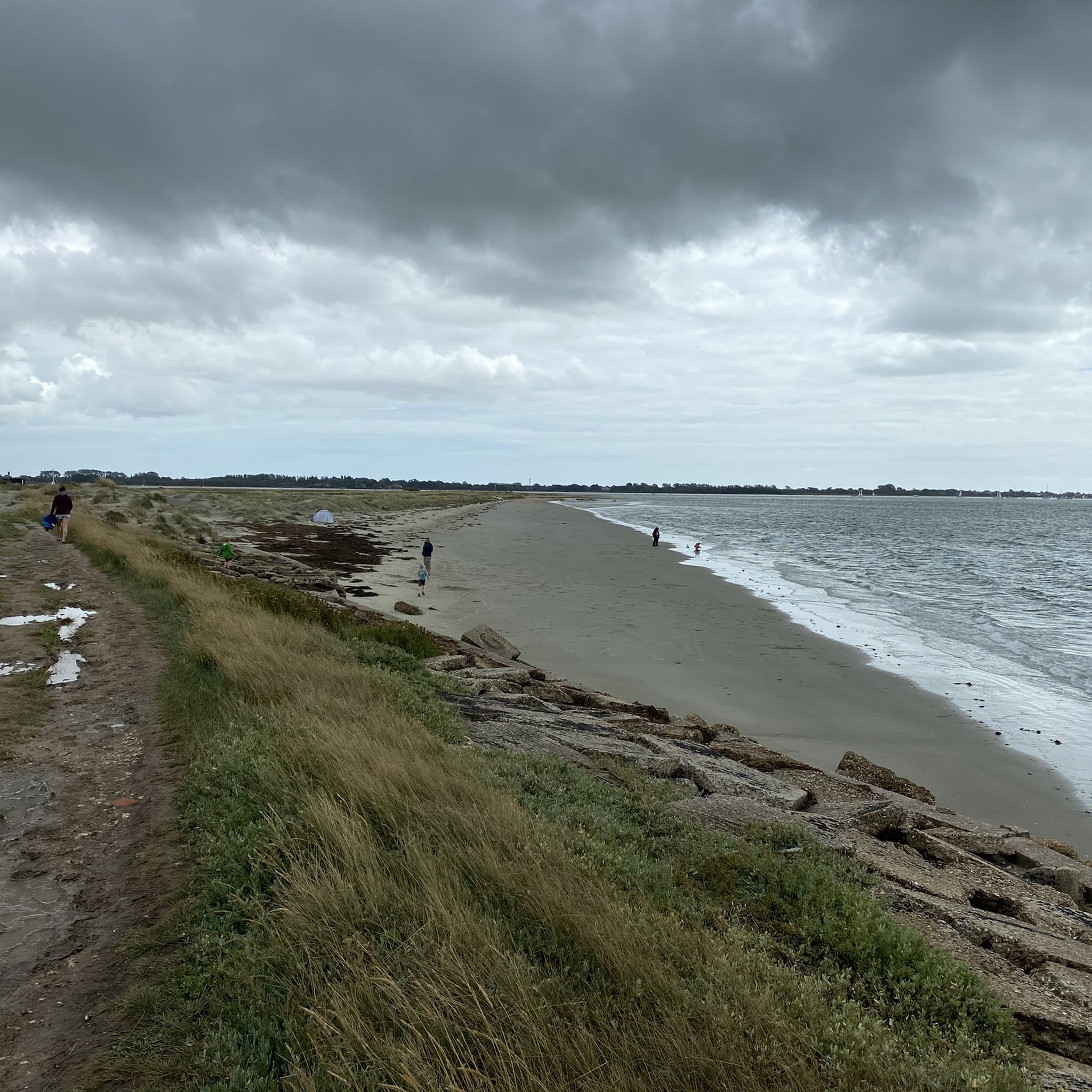
There is also a secret coast that is well worth exploring. Beautiful views of the Solent and the Isle of Wight await, as you wander along the shingle beaches, mudflats and salt marsh. Expect dazzling displays from the migratory birds here, too.
Exploring the South Downs
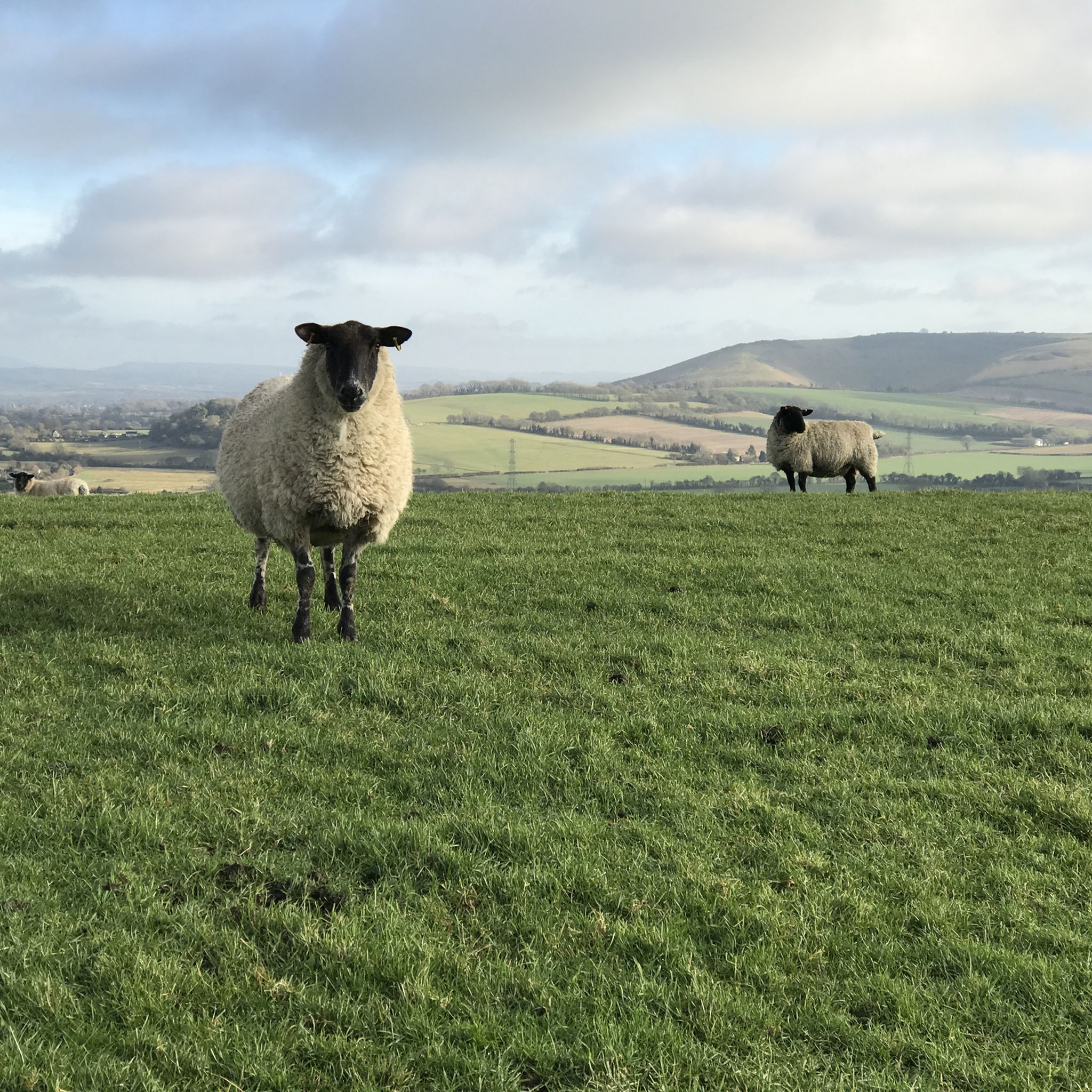
The South Downs also offers equally spectacular hikes in Hampshire. You can begin the epic journey of the South Downs way here. Starting in Winchester, the trail travels 100 miles (160 km) over the spine of these grassy hills to Eastbourne on the south east coast.
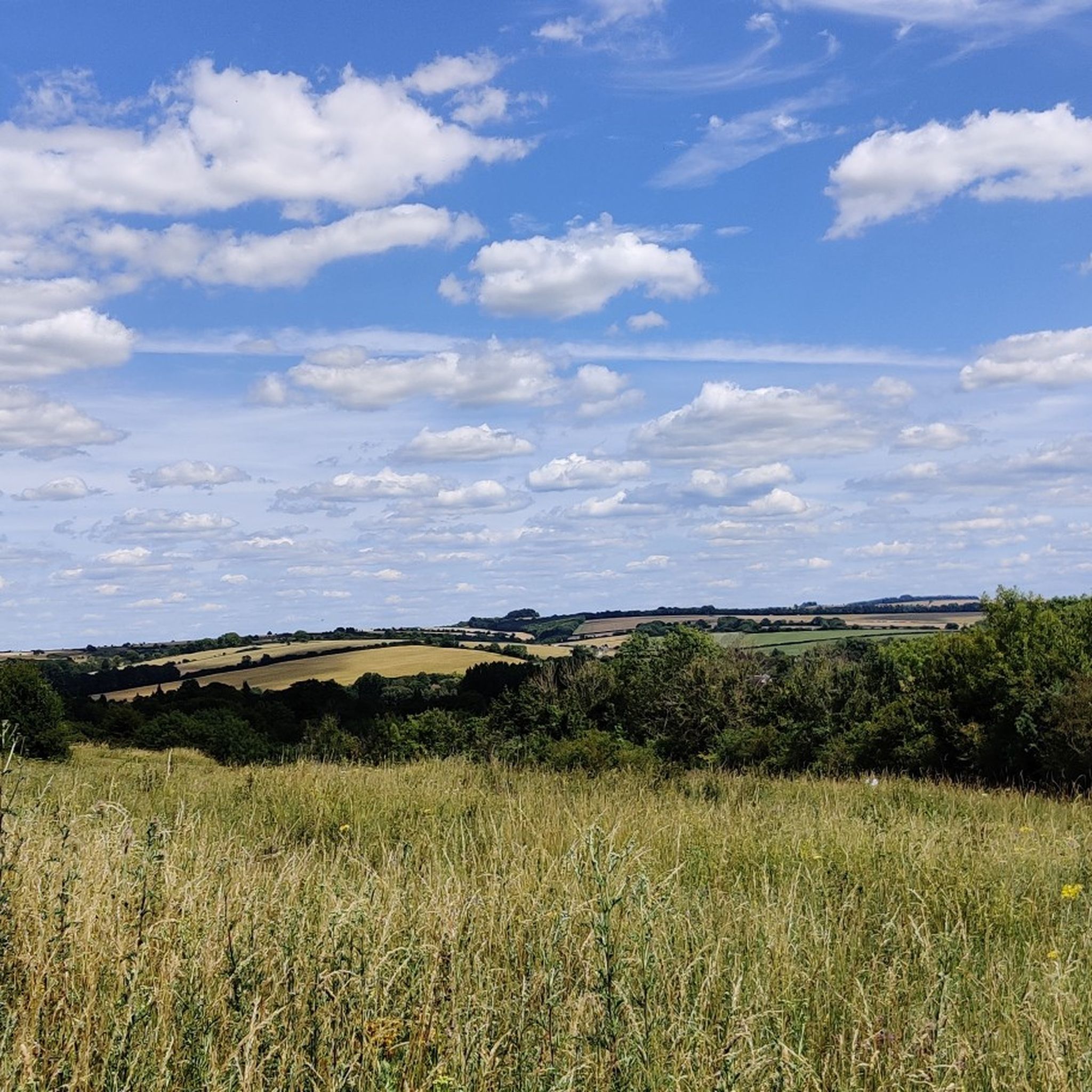
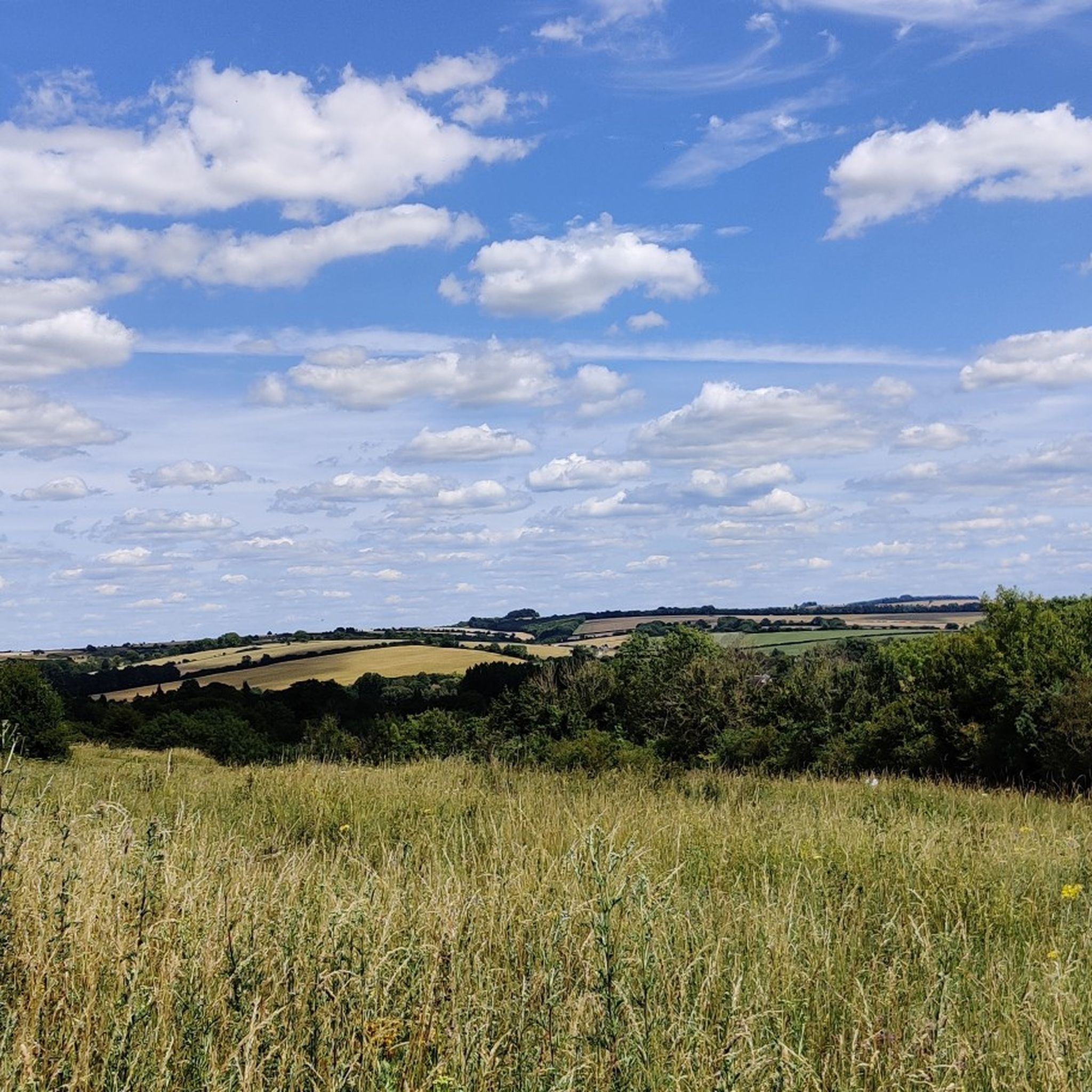
The Hampshire end of the national park is characterised by the deep river valleys of the Itchen and Meon rivers, which create lush wet woodland and water meadows teeming with life. Butser Hill, at 889 feet (271 m), is the highest point on the chalk escarpment of the Downs. It offers fantastic views to Portsmouth and the Isle of Wight from its distinctively flat summit. There are endless options for hiking here, with hundreds of miles of paths and bridleways, some following the trails originally carved out by old railway lines.
Following Jane Austen’s footsteps
Walks in Hampshire also follow the trail of one of our greatest ever writers. In the north of the Downs, the countryside around Chawton is Jane Austen territory. The world-famous author wandered this land, finding inspiration for some of the finest literary works of the 19th century. There are a number of trails in the region that allow you to follow in her footsteps and explore this classic scenery.Frequently Asked Questions
Are there many easy, family-friendly hikes in Hampshire?
Yes, Hampshire has thousands of easy trails perfect for families. The New Forest, in particular, offers many flat and accessible paths. For a shorter, engaging walk, consider the Bolderwood Trails: Radnor Trail, which is under 3 km and offers a great chance to see ancient woodlands.
Can I take my dog on hikes in Hampshire?
Dogs are widely welcomed on trails throughout Hampshire. However, both the New Forest and South Downs are home to free-roaming livestock and sensitive wildlife. It is essential to keep your dog under close control, especially during ground-nesting bird season (March to July), and always follow local signage.
Are there many circular walks available?
Absolutely. Many of the most popular routes in Hampshire are circular, allowing you to start and finish in the same place without retracing your steps. The New Forest is particularly well-suited for loops, such as the Whitefield Moor loop, which offers a substantial walk through classic heath and woodland scenery.
What are some good walks that have a pub nearby?
Many trails start or end in charming villages with excellent pubs. The walk around Brockenhurst Village is a great option, as the village itself has several highly-regarded pubs and tea rooms perfect for a post-hike refreshment.
Is it easy to find parking for hikes in Hampshire?
Most popular trailheads and country parks, like Queen Elizabeth Country Park and those in the New Forest, have dedicated car parks. Some may require payment, while smaller, more rural spots might offer free roadside parking. It's always best to arrive early on weekends as popular locations can fill up quickly.
Can I get to the trailheads using public transport?
Yes, several key hiking areas are accessible by public transport. Cities like Winchester are excellent starting points for South Downs walks, such as the River Itchen loop. Similarly, Brockenhurst has a mainline train station providing direct access to New Forest trails.
What is the hiking terrain like in Hampshire?
Hampshire offers incredibly diverse terrain. The New Forest is characterized by relatively flat heathland and ancient woodlands. In contrast, the South Downs National Park features rolling chalk hills, open downland, and steeper river valleys, providing more opportunities for elevation gain and expansive views.
Are there any good coastal walks?
Hampshire has a beautiful and varied coastline. The Solent Way long-distance path runs along much of it. For a classic seaside walk with shingle beaches and views of the Isle of Wight, the Keyhaven to Hurst Spit route is a fantastic choice.
What do other hikers think of the trails in Hampshire?
The region is highly rated by the komoot community, with an average score of 4.5 stars from over 10,000 reviews. Hikers often praise the unique combination of ancient forest in the New Forest and the sweeping views from the chalk hills of the South Downs.
Are there any long-distance trails that pass through Hampshire?
Yes, Hampshire is crossed by several renowned long-distance paths. The most famous is the South Downs Way, which begins in Winchester. Others include the Wayfarer's Walk, the Test Way, and the Itchen Way, all of which showcase the county's diverse landscapes from chalk downs to river valleys.
What are some popular places to hike in Hampshire?
There are several highly-regarded areas for hiking. Key hubs include:
South Downs National Park: A vast area known for its rolling chalk hills and stunning views. Old Winchester Hill is a particularly popular spot within the park for its mix of nature and history.
Meon Valley Trail: A favorite for walkers and cyclists, this flat 10-mile trail follows a disused railway line, making it very accessible.
Queen Elizabeth Country Park: Offers a wide variety of marked trails through woodland, a visitor centre, and cafe facilities.
Are there any walks with historical interest?
Yes, many walks are steeped in history. The walk from Beaulieu to Bucklers Hard follows the Beaulieu River to a historic shipbuilding village. Elsewhere, you can find Iron Age hill forts, such as at Old Winchester Hill, and trails that follow in the footsteps of author Jane Austen near Chawton.
Most popular routes in Hampshire
Most popular attractions in Hampshire

Get inspired with the komoot mobile app


Didn’t find what you were looking for?
Check out more Hikes throughout Hampshire below and find the perfect route in your destination.
Explore more
Browse the best Hikes in other regions.
