Attractions and Places To See in Great Plain and North - Top 20
Attractions and places to see in Great Plain and North encompass a diverse landscape of natural features, historical sites, and cultural landmarks. This region of Hungary is characterized by its expansive plains, significant river systems like the Tisza, and notable mountain ranges such as the Bükk. It serves as a hub for both natural exploration and cultural discovery, offering a range of experiences from ancient caves to historic towns.
Best attractions and places to see in Great Plain and North
…Last updated: October 9, 2026
Szalajka Valley: Crystal-clear Stream and Waterfalls
Highlight • River
Translated by Google •
Tip by

Istállós-kő Cave
Highlight • Cave
Translated by Google •
Tip by
Sign up now to discover places like this
Get recommendations on the best single tracks, peaks, & plenty of other exciting outdoor places.
Megyer Hill Tarn
Highlight • Lake
Translated by Google •
Tip by

Eger Castle
Highlight • Castle
Translated by Google •
Tip by

St. Anthony of Padua Church (Minorite Church)
Highlight • Religious Site
Translated by Google •
Tip by

Tokaj Town Square
Highlight • Settlement
Translated by Google •
Tip by
Ornamented Cifra Palace 🏛️ Cifra Palota, Kecskemét
Highlight • Monument
Translated by Google •
Tip by

Harta — Danube Riverside Beach and Campsite
Highlight • Beach
Translated by Google •
Tip by

World War I Memorial Archway (Szeged)
Highlight • Monument
Tip by

New Synagogue Szeged
Highlight • Religious Site
Translated by Google •
Tip by

Sign up for free to discover even more attractions in Great Plain and North.
Already have an account?
Start today with a free account
Your next adventure awaits.
Tips from the Community

Extensive archaeological work since 2000 has confirmed that people lived in the Szalajka Valley as early as 40,000 years ago. The cave dwellers lived in the Istállós cave and even had contact with other tribes from the valley, some of which lived 500 kilometers away. People also lived in the idyllic valley during the Bronze Age, as evidenced by Celtic relics and an early earthwork. Nevertheless, there were no major settlements within the valley until the Middle Ages, as trade routes were difficult to establish in the heavily forested area. Continuous settlement in the Szalajka Valley began in the 14th century, when people settled in the village of Wárad, now known as Szilvásvárad. The high-quality timber served as a source of urban income even in the Middle Ages, leading to increasing numbers of settlements. Source: https://www.urlaub-ungarn.at/sightseeing/natuerliche-gehenswuerdigkeiten-ungarn/szalajka-tal.html
0
0
Extensive archaeological work since 2000 has confirmed that people lived in the Szalajka Valley as early as 40,000 years ago. The cave dwellers lived in the Istállós cave and even had contact with other tribes from the valley, some of which lived 500 kilometers away. People also lived in the idyllic valley during the Bronze Age, as evidenced by Celtic relics and an early earthwork. Nevertheless, there were no major settlements within the valley until the Middle Ages, as trade routes were difficult to establish in the heavily forested area. Permanent settlement in the Szalajka Valley began in the 14th century, when people settled in the village of Wárad, now known as Szilvásvárad. The high-quality timber served as a source of urban income even in the Middle Ages, attracting increasing numbers of people to settle there. Later, potash was also extracted from the valley, which ultimately gave the area its current name. Potash means "sal alcali" in Latin, and these words have been incorporated into the Hungarian language. Until the 20th century, the valley was only known regionally. With the construction of the Szilvásvárad narrow-gauge railway, the first tourists arrived to travel to the valley by train. Since the 21st century, however, the Szalajka Valley has become a purely tourist destination, with forestry operations remaining minimal. Source: https://www.urlaub-ungarn.at/sightseeing/natuerliche-sehenswuerdigkeiten-ungarn/szalajka-tal.html
0
0

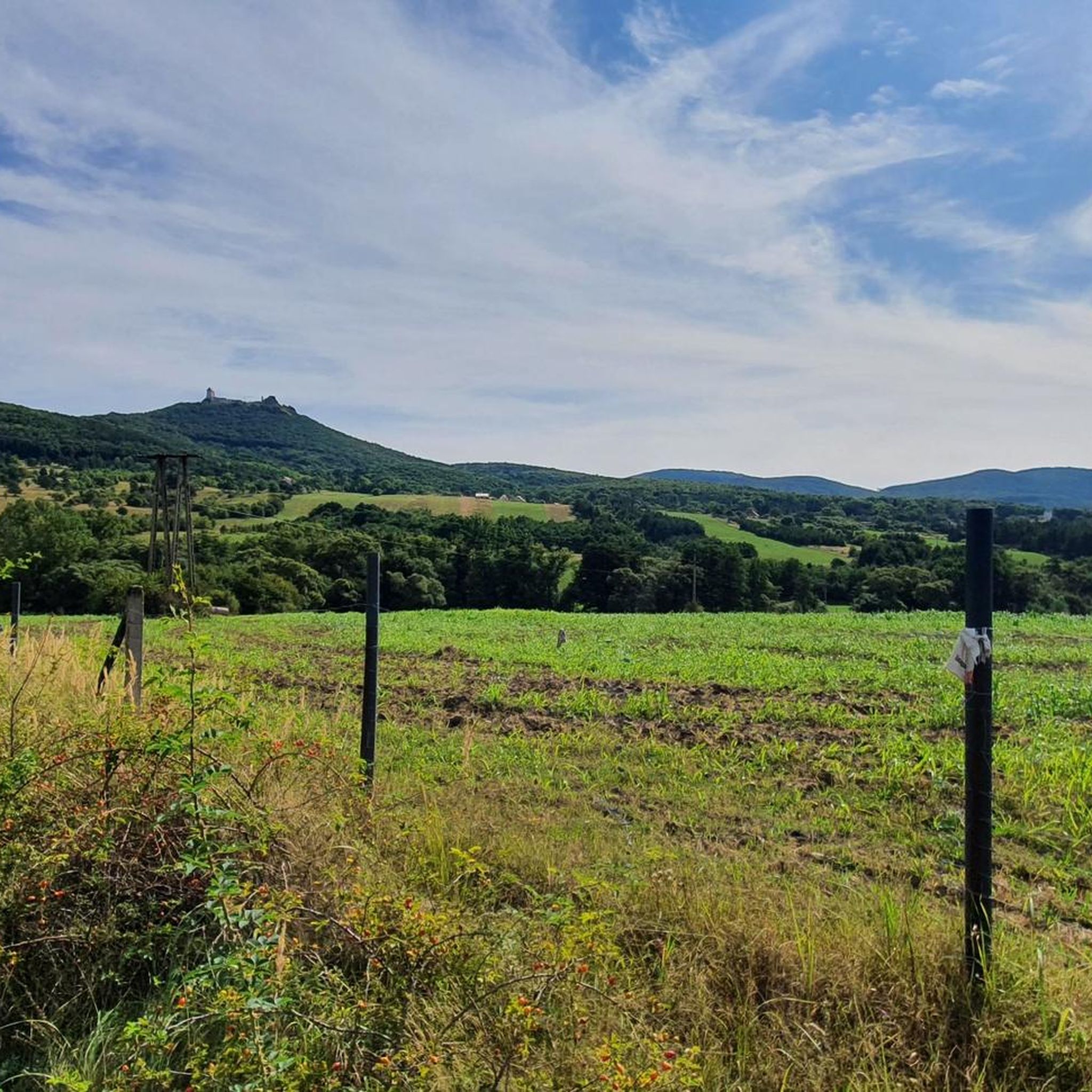
I have shared several pictures, although some of them were only taken in or from the castle. The road and places leading there also belong to the castle, so I have uploaded some of them. The castle can be reached from Dobó Square, across the bridge, going straight up the street lined with shops, wine bars and restaurants. The rest speaks for itself.
0
0
This church is located in Eger on Dobó Square. It is the most famous place in Eger. It is actually the center of the city. The center of life in Eger. We can easily get here by typing it into the GPS. This is just a terminal station in the urban montage of Eger where you can take good photos and eat well, but in reality it is the real experience that cycling in Eger means and provides. I am thinking of urban MTB in these lines. It is amazing how suitable the city is for this kind of sport. This is the best way to get to know the city's every nook and cranny. All this while keeping the essence of history alive.
0
0

Many places and monuments that you come across along the way are a testimony to the horror of war and tyranny that is still significant and relevant today. They all have two essential functions, and this is the case for every generation: -1- To commemorate and remember the victims -2- To remind us of the need to keep the peace
1
0
“Looking back at the 20th century, we can say: The first half was characterized by the human catastrophes of the two world wars and by the night of fascism, which originated in Germany, swept across almost all of Europe, and found its terrible climax in the Holocaust,” said the long-serving Federal Foreign Minister Hans-Dietrich Genscher (1927 to 2016) in a speech in Zurich on September 20, 2006. Each of the extremely numerous war memorials / fallen soldiers' memorials has – in addition to the task of commemorating the victims of war and tyranny – the important function of a constant reminder to preserve peace.
0
0
The Jewish communities, whose synagogues were largely destroyed during the Nazi regime and which were often wiped out by the Shoah (Holocaust), were honored in May 2024 - especially in these difficult times for them with a rapidly growing, openly expressed anti-Semitism - by awarding the "International Charlemagne Prize of Aachen" to Chief Rabbi Pinchas Goldschmidt and the Jewish communities in Europe. "With this award, the Charlemagne Prize Board wants to send a signal that Jewish life is a natural part of Europe and that there must be no place for anti-Semitism in Europe. Jewish life is an important part of European history and present - now and in the future. (...) Together with the President of the Conference of European Rabbis, Chief Rabbi Pinchas Goldschmidt, and the Jewish communities in Europe, the Board of Directors ... in 2024 honors the outstanding representative of European Jewry and Jewish life in Europe, which has enriched our continent for centuries and will and must always have its place here."
0
0
Even before his election as the head of the Catholic Church, the then Archbishop of Buenos Aires had met several times with Rabbi Abraham Skorka for a joint book project. On the subject of the Holocaust, Jorge Bergoglio (later Pope Francis) said: "The Shoah is a genocide like the others of the 20th century, but with one particularity. I don't want to say that it is the most important and the others are secondary, but there is one particularity, an idolatrous construction against the Jewish people. The pure race, the superman, these are idols on the basis of which National Socialism developed (...) And every Jew killed was a slap in the face for the living God in the name of the idols." (Source: "About Heaven and Earth, Jorge Bergoglio in conversation with Rabbi Abraham Skorka", Goldmann-Verlag, Munich 2014)
0
0
Frequently Asked Questions
What natural attractions can I explore in the Great Plain and North region?
The region is rich in natural beauty. You can visit the unique Megyer Hill Tarn, a lake formed in an abandoned millstone mine, offering a via Ferrata. Another highlight is Szalajka Valley: Crystal-clear Stream and Waterfalls, known for its pristine waters and ancient history. Don't miss the Istállós-kő Cave, one of Hungary's most protected prehistoric caves, or the unique Egerszalók Thermal Springs with their white limestone terraces.
Are there historical sites to visit in the Great Plain and North?
Absolutely. The region is steeped in history. A prominent site is Eger Castle, a historic fortress offering great views of the city. You can also explore the St. Anthony of Padua Church (Minorite Church) in Eger, or the monumental New Synagogue Szeged, known for its Moorish-Art Nouveau architecture. The World Heritage site of Hollókő village also offers panoramic views from its castle.
What are some family-friendly attractions in the Great Plain and North?
Many attractions cater to families. Szalajka Valley: Crystal-clear Stream and Waterfalls is a wonderful place for a family outing. Eger Castle is also considered family-friendly, offering historical exploration. For a relaxing day, consider Harta — Danube Riverside Beach and Campsite, which provides facilities for a pleasant time by the river.
Where can I experience the region's cultural heritage?
The Great Plain and North offers rich cultural experiences. Visit Tokaj Town Square, the heart of the famous Tokaj wine region, where you can explore many wine cellars. The Ornamented Cifra Palace in Kecskemét showcases unique 'Romantic Nationalist' architecture. Additionally, Ópusztaszer National Heritage Park preserves significant Hungarian heritage, and traditional farms across the Great Plain offer insights into local folklore and architecture.
Are there opportunities for hiking near these attractions?
Yes, the region provides numerous hiking opportunities. You can find easy hikes like the Katalinpuszta Visitor Center loop or the Ilona Valley Waterfall loop. For more options, explore the Easy hikes in Great Plain and North guide, which includes routes near natural features and historical sites.
What kind of cycling routes are available in the Great Plain and North?
The region offers diverse cycling experiences. Road cyclists can find challenging routes like the Kékestető Lookout Tower loop, while mountain bikers can explore trails around Lake Tisza or near Eger. For detailed routes, check out the Road Cycling Routes in Great Plain and North and MTB Trails in Great Plain and North guides.
What are some unique natural features of the Great Plain and North?
Beyond the well-known sites, the region boasts unique natural features like the Hortobágy National Park, a World Heritage site famous for its steppe landscapes and unique animal species, including grey cattle and racka sheep. The Bükk National Park is known for its diverse karst formations and numerous caves, while Aggtelek National Park is home to the spectacular Baradla Cave system, a World Heritage site.
Which cities are important cultural and historical centers in the region?
Debrecen, as the regional seat, is a crucial cultural and educational hub with ancient monuments like the Great Church. Szeged is known for its Art Nouveau architecture and Dóm tér. Eger is famous for its wines, spas, and historic castle. Kecskemét features unique 'Romantic Nationalist' architecture, and Miskolc provides access to natural attractions like Lillafüred and the Bükk Mountains.
Are there any wheelchair-accessible attractions in the Great Plain and North?
Yes, some attractions offer wheelchair accessibility. The Ornamented Cifra Palace in Kecskemét and the World War I Memorial Archway in Szeged are noted as wheelchair-accessible. It's always advisable to check specific venue details for the most up-to-date accessibility information.
What do visitors enjoy most about the Great Plain and North region?
Visitors frequently praise the region's diverse offerings, from the crystal-clear waters and historical significance of Szalajka Valley to the unique geological formations of Megyer Hill Tarn. The historical depth of sites like Eger Castle and the charming atmosphere of wine towns like Tokaj are also highly appreciated. The blend of natural beauty, rich history, and cultural experiences makes it a rewarding destination.
What is the best time of year to visit the Great Plain and North?
The best time to visit largely depends on your planned activities. Spring (April-May) and autumn (September-October) offer pleasant weather for outdoor activities like hiking and cycling, with comfortable temperatures and beautiful scenery. Summer (June-August) is ideal for water sports on Lake Tisza and enjoying thermal baths, though it can be warmer. Winter brings opportunities for spa visits and exploring cities, though some natural attractions might be less accessible.
Can I find wildlife and nature trails in the region?
The Great Plain and North is excellent for wildlife enthusiasts. Hortobágy National Park is a prime location for birdwatching and observing traditional Hungarian livestock. The Tisza River and its surrounding marshy areas are habitats for various animal species and resting places for migrating birds. Bükk National Park also offers nature trails through diverse karst landscapes, home to ninety species of nesting birds.
Most popular routes in Great Plain and North
Most popular attractions in Great Plain and North

Get inspired with the komoot mobile app


Didn’t find what you were looking for?
Are you keen on exploring more awesome places nearby? Browse our guides:
Explore more
Still not found the Highlight you’re looking for? See guides of the top attractions in other regions:
