The best walks and hikes in Great Plain and North
4.6
(738)
5,327
hikers
154
hikes
Hiking in Great Plain and North offers diverse landscapes within Hungary, characterized by varied topography including hills, forests, and significant natural parks like Bükk National Park. The region features numerous springs, lakes, and viewpoints, providing a range of natural attractions for hikers. Trails often lead through woodlands and offer opportunities to explore the area's biodiversity.
Best hiking trails in Great Plain and North
- The most popular hiking route is Szikla-forrás (Rock Spring) – Upper Szalajka Lake loop from Szalajkavölgy-Lovaspálya, a 6.0 miles (9.6 km) trail that takes 2 hours 37 minutes to complete. This moderate loop explores a rock spring and an upper lake.
- Another top favourite among local hikers is Katalinpuszta Visitor Center – Giants' Rest Area loop from Szendehely, an easy 3.9 miles (6.3 km) path. This route offers a gentle walk around a visitor center and a rest area.
- Local hikers also love the Szikla-forrás (Rock Spring) – Upper Szalajka Lake loop from Szilvásvárad, a 8.0 miles (12.8 km) trail leading through forested areas and past a rock spring, often completed in about 3 hours 33 minutes.
- Hiking in Great Plain and North is defined by forested hills, natural springs, and scenic viewpoints, with trails suitable for various fitness levels. The network offers options for easy walks, moderate excursions, and more challenging ascents.
- The routes in Great Plain and North are highly rated by the komoot community with an average score of 4.5 stars from over 550 reviews. More than 3,900 hikers have used komoot to explore Great Plain and North's varied terrain.
Last updated: July 1, 2026
4.4
(38)
543
hikers
Moderate hike. Good fitness required. Easily-accessible paths. Suitable for all skill levels.
4.8
(62)
350
hikers
6.33km
01:50
150m
150m
Easy hike. Great for any fitness level. Easily-accessible paths. Suitable for all skill levels.

Sign up for free
4.4
(16)
228
hikers
12.6km
03:31
210m
210m
Moderate hike. Good fitness required. Easily-accessible paths. Suitable for all skill levels.
4.7
(26)
137
hikers
15.6km
05:08
720m
720m
Hard hike. Very good fitness required. Mostly accessible paths. Sure-footedness required.
4.4
(26)
106
hikers
7.44km
02:17
260m
260m
Moderate hike. Good fitness required. Easily-accessible paths. Suitable for all skill levels.
4.8
(33)
124
hikers
9.54km
02:49
280m
280m
Moderate hike. Good fitness required. Easily-accessible paths. Suitable for all skill levels.
4.7
(23)
73
hikers
13.6km
03:59
370m
370m
Moderate hike. Good fitness required. Easily-accessible paths. Suitable for all skill levels.
4.4
(15)
97
hikers
13.0km
04:19
660m
660m
Moderate hike. Good fitness required. Easily-accessible paths. Suitable for all skill levels.
4.9
(7)
101
hikers
Easy hike. Great for any fitness level. Easily-accessible paths. Suitable for all skill levels.
4.9
(15)
80
hikers
6.24km
02:07
330m
320m
Moderate hike. Good fitness required. Easily-accessible paths. Suitable for all skill levels.
Get access to more routes and recommendations from other explorers.
Sign up for free
Already have an account?
Our route recommendations are based on thousands of hikes, rides, and runs completed by other people on komoot.
Start today with a free account
Your next adventure awaits.
Login or Signup
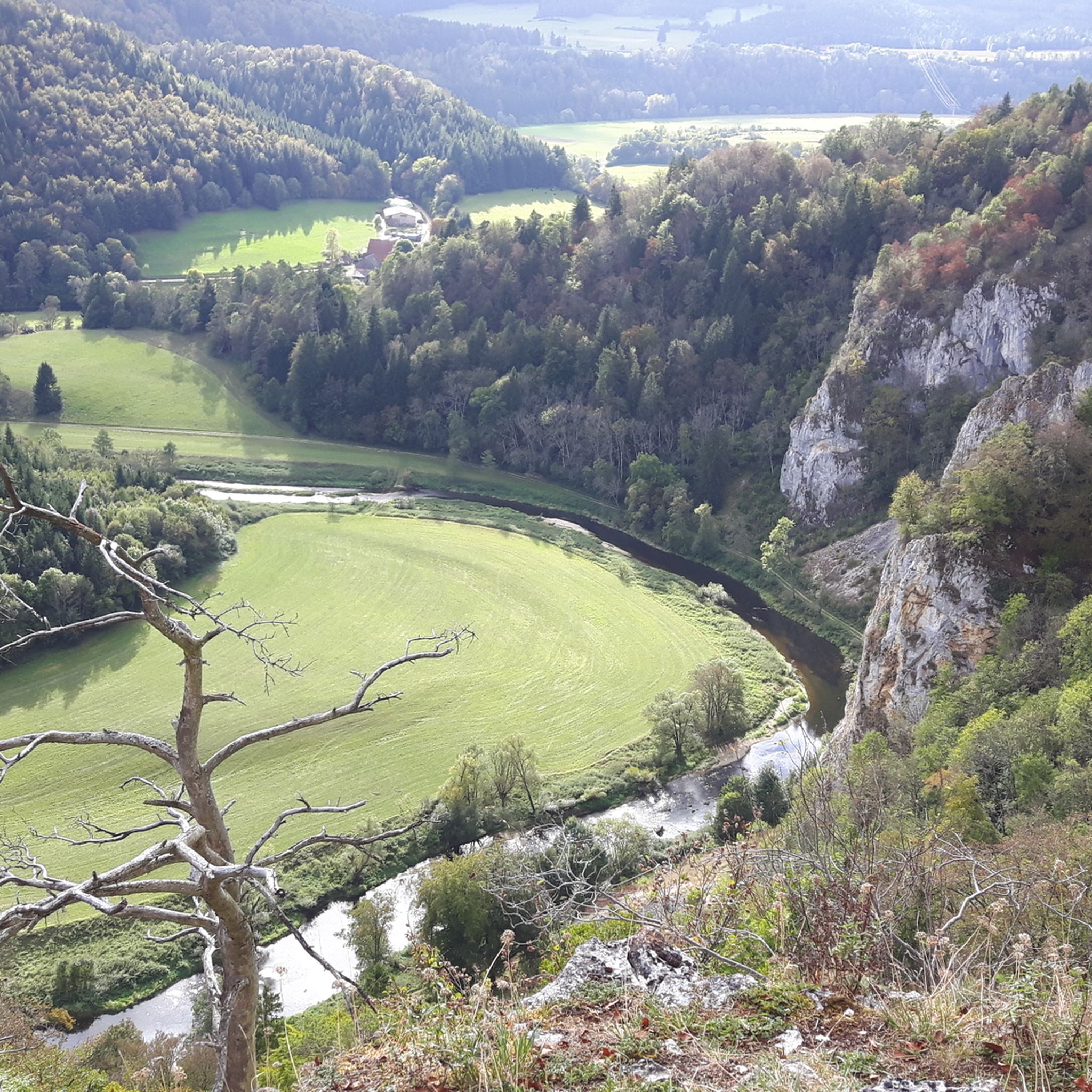
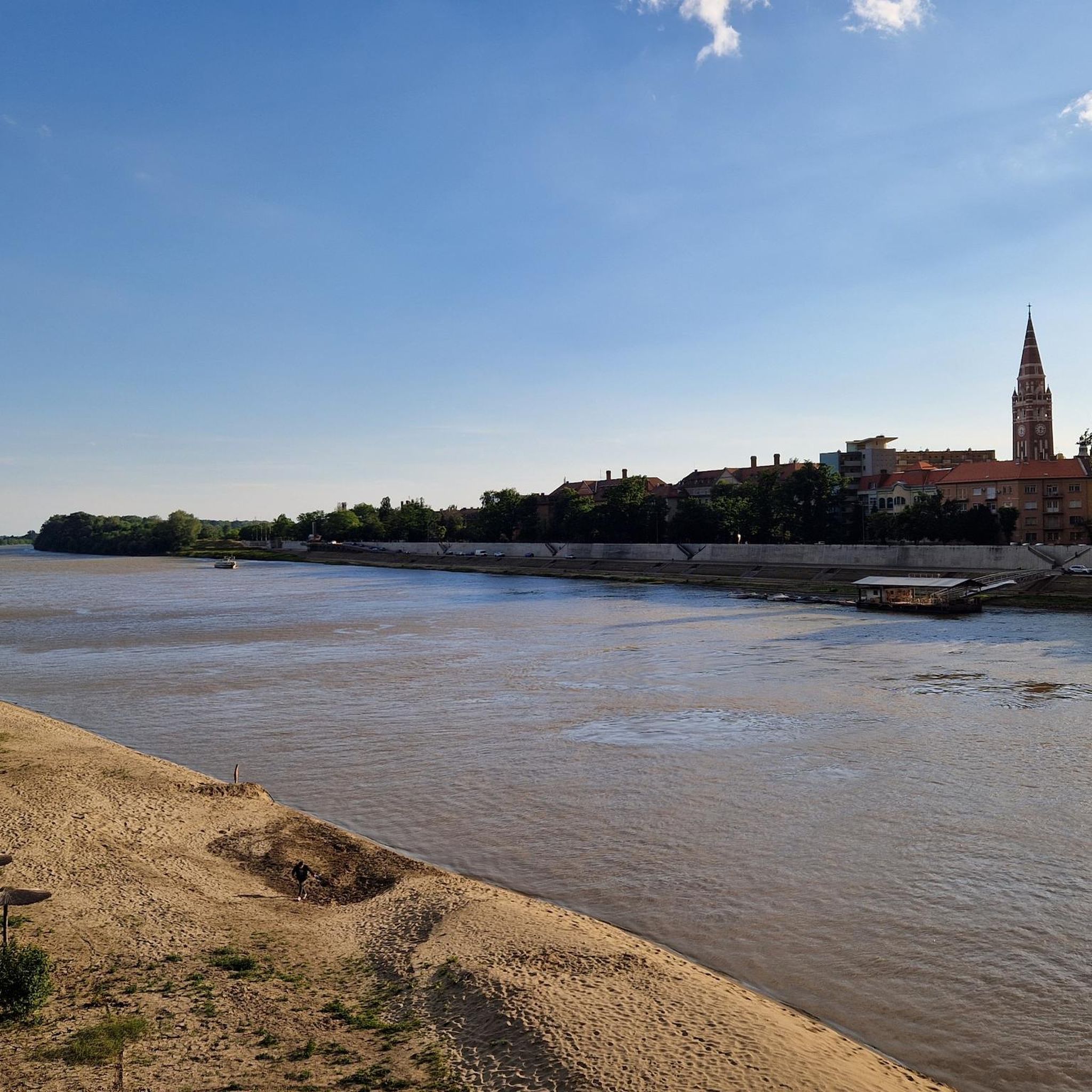
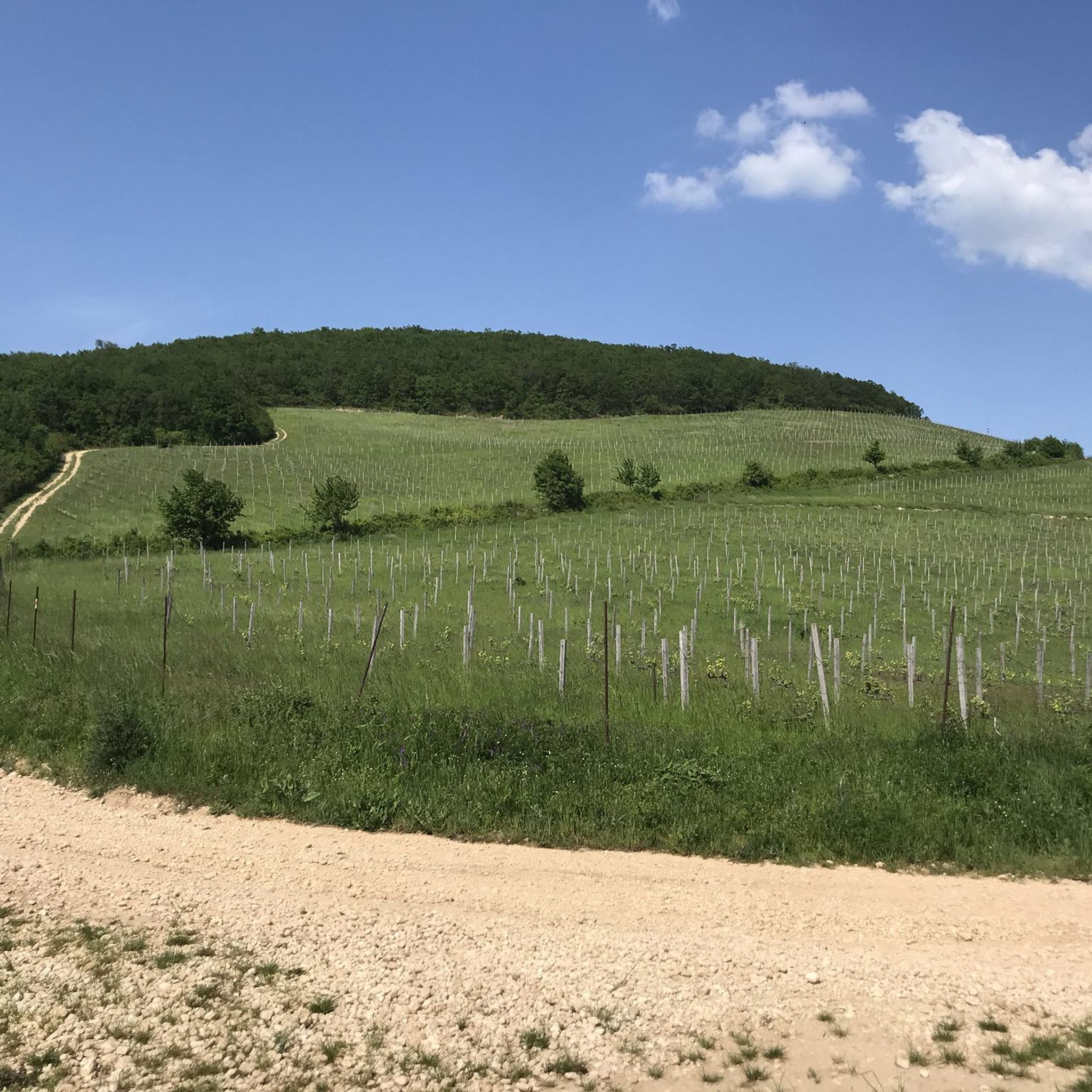
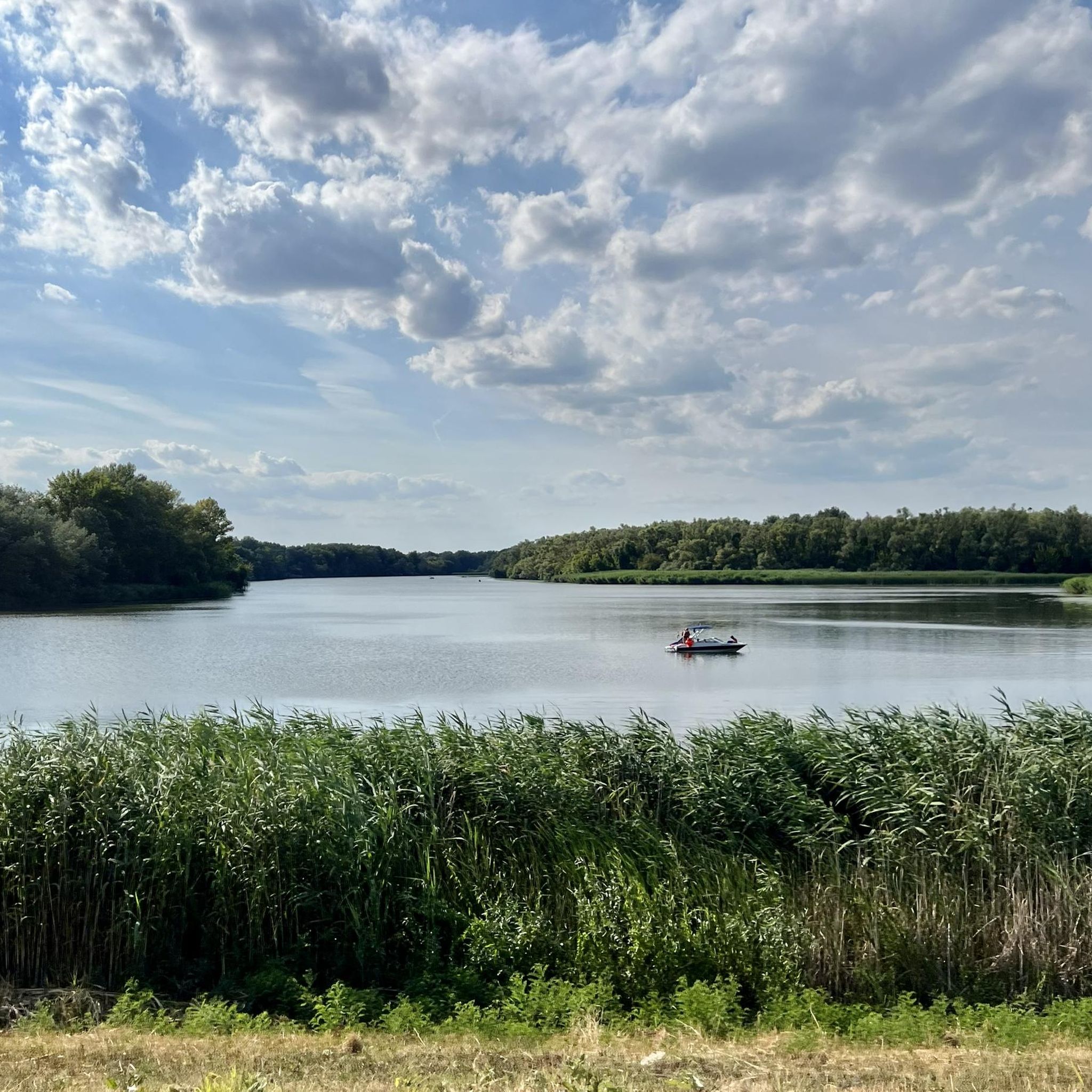

Tips from the Community

Extensive archaeological work since 2000 has confirmed that people lived in the Szalajka Valley as early as 40,000 years ago. The cave dwellers lived in the Istállós cave and even had contact with other tribes from the valley, some of which lived 500 kilometers away. People also lived in the idyllic valley during the Bronze Age, as evidenced by Celtic relics and an early earthwork. Nevertheless, there were no major settlements within the valley until the Middle Ages, as trade routes were difficult to establish in the heavily forested area. Continuous settlement in the Szalajka Valley began in the 14th century, when people settled in the village of Wárad, now known as Szilvásvárad. The high-quality timber served as a source of urban income even in the Middle Ages, leading to increasing numbers of settlements. Source: https://www.urlaub-ungarn.at/sightseeing/natuerliche-gehenswuerdigkeiten-ungarn/szalajka-tal.html
0
0
Extensive archaeological work since 2000 has confirmed that people lived in the Szalajka Valley as early as 40,000 years ago. The cave dwellers lived in the Istállós cave and even had contact with other tribes from the valley, some of which lived 500 kilometers away. People also lived in the idyllic valley during the Bronze Age, as evidenced by Celtic relics and an early earthwork. Nevertheless, there were no major settlements within the valley until the Middle Ages, as trade routes were difficult to establish in the heavily forested area. Permanent settlement in the Szalajka Valley began in the 14th century, when people settled in the village of Wárad, now known as Szilvásvárad. The high-quality timber served as a source of urban income even in the Middle Ages, attracting increasing numbers of people to settle there. Later, potash was also extracted from the valley, which ultimately gave the area its current name. Potash means "sal alcali" in Latin, and these words have been incorporated into the Hungarian language. Until the 20th century, the valley was only known regionally. With the construction of the Szilvásvárad narrow-gauge railway, the first tourists arrived to travel to the valley by train. Since the 21st century, however, the Szalajka Valley has become a purely tourist destination, with forestry operations remaining minimal. Source: https://www.urlaub-ungarn.at/sightseeing/natuerliche-sehenswuerdigkeiten-ungarn/szalajka-tal.html
0
0

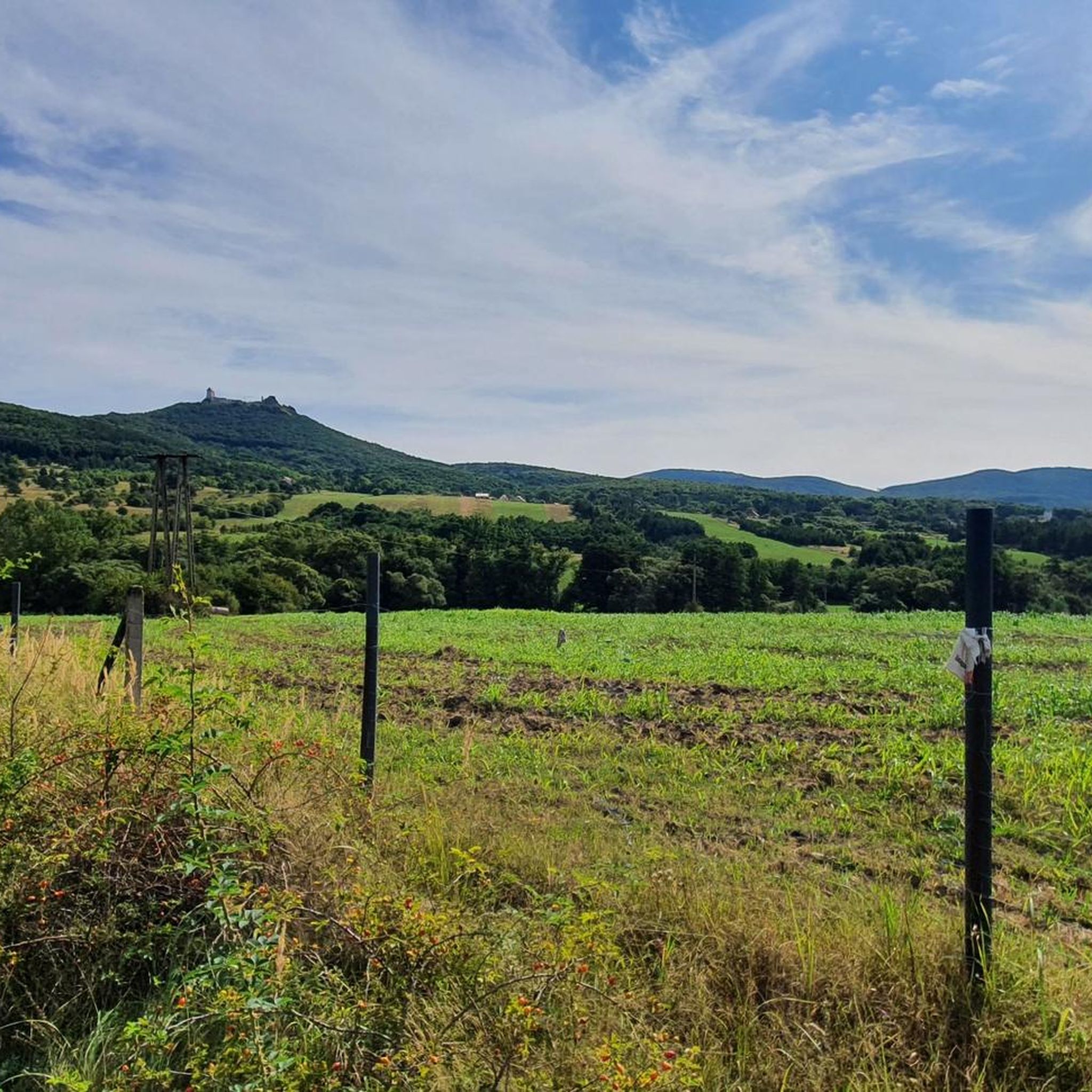
The peak itself is hidden among the trees, but a little further away you can find a view similar to that from Három-kő
0
0
The peak itself is hidden among the trees, but a little further on you’ll find a view similar to that from Három-kő.
0
0

Frequently Asked Questions
How many hiking trails are available in Great Plain and North?
The Great Plain and North region offers a wide selection of hiking routes, with over 150 trails recorded on komoot. These include options for various fitness levels, from easy walks to more challenging ascents.
Are there easy hiking trails suitable for beginners or families in Great Plain and North?
Yes, the region has plenty of easy trails perfect for beginners or families. For example, the Katalinpuszta Visitor Center – Giants' Rest Area loop from Szendehely is an easy 3.9-mile (6.3 km) path offering a gentle walk. Overall, there are 48 easy routes to choose from.
What kind of landscapes can I expect to see while hiking in Great Plain and North?
Hiking in Great Plain and North primarily features diverse landscapes of forested hills, natural springs, and scenic viewpoints. The region is characterized by varied topography, including significant natural parks like Bükk National Park, offering lush woodlands and opportunities to explore its biodiversity.
Are there any circular hiking routes in the region?
Yes, many routes in Great Plain and North are circular, allowing you to start and end at the same point. Examples include the popular Szikla-forrás (Rock Spring) – Upper Szalajka Lake loop from Szalajkavölgy-Lovaspálya and the more challenging Forest Parking Area – Csóványos loop from Diósjenő.
Can I bring my dog on the hiking trails in Great Plain and North?
Generally, dogs are welcome on many hiking trails in the Great Plain and North, especially in natural areas and forests. However, it's always best to check local regulations for specific national parks or protected areas, as rules can vary. Always keep your dog on a leash and clean up after them.
What are some notable attractions or landmarks I can visit near the hiking trails?
The region offers several interesting attractions. You can explore historical sites like Eger Castle or Sirok Castle. For natural highlights, consider visiting Jávor-kút, a natural monument, or the various springs and viewpoints mentioned in many routes.
When is the best time of year to go hiking in Great Plain and North?
Spring and autumn are generally considered the best times for hiking in Great Plain and North. During these seasons, the weather is typically more temperate, and you can enjoy blooming wildflowers in spring or vibrant foliage in autumn, making for a more pleasant experience.
Are there any trails that feature waterfalls in Great Plain and North?
Yes, you can find trails that lead to waterfalls. For instance, the Ilona Valley Waterfall – Ilona Waterfall loop from Parádfürdői Erdészet tábla is an easy 2.7-mile (4.4 km) route specifically designed to visit the beautiful Ilona Waterfall.
What do other hikers say about their experience in Great Plain and North?
The hiking routes in Great Plain and North are highly rated by the komoot community, with an average score of 4.5 stars from over 550 reviews. Hikers often praise the quiet woodlands, well-marked paths, and the natural beauty of the springs and viewpoints.
Are there options for longer or more challenging hikes in Great Plain and North?
Yes, for those seeking more challenging experiences, the region offers 26 difficult routes. An example is the Forest Parking Area – Csóványos loop from Diósjenő, a 9.7-mile (15.6 km) trail with significant elevation gain, often completed in over 5 hours.
Are there places to stop for refreshments or accommodation along the trails?
Yes, you can find huts and cabins in the Great Plain and North region that may offer refreshments or accommodation. Notable options include Ágasvár Mountain Hut and a Cottage and Rest Area in Bükki Nemzeti Park. It's advisable to check their operating hours in advance.
What wildlife might I encounter while hiking in Great Plain and North?
The diverse ecosystems of Great Plain and North, particularly within its forested areas and national parks like Bükk, are home to various wildlife. Hikers might spot deer, wild boars, and a wide array of bird species. Keep an eye out for smaller mammals and insects that thrive in these natural habitats.
Most popular routes in Great Plain and North
Most popular attractions in Great Plain and North

Get inspired with the komoot mobile app


Didn’t find what you were looking for?
Check out more Hikes throughout Great Plain and North below and find the perfect route in your destination.
Explore more
Browse the best Hikes in other regions.
