Attractions and Places To See in Podlaskie Voivodeship - Top 20
Best attractions and places to see in Podlaskie Voivodeship include a blend of pristine natural landscapes, historical landmarks, and diverse cultural sites. This region in northeastern Poland is characterized by extensive forests, rivers, and lakes, earning it the moniker "the green lungs of Poland." It features four national parks, offering opportunities for nature enthusiasts. The voivodeship also holds a rich history and cultural heritage, influenced by Polish, Belarusian, Lithuanian, and Tatar traditions.
Best attractions and places to see in Podlaskie Voivodeship
- The most popular attractions is Wooden Boardwalks in Wigierski National Park, a trail that allows movement in wet areas without specialized footwear. These footbridges enable tourists to explore corners of the park.
- Another must-see spot is Wigry National Park, a natural monument established in 1989. It features Lake Wigry, known for its varied shoreline and islands, and offers areas for cycling and walking.
- Visitors also love Paniewo Lock, a man-made monument on the Augustów Canal. This 19th-century hydrotechnical building is recognized as a Historic Monument and is part of a popular kayaking route.
- Podlaskie Voivodeship is known for its national parks, historical sites, and cultural diversity. Visitors can explore ancient forests, significant waterways, and architectural heritage across the region.
- The attractions in Podlaskie Voivodeship are appreciated by the komoot community, with more than 160 upvotes and 35 photos shared for various highlights.
Last updated: October 9, 2026
Wigry National Park
Highlight • Natural Monument
Translated by Google •
Tip by

Augustów Lock
Highlight • Structure
Translated by Google •
Tip by

Sign up now to discover places like this
Get recommendations on the best single tracks, peaks, & plenty of other exciting outdoor places.
Camaldolese Monastery in Wigry
Highlight • Religious Site
After the Third Partition of Poland in 1796, the Prussian authorities confiscated the Camaldolese estates, and in 1800, the monks were expelled from Wigry. The buildings subsequently suffered extensive damage, particularly during World War II. It was only after the conflict that reconstruction of the monastery began. In 1999, the Diocese of Wigry hosted Pope John Paul II. A small museum is dedicated to him.
Translated by Google •
Tip by

Wooden Boardwalks in Wigierski National Park
Highlight (Segment) • Trail
Translated by Google •
Tip by
Palace Park
Highlight • Historical Site
The latter also had a palace built which did not survive the vagaries of time. In the large wooded park, a Victorian-style building has a small museum which intelligently introduces you to the animal species that you can discover in the Białowieża Forest.
Translated by Google •
Tip by
Public beach on the Supraśl river in Wasilków
Highlight • Beach
Translated by Google •
Tip by

Paniewo Lock
Highlight • Monument
Translated by Google •
Tip by
Dębowo Lock
Highlight • Bridge
The stone and brick structure with wooden gates has retained its historic character, and the former maintenance buildings stand nearby. A road bridge, now concrete, spans the lock, replacing a wooden bridge destroyed during the war.
Translated by Google •
Tip by

Tykocin Castle and Castle Restaurant
Highlight • Castle
Translated by Google •
Tip by

Biebrza River
Highlight (Segment) • River
Translated by Google •
Tip by
Sign up for free to discover even more attractions in Podlaskie Voivodeship.
Already have an account?
Start today with a free account
Your next adventure awaits.
Popular around Podlaskie Voivodeship
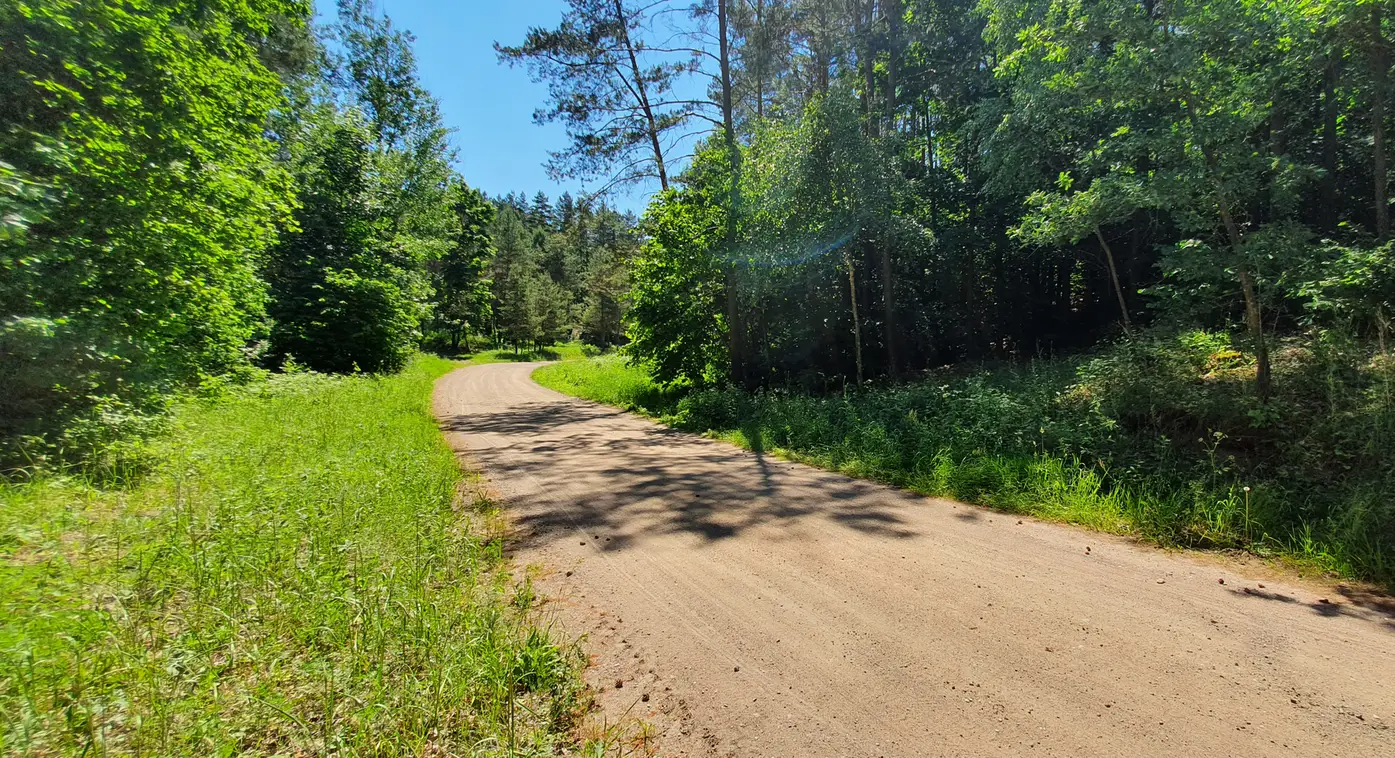
The river rustles, the forest rustles – Podlaski Stork Trail
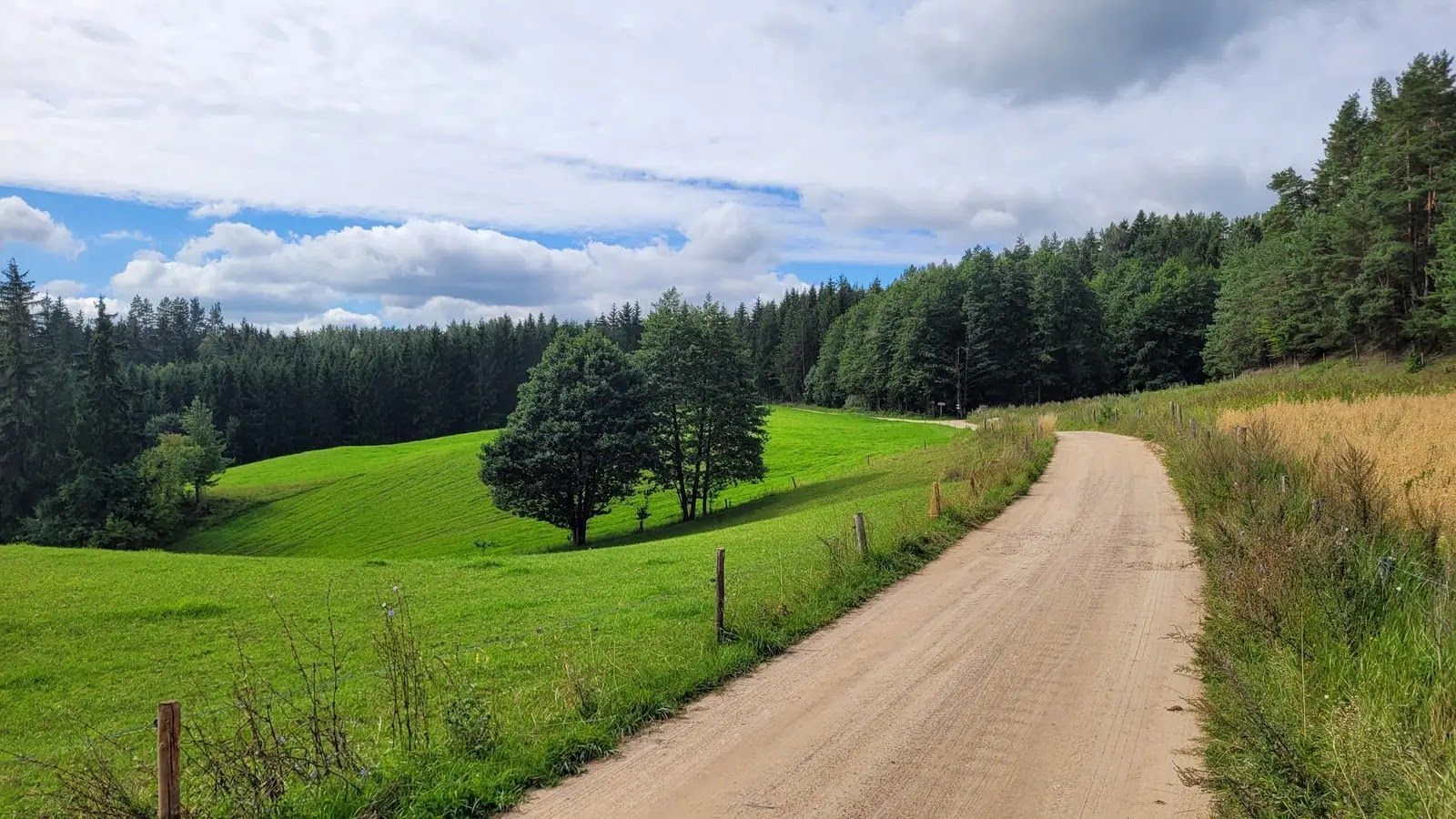
Suwałki lakes and glacial hills - Sudovia Gravel Ultra
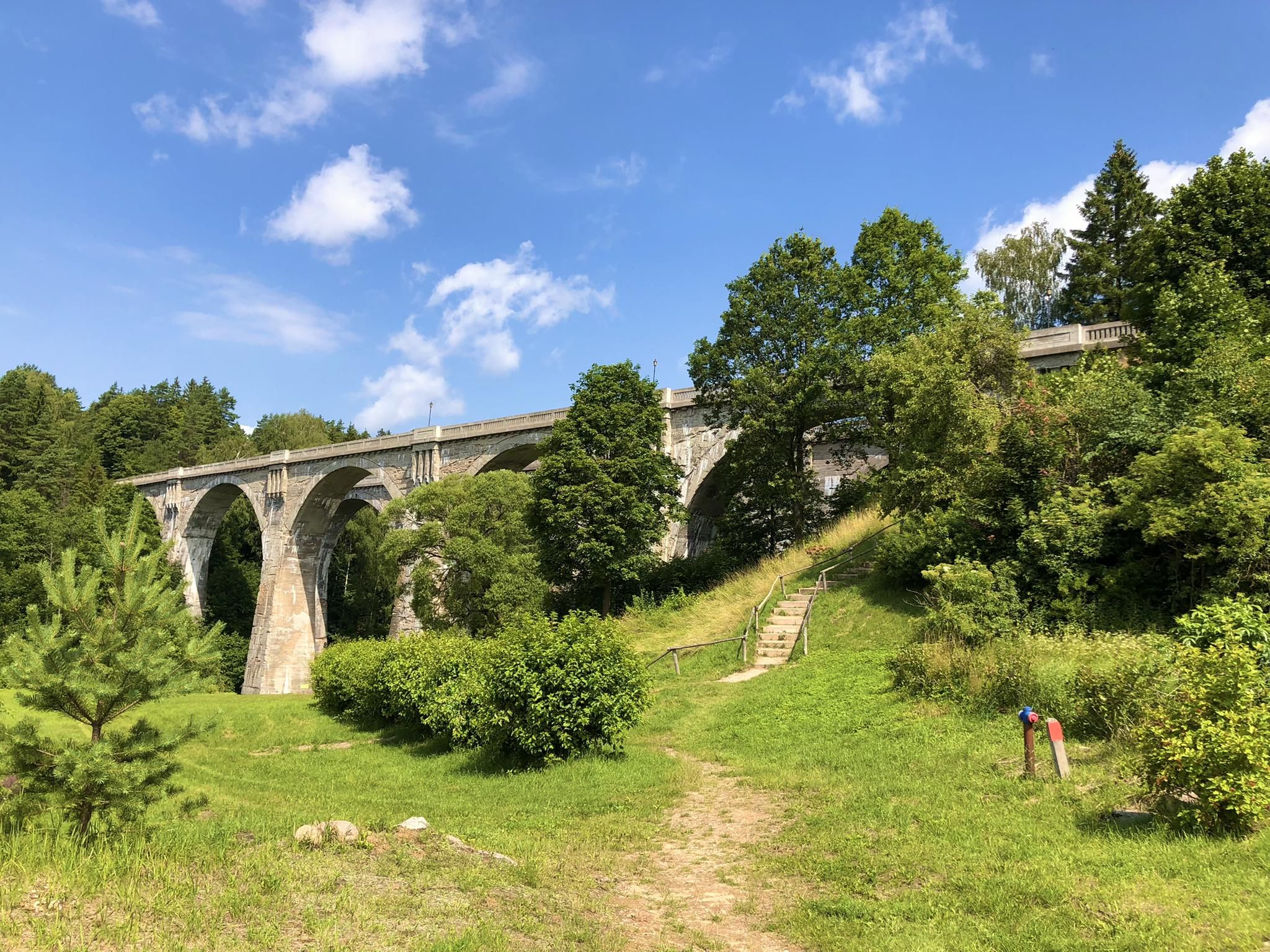
Discover the Polish-Lithuanian region – Suwalki Region Cycle Loop (R-65)
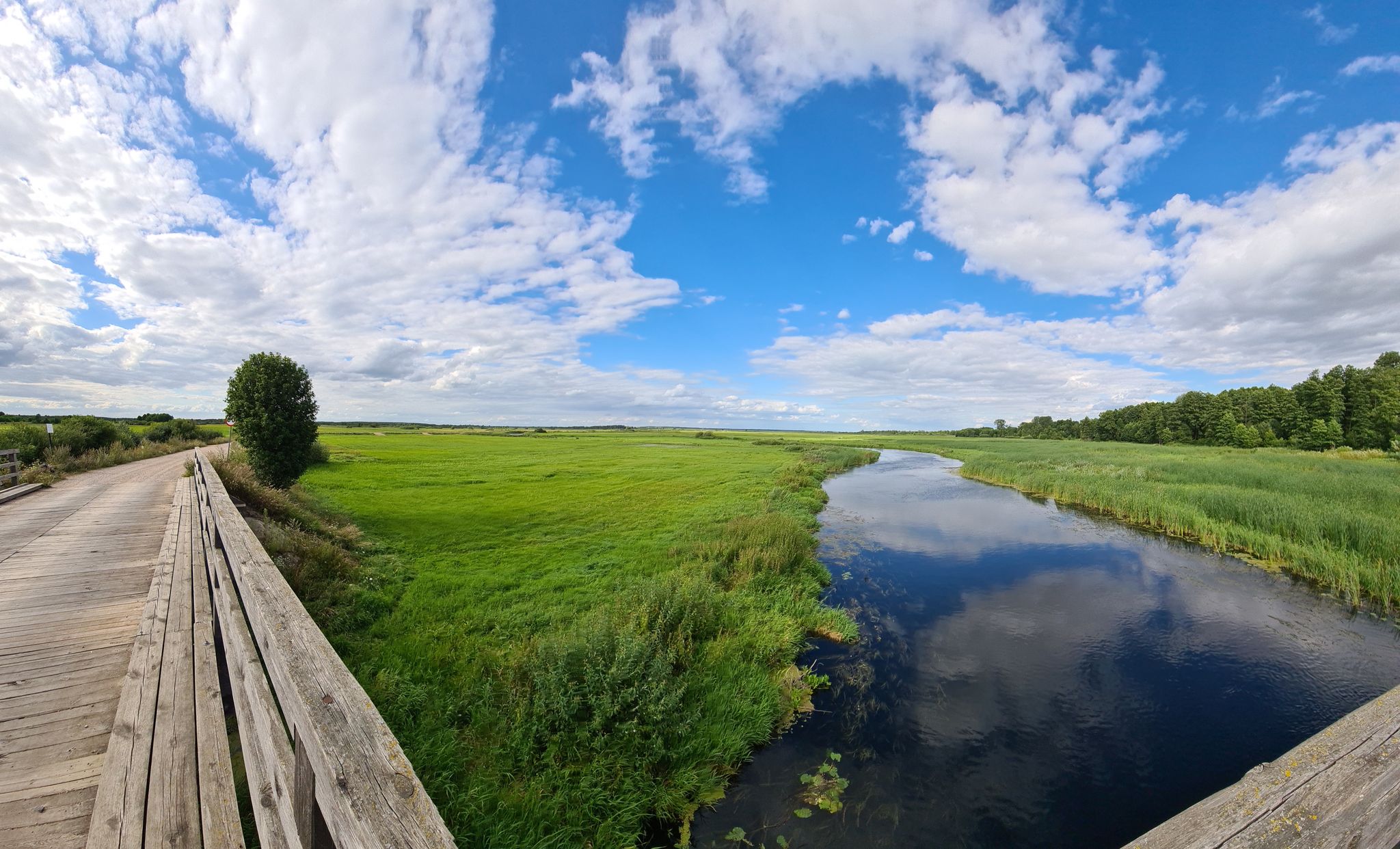
To the east, Eden – Green Velo Szlak (second part)
Diverse Poland — explore five regions by mountain bike
Cycling in Podlaskie Voivodeship
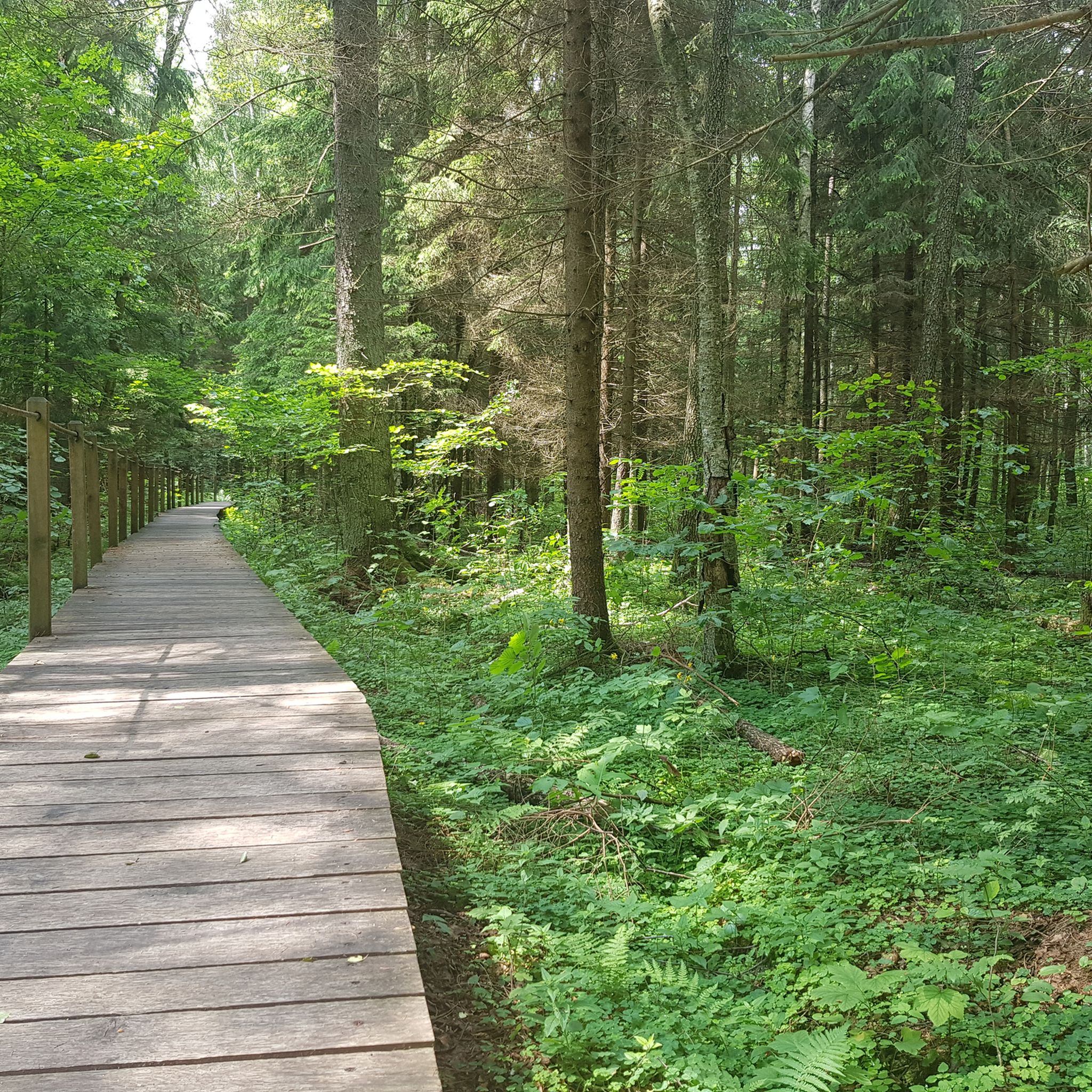
Hiking in Podlaskie Voivodeship

Gravel biking in Podlaskie Voivodeship
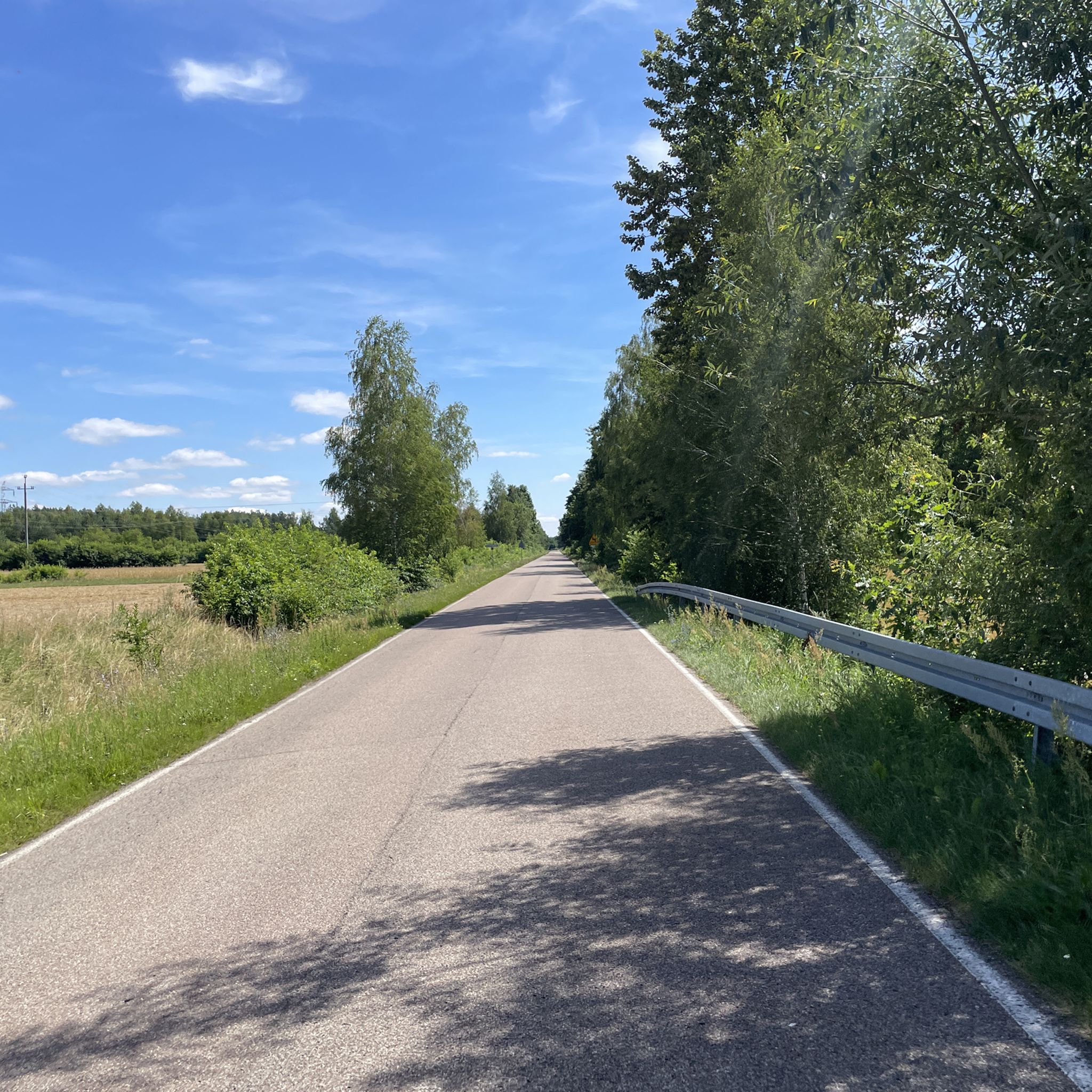
Road Cycling Routes in Podlaskie Voivodeship
Running Trails in Podlaskie Voivodeship
Other adventures in Podlaskie Voivodeship


Tips from the Community

Beautiful places, I agree with that because I also ride and explore a lot by bike, it's just a shame I don't have a cycling companion and that's why I don't venture too much into these remote forests
0
0

The Dębowo Lock is the first lock on the Augustów Canal, located right at the canal's mouth on the Biebrza River, near the village of Dębowo. Built in 1826–1827 according to the design of Lieutenant Michał Przyrembel, it is the only historic lock on the southern section of the canal. The stone and brick structure with wooden gates has retained its historic character, and the former maintenance buildings stand nearby. A road bridge, now concrete, spans the lock, replacing a wooden bridge destroyed during the war.
2
0
Tykocin Castle is one of the greatest attractions in Podlasie, picturesquely situated on the Narew River. Originally a 15th-century stronghold of the Gasztołd family, it was rebuilt in the 16th century into a Renaissance royal castle of Sigismund Augustus, which housed, among other things, the royal treasury and arsenal. Later, the castle belonged to Stefan Czarniecki and then the Branicki family, but after numerous wars and fires, it fell into ruin. Modern reconstruction restored it to its former glory and allowed the creation of a museum, restaurant, and observation tower with a panoramic view of the Narew Valley.
1
0

The footbridges over the marshy terrain of the Czarna Hańcza River valley are one of the most attractive sections of the entire Wigry Trail. For safety reasons, they are covered with wire mesh, allowing for relatively safe movement on the damp wooden surface.
1
0

On the Gren Velo route. The first route on the Augustów Canal at the mouth of the Biebrza River.
0
2

The Paniewo Lock is the ninth lock along the 61st km of the Biebrza River and the only two-chamber lock on the Augustów Canal in Poland. The difference in elevation between Lake Paniewo and Lake Krzywe is 6.3 m.
0
0

A atmospheric place, pleasant for cycling and hiking.
0
0
Great place. The footbridge creates atmosphere.
0
0
Frequently Asked Questions
What national parks can I explore in Podlaskie Voivodeship?
Podlaskie Voivodeship is home to four national parks, often called the 'green lungs of Poland'. You can visit Wigry National Park, known for Lake Wigry and its varied shoreline. Other significant parks include Białowieża Forest, a UNESCO World Heritage site and home to European bison; Biebrza National Park, Poland's largest park with vast wetlands and diverse birdlife; and Narew National Park, protecting one of Europe's few braided rivers.
Where can I experience unique wildlife in Podlaskie Voivodeship?
For unique wildlife encounters, Białowieża Forest is the last refuge of the European bison, which you can often spot in their natural habitat or at the European Bison Show Reserve. Biebrza National Park is a sanctuary for about 290 bird species, including the ruff, and also hosts elk, roe deer, red deer, wolves, and lynx. Pentowo Manor, known as a European Stork Village, boasts over 20 occupied stork nests.
What historical landmarks should I visit in Podlaskie Voivodeship?
The region offers several historical landmarks. In Białystok, explore the exquisite Branicki Palace, often called the 'Versailles of the North'. The charming town of Tykocin features the historic Tykocin Castle and a Baroque synagogue, which serves as a museum. The Augustów Canal, with its 19th-century hydrotechnical buildings like the Paniewo Lock, is also recognized as a Historic Monument.
Are there any significant religious or cultural sites in the region?
Yes, Podlaskie Voivodeship is rich in diverse cultural and religious sites. Visit the Supraśl Orthodox Monastery of the Annunciation and its Museum of Icons. Holy Mount Grabarka is the most important religious site for Orthodox Christians in Poland. The Tykocin Synagogue preserves the memory of the Jewish community. Additionally, the villages of Kruszyniany and Bohoniki showcase the legacy of Poland's Lipka Tatars, with their wooden mosques and Muslim cemeteries.
What water-based activities are available in Podlaskie Voivodeship?
The region is ideal for water sports. Lake Wigry in Wigry National Park is perfect for sailing and kayaking on the Czarna Hańcza River. The Augustów Canal offers opportunities for canoeing and admiring picturesque landscapes. Lake Hańcza, Poland's deepest lake in Suwałki Landscape Park, is popular among divers and kayakers. You can also enjoy the peaceful environment of the Biebrza River.
What hiking opportunities are there in Podlaskie Voivodeship?
Podlaskie Voivodeship offers numerous hiking trails, especially within its national parks. You can find easy trails like the 'Bison Rib Trail' or the 'Waniewo-Śliwno Educational Trail'. For a moderate challenge, consider the 'Carska Tropina' in Białowieża Landscape Park. Many trails allow you to explore the region's natural beauty. For more detailed routes, explore the Hiking in Podlaskie Voivodeship guide.
Can I go cycling in Podlaskie Voivodeship?
Absolutely! Podlaskie Voivodeship is excellent for cycling. You can find routes like the 'Route "Around Wigry" named after Antoni Patla' which is a more difficult ride, or easier options such as 'Niebieski szlak rowerowy "Wokół Jeziora Białego i Studzienicznego"'. The region also has dedicated gravel biking routes, including challenging ones through Suwałki Landscape Park. Discover more routes in the Cycling in Podlaskie Voivodeship guide and the Gravel biking in Podlaskie Voivodeship guide.
Are there family-friendly attractions in Podlaskie Voivodeship?
Many attractions in Podlaskie Voivodeship are suitable for families. National parks like Wigry National Park offer easy walking paths, including the Wooden Boardwalks that allow movement in wet areas without specialized footwear. Historical sites such as the Paniewo Lock on the Augustów Canal and the Tykocin Castle are also great for family visits. The Wasilków Reservoir provides a pleasant spot for relaxation.
What is the best time to visit Podlaskie Voivodeship?
The best time to visit Podlaskie Voivodeship largely depends on your interests. Spring and summer are ideal for outdoor activities like hiking, cycling, and water sports, with lush greenery and active wildlife. Autumn offers stunning fall foliage, particularly in the forests and national parks. While winters can be cold, they provide opportunities for unique experiences like cross-country skiing or observing the serene, snow-covered landscapes.
What are some unique natural landscapes to see in the region?
Beyond the well-known national parks, explore the Suwałki Landscape Park, Poland's oldest landscape park, featuring postglacial erratic boulders and Cisowa Hill with picturesque views. The Narew National Park protects one of Europe's few braided rivers, offering a unique wetland experience often referred to as the 'Polish Amazon'. The Hańcza Lake, the deepest in Poland, is another natural marvel.
What do visitors enjoy most about Podlaskie Voivodeship?
Visitors frequently praise the region's pristine natural beauty, especially the extensive forests and tranquil lakes. The unique blend of Polish, Belarusian, Lithuanian, and Tatar cultures, reflected in its historical sites and traditional villages, is also highly appreciated. Many enjoy the peaceful environment and the opportunity for various outdoor activities, from exploring the Wooden Boardwalks in Wigierski National Park to cycling along the Augustów Canal.
Most popular routes in Podlaskie Voivodeship
Most popular attractions in Podlaskie Voivodeship

Get inspired with the komoot mobile app


Didn’t find what you were looking for?
Are you keen on exploring more awesome places nearby? Browse our guides:
Explore more
Still not found the Highlight you’re looking for? See guides of the top attractions in other regions:
