Attractions and Places To See in Cluj - Top 20
Best attractions and places to see in Cluj include a diverse array of historical landmarks, cultural institutions, and natural landscapes. Located in Transylvania, Romania, Cluj-Napoca serves as a vibrant urban center with a rich heritage. The region offers opportunities to explore significant architectural sites, delve into local history, and experience natural features. Visitors can find both urban attractions and nearby natural reserves.
Best attractions and places to see in Cluj
- The most popular attractions is Matthias Corvinus Monument, a man-made monument that commemorates the Hungarian King Matthias Corvinus. This bronze equestrian statue, erected in 1902, is a central feature of Union Square.
- Another must-see spot is Orthodox Cathedral of the Assumption, a religious building constructed between 1923 and 1933. It is one of the city's most important religious buildings, featuring a height of 64 meters and housing a collection of religious art.
- Visitors also love Salina Turda, a former salt mine now featuring an underground amusement park. This unique attraction is located 120 meters deep and includes a Ferris wheel and a boat tour on a salt lake.
- Cluj is known for its historical monuments, religious buildings, and natural caves. The region offers a variety of attractions to see and explore, from city squares to underground wonders.
- The attractions in Cluj are appreciated by the komoot community, with more than 90 highlights photos and over 50 upvotes across various points of interest.
Last updated: October 9, 2026
Matthias Corvinus Monument
Highlight • Monument
Translated by Google •
Tip by

Orthodox Cathedral of the Assumption
Highlight • Religious Site
Translated by Google •
Tip by

Sign up now to discover places like this
Get recommendations on the best single tracks, peaks, & plenty of other exciting outdoor places.
Union Square (Piața Unirii), Cluj-Napoca
Highlight • Settlement
Translated by Google •
Tip by
Salina Turda
Highlight • Cave
One "cave" is 50x80 m and 42 m high (168,000 m3), the other has a diameter of 75 m and is 90 m high.
A huge thing, extremely worth seeing! Be sure to watch the video, it's really well done.
salinaturda.eu/en
Translated by Google •
Tip by

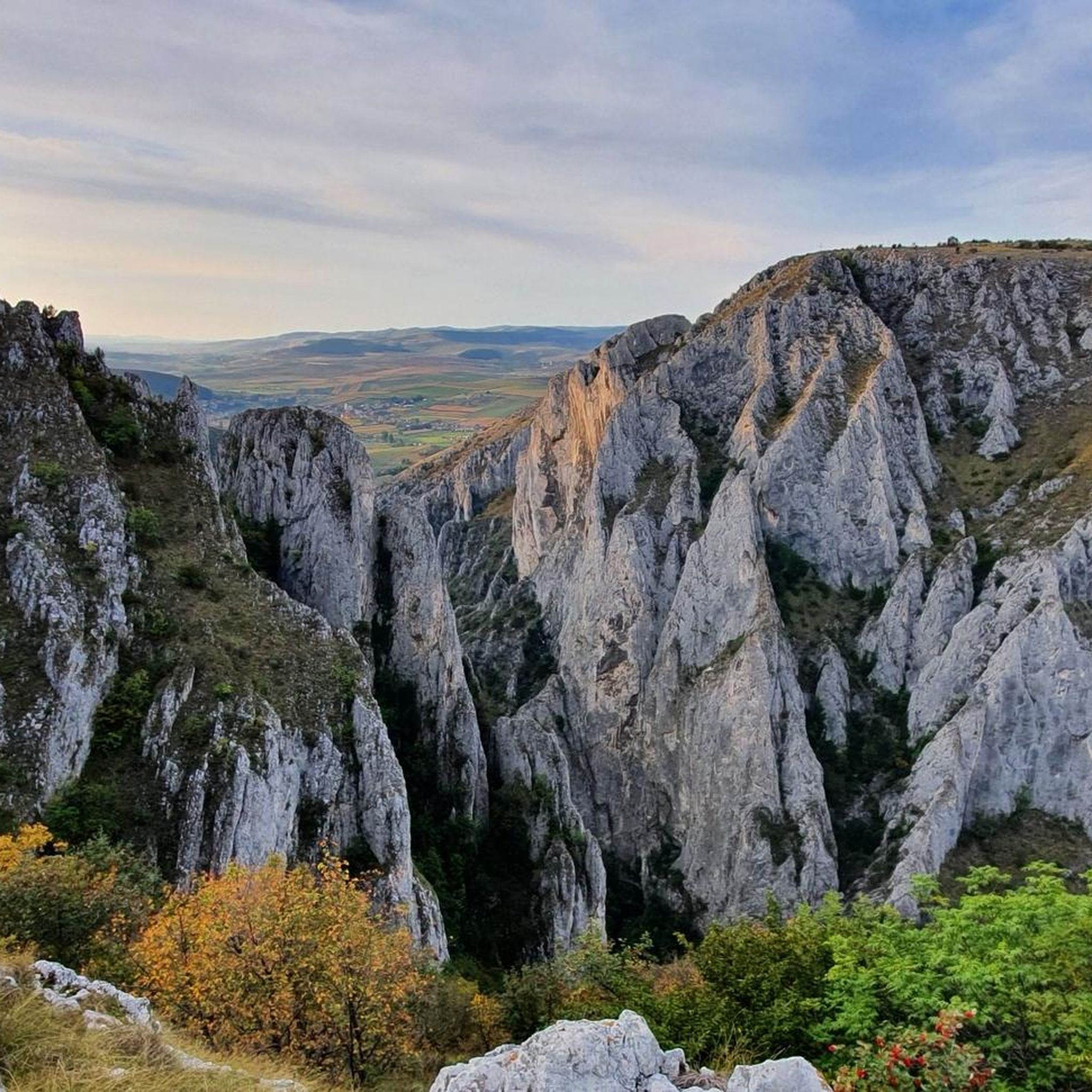
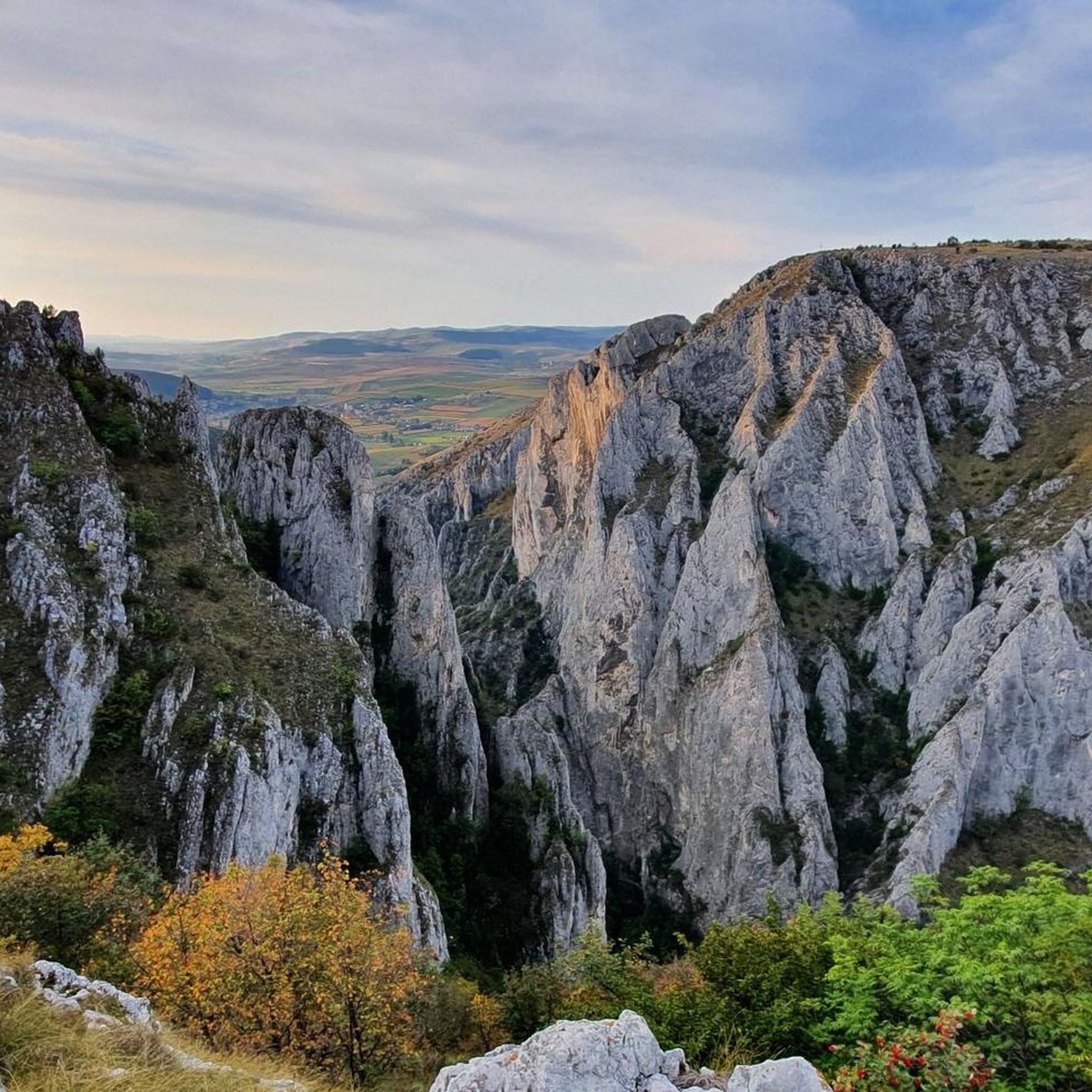
Sândului Hill
Highlight • Viewpoint
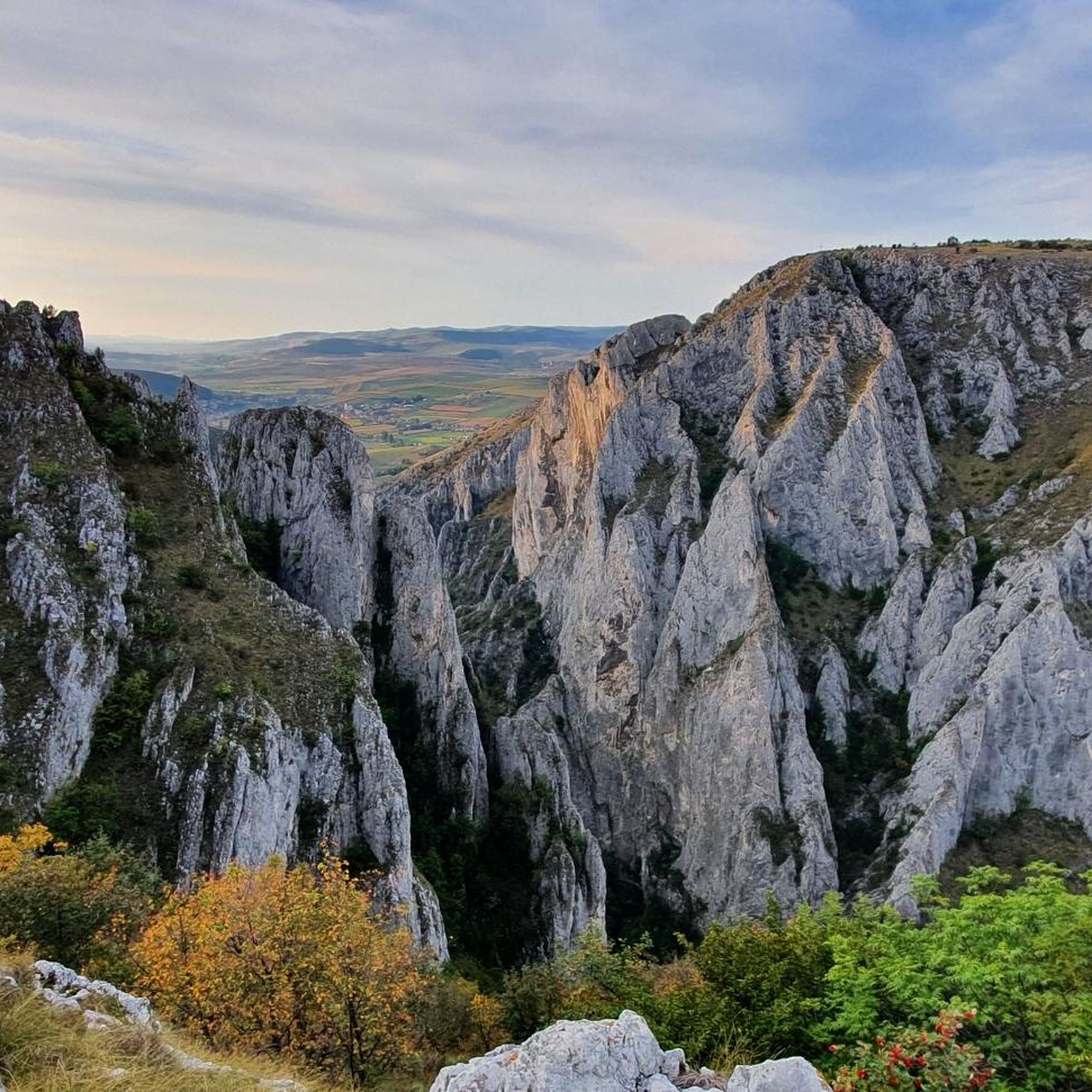
The hike is very steep beginning close to the parking lot near Petreștii. From this point where the hike starts at the foot of Dealul Sândului, you have to follow the red circle 🔴 for 1 hr 30 minutes to 2 hours. The hike is steep on both ends, near Cabana Cheile Turzii, and near the Parking lot closer to Petreștii de Sus. Make sure to have plenty of water (1 litre to 2) as we have run out once and we were thirsty, especially when it was humid. There are no water sources/fountains on Dealul Sândului. Dogs can be in the area but are not usually found up the hill. There is a beautiful bench where you can stop for a rest under a tree, next to the big cross on the rocky hill. You will see this halfway between the hike on Dealul Sândului. Beautiful views! That’s the best part! 😍
Difficulty: Medium
Fitness Required: Strong fitness
Equipment necessary: No, we climbed this in 2 hours just with a bag and few water bottles.
Look for: Red circle
Path Inclination: Average 35-40% on Dealul Sândului.
The photos are mostly viewpoints from Dealul Sândului
If Komoot translates this place to Sand hill, it’s wrong, it’s just Sândului Hill.
Tip by

Suspension bridge at the Washed-Out Hideout Cave (Cheile Turzii)
Highlight • Bridge
Translated by Google •
Tip by
Memorandum Monument of Cluj-Napoca
Highlight • Monument
Translated by Google •
Tip by
Piarist Church, Cluj-Napoca
Highlight • Religious Site
Translated by Google •
Tip by
Elisabeth Bridge (Erzsébet Híd)
Highlight • Bridge
Translated by Google •
Tip by
Capitoline Wolf Statue (Cluj-Napoca)
Highlight • Monument
Translated by Google •
Tip by
Sign up for free to discover even more attractions in Cluj.
Already have an account?
Start today with a free account
Your next adventure awaits.

Tips from the Community

The Turda Salt Mine (Salina Turda) is a former salt mine in Cluj County, Transylvania. What makes this salt mine unique is the amusement park located 120 meters underground, featuring a 20-meter-high Ferris wheel, a boat tour on the salt lake, and a miniature golf course. An amphitheater, a bowling alley, and billiard tables are also located deep underground.
2
0

The Roman Catholic Piarist Church, originally the Jesuit Church in Cluj, is the first Catholic church built in Transylvania after the Protestant Reformation. It is also the first Baroque church building in the province. The Jesuits built it between 1718 and 1724, modeled on Austrian churches. The church formed an architectural ensemble with the Jesuit academic college, on whose site today stands the central building of the Babeș-Bolyai University. After the dissolution of the Jesuit order, the church was transferred to the Piarists. On Sundays, liturgies are held in Romanian, Hungarian, and Italian. Cultural events are also held here; classical music concerts, in particular, benefit from a special atmosphere and distinctive sound.
10
0
The Orthodox Metropolitan Cathedral on Avram Iancu Square was built between 1923 and 1933, immediately after the unification of Transylvania with Romania. It is one of the city's most important religious buildings. The church is dedicated to the Assumption of the Blessed Virgin Mary. In 1973, when the eparchial see of Cluj was elevated to the rank of an archdiocese, the church became the archiepiscopal cathedral. Since 2006, the building has served as the cathedral of the Archdiocese of Vad, Feleac, and Cluj, which is also the seat of the Metropolitans of Cluj, Maramureș, and Sălaj. It is currently the third-highest cathedral in Romania after the Evangelical Cathedral of Sibiu and the Metropolitan Cathedral of Timișoara.
4
0
These small caves are located right next to the river and you can climb through them with a little skill. The locals have called them "The Washed-Out Hideout".
9
0
The second crossing of the Hășdate on the hiking trail is the bridge "At the washed-out hiding place". The suspension bridge swings noticeably, especially when several people are walking on it at the same time. From the bridge you can see the caves on the left bank of the river, which gave it its name.
7
0
Unity Square (Piața Unirii) is the heart of Cluj-Napoca. At 220 by 160 metres, it is one of the largest urban squares in the country. It is dominated by a number of historic buildings such as St. Michael's Church or Banffy Palace, as well as the Matthias Corvinus Monument in its centre. There are paid parking spaces and public toilets here. The remains of Roman buildings (Vestigii romane) can be seen under a glass cover.
13
0
A faithful replica of the Capitoline Wolf, which according to legend suckled the founders of Rome, Romulus and Remus, has stood in Cluj-Napoca since September 28, 1921. It is a gift from the Italian state to the city and is intended to remind people of their shared Romanesque roots. The statue, whose base is decorated with a relief of Emperor Trajan and the inscription "Alla citta di Cluj, Roma Madre, MCMXXI", was moved several times until it found its current location in the middle of the Eroilor Boulevards.
17
0
The Matthias Corvinus Monument (Monumentul Matia Corvin) is a bronze equestrian statue created by the Hungarian sculptor János Fadrusz and erected in 1902. It shows the Hungarian King Matthias Corvinus ("the Raven"), who was born on February 23, 1443 in Cluj-Napoca. Corvinus ruled over Hungary and Croatia from 1458 until his death on April 6, 1490 in Vienna and was also (counter-)king of Bohemia from 1469 to 1490. He conquered large parts of the Habsburg hereditary lands and ruled these areas from Vienna from 1485 onwards. The monument and the inscription on the base have often caused a stir in the past; this culminated in civil war-like unrest between Hungarians and Romanians before the turn of the millennium. The diplomatic result is the current inscription in Latin: "Rex Mathias"
16
0
Frequently Asked Questions
What historical landmarks can I visit in Cluj-Napoca?
Cluj-Napoca is rich in history. You can explore the central Union Square (Piața Unirii), home to the Matthias Corvinus Monument and surrounded by historic buildings like St. Michael's Church and Bánffy Palace. Don't miss the Orthodox Cathedral of the Assumption in Avram Iancu Square, or the Piarist Church, the first Baroque church in Transylvania. The Memorandum Monument of Cluj-Napoca also offers insight into the city's past.
Are there any family-friendly attractions in Cluj-Napoca?
Yes, Cluj-Napoca offers several family-friendly attractions. The Salina Turda, a former salt mine, features an underground amusement park with a Ferris wheel and boat tours on a salt lake, making it a unique experience for all ages. Central Park (Simion Bărnuțiu) provides ample space for strolling and relaxation. Many historical sites like Matthias Corvinus Monument and Orthodox Cathedral of the Assumption are also suitable for families.
What natural features or viewpoints can I visit near Cluj-Napoca?
For natural beauty and panoramic views, consider visiting Sândului Hill, which offers great vistas. The Alexandru Borza Botanical Garden is a peaceful retreat with diverse plant species. For a more adventurous experience, the Suspension bridge at the Washed-Out Hideout Cave (Cheile Turzii) provides stunning gorge scenery and opportunities for hiking. Cetatuia Hill also offers breathtaking views of the city.
What kind of outdoor activities can I do near Cluj-Napoca?
Cluj-Napoca is a great base for outdoor enthusiasts. You can find numerous trails for various activities. For mountain biking, explore routes like the 'Forest Path – Bilasco Water Fountain loop' or 'Bilasco Water Fountain – Peana Peak loop' which you can find in the MTB Trails in Cluj guide. Runners can enjoy trails such as the 'BTArena loop' or 'Cluj Arena – Horea Statue Group loop' detailed in the Running Trails in Cluj guide. Cyclists have options like the 'Cluj-Napoca Railway Station – Ion Agârbiceanu Statue loop' or routes around Tarnita Dam, available in the Cycling in Cluj guide.
Are there any unique or unusual attractions in the area?
Absolutely. The Salina Turda stands out as a unique attraction, being a historic salt mine transformed into an underground amusement park. Another intriguing spot is the Hoia-Baciu Forest, known worldwide for its paranormal phenomena, offering a different kind of outdoor experience.
What cultural sites are there to visit in Cluj-Napoca?
Cluj-Napoca boasts a vibrant cultural scene. The Bánffy Palace houses the National Art Museum, showcasing an extensive collection of Romanian art. The National Museum of Transylvanian History provides deep insights into the region's past. For a glimpse into traditional rural life, visit the Ethnographic Museum of Transylvania or the Romulus Vuia Ethnographic Park. The Pharmacy History Museum, located in one of Cluj's oldest pharmacies, also offers a unique historical perspective.
What do visitors enjoy most about the attractions in Cluj?
Visitors frequently praise the diverse range of attractions, from the historical depth of sites like Matthias Corvinus Monument and Orthodox Cathedral of the Assumption, to the unique experience of Salina Turda. The blend of urban exploration and accessible natural wonders like Cheile Turzii is also highly appreciated. Many highlight the impressive architecture and the rich history embedded in the city's landmarks.
Can I access attractions in Cluj-Napoca using public transport?
Many of Cluj-Napoca's central attractions, such as Union Square (Piața Unirii), Matthias Corvinus Monument, and the Orthodox Cathedral of the Assumption, are easily accessible by public transport within the city. For attractions further afield like Salina Turda or Cheile Turzii, local buses or organized tours are available from Cluj-Napoca.
Are there any dog-friendly parks or areas in Cluj-Napoca?
While specific dog-friendly parks are not detailed in the provided data, Central Park (Simion Bărnuțiu) is a large urban park that is generally welcoming for walks with dogs, provided they are kept on a leash. It's always advisable to check local regulations for specific areas.
What are some easy day trips from Cluj-Napoca?
Cluj-Napoca serves as an excellent starting point for various day trips. Besides the nearby Salina Turda and Cheile Turzii, you can explore traditional Transylvanian villages like Rimetea, visit the historic city of Alba Iulia, or venture further to the impressive Corvin Castle. The Apuseni Mountains also offer accessible hiking opportunities for a day out in nature.
Where can I find the best views of Cluj-Napoca?
For stunning panoramic views of Cluj-Napoca, head to Cetatuia Hill/Park. This location, built on the site of an 18th-century Habsburg fortification, offers breathtaking vistas of the city. Another excellent spot for views is Sândului Hill, which is also a natural monument.
Most popular attractions in Cluj

Get inspired with the komoot mobile app


Explore more
Still not found the Highlight you’re looking for? See guides of the top attractions in other regions:
