Top 20 Mountain Passes in Aragon
Best mountain passes in Aragon are located in northeastern Spain, within the Pyrenees mountain range. This region offers diverse terrain, from high-altitude crossings to historical routes. Aragon's passes provide opportunities for cycling, hiking, and scenic drives. The landscape features rugged peaks, deep valleys, and border crossings with France.
Best mountain passes in Aragon
- The most popular mountain pass is Roland's Breach, a natural gateway and mountain pass located at an altitude of more than 2,800 meters. It is known…
Last updated: August 20, 2026
Roland's Breach
Highlight • Mountain Pass
If we easily understand the …
Translated by Google •
Tip by

Port de Vénasque / Puerto de Benasque
Highlight • Mountain Pass
Translated by Google •
Tip by

Sign up now to discover places like this
Get recommendations on the best single tracks, peaks, & plenty of other exciting outdoor places.
Sign up for free
Picada Pass
Highlight • Mountain Pass
very beautiful, with unbeatable views of the north face of Maladeta.
The path is well defined …
Translated by Google •
Tip by

Somport Pass
Highlight • Mountain Pass
Translated by Google •
Tip by
Collado de Argibiela
Highlight • Mountain Pass
Translated by Google •
Tip by

Port de Barroude
Highlight • Mountain Pass
Translated by Google •
Tip by

Collado de Sahún
Highlight • Mountain Pass
Translated by Google •
Tip by

Puertomingalvo Pass
Highlight • Mountain Pass
Translated by Google •
Tip by

Bonansa Pass
Highlight • Mountain Pass
Translated by Google •
Tip by

Col d'Arratille and Col des Mulets Traverse
Highlight (Segment) • Mountain Pass
Translated by Google •
Tip by

Sign up for free to discover even more mountain passes in Aragon.
Sign up for free
Already have an account?
Start today with a free account
Your next adventure awaits.
Login or Signup
Popular around Aragon
European Divide Trail — 7,600 km across the continent
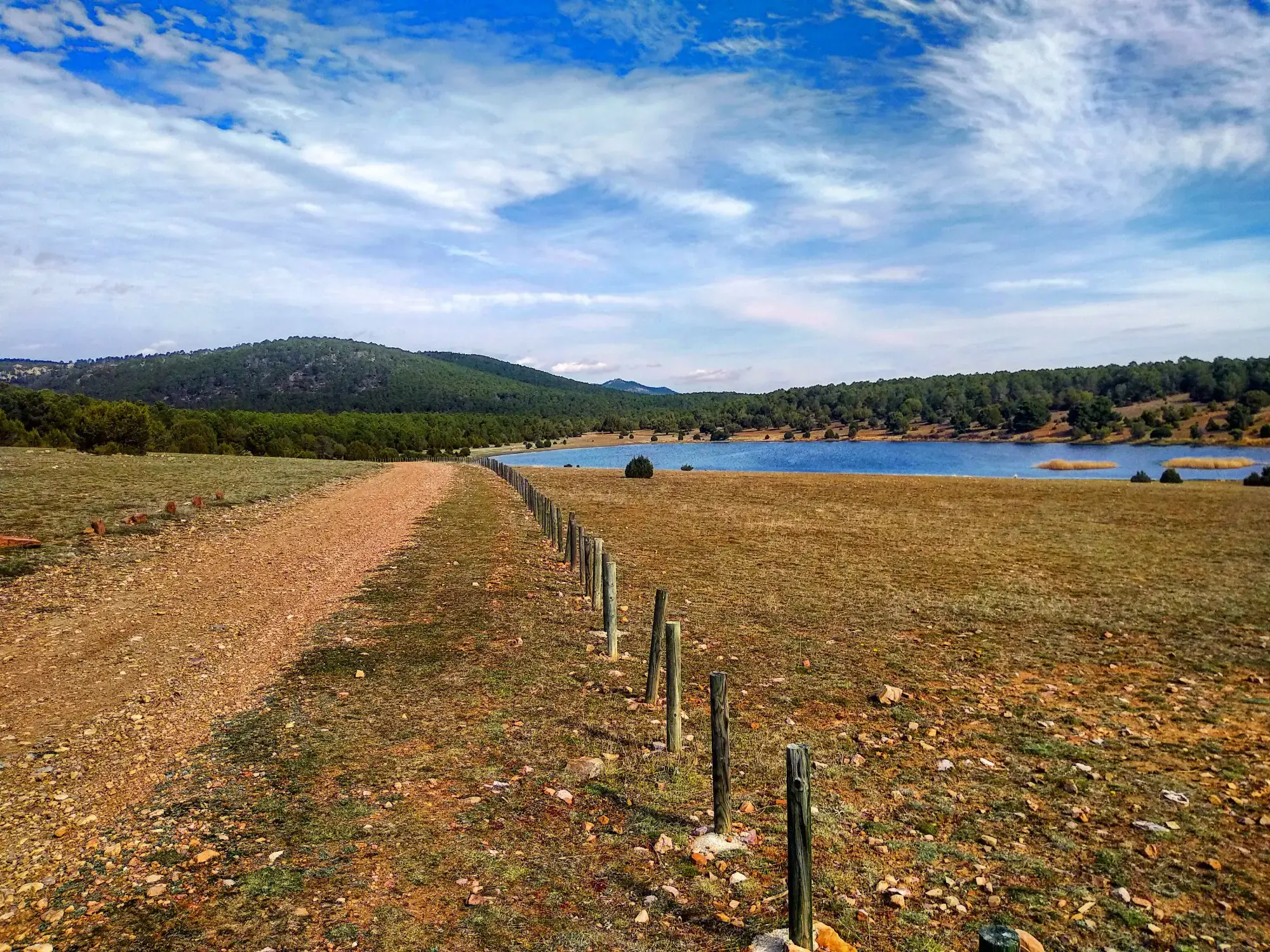
Sendero Español GR 10 — De este a oeste
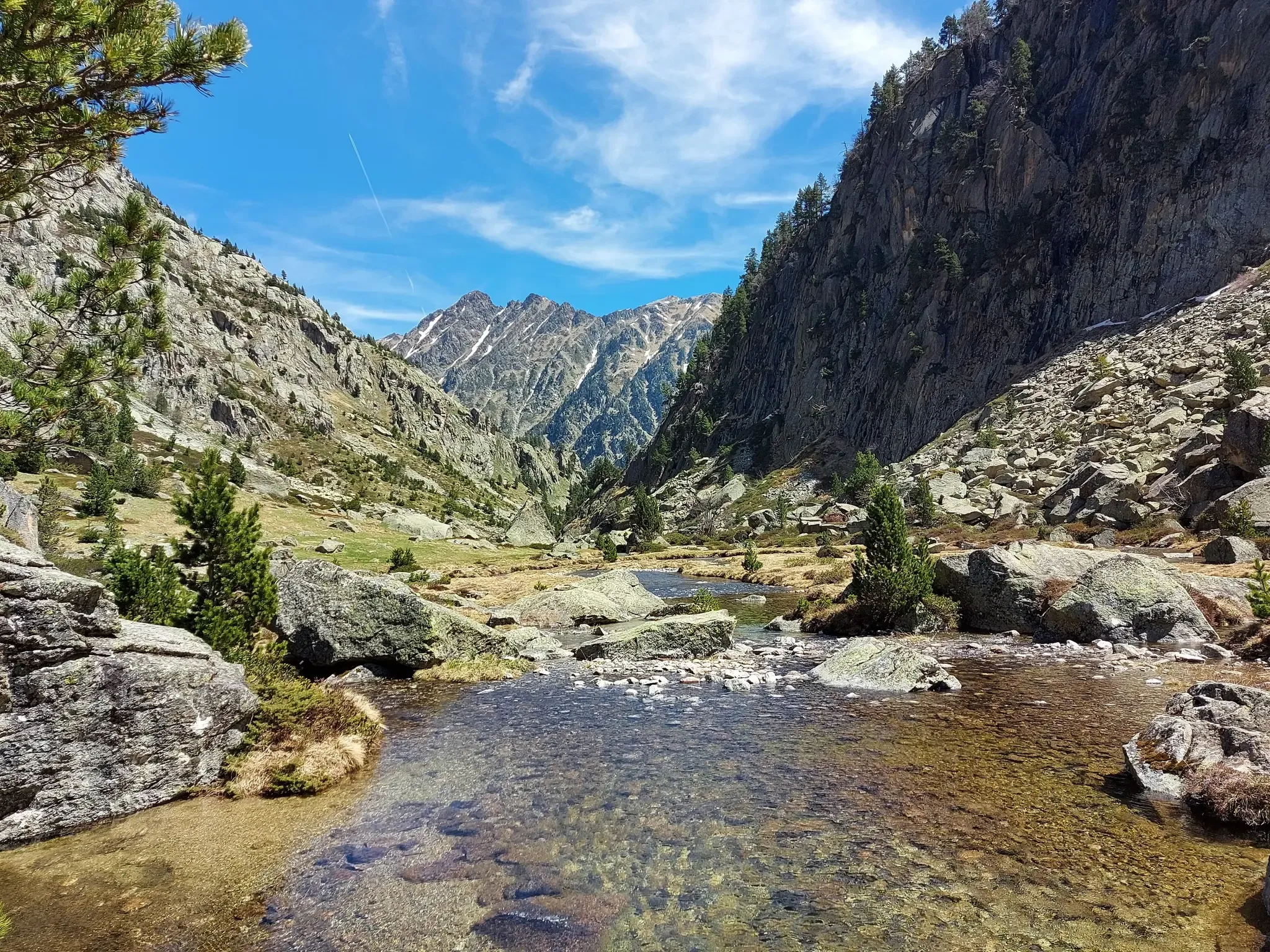
Tour of the Balaïtous – From passes to lakes
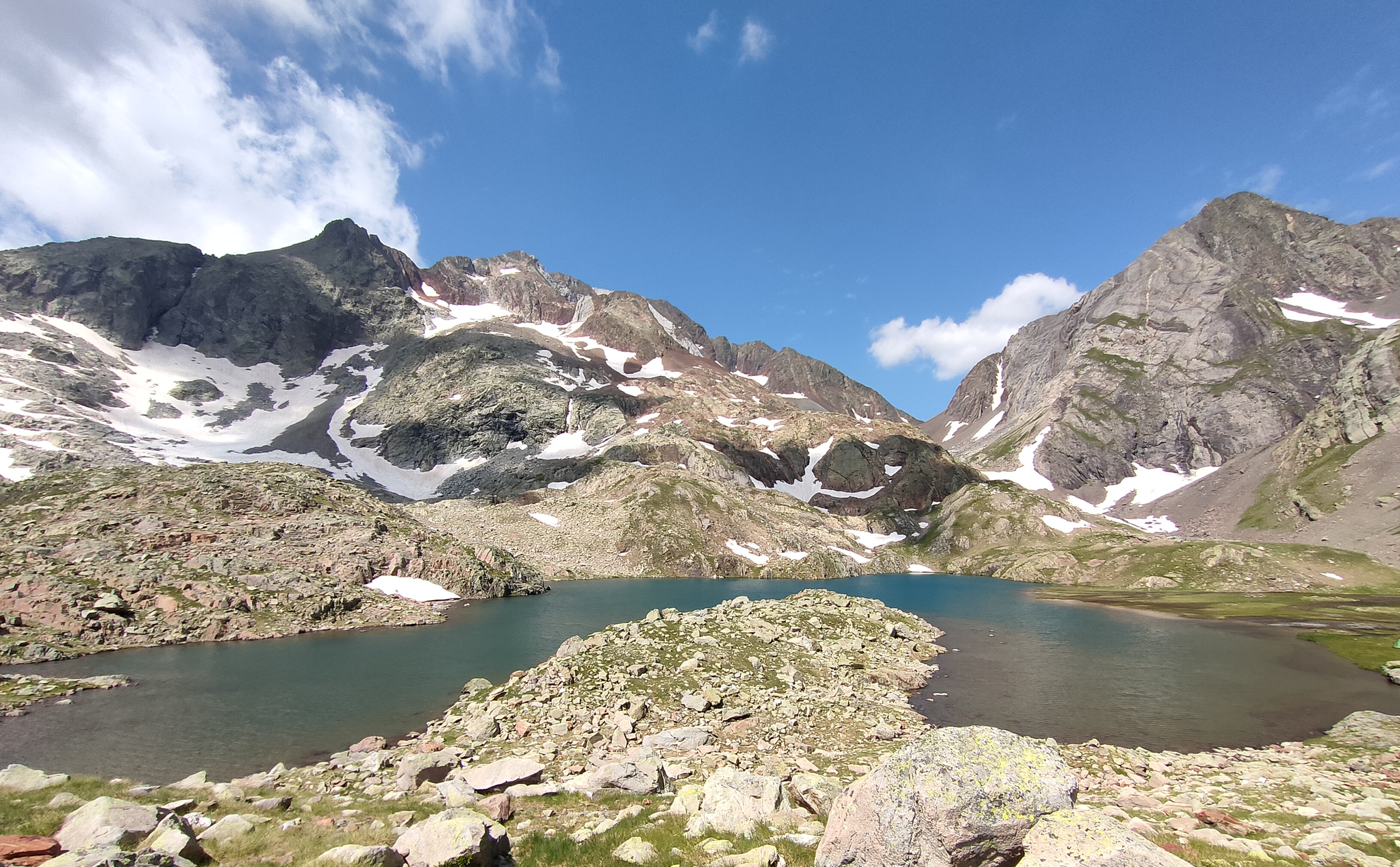
Panoramic Pyrenees – 15 hikers' peaks of over 3,000 metres
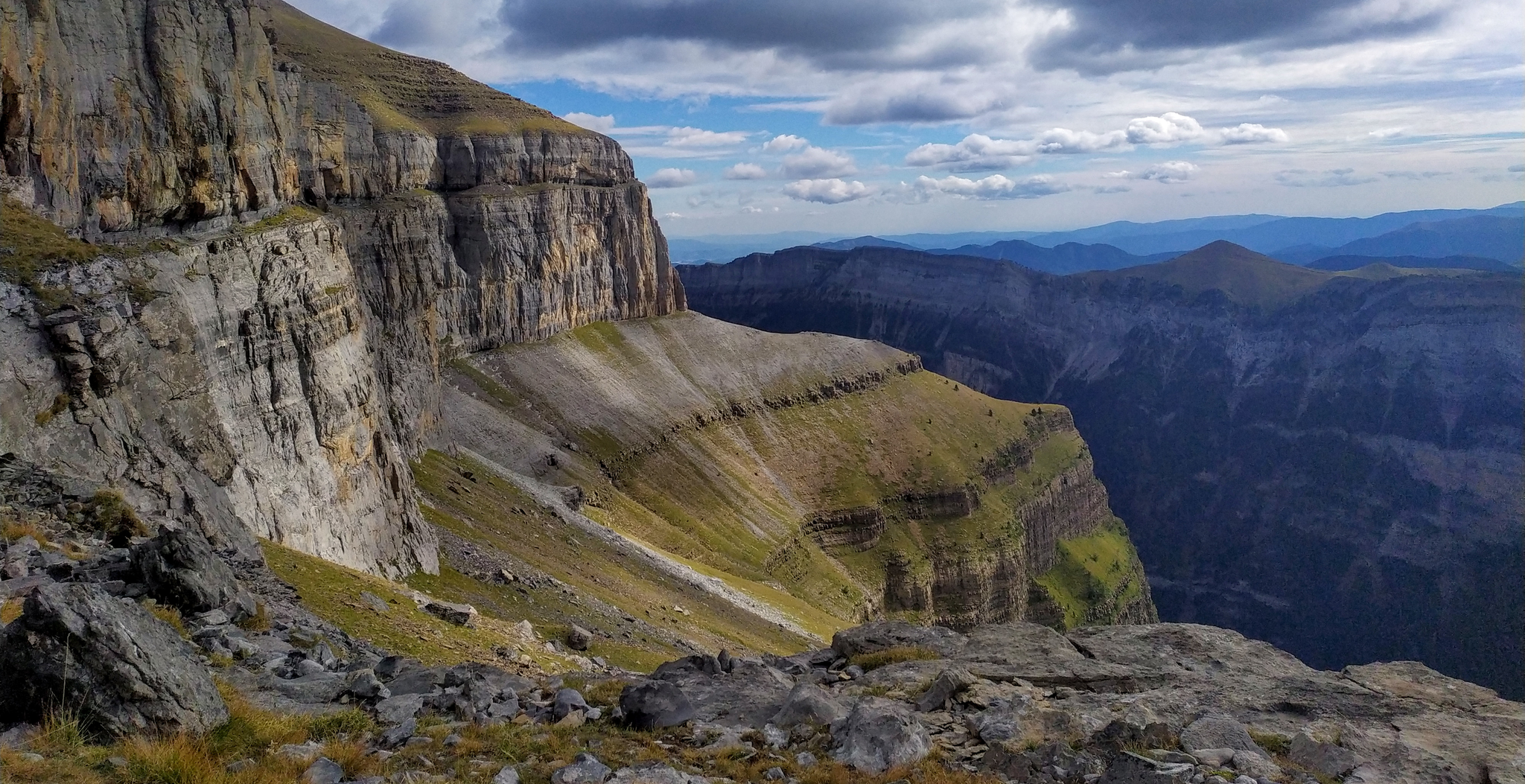
Hike from Gavarnie to Ordesa – A breathtaking loop in the cirques
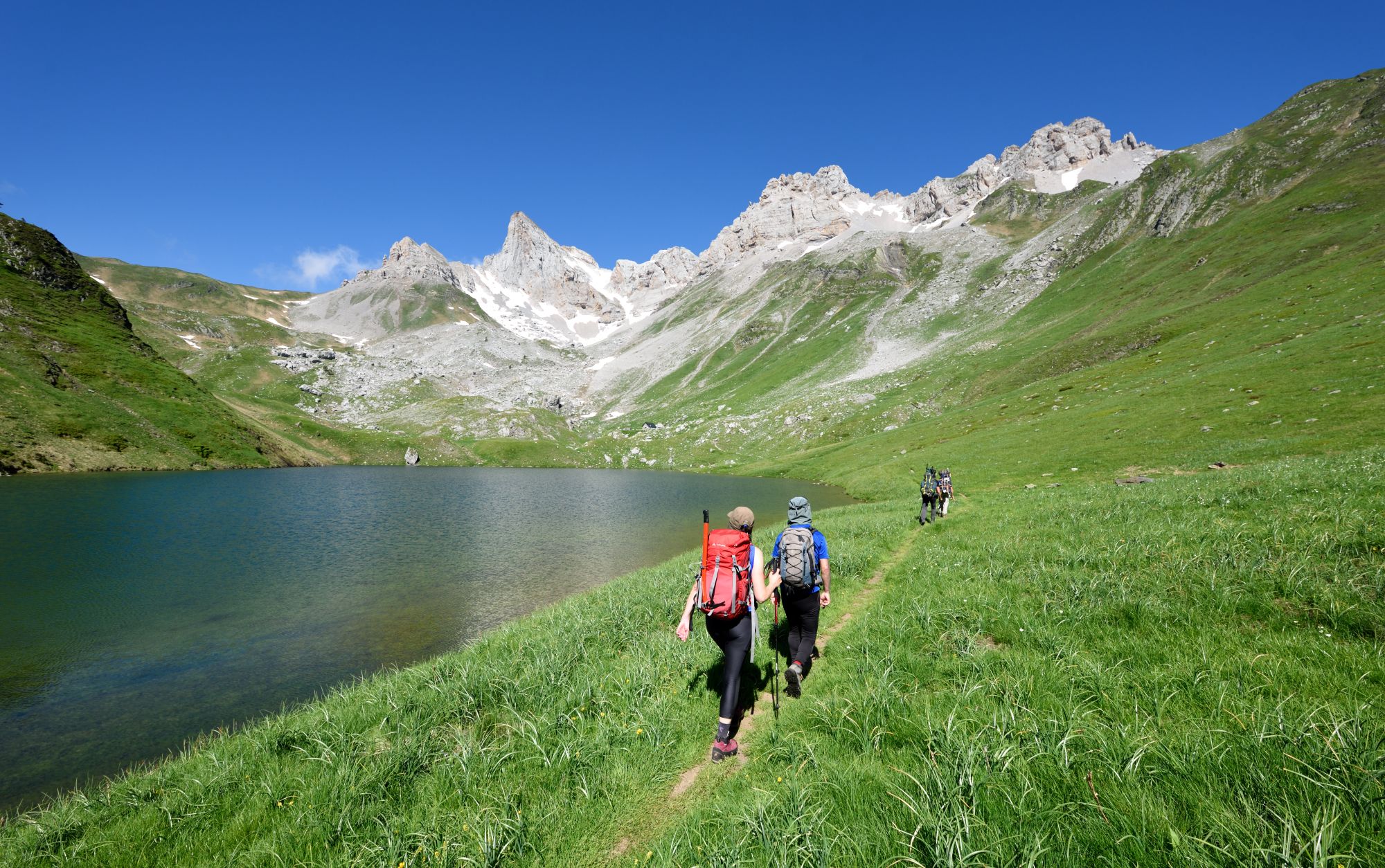
Classic Swallows Route in Spain – Mountains with history
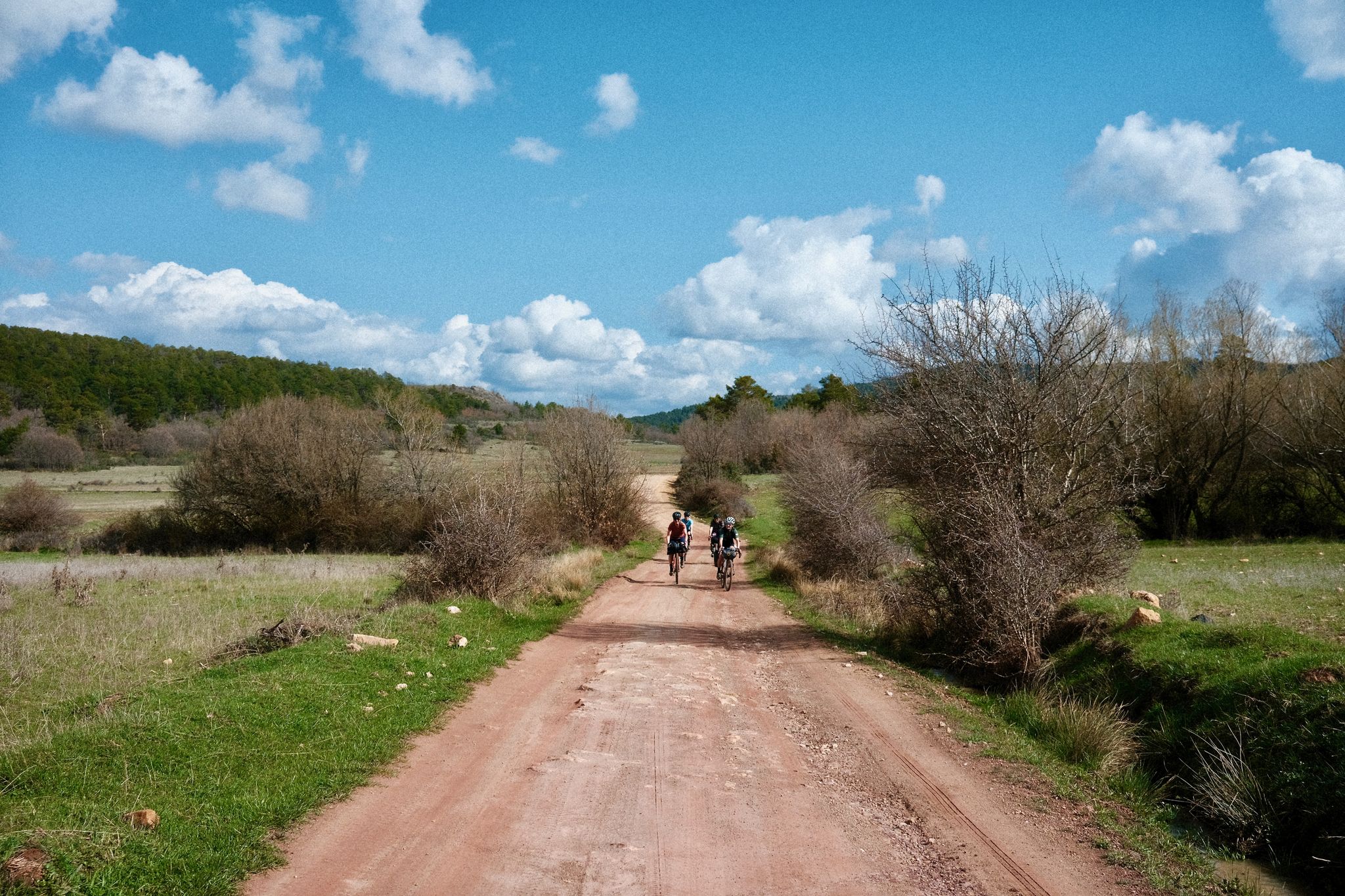
Women's Montañas Vacías 2022 — bikepack in rural Spain
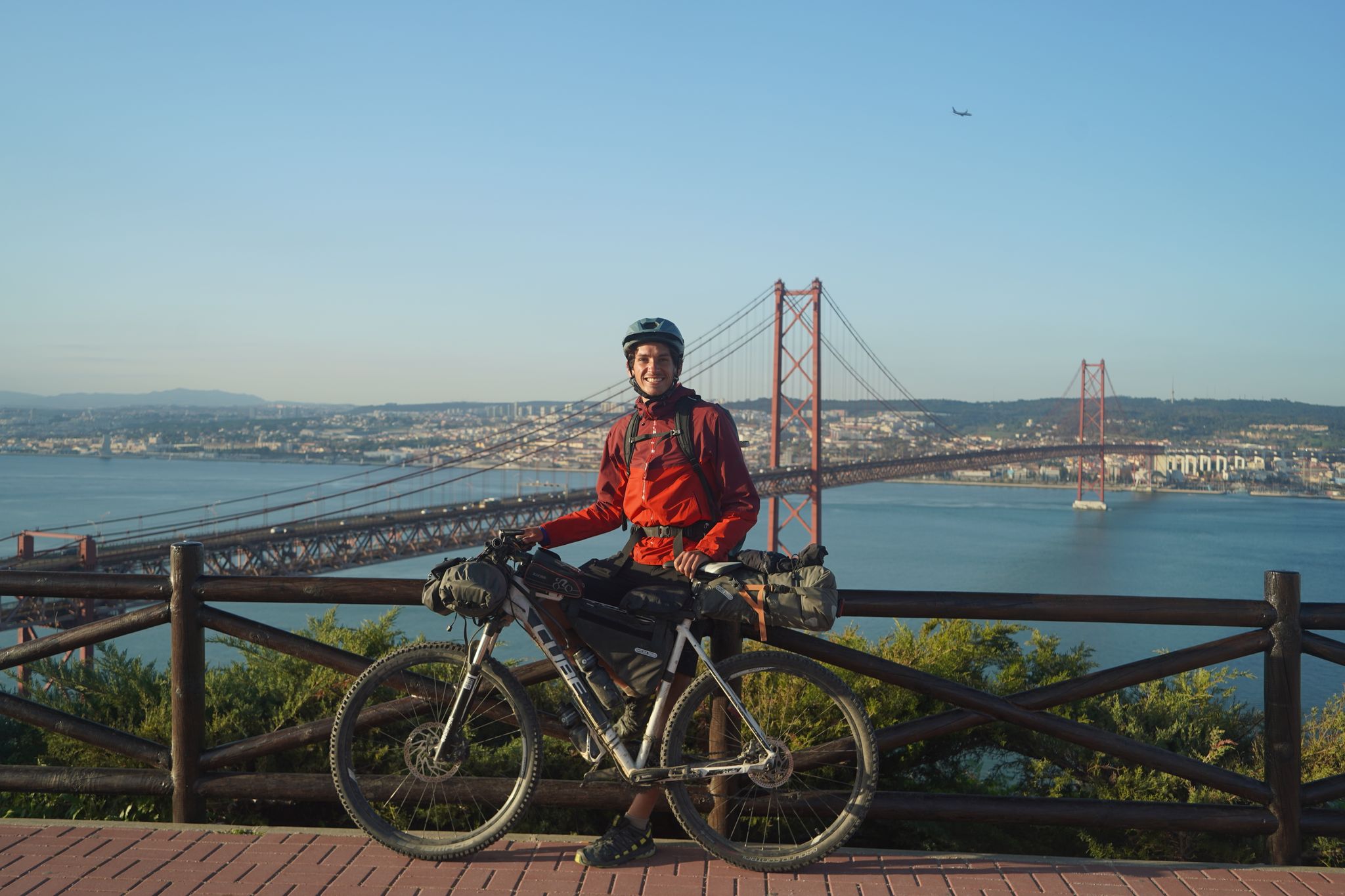
Road to Lisbon – bikepacking the Alps, Pyrenees and Picos de Europa
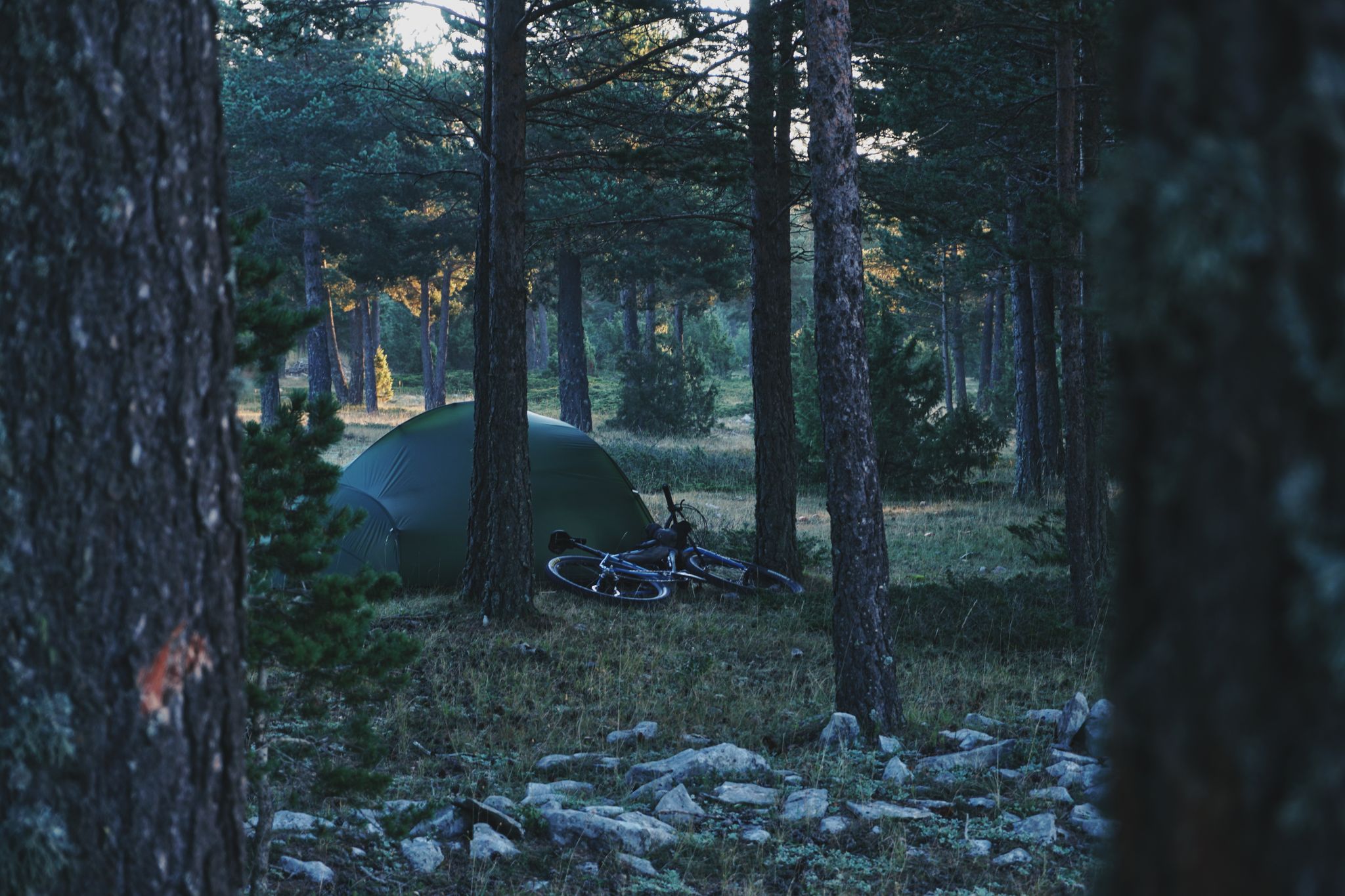
MontañasVacías official — bikepacking across the Spanish Lapland
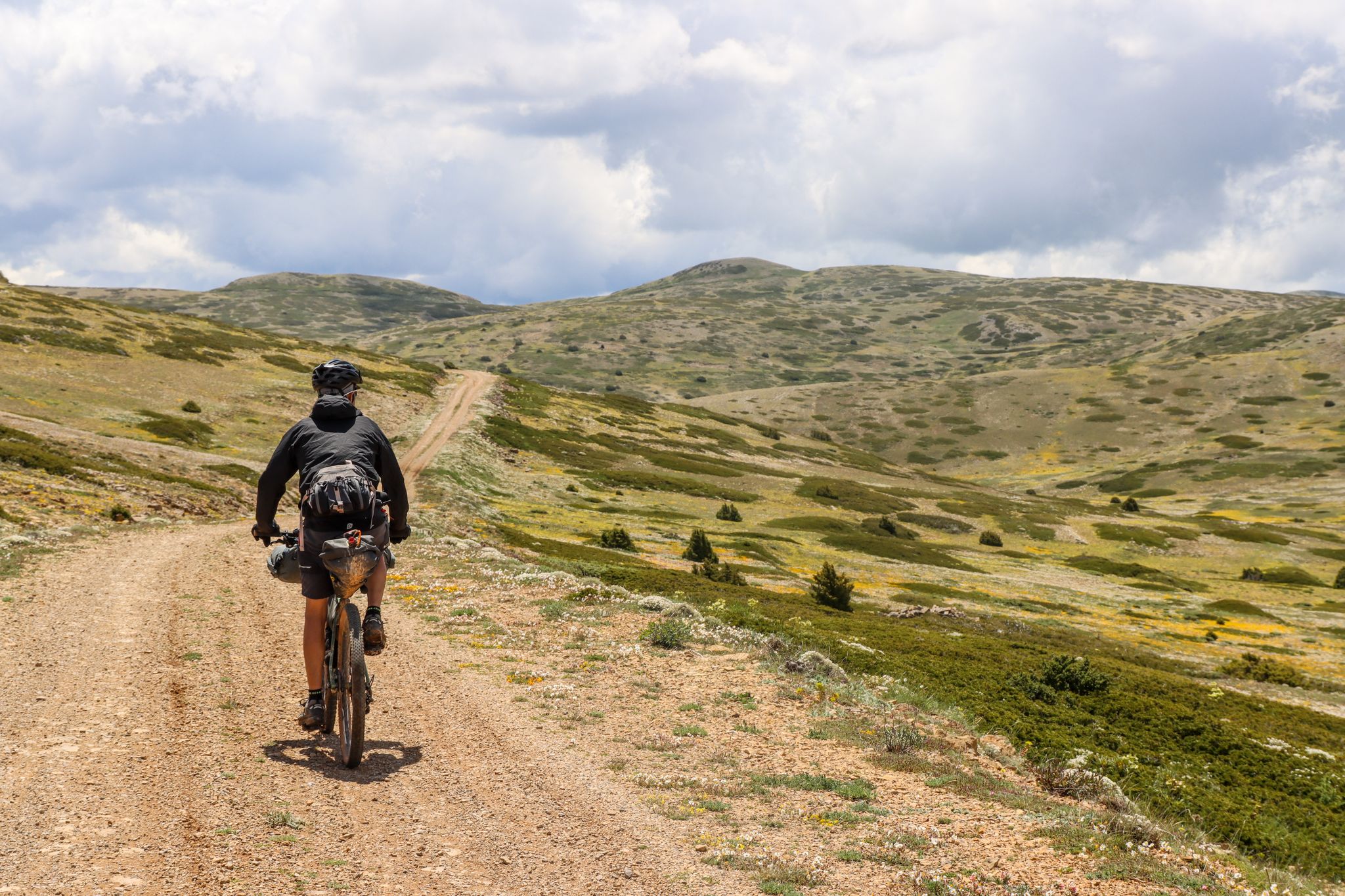
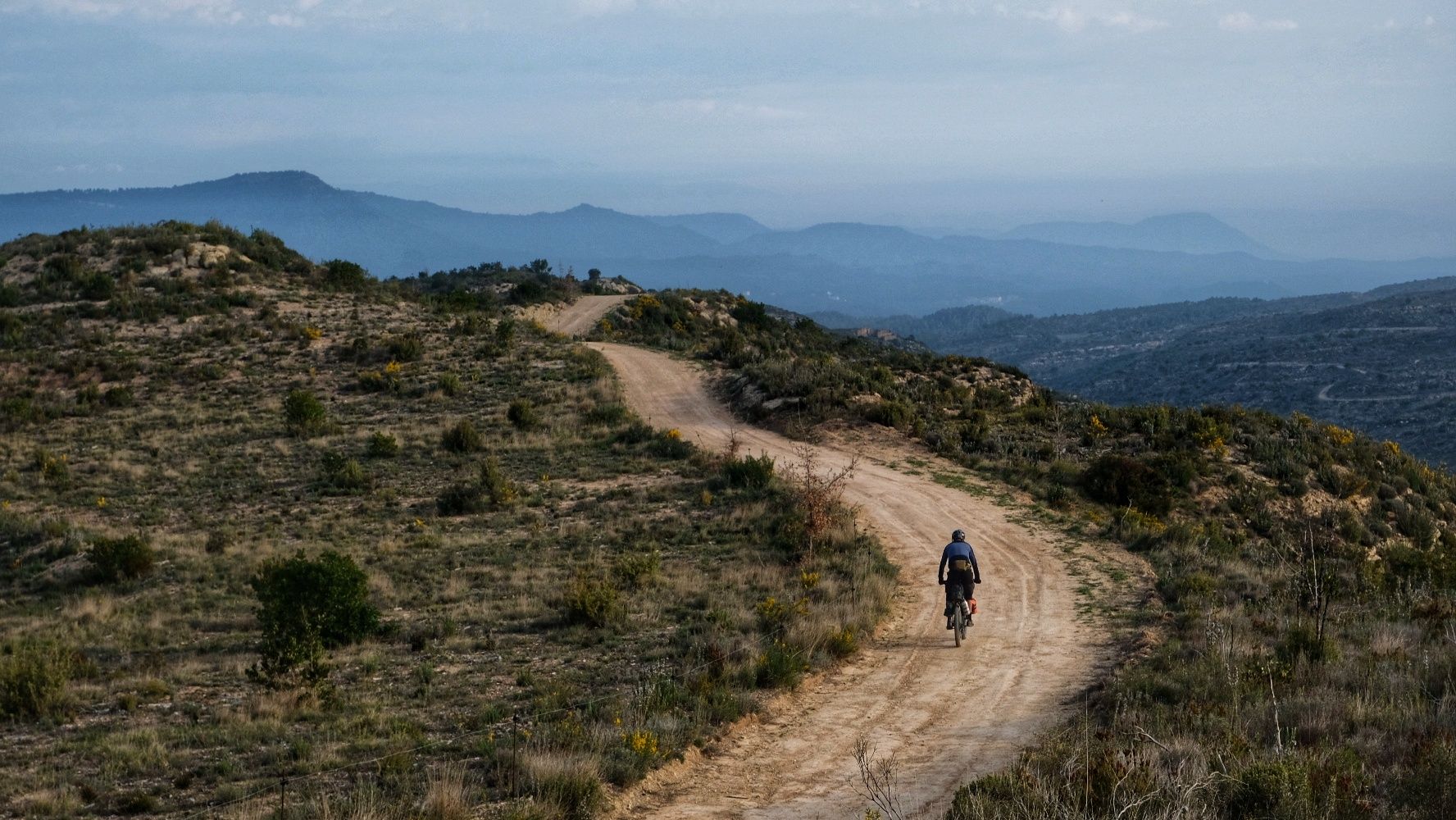
Montañas Vacías — bikepacking the wild and remote 'Empty Mountains'
Other adventures in Aragon


Tips from the Community

lunchtime lazy wank brought me to https://livesexcams9.cc/ again, typed 'anal' into search, filtered by 'new' and stumbled upon thin 20yo art student painting a canvas, brush between toes, butt plug tail swishing like a fox. next tip goal: replace brush tail with dildo, ofc. dudes in chat started requesting color palette matching her cunt swatches; we jokingly created a hex code #rosebutt69. she laughed so hard the tail popped out mid-squat, chat tipped harder, tail went back upgraded. pure art school chaos turned live sex performance. the site never asked for cc for just watching, i drifted like a hobo from nude live room to room, found cosplay nurses, gamer girls getting ploughed while league reloaded, bored housewives rubbing bean next to sleeping spouse. endless nude video call feels like scrolling tiktok except every clip is wet and uncensored and smells like possibility. tuesday evening boredom slammed me onto https://striphub.cc/ and https://stripcafe.org/ , sorted by 'hairy' found a 29yo petite asian squirter with full bush shaped into a heart, seriously cute shit. her room topic: "tip to water my garden," how poetic for a stoner fuck. i drop ten, she squirted into a plastic cactus pot perched on table, mission accomplished. site ran smooth even with picture-in-picture while i doomscrolled twitter. later discovered a german couple doing heavy metal karaoke while fucking, chick sang rammstein with dick inside, quality content. their private rate only 6 tokens a minute, cheapest live cam strip i ever saw. i hopped in, requested Du Hast, and man, every "nein" synced with deep thrust, best remix ever. bookmark these freaks if you like live sex and mementos.
0
0

A legendary mountain pass in the Pyrenees. A crossing point between the Chistau and Benasque valleys, linking Sobrarbe and Ribagorza at an altitude of 2000m.
0
0

Entry into Spain, change from the northern, French side to the dry southern valley to Parzan
0
0


A magnificent cross-country route that I never tire of: France ➡️ Col des Mulets ➡️ Spain ➡️ Col d'Arratille ➡️ France 🤩 In this sense, although the climb to the Col des Mulets from Les Oulettes may seem steep, at least at the start, it is done quite quickly, in less than 2 hours. In September, you will no longer find snow on the path that connects the two passes. One point of attention, however: as you approach the Col d'Arratille, a passage may seem tricky for some and will require a certain agility. Indeed, a short rocky section, requiring the support of the hands, leads to a flat area from where you will continue your path without difficulty. At the Col d'Arratille, you will come across its lake, a jewel whose colors will remain in your memory for a long time.
1
0

Beautiful glacial cirques, interesting morphology. Fragile terrain and subject to erosion.
1
0

Splendid stony passage in Spain along the cirque between the two passes to return to France.
0
0

A fairly easy to access viewpoint which offers a magnificent view of the Gavarnie cirque and Mont Perdu Park.
1
1
Frequently Asked Questions
What are some lesser-known but rewarding mountain passes in Aragon?
For those seeking a more solitary and authentic high-mountain experience, Collado de Sahún (also known as Puerto de Sahún) is an excellent choice. It's a high-mountain pass connecting the Gistaín and Benasque valleys, known for its challenging ascents, stunning natural environment including pine forests and mountain meadows, and spectacular views of the Posets massif. Another option is Puerto de Fanlo, located in the heart of Sobrarbe, offering diverse landscapes from dramatic gorges to dense forests.
Are there mountain passes in Aragon suitable for family outings?
While many passes offer challenging terrain, some can be enjoyed by families. For example, the area around Port de Vénasque / Puerto de Benasque offers rewarding views, and while the pass itself is high-altitude, there are less strenuous sections and approaches that can be explored. When planning with family, consider passes with well-defined paths and moderate elevation gains, and always check current conditions.
What kind of natural features can I expect to see at Aragon's mountain passes?
Aragon's mountain passes are rich in natural beauty. You can expect to see dramatic geological formations like Roland's Breach, which is a natural gateway in the middle of a cliff. Many passes offer panoramic viewpoints, high-altitude lakes (such as near Col de la Fache or Picada Pass), dense forests, and mountain meadows. The region is part of the Pyrenees, so rugged peaks and deep valleys are common.
What is the best time of year to visit the mountain passes in Aragon?
The best time to visit Aragon's mountain passes generally depends on your activity. For hiking and cycling, late spring (May-June) and early autumn (September-October) offer pleasant temperatures and vibrant scenery. Summer (July-August) is also popular, especially for higher-altitude passes, but can be warmer. Winter brings snow, making some passes only accessible for winter sports or requiring specialized equipment. Somport Pass is one of the few passes in the Pyrenees that is open all year round.
Are there historical sites or cultural points of interest near Aragon's mountain passes?
Yes, several mountain passes in Aragon hold historical significance. Somport Pass is a notable example, being a significant crossing point in the Pyrenees and part of the historic Camino de Santiago pilgrimage route. Puerto de Monrepós has historically served as a crucial gateway to the Aragonese Pyrenees. These passes often have ancient routes and stories tied to their role as border crossings and trade paths.
What outdoor activities can I do near the mountain passes in Aragon?
The areas around Aragon's mountain passes are ideal for various outdoor activities. You can find numerous mountain hikes, including challenging routes like the Baños de Panticosa – Garmo Negro loop. There are also extensive MTB trails, such as the Ruta Bajo Peñas, and running trails like the Cola de Caballo Trail. Many passes are also popular for road cycling and scenic drives.
Which mountain passes offer the best panoramic views in Aragon?
For truly magnificent panoramic views, Port de Vénasque / Puerto de Benasque is highly regarded, offering stunning vistas on both the French and Spanish sides from its 2,444-meter summit. Puerto de Monrepós is also known as a 'balcony' or 'viewpoint' of the Pyrenees, providing expansive views on clear days. Many other passes, such as Bonansa Pass and Collado de Argibiela, also feature excellent viewpoints.
Are there any challenging multi-day routes that traverse mountain passes in Aragon?
Yes, for experienced hikers and mountaineers, routes like the Col d'Arratille and Col des Mulets Traverse offer a magnificent cross-country experience, connecting France and Spain via challenging terrain and stunning landscapes. These routes often involve steep climbs, rocky sections, and require good physical condition and navigation skills. Always prepare thoroughly for multi-day excursions in high mountain environments.
What should I know about road conditions when driving or cycling through Aragon's mountain passes?
Road conditions vary significantly across Aragon's mountain passes. Major passes like Puerto del Portalet (A-136) and Puerto de Monrepós (A-23) generally have wide sections and good asphalt. However, some passes, especially lesser-known or higher-altitude ones like Puerto de Sahún, may have unpaved sections or uneven surfaces. Always check current road conditions, especially during adverse weather or outside peak seasons, as some routes can be one-way or have seasonal closures.
What makes Puerto del Portalet a popular mountain pass?
Puerto del Portalet is popular for its scenic beauty, especially as you approach the summit with views of Sallent de Gállego and the Midi d'Ossau. This cross-border pass connects Spain and France and has been featured multiple times in major cycling events like the Vuelta a España and the Tour de France. It's a long climb, stretching over 27 kilometers, making it a favorite for cyclists.
Can I find trails with lakes near the mountain passes in Aragon?
Absolutely. Many passes in Aragon are close to or feature beautiful mountain lakes. For instance, the route to Picada Pass passes by small lakes known as Basetas del Portillón. The Col d'Arratille and Col des Mulets Traverse also includes a stunning lake at Col d'Arratille. These areas often provide picturesque spots for rest and photography.
What are the typical challenges when exploring mountain passes in Aragon?
Exploring Aragon's mountain passes can present several challenges, including significant elevation gains, variable weather conditions (especially wind at high altitudes like Roland's Breach), and sometimes rugged or unpaved terrain. Some routes, such as those around Puerto de Fanlo or Puerto de Sahún, feature irregular and steep slopes. It's essential to be well-prepared with appropriate gear, check weather forecasts, and assess your fitness level for the chosen route.
Most popular routes in Aragon
Most popular attractions in Aragon

Get inspired with the komoot mobile app


Didn’t find what you were looking for?
Find even more amazing mountain passes in Aragon organized by region:
Explore more
See even more epic mountain passes by checking out these guides in Aragon:
