The best hikes from bus stations in Aragon
4.5
(15676)
123,900
hikers
968
hikes
Bus station hiking trails in Aragon offer access to a region characterized by its diverse topography, ranging from the high peaks of the Pyrenees to semi-arid plains and deep canyons. The landscape includes dramatic mountain ranges, lush valleys, waterfalls, and glacial lakes, alongside unique geological formations and river systems. Approximately 40% of Aragon's territory is protected, encompassing a National Park and four Natural Parks, providing a wide array of environments for hiking.
Best bus station hiking trails in Aragon
- The…
Last updated: August 13, 2026
4.8
(1011)
7,048
hikers
17.8km
05:18
480m
480m
Hard hike. Very good fitness required. Mostly accessible paths. Sure-footedness required.
4.8
(368)
2,753
hikers
19.7km
08:18
1,180m
1,190m
Hard hike. Very good fitness required. Mostly accessible paths. Sure-footedness required.

Sign up for free
4.8
(45)
323
hikers
7.08km
03:02
370m
370m
Moderate hike. Good fitness required. Mostly accessible paths. Sure-footedness required.
4.2
(38)
297
hikers
Moderate hike. Good fitness required. Easily-accessible paths. Suitable for all skill levels.
4.2
(23)
96
hikers
6.82km
01:47
50m
50m
Easy hike. Great for any fitness level. Easily-accessible paths. Suitable for all skill levels.
Get access to more routes and recommendations from other explorers.
Sign up for free
Already have an account?
Our route recommendations are based on thousands of hikes, rides, and runs completed by other people on komoot.
Start today with a free account
Your next adventure awaits.
Login or Signup
Popular around Aragon

Hikes from bus stations in the Pyrenees

Hikes from bus stations in Huesca
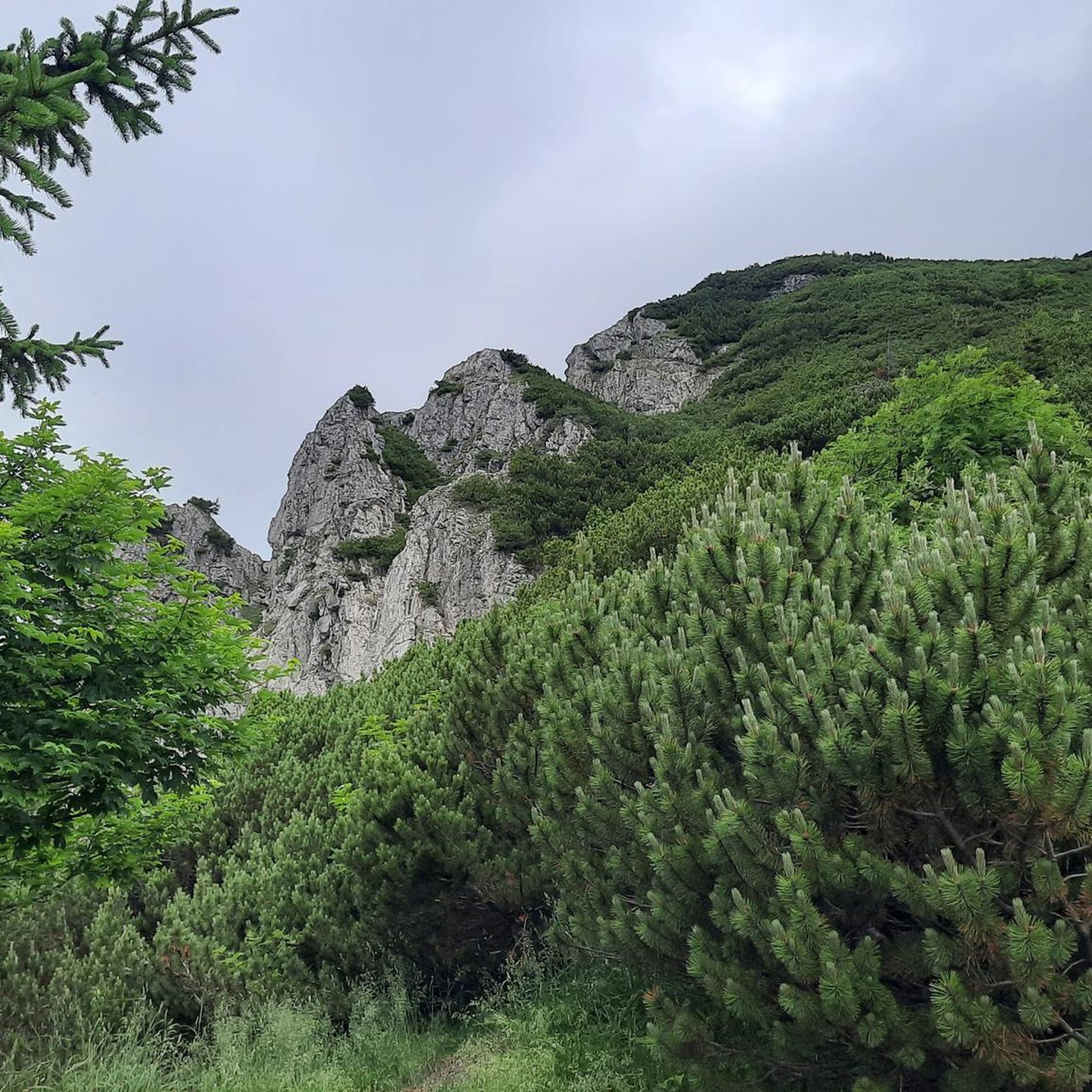
Hikes from bus stations in Zaragoza
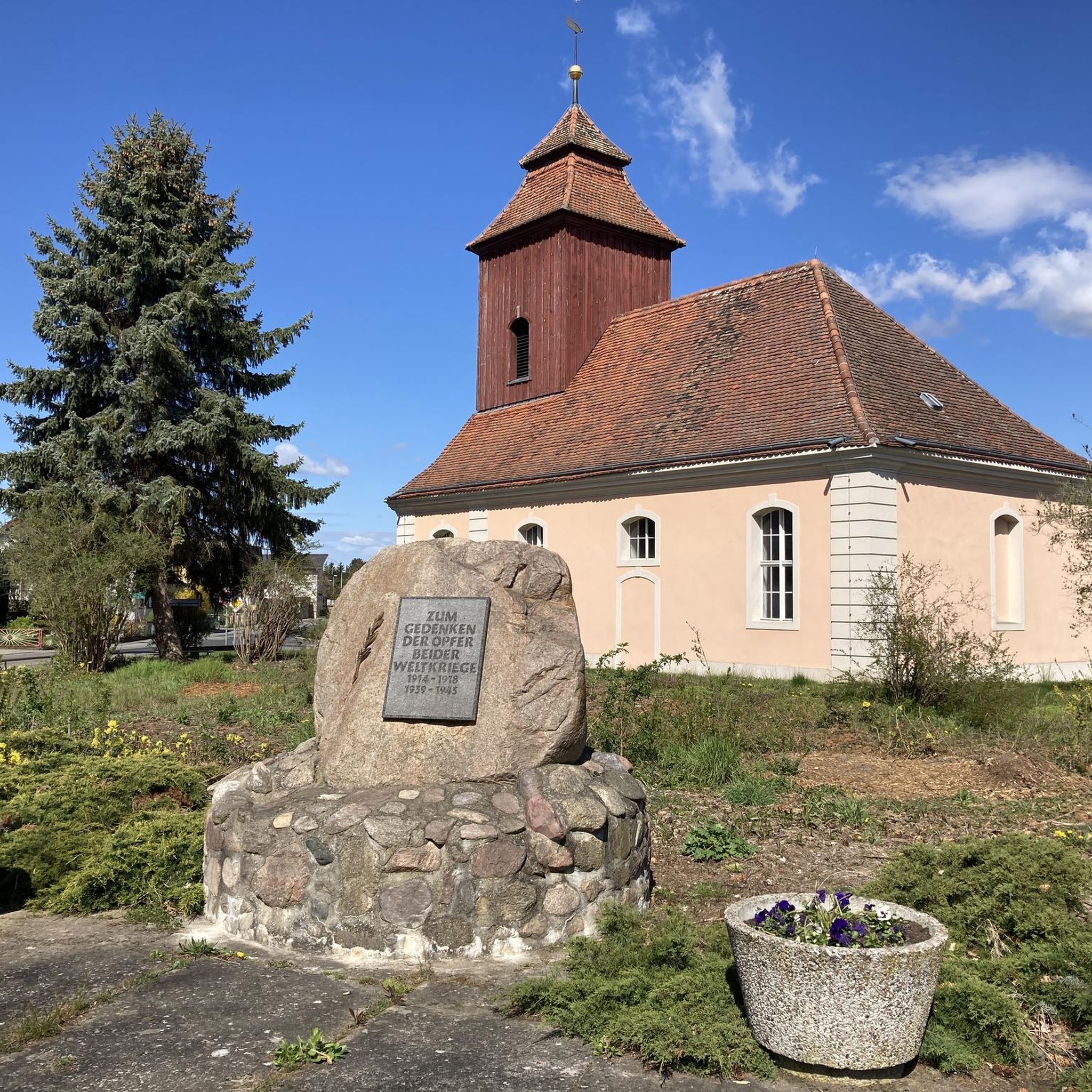
Hikes from bus stations in Teruel
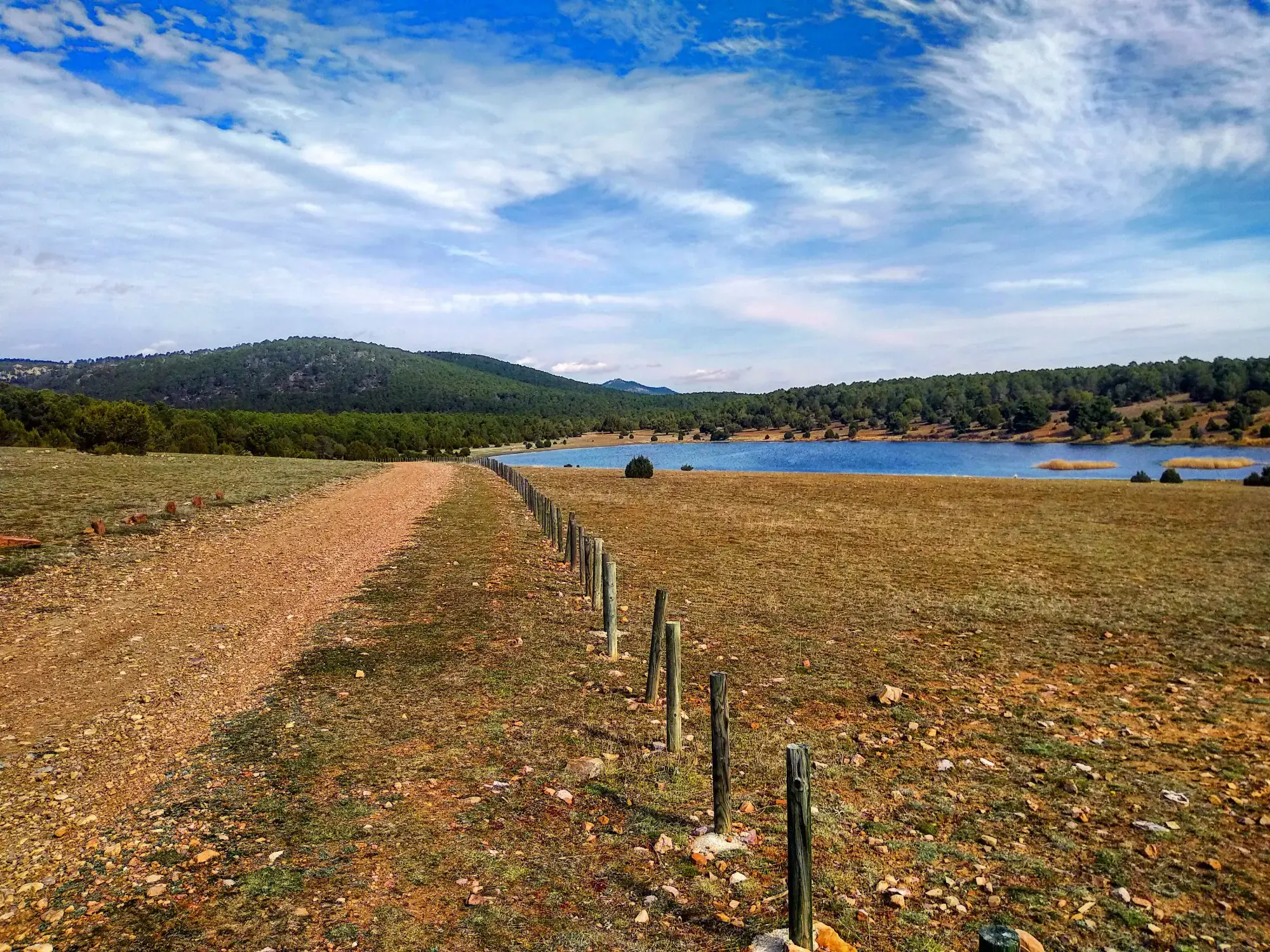
Sendero Español GR 10 — De este a oeste
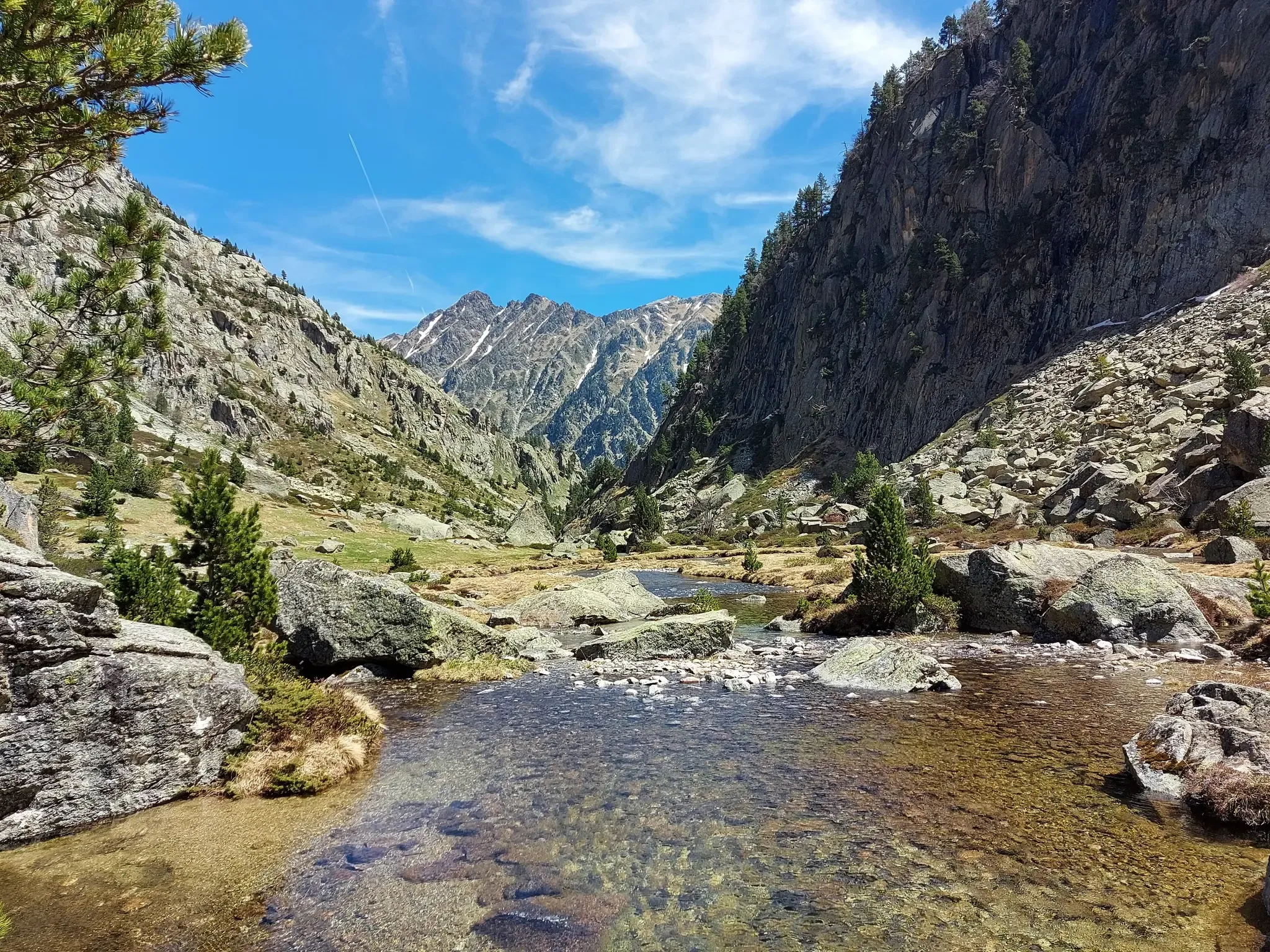
Tour of the Balaïtous – From passes to lakes
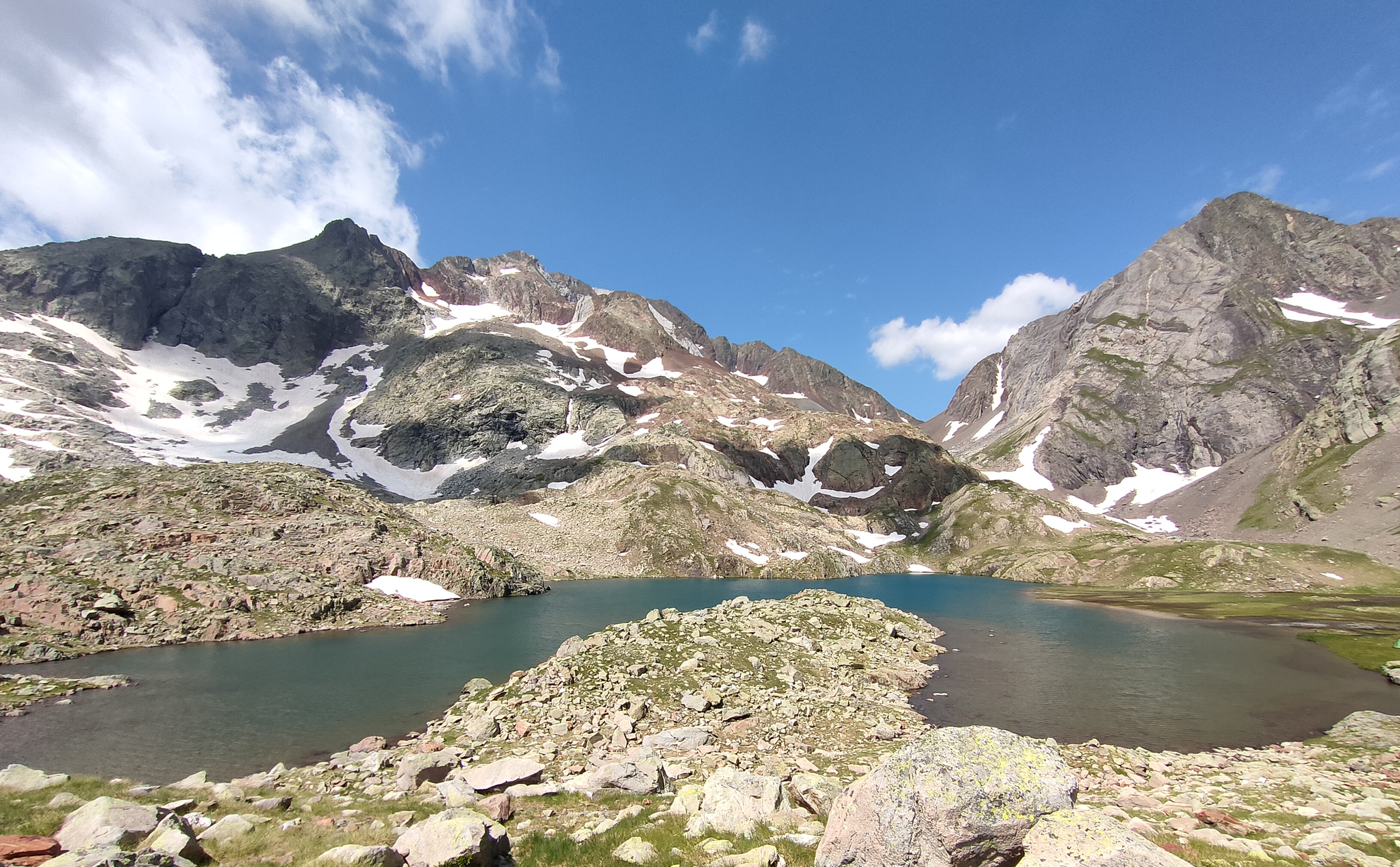
Panoramic Pyrenees – 15 hikers' peaks of over 3,000 metres
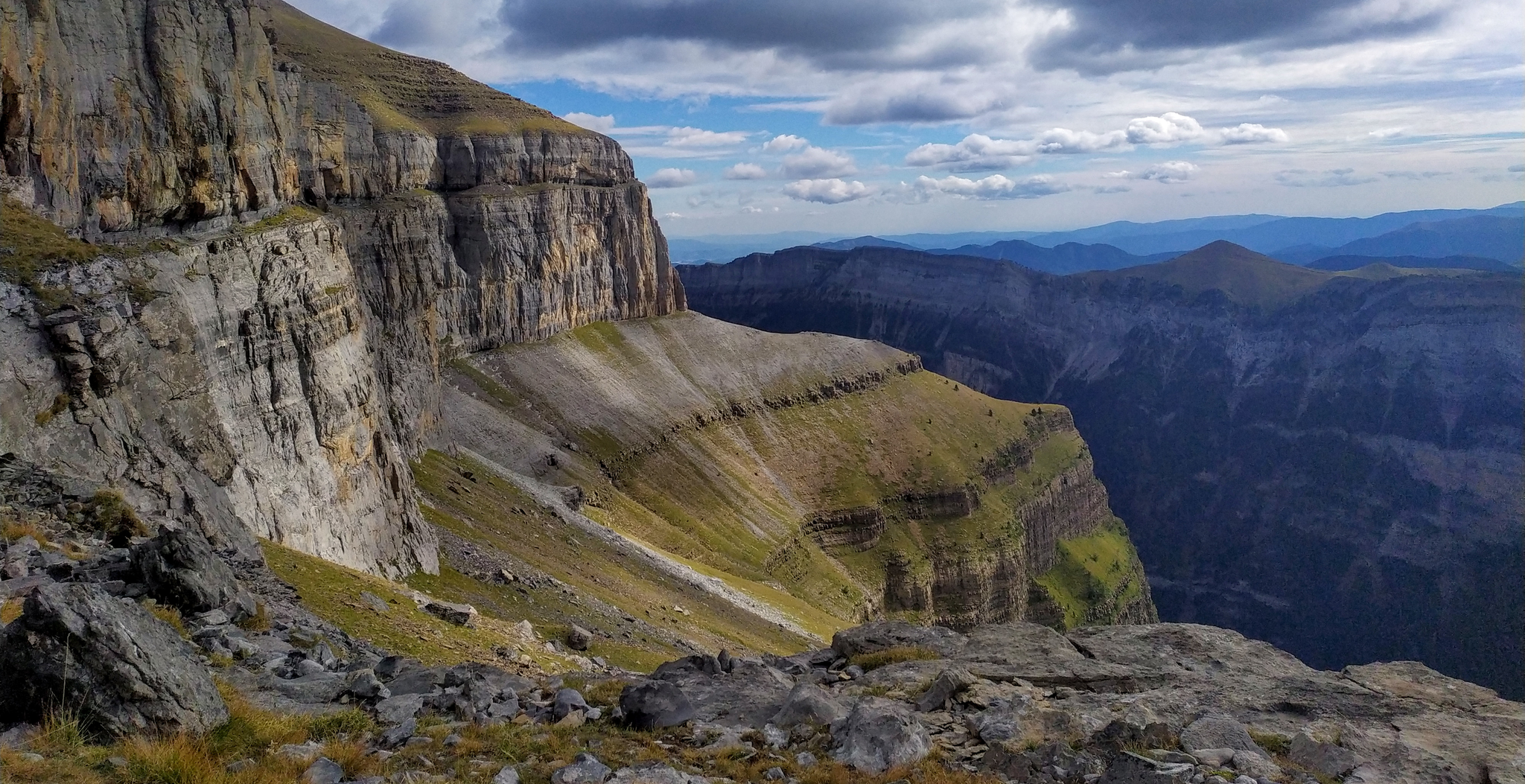
Hike from Gavarnie to Ordesa – A breathtaking loop in the cirques
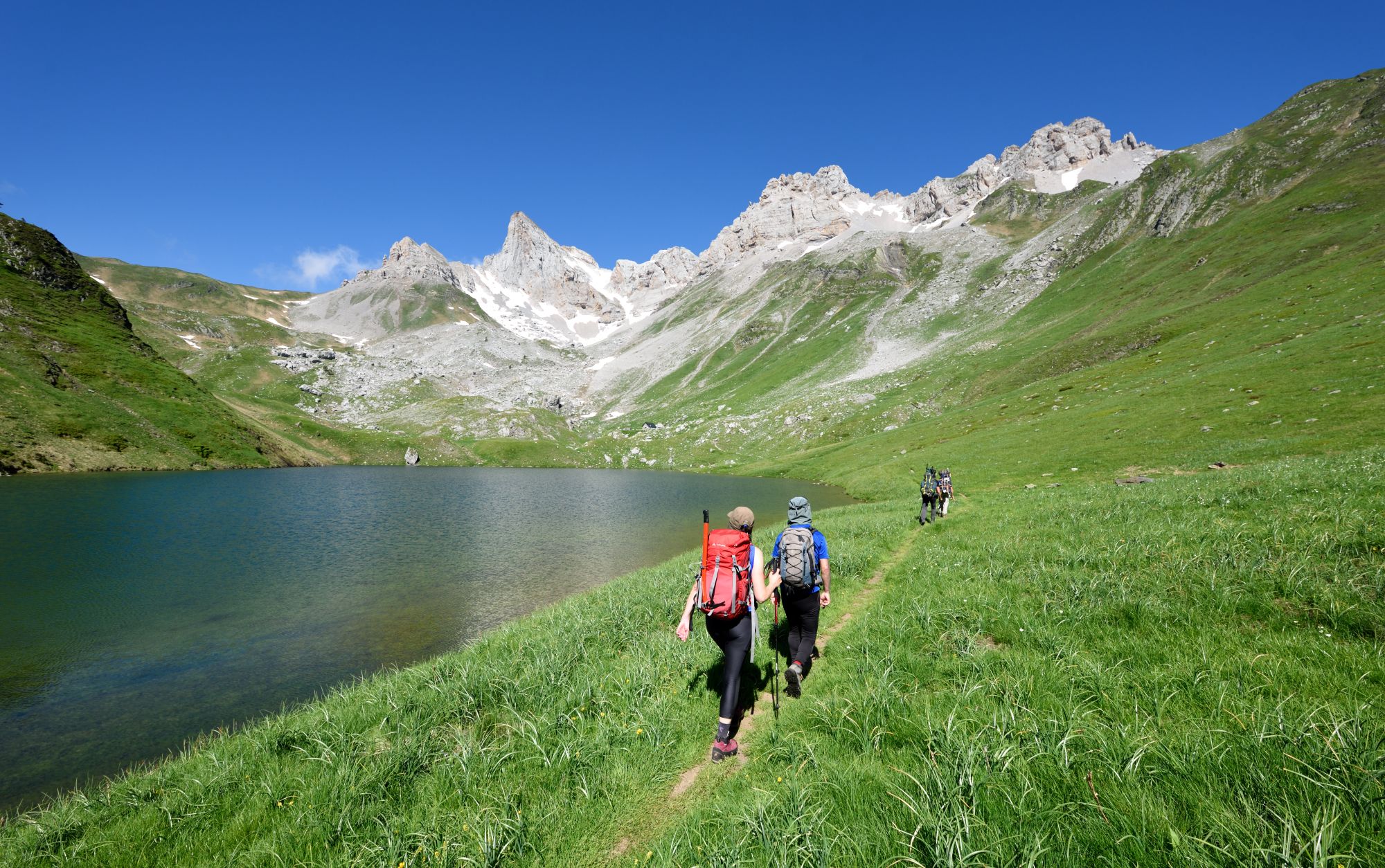
Classic Swallows Route in Spain – Mountains with history
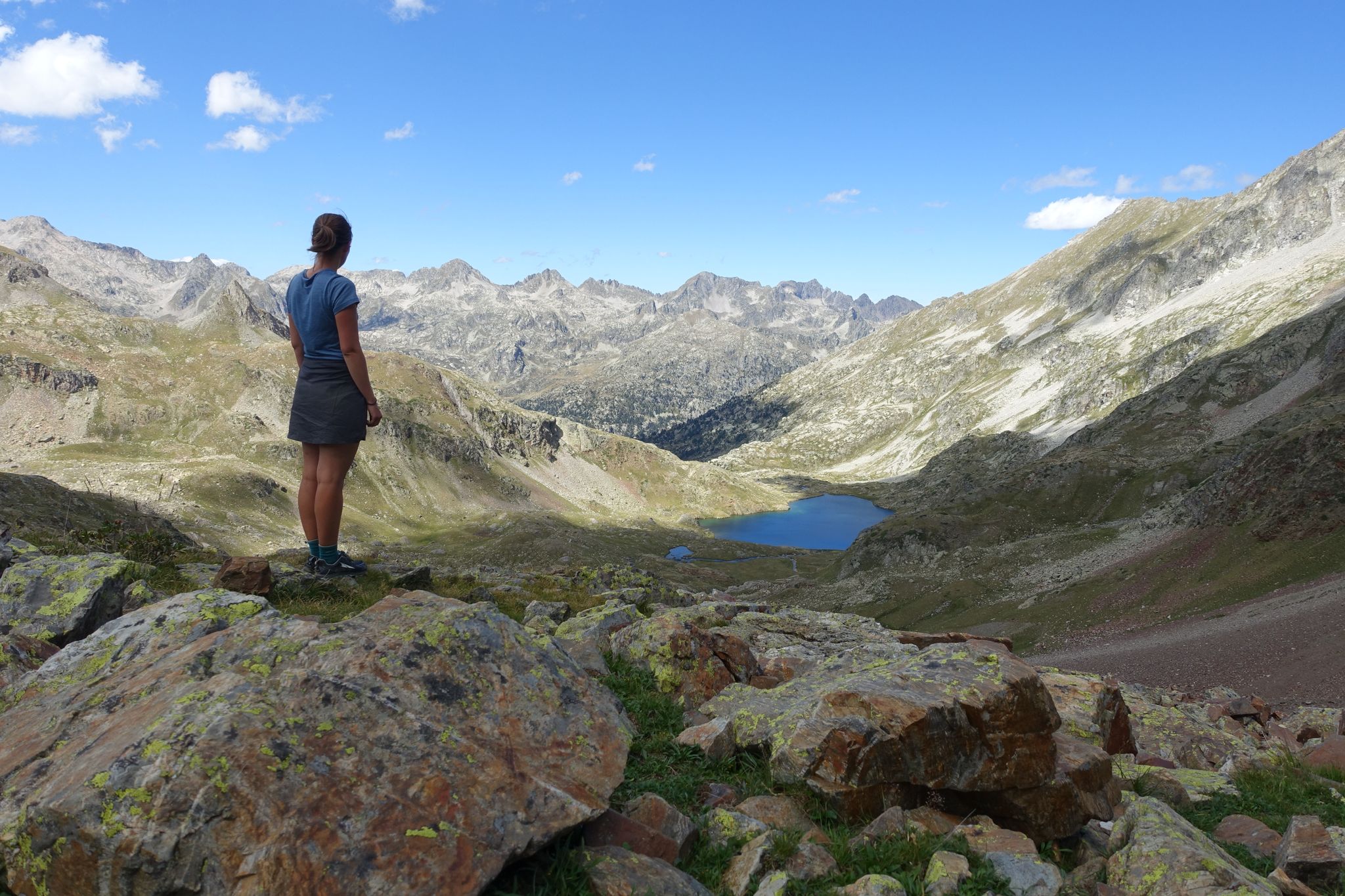
Haute Route Pyrénéenne – Pyrenees Crossing
Other adventures in Aragon


Tips from the Community

Another of the waterfalls that are on the way up towards Cola de Caballo.
2
0

The highlight of Zaragoza. A visit is a must for its historical significance, the beauty of the basilica, and the fact that it is still active. But be prepared for crowds, often with poor manners. The Basilica of Our Lady of the Pillar: one of the two metropolitan cathedrals of the Archdiocese of Zaragoza, along with the Cathedral of the Savior. The documented history of the temple dates back to the 9th century, when the existence of a Mozarabic church in Saraqusta dedicated to Saint Mary is attested, on the same site where the Baroque basilica now stands. Architecturally, the basilica is structured with three naves resting on robust pillars. The exterior is made of brick. Free admission.
2
0

Great place to marvel at the force of nature. You almost forget that you still have a big hike ahead of you.
2
0

The Renclusa Refuge is located on the northern slope of the Maladeta massif in the municipality of Benasque, in the Ribagorza region of Huesca. Its location makes it the reference point for starting the ascent to Aneto. It has a capacity of 93 places and offers bed linen. It also has hot water showers, heating, a kitchen for guests to use freely, a restaurant and a bar, among other amenities.
1
0

It is a beautiful, friendly and lively square that is often the setting for cultural events, markets and religious celebrations.
8
1
It is a beautiful, friendly and lively place that is often the scene of cultural events, markets and religious celebrations.
8
1
The Basilica of the Pillar in Zaragoza is an impressive Baroque church built between the 17th and 18th centuries. Located on the banks of the Ebro River, it is a major pilgrimage destination in Spain. The basilica is famous for its magnificent architecture, the exquisite frescoes by Francisco de Goya, and its distinctive towers. It is considered one of the most important religious and cultural monuments in the country. Standing in front of the basilica in the plaza, it is so vast that I couldn't even fit it into a single photograph with a wide-angle lens.
9
1
Very nice square in the old town of Zaragoza
4
2
Frequently Asked Questions
How many bus-accessible hiking trails are available in Aragon?
Aragon offers a vast network of hiking trails accessible by bus, with over 800 routes listed in this guide. These trails cater to various skill levels, ensuring there's something for everyone, from easy strolls to challenging mountain ascents.
What kind of landscapes can I expect on bus-accessible hikes in Aragon?
Aragon's bus-accessible trails traverse an incredibly diverse range of landscapes. You can explore the majestic peaks and lush valleys of the Pyrenees, including areas like Ordesa y Monte Perdido National Park, or discover the unique canyons and rock formations of the Sierra y Cañones de Guara Natural Park. Other options include the semi-arid plains of Los Monegros or the forested areas around Monasterio de Piedra, known for its waterfalls.
Are there family-friendly hiking trails accessible by bus in Aragon?
Yes, Aragon has several family-friendly options reachable by public transport. For instance, the Valle de Tena – Natural Path of Lanuza Reservoir near Sallent de Gállego offers a moderate, scenic circular route. The Route of the Footbridges of Alquézar in the Sierra y Cañones de Guara Natural Park is also well-known for being suitable for families, offering an engaging experience along the Vero River Canyon.
Can I find circular hiking routes that start and end at a bus station?
Absolutely. Many trails in Aragon are designed as circular routes, making them ideal for bus-based exploration. Examples include the Besurta - Renclusa - Aiguallut Circular Trail, which offers stunning Pyrenean scenery, or the Historic center of Zaragoza route for an urban exploration. These allow you to return to your starting point without needing additional transport.
What are the best times of year to hike these bus-accessible trails?
The best time largely depends on the specific region and altitude. Spring and autumn generally offer the most pleasant conditions across Aragon, with mild temperatures and vibrant landscapes. For higher Pyrenean routes, summer is ideal, as snow has melted and bus services to national parks like Ordesa are often more frequent. Lower altitude trails can be enjoyed year-round, though summer can be very hot in some areas, and winter may bring snow to higher elevations.
Are there any trails that feature waterfalls or lakes accessible by bus?
Yes, Aragon is rich in natural water features. The iconic Cola de Caballo waterfall in Ordesa y Monte Perdido National Park is a must-see, often reached via bus to the Ordesa Meadow. You can also find beautiful mountain lakes, known as 'ibones,' such as Ibón de Acherito or Anayet Lakes, though access to some of these might require a longer hike from the nearest bus stop.
What do other hikers say about the bus-accessible trails in Aragon?
The bus-accessible trails in Aragon are highly rated by the komoot community, with an average score of 4.5 stars. Hikers frequently praise the stunning natural beauty, the variety of landscapes, and the convenience of reaching trailheads via public transport, especially for accessing popular national parks and scenic spots without a car.
Are there any historical sites or points of interest along these routes?
Many bus-accessible routes in Aragon offer glimpses into the region's rich history and culture. For example, the Monasterio de Piedra features a 13th-century Cistercian monastery alongside its natural waterfalls. In the Sierra y Cañones de Guara, you can find the hermitage of San Martín de la Val d'Onsera. The El Chorro Waterfall and the Cave and San Cornelio Hermitages also offer a blend of natural beauty and historical significance.
What are the difficulty levels of bus-accessible hikes in Aragon?
The trails range widely in difficulty. This guide includes 277 easy routes, perfect for casual walkers or families, 436 moderate routes for those seeking a bit more challenge, and 105 difficult routes for experienced hikers looking for strenuous ascents and longer distances, particularly in the Pyrenees. Always check the specific route details before you go.
Are there any specific bus routes or services I should be aware of for accessing trails?
Yes, especially for popular areas like Ordesa y Monte Perdido National Park. During peak seasons, a shuttle bus service often operates from Torla to the Ordesa Meadow, where many trails begin. For other natural parks and rural areas, regional bus lines connect towns and villages, providing access to various trailheads. It's always advisable to check local bus schedules and services in advance, as they can vary by season and day of the week.
Can I bring my dog on bus-accessible hiking trails in Aragon?
Many trails in Aragon are dog-friendly, but regulations can vary, especially within protected natural parks. For example, in Ordesa y Monte Perdido National Park, dogs are generally not allowed on the main valley floor trails but may be permitted on certain peripheral routes or if kept on a leash. Always check the specific rules for the park or area you plan to visit, and ensure your dog is well-behaved and on a leash where required.
Most popular routes in Aragon
Most popular attractions in Aragon

Get inspired with the komoot mobile app


Didn’t find what you were looking for?
Check out more Hikes throughout Aragon below and find the perfect route in your destination.
Explore more
Browse the best Hikes in other regions.
