Top 20 Castles in Aragon
Best castles in Aragon showcase the region's rich history, from Moorish rule to the Christian Reconquista. Located in northeastern Spain, Aragon features diverse landscapes, including rocky ridges and river valleys, which provided strategic locations for these fortresses. The castles offer insights into medieval architecture, military strategies, and daily life across centuries. Exploring these sites reveals a blend of cultural influences and significant historical events.
Best castles in Aragon
- The most popular castles is Loarre Castle, a castle considered the best-preserved Romanesque castle in Europe. Perched on a limestone promontory, it offers commanding views and features well-preserved towers and a unique domed Romanesque church.
- Another must-see spot is Aljafería Palace, a fortified medieval palace. This site is a prime example of Spanish-Islamic architecture, showcasing a blend of Islamic and Christian styles, and currently serves as the seat of Aragon's regional parliament.
- Visitors also love Montearagón Castle, a historical castle. This site provides a glimpse into Aragon's past and its strategic importance.
- Aragon is known for Romanesque, Moorish, and Gothic castles. Visitors can explore a variety of fortresses, from ancient defensive strongholds to grand palace-castles, each reflecting different historical periods and architectural styles.
- The castles in Aragon are appreciated by the komoot community, with 78 upvotes and 281 photos shared across 105 highlights.
Last updated: August 16, 2026
Albarracín Old Town
Highlight • Settlement
Translated by Google •
Tip by

Albarracín
Highlight • Settlement
Walking through Albarracín at night is like travelling back in time. The historical monuments, such as the Cathedral and the walls, are illuminated, creating a magical and romantic atmosphere. In addition, during the summer months, you can enjoy guided night tours like the one we do that allow you to discover the secrets and legends of this charming place. A visit is totally recommended. 🚶♀️🌒😊
Translated by Google •
Tip by
Sign up now to discover places like this
Get recommendations on the best single tracks, peaks, & plenty of other exciting outdoor places.
Sign up for free
Historic Town of Albarracín
Highlight • Historical Site
Showing Translation
Tip by

Loarre Castle
Highlight • Castle
Translated by Google •
Tip by

Aljafería Palace
Highlight • Castle
Translated by Google •
Tip by

Daroca
Highlight • Settlement
Translated by Google •
Tip by

Aínsa Old Town
Highlight • Historical Site
Showing Translation
Tip by

Jaca Citadel
Highlight • Castle
Construction of the complex began in 1592. The occasion was the European religious wars of the 16th century and the strategically important location of the city of Jaca near the border and at the foot of important passes to France. Construction was completed in 1670.
In 2007, a museum of military miniatures (Museo de Miniaturas Militares) was opened in the fortress.
If you want to visit the citadel, you should note that it closes between 1:30 p.m. and 4:00 p.m. After that it's open again until 8:00 p.m.
de.wikipedia.org/wiki/Zitadelle_von_Jaca
Translated by Google •
Tip by

Montearagón Castle
Highlight • Castle
It is located on a strategic promontory in the Huesca town of Quicena, in the Hoya de Huesca region, Aragon. Although its military function ended with the taking of Huesca and the end of the Spanish-Arab wars, it continued to house the canonical abbey under the name of the Abbey of Jesús de Nazaret de Montearagón.
Several Aragonese kings were buried in the castle in addition to its founder, Sancho Ramírez of Aragón.
Translated by Google •
Tip by

Roman Walls and Torreón de la Zuda, Zaragoza
Highlight • Historical Site
Translated by Google •
Tip by
Sign up for free to discover even more castles in Aragon.
Sign up for free
Already have an account?
Start today with a free account
Your next adventure awaits.
Login or Signup
Popular around Aragon
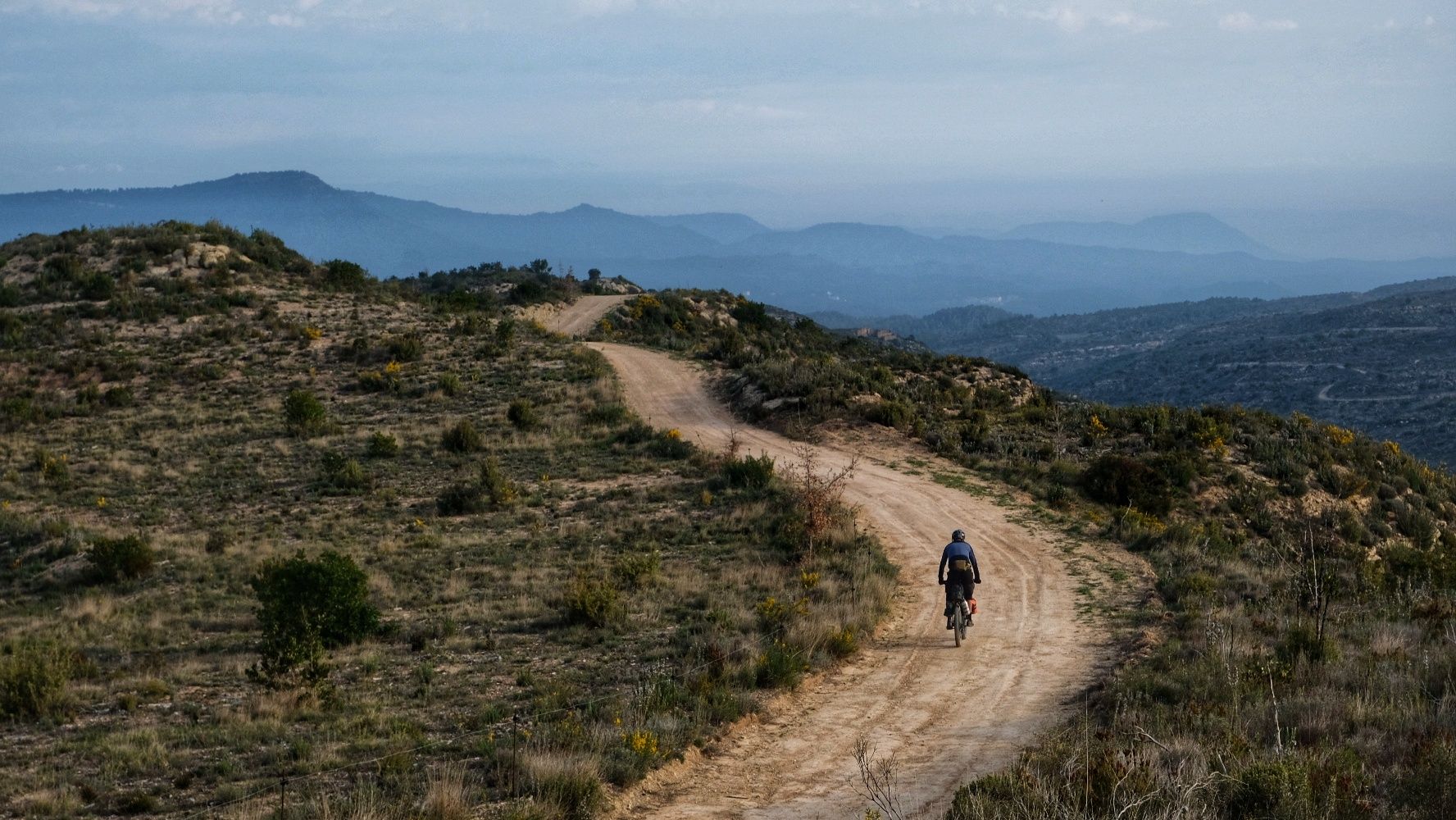
European Divide Trail — 7,600 km across the continent
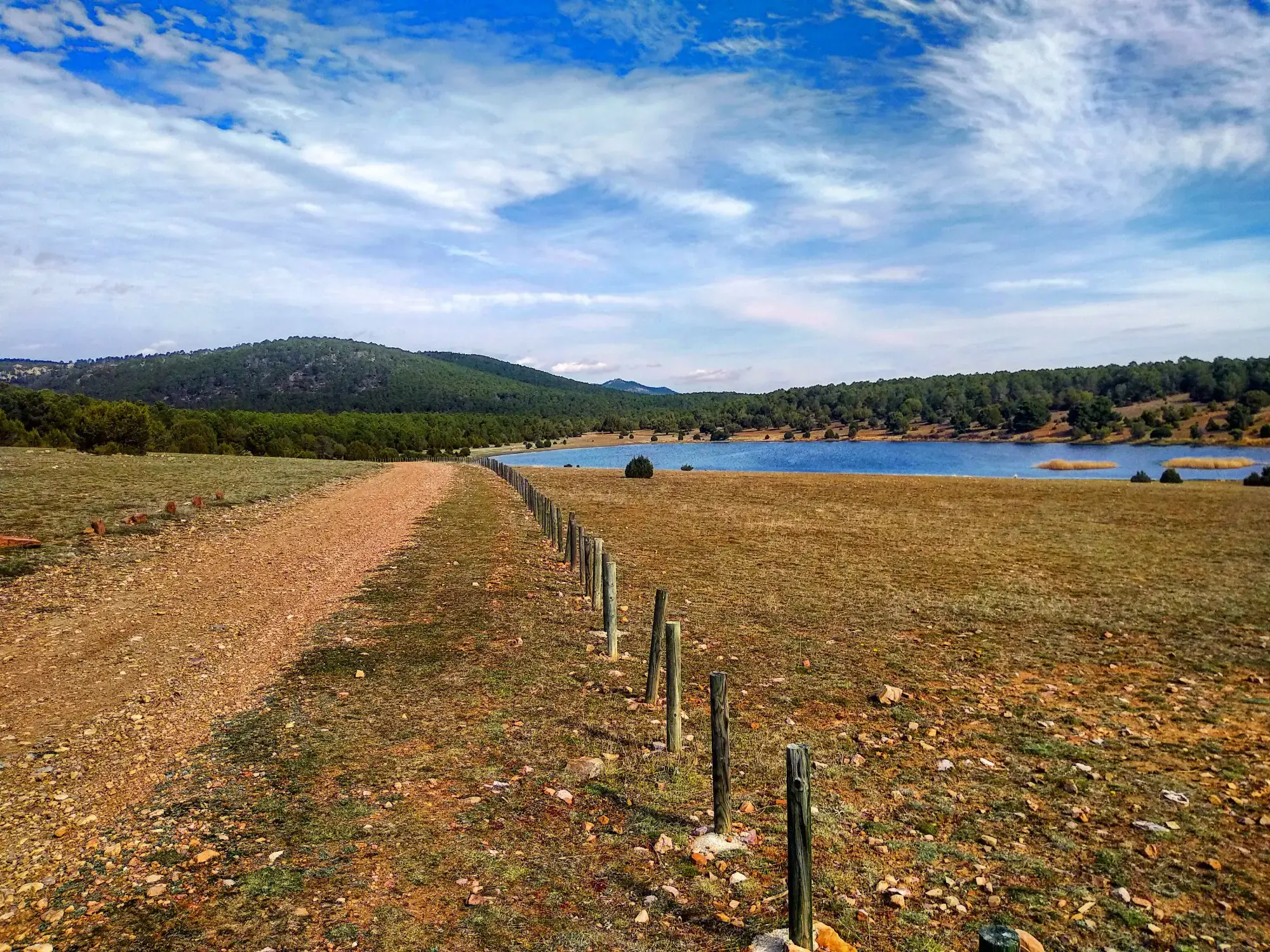
Sendero Español GR 10 — De este a oeste
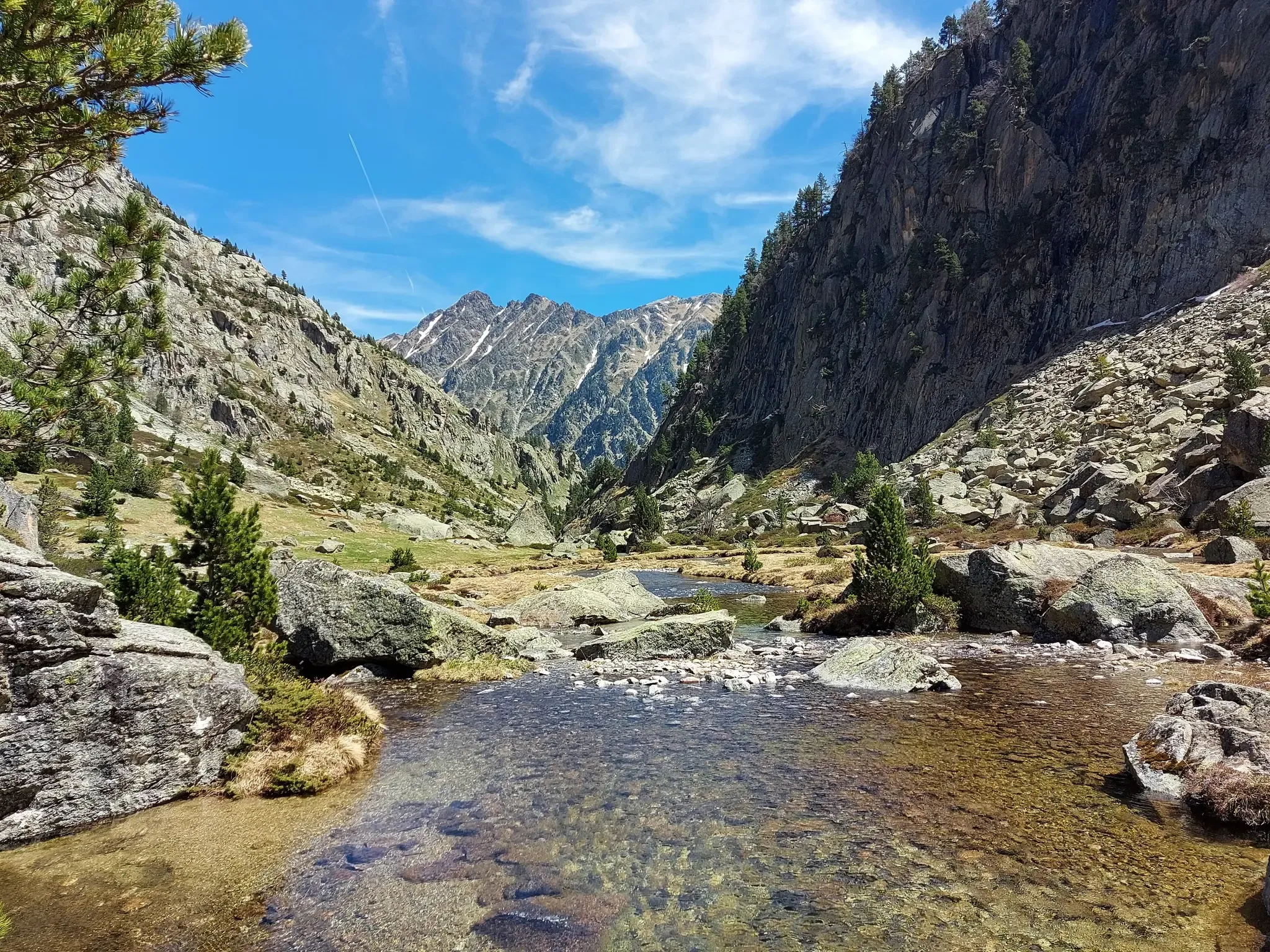
Tour of the Balaïtous – From passes to lakes
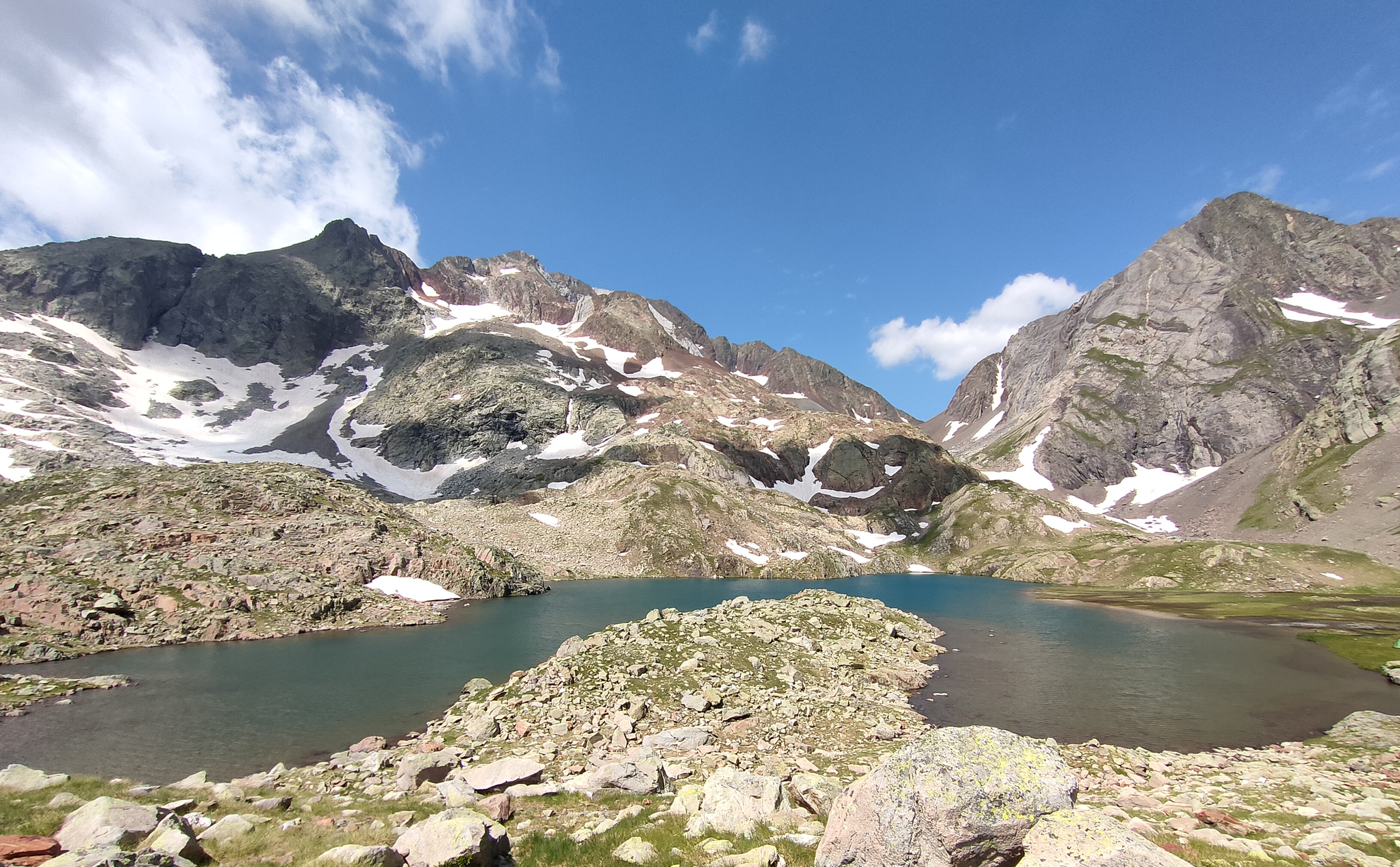
Panoramic Pyrenees – 15 hikers' peaks of over 3,000 metres
Hike from Gavarnie to Ordesa – A breathtaking loop in the cirques
Classic Swallows Route in Spain – Mountains with history
Women's Montañas Vacías 2022 — bikepack in rural Spain
Road to Lisbon – bikepacking the Alps, Pyrenees and Picos de Europa
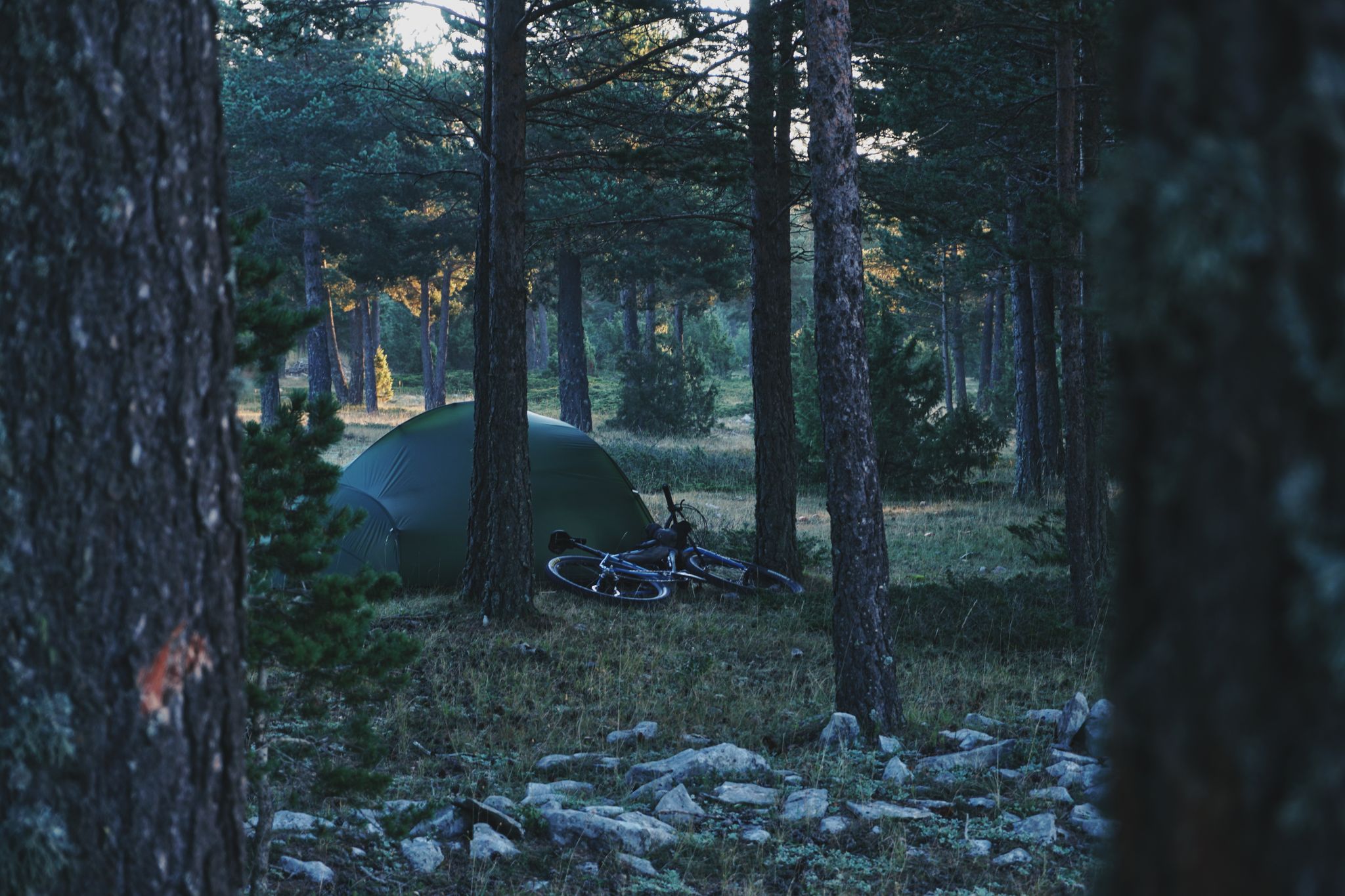
MontañasVacías official — bikepacking across the Spanish Lapland
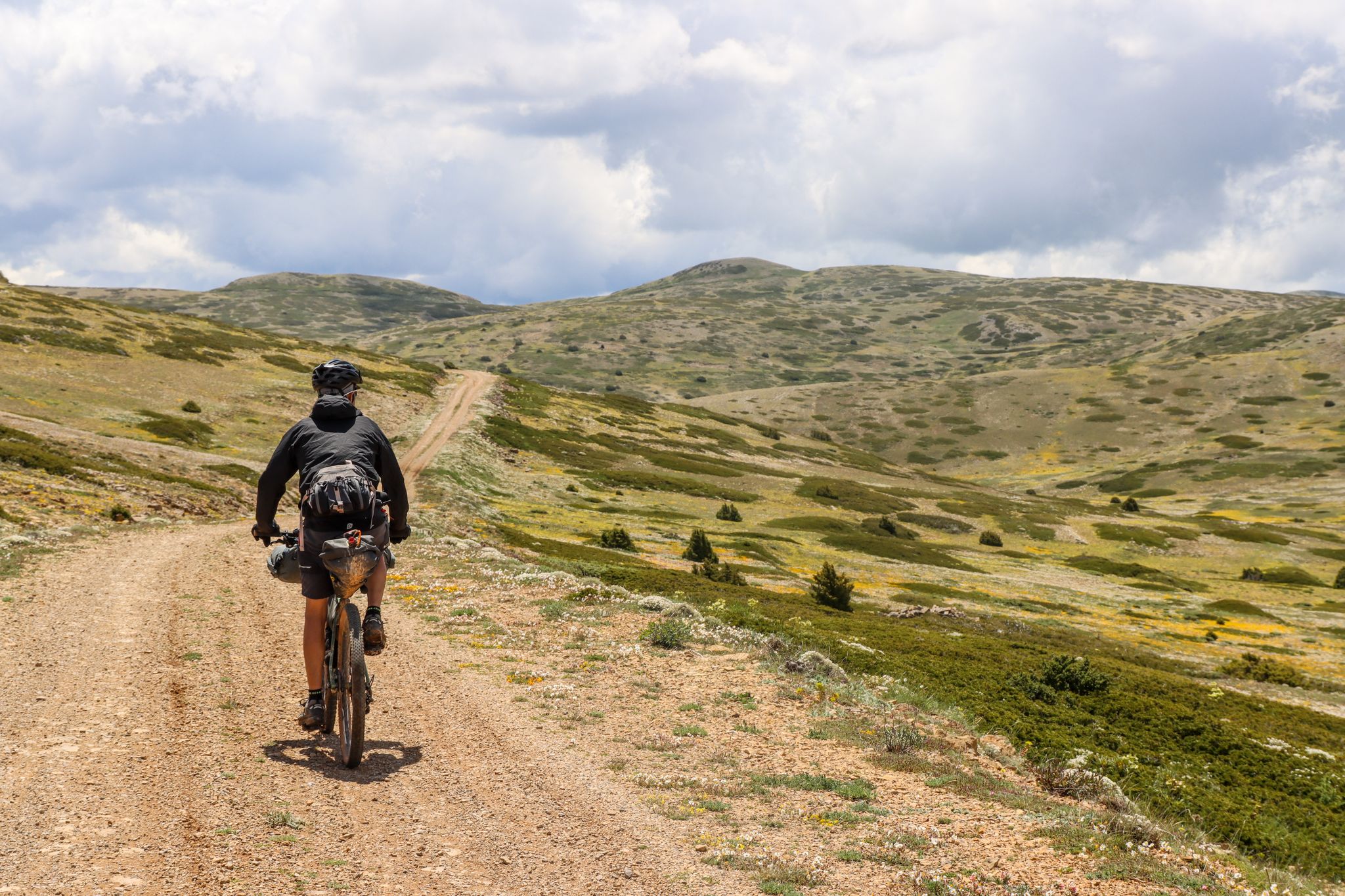
Montañas Vacías — bikepacking the wild and remote 'Empty Mountains'
Other adventures in Aragon


Tips from the Community

The Aljafería Palace in Zaragoza is an 11th-century fortified Islamic palace built during the Taifa period. Known originally as the "Palace of Joy", this UNESCO World Heritage Site features exquisite archways, intricate plasterwork, and the historic Troubadour’s Tower. Today, it serves as the official seat of the regional parliament, the Cortes of Aragon.
0
0

Al.barracín, a spectacular old "pink" village with 1050 inhabitants, is located at an altitude of 1182 m, with beautiful views of the Río Guadalaviar. The village is located in the province of Teruel (southern Aragón), 37 km northwest of Teruel, the city of Mudéjar architecture. It is surrounded by an impressive landscape of mountain massifs of the Sierra de Albarracín.
12
0

Watched over by the remains of its ancient castle, Daroca emerges, one of the most beautiful cities in Aragon. Without a doubt, one of the charms of the town is to walk along its walls, with their imposing towers, until you reach the castle, from which you can enjoy a beautiful panoramic view.
0
0

Beautiful place, the village, the castle, the church, everything!
0
1

A very picturesque old town, dating back to the first millennium BC. Its eventful history is reflected in its cityscape. Until the mid-19th century, it was even a bishopric. Defense has always been of paramount importance to this town. To protect itself from attackers, the town was built on a hill and is thus surrounded by a naturally formed moat. This defensive function is still omnipresent today, evident in the oversized city walls. However, the town's growth apparently could not keep pace with the expansion of the city walls. Today, despite the picturesque townscape and the beautiful surroundings, the population has been declining for years.
5
0

Spectacular models...not to be missed!
0
0

There are only two in Spain with these characteristics, the one in Pamplona and this one, guided tour, museum of Military Miniatures, very well preserved
0
0

There are few preserved walls, they seem low but they were so deep, they are free to visit. However, it is advisable to book the Roman visit to Zaragoza, it is cheap at 5.5 euros and for 3 euros more a visit to the Roman museums is included, very interesting.
5
0
Frequently Asked Questions
What are some family-friendly castles in Aragon?
Several castles in Aragon offer a great experience for families. The Aljafería Palace in Zaragoza is listed as family-friendly and provides a fascinating glimpse into Spanish-Islamic architecture. The Jaca Citadel is another family-friendly option. Additionally, the old towns of Daroca and Aínsa, which feature castle elements, are also considered family-friendly.
Which castles offer the best historical insights into Aragon's past?
Aragon's castles are rich in history. Loarre Castle is an outstanding example of Romanesque military and civil architecture from the 11th century, crucial during the Christian Reconquista. The Aljafería Palace showcases the cultural and political zenith of the Taifa kingdom of Saraqusta, blending Islamic and Christian styles. Monzón Castle, a former Knights Templar stronghold, provides deep insights into their presence in Aragon. The Historic Town of Albarracín, with its ancient walls and origins, also offers a journey back in time.
What is the best time of year to visit castles in Aragon?
The best time to visit castles in Aragon is generally during the spring (April to June) and autumn (September to October) months. During these periods, the weather is typically mild and pleasant, ideal for exploring outdoor sites and enjoying panoramic views. Summers can be very hot, especially in inland areas like Zaragoza, while winters can be cold, particularly in mountainous regions like Huesca, though some castles remain open year-round.
Are there any castles in Aragon that are wheelchair accessible?
While many medieval castles present accessibility challenges due to their historical construction, the Aljafería Palace in Zaragoza, which serves as the seat of the regional parliament, has undergone modern adaptations to improve accessibility for visitors with mobility impairments. It is advisable to check specific accessibility details directly with other castle sites before planning your visit.
Can I find hiking or cycling routes near castles in Aragon?
Yes, Aragon offers numerous outdoor activities, including hiking and cycling, often near historical sites. For instance, you can find various mountain hikes and running trails throughout the region. If you're interested in cycling, there are also many road cycling routes in Aragon that might pass by or near some of the castles. Check the specific guide pages for detailed route information.
What makes Loarre Castle unique among European castles?
Loarre Castle is widely considered the most impressive and best-preserved Romanesque castle in Europe. Its unique features include its strategic location on a limestone promontory, offering commanding views, and its remarkably authentic construction that has remained largely unchanged since the 11th century. It boasts well-preserved homage and queen's towers, the beautiful Romanesque Church of Saint Mary with a unique domed structure, and an open crypt. Its cinematic quality has also led to its use as a filming location for movies like 'Kingdom of Heaven'.
What is the significance of the Aljafería Palace?
The Aljafería Palace in Zaragoza is a fortified medieval palace and a prime example of Spanish-Islamic architecture from the Taifa period. It was originally the residence of the Banu Hud dynasty and later became a royal residence for Christian kings, contributing to the development of the Aragonese Mudéjar style. It is part of the 'Mudéjar Architecture of Aragon,' a UNESCO World Heritage Site, and notably serves as the seat of the regional parliament of Aragon today.
Are there any lesser-known or 'hidden gem' castles worth visiting in Aragon?
Beyond the most famous sites, Aragon has several lesser-known castles that offer unique historical and architectural interest. Peracense Castle, with its distinctive reddish 'rodeno' stone blending seamlessly with the landscape, is aesthetically striking. Mesones de Isuela Castle (Castillo de los Luna) is a grand Gothic palace-castle with exquisite Mudéjar plasterwork. Other notable mentions include Sádaba Castle, known for its unusual rectangular layout, and the Castle of Mora de Rubielos, one of the largest and best-preserved in the region.
What kind of architectural styles can I expect to see in Aragon's castles?
Aragon's castles showcase a diverse range of architectural styles, reflecting the region's rich and complex history. You can find outstanding examples of Romanesque architecture, such as Loarre Castle. The Aljafería Palace is a prime example of Spanish-Islamic and Mudéjar styles, blending Islamic and Christian influences. Gothic architecture is also prominent, seen in castles like Mesones de Isuela and Valderrobres. Many castles, like Monzón, show a blend of styles due to continuous modifications over centuries of military use.
Are dogs allowed in or around Aragon's castles?
Policies regarding dogs vary significantly between different historical sites and castles in Aragon. While some outdoor areas or castle grounds might be dog-friendly, access to interior spaces, museums, or protected historical structures is generally restricted for pets. It is always best to check the specific regulations of each castle you plan to visit beforehand to ensure a smooth experience.
How long should I plan for a visit to Aljafería Palace?
To fully appreciate the Aljafería Palace and its intricate blend of Islamic and Christian architecture, including the Golden Hall, the mosque, and the Santa Isabel courtyard, you should plan for at least 1.5 to 2 hours. This allows enough time to explore the various sections and absorb the historical significance of this UNESCO World Heritage site.
Where can I find cafes or dining options near castles in Zaragoza?
For castles located within or very close to urban centers, like the Aljafería Palace in Zaragoza, you will find numerous cafes, restaurants, and dining options within easy walking or short driving distance. Zaragoza, as a major city, offers a wide array of culinary choices. For castles in more rural settings, options might be limited to nearby towns or villages, so it's advisable to plan ahead.
What are some castles that offer impressive panoramic views?
Many castles in Aragon were strategically built on high points, offering spectacular views. Loarre Castle, perched on a rocky ridge, provides commanding views of the Hoya de Huesca from its Mirador de la Reina viewpoint. Peracense Castle, integrated into a prominent rock formation, also offers impressive panoramic vistas from its grounds or nearby San Ginés Hill. The Historic Town of Albarracín, with its surrounding walls, provides stunning views of the valley.
Most popular routes in Aragon
Most popular attractions in Aragon

Get inspired with the komoot mobile app


Didn’t find what you were looking for?
Explore Aragon’s best castles region by region:
Explore more
Looking for the best castles somewhere else? Discover other guides in Aragon:
