Top 20 Caves in Aragon
Best caves in Aragon are found within a diverse landscape that spans the Pyrenees mountains, the Ebro River basin, and the Iberian System. This region in northeastern Spain offers a variety of geological formations and historical sites. The terrain includes high mountain ranges, river valleys, and arid plains, contributing to a range of natural and historical cave environments. Aragon's caves provide insights into both natural geology and ancient human activity.
Best caves in Aragon
- The most popular caves include Picamartillo…
Last updated: October 2, 2026
El Chorro Waterfall and the Cave and San Cornelio Hermitages
Highlight • Waterfall
Translated by Google •
Tip by

Aguallueve de Anento
Highlight • Waterfall
The Aguallueve is a spring that continuously falls in the …
Translated by Google •
Tip by

Sign up now to discover places like this
Get recommendations on the best single tracks, peaks, & plenty of other exciting outdoor places.
Shelter of the Archer of the Enclosed Ravines
Highlight • Historical Site
Translated by Google •
Tip by
San Caprasio Caves
Highlight • Cave
Translated by Google •
Tip by

Picamartillo Cave
Highlight • Cave
Translated by Google •
Tip by
Prado del Navazo Bulls Rock Shelter
Highlight • Historical Site
Translated by Google •
Tip by
San Úrbez Hermitage
Highlight • Religious Site
Translated by Google •
Tip by

Quizans Shelter
Highlight • Cave
Translated by Google •
Tip by
Cueva de los Pilares
Highlight • Cave
Translated by Google •
Tip by

Río Vero Rock Art Sites
Highlight • Historical Site
Translated by Google •
Tip by
Sign up for free to discover even more caves in Aragon.
Already have an account?
Start today with a free account
Your next adventure awaits.
Popular around Aragon
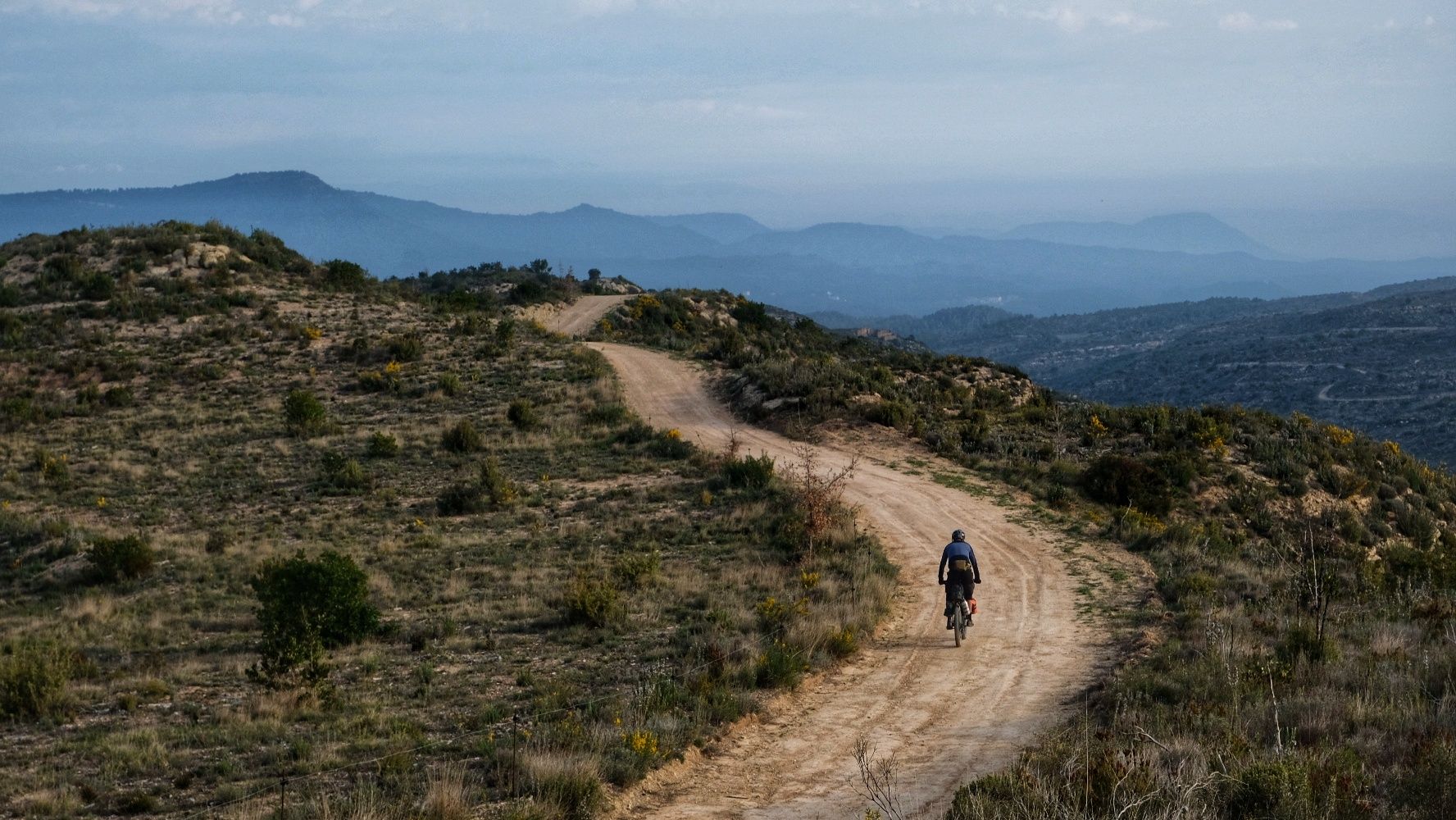
European Divide Trail — 7,600 km across the continent
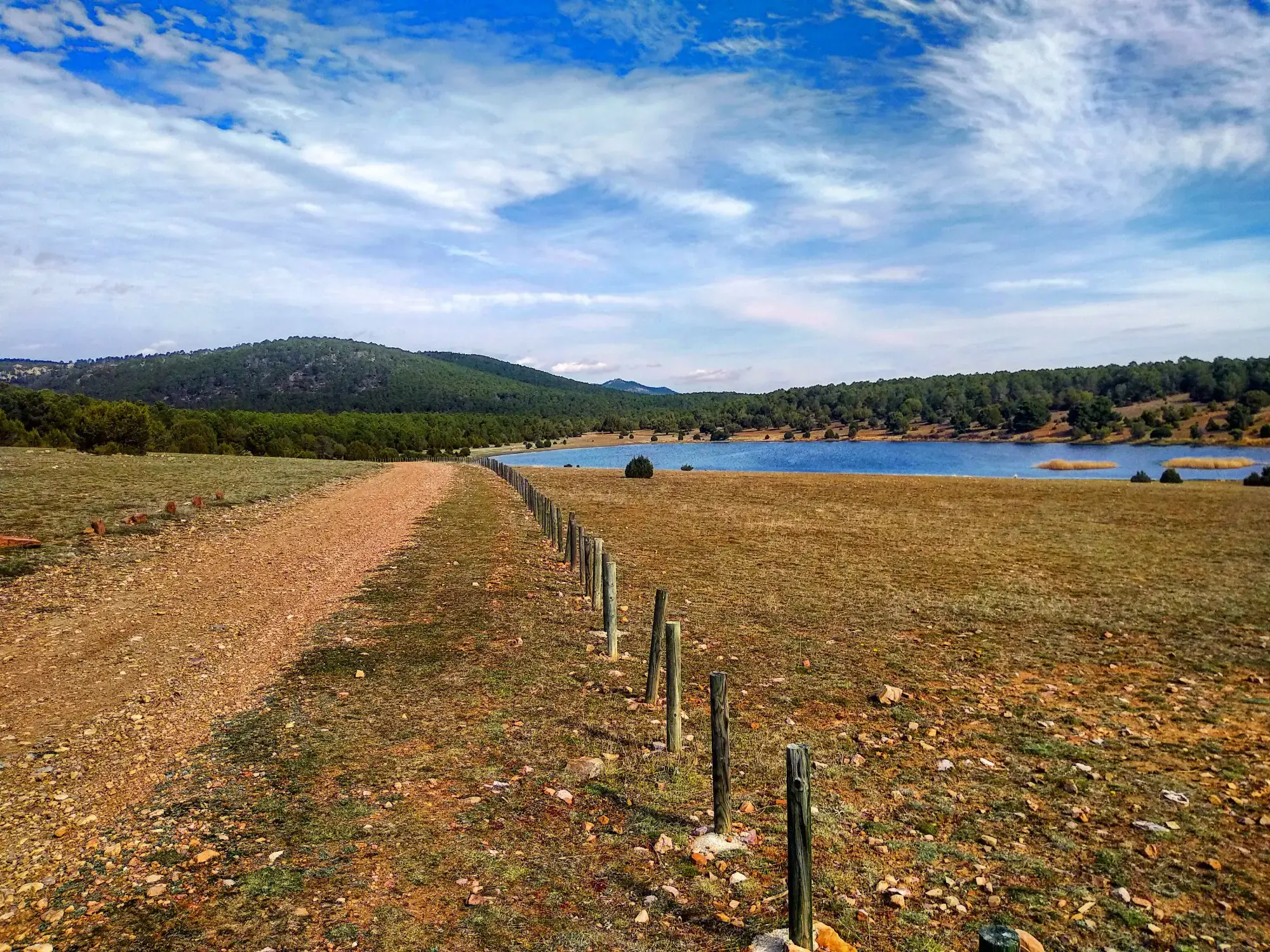
Sendero Español GR 10 — De este a oeste
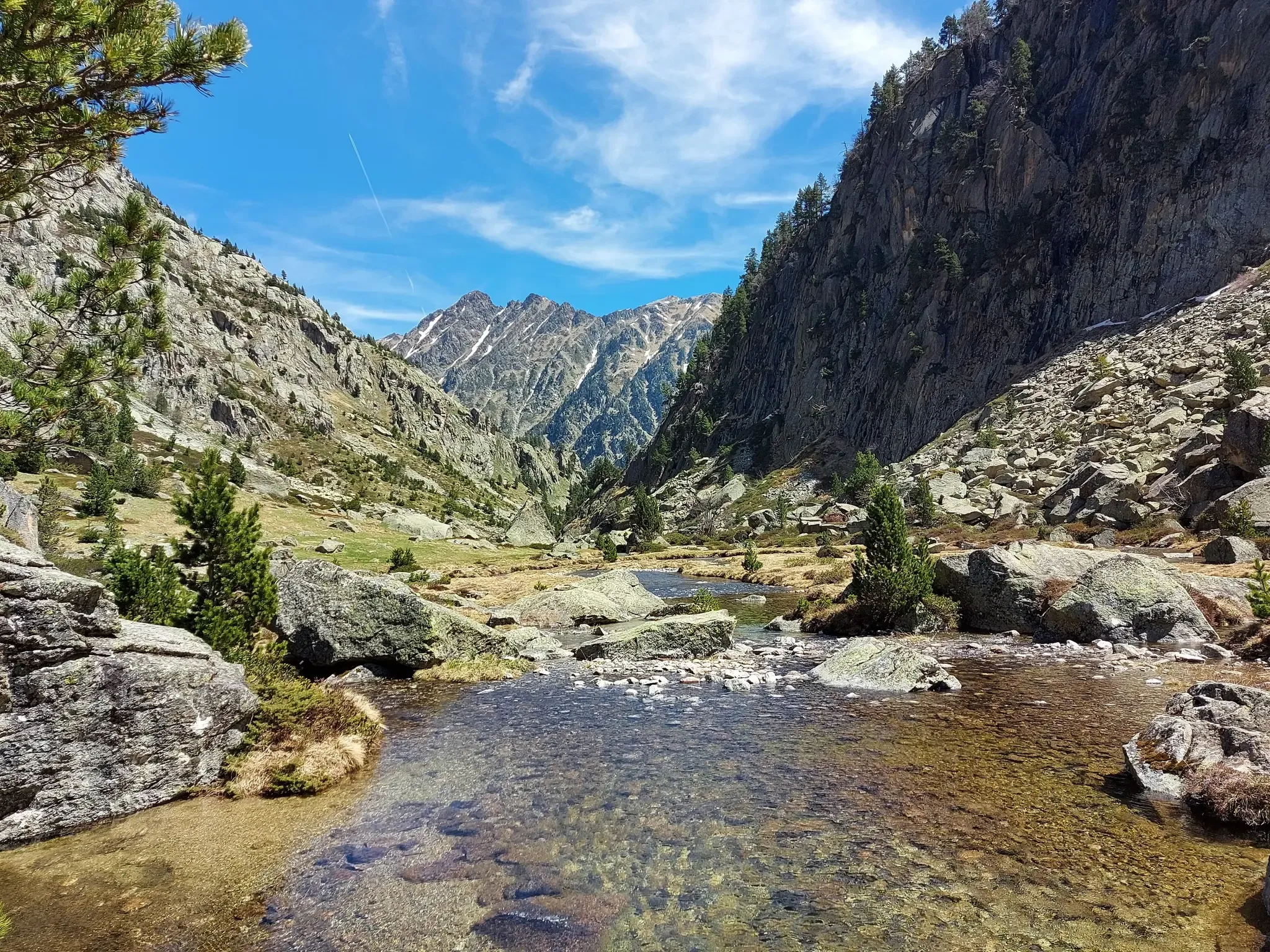
Tour of the Balaïtous – From passes to lakes
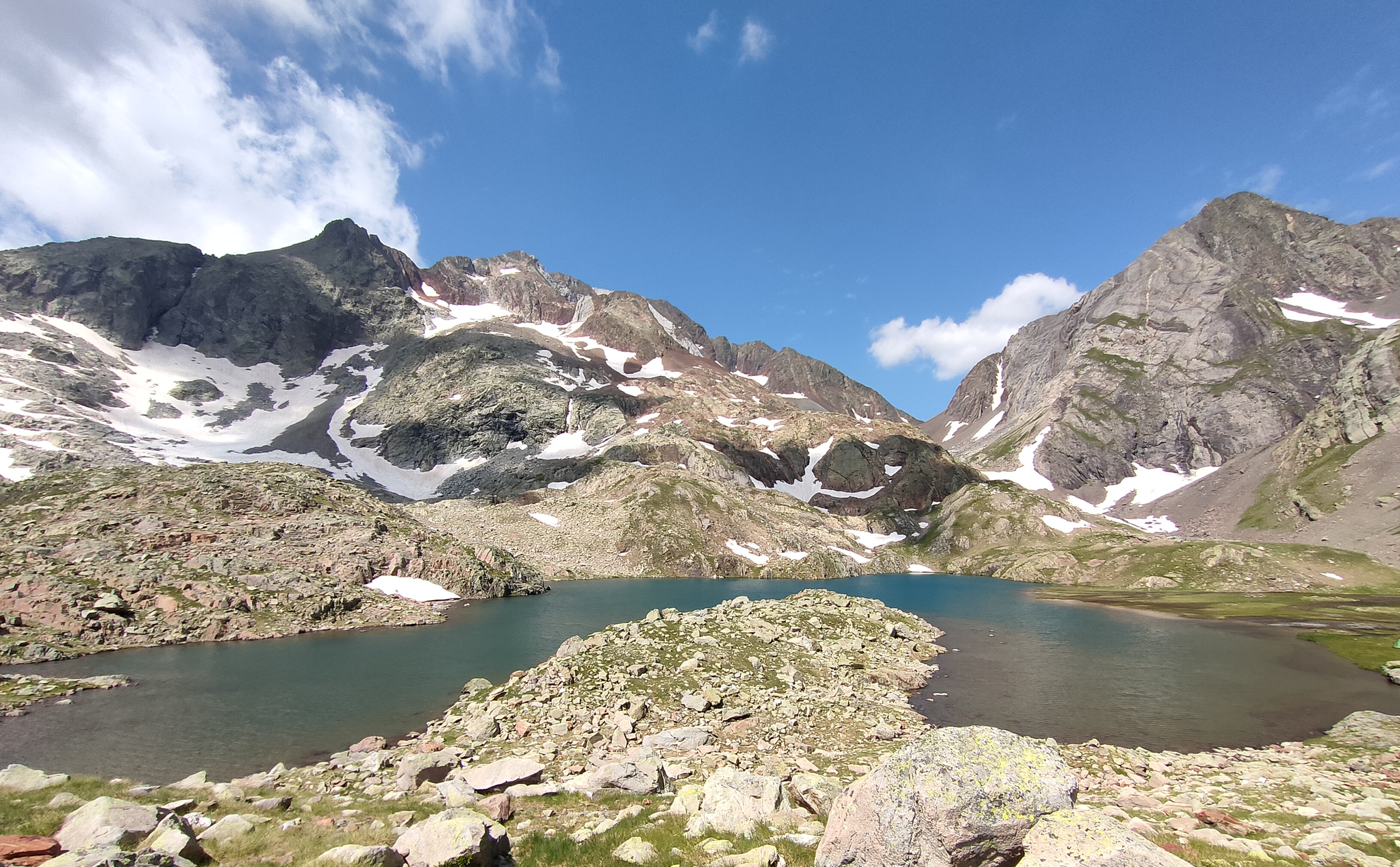
Panoramic Pyrenees – 15 hikers' peaks of over 3,000 metres
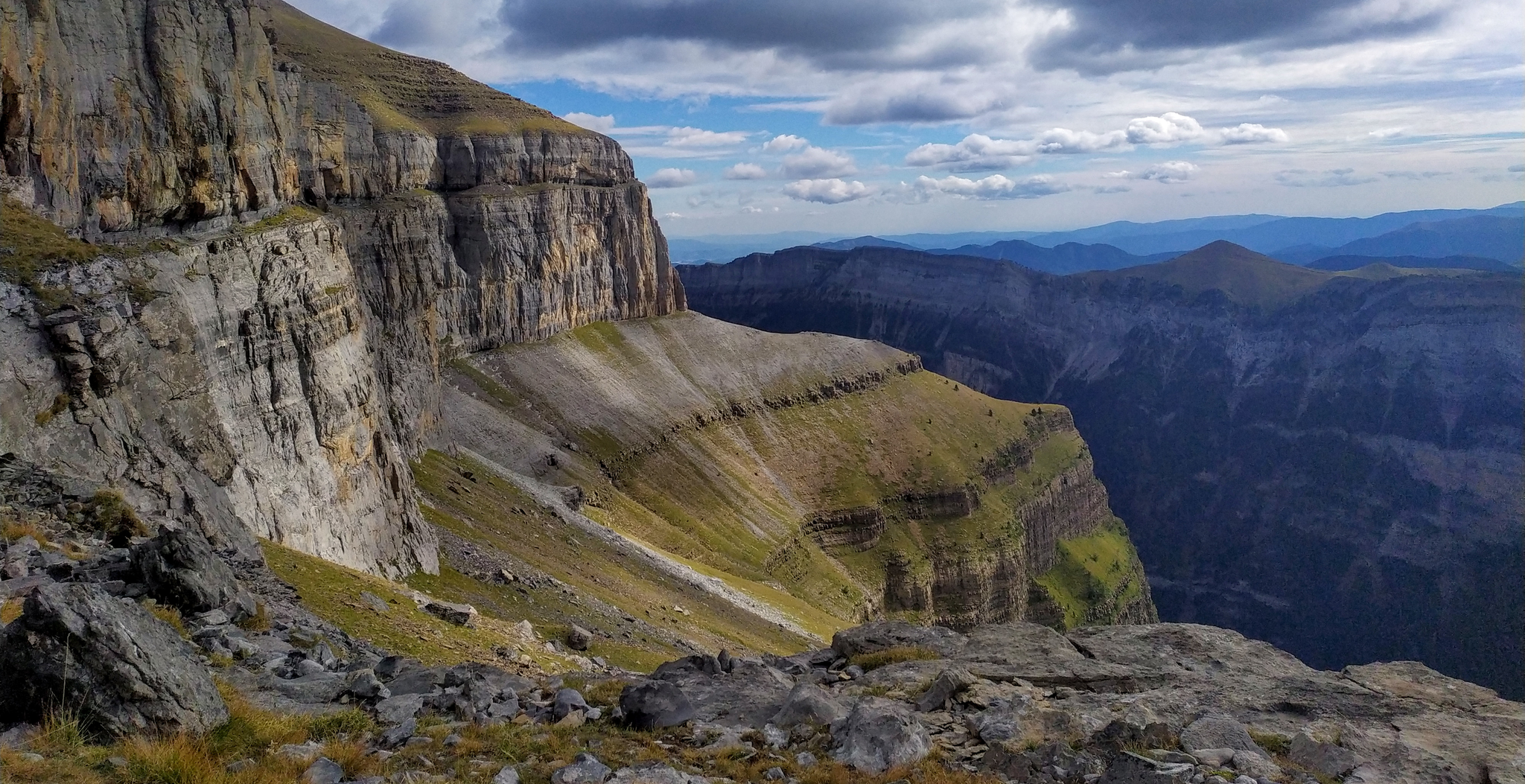
Hike from Gavarnie to Ordesa – A breathtaking loop in the cirques
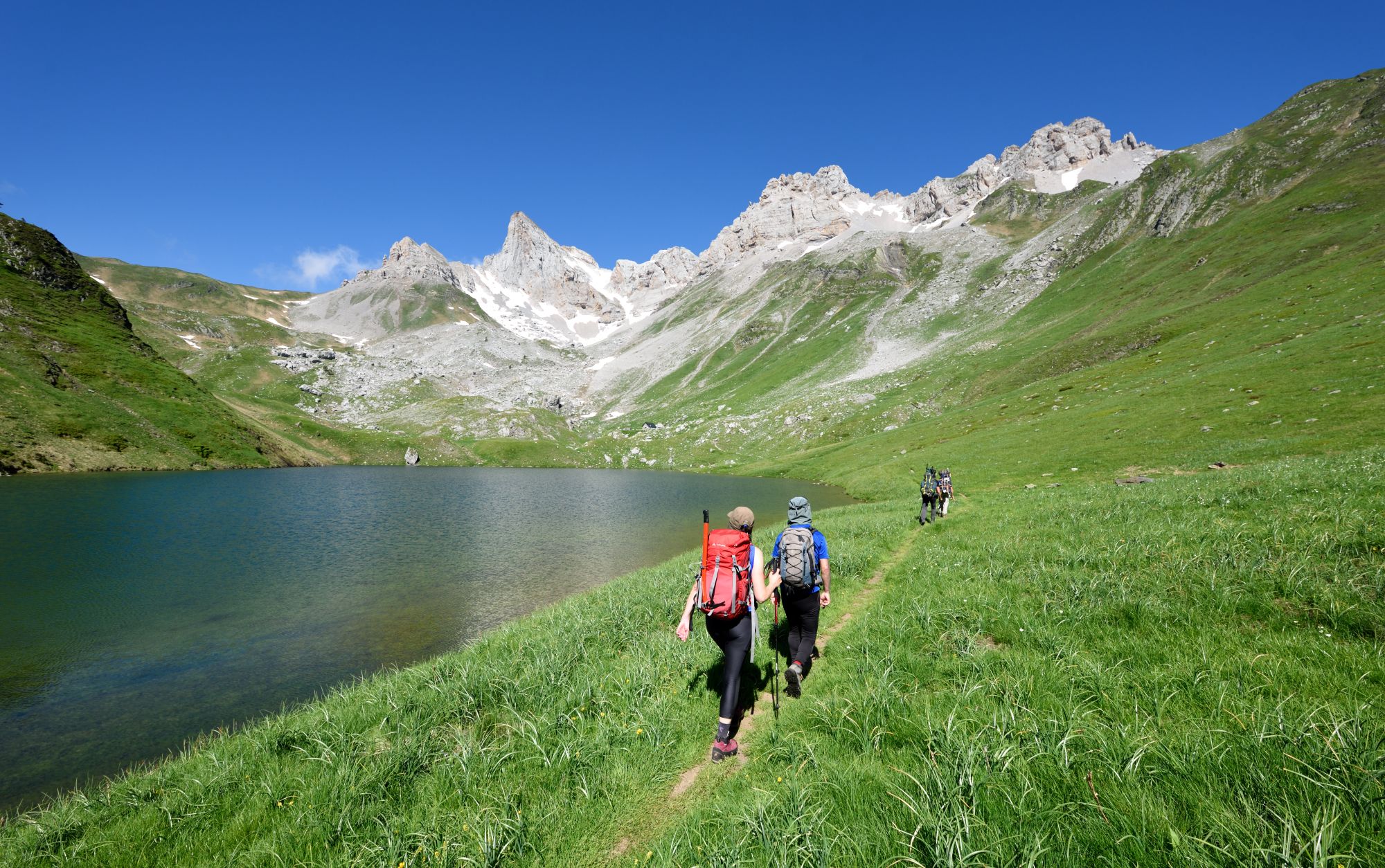
Classic Swallows Route in Spain – Mountains with history
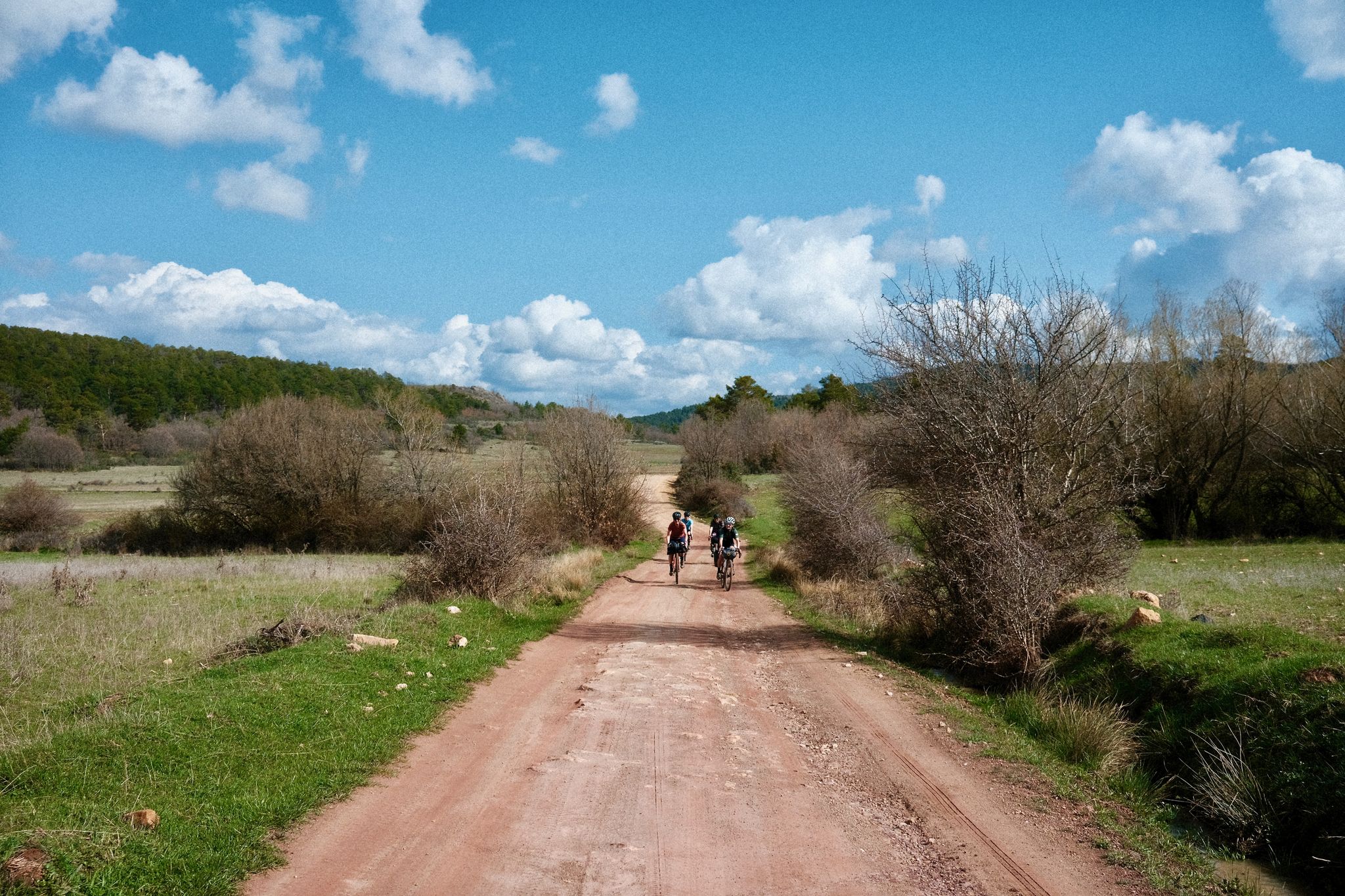
Women's Montañas Vacías 2022 — bikepack in rural Spain

Road to Lisbon – bikepacking the Alps, Pyrenees and Picos de Europa
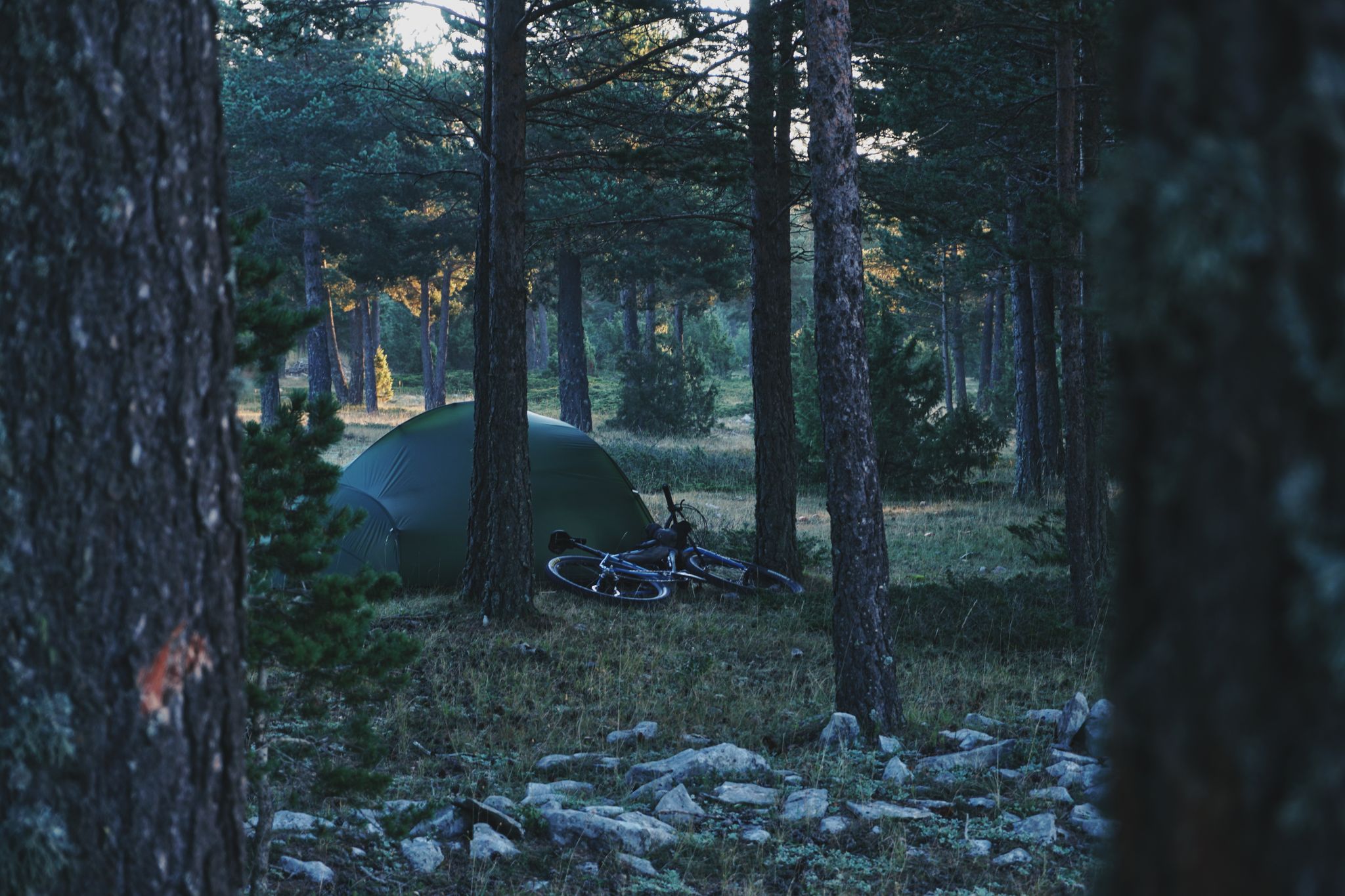
MontañasVacías official — bikepacking across the Spanish Lapland
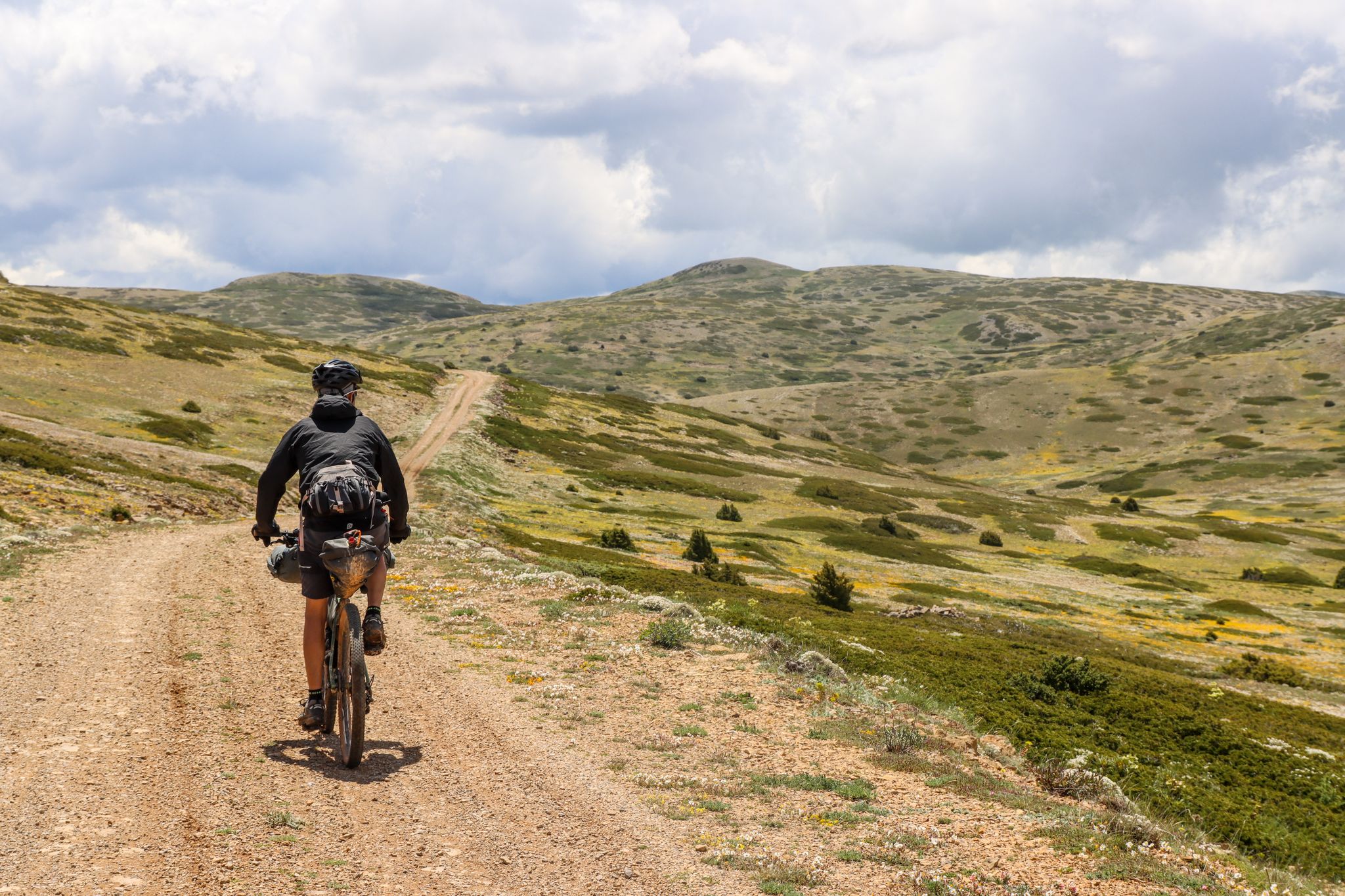
Montañas Vacías — bikepacking the wild and remote 'Empty Mountains'
Other adventures in Aragon


Tips from the Community

Six river crossings that are difficult barefoot. Water sandals or a pair of old trainers recommended
0
0

Interesting hermitage built in a spectacular position using a recess in the canyon wall
0
0

The Bull Shelter of Prado del Navazo, also known as Toricos del Navazo, is one of the most prominent sites of Levantine Rock Art in the Sierra de Albarracín (Teruel), and is part of the complex declared a Site of Cultural Interest and World Heritage Site by UNESCO. Naturalistic representations of large bovids are painted in a yellowish-white color, unique in Levantine rock art, which typically uses reddish tones.
4
0

A magical place! Magnificent views and peaks of the Ruta de los Miradores
0
0

A group of natural caves located on the slopes of Mount San Caprasio, associated with ancient pastoral, hermitage, and possibly even pre-Christian uses. Some were used as shelters for shepherds or anchorites, and local tradition links them to the primitive cult that gave rise to the hermitage. Relatively easy to access from the track or the hermitage, they are a curious place to explore on foot, with views of the Ésera Valley and an utterly silent environment. They add a mystical and ancestral touch to any route in the area.
0
0
The Aguallueve de Anento is a beautiful spring located in the picturesque town of Anento, in the province of Zaragoza. The Aguallueve is a spring that continuously falls in the form of drops of water, creating a spectacular relief with walls of stone and moss, and small caves hidden inside. It is a limestone formation where several springs have created an impressive karst relief.
5
0
The Aguallueve de Anento is a beautiful spring located in the picturesque town of Anento, in the province of Zaragoza. The Aguallueve is a spring that continuously falls in the form of drops of water, creating a spectacular relief with walls of stone and moss, and small caves hidden inside. It is a limestone formation where several springs have created an impressive karst relief.
7
0

A beautiful route that follows the route of the pilgrims to the Sanctuary of Santa Orosia from the town of Yebra de Basa. Santa Orosia is a highly venerated saint in the area, she is the patron saint of the city of Jaca, and a large crowd of people from the surrounding towns and other parts of Aragon gathered on her pilgrimage, as she was known to heal the possessed. The Sanctuary dates back to the 17th century, when it was built to accommodate the increase in devotion to the saint. It was built in the place where tradition places the martyrdom of Santa Orosia. The route is marked by small hermitages through a landscape that goes from the initial marls to a humid area with vegetation sheltered by the Santa Orosia ravine in its highest area.
1
0
Frequently Asked Questions
Which caves in Aragon are suitable for families?
Several sites in Aragon are family-friendly. For example, the Prado del Navazo Bulls Rock Shelter offers ancient rock art that can be engaging for all ages. The San Úrbez Hermitage, built into a rock face, is also considered family-friendly, as is the Aguallueve de Anento, which features a waterfall and cave elements.
What kind of historical and cultural sites can I find among Aragon's caves?
Aragon's caves offer a rich blend of history and culture. You can explore ancient rock art at sites like the Prado del Navazo Bulls Rock Shelter, which features unique yellowish-white paintings of bovids. The Shelter of the Archer of the Enclosed Ravines also showcases significant Levantine-style cave paintings. Additionally, there are religious structures built into rock faces, such as the 8th-century San Úrbez Hermitage and the Santa Elena Hermitage and Fountain.
What natural features can I expect to see in Aragon's caves and rock shelters?
Aragon's cave sites are often integrated with impressive natural landscapes. You can find stunning waterfalls like "El Chorro" near the El Chorro Waterfall and the Cave and San Cornelio Hermitages, or the Aguallueve de Anento. Many caves are natural monuments, offering unique geological formations. The Picamartillo Cave, for instance, provides spectacular views and involves river crossings, showcasing the region's diverse natural environment.
Are there hiking opportunities near the caves in Aragon?
Yes, Aragon offers numerous hiking opportunities, many of which are close to cave sites. You can find a variety of trails, from easy walks to more challenging routes. For instance, the Hiking in Aragon guide lists routes like the difficult Cola de Caballo trails in Ordesa. For easier options, the Easy hikes in Aragon guide includes the Monasterio de Piedra Waterfalls Trail, which features a cave. Many cave locations are part of larger natural parks with established hiking paths.
What should I wear when exploring caves in Aragon?
When visiting caves in Aragon, it's advisable to wear sturdy, comfortable footwear, especially if the terrain is uneven or involves river crossings, as is the case with Picamartillo Cave. Layers of clothing are also recommended, as cave temperatures can be cooler than outside, even in summer. For rock shelters with ancient art, comfortable walking shoes are usually sufficient.
Are there any less-known or 'hidden' cave sites in Aragon worth exploring?
While some sites are well-known, Aragon has many less-trafficked cave and rock shelter locations. The Quizans Shelter is an example of a natural monument and historical site that offers a more secluded experience. Exploring areas within the Sierra de Albarracín Cultural Park can also lead to discovering less-frequented rock shelters with unique features.
What do visitors enjoy most about the caves in Aragon?
Visitors frequently appreciate the spectacular views both inside and around the cave sites, as highlighted by those who have explored Picamartillo Cave. The unique blend of natural beauty and historical significance, such as ancient rock art and hermitage structures built into the rock, also receives high praise. The diverse experiences, from geological exploration to cultural immersion, are a major draw.
Can I find caves in Aragon that are also religious sites?
Yes, Aragon is home to several religious sites integrated with caves or rock formations. The San Úrbez Hermitage is a notable example, an 8th-century religious building nestled into a canyon wall. Similarly, the San Caprasio Caves and the Santa Elena Hermitage and Fountain combine natural cave environments with religious history.
What is the best time of year to visit caves in Aragon?
Caves generally maintain a more consistent temperature year-round, making them a good option in various seasons. However, accessibility to some natural caves or rock shelters might be easier during spring and autumn when the weather is milder for outdoor activities. Summer offers a cool escape from the heat, while winter visits might depend on specific site opening hours and local weather conditions, especially in mountainous areas.
Are there any caves in Aragon that are part of larger natural parks or protected areas?
Many cave and rock shelter sites in Aragon are located within or near protected natural areas. For instance, the San Úrbez Hermitage is situated near the Parque Nacional de Ordesa y Monte Perdido. The Shelter of the Archer of the Enclosed Ravines and the Prado del Navazo Bulls Rock Shelter are both within the protected landscape of the Pinares de Rodeno in the Sierra de Albarracín Cultural Park.
Are there any caves in Aragon that feature both waterfalls and historical elements?
Yes, the El Chorro Waterfall and the Cave and San Cornelio Hermitages is a prime example. It combines the impressive "El Chorro" waterfall with rock-cut hermitages, offering a unique experience that blends natural beauty with historical religious structures. Similarly, the Monasterio de Piedra Waterfall area also features caves alongside its historical monastery and stunning cascades.
Most popular routes in Aragon
Most popular attractions in Aragon

Get inspired with the komoot mobile app


Didn’t find what you were looking for?
Discover more caves in Aragon region by region:
Explore more
Extend your search for the best caves by checking out these guides of the top ones in Aragon:
