Attractions and Places To See in Alberta - Top 20
Best attractions and places to see in Alberta encompass a diverse range of natural landscapes, from the Canadian Rockies to unique badlands. This western Canadian province is known for its majestic mountains, glaciers, and significant cultural sites. Alberta offers a wide array of attractions, including UNESCO World Heritage Sites and vast national parks. Visitors can explore glacier-fed lakes, deep canyons, and areas rich in fossil resources.
Best attractions and places to see in Alberta
- The most popular attractions is Johnston…
Last updated: October 9, 2026
Lake Louise
Highlight • Lake
Tip by

Athabasca Falls
Highlight • Waterfall
Tip by

Sign up now to discover places like this
Get recommendations on the best single tracks, peaks, & plenty of other exciting outdoor places.
Lake Agnes Tea House
Highlight • Mountain Hut
Tip by

Johnston Canyon Waterfalls
Highlight • Waterfall
Tip by

Maligne Canyon trailhead
Highlight • Canyon
Translated by Google •
Tip by

Fifth Lake, Valley of the Five Lakes
Highlight • Lake
Translated by Google •
Tip by

Lower Johnston Falls
Highlight • Waterfall
Translated by Google •
Tip by

Athabasca Glacier
Highlight • Natural Monument
TIP: Put on the warm clothes here! ;-)
Translated by Google •
Tip by
Plain of Six Glaciers Tea House
Highlight • Mountain Hut
Tip by
Moraine Lake
Highlight • Lake
In this case: If you are in Banff National Park and you do not want to stop by, it's your own fault!
Translated by Google •
Tip by

Sign up for free to discover even more attractions in Alberta.
Already have an account?
Start today with a free account
Your next adventure awaits.
Popular around Alberta
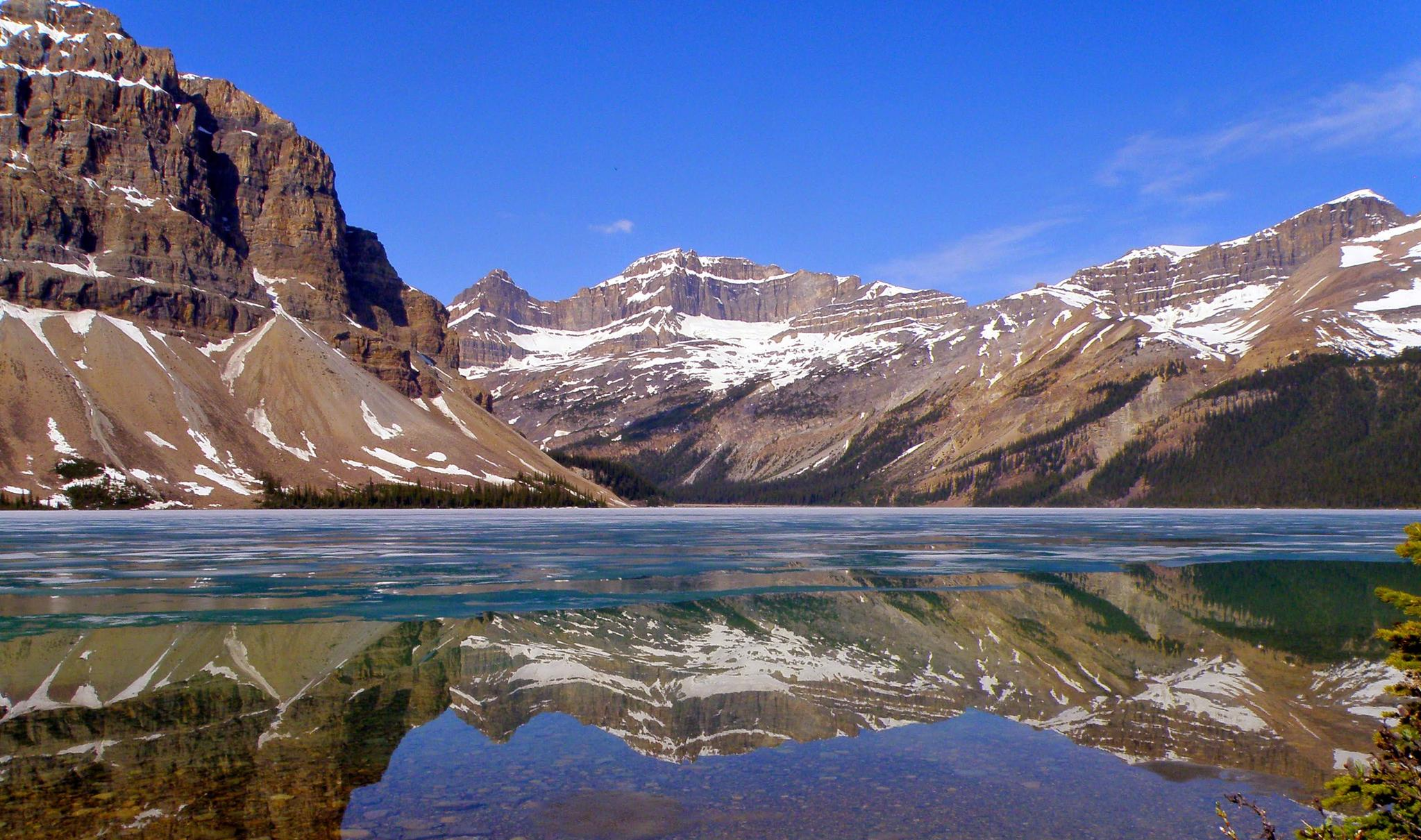
Great Divide Mountain Bike Route — Cycling the spine of a continent
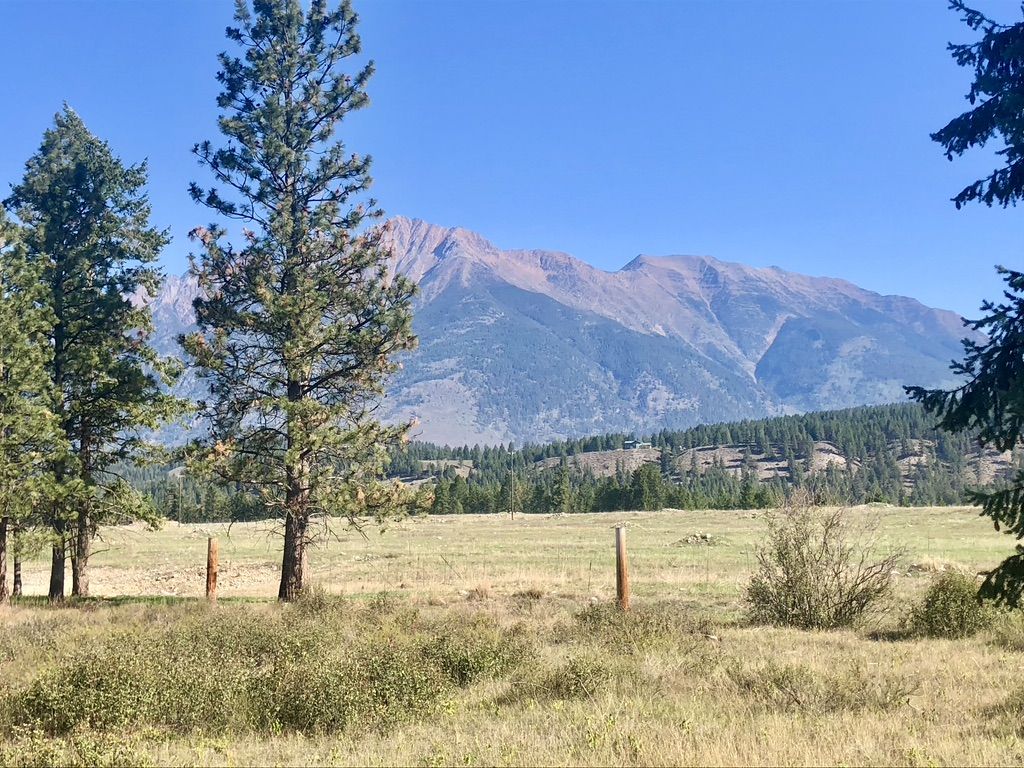
Cross Canada Ride — heading east for 6,800km
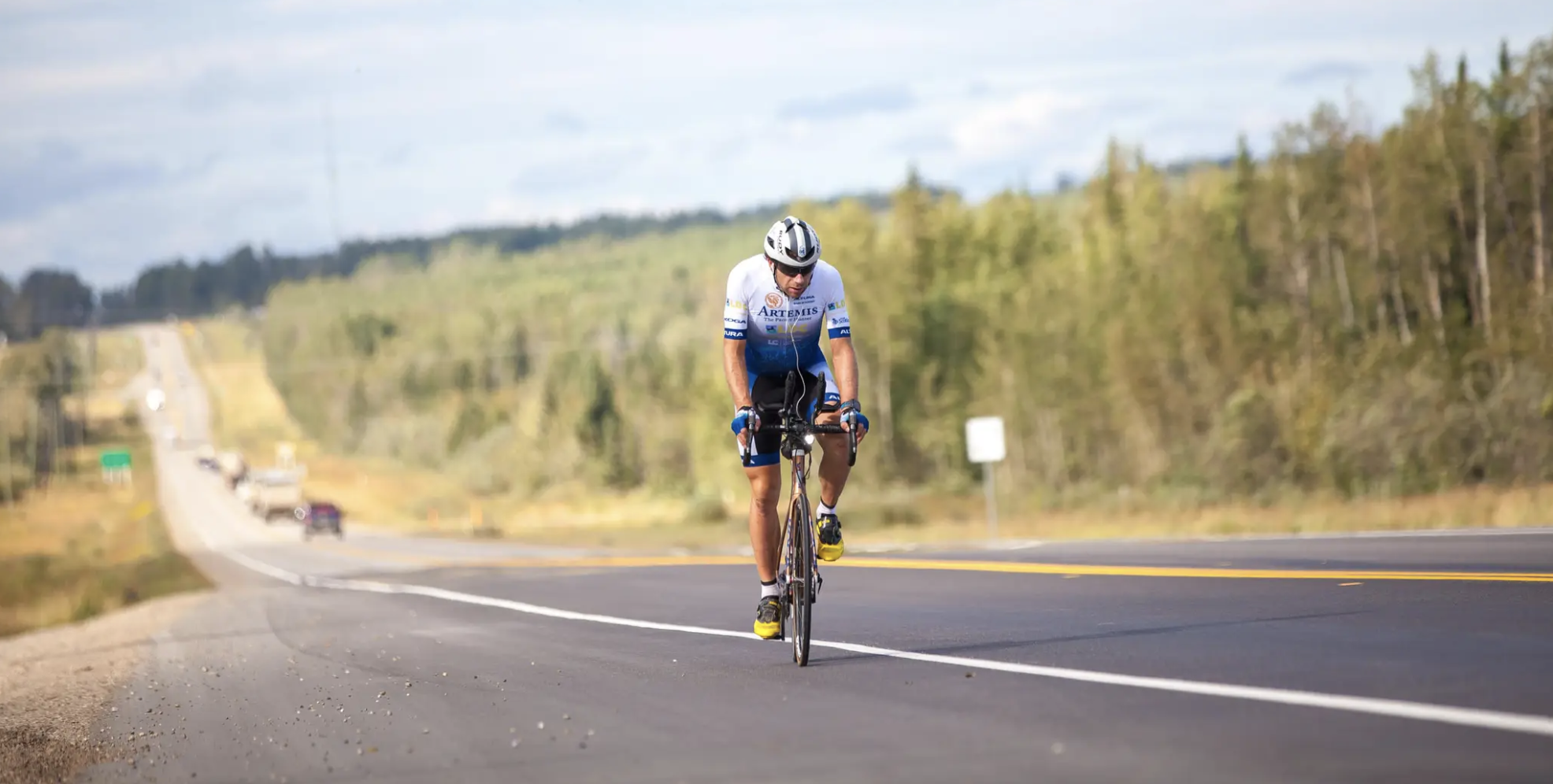
Around the World in 80 Days
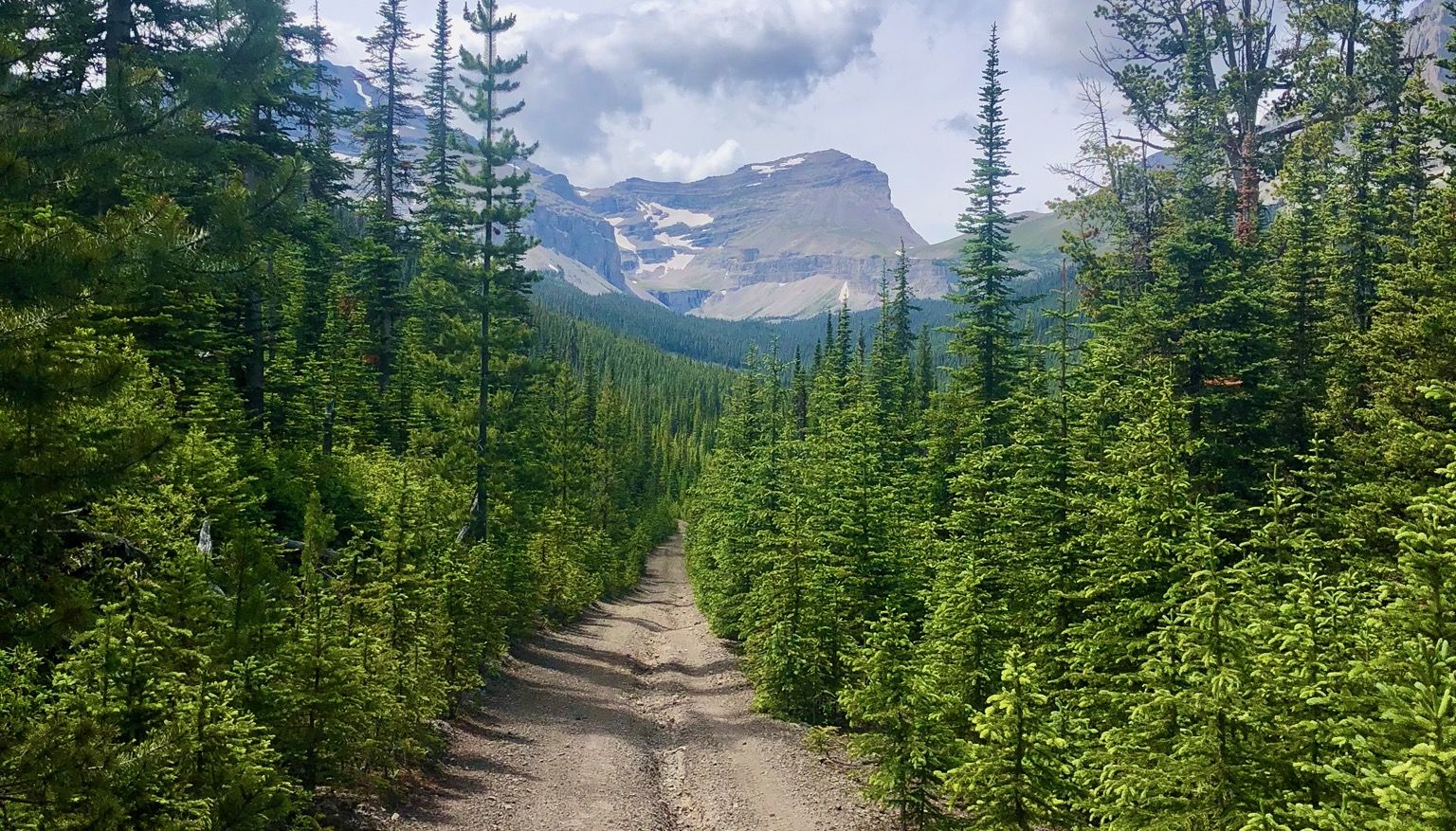
Run the Rockies – mountain range fastpack #5
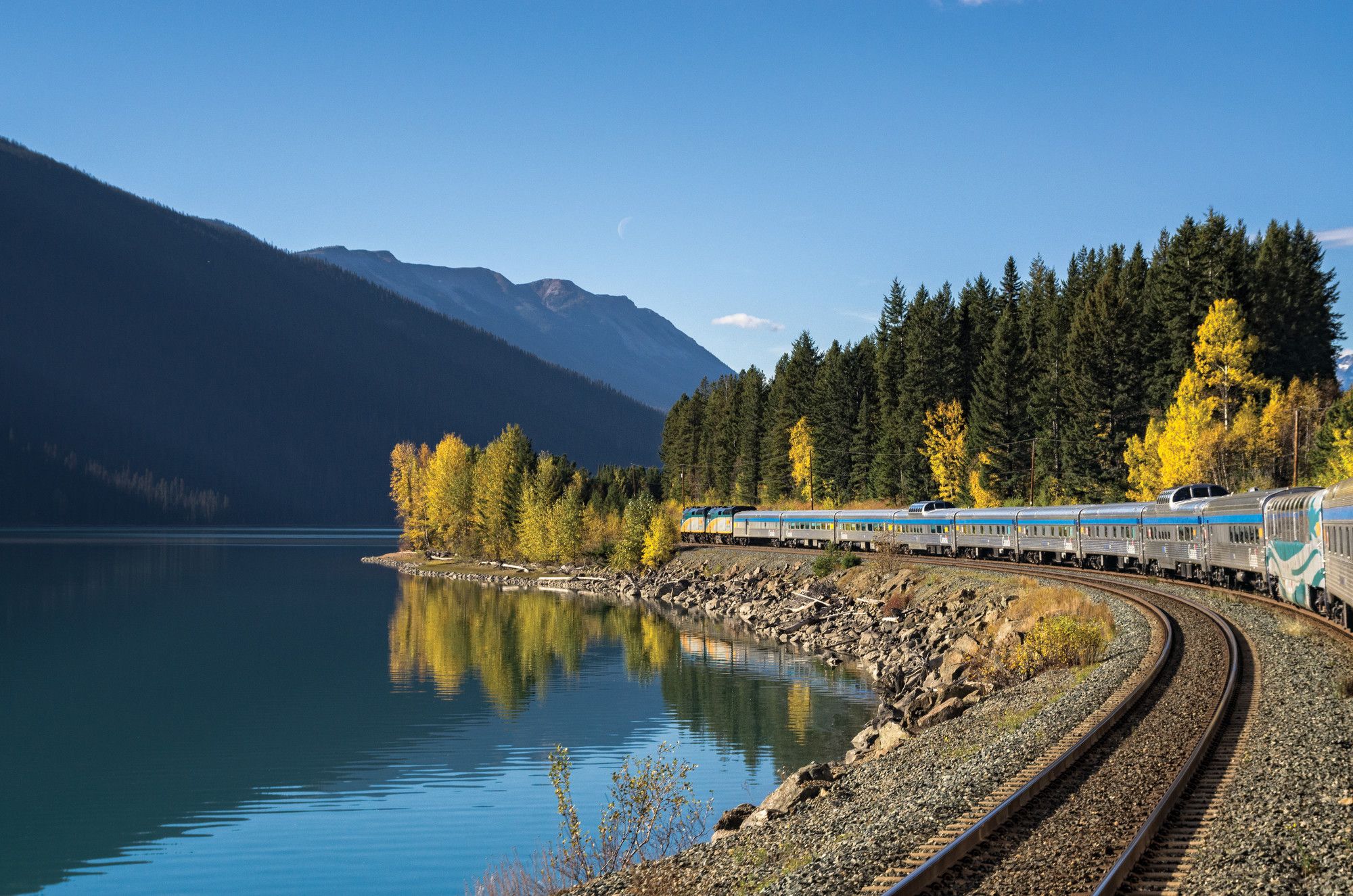
Canada by train – scenic hikes from Western stations
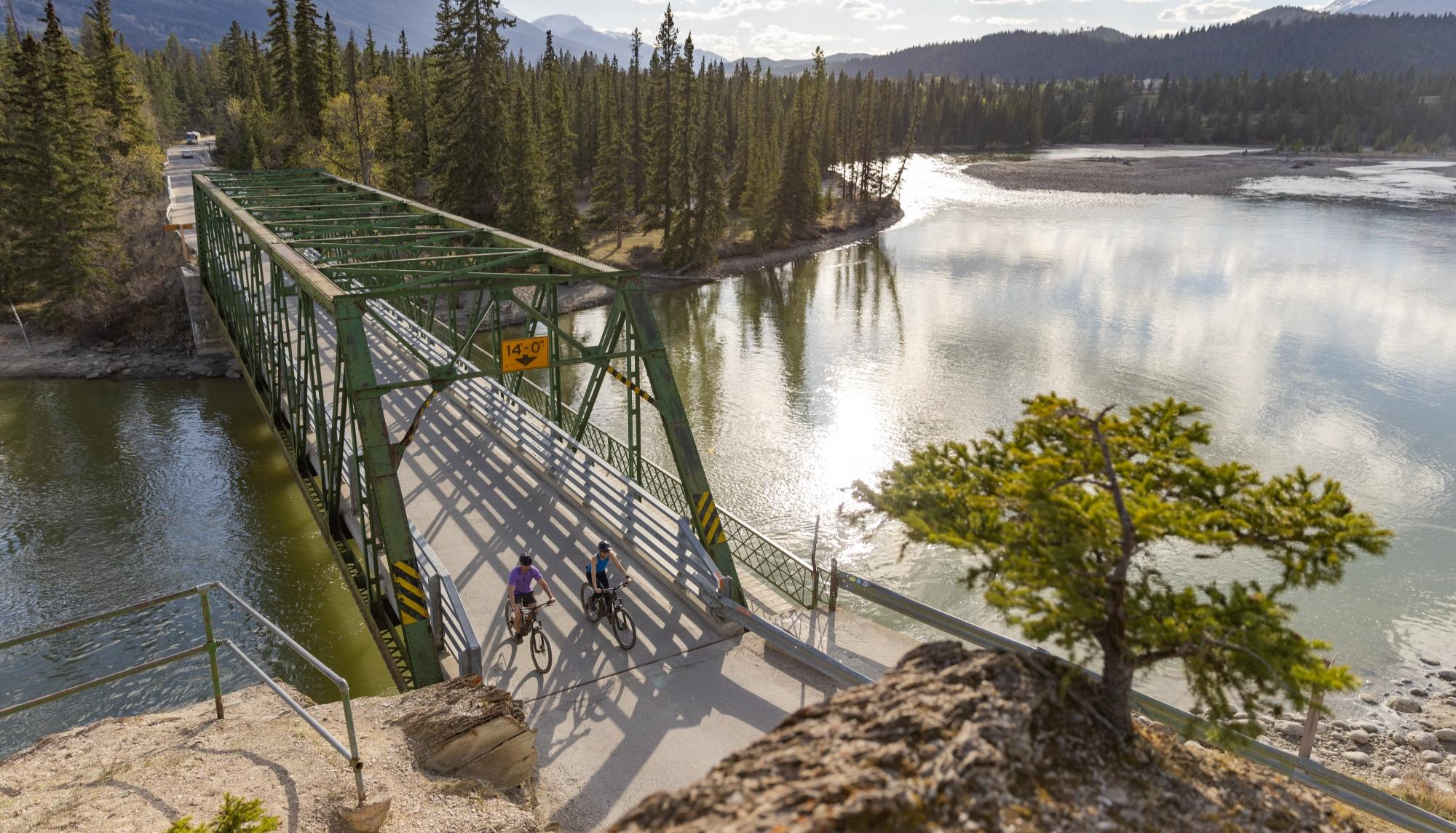
City, forest, river - explore diverse Alberta by bike
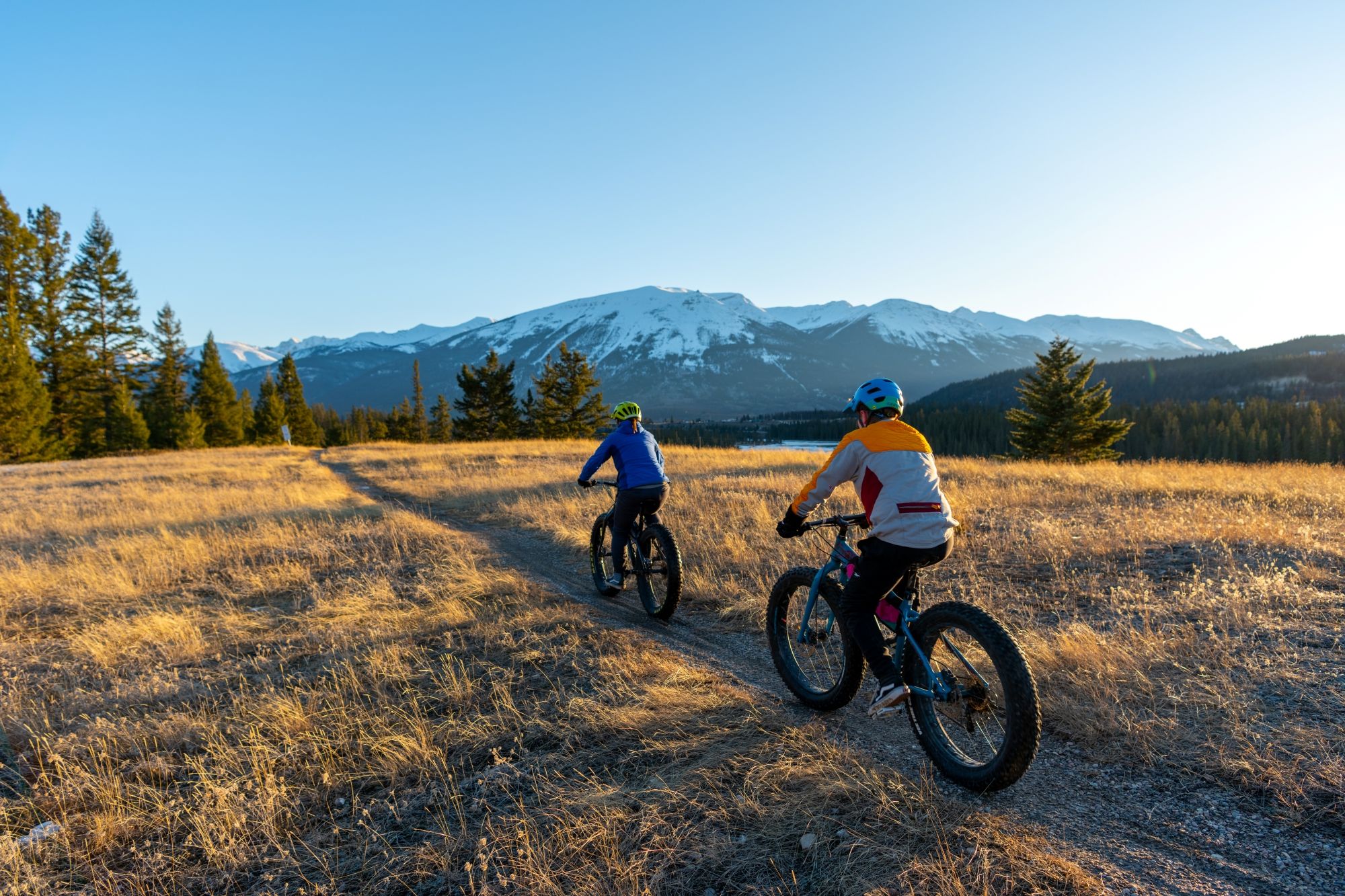
Hop on the trails – mountain biking & fat biking in Alberta
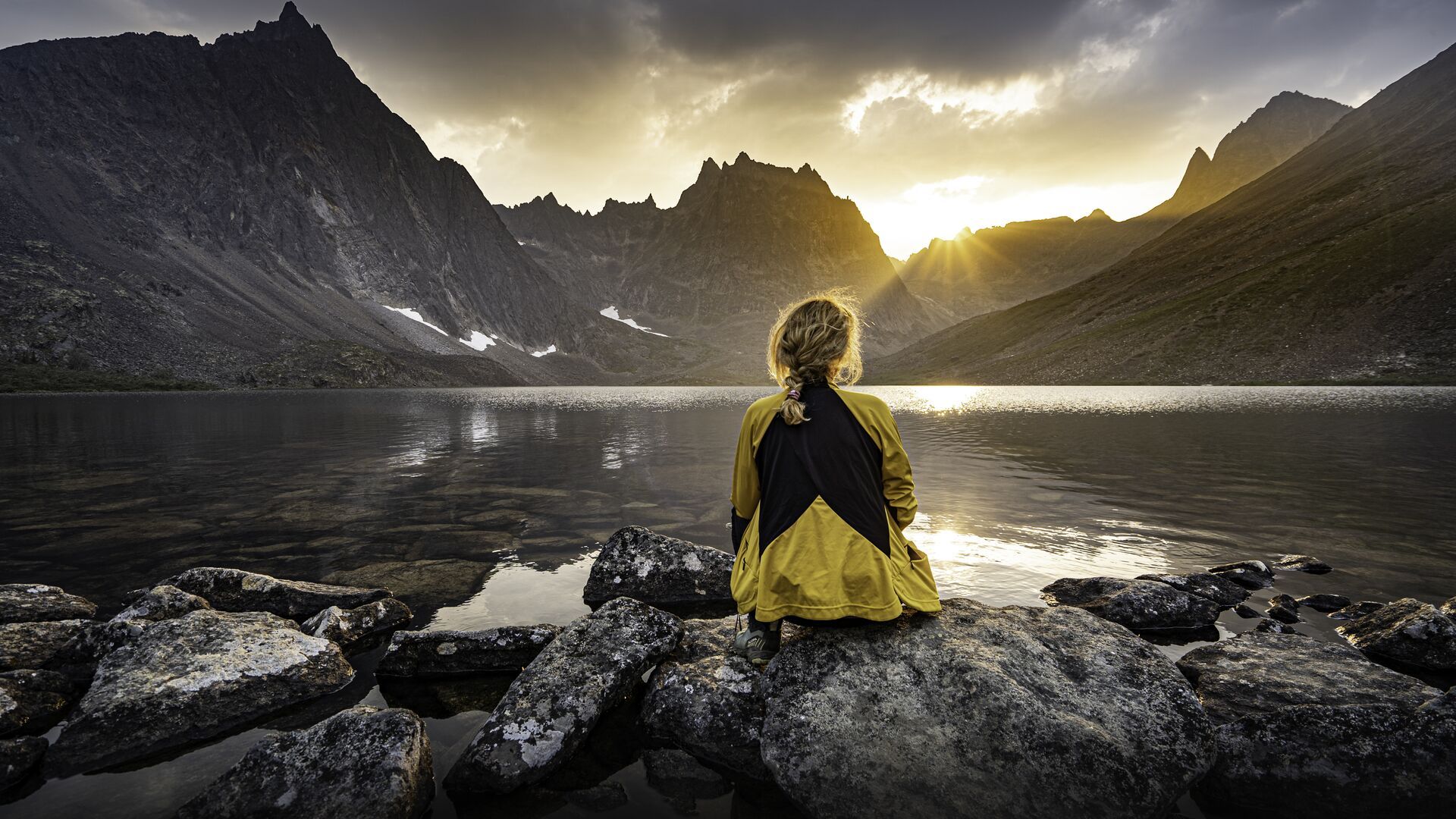
The longest footpath in the world – Trans Canada Trail
Spectacular road trip hikes – discover Calgary and Southern Alberta
Waterfalls and wild lakes – hiking in Northern Alberta and Jasper
Other adventures in Alberta


Tips from the Community

A very beautiful lake. By far more beautiful than Lake Louise
1
0

It really feels like a fairy tale here.
4
0

The Plain of Six Glaciers Tea House is a classic Banff hiking destination and one of the few backcountry tea houses still operating in the Rockies. The teahouse is a rustic log cabin built in 1927, where hikers can enjoy tea, homemade lunches, and baked goods surrounded by towering icefalls and creaking glaciers. The tea house accepts cash only (Canadian Dollars) and can get busy in summer, so arrive early, pack layers for alpine weather, and savor one of the most scenic cups of tea in the world.
1
0
One of Canada's most famous locations, Lake Louise (known in the Stoney Nakoda language as Ho-run-num-nay, meaning “Lake of the Little Fishes”) shines with its glacier-fed turquoise waters. The lake serves as a base for hiking, summer canoeing, and winter skiing. With limited parking and shuttle options required during peak season, planning ahead will turn a visit into a memorable encounter with one of the Rockies’ most iconic landscapes. As others have mentioned, it does get very busy, so arriving early is a great way to beat the crowds and enjoy a bit of solitude along the shoreline.
3
0

I have done this at the end of July. While it is as everybody describes, easy to the lower falls and not super hard to the upper falls, it was extremely crowded and it felt more like cattle drive up there. I suggest do this very early in the morning or evening there is probably less traffic.
0
0

Delicious tea, sandwiches, and soup. A wonderful place to recover from the climb.
1
0

Great waterfall, but you have to get there very early, otherwise there are just too many people there.
0
0

I would have liked to climb higher but without crampons and with my very slippery boots it was not advisable, very thin ice
0
0
Frequently Asked Questions
What are some of Alberta's most iconic natural landmarks?
Alberta is home to breathtaking natural landmarks. You can explore the stunning turquoise waters of Lake Louise and Moraine Lake, both famous for their glacier-fed hues. Don't miss the dramatic Johnston Canyon Waterfalls, where catwalks allow you to walk through the canyon to towering falls. Other notable sites include the powerful Athabasca Falls and the deep Maligne Canyon.
Are there family-friendly attractions in Alberta?
Yes, Alberta offers many family-friendly attractions. The Johnston Canyon Waterfalls feature paved, stroller-friendly trails to the lower falls. Lake Louise and Moraine Lake are also great for families, offering easy access to stunning views. The Valley of the Five Lakes, including Fifth Lake, provides a pleasant hike suitable for families. Additionally, Dinosaur Provincial Park and the Royal Tyrrell Museum of Palaeontology are excellent for children interested in dinosaurs.
What unique geological features can I find in Alberta?
Beyond the famous mountain ranges, Alberta boasts unique geological formations. Dinosaur Provincial Park, a UNESCO World Heritage Site, is renowned for its rich fossil beds and distinctive badlands landscape. The province also features the Athabasca Sand Dunes, dramatic 12-meter-high dunes, and the Red Rock Coulee Natural Area, known for its giant red spherical boulders.
Where can I experience Alberta's rich history and Indigenous culture?
Alberta has a deep cultural heritage. Visit Head-Smashed-In Buffalo Jump, a UNESCO World Heritage Site, to learn about 6,000 years of Plains Buffalo culture. Writing-on-Stone Provincial Park / Áísínai'pi is a sacred site with ancient Indigenous rock art. Other significant sites include Blackfoot Crossing Historical Park and Metis Crossing, offering immersive experiences into Métis history.
What are some popular outdoor activities and routes near Alberta's attractions?
Many attractions are gateways to outdoor adventures. Near Lake Louise, you can find routes like the 'Lake Agnes Teahouse – Lake Agnes loop' for mountaineering or 'Little Beehive via Lake Agnes Trail' for hiking. For mountain biking, explore trails like 'Braggin' Rights & Merlin View Loop' or 'Goat Creek Trail'. You can find more detailed routes and guides for various sports on our Mountain Hikes in Alberta, MTB Trails in Alberta, and Hiking in Alberta guide pages.
Are there any accessible attractions in Alberta?
Yes, efforts have been made to make some attractions accessible. The Peace Bridge (Calgary) is wheelchair accessible. For natural sites, the lower section of Johnston Canyon Waterfalls offers a paved, stroller-friendly trail, making it accessible for many visitors.
What is the best time to visit Alberta for outdoor activities?
The best time depends on your preferred activities. Summer (June to September) is ideal for hiking, canoeing, and exploring the national parks when all facilities are open. For winter sports like skiing and snowboarding, December to March offers prime conditions. Shoulder seasons (spring and fall) can offer fewer crowds and unique experiences like autumn foliage or early spring wildlife viewing.
Can I see wildlife in Alberta's national parks?
Alberta's national parks are rich in wildlife. Banff and Jasper National Parks are known for abundant wildlife, including elk, deer, and occasionally bears. Elk Island National Park is a crucial site for bison conservation, and Wood Buffalo National Park is home to the world's largest herd of bison and endangered whooping cranes.
What are some unique experiences or 'hidden gems' in Alberta?
For unique experiences, consider visiting Abraham Lake in winter to witness its captivating ice bubbles. Wood Buffalo National Park, the largest dark-sky preserve, is ideal for viewing the aurora borealis. Alberta also features quirky roadside attractions like the World's Largest Perogy in Glendon or the UFO Landing Pad in St. Paul.
What are some popular scenic drives in Alberta?
The Icefields Parkway is a world-renowned scenic drive connecting Banff and Jasper National Parks, offering access to attractions like the Columbia Icefield and the Athabasca Glacier. This route provides continuous breathtaking views of mountains, glaciers, and lakes.
What do visitors enjoy most about the lakes in Alberta?
Visitors consistently praise the stunning beauty of Alberta's glacier-fed lakes. Lake Louise is celebrated for its vibrant turquoise waters and serves as a base for hiking and canoeing. Moraine Lake is often described as 'simply breathtaking' with its strong blue color set against a spectacular mountain backdrop, making it a must-see for its panoramic views.
Are there places to stop for refreshments or rest during hikes?
Yes, some popular hiking areas offer facilities. For instance, after a hike near Lake Louise, you can find the Lake Agnes Tea House or the Plain of Six Glaciers Tea House, providing a welcome break with refreshments amidst scenic views.
Most popular routes in Alberta
Most popular attractions in Alberta

Get inspired with the komoot mobile app


Didn’t find what you were looking for?
Are you keen on exploring more awesome places nearby? Browse our guides:
Explore more
Still not found the Highlight you’re looking for? See guides of the top attractions in other regions:
