The best mountain hikes in Alberta
5.0
(4)
58
hikers
5
hikes
Mountaineering in Alberta offers diverse terrain within the Canadian Rockies, a UNESCO World Heritage site known for its dramatic peaks and pristine glacial lakes. The region features a combination of glaciated routes, transitional areas, and steep alpine faces, providing varied challenges. Notable features include humbling peaks, razor-like ridges, and stunning alpine lakes like Lake Louise and Moraine Lake. This landscape provides extensive opportunities for skill development and adventure across different mountaineering levels.
Best mountaineering routes in Alberta
- The most popular mountaineering route is Lake Agnes – Devil's Thumb Peak loop from Lake Louise, a 11.6 miles (18.6 km) difficult trail that takes about 7 hours 2 minutes to complete. This route features significant elevation gain and panoramic views of the Lake Louise area.
- Another top favourite among local mountaineers is Laughing Falls – Point Lace Falls loop from Takakkaw Falls, a difficult 13.1 miles (21.1 km) path. This trail leads through scenic valleys and past impressive waterfalls within Yoho National Park.
- Local mountaineers also love the Bald Hills – Sommet Balds hills loop from Maligne Lake Chalet and Guest House, a 9.3 miles (15.0 km) trail leading through alpine meadows and offering views of Maligne Lake, often completed in about 4 hours 56 minutes.
- Mountaineering in Alberta is defined by glaciated peaks, steep alpine faces, and turquoise glacial lakes. The network offers options for different ability levels, from moderate ascents to challenging alpine climbs.
- The routes in Alberta are highly rated by the komoot community with an average score of 5.0 stars from more than 9 reviews. More than 100 mountaineers have used komoot to explore Alberta's varied terrain.
Last updated: August 14, 2026
5.0
(1)
18
hikers
13.8km
04:25
580m
580m
Moderate mountaineering route. Good fitness required. Easily-accessible paths. Suitable for all skill levels.
5.0
(1)
19
hikers
Moderate mountaineering route. Good fitness required. Easily-accessible paths. Suitable for all skill levels.

Sign up for free
5.0
(1)
9
hikers
7.67km
02:53
520m
520m
Moderate mountaineering route. Good fitness required. Easily-accessible paths. Suitable for all skill levels.
5.0
(1)
7
hikers
17.9km
06:04
720m
720m
Hard mountaineering route. Very good fitness required. Mostly accessible paths. Sure-footedness required.
5
hikers
21.1km
06:41
790m
790m
Hard mountaineering route. Very good fitness required. Easily-accessible paths. Suitable for all skill levels.
Our route recommendations are based on thousands of hikes, rides, and runs completed by other people on komoot.
Start today with a free account
Your next adventure awaits.
Login or Signup
Popular around Alberta
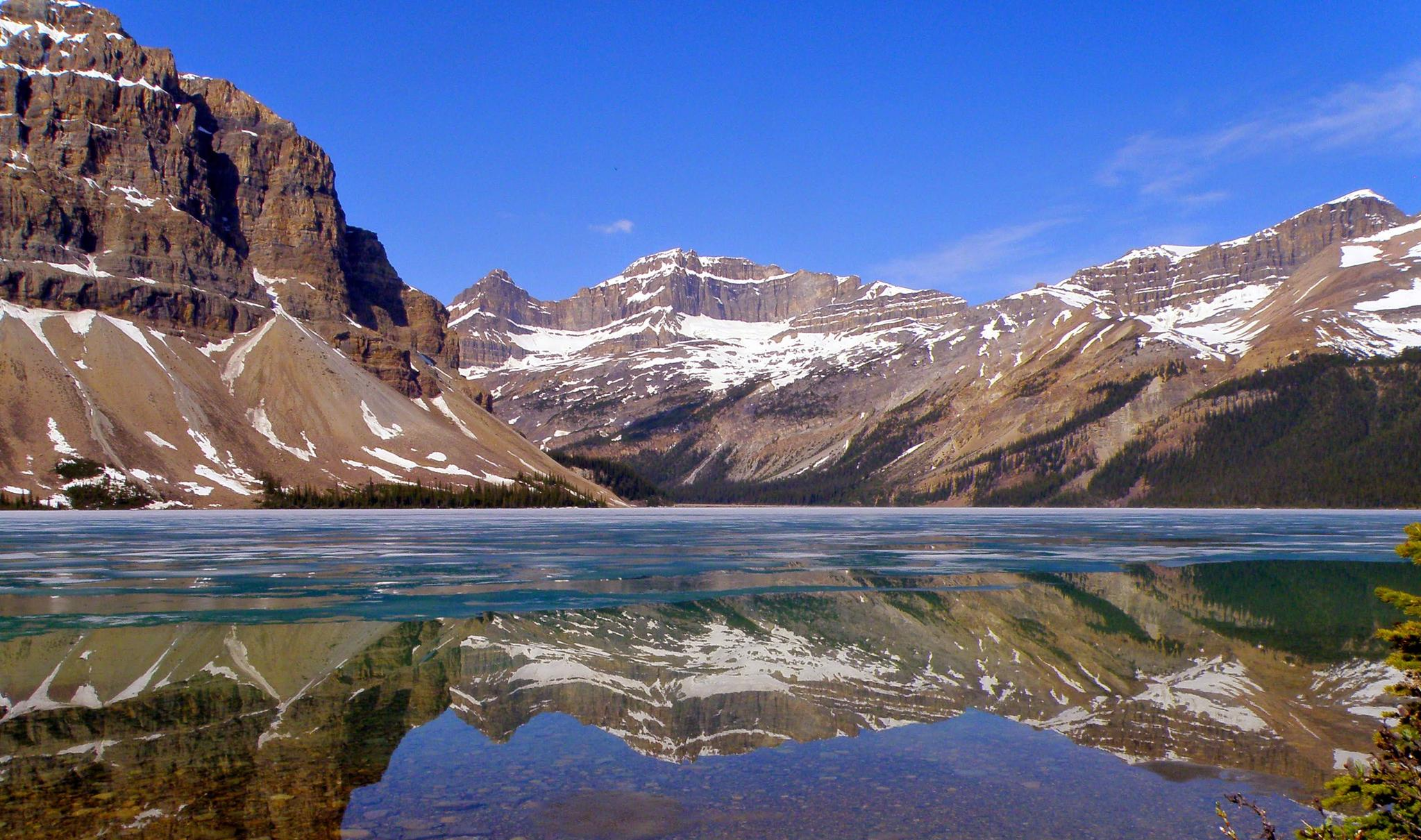
Great Divide Mountain Bike Route — Cycling the spine of a continent
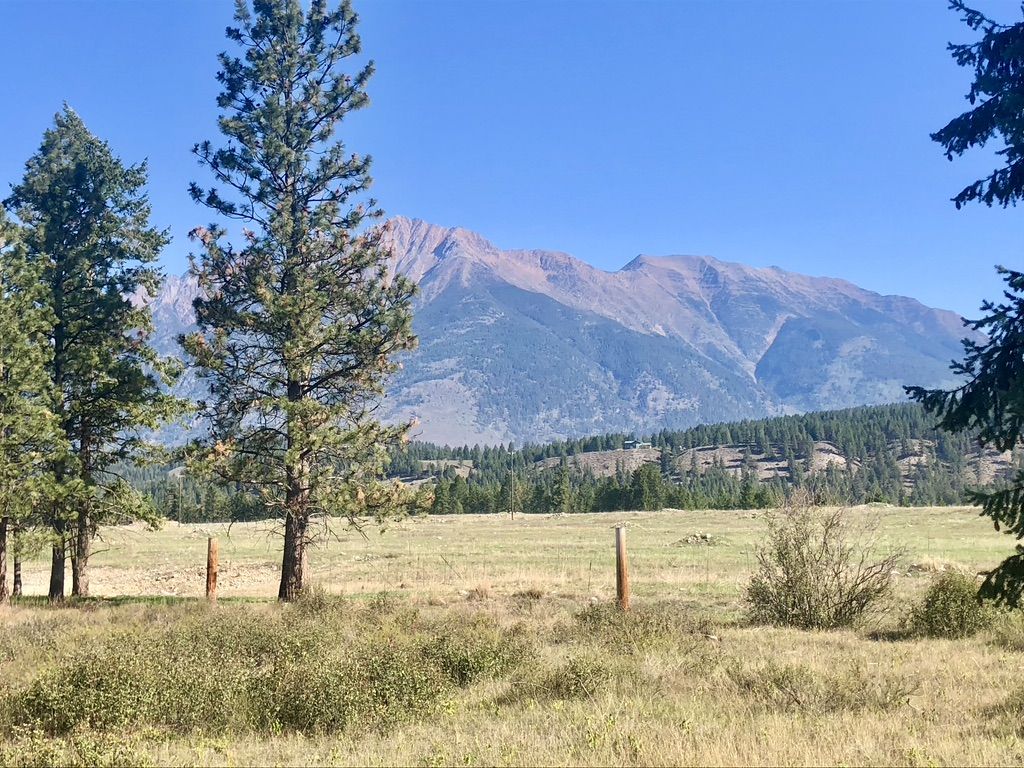
Cross Canada Ride — heading east for 6,800km
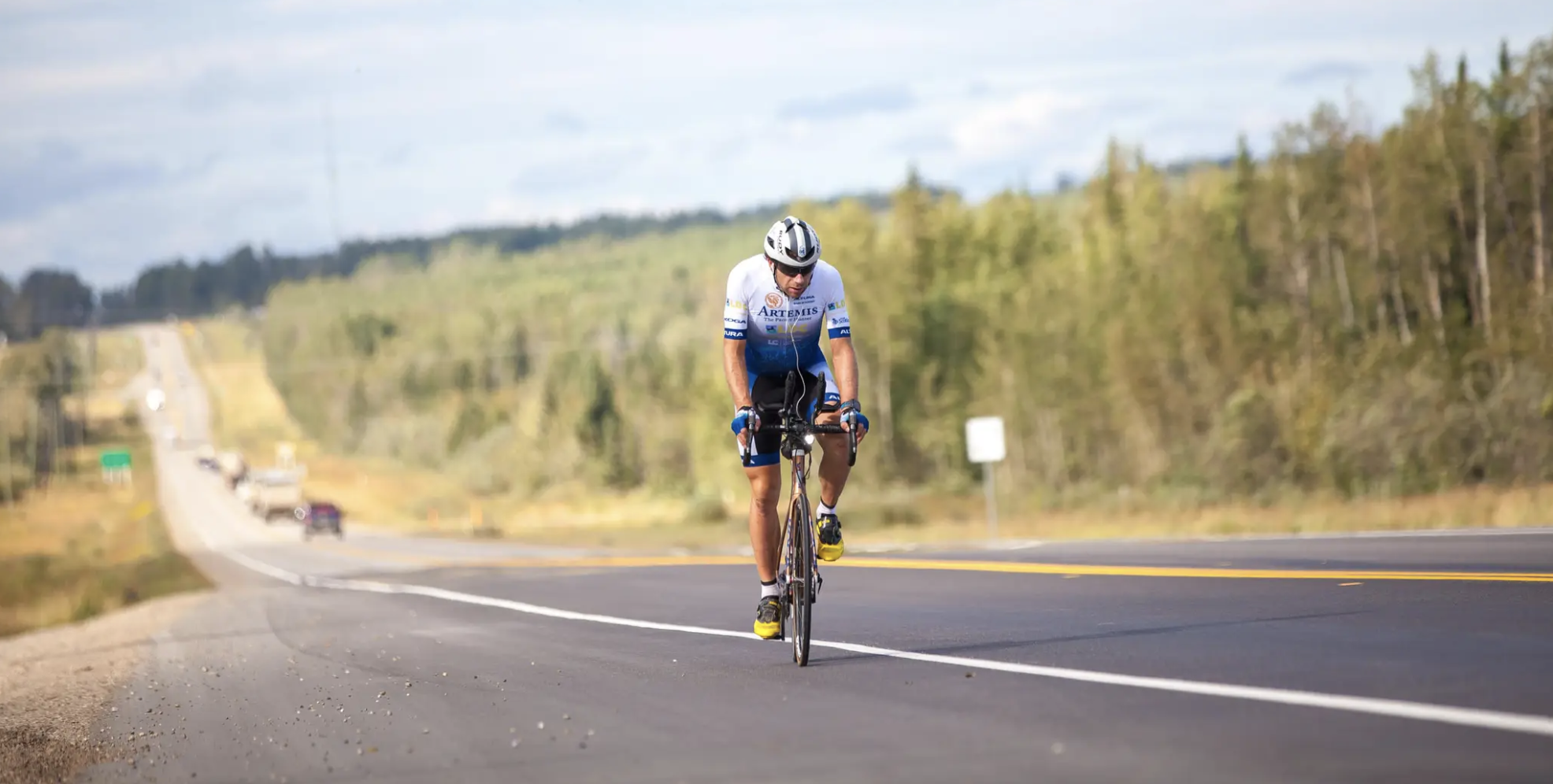
Around the World in 80 Days
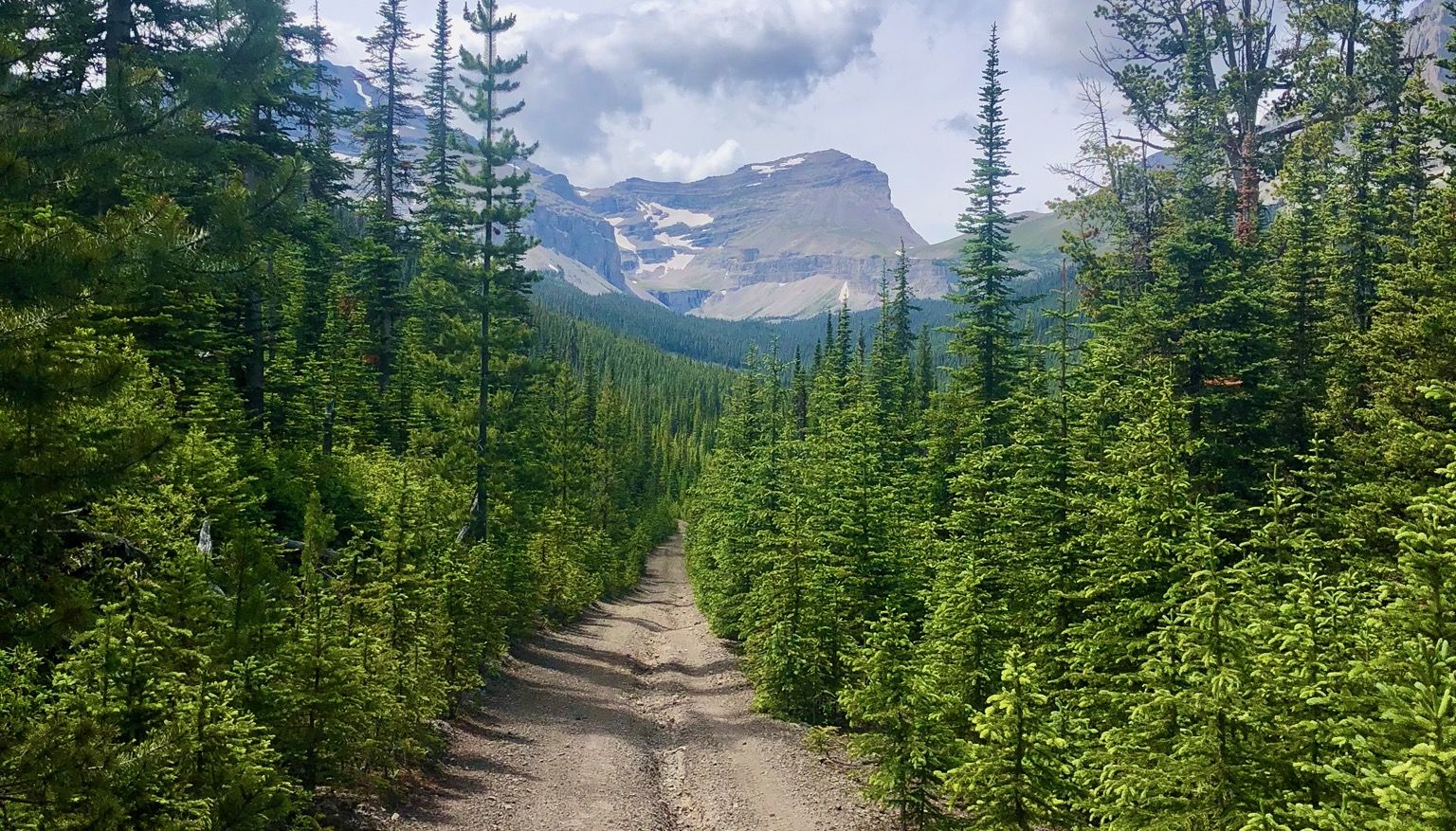
Run the Rockies – mountain range fastpack #5
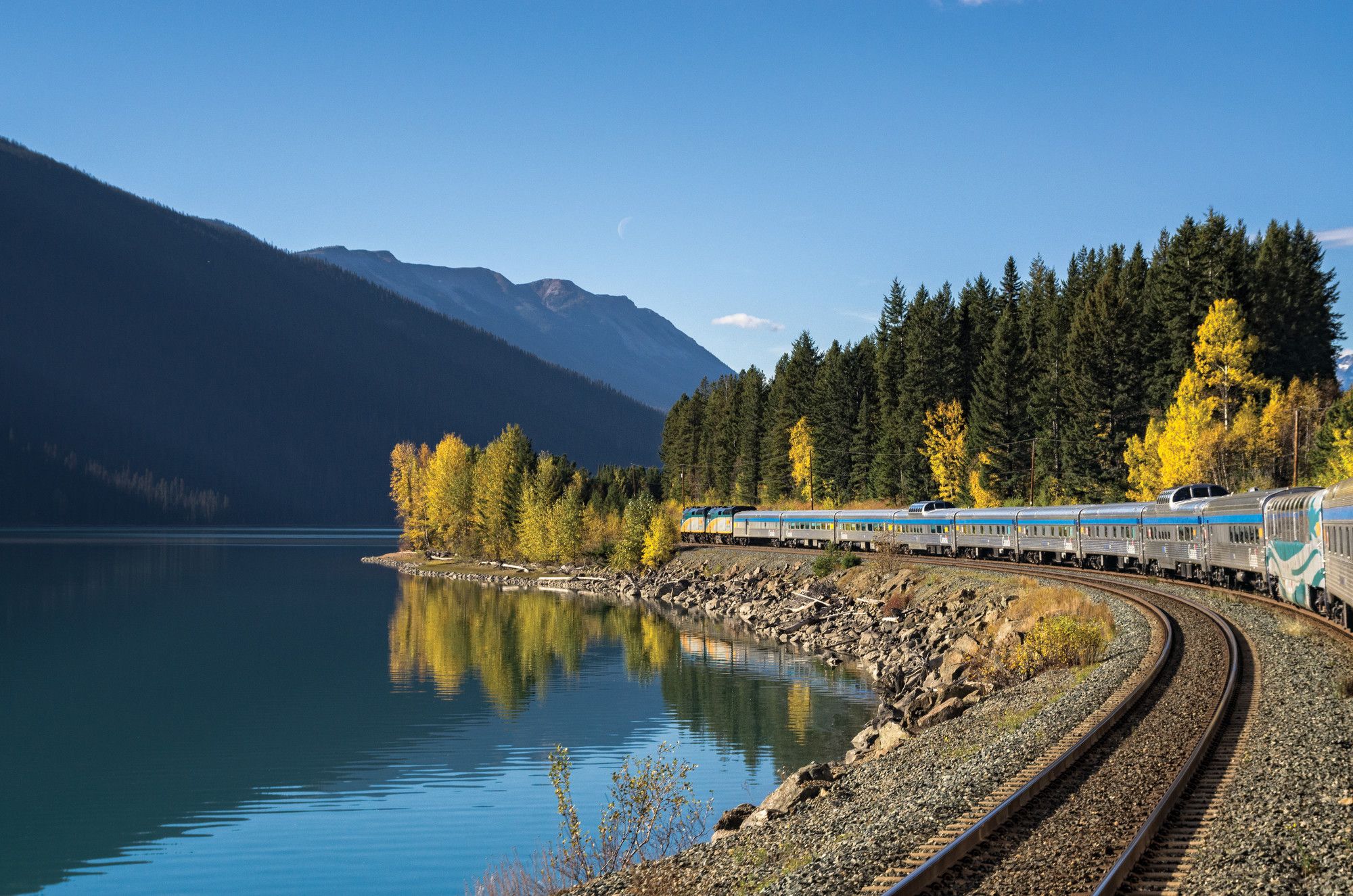
Canada by train – scenic hikes from Western stations
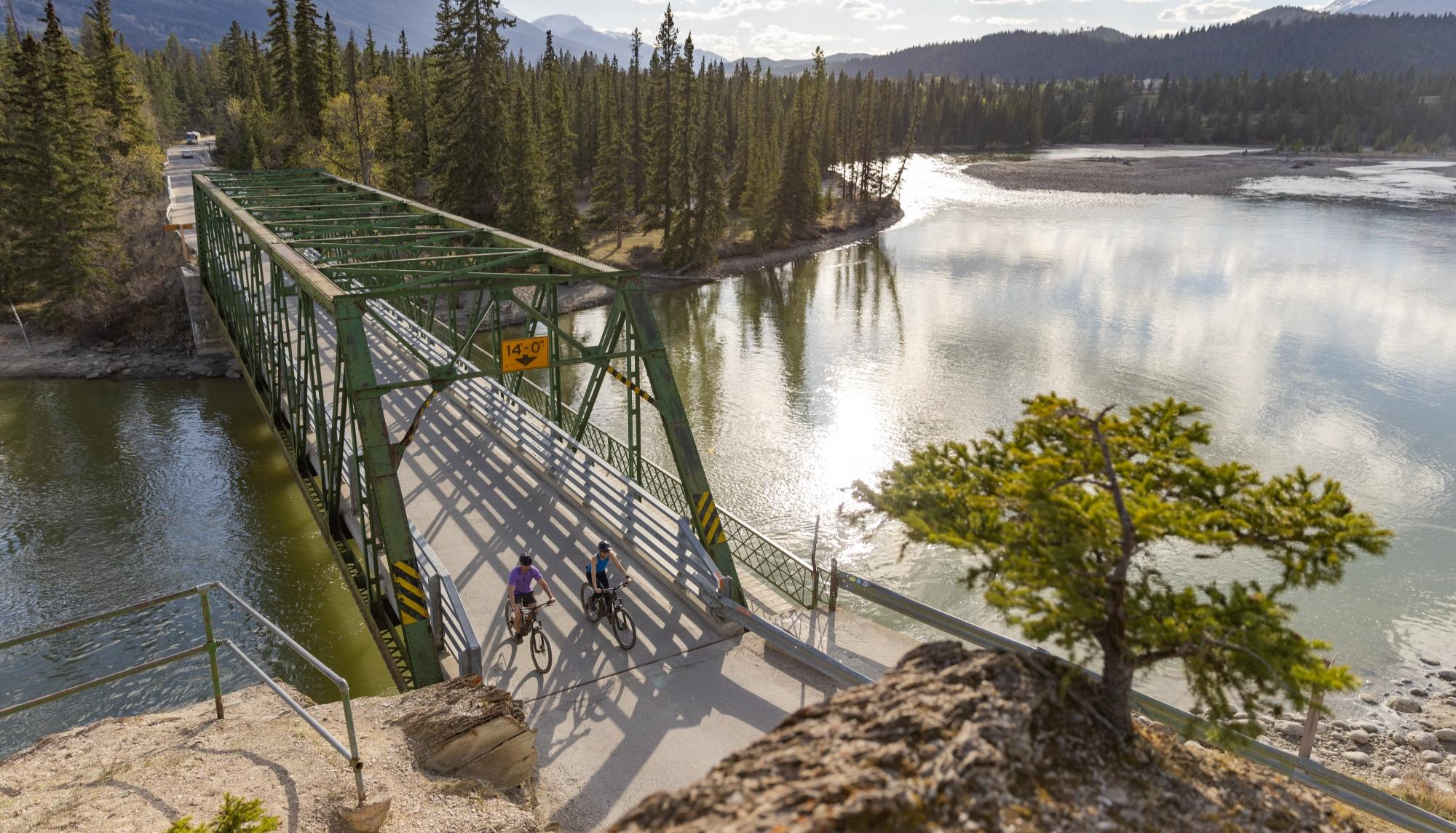
City, forest, river - explore diverse Alberta by bike
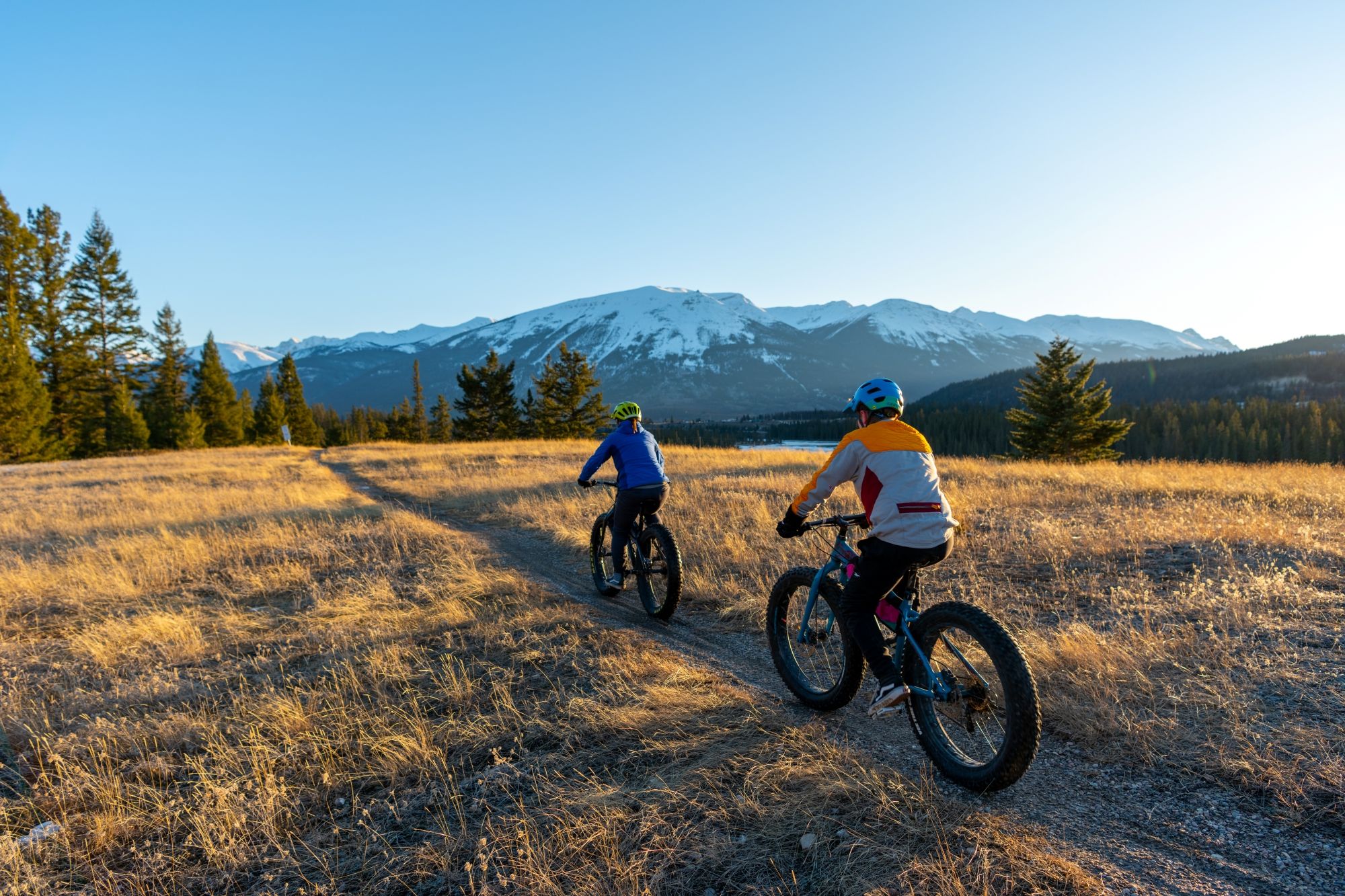
Hop on the trails – mountain biking & fat biking in Alberta
The longest footpath in the world – Trans Canada Trail
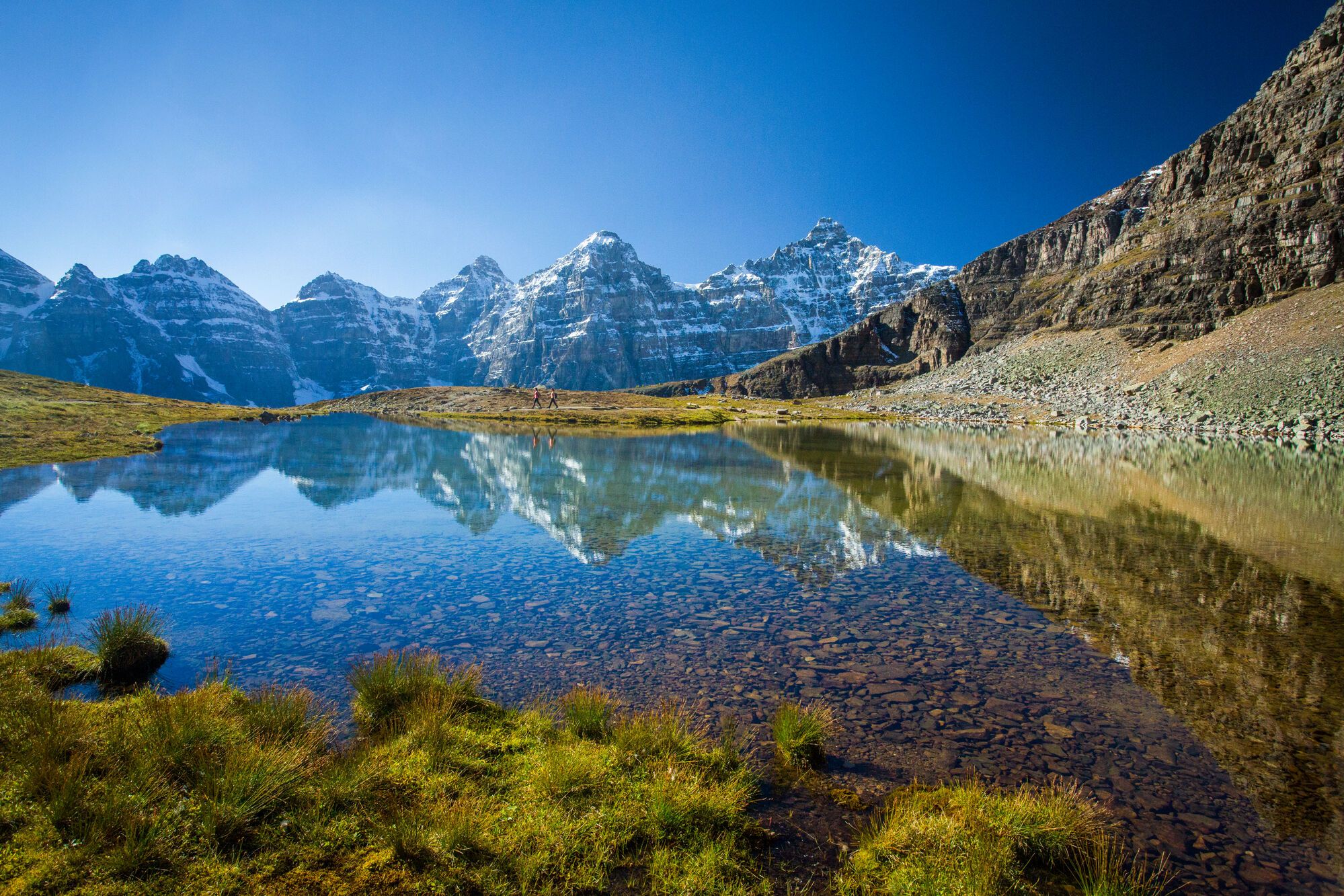
Spectacular road trip hikes – discover Calgary and Southern Alberta
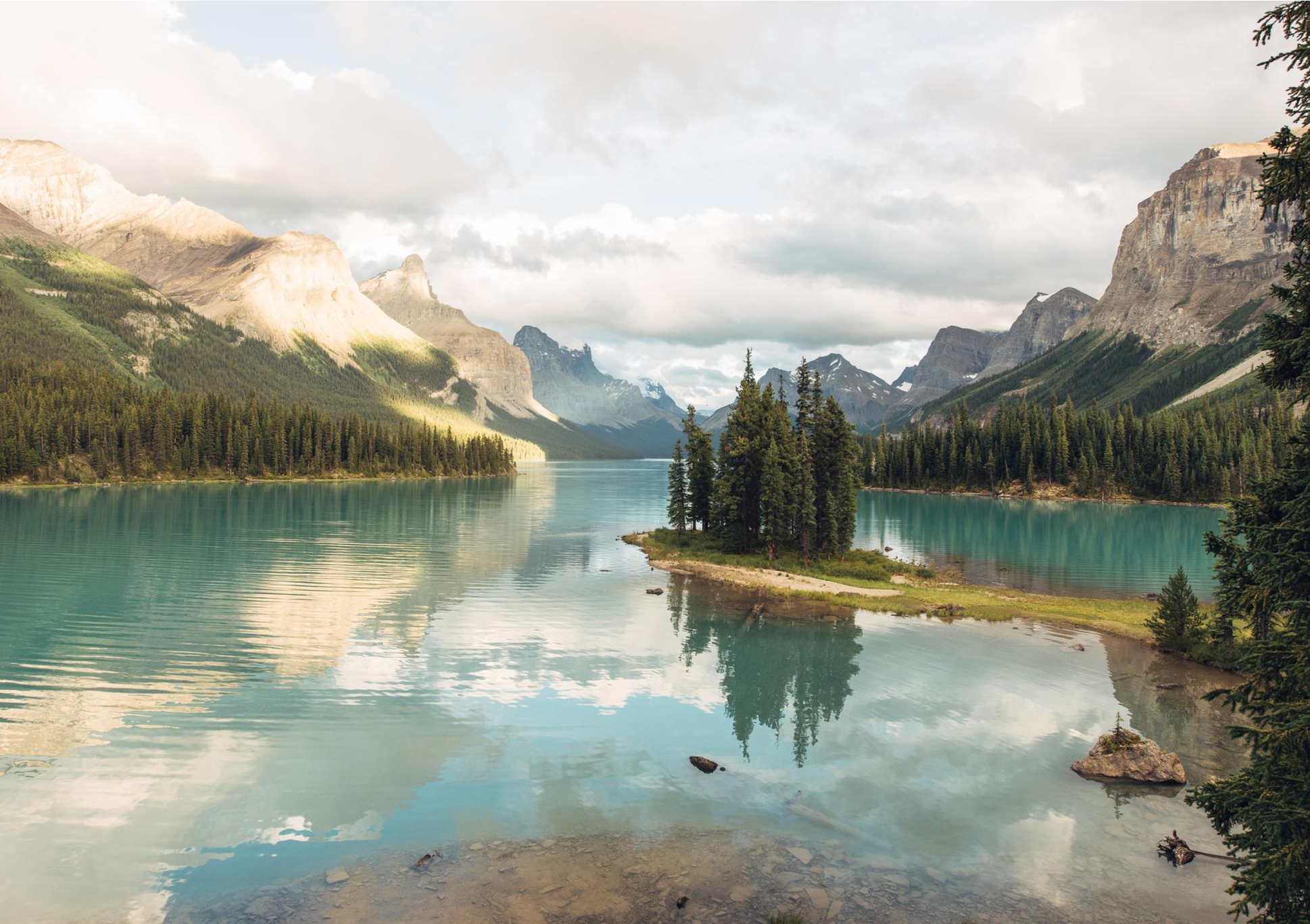
Waterfalls and wild lakes – hiking in Northern Alberta and Jasper
Other adventures in Alberta


Tips from the Community

Laughing Falls is a thundering waterfall with a mountain-energy vibe along the Little Yoho River. There are simple wooden bridges for river crossings, picnic benches, and backcountry camping, with bear bag hangs. A Parks Canada pass is required for entry, and a backcountry permit is required for camping.
0
0
Lake Duchesnay is a small alpine lake, part of the Duchesnay Basin, below Mount Duchesnay and Mount Niles. At 2,100 meters above sea level, this glacial-fed lake is shallow and dries up in the summer, but when it has water, it trickles down from snowmelt and small glaciers from the Waputik Range.
1
0
Point Lace Falls flows from a small tributary of Twin Falls Creek; the best views are from late June through September. When it's flowing, it has a delicate "lace-like" water pattern.
1
0

When we were there (unfortunately) there was water only in one of the Twin Falls. In any case spectacular.
0
0

You can also see from the photos that the glacier is getting smaller. Otherwise the opposite trail is really nice to run. It is still breathtaking.
0
0

Here you come again very close to the waterfall. The visit is worthwhile in any case.
2
0

Shallow lake, lonely in the forest. It dries almost completely in dry summers.
1
1

Very nice trail, past 3 waterfalls to the Twin Falls. The trail is well developed and easy to walk even in bad weather. Ensure sufficient drinking water, there is no way to replenish water on the way.
4
1
Frequently Asked Questions
What kind of terrain can I expect on mountaineering routes in Alberta?
Alberta's mountaineering routes, primarily within the Canadian Rockies, feature a diverse landscape. You'll encounter glaciated routes, transitional areas, and steep alpine faces. The region is known for its humbling peaks, razor-like ridges, and stunning alpine lakes like Lake Louise and Moraine Lake.
Are there mountaineering routes suitable for beginners in Alberta?
Yes, Alberta offers options for various skill levels. While many routes are challenging, there are moderate ascents available. For example, the Lake Helen loop from Bow Lake is a moderate 13.8 km route with 576 meters of elevation gain, offering a good introduction to the region's alpine environment.
Which routes offer views of glacial lakes?
Many routes provide stunning views of Alberta's iconic glacial lakes. The Lake Agnes – Devil's Thumb Peak loop from Lake Louise offers panoramic views of the Lake Louise area. Another excellent option is the Bald Hills – Sommet Balds hills loop from Maligne Lake Chalet and Guest House, which provides views of Maligne Lake.
Are there any routes that feature waterfalls?
Yes, some routes in Alberta pass by impressive waterfalls. The Laughing Falls – Point Lace Falls loop from Takakkaw Falls is a difficult 21.1 km path that leads through scenic valleys and past notable waterfalls within Yoho National Park. Additionally, nearby attractions like Athabasca Falls and Johnston Canyon Waterfalls are popular points of interest.
What are some notable landmarks or points of interest near these mountaineering routes?
Beyond the routes themselves, Alberta's mountain regions are rich with natural landmarks. You can visit the iconic Lake Louise, the historic Lake Agnes Tea House, or explore the deep Maligne Canyon trailhead. These highlights offer additional scenic beauty and experiences.
How long do mountaineering routes in Alberta typically take to complete?
The duration varies significantly based on the route's difficulty and length. Moderate routes like the Edith Cavell Pond – Trail's End loop from Angel Glacier can take around 2 hours 47 minutes for 7.3 km. More challenging routes, such as the Lake Agnes Teahouse – Lake Agnes loop from Lake Louise, can take over 6 hours to complete its 15.8 km.
What do other mountaineers say about the routes in Alberta?
The mountaineering routes in Alberta are highly rated by the komoot community, with an average score of 5.0 stars from more than 9 reviews. Mountaineers often praise the dramatic peaks, pristine glacial lakes, and the extensive opportunities for skill development and adventure across different levels.
Are there any circular mountaineering routes in Alberta?
Yes, many of the mountaineering routes in Alberta are designed as loops, allowing you to experience diverse scenery without retracing your steps. Examples include the Lake Helen loop from Bow Lake and the Bald Hills – Sommet Balds hills loop from Maligne Lake Chalet and Guest House.
What is the best time of year for mountaineering in Alberta?
The best time for mountaineering in Alberta's Canadian Rockies is typically during the summer months, from late June to early September, when trails are generally free of snow at lower elevations and weather conditions are more stable. However, alpine conditions can change rapidly, and some high-altitude routes may retain snow and ice well into summer.
What kind of wildlife might I encounter on these routes?
Alberta's mountain regions are rich in wildlife. While mountaineering, you might spot various animals including bears (both grizzly and black), elk, deer, bighorn sheep, mountain goats, and a wide array of bird species, including golden eagles. Always be wildlife aware and carry bear spray.
Are there options for multi-day mountaineering trips in Alberta?
While the routes listed here are primarily day trips, the vastness of the Canadian Rockies in Alberta offers extensive opportunities for multi-day mountaineering expeditions. These often involve backcountry camping or staying in alpine huts. Planning for such trips requires significant experience, preparation, and permits.
Most popular routes in Alberta
Most popular attractions in Alberta

Get inspired with the komoot mobile app


Explore more
Browse the best Mountain Hikes & Routes in other regions.
