Top 20 Waterfalls in Washington
Waterfalls in Washington are a prominent feature of the state's diverse natural landscape, ranging from powerful plunges to gentle cascades. The region's geology, shaped by ancient glacial floods and volcanic activity, contributes to the formation of numerous waterfalls. These natural monuments are often nestled within lush forests and providing varied viewing experiences. Many are easily accessible, making them popular destinations for outdoor enthusiasts.
Best waterfalls in Washington
- The most popular waterfalls is Marymere Falls, a waterfall that cascades over mossy basalt rock into a small pool. It is located on the north side of the Olympic Peninsula and is easily accessible via a well-maintained trail.
- Another must-see spot is Snoqualmie Falls, a 82-meter high waterfall of the Snoqualmie River. This waterfall is known for its size and its cultural significance to the Snoqualmie Tribe.
- Visitors also love Sol Duc Falls, a waterfall that drops 48 feet into a rocky, narrow canyon. The well-maintained, family-friendly trail passes through a dense forest canopy, offering excellent viewing opportunities.
- Washington is known for its powerful plunges, horsetail falls, and multi-tiered cascades. Visitors can explore a variety of waterfalls, from those easily accessible to those requiring a hike through dense forests.
- The waterfalls in Washington are appreciated by the komoot community. More than 40 komoot users have upvoted these highlights, and more than 30 photos have been shared.
Last updated: June 24, 2026
Snoqualmie Falls
Highlight • Waterfall
The waterfall was probably the backdrop for the TV series "Twin Peaks"
Translated by Google •
Tip by

Marymere Falls
Highlight • Waterfall
Tip by

Sign up now to discover places like this
Get recommendations on the best single tracks, peaks, & plenty of other exciting outdoor places.
Sign up for free
Franklin Falls
Highlight • Waterfall
This trail is closed for the summer of 2023 for construction. Check Forest Service website prior to making the trek:
fs.usda.gov/recarea/mbs/recreation/recarea/?recid=17980&actid=50
Tip by

Little Waterfall
Highlight • Waterfall
Tip by

Dead Horse Creek
Highlight • River
Tip by
Sol Duc Falls
Highlight • Waterfall
Tip by

Twin Falls
Highlight • Waterfall
Tip by

Bridal Veil Falls
Highlight • Waterfall
Tip by
Golden Gate Trail
Highlight (Segment) • Trail
Tip by
Upper Wallace Falls
Highlight • Waterfall
Tip by

Sign up for free to discover even more waterfalls in Washington.
Sign up for free
Already have an account?
Start today with a free account
Your next adventure awaits.
Login or Signup
Popular around Washington
The Lewis & Clark Trail — Following the Corps of Discovery
Wonderland Trail — 93 iconic miles around Mount Rainier
Pacific Northwest National Scenic Trail — From Alpine to Alava through the untamed Northwest

Pacific Crest Trail from Mexico to Canada – 4,200 kilometres of wilderness
Winthrop Chelan Traverse — The backroads of the Eastern Cascades
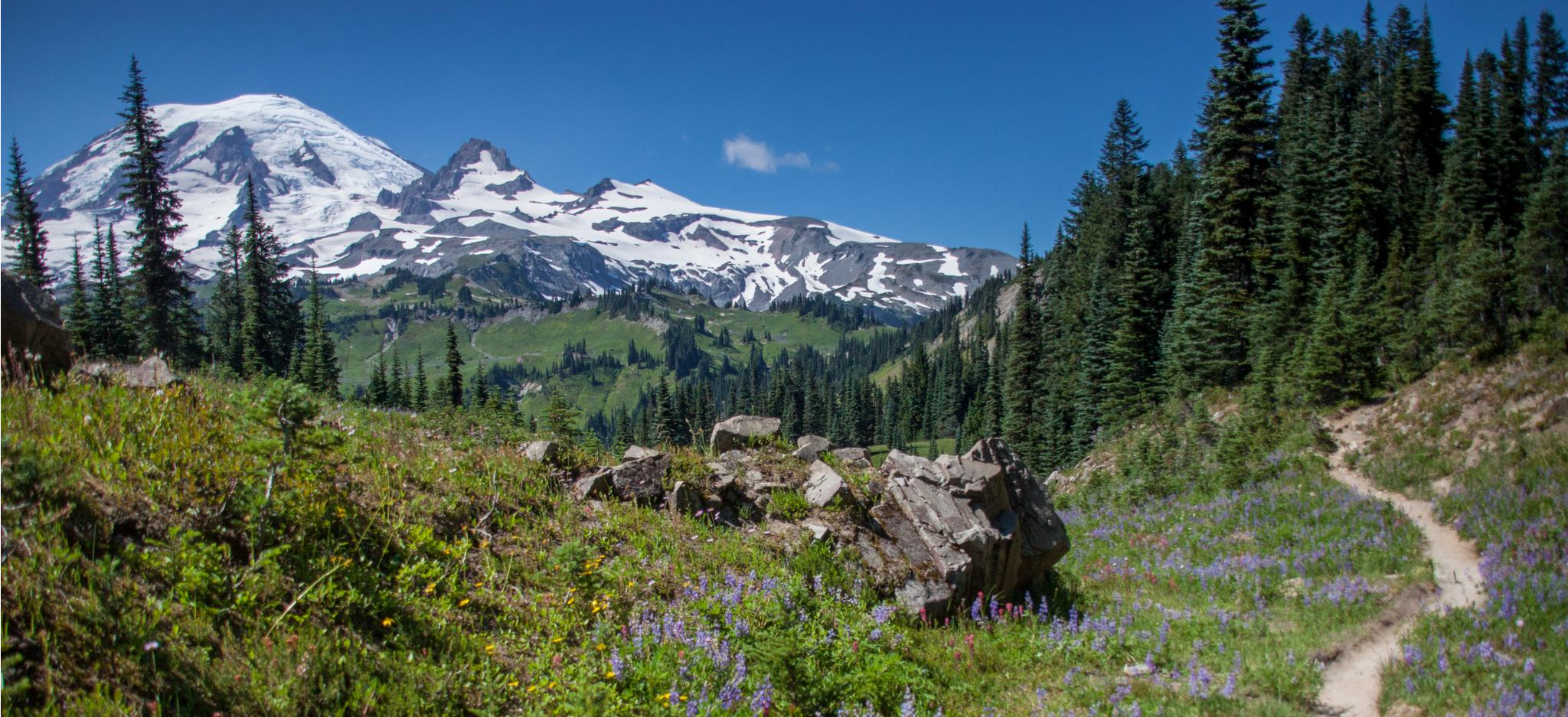
Wonderland Trail — 3-Day fastpacking through the dreamscape
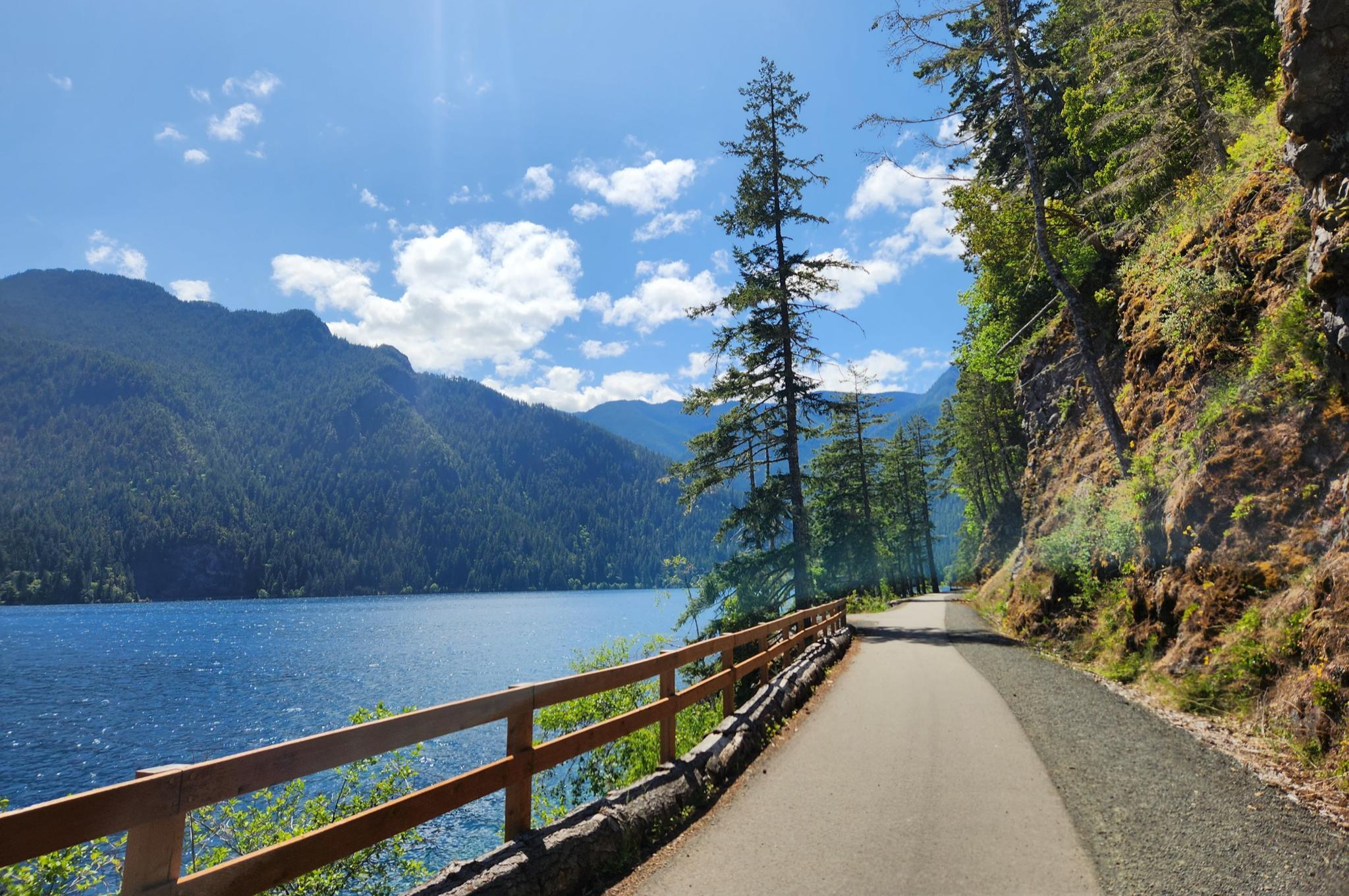
Olympic Discovery Trail — A True Northwest Adventure
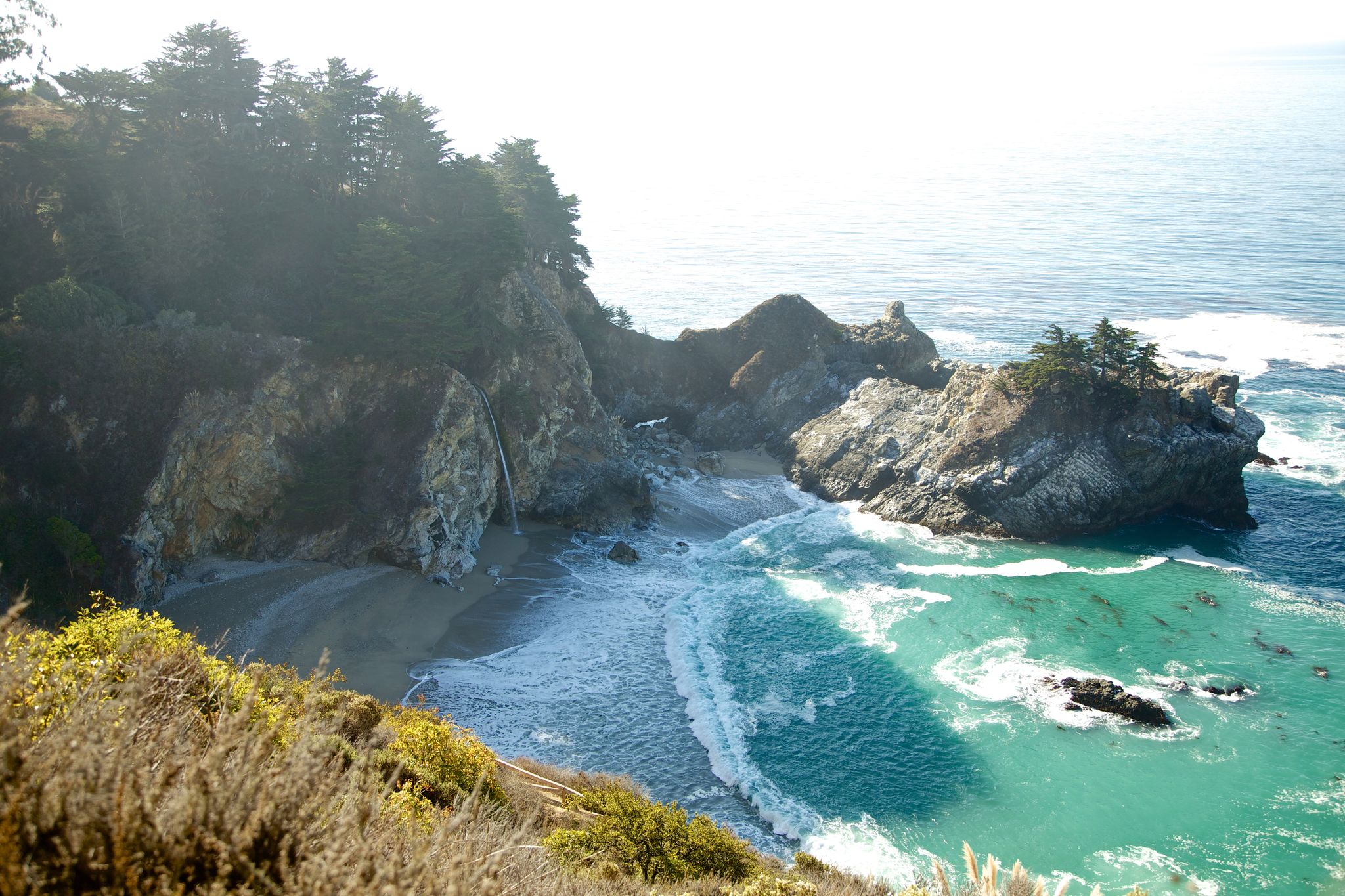
The tour of your life – music trails on the Pacific coast
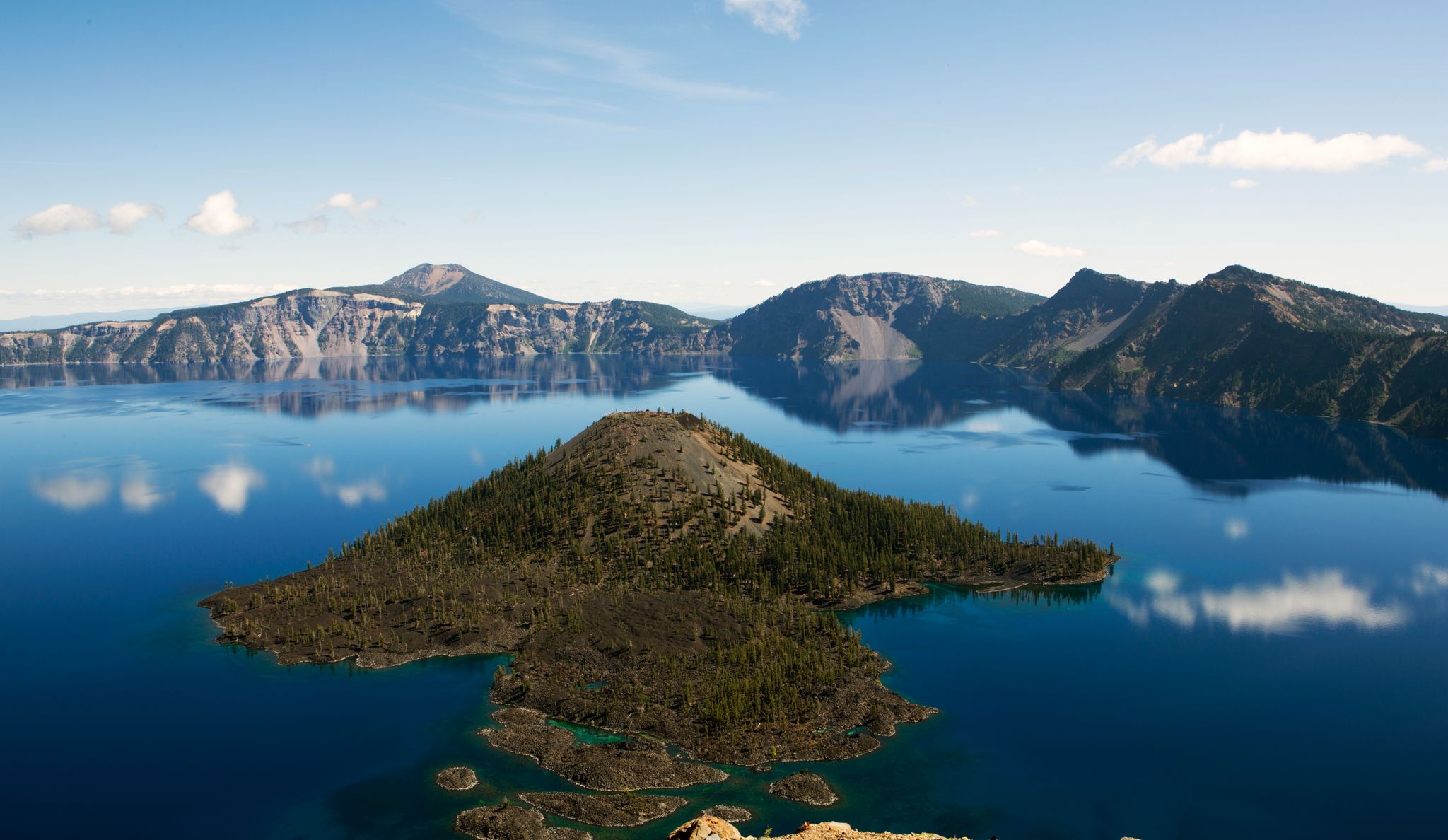
Volcanic peaks and glistening shores – discover Oregon and Washington
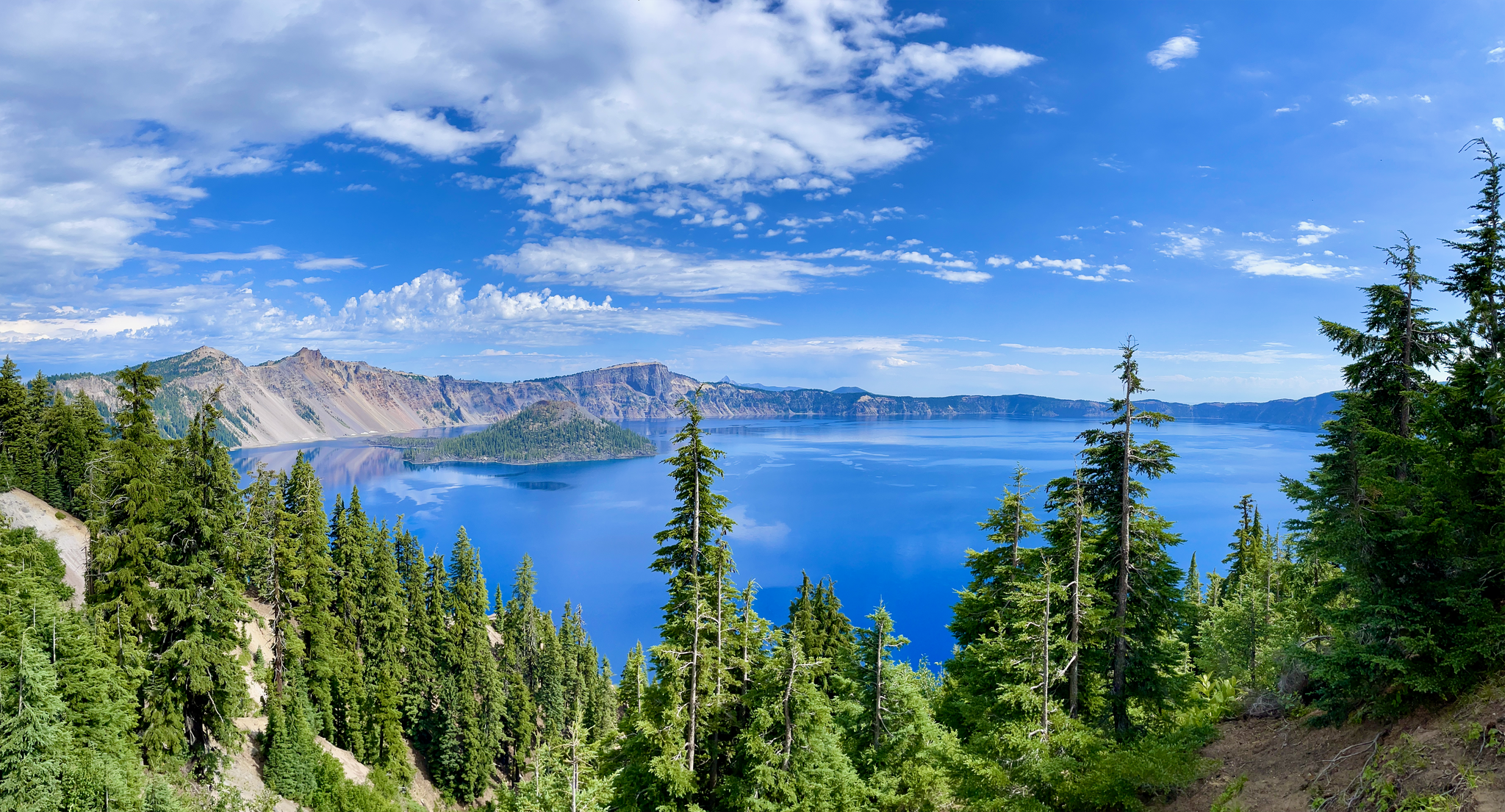
The pristine beauty of the US National Parks
Other adventures in Washington


Tips from the Community

I was recently looking for traditional Viennese restaurants and came across Restaurant Marienhof https://restaurant-marienhof.de/ . I particularly liked the combination of classic Viennese cuisine, cozy atmosphere, and the quiet courtyard garden. Such places show that traditional gastronomy still retains its special charm today. Those who want to enjoy authentic Austrian dishes and spend a relaxing evening in Vienna will find an interesting address there.
0
0

Definitely go in September close to Golden hour to see the rainbow over the falls at the right angle.
0
0

Marymere Falls is a waterfall near Lake Crescent inside Olympic National Park. It is reached via a 0.9-mile dirt trail that meanders through an old-growth forest of fir, cedar, hemlock, and alder trees. The trail includes two wooden bridges and leads to the 90.5-foot falls, fed by Falls Creek. The creek flows into the beautiful, milky blue waters of Barnes Creek, its color milky due to glacial flour.
0
0

Great viewpoint from which you can admire the Snoqualmie Falls.
0
0

Snoqualmie Falls is a 268-foot waterfall and is one of Washington's most popular scenic attractions. The falls were listed on the National Register of Historic Places in 2009. You will need to park your bike to view the falls, since cycling isn't allowed on the observation deck.
0
0

The trails around Sol Duc Falls are well-maintained and provide excellent viewing spots for this waterfall. Great stop for a break at the end of a run before you head back.
0
0

A short run through the rainforest of Olympic National Park leads you to this mystical spot. Here you can admire the waterfall before turning back or continuing on via Barnes Creek Trail.
0
0
Frequently Asked Questions
Which waterfalls in Washington are easily accessible or family-friendly?
Many waterfalls in Washington are suitable for families and offer easy access. Marymere Falls is easily reached via a well-maintained trail through a rainforest. Franklin Falls and Coal Creek Falls also offer easy, scenic hikes. For those needing wheelchair access, Madison Falls in Olympic National Park provides a paved path directly to the viewpoint.
What are some of the most popular waterfalls to visit near Seattle?
Near Seattle, Snoqualmie Falls is a highly popular and iconic choice, located just 30-45 minutes east of the city. It features multiple viewing platforms, including a wheelchair-accessible upper platform. Another great option is Wallace Falls, which boasts nine waterfalls and a 5.6-mile Woody Trail with various viewpoints for the Lower, Middle, and Upper Falls.
Are there any waterfalls in Washington with significant historical or cultural importance?
Yes, Snoqualmie Falls holds deep cultural significance for the Snoqualmie Tribe, who consider it a sacred site. It was also famously featured in the TV show Twin Peaks. Palouse Falls, Washington's official state waterfall, is a dramatic plunge carved by Ice Age floods over 13,000 years ago, offering a rich geological history.
What kind of natural features can I expect to see at Washington's waterfalls?
Washington's waterfalls are often nestled within diverse natural settings. You can expect to see lush Pacific Northwest forests, mossy basalt rock formations, and sometimes even old-growth trees. Many falls, like Marymere Falls and Sol Duc Falls, are surrounded by dense forest canopies. Narada Falls is known for generating mist that creates vivid rainbows on sunny days.
What outdoor activities can I do near Washington's waterfalls?
The areas around Washington's waterfalls offer numerous outdoor activities. You can find extensive opportunities for hiking, with trails ranging from easy walks to more strenuous climbs. There are also many running trails and cycling routes nearby, allowing you to explore the diverse landscapes surrounding these natural wonders.
When is the best time to visit waterfalls in Washington?
The best time to visit waterfalls in Washington often depends on what you want to experience. Spring (April-June) is excellent for powerful flows due to snowmelt, and wildflowers begin to bloom. Summer (July-September) offers warmer weather and clear trails, ideal for hiking. Fall (October-November) brings vibrant autumn colors to the surrounding forests. Some waterfalls, like Franklin Falls, are also beautiful in winter when they can partially freeze, creating unique ice formations.
Are there any waterfalls in Washington that are particularly good for photography?
Absolutely. Palouse Falls offers three distinct viewpoints, including the Fryxell Overlook, providing incredible photographic opportunities of its dramatic plunge and the deep canyon. Myrtle Falls in Mount Rainier National Park is one of the most photographed spots, allowing you to capture both the falls and Mount Rainier in the same shot, especially beautiful with wildflowers. Sol Duc Falls also provides excellent viewing and photographic opportunities from a bridge over the falls.
Can I bring my dog to waterfalls in Washington?
Many trails leading to waterfalls in Washington are dog-friendly, though regulations can vary by park or specific trail. For example, Wallace Falls State Park is known for being dog-friendly. Always check the specific park or trail rules before you go, and ensure your dog is on a leash and you clean up after them.
What are some lesser-known or 'hidden gem' waterfalls in Washington?
While many waterfalls are popular, some offer a more secluded experience. Panther Creek Falls is praised for its scenic beauty, cascading over a gorge into multiple streams, and is very easy to access with a short hike. Dickerson Falls is another beautiful option that might offer a quieter visit.
What is the difficulty level of hikes to waterfalls in Washington?
The difficulty of waterfall hikes in Washington varies greatly. Many, like Marymere Falls and Coal Creek Falls, are considered easy and suitable for most skill levels. Others, such as the hike to Comet Falls in Mount Rainier National Park, require a more strenuous uphill climb but reward visitors with stunning views. Always check trail descriptions for distance and elevation gain before you go.
Are there any waterfalls located within Mount Rainier National Park?
Yes, Mount Rainier National Park is home to several impressive waterfalls. Narada Falls is an accessible two-tiered waterfall known for its rainbows. Myrtle Falls is a highly photographed spot offering views of both the falls and Mount Rainier. Silver Falls is another beautiful cascade, and Comet Falls, though requiring a strenuous hike, is one of the park's tallest.
What should I wear when hiking to waterfalls in Washington?
When hiking to waterfalls in Washington, it's best to dress in layers, as weather can change quickly. Waterproof or water-resistant outerwear is recommended, especially near powerful falls where mist can be significant. Sturdy, waterproof hiking boots with good traction are essential for navigating potentially wet or uneven trails. Bringing a hat and gloves can also be beneficial, particularly in cooler months.
Most popular routes in Washington
Most popular attractions in Washington

Get inspired with the komoot mobile app


Didn’t find what you were looking for?
Looking for more great places nearby? See even more amazing waterfalls in Washington with these guides per region:
Explore more
Happy to travel a little further afield? Then browse these guides for the best waterfalls in Washington:
