The 12 Most Amazing Peaks in Minnesota
Best mountain peaks in Minnesota include a variety of significant peaks and prominent hills, primarily found in the northeastern part of the state within the Superior Upland. These elevations provide views and hiking experiences. The state's topography also features rugged areas like the Driftless Area in southeastern Minnesota. Many of these locations offer opportunities to experience Minnesota's natural landscapes.
Best mountain peaks in Minnesota
- The most popular mountain peaks is View from Carlton Peak, a viewpoint that offers views of Lake Superior. It is known for being an accessible hike to the summit.
- Another must-see spot is Sugar Loaf, a viewpoint and natural monument. This bluff rises 500 feet above the Mississippi River, offering views of the river valley.
- Visitors also love Coyote Point Overlook, a viewpoint overlooking bluffs and valleys. It is a short but moderately difficult hike within the ability of most people.
- Minnesota is known for prominent hills, significant peaks, and elevations within the Superior Upland. The state offers a variety of mountain peaks to see and explore, from the highest natural point to scenic bluffs.
- The mountain peaks in Minnesota are appreciated by the komoot community, with 5 upvotes and 12 photos shared across the highlights.
Last updated: October 4, 2026
Coyote Point Overlook
Highlight • Viewpoint
Tip by

Day Hill
Highlight • Viewpoint
Tip by

Sign up now to discover places like this
Get recommendations on the best single tracks, peaks, & plenty of other exciting outdoor places.
Hill of Three Oaks
Highlight • Summit
Archaeological field surveys behind the hill uncovered the remains of a 19th-century farmhouse, including scattered brick, ceramics, glass, and metal infrastructure. Nearby stands a memorial to the site of Northfield’s first homestead, which may very well be this farmhouse.
The Hill of Three Oaks is also the birthplace of the Reformed Druids of North America, founded by a group of Carleton students in 1963 as a lighthearted, creative protest against the college’s requirement for mandatory religious chapel attendance. They held their first ritual atop the hill on April 17, 1963. The movement unexpectedly blossomed into a nationwide neo-Druidic lineage, and a stone altar remains on the hill to this day.
Finally, the hill has served as one of the few designated on-campus fire rings, making it a favorite spot for student bonfires, stargazing, and late-night gatherings.
Tip by

Chimney Rock Footbridge
Highlight • Bridge
Tip by

Sugar Loaf
Highlight • Viewpoint
Tip by
Mount Gilboa
Highlight • Summit
The highest “surveyed elevation” in Hennepin County is slightly higher, at 1,130 feet above sea level. This point lies at 44.91980, -93.45980, in a suburban neighborhood of Hopkins, situated south of Highway 7 and between Woodhill Road and Interstate 494.
Mount Gilboa is a glacial moraine, formed by an accumulation of unconsolidated glacial debris, known as till, transported and deposited by ancient glaciers during the last Ice Age.
While it is likely that the indigenous peoples of this area originally named the hill, the present name, Mount Gilboa, appears to have been given by early settlers. These settlers named it after Mount Gilboa, a mountain range in Israel mentioned in the Old Testament.
Today, Mount Gilboa is best known for its ski slope and attracts 'high pointers' as well as hikers who are interested in hill climbing.
The trail to the top of Mount Gilboa, which is included on a komoot ready-made route, is seasonally closed for the skiing season.
Tip by
Ely's Peak
Highlight • Summit
Tip by
Overlook
Highlight • Viewpoint
Tip by

Eagle Mountain Summit
Highlight • Summit
Tip by

View of Lake Superior and Oberg Lake from Oberg Mountain
Highlight • Viewpoint
Tip by
Sign up for free to discover even more peaks in Minnesota.
Already have an account?
Start today with a free account
Your next adventure awaits.
Popular around Minnesota
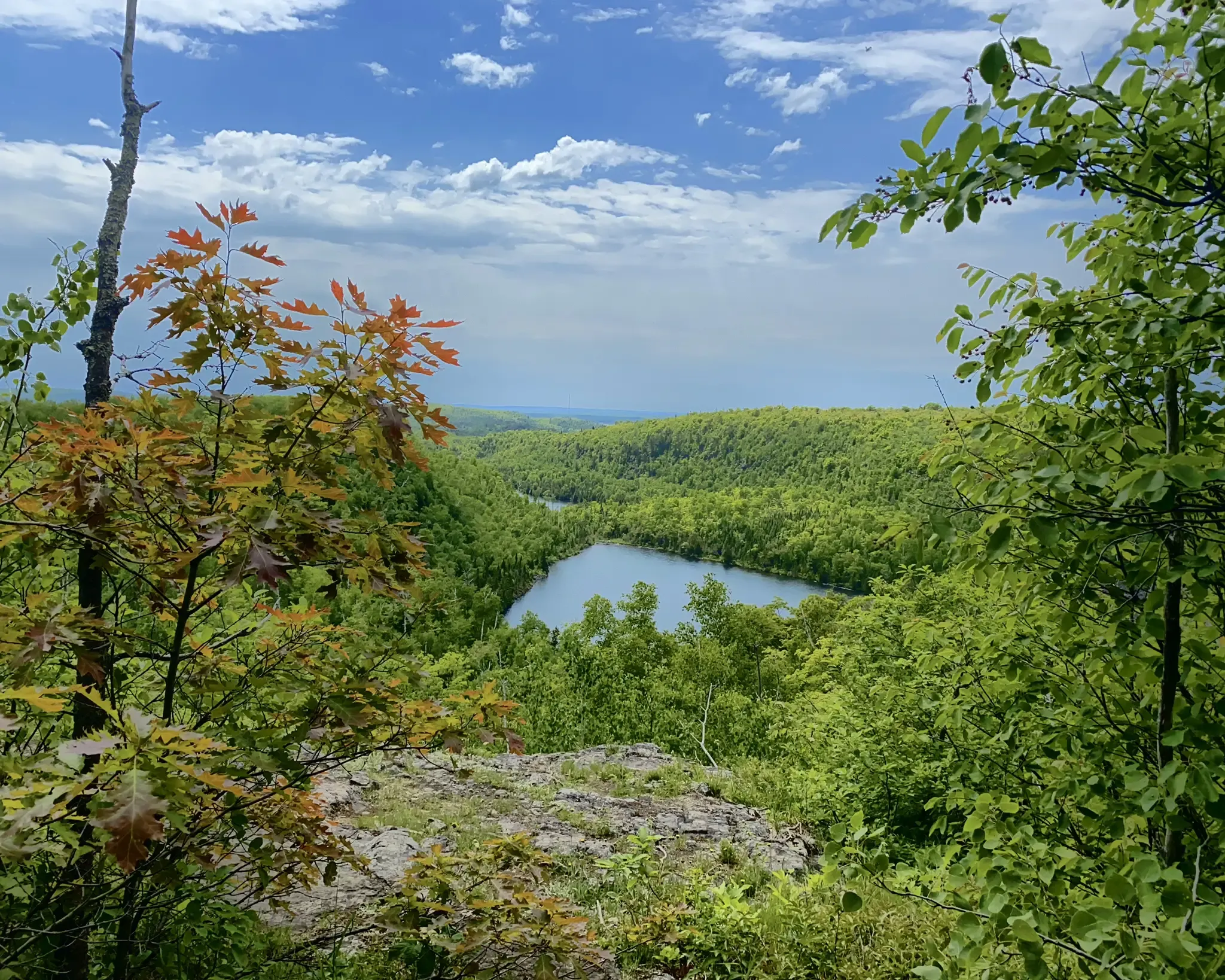
North Country Trail – 4,800 Miles along the edge of northern U.S.
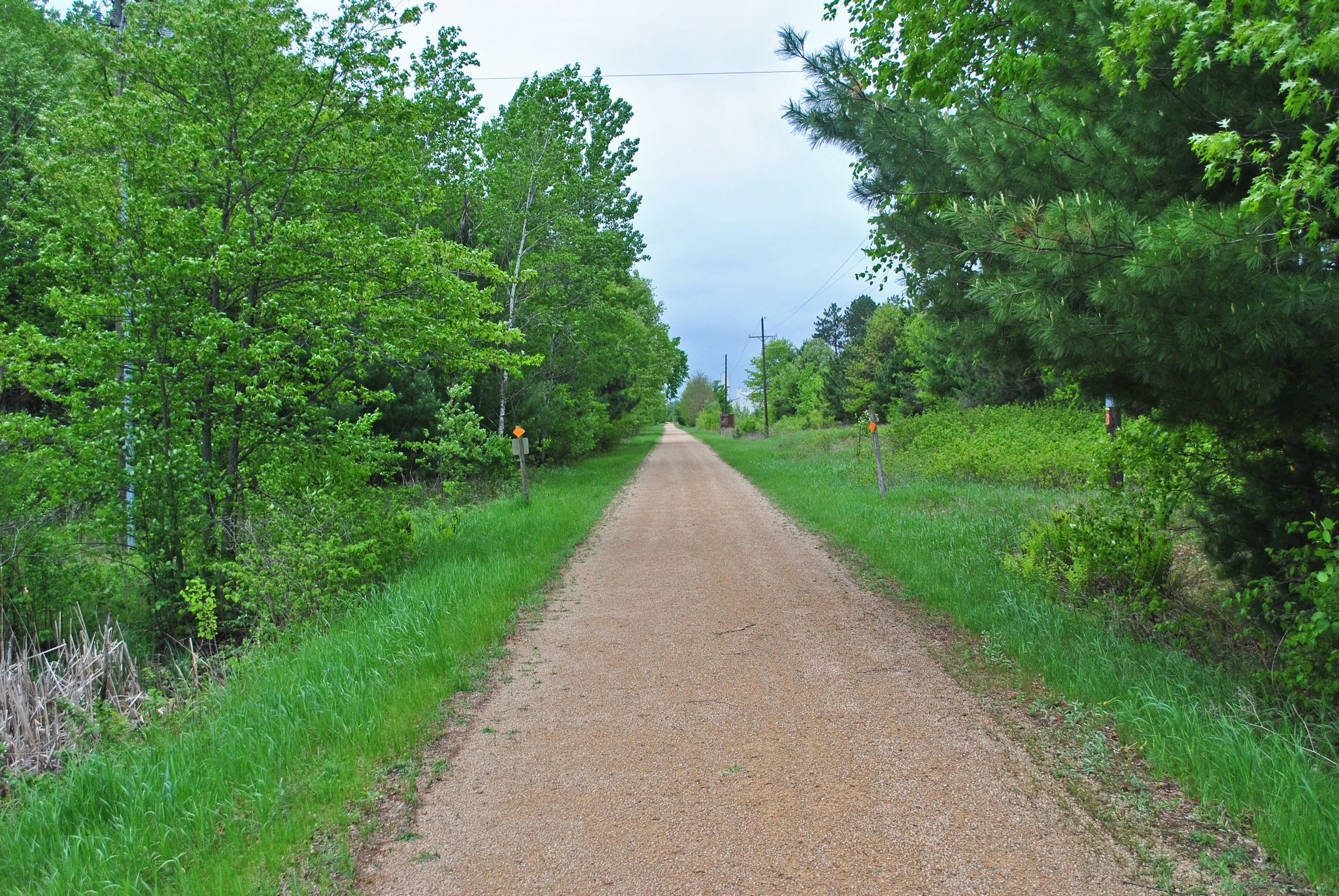
Gandy Dancer State Trail — In the footsteps of railroad workers
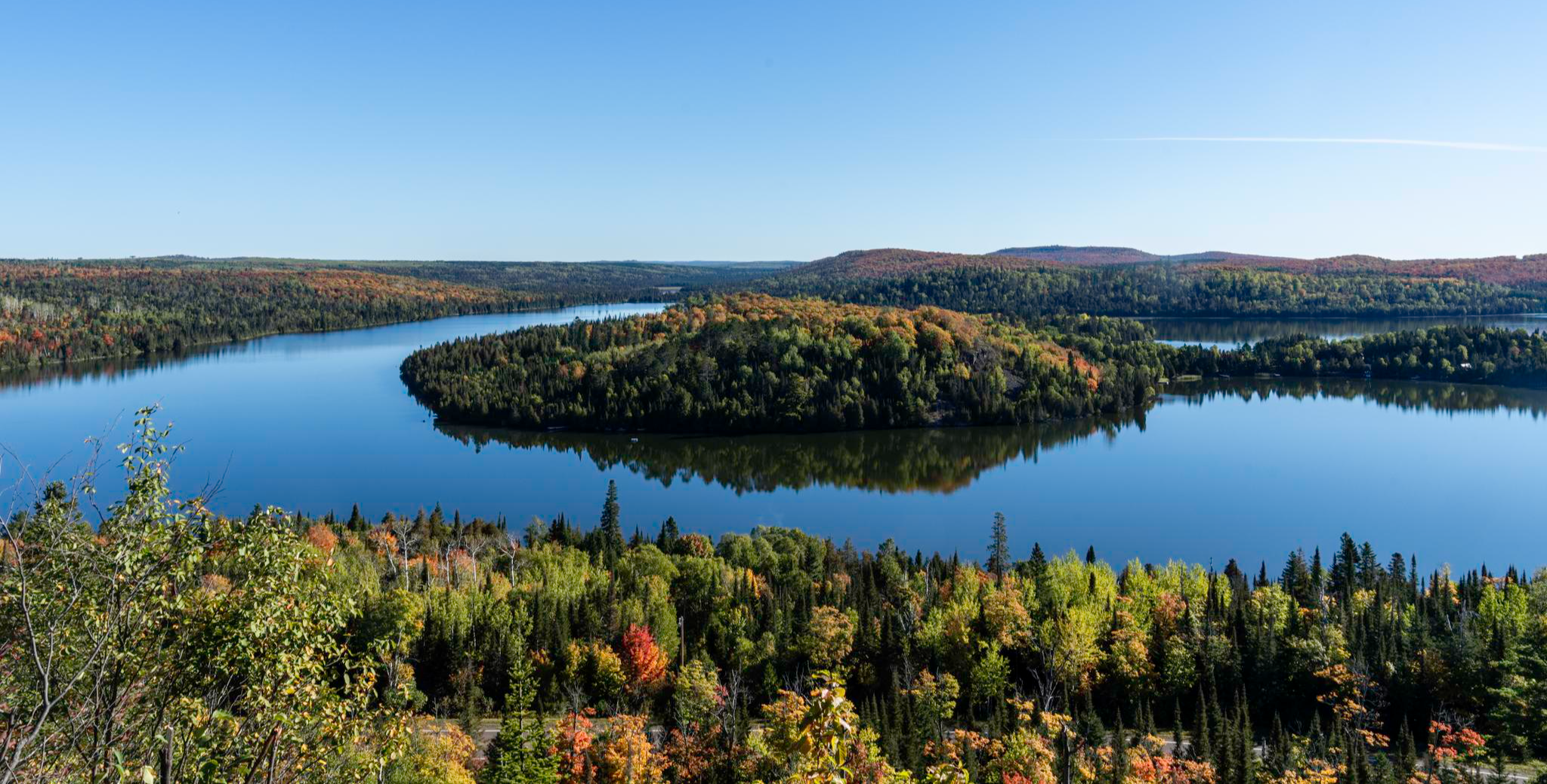
Superior Hiking Trail — Where the forest meets the lake

Around the World in 80 Days
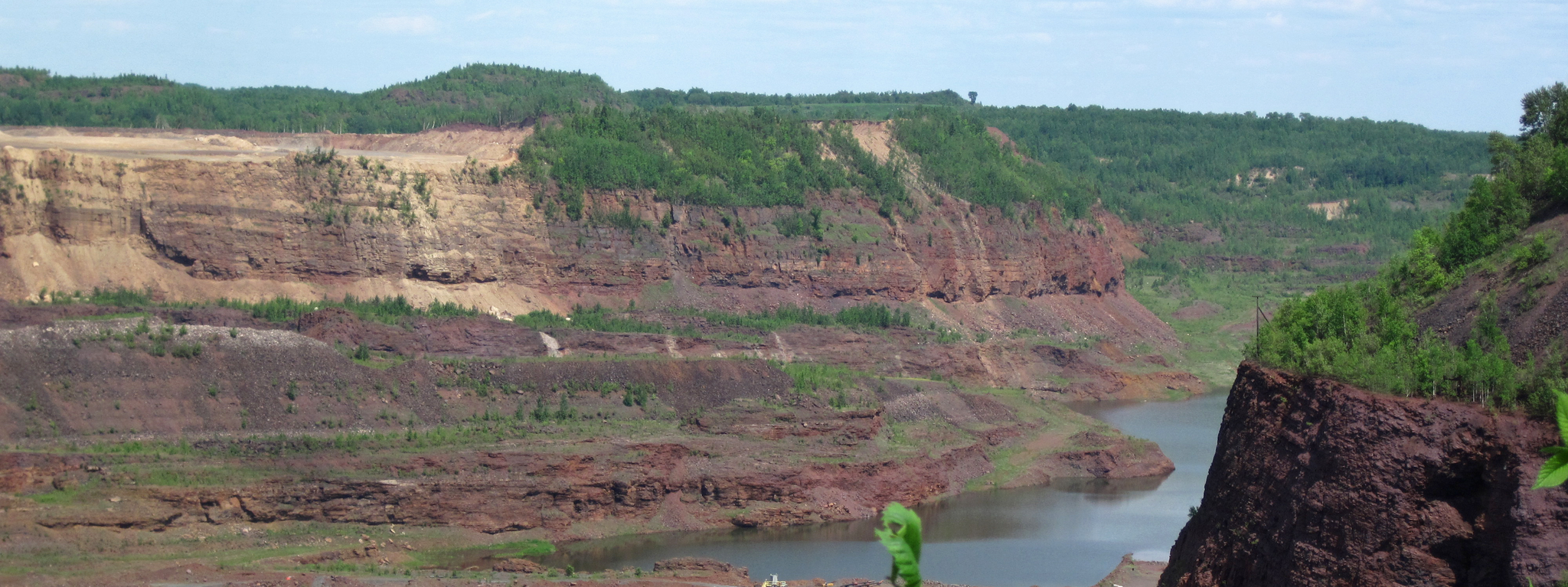
Mesabi Trail — Riding Minnesota’s Iron Range
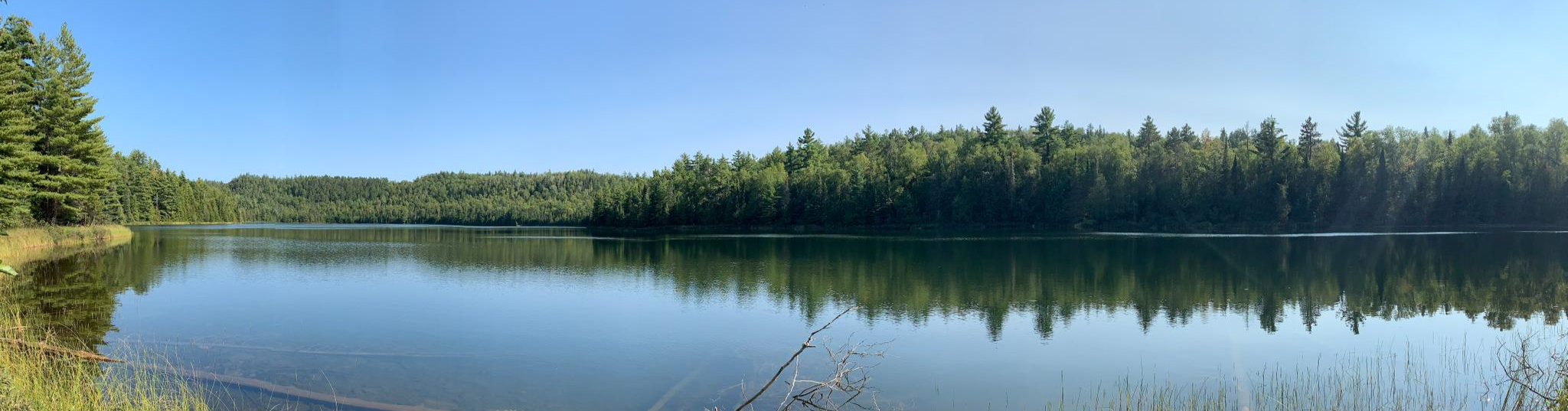
Border Route Trail — A remote Northwoods backpacking challenge
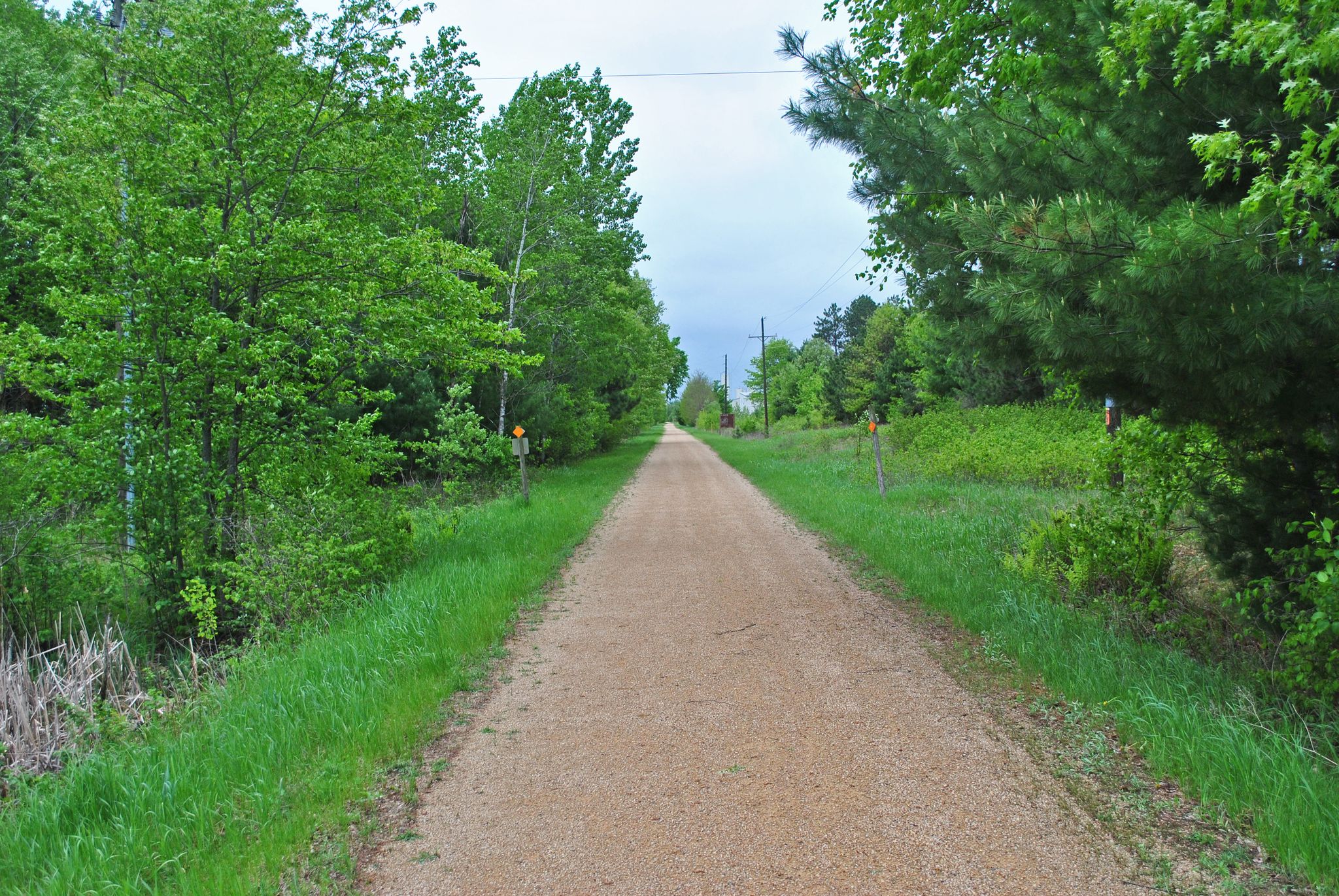
Gandy Dancer Trail — 98 miles of railroad history

The rhythms of the river – road trip along the Mississippi

On the shores of the Great Lakes
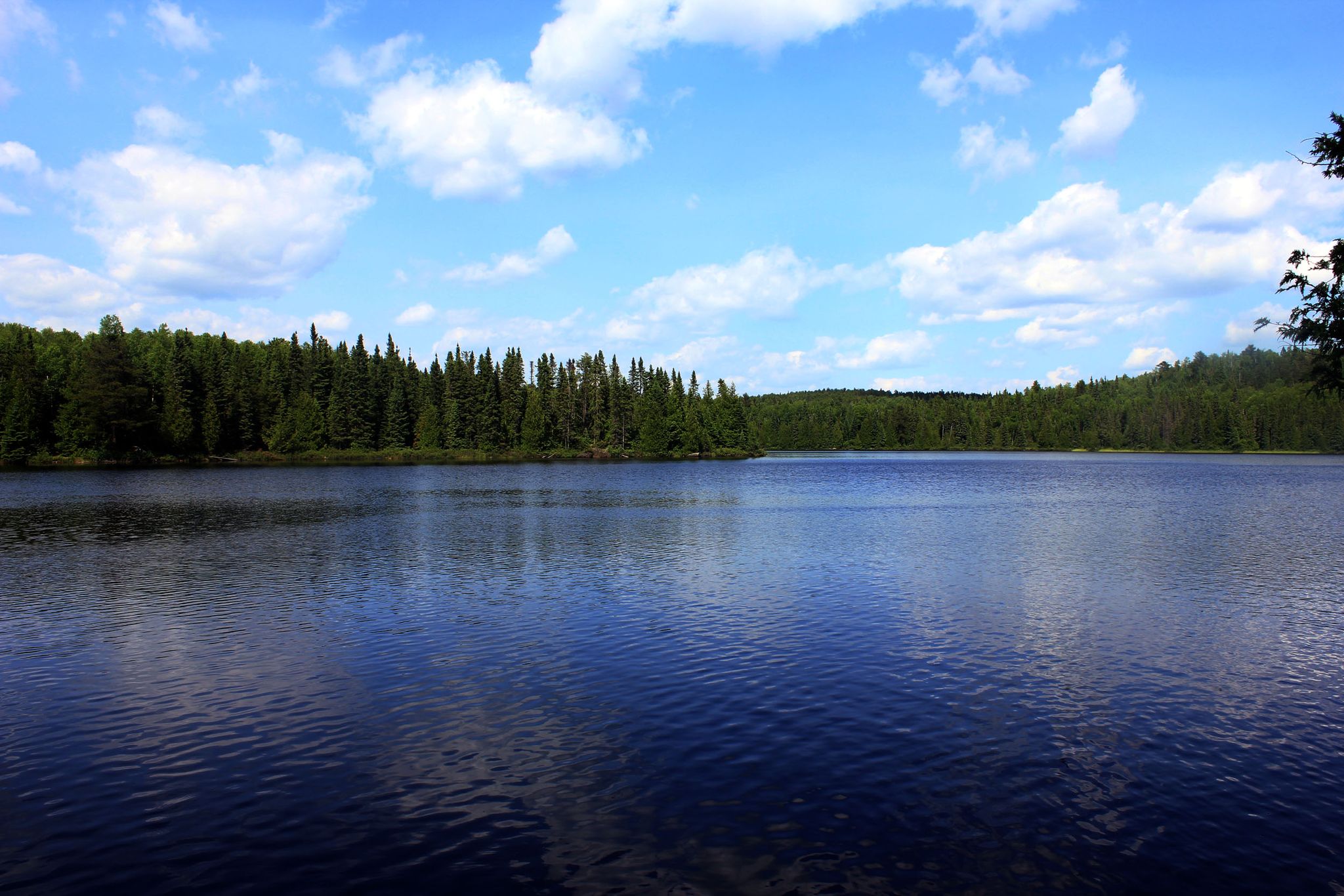
Sky-colored water – Mississippi River Trail
Other adventures in Minnesota


Tips from the Community

This location first caught my attention because it was the only Komoot peak in Rice County. Geologically, the knoll is a product of Minnesota’s last glacial retreat, the Wisconsin Glaciation. It is part of the rolling deglaciation topography that characterizes Rice County, with glacial till and well-drained upland soils that, before European settlement, supported oak savanna and tallgrass prairie. Archaeological field surveys behind the hill uncovered the remains of a 19th-century farmhouse, including scattered brick, ceramics, glass, and metal infrastructure. Nearby stands a memorial to the site of Northfield’s first homestead, which may very well be this farmhouse. The Hill of Three Oaks is also the birthplace of the Reformed Druids of North America, founded by a group of Carleton students in 1963 as a lighthearted, creative protest against the college’s requirement for mandatory religious chapel attendance. They held their first ritual atop the hill on April 17, 1963. The movement unexpectedly blossomed into a nationwide neo-Druidic lineage, and a stone altar remains on the hill to this day. Finally, the hill has served as one of the few designated on-campus fire rings, making it a favorite spot for student bonfires, stargazing, and late-night gatherings.
0
0
Mount Gilboa is recognized as the highest named “point of natural land” in Hennepin County, standing 1,017 feet above sea level. It is located at 44.84023, -93.36716, within the Hyland Lake Park Reserve in Bloomington, Minnesota. The highest “surveyed elevation” in Hennepin County is slightly higher, at 1,130 feet above sea level. This point lies at 44.91980, -93.45980, in a suburban neighborhood of Hopkins, situated south of Highway 7 and between Woodhill Road and Interstate 494. Mount Gilboa is a glacial moraine, formed by an accumulation of unconsolidated glacial debris, known as till, transported and deposited by ancient glaciers during the last Ice Age. While it is likely that the indigenous peoples of this area originally named the hill, the present name, Mount Gilboa, appears to have been given by early settlers. These settlers named it after Mount Gilboa, a mountain range in Israel mentioned in the Old Testament. Today, Mount Gilboa is best known for its ski slope and attracts 'high pointers' as well as hikers who are interested in hill climbing. The trail to the top of Mount Gilboa, which is included on a komoot ready-made route, is seasonally closed for the skiing season.
0
0

Great bridge, part of my memories of hiking here every year.
0
0
I love this big climb up the stairs and then into ladders. Would much rather climb it then descend it, so I usually park by the Nature Store, then you just hut across the road and up you go.
0
0
The top of Oberberg Mountain indeed provides multiple spectacular views of Lake Superior, Oberg Lake, and the surrounding forests. However, as it happens, the only view at the specific location of this highlight is of a beautiful wooded forest trail. I have included several photos of the trail at this location. I have also created a new highlight with an excellent view of Oberg Lake in the distance. I have named that highlight View of Oberg Lake from Oberg Mountain.
0
0


Chimney Rock Footbridge is a historical bridge designed by N. Averill and built in 1935 by the Civilian Conservation Corps. It crosses Middle Fork Whitewater River.
0
0
Frequently Asked Questions
What is the highest natural point in Minnesota?
The highest natural point in Minnesota is Eagle Mountain, standing at 2,301 feet (701 meters) above sea level. It is located in northern Cook County within the Boundary Waters Canoe Area Wilderness and Superior National Forest. The hike to its summit is a rewarding 3.5-mile trail (7 miles round trip) offering diverse wildlife and spectacular views. You can find more information about the summit here: Eagle Mountain Summit.
Which mountain peaks offer the best views of Lake Superior?
Several peaks along the North Shore provide stunning views of Lake Superior. Oberg Mountain is famous for its 'Oberg Loop' trail, offering panoramic views of Lake Superior, Oberg Lake, and the surrounding forests, especially vibrant during fall foliage. You can experience this view from View of Lake Superior and Oberg Lake from Oberg Mountain. Additionally, Carlton Peak offers great views of Lake Superior and is known for being an accessible hike to the summit, as seen from View from Carlton Peak. Day Hill near Duluth also provides amazing views of Lake Superior and Split Rock Lighthouse.
Are there any family-friendly mountain trails in Minnesota?
While many trails in Minnesota offer varying difficulties, some peaks are more accessible. For instance, Carlton Peak is noted for being an accessible hike to its summit. The hike to Coyote Point Overlook is described as a short but moderately difficult hike within the ability of most people, making it a good option for families looking for a rewarding view without extreme challenge. The area around Mount Gilboa in Hyland Lake Park Reserve also offers trails that can be enjoyed by families.
What unique historical features can I find on Minnesota's peaks?
Day Hill near Duluth is a scenic and somewhat mysterious spot named after Frank Day, a Duluth businessman who built a stone fireplace on its summit in the early 1900s. The reason for the fireplace remains unknown, adding to its intrigue. The hike to Day Hill is short but steep and offers amazing views of Lake Superior and Split Rock Lighthouse. You can learn more about this unique spot here: Day Hill.
When is the best time to hike Minnesota's mountain peaks?
The best time to visit and hike Minnesota's mountain peaks is generally from late spring to early fall, when trails are clear and the weather is mild. This period allows for optimal conditions to enjoy the diverse wildlife and spectacular views, especially for peaks like Eagle Mountain. The fall foliage season is particularly vibrant on peaks like Oberg Mountain, offering breathtaking panoramic views.
What kind of wildlife might I encounter on Minnesota's mountain trails?
Hiking on Minnesota's mountain trails, especially in areas like the Boundary Waters Canoe Area Wilderness around Eagle Mountain, offers opportunities to encounter diverse wildlife. This can include various bird species, deer, and other forest animals. The natural settings of these peaks provide habitats for a rich array of Minnesota's fauna.
Where can I find panoramic views of the Mississippi River valley?
For panoramic views of the Mississippi River valley, visit Sugar Loaf. This iconic bluff rises 500 feet above the Mississippi River near Winona and provides a splendid view of the river valley. Atop the bluff is a pinnacle, which is all that remains of the quarried top of the bluff. Explore this viewpoint here: Sugar Loaf.
What other outdoor activities can I do near Minnesota's mountain peaks?
Beyond hiking, Minnesota offers a variety of outdoor activities near its peaks. You can find numerous road cycling routes, such as the Grand Rounds National Scenic Byway or the Mississippi River Trail Loop. For mountain biking enthusiasts, trails like the Split Rock Lighthouse loop via Split Rock Wilds Trail System or the Gitchi-Gami State Trail are popular. Running trails, including the Fish Lake Trail and Lake Phalen Loop, are also available. For more details on these activities, check out the guides for Road Cycling Routes in Minnesota, MTB Trails in Minnesota, and Running Trails in Minnesota.
Is there a peak near Duluth that offers good views of the city?
Yes, Ely's Peak, situated near Duluth, is part of the extensive Superior Hiking Trail network. This moderately challenging hike provides spectacular views of Duluth and the surrounding landscape, with scenic forests, wildflowers, and interesting rock formations along the way. It's a great way to experience Duluth's natural beauty. You can find more information about it here: Ely's Peak.
What is Mount Gilboa known for?
Mount Gilboa is recognized as the highest named 'point of natural land' in Hennepin County, standing at 1,017 feet above sea level within Hyland Lake Park Reserve in Bloomington. While not a towering mountain, it offers an accessible summit experience within a popular park setting. You can explore this summit here: Mount Gilboa.
Are there any permits required for hiking Minnesota's peaks?
For most general hiking trails on Minnesota's peaks, specific permits are not typically required. However, if you plan to hike in designated wilderness areas like the Boundary Waters Canoe Area Wilderness, which encompasses Eagle Mountain, permits may be necessary for entry and overnight stays. It's always advisable to check with the relevant park or forest service for the most current regulations before your visit, especially for wilderness areas. For more information on Eagle Mountain, you can visit Wikipedia.
Most popular routes in Minnesota
Most popular attractions in Minnesota

Get inspired with the komoot mobile app


Explore more
See even more amazing summits in Minnesota with these guides:
