Top 11 Castles around Kasterlee
Castles around Kasterlee offer a glimpse into the region's history and architectural heritage. Kasterlee is situated in a natural landscape, providing a setting for historical sites and outdoor activities. The area features a mix of prominent historical castles and natural landmarks. Visitors can explore various historical structures and their surrounding grounds.
Best castles around Kasterlee
- The most popular castles is Borrekens Castle, a castle that is a water castle in Vorselaar. This castle was built around 1270 and features a neo-Gothic appearance.
- Another must-see spot is Vorselaar Castle, a historical site. This water castle was built around 1270 by the knights of Rotselaar and underwent a final renovation between 1862-1885.
- Visitors also love Castle of the Dukes of Brabant (Turnhout), a historical castle. This 12th-century castle in Turnhout was once a hunting lodge and now serves as a court.
- Kasterlee is known for its historical castles, water castles, and man-made monuments. The region offers a variety of castles to see and explore, each with distinct architectural styles and historical significance.
- The castles around Kasterlee are appreciated by the komoot community, with more than 250 upvotes and over 190 photos shared by visitors.
Last updated: August 9, 2026
Borrekens Castle
Highlight • Castle
Translated by Google •
Tip by

Le Paige Castle
Highlight • Castle
Translated by Google •
Tip by

Sign up now to discover places like this
Get recommendations on the best single tracks, peaks, & plenty of other exciting outdoor places.
Sign up for free
Castle of the Dukes of Brabant (Turnhout)
Highlight • Castle
Translated by Google •
Tip by

Vorselaar Castle
Highlight (Segment) • Castle
The castle was built around 1270 by the knights of Rotselaar. The floor plan of this medieval castle, built from Grimbergen stone, was largely preserved throughout the successive construction phases.
In 1678 the castle was rebuilt by Father Karel Eugeen d'Arenberg and surrounded by stone walls.
A third and final renovation phase (according to the land registry 1862-1885) took place under Philippe van de Werve (the then mayor of Vorselaar), who would give the castle its current neo-Gothic appearance.
Translated by Google •
Tip by

Hof d'Intere Castle
Highlight • Castle
The name of the castle is older and dates from 1440, when Philip the Good granted the towns of Wechelderzande, Gierle and Lille in fief to Ambrosius van Dinther. The Laathof held court in the local inn, and it was called Hof d'Intere or Hof van Dynter, after the name Van Dinther.
In later years, this fiefdom was transferred to Johan de Proost, who was lord of Wechelderzande. He built the current castle on the basis of a castle that already existed in the 16th century. In 1686, it became the property of the pastor of Wechelderzande, after Johan de Proost had to sell it. The house then served as a rectory from 1688 to 1964 and then as a town hall until 1977[1]. Then the municipal reorganization took place and since then it has been a municipal center with a library and a park. In 1939, the building was classified as a protected monument. In 2019, it was announced that the library would be closed and that the municipality of Lille would reconsider the purpose of the castle.
Translated by Google •
Tip by
Sign up for free to discover even more castles around Kasterlee.
Sign up for free
Already have an account?
Start today with a free account
Your next adventure awaits.
Login or Signup
Popular around Kasterlee
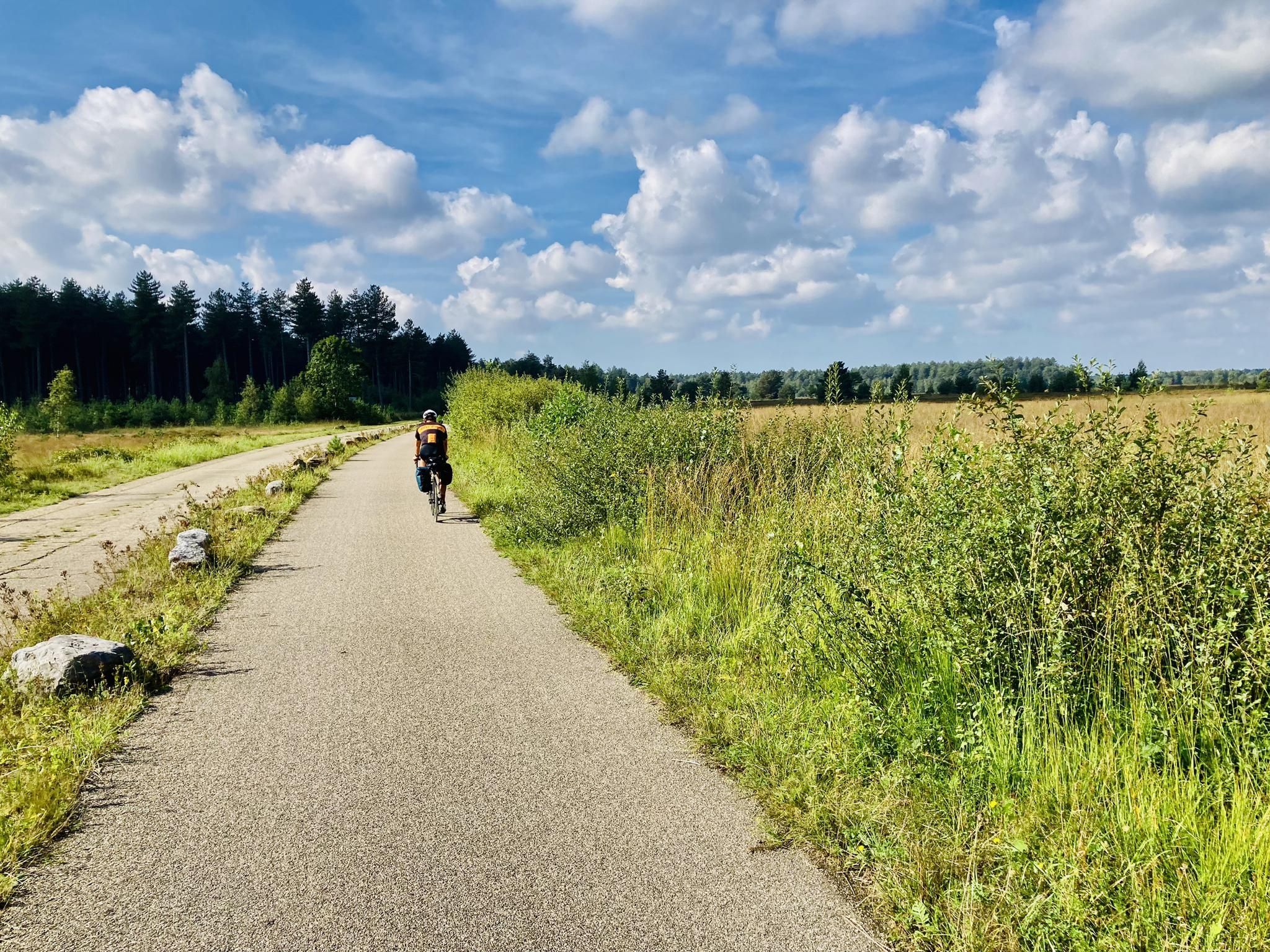
Explore the Kempen – a three-day cycling adventure on the Kempen Route
Belgium's best – the most beautiful hiking routes in Flanders
Tours for little adventurers and heroes in Flanders
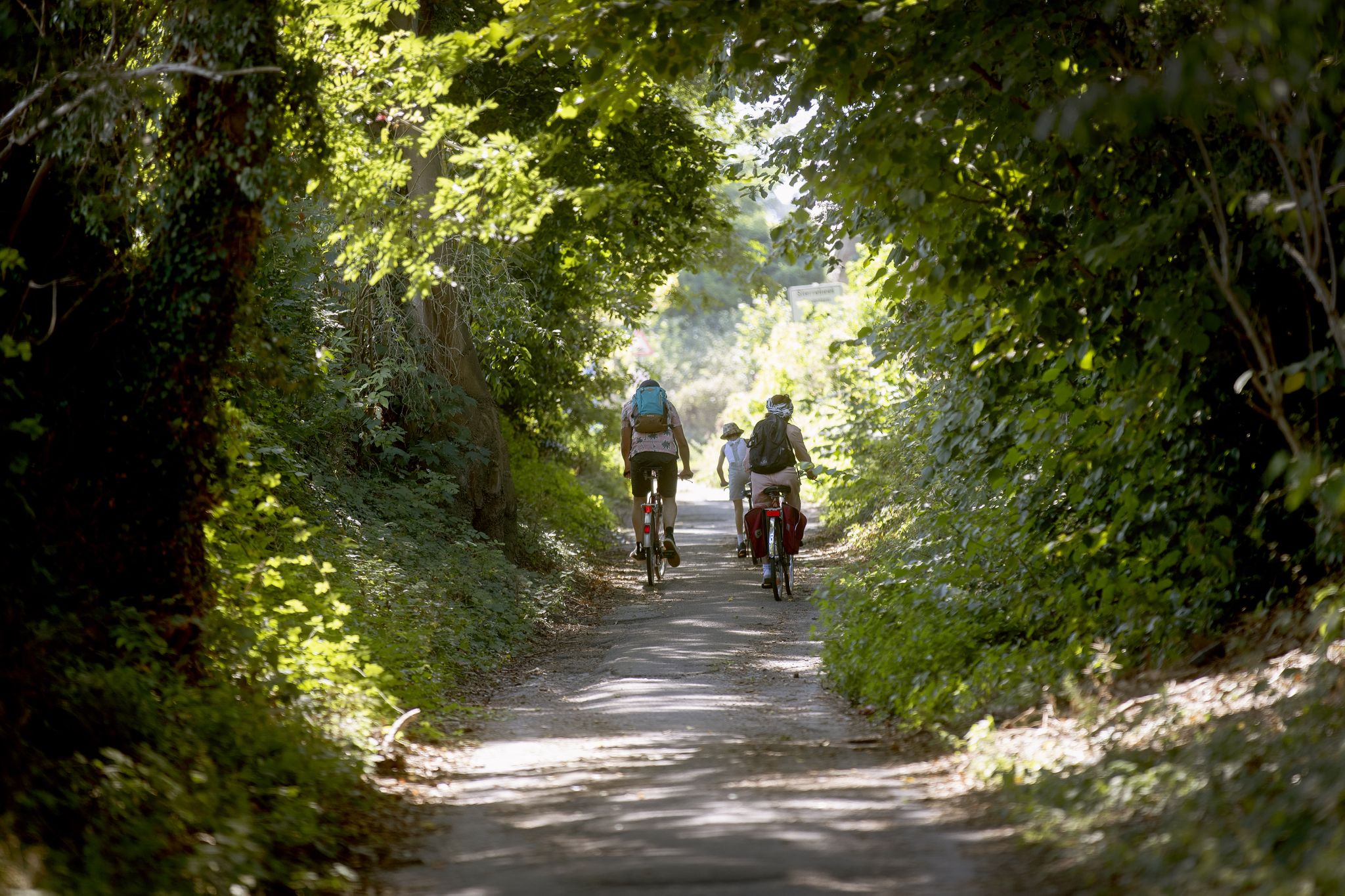
Flanders by bike: Cycling through nature
Hiking around Kasterlee
Road Cycling Routes around Kasterlee
Running Trails around Kasterlee
MTB Trails around Kasterlee
Cycling around Kasterlee

Gravel biking around Kasterlee
Other adventures around Kasterlee


Tips from the Community

Le Paige Castle dates from 1892 and incorporates elements from the Renaissance, Baroque, and Classical periods. The interior features hints of Art Nouveau. The castle includes an arboretum. The complex is called Domaine Le Paige, a reference to the Le Paige family who long owned it.
3
0

Hof d'Intere is a Renaissance castle in Wechelderzande. It is located at Pastorijstraat 2 and dates back to 1649. The castle's name is older, dating from 1440, when Philip the Good granted the towns of Wechelderzande, Gierle, and Lille as a fief to Ambrosius van Dinther. The "laathof" (court) held its meetings in the local inn, which was called Hof d'Intere or Hof van Dynter, after the name Van Dinther. Later, this fief passed to Johan de Proost, lord of Wechelderzande. He built the current castle on the basis of an existing castle dating back to the 16th century. In 1686, it became the property of the pastor of Wechelderzande after Johan de Proost was forced to sell it. The house then served as a rectory from 1688 to 1964 and then as the town hall until 1977. This was when municipal reorganization took place, and since then it has been a municipal center with a library and park. In 1939, the building was classified as a protected monument. In 2019, it was announced that the library would be closed and that the municipality of Lille would reconsider the castle's future purpose.
8
0

On March 13, 1440, Philip the Good granted Wechelderzande, along with Gierle and Lille, as a fief to Ambrosius de Dynter. The court of justice, or the alderman's court, of the feudal lordship was therefore named Hof d'Intere. The court held its meetings in a village inn. The Hof d'Intere building was erected in 1649 by the lord of Wechelderzande, Jonker Jan de Proost or Johan de Proost. The newly built, impressive residence was named Hof d'Intere: partly because it was built on a plot of land that belonged to the fiefdom under the jurisdiction of the Hof d'Intere, and partly because Johan de Proost had acquired the rights to this fiefdom and was therefore entitled to use the title "Lord of Dynter." From 1686 to 1964, Hof d'Intere served as the parsonage of Wechelderzande. Later it served as the town hall of Wechelderzande until the merger in 1977. After that it was used for a while as the municipal council, reception, ceremony and wedding hall of the municipality.
0
0

The castle has been the pride of Vorselaar for centuries. Around 1270, the first stone was laid by the knights of Rotselaar. The ground plan has been largely preserved to this day. The castle houses a treasure trove of history and stories, and has been inhabited by noble families all this time.
6
0

Very beautiful medieval castle in the middle of a beautiful forest. A real relief to come here and walk undisturbed.
5
0
A fairytale castle in the middle of the center of Welchel. You can dream from the driveway of a prince or princess of who knows what. Beautiful Renaissance castle from times gone by.
8
1

Philip the Good gave Wechelderzande, together with Gierle and Lille, as a fief to Ambrosius de Dynter on 13 March 1440. The court or the Laathof of the feudal lordship was then also named Hof d’Intere. The Laathof had its seat in an inn in the village. The Hof d’Intere building was erected in 1649 by the lord of Wechelderzande, Jonker Jan de Proost or Johan de Proost. The newly built, impressive residence was given the name Hof d'Intere: on the one hand because it was built on a plot of land that belonged to the feudal lordship under the jurisdiction of the Hof d'Intere and on the other hand because Johan de Proost had come into possession of the rights of this feudal court and was therefore also allowed to use the title 'lord of Dynter'. From 1686 to 1964, Hof d’Intere was the rectory of Wechelderzande. Later it served as the town hall of Wechelderzande until the merger in 1977. After that it was used for a while as the municipal council, reception, ceremony and wedding hall of the municipality. (Municipality of Lille)
15
0

The Castle used to be the hunting lodge of the Dukes of Brabant and now serves as a court. In the pond around the Castle you will see the statue of The Naiad, the goddess of all springs and rivers. The Naiad settled on the moat in 1991. Rik Poot designed the statue that makes us believe what the water nymphs from Greek mythology would have looked like. In Greek mythology you had Dryads and Naiads. The Dryads protected the forests and the Naiads the waters.
17
0
Frequently Asked Questions
Which castles are located directly within Kasterlee?
While many notable castles are in the broader region, the primary historical castle directly within Kasterlee is Keeseskasteel. It's known for its iconic structure, architectural details, and lush surroundings. Additionally, "De Casteleer" in Kasterlee functions as a B&B and event venue.
Are there family-friendly castles to visit near Kasterlee?
Yes, several castles in the vicinity are considered family-friendly. These include Borrekens Castle, Vorselaar Castle, Castle of the Dukes of Brabant (Turnhout), Le Paige Castle, and Hof d'Intere Castle. Many offer grounds suitable for exploration by all ages.
What kind of historical significance do the castles around Kasterlee hold?
The castles around Kasterlee offer a rich glimpse into the region's past. For example, Borrekens Castle and Vorselaar Castle were built around 1270 by knights and have undergone significant renovations, showcasing various architectural styles. The Castle of the Dukes of Brabant in Turnhout, dating back to the 12th century, served as a hunting lodge and later a court. Hof d'Intere Castle, built in 1649, has served as a rectory and town hall, reflecting local administrative history.
Are there opportunities for outdoor activities near these castles?
Yes, the Kasterlee region is known for its natural beauty and offers various outdoor activities. You can find numerous hiking trails, running routes, and MTB trails that often pass by or are close to these historical sites. Many castles are set amidst picturesque gardens or natural landscapes, perfect for combining history with nature.
What are some popular hiking routes near the castles?
For hikers, the Kasterlee area offers routes like the 'Sleeping Giant Route' (moderate, 5.9 km) and 'Tikkebroeken' (easy, 7.9 km). Other options include the 'Groot Moerven – The Zwart Water loop' (moderate, 10.9 km) and the 'Treehouse by the Water – Heathland in De Hoge Rielen loop' (moderate, 9.5 km). You can find more details on these and other trails in the hiking guide for Kasterlee.
Can I find cafes or restaurants near the castles?
Yes, some castles offer amenities or are located near places to eat. For instance, Le Paige Castle includes a cafe and restaurant. The town centers near other castles, such as Turnhout for the Castle of the Dukes of Brabant, also provide various dining options.
What is the best time of year to visit the castles around Kasterlee?
The arboretum at Le Paige Castle is open daily from April 15 to September 15 (8 a.m. to 9 p.m.) and from September 16 to April 14 (8 a.m. to 6 p.m.). Generally, spring and summer offer pleasant weather for exploring castle grounds and combining visits with outdoor activities. Autumn can also be beautiful with changing foliage. Winter walks are possible, but some facilities or opening hours might be reduced.
Are there any water castles in the Kasterlee region?
Yes, the region features several water castles. Borrekens Castle and Vorselaar Castle are both prominent water castles, built around 1270. The Castle of the Dukes of Brabant in Turnhout is also a besieged moated castle.
What makes <a href="https://www.komoot.com/highlight/5153658" target="_blank" rel="noopener">Le Paige Castle</a> unique?
Le Paige Castle, dating from 1892, showcases a neo-style combining Renaissance, Baroque, and Classicism, with Art Nouveau elements inside. Its unique feature is the surrounding Arboretum 'Le Paige', which contains over seventy different tree species from around the world. The water feature in the garden is also the last remnant of old city fortifications.
What should I know about <a href="https://www.komoot.com/highlight/3468213" target="_blank" rel="noopener">Hof d'Intere Castle</a>?
Hof d'Intere Castle is a Renaissance castle in Wechelderzande, built in 1649. It has a rich history, having served as a rectory and later as a town hall. The building was classified as a protected monument in 1939. It is currently used as a municipal center with a library and a park.
How can I explore the natural surroundings of the castles?
Many castles are situated in scenic areas, offering opportunities for exploration. For instance, Borrekens Castle is nestled in a forest, and Keeseskasteel in Kasterlee is surrounded by lush gardens. You can find various hiking and MTB trails that allow you to discover the natural beauty of the region while visiting these historical sites.
What do visitors particularly enjoy about the castles around Kasterlee?
Visitors appreciate the historical significance and architectural beauty of the castles. Many highlight the peaceful retreat offered by the lush surroundings and gardens, making them perfect for photography and leisurely exploration. The combination of historical sites with opportunities for outdoor activities like hiking and cycling is also a major draw.
Most popular routes around Kasterlee
Most popular attractions around Kasterlee

Get inspired with the komoot mobile app


Explore more
Looking for the best castles somewhere else? Discover other guides around Kasterlee:
