Top 10 Castles around Ronse
Best castles around Ronse are found in the Belgian province of East Flanders, an area known for its rolling hills and historical significance. The region offers a blend of natural landscapes and cultural heritage, with several historical sites and estates. While the original Castle of Ronse was largely demolished, its foundations remain visible, providing an archaeological perspective. The broader area features various castles, each with distinct architectural styles and historical contexts.
Best castles around Ronse
- The most popular castles is…
Last updated: June 26, 2026
Anvaing Castle
Highlight • Castle
Translated by Google •
Tip by

De Ghellinck Estate
Highlight • Historical Site
Translated by Google •
Tip by

Sign up now to discover places like this
Get recommendations on the best single tracks, peaks, & plenty of other exciting outdoor places.
Sign up for free
Liedts Castle
Highlight • Castle
Translated by Google •
Tip by

Kasteel van Bossuit
Highlight • Castle
The lordship of Bossuit was a fief from the bishopric of Tournai. The …
Translated by Google •
Tip by

Mullen Castle
Highlight • Castle
In the northwestern corner of …
Translated by Google •
Tip by

Sign up for free to discover even more castles around Ronse.
Sign up for free
Already have an account?
Start today with a free account
Your next adventure awaits.
Login or Signup
Popular around Ronse
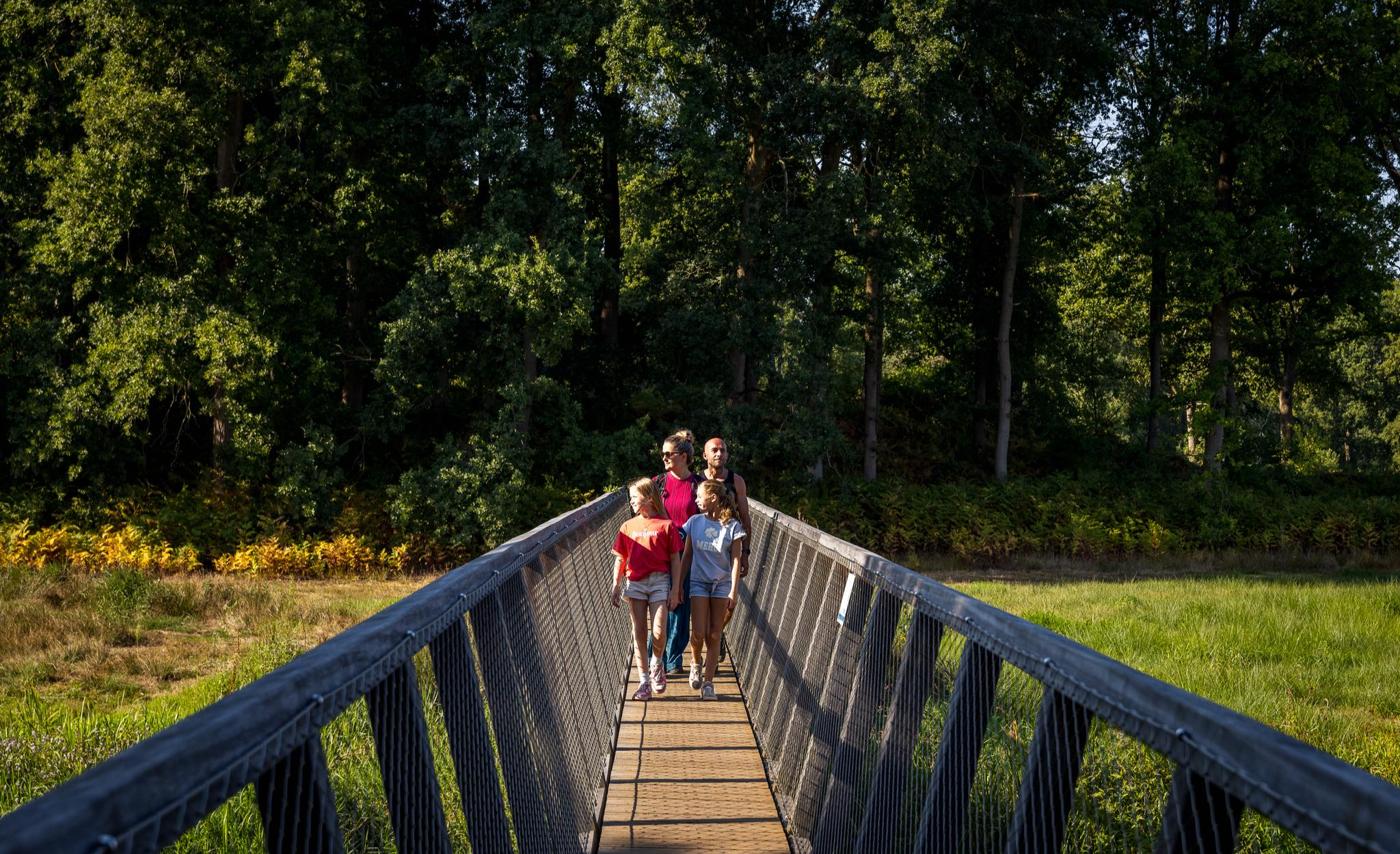
Flanders’ Finest Hiking Routes
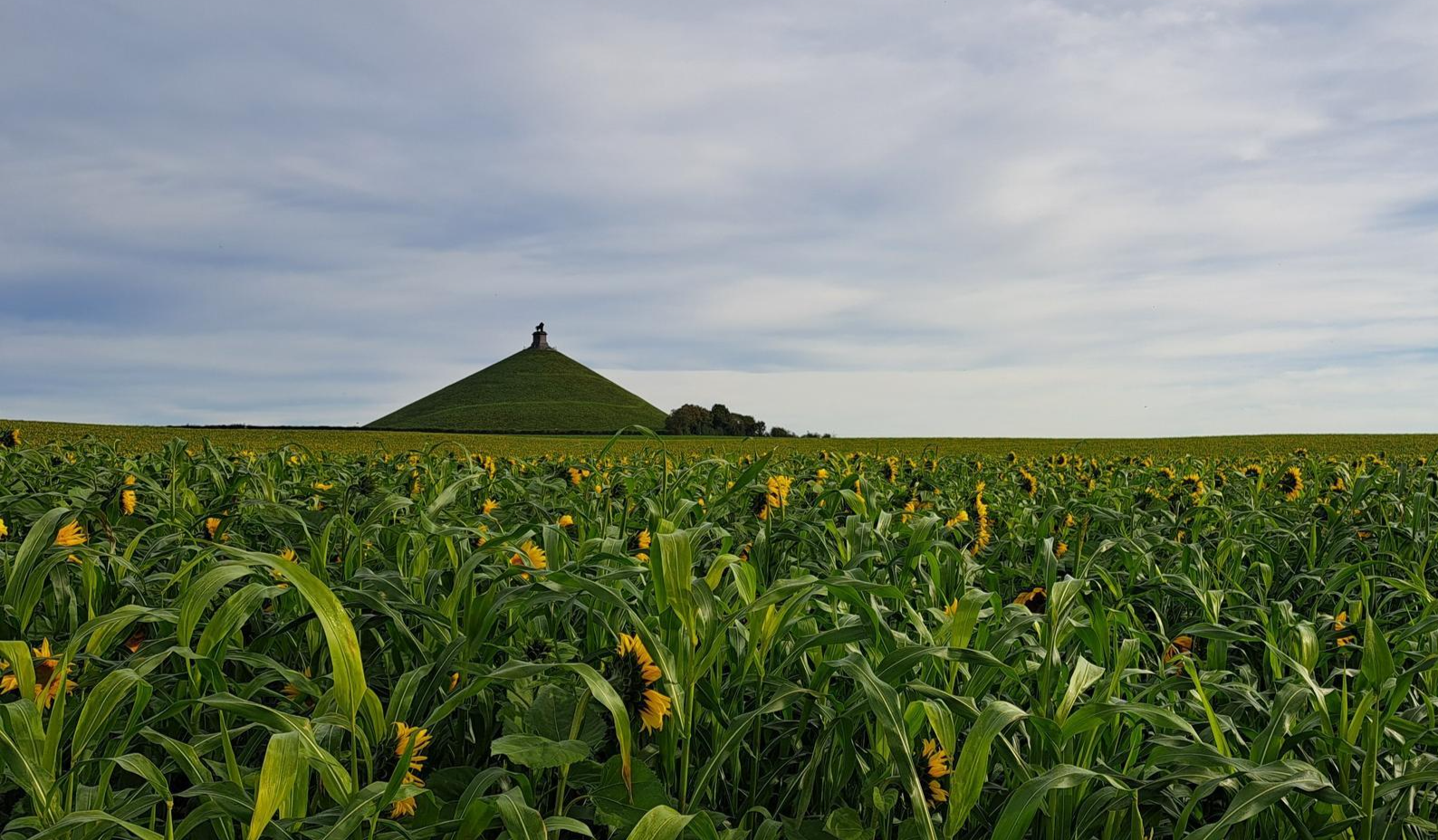
Crossing from east to west — Wallonia by Gravel
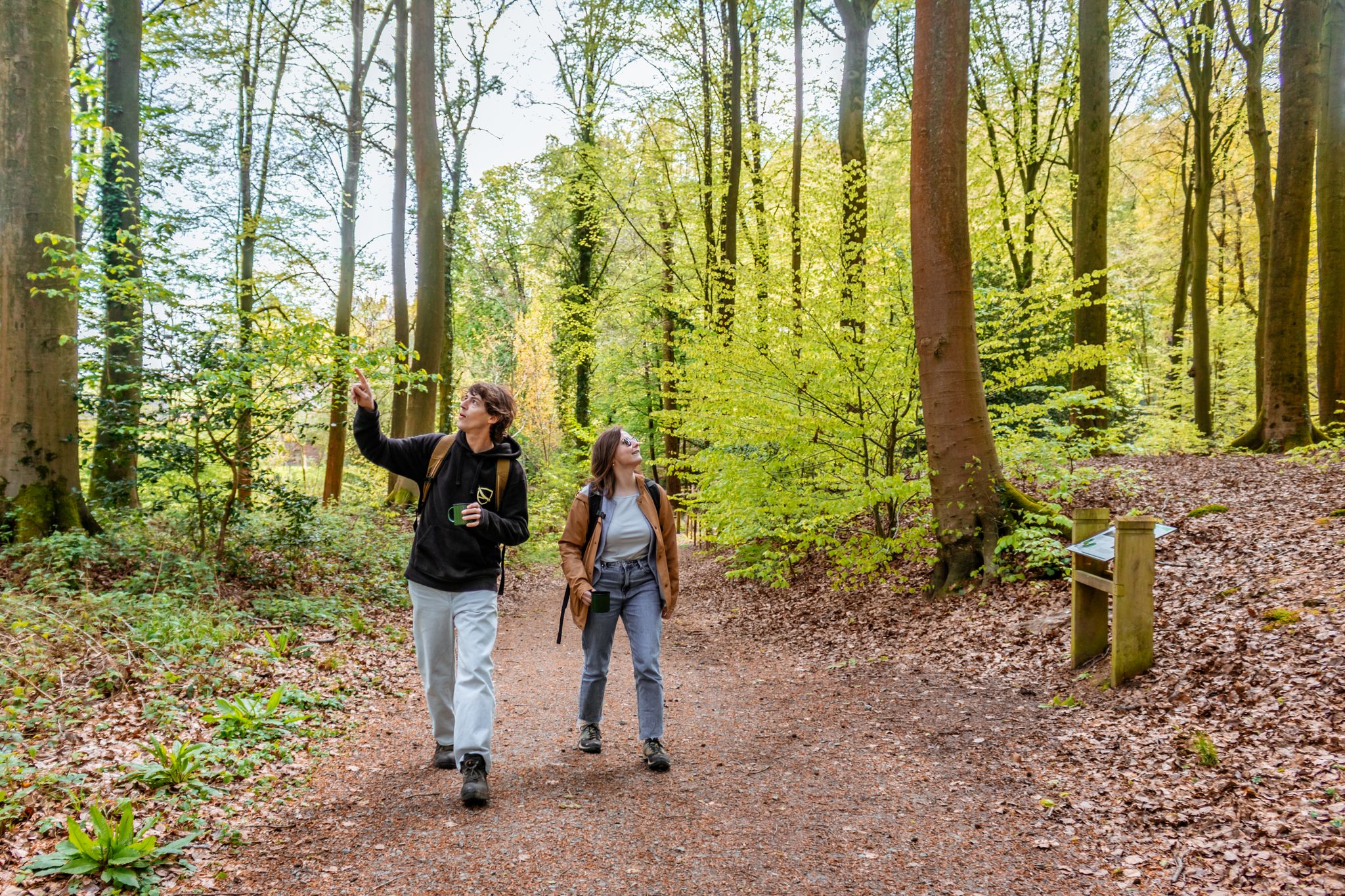
From station to station through nature – station hoppers in East Flanders
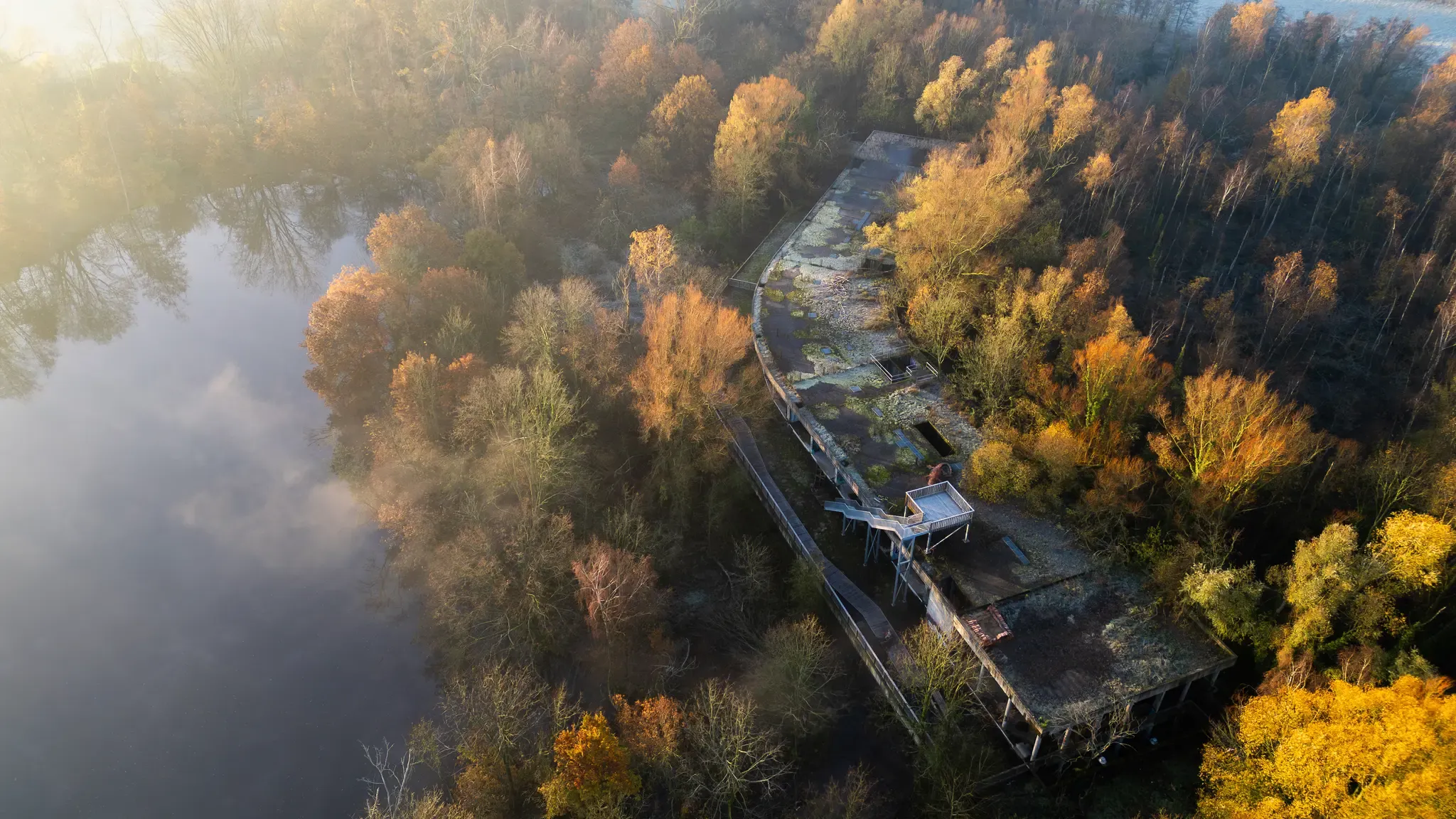
Treinstappers – from station to station in Flanders
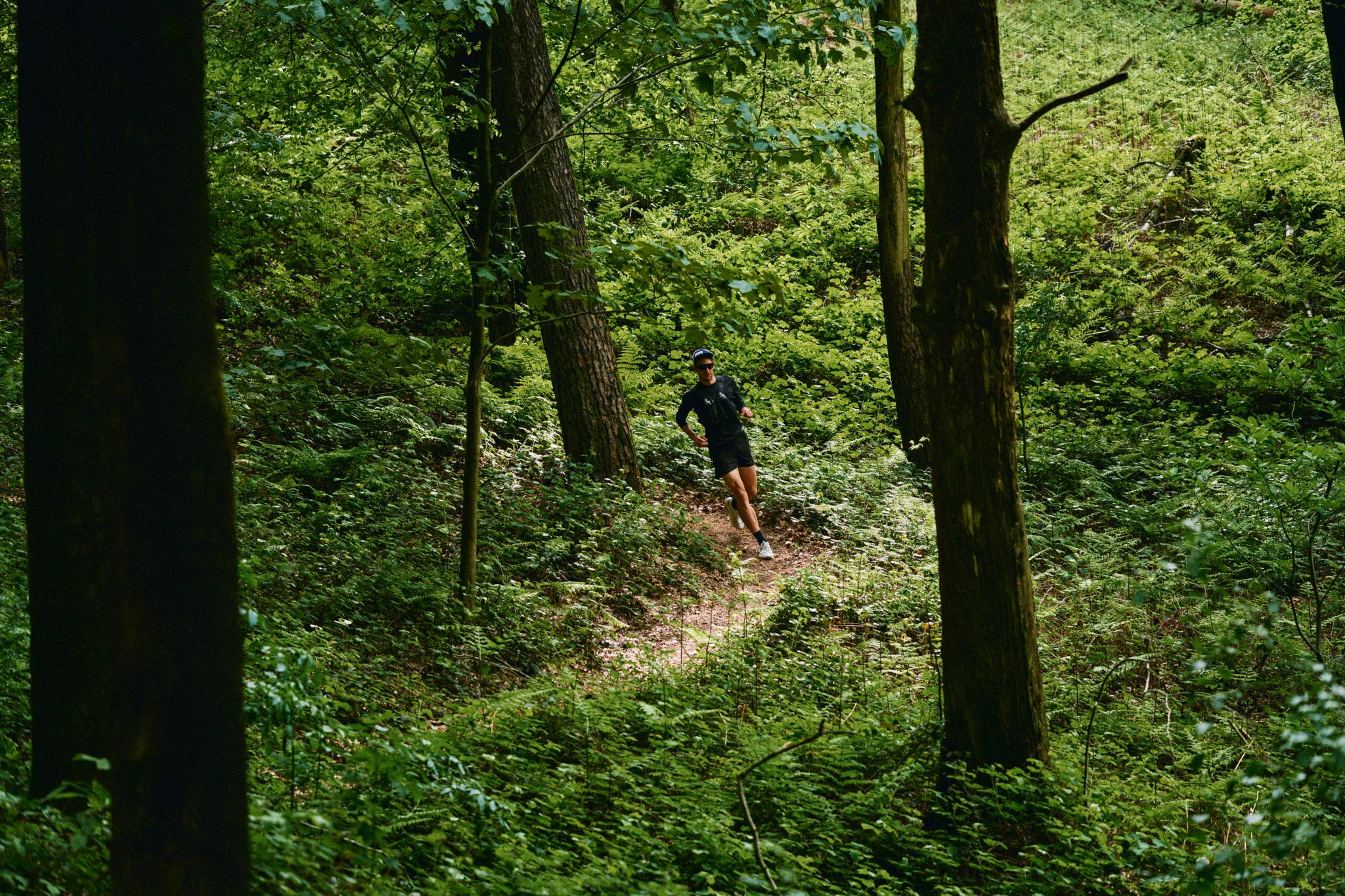
Through forests and fields – trail running in the Flemish Ardennes
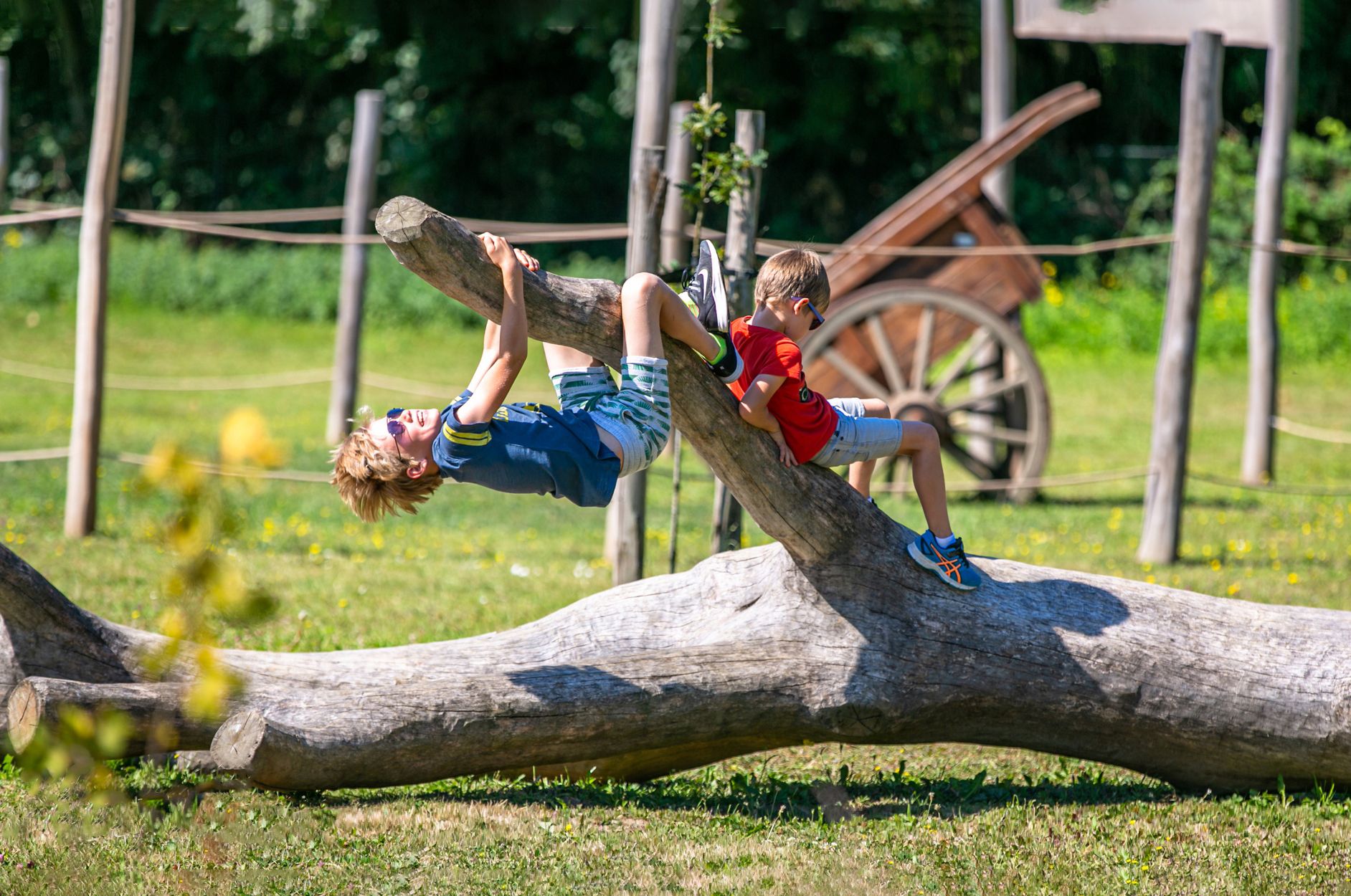
Tours for little adventurers and heroes in Flanders
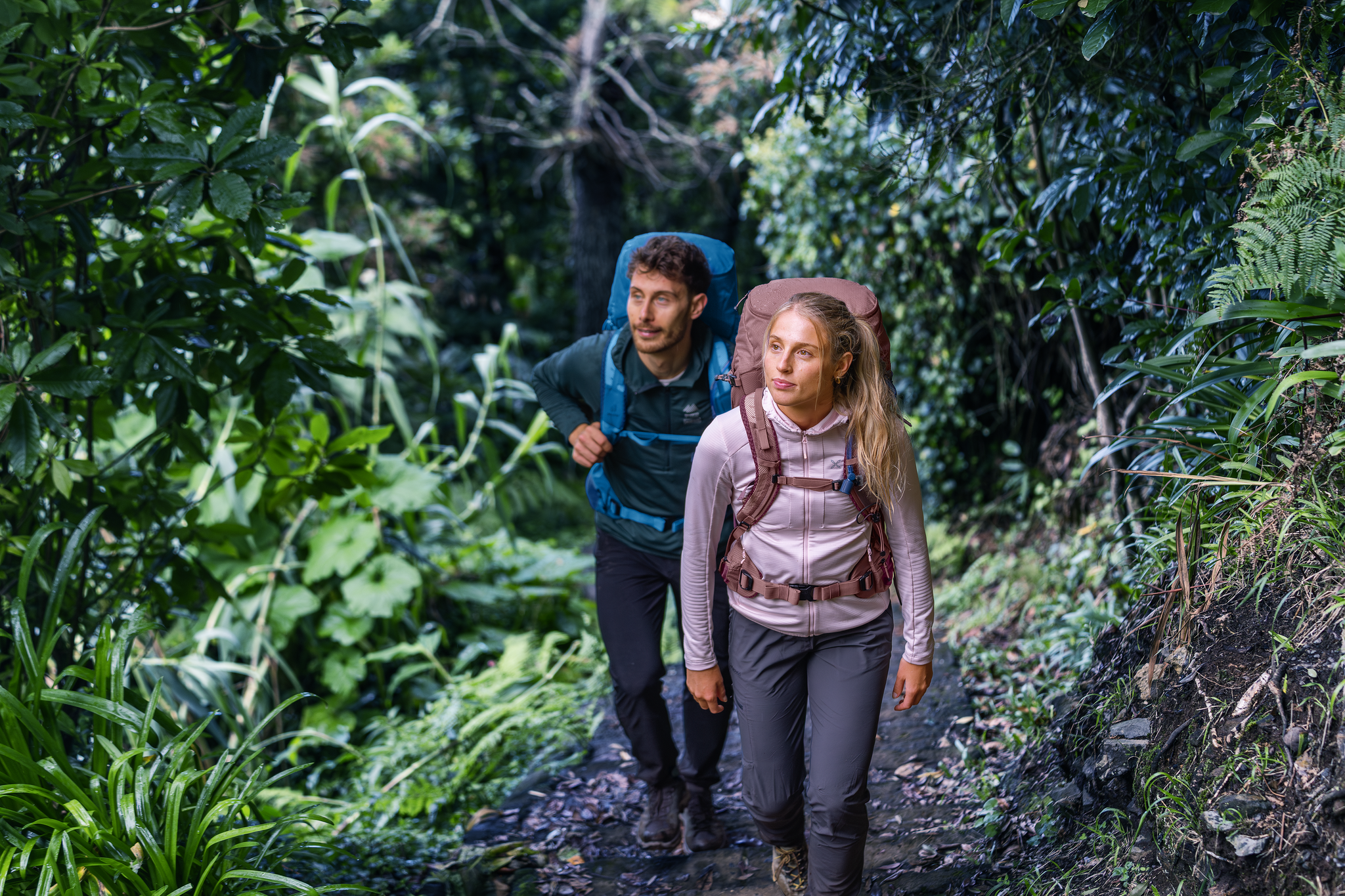
Rucksack auf und los – Weitwandern mit deuter in Belgien und den Niederlanden
Hiking around Ronse
Running Trails around Ronse
Road Cycling Routes around Ronse
Other adventures around Ronse


Tips from the Community

The castle of Anvaing is a strictly symmetrically built water castle with four corner towers. Dating from the 19th century, the castle is the main residence of the Count de Lannoy. Stephanie de Lannoy, the Grand Duchess consort of Luxembourg, grew up in this castle with her family. The 18th-century gardens are French in style and were laid out at the behest of the Marquis Jean de Mesgrigny. The large pond by the castle is filled with water from the neighboring river, the Rhosnes. On May 28, 1940, the castle was the scene of an important historical event: the Belgian capitulation to the Germans was signed there. The castle is not open to the public... but from the street side, you get a beautiful view of the castle and its reflection in the pond. For a few years now, wine has been cultivated on the castle estate. In 2022, the first vines were planted on the estate, located on a south-facing slope with a well-draining loamy-calcareous soil. On an area of three hectares, there are approximately 18,000 Chardonnay and 2,000 Pinot Meunier vines, which equates to a relatively high planting density of around 6,600 vines per hectare compared to the Belgian average. The chosen rootstocks and planting density are intended to produce grapes with a high concentration. The estate focuses primarily on the production of still wines from a single grape variety. Source: Wikipedia
2
0
The castle and its outbuildings will soon be taken over by companies specializing in the renovation of historical monuments. Les Amis du Château d'En Haut (non-profit organization) specializes in estate rentals, and the proceeds are redistributed to restoration projects (Pineal Project: workshops, ceremonies, product presentations, exhibitions, performances, etc.). This is stated at: www.chateaudebossuit.com When I passed by, the gate on Kasteeldreef was simply open. There was nothing to indicate that the estate was inaccessible. For example, in the garden to the left of the castle, there seemed to be the remains of a pop-up bar or some kind of public event. When I left the estate on the Doorniksesteenweg side, the automatic gate gently opened for me. When I turned around, I saw a sign saying "Private / No Access."
2
0

Today, the castle is home to the Vrijzinnig Centrum Liedts (Liedts Free Centre), which gives the building a contemporary cultural and social function. The park, still open to the public, serves as Oudenaarde's green lung, connecting the rich history of the Liedts family with the daily life of the city. It's a lovely place to stroll.
11
0

Liedts Castle After the demolition of Oudenaarde's former city walls, part of this vacant land was sold to the prominent Liedts family. Charles Liedts, one of the founding fathers of Belgium, Minister of Finance in the mid-1800s, and one of the founders of the National Bank of Belgium, had a country house built there around 1860. Originally a white plastered castle, it was rebuilt in 1883 by his son, Amedée Liedts, in an eclectic style. The park, in the English landscape style, was largely laid out between 1865 and 1869. In 1907, the childless Amedée donated Liedts Castle, along with its library, art collection, and park, to the city of Oudenaarde, which opened the estate as a city park. Today, the castle is home to the VCL, the Liedts Liberal Centre. The park is open to the public and is the green lung of the city of Oudenaarde.
9
0

Beautiful park with ponds and café restaurant.
1
0
Beautiful park with many benches to rest for a while or have something to eat in the restaurant or drink a coffee on the terrace.
0
0

The Castle of Bossuit and the accompanying Orangery are still inhabited by the noble family de Talhouet. The lordship of Bossuit was a fief from the bishopric of Tournai. The lords of Bossuit sold the domain to the Luytens family in 1710. Michiel Maximiliaan Luytens later became Viscount of Bossuit. He renovated the original castle, had a park built and the castle got the four corner towers. The castle is neoclassical, inspired by the French Loire castle construction. The castle is protected as a monument (1995), as a valuable oeuvre of the 18th century Lille architect Lesaffre. The interiors are executed in a neat Louis XVI style with Louis XV elements. We find salons with rococo decoration and a rich library. In the staircase are numerous hunting trophies and several family portraits. The party took place in the Orangery, which was held in the presence of Leopold I, on the occasion of the official opening of the Bossuit-Kortrijk Canal in 1860. The castle park with pond and the castle avenue are protected as a village view. The castle domain is not accessible.
3
0

Frequently Asked Questions
What is the historical significance of the original Castle of Ronse?
The original Castle of Ronse, built in 1630 by John VIII, Count of Nassau-Siegen, was a grand Renaissance palace modeled after the Luxembourg Palace in Paris. While largely demolished in 1823, its foundations and basement sections are still visible beneath 19th-century villas, offering a unique archaeological perspective into 17th-century architectural ambition.
Are there family-friendly castles to visit around Ronse?
Yes, several castles in the area offer family-friendly experiences. For instance, the park at Liedts Castle in Oudenaarde is open to the public and serves as a green space, perfect for family strolls. The De Ghellinck Estate also offers walking opportunities within its domain.
What kind of outdoor activities can I do near the castles around Ronse?
The region around Ronse offers various outdoor activities. You can find numerous hiking trails, such as the 'Muziekbos Rope Trail – Boardwalk on Stilts loop from Ronse' or the 'Treinstapper from Ronse to Oudenaarde'. For cycling enthusiasts, there are routes like the 'Kwaremont Cobbles – Kwaremont Square loop'. Mountain biking is also popular, with trails like the 'Pottelberg Descent – Muziekbos loop'. You can explore more options in the Hiking around Ronse, MTB Trails around Ronse, and Cycling around Ronse guides.
Which castles have public parks or accessible grounds?
The park at Liedts Castle in Oudenaarde is open to the public and is known for its romantic English landscape style. The De Ghellinck Estate also features a beautifully maintained domain with walking paths, even though the original castle was demolished.
Can I visit the interior of any castles in the Ronse area?
While some castles like Anvaing Castle and Kasteel van Bossuit are privately owned or still inhabited, their interiors are generally not accessible to the public on a regular basis. Liedts Castle, however, houses the Vrijzinnig Centrum Liedts, giving it a contemporary cultural and social function, which may offer some public access to parts of the building.
What is unique about <a href="https://www.komoot.com/highlight/2973595" target="_blank" rel="noopener">Anvaing Castle</a>?
Anvaing Castle, built in 1561 in a Renaissance style, is historically significant as the site of the Belgian army's surrender on May 28, 1940. It has belonged to the Counts of Lannoy family since 1781 and is surrounded by English and French gardens, a park, and an orangery.
Are there any castles with a restaurant or cafe nearby?
Yes, the De Ghellinck Estate features a restaurant and tearoom located in the restored coach house, offering views of the pond and former castle grounds. It's a great spot to enjoy a meal or coffee after a walk.
What is the best time of year to visit the castles around Ronse?
The castles and their surrounding parks can be enjoyed throughout the year. Spring and summer offer lush greenery and pleasant weather for walks, while autumn provides beautiful foliage, as noted by visitors to Anvaing Castle. Always check local weather forecasts before your visit.
Is parking available at the castles?
Parking facilities are often available at or near the more accessible castle domains. For example, the De Ghellinck Estate is known to have parking. For other locations, it's advisable to check specific visitor information before your trip, as some, like Kasteel van Bossuit, are not publicly accessible.
What can I expect to see at <a href="https://www.komoot.com/highlight/3072572" target="_blank" rel="noopener">Mullen Castle</a>?
Mullen Castle, also known as Hof-te-Wolfskerke, has roots dating back to around 1177. The current mansion, built in 1893, features romantic castle allures, including a tower with battlements. It was recently restored by artist Jan Fabre, making it an interesting blend of historical layers and modern preservation.
Are there any castles that are not publicly accessible?
Yes, some castles in the region are privately owned and not open to the public. For instance, Kasteel van Bossuit is still inhabited by a noble family, and its domain is generally not accessible, though a gravel path takes you past it. It's always best to verify accessibility for specific castles before planning your visit.
What do visitors enjoy most about the castles around Ronse?
Visitors appreciate the blend of historical significance and natural beauty. The well-maintained domains, like the De Ghellinck Estate, are praised as 'an oasis of peace.' The architectural styles and historical contexts of castles like Anvaing Castle also draw significant interest, especially its beautiful pond in autumn.
Most popular attractions around Ronse

Get inspired with the komoot mobile app


Explore more
Looking for the best castles somewhere else? Discover other guides around Ronse:
