Attractions and Places To See in the Asir Mountains - Top 6
Best attractions and places to see in the Asir Mountains offer a diverse landscape of high peaks, lush greenery, and historical sites in southwestern Saudi Arabia. This region features a cool climate and rich cultural heritage, contrasting with the country's desert areas. Visitors can explore ancient villages, significant religious sites, and natural features like caves and mountains. The area provides opportunities for experiencing both natural beauty and historical depth.
Best attractions and places to see in the Asir Mountains
- The…
Last updated: July 1, 2026
Kaaba
Highlight • Religious Site
The Kaaba stands as the holiest site in Islam, a cube-shaped building located within the Masjid al-Haram mosque in Mecca, Saudi Arabia. It is …
Tip by

Masjid al-Haram (Grand Mosque of Mecca)
Highlight • Religious Site
Translated by Google •
Tip by

Sign up now to discover places like this
Get recommendations on the best single tracks, peaks, & plenty of other exciting outdoor places.
Sign up for free
Hira Cave
Highlight • Cave
Tip by

Shubra Palace in Taif
Highlight • Historical Site
Located on one of the city's main streets, Shubra Street, the Shubra Palace in Taif, Saudi Arabia, was used by royalty as …
Translated by Google •
Tip by

Alkalada Heritage Village
Highlight • Historical Site
Thee Ain Heritage Village
Highlight • Historical Site
Translated by Google •
Tip by
Start today with a free account
Your next adventure awaits.
Login or Signup
Popular around Asir Mountains
Tips from the Community

Shubra Palace, Shubra Street, Shubra, Taif, Saudi Arabia Located on one of the city's main streets, Shubra Street, the Shubra Palace in Taif, Saudi Arabia, was used by royalty as a summer residence. The palace was named after a palace built in Cairo, Egypt. The building was originally a two-story house, constructed in 1858, but it was renovated in 1905 and two more stories were added. In 1995, almost 150 years after its construction, the palace was converted into a local history museum. Today, the building has four stories supported by stone columns and is surrounded by gardens and fences with Roman carvings. The design of this white building, with its wooden balconies and windows, is reminiscent of royal residences on the Indian subcontinent at the beginning of the 20th century. There are more than one hundred rooms inside the building and several entrances constructed of imported Italian marble. The windows and balconies are decorated with a carved and interlocking pattern of wooden slats; the corridors and ceilings display Islamic architectural features, while the palace roof exhibits Roman architectural characteristics. https://welcomesaudi.com/de/activity/shubra-palace-historic-taif https://en.wikipedia.org/wiki/Shubra_Palace
0
0
Related websites: https://saudipedia.com/en/article/3159/history/landmarks-and-monuments/al-kalada-heritage-village https://www.facebook.com/100063890091798/posts/al-kalada-heritage-villageal-kalada-village-is-located-in-the-mountains-south-of/312105377568659/
1
0
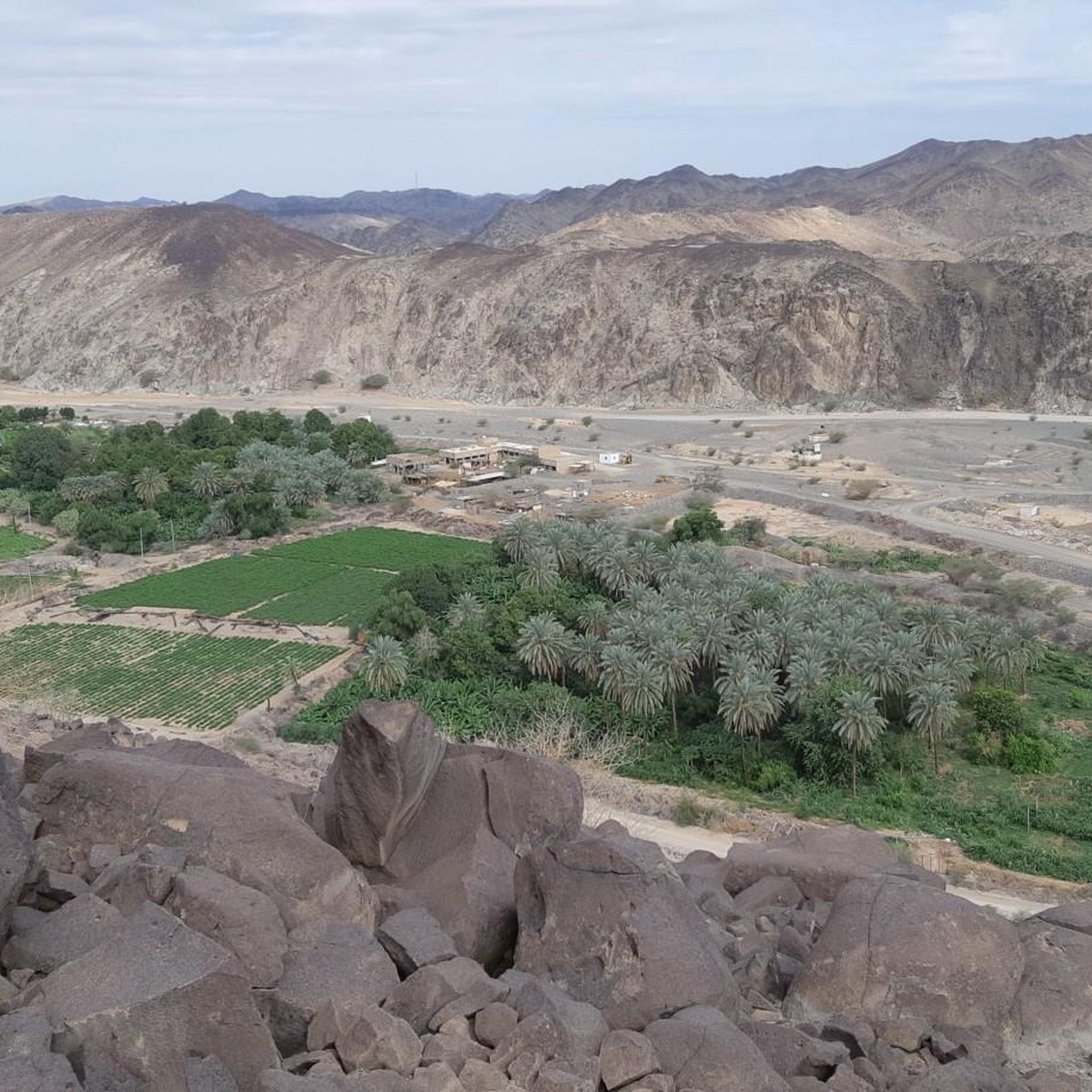
Thee Ain, one of the oldest settlements in the region, originally dates back to the 8th century and features 50 multi-story houses and narrow streets, as well as a striking marble hill. A spring feeds a small stream that irrigates the fields. https://en.wikipedia.org/wiki/Thee_Ain
0
0


Subhanallah
0
0

Please do pray for the health of my parents when you get there. 🙏
4
0
The Hajj, the annual Islamic pilgrimage to Mecca, Saudi Arabia, is one of the five pillars of Islam and a deeply significant spiritual journey for Muslims worldwide. It is obligatory for every adult Muslim who is physically and financially able to undertake it at least once in their lifetime, symbolizing profound submission to Allah (God) and offering a chance for spiritual renewal and forgiveness of past sins. Lasting five to six days, the Hajj involves a series of prescribed rituals, including circumambulating the Kaaba, walking between the hills of Safa and Marwah, and the symbolic stoning of pillars, all of which reenact and commemorate the trials and devotion of Prophet Ibrahim (Abraham), his wife Hajar, and their son Ismail (Ishmael). Beyond individual spiritual purification, the Hajj fosters immense unity among Muslims of diverse backgrounds, as millions gather in a shared act of worship, transcending social distinctions and reinforcing a global sense of community and equality.
5
0
Frequently Asked Questions
What natural attractions can I explore in the Asir Mountains?
The Asir Mountains boast diverse natural beauty. You can visit Jabal Sawda (Al-Soudah), one of Saudi Arabia's highest peaks, offering hiking and cable car rides with panoramic views. Asir National Park is ideal for hiking, camping, and bird-watching, featuring juniper forests and wadis. Don't miss Al Sahab Park (Clouds Park) and the Fog Walkway (Dabab Walkway) for breathtaking views, especially at sunrise or sunset. The region also features beautiful wadis like Yabah Valley and Wadi Hali, known for spring water and wildlife, and the serene Abha Dam Lake.
Are there historical or cultural sites to visit in the Asir Mountains?
Yes, the Asir Mountains are rich in history and culture. A must-see is Thee Ain Heritage Village, one of the region's oldest settlements. Rijal Almaa Village, a UNESCO World Heritage site, showcases unique architectural styles with its 'gingerbread houses' and a heritage museum. You can also explore the unique cliffside Habala 'Hanging Village', accessible by cable car, and Al-Muftaha Village in Abha, a cultural hub with art galleries and traditional buildings. For a glimpse into the past, visit Shamsan Castle overlooking Abha, or the Alkalada Heritage Village.
What are some family-friendly activities in the Asir Mountains?
Families can enjoy various activities in the Asir Mountains. Many parks like Al Sahab Park (Clouds Park) and Al-Soudah Park offer picnic areas and shaded spots. The Fog Walkway has play areas, and cable car rides at Jabal Sawda and Green Mountain provide exciting experiences with scenic views. The Abha Dam Lake is popular for boat rides and family gatherings. Additionally, the Kaaba and Masjid al-Haram (Grand Mosque of Mecca) are considered family-friendly religious sites.
What outdoor activities can I do near these attractions?
The Asir Mountains offer excellent opportunities for outdoor enthusiasts. You can find numerous routes for road cycling, with options like the challenging 91 km 'جبال السودة – السودة loop from Civilisation museum' or the 45 km 'Art Street loop from Abha'. For hiking, explore trails such as the 'جبل ثور loop from Jabal Thawr' (moderate, 4 km) or easier routes like the 'Kaaba loop from Mecca' (easy, 3.5 km). You can find more details on these activities and routes on the Road Cycling Routes in the Asir Mountains and Hiking in the Asir Mountains guide pages.
Are there hiking trails near the attractions in the Asir Mountains?
Yes, there are several hiking trails available. For instance, near the religious sites, you can find the 'Kaaba loop from Mecca', an easy 3.5 km hike. For a more challenging experience, consider the climb to Hira Cave, which features steep and rugged sections towards the summit. The region's natural parks, like Asir National Park and the areas around Jabal Sawda, also offer various trails suitable for different skill levels. More hiking options are detailed in the Hiking in the Asir Mountains guide.
What is the best time to visit the Asir Mountains?
The Asir Mountains are known for their cool climate, offering a pleasant escape from the heat of other parts of Saudi Arabia. While specific months aren't provided, the region's elevated terrain generally makes it a comfortable destination year-round, especially during the hotter months when its cooler temperatures are a welcome contrast. For climbing Hira Cave, it is recommended to go in cooler weather.
Are there any unique cultural events or traditions in the Asir Mountains?
The Asir Mountains are home to unique cultural traditions. The annual Flower Man Festival in Rijal Almaa Village celebrates the region's traditional arts, including dancing, music, and perfume-making. The 'Flower Men of Abha' are renowned for their 2000-year-old tradition of adorning themselves with garlands of flowers, a vibrant display of local heritage.
Where can I find traditional architecture in the Asir Mountains?
The region is famous for its distinctive traditional architecture. Rijal Almaa Village is a prime example, with its 60 multi-story houses built from stone, clay, and wood, often called the 'gingerbread village' due to their colorful designs. The cliffside homes of Habala 'Hanging Village' and the traditional mud buildings in Al-Muftaha Village also showcase the unique local styles. You can also visit Thee Ain Heritage Village, which features 50 multi-story houses and narrow streets.
What are some notable viewpoints in the Asir Mountains?
For stunning panoramic views, head to Jabal Sawda, where cable car rides offer expansive vistas. Al Sahab Park (Clouds Park) in Abha is another excellent spot for spectacular views. The Fog Walkway (Dabab Walkway) provides a unique experience of walking through the clouds with views of the Tihama Mountains. Additionally, Green Mountain (Jabal Thera) in Abha offers captivating night-time illuminations and scenic cable car rides.
Are there any museums in the Asir Mountains that showcase local heritage?
Yes, several museums preserve and display the region's rich heritage. Within Rijal Almaa Village, the Heritage Museum houses over 2,000 artifacts. In Abha, Al-Muftaha Village features art galleries showcasing local artists. The Fatimah Museum (Al-Qatt Al-Asiri Museum) is dedicated to the UNESCO-recognized Al-Qatt Al-Asiri art, known for its bright colors and geometric patterns. Alraqdi Museum, one of Abha's oldest, displays traditional clothing, household items, and agricultural tools.
What is the significance of the religious sites in the Asir Mountains region?
The region is home to profoundly significant religious sites, particularly the Kaaba and Masjid al-Haram (Grand Mosque of Mecca). The Kaaba is the holiest site in Islam, a cube-shaped building within the Grand Mosque, serving as the qibla (direction of prayer) for Muslims worldwide. Millions undertake the Hajj and Umrah pilgrimages, circling the Kaaba as part of their rituals. The Grand Mosque itself is home to many structures and sites holding great significance in Islam, embodying centuries of monotheistic worship.
Are there any places in the Asir Mountains that are wheelchair accessible?
Yes, some key attractions in the broader region are noted for their accessibility. Both the Kaaba and Masjid al-Haram (Grand Mosque of Mecca) are designed to accommodate visitors with wheelchairs, ensuring a safe and accessible experience for pilgrims. While specific accessibility details for all Asir Mountain sites are not available, these major religious landmarks prioritize inclusivity.
Most popular routes in the Asir Mountains

Get inspired with the komoot mobile app


Explore more
Still not found the Highlight you’re looking for? See guides of the top attractions in other regions:
