The best walks and hikes in the Asir Mountains
5.0
(10)
83
hikers
3
hikes
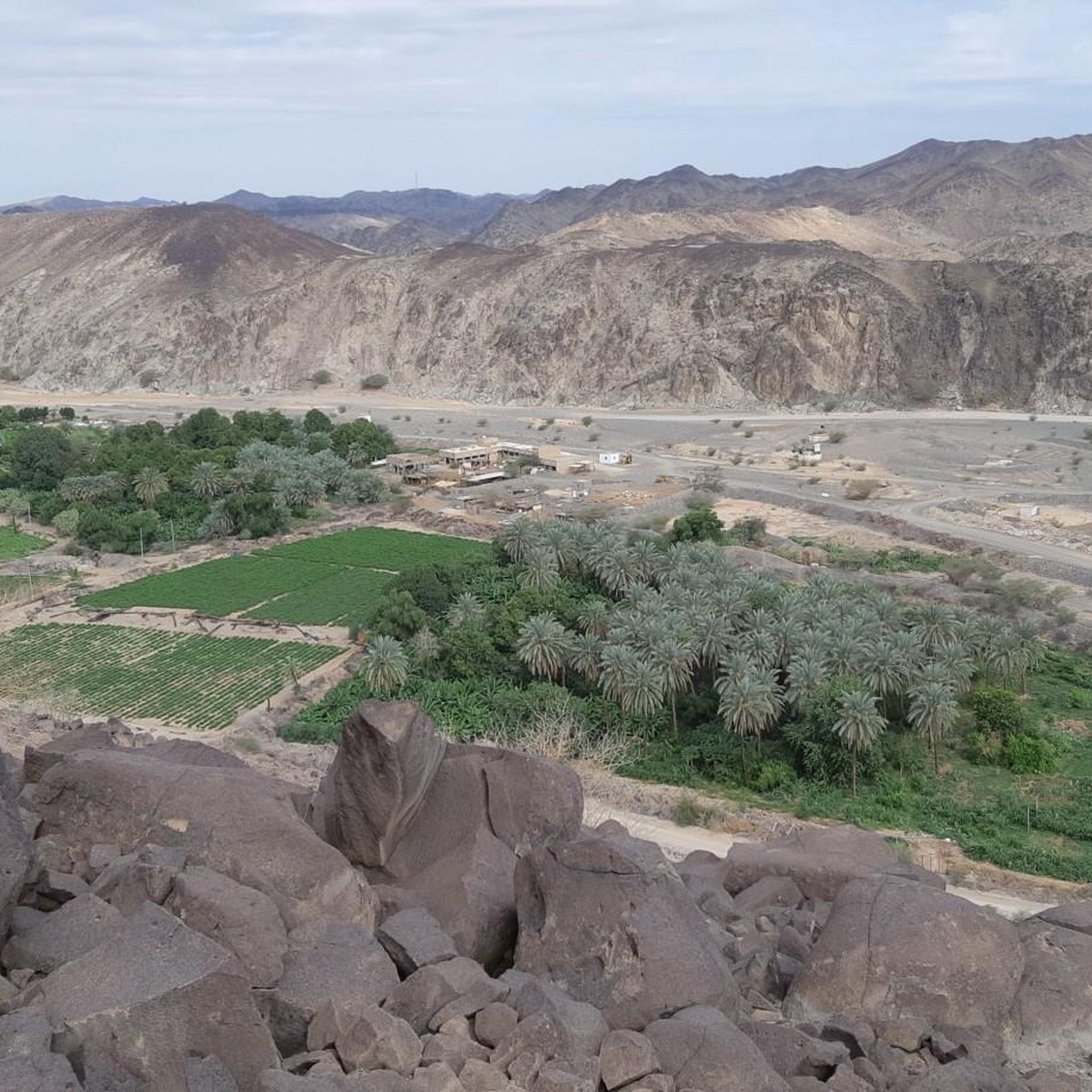
Hiking in the Asir Mountains offers diverse terrain, characterized by a cooler climate and varied landscapes. The region features high-altitude plateaus, wadis, and juniper forests, providing a contrast to other parts of the Arabian Peninsula. Elevations can vary, with some trails leading through areas with significant ascent. The natural environment supports a range of flora and fauna, making it a notable biodiversity hotspot.
Best hiking trails in the Asir Mountains
- The most popular hiking route is جبل ثور loop from Jabal Thawr, a 2.5 mile (4.1 km) trail that takes 1 hour 56 minutes to complete. This moderate route features an elevation gain of over 400 meters.
- Another top favourite among local hikers is Jarwal Main Bus Station – Kaaba loop from Mecca, an easy 4.0 mile (6.4 km) path. This route offers a relatively flat experience with minimal elevation gain.
- Local hikers also love the Kaaba loop from Mecca, a 2.2 mile (3.6 km) trail leading through urban and historical areas, often completed in about 1 hour.
- Hiking in the Asir Mountains is defined by high-altitude plateaus, wadis, and juniper forests. The network offers options for different ability levels, from easy walks to moderate climbs.
- The routes in Asir Mountains are highly rated by the komoot community with an average score of 5.0 stars from over 9 reviews. More than 68 hikers have used komoot to explore Asir Mountains's varied terrain.
Last updated: July 4, 2026
5.0
(9)
50
hikers
4.07km
01:56
420m
420m
Moderate hike. Good fitness required. Easily-accessible paths. Suitable for all skill levels.
5.0
(1)
18
hikers
6.43km
01:46
100m
100m
Easy hike. Great for any fitness level. Easily-accessible paths. Suitable for all skill levels.

Sign up for free
15
hikers
3.79km
01:04
80m
80m
Easy hike. Great for any fitness level. Easily-accessible paths. Suitable for all skill levels.
Our route recommendations are based on thousands of hikes, rides, and runs completed by other people on komoot.
Start today with a free account
Your next adventure awaits.
Login or Signup
Popular around Asir Mountains
Tips from the Community

Subhanallah
0
0

Please do pray for the health of my parents when you get there. 🙏
4
0
The Hajj, the annual Islamic pilgrimage to Mecca, Saudi Arabia, is one of the five pillars of Islam and a deeply significant spiritual journey for Muslims worldwide. It is obligatory for every adult Muslim who is physically and financially able to undertake it at least once in their lifetime, symbolizing profound submission to Allah (God) and offering a chance for spiritual renewal and forgiveness of past sins. Lasting five to six days, the Hajj involves a series of prescribed rituals, including circumambulating the Kaaba, walking between the hills of Safa and Marwah, and the symbolic stoning of pillars, all of which reenact and commemorate the trials and devotion of Prophet Ibrahim (Abraham), his wife Hajar, and their son Ismail (Ishmael). Beyond individual spiritual purification, the Hajj fosters immense unity among Muslims of diverse backgrounds, as millions gather in a shared act of worship, transcending social distinctions and reinforcing a global sense of community and equality.
5
0
The Kaaba, Islam's holiest site in Mecca, Saudi Arabia, is believed to have been originally built by Prophet Adam (AS) and later rebuilt by Prophets Ibrahim (Abraham) and Ismail (Ishmael) (AS) as the first house of worship dedicated to Allah. Muslims pray towards the Kaaba, known as the Qibla, not in worship of the structure itself, but as a divinely ordained unifying focal point that symbolizes global Muslim unity, obedience to God's command, and a focused direction for their prayers. Its paramount importance stems from its status as the spiritual center of Islam, the focus of daily prayers, and the central destination for the Hajj and Umrah pilgrimages, embodying centuries of monotheistic worship and connecting Muslims worldwide to their shared faith and history.
5
0
The Kaaba, Mecca, Saudi Arabia 🇸🇦 The Kaaba stands as the holiest site in Islam, a cube-shaped building located within the Masjid al-Haram mosque in Mecca, Saudi Arabia. It is the qibla, the direction Muslims face during their five daily prayers, symbolizing unity and devotion across the globe. Each year, millions of pilgrims undertake the Hajj and Umrah pilgrimages, circling the Kaaba seven times as part of their rituals, a profound spiritual experience that draws people from all walks of life and corners of the world. Beyond its physical structure, the Kaaba holds immense historical and spiritual significance. It is believed to have been built by Abraham (Ibrahim) and his son Ishmael (Ismail), serving as a central point of worship for millennia. The black cloth covering it, known as the Kiswah, is replaced annually, adding to the grandeur and reverence of the site. The sheer number of people gathered in unison, all focused on this single point, creates an atmosphere of unparalleled spiritual energy and communal solidarity. Visiting the Kaaba is a deeply transformative journey for many, an opportunity to connect with their faith on a profound level and experience the global Muslim community firsthand. The surrounding area of the Masjid al-Haram is constantly expanding and modernizing to accommodate the increasing number of pilgrims, ensuring a safe and accessible experience for all who undertake this sacred journey. The timeless essence of the Kaaba, however, remains untouched, a beacon of faith and devotion for Muslims worldwide.
5
0


Frequently Asked Questions
What is the best time of year to go hiking in the Asir Mountains?
The Asir Mountains offer a mild and cool climate, especially during the summer, making them suitable for hiking year-round. The region is known for its misty conditions, which can create atmospheric experiences on trails like the Fog Walkway. For comfortable hiking, spring and autumn are generally ideal, but the cooler temperatures at higher altitudes provide a refreshing escape even in warmer months.
Are there any easy or beginner-friendly hiking trails in the Asir Mountains?
Yes, the Asir Mountains cater to all skill levels. You'll find several easy routes, including two of the three top routes in this guide. For example, the Jarwal Main Bus Station – Kaaba loop from Mecca is an easy 4.0-mile (6.4 km) path with minimal elevation gain. Another accessible option is the Kaaba loop from Mecca, a 2.2-mile (3.6 km) trail through urban and historical areas. The Green Mountain Trail near Abha is also known as a beginner-friendly route with excellent views.
What kind of natural features can I expect to see while hiking in the Asir Mountains?
The Asir Mountains boast a unique landscape with diverse natural features. You can expect to encounter dense juniper forests at higher altitudes, verdant wadis (valleys) like Wadi Al-Bardani, and extensive high-altitude plateaus. Iconic peaks such as Jabal Sawda, Saudi Arabia's highest, offer panoramic views. The region's unique climate also creates misty conditions, leading to atmospheric 'fog walkways' and lush greenery.
Are there any family-friendly hiking options in the Asir Mountains?
Yes, the Asir Mountains offer several options suitable for families. Parks like Al Sahab Park (Clouds Park) provide accessible trails with breathtaking vistas and shaded resting spots. The Fog Walkway in Abha is another accessible trail that allows visitors to walk through mist, offering a unique experience for all ages. Many easy routes, such as the Kaaba loop from Mecca, are also suitable for families looking for a gentle walk.
What kind of wildlife might I encounter on the trails?
The Asir Mountains are a biodiversity hotspot. While hiking, you might spot a variety of birds, including the endangered Asir Magpie and Griffon Vultures. Mammals like Hamadryas baboons, Arabian wolves, foxes, striped hyenas, and lynx also inhabit the region, particularly within the juniper forests which serve as critical habitats. Always observe wildlife from a respectful distance.
Are there any notable landmarks or attractions near the hiking trails?
Yes, the Asir Mountains region is rich in cultural and natural attractions. You can visit the historic Kaaba and Masjid al-Haram (Grand Mosque of Mecca), or explore the Hira Cave. Other points of interest include the unique Al Habala Tourist Park with its 'Hanging Village' accessible by cable car, and the Asir National Park, which is a hub for outdoor activities. The Alkalada Heritage Village also offers a glimpse into local culture.
Are there any circular hiking routes in the Asir Mountains?
Yes, many trails in the Asir Mountains are designed as loops, offering varied scenery without retracing your steps. A notable example is the جبل ثور loop from Jabal Thawr, a moderate 2.5-mile (4.1 km) route with over 400 meters of elevation gain. Other popular circular paths include the Jarwal Main Bus Station – Kaaba loop from Mecca and the Kaaba loop from Mecca.
What do other hikers enjoy most about hiking in the Asir Mountains?
The Asir Mountains are highly rated by the komoot community, with an average score of 5.0 stars. Reviewers often praise the region's unique cool climate, the stunning panoramic views from high peaks like Jabal Sawda, and the refreshing escape offered by the lush juniper forests and verdant wadis. The diverse terrain and the opportunity to experience a different side of Saudi Arabia are also frequently highlighted.
Is public transport available to reach trailheads in the Asir Mountains?
While specific public transport routes directly to remote trailheads might be limited, major towns like Abha and Khamis Mushait serve as hubs. From these towns, you may find local taxis or ride-sharing services that can take you closer to various hiking starting points. For urban trails, such as those around Mecca, public transport options are more readily available.
Are permits required for hiking in the Asir Mountains?
Generally, permits are not required for casual hiking on established trails within the Asir Mountains. However, if you plan to undertake more challenging expeditions, enter protected areas with specific regulations, or engage in activities like camping in certain zones, it's advisable to check with local authorities or the Asir National Park administration for any specific requirements or guidelines. For general hiking, you can usually access trails freely.
Are there any dog-friendly hiking trails in the Asir Mountains?
Information specifically regarding dog-friendly hiking trails in the Asir Mountains is not widely available. While some areas might be less restrictive, it's generally recommended to check local regulations or park rules before bringing pets on trails, especially within national parks or protected natural areas, to ensure compliance and the safety of your pet and local wildlife.
What should I wear when hiking in the Asir Mountains?
Given the varied terrain and cooler climate, especially at higher altitudes, it's best to dress in layers. Comfortable hiking boots with good ankle support are essential. Depending on the season, bring a light jacket or fleece for cooler temperatures, especially in the mornings or evenings, and rain gear if hiking during the misty season. Sun protection, including a hat and sunscreen, is also advisable.
Where can I find cafes or restaurants near the hiking trails?
While direct trailside cafes are rare, you'll find amenities in nearby towns and tourist areas. Abha and Khamis Mushait, as major cities in the region, offer a wide range of cafes and restaurants. Tourist parks like Al Sahab Park and Al Habala Tourist Park also have facilities where you can find refreshments and meals. It's always a good idea to carry sufficient water and snacks, especially on longer hikes.
Most popular routes in the Asir Mountains
Most popular attractions in the Asir Mountains

Get inspired with the komoot mobile app


Explore more
Browse the best Hikes in other regions.
